The Devil tarot card meaning is about attachment: wanting something so much that it starts making your choices for you. That might be a habit, a person, a purchase or the need to win someone's approval. Ask whether the arrangement still leaves you room to choose.
Quick answer: Upright, the Devil often points to temptation, materialism, control and repeating patterns. Reversed, it can suggest breaking free or recognizing a problem you are still working through. These upright and reversed meanings describe ways to reflect on a situation, not a verdict on your character or a guaranteed future.

The Devil tarot card meaning at a glance
- Main keywords: attachment, temptation, autonomy, unhealthy patterns
- Upright meaning: see the pull of a habit or unequal arrangement
- Reversed meaning: loosen an attachment, or notice resistance to change
- Yes or no: usually no to repeating a harmful pattern; reconsider the conditions
- Best question to ask: What does this give me, and what does it cost?
The Devil upright meaning: attachment and entrapment
When the Devil appears upright, something appealing may be narrowing your options. The upright Devil card represents the point where pleasure, ambition or loyalty becomes a demand. A late-night shopping habit might offer relief for ten minutes and leave you anxious about money the next morning.
Entrapment can be emotional, practical or both. You may feel trapped in a job because you need the income, or keep returning to a conversation because an apology briefly makes things feel better. Name the real constraint before deciding what you can change. A difficult situation is not automatically self-imposed.
Enjoyment itself is not the problem. Wanting intimacy, nice things or recognition does not make you bad. The Devil asks you to notice when you cannot comfortably say no, when the cost keeps rising, or when you are hiding the consequences from yourself. That is more useful than treating desire as a failure.
What the Devil card means in a tarot reading
Start with the position in your spread. As an obstacle, this card may indicate a repeating loop. As advice, it asks for an honest look at the payoff that keeps the loop going. As an outcome, it invites you to consider where current choices could lead if nothing changes; it does not fix your future.
When the Devil card appears, separate the facts from the story you tell about them. "I checked their messages six times" is a fact. "If I stop checking, they will forget me" is a fear. The card mirrors that tension without proving what anyone else thinks. Read the other tarot cards and the situation together.
The Devil in love and relationships
In a love reading, the Devil can indicate strong attraction, jealousy or a bond that feels hard to step away from. Chemistry can be enjoyable. The important question is whether both people can express a preference, set a boundary and hear a no without punishment.
If you are dating, notice whether excitement is making you overlook behavior you would otherwise question. In an established relationship, check what happens after a disagreement: can you repair it, or does one person always have to give in? Words such as codependency and toxic relationships describe concerns people may bring to a reading; one card cannot establish those labels.
The Devil may invite reflection on your own attachments, but it cannot reveal a partner's private feelings, prove cheating or promise a reunion. If you feel trapped or controlled by external threats, abuse or financial dependence, responsibility lies with the person causing harm. Practical support and safety planning matter more than a tarot interpretation.
The Devil upright in career, money and school
At work, the card can also point to a reward that has become difficult to refuse: status, overtime pay or praise for being constantly available. Look at what it costs in sleep, relationships and time. A career path that looks impressive may not fit the life you want.
The material world brings real responsibilities. You might need a paycheck while planning a change, so "just leave" may be poor advice. Check your contract, savings and available support before making a major decision. In school, this could mean challenging the belief that every grade has to be perfect.
With money, examine spending triggers, subscriptions and debts rather than expecting a windfall or disaster. Add a waiting period before a purchase, or make the total cost visible. Tarot is a reflection tool, not investment advice. A qualified adviser can help when the stakes are substantial.
The Devil reversed meaning: breaking free
The reversed Devil card suggests a chance to question an attachment and loosen its grip. You might recognize a trigger, admit that a bargain no longer works, or practice a boundary you previously avoided. Recognition matters. You still need a plan you can use when the familiar urge returns.
The Devil reversed can also describe denial or a familiar habit that is getting harder to ignore. If "I can stop whenever I want" keeps replacing action, look for evidence of change rather than a reassuring explanation. Reversed cards do not have one universal meaning, so let the spread and your circumstances guide the reading.
In relationships, the reversed Devil may suggest taking more space or changing an unhealthy routine. At work, it could be a gradual exit plan or a clearer limit on availability. Reclaiming personal power often looks ordinary: one direct conversation, a realistic budget, or asking someone to help you stick to a decision.
The Devil yes or no meaning
For a yes or no question, the Devil usually leans no when the choice repeats a harmful pattern or carries a cost you are trying not to see. A reversed card can support reconsideration if the conditions genuinely change, but it is not an automatic yes.
For example, "Should I sign this expensive contract because the offer ends tonight?" calls for checking the terms and resisting pressure. "Should I ask for help changing this habit?" is a different question. Read upright or reversed in context instead of letting one card make the decision for you.
The Devil card advice: make room to choose
The Devil card encourages you to be specific. Write down what draws you into the pattern, what you get from it and what happens afterward. A vague promise to "be better" is harder to act on than deciding not to shop when you are exhausted.
Choose one boundary you can test safely. Turn off an alert, delay a purchase, or stop answering nonurgent work messages after an agreed time. Notice what helps you keep the boundary and what makes it harder. If you feel a lack of control, start with something small enough to try today. You can learn from past attempts without turning them into evidence that you are hopeless.
If addiction or mental health issues are part of your concern, this card cannot diagnose them or choose treatment. Appropriate professional help matters; self-care is not a substitute. Sleep, food, supportive company and time away from pressure can still support your mental well-being while you seek advice.
One archetype, four perspectives
The Devil Across Four Tarot Decks
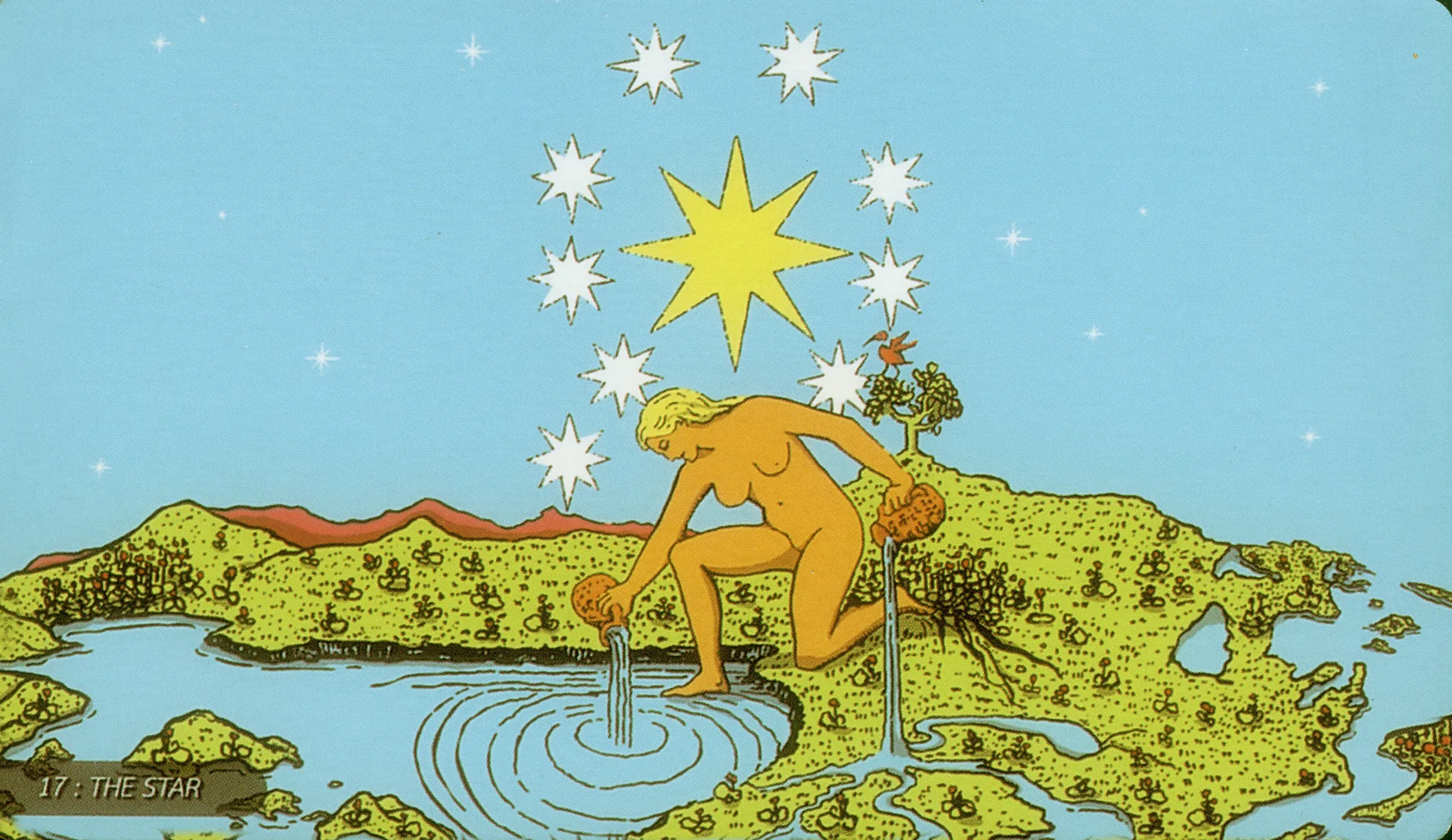
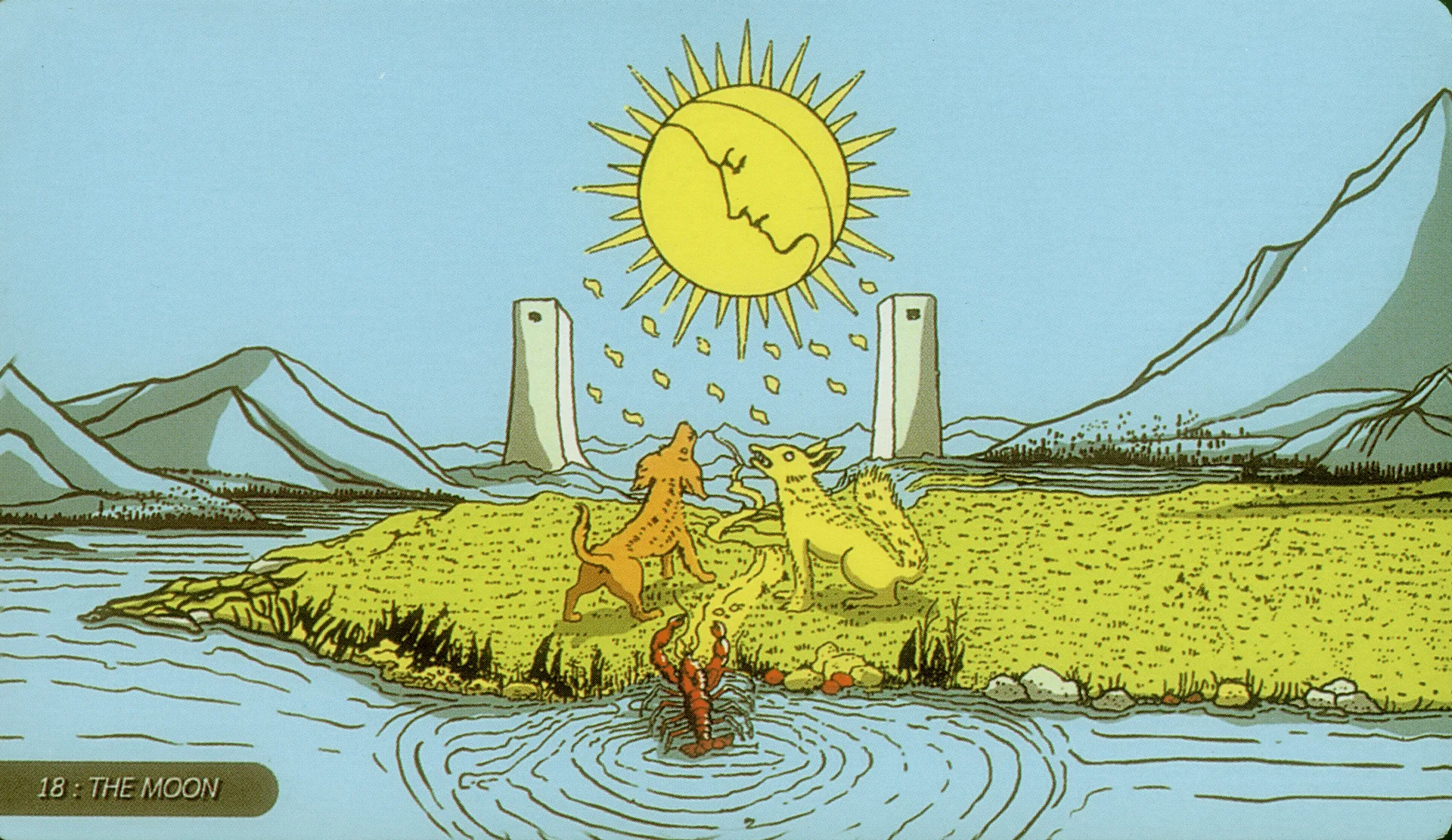
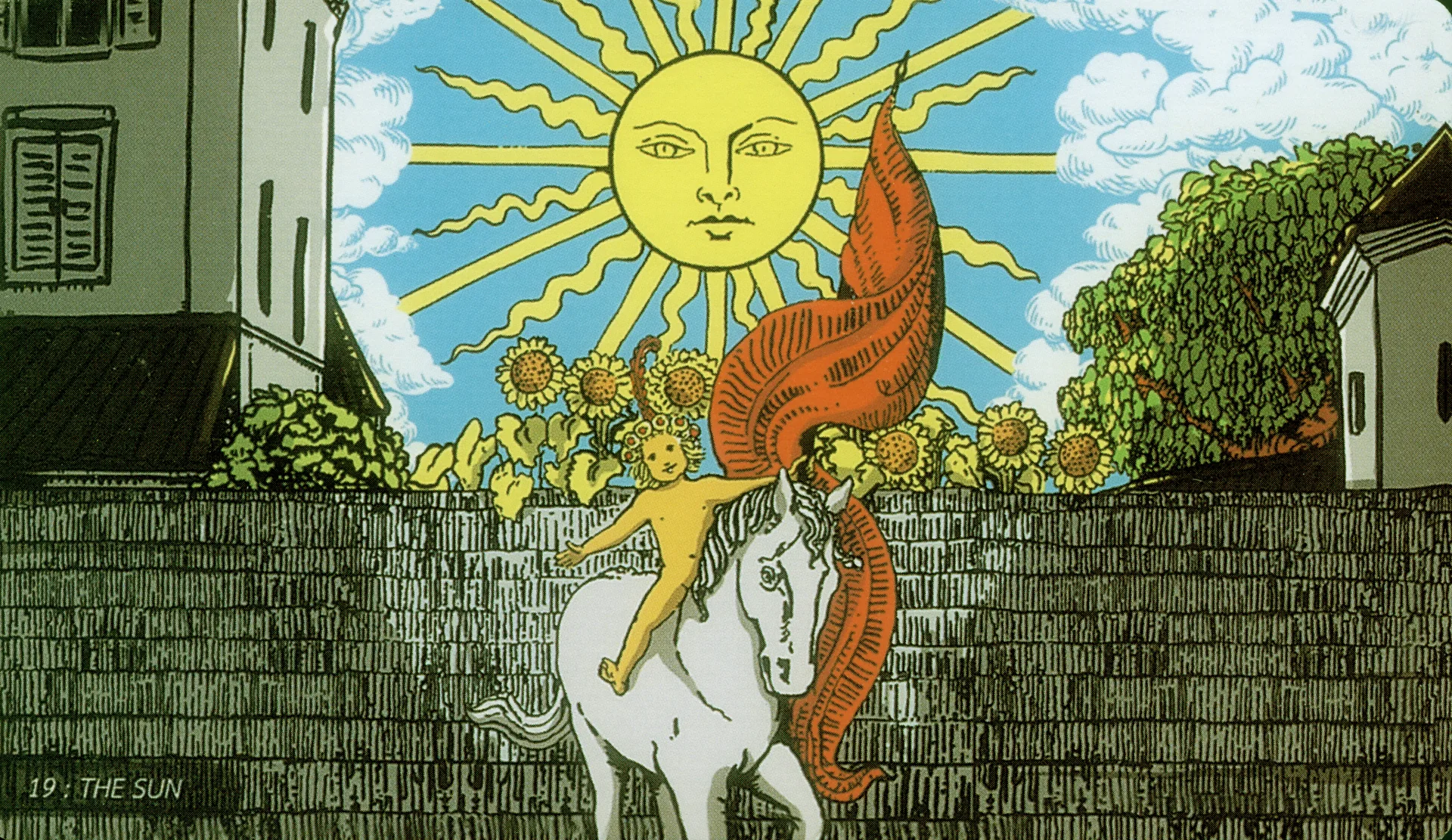
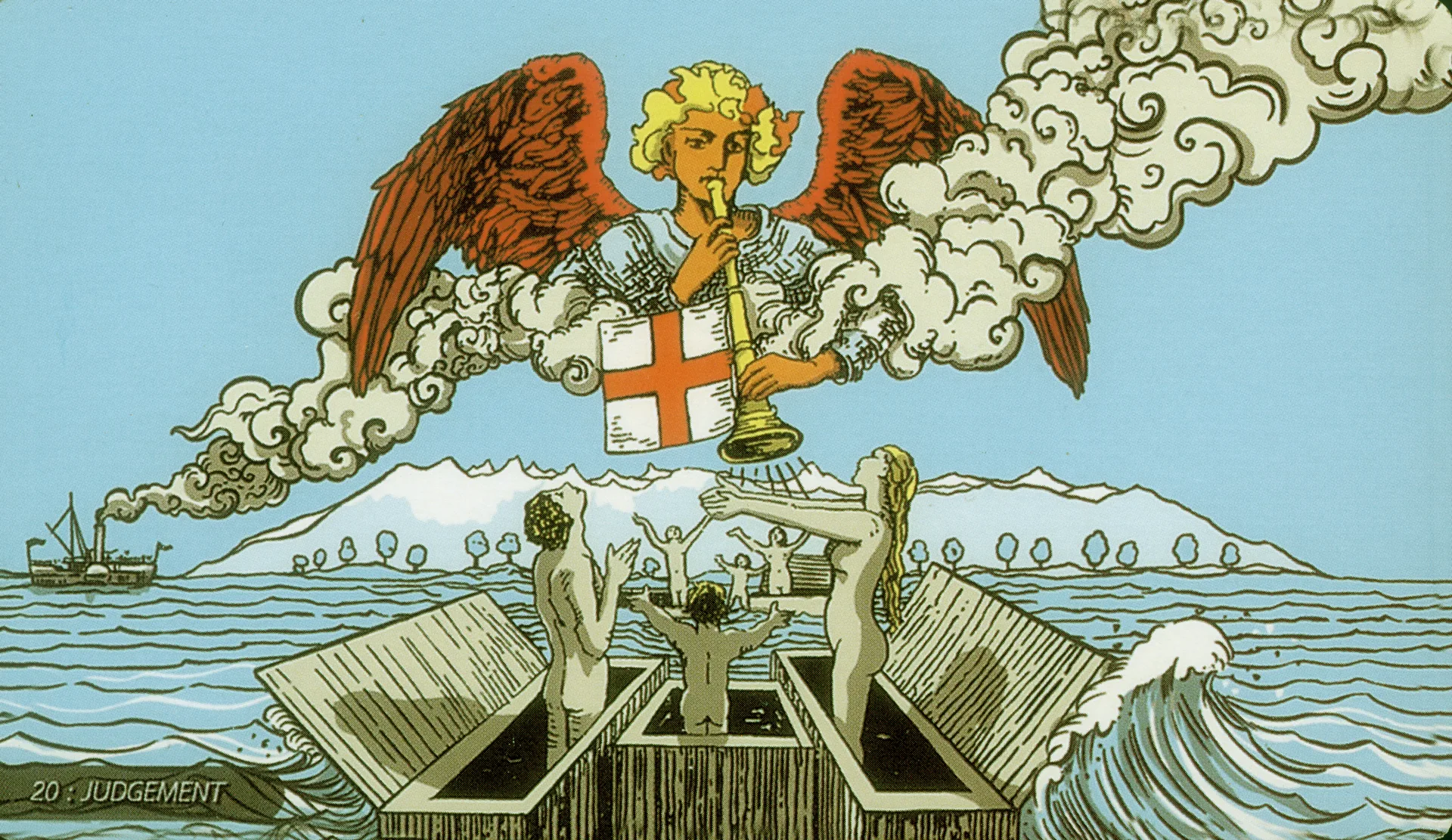
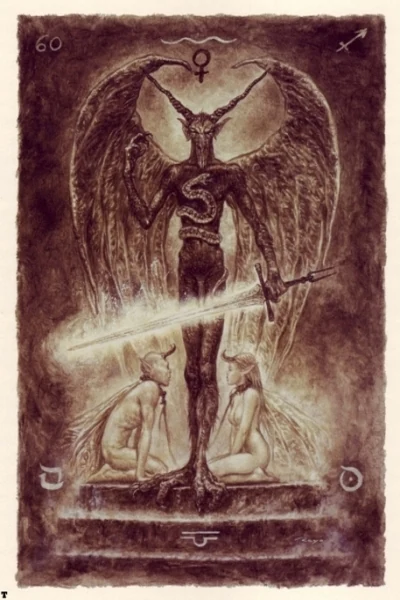
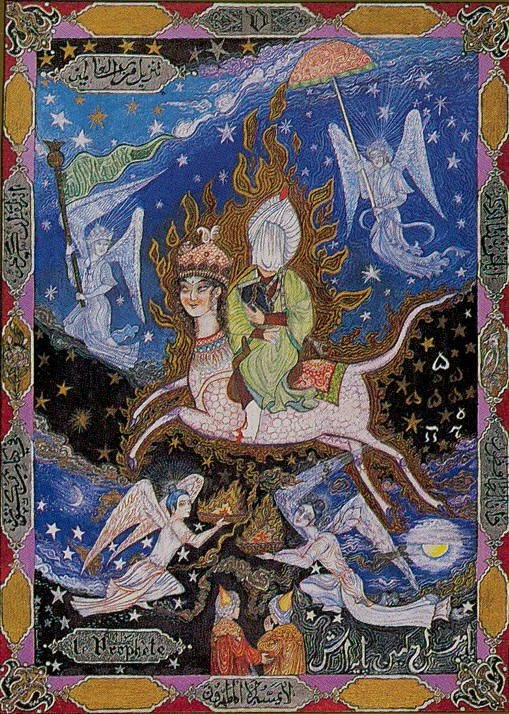
Compare the familiar Rider-Waite-Smith card with the moments before, behind and after the classic scene in three Lo Scarabeo decks.
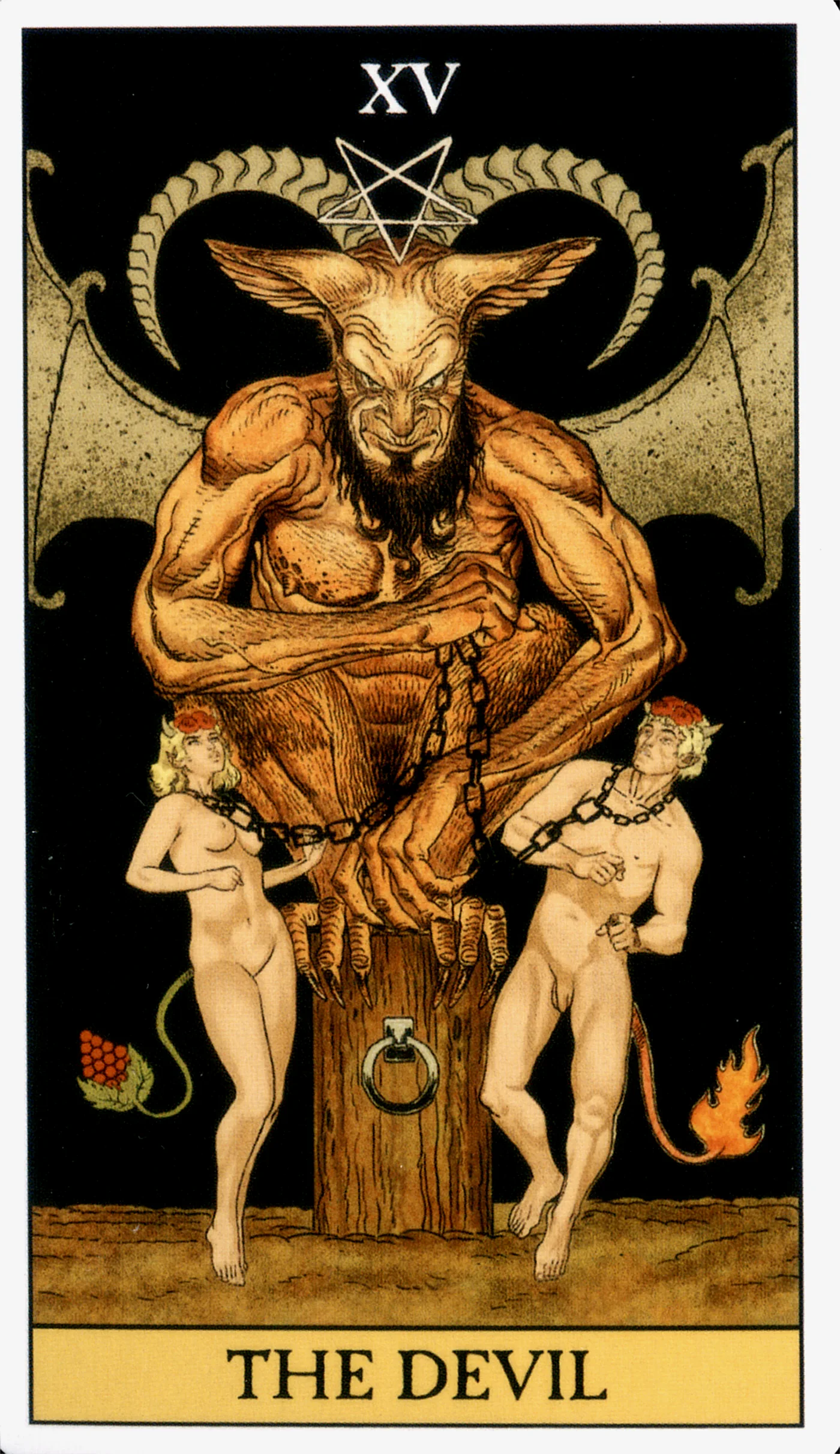
What apparently happens just before
What actually happened

What happened on the opposite side
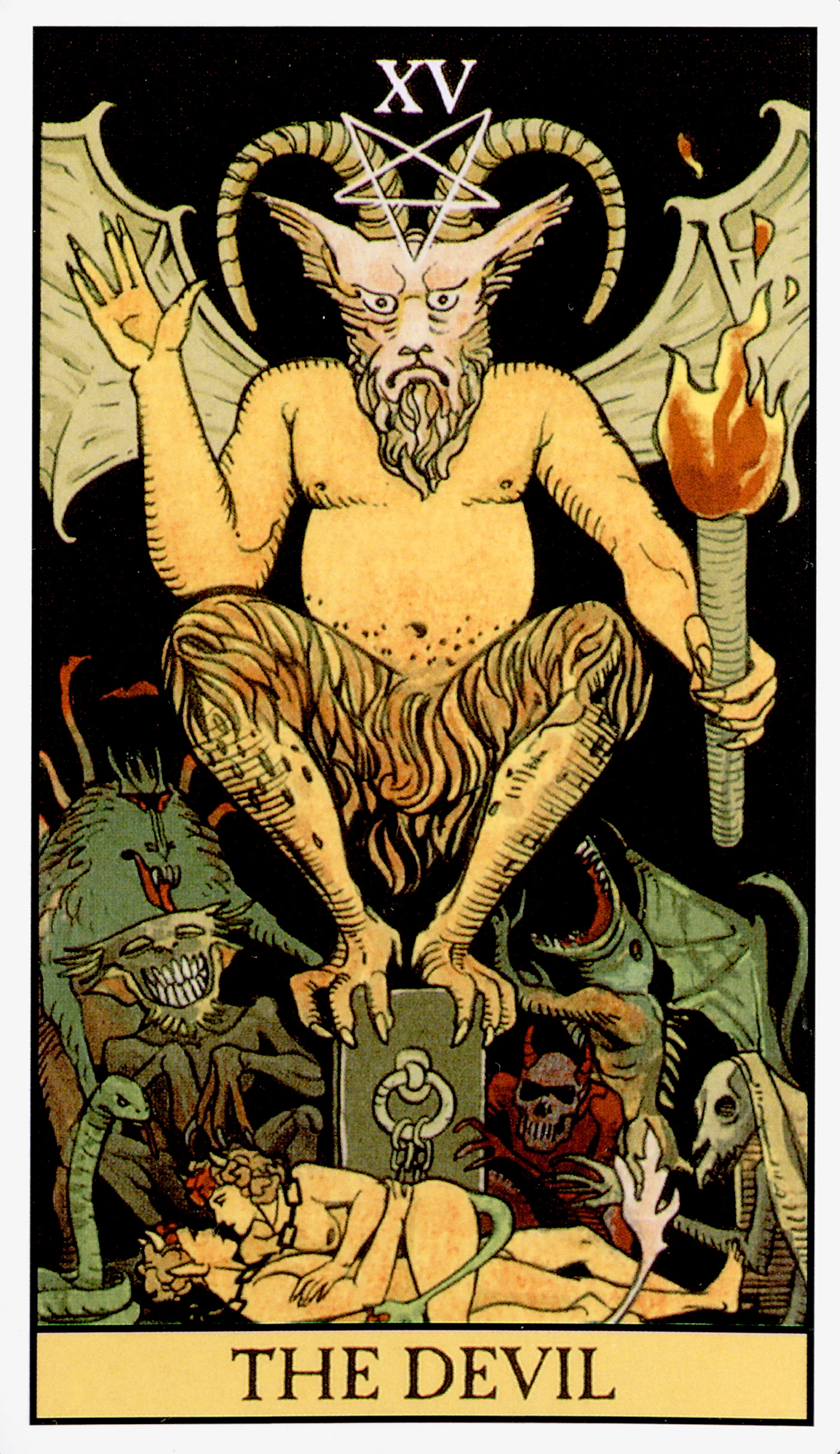
What apparently happened afterwards
Symbols on the Devil tarot card
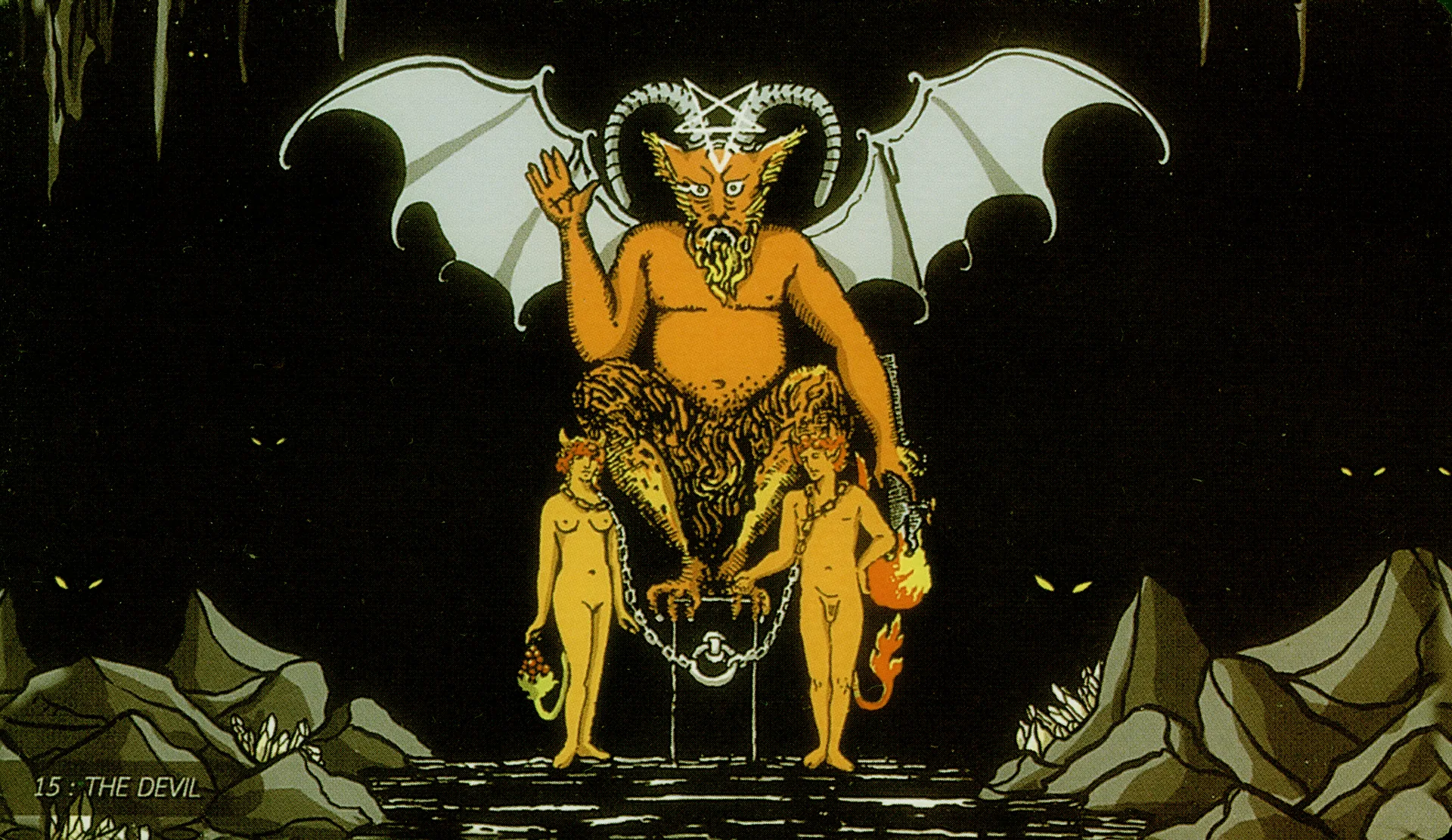
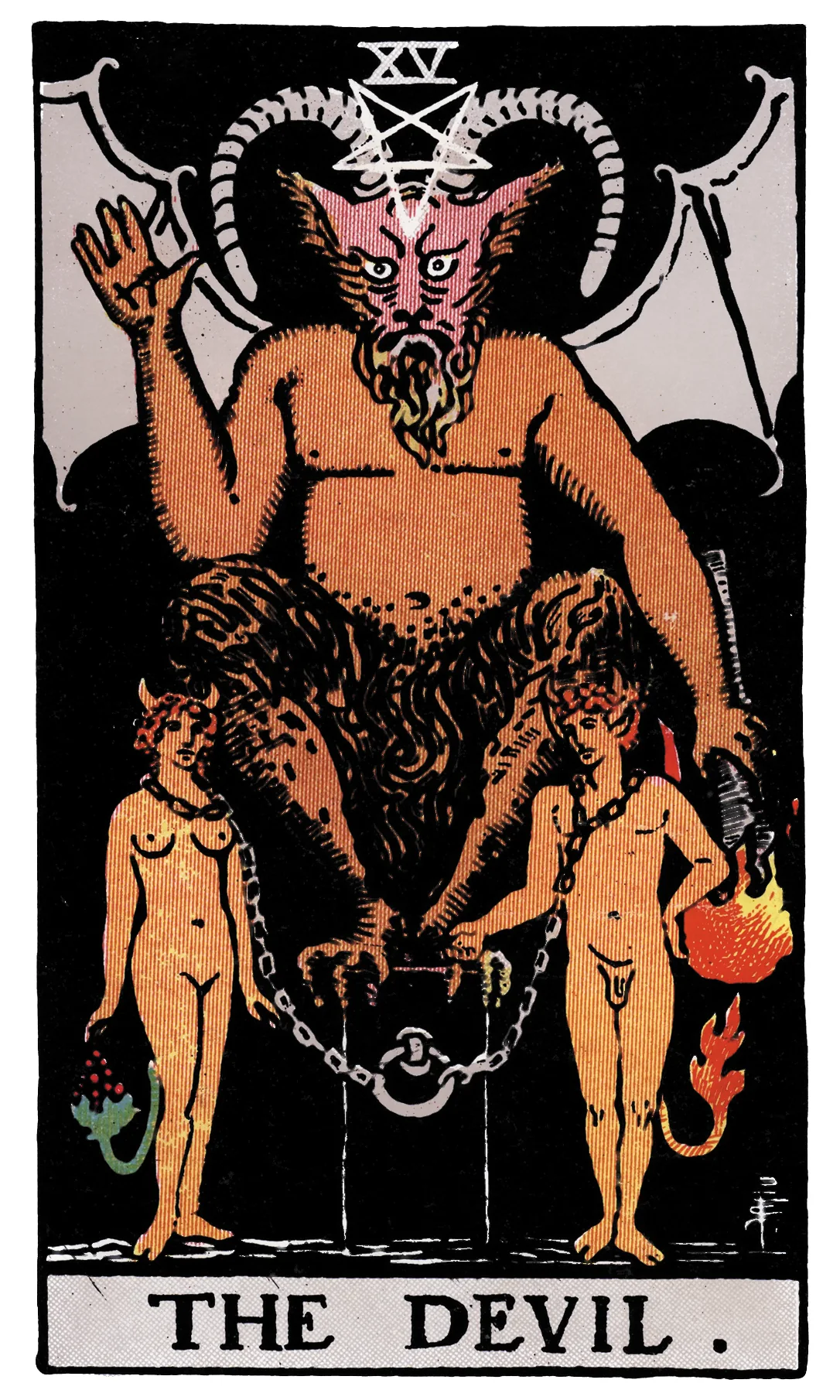
Like the other cards in the deck, this image gives you details to explore. In the Rider-Waite-Smith image shown here, the Devil sits above a naked man and woman chained to a dark pedestal. The central figure has curved horns, bat wings and an inverted pentagram on its forehead. One hand is raised; the other holds a lowered, lit torch. The two people have small horns and tails.
The chain around each neck looks loose. Many modern readers interpret that as a prompt to look for overlooked choices, not proof that anyone can simply walk out of danger. The phrase "bondage is self-imposed" can be hurtful when applied to abuse, illness or poverty. A picture does not establish why a person is stuck. Escape is possible in some situations, but real freedom can require resources and support.
The horned goat-like figure and pentagram contribute to the card's unsettling appearance. Readers may interpret the torch as desire or impulse and the dark setting as a shadow side we avoid examining. These symbolic readings explore desire and power, not literal evil, possession or a curse.
The Devil, Capricorn and card XV
The Devil is card XV, the fifteenth numbered trump in the Major Arcana. In a common esoteric correspondence system, it is linked with Capricorn, an Earth sign ruled by Saturn. Other tarot traditions organize correspondences differently; these associations are not facts about a person's character or fate.
Here, Capricorn can provide a lens for thinking about ambition, responsibility and the structures we build. Structure can support you or become rigid. Use that distinction to examine limiting beliefs such as "my value depends on being productive." The card encourages a closer look at the rule, not a judgment about everyone born under a zodiac sign.
The Devil card combinations with other tarot cards
Card combinations add context rather than canceling the original card meanings. In a tarot deck, each image gives you a different question to ask. These examples are possible readings, not fixed formulas for every spread.
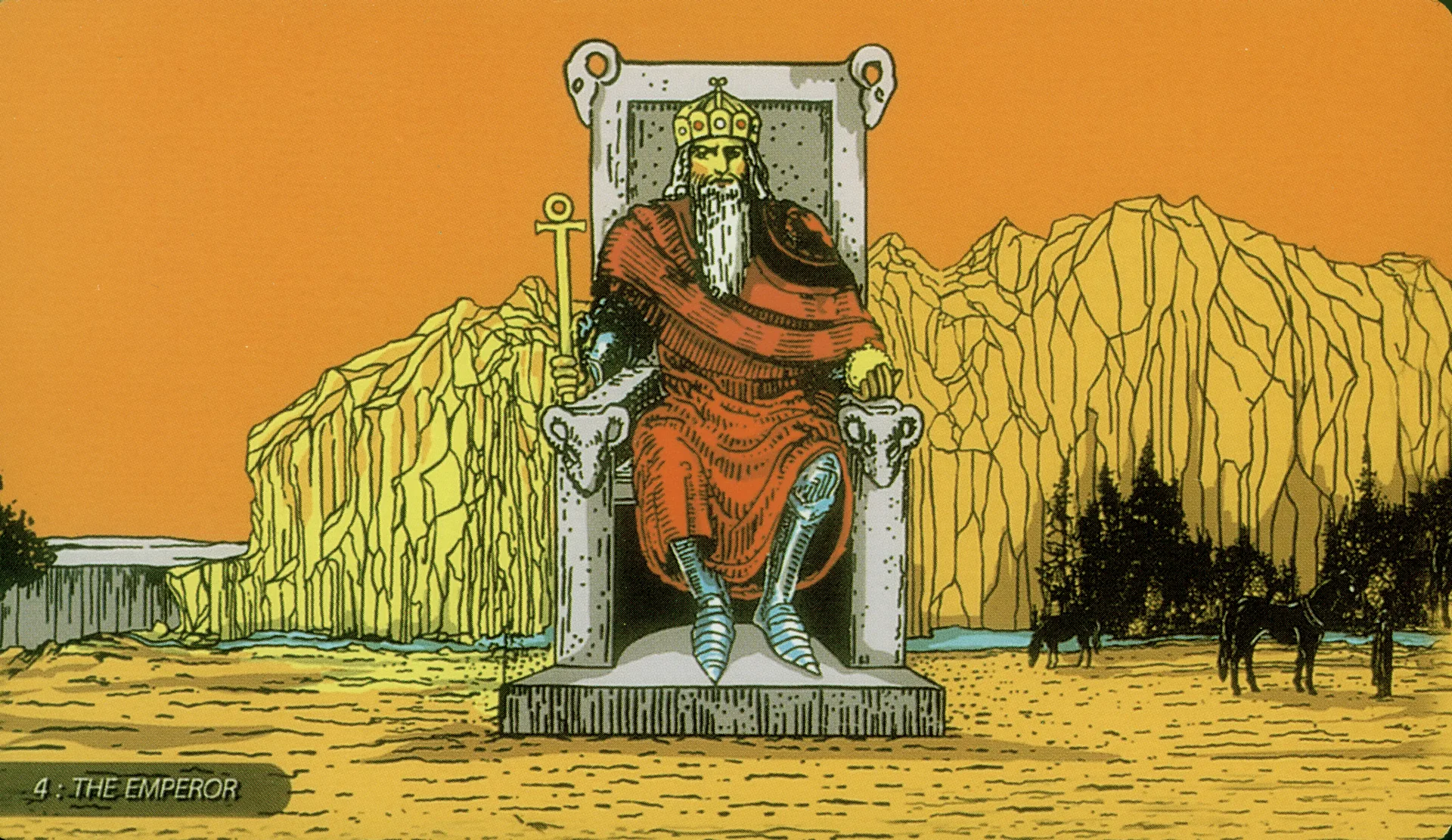
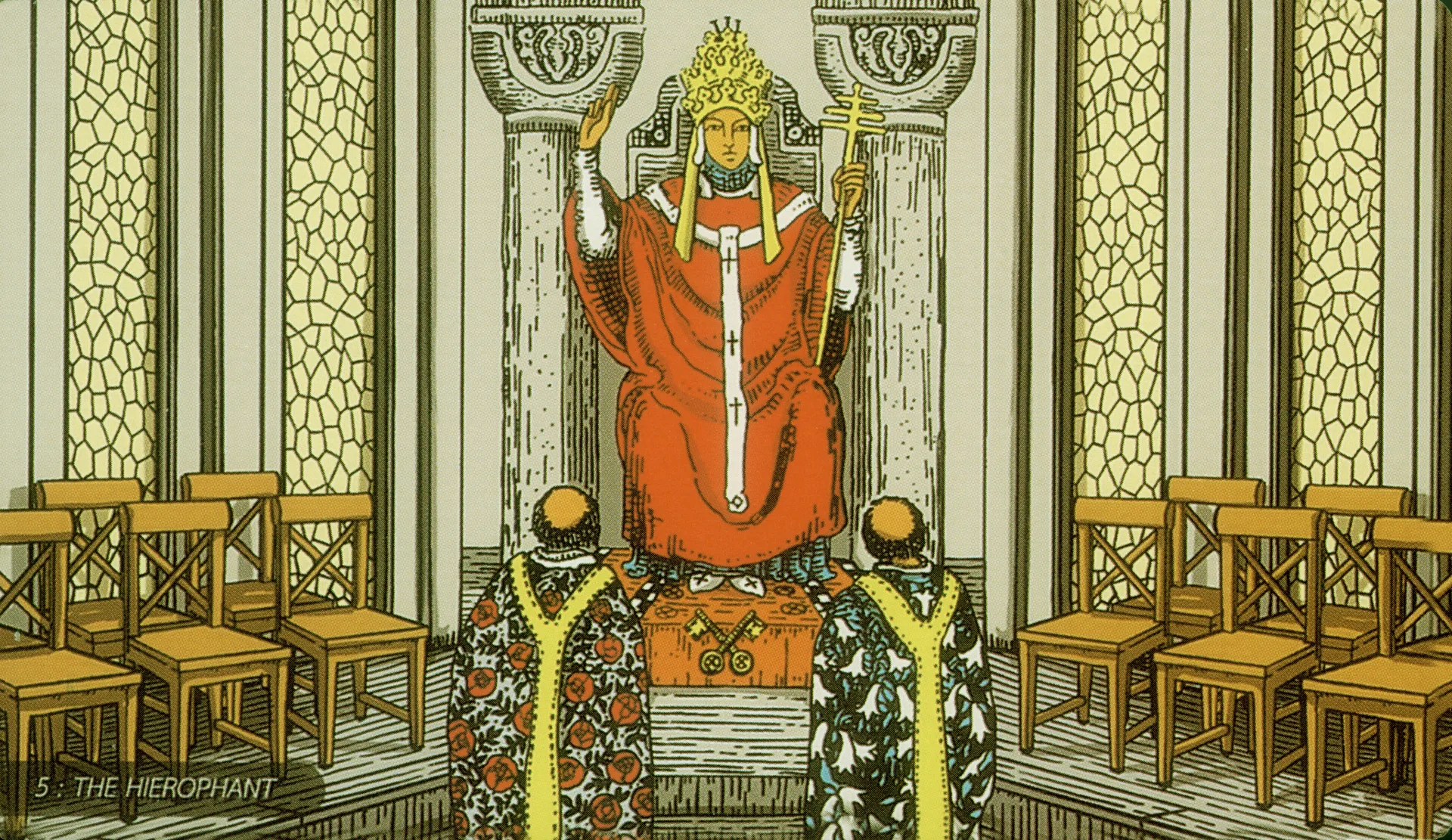
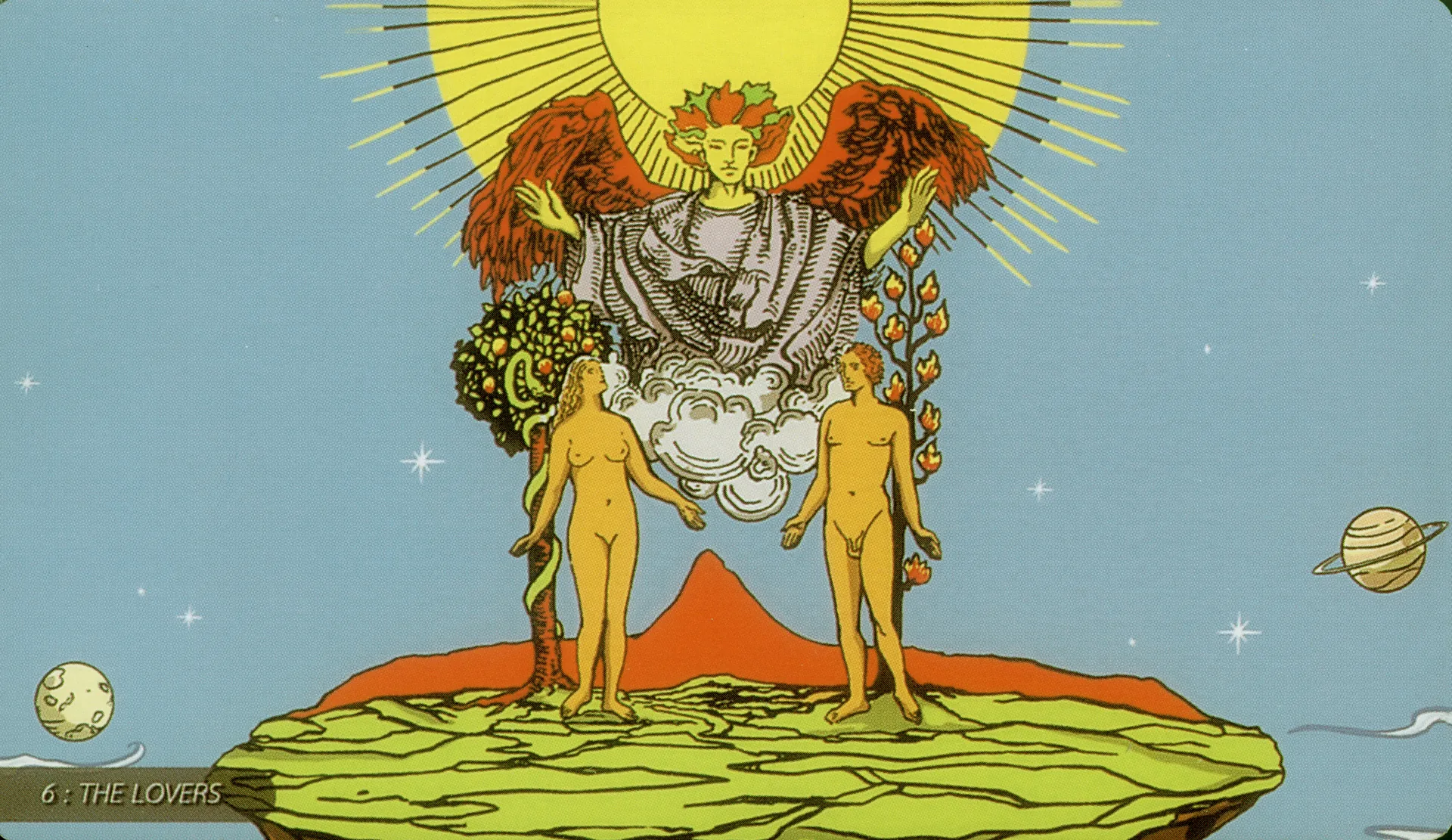
- The Lovers or the Hierophant: compare free agreement with pressure to follow a relationship rule or social expectation. Who chose the arrangement, and can it be renegotiated?
- Eight of Swords: consider a sense of restriction alongside the actual limits. Some options may be overlooked; others may require help, money or time.
- Four of Pentacles: explore whether holding tightly to security has become fear of any change. Keep the useful protection while questioning unnecessary control.
- Four of Cups or Four of Swords: notice whether boredom is feeding a habit, or whether rest would make a different response easier. A pause can help you see the pattern.
- Queen of Wands or Knight of Pentacles: consider confident boundaries alongside steady routines. A small, repeatable action can be more useful than a dramatic promise.
Helpful questions when this card appears
- What immediate reward keeps me returning to this?
- Which limit is practical, and which belief could I test?
- Who can help me make a safer or more realistic plan?
- What small change would give me more choice this week?
One card, many perspectives
See The Devil Card from Other Decks
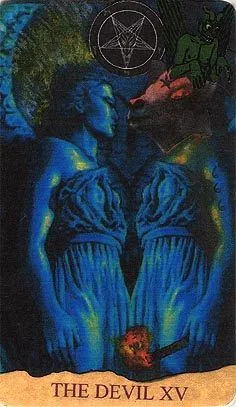
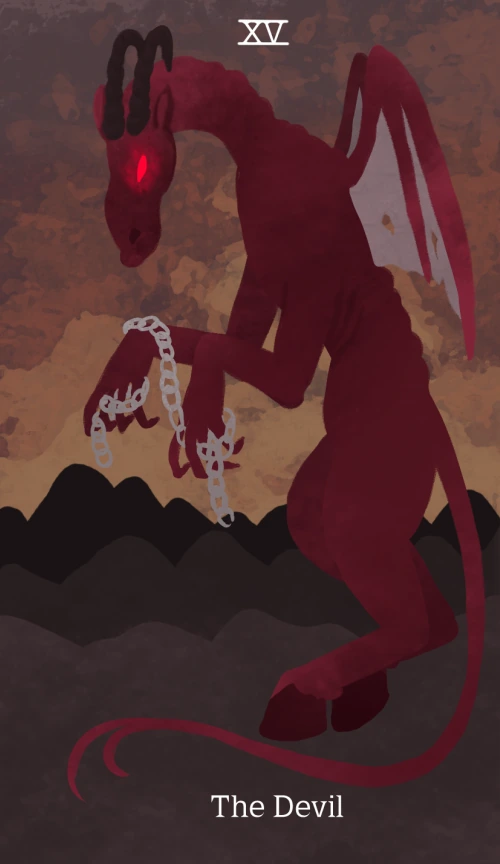
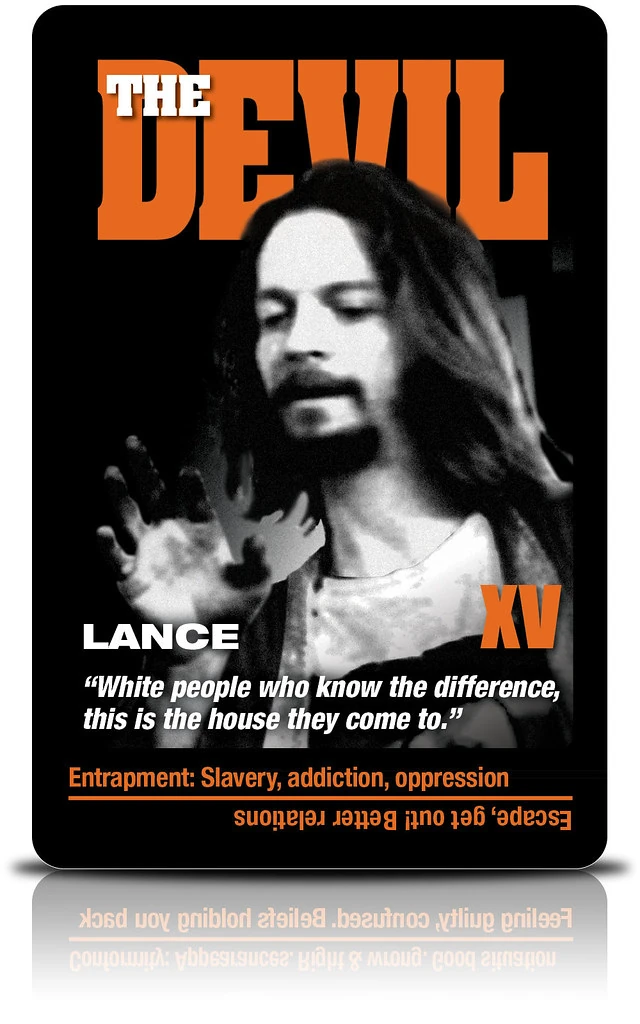
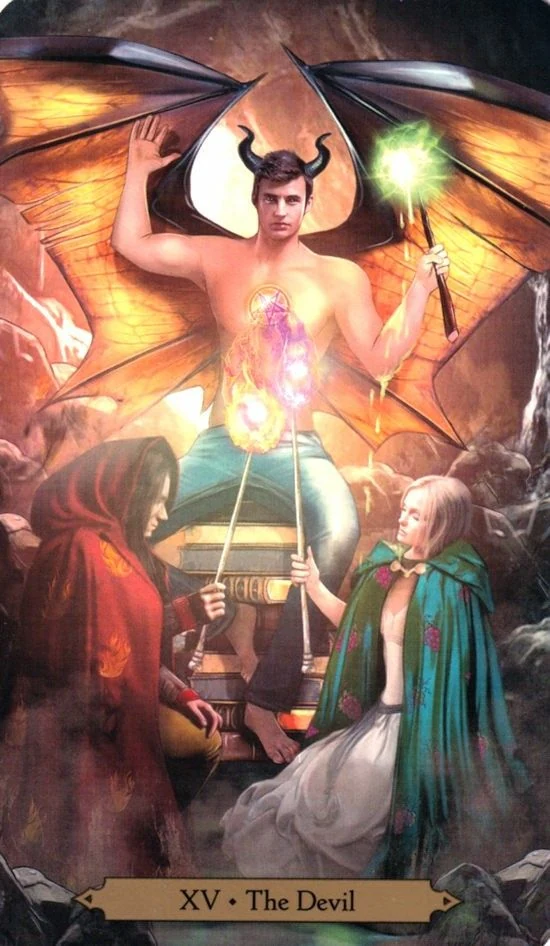
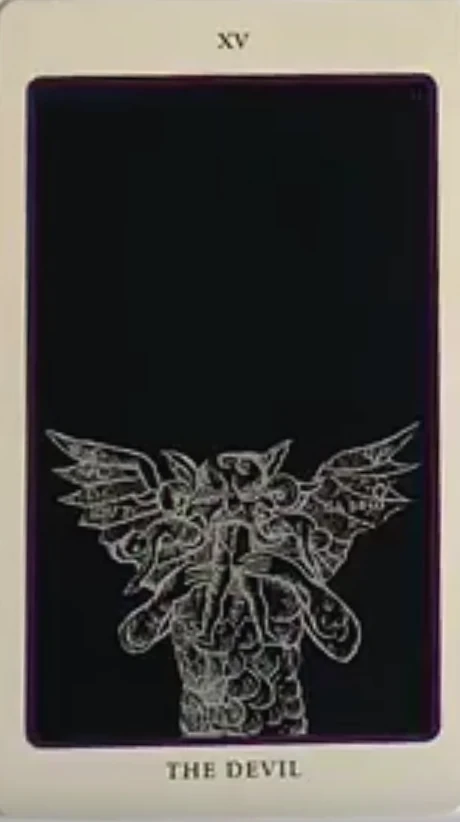
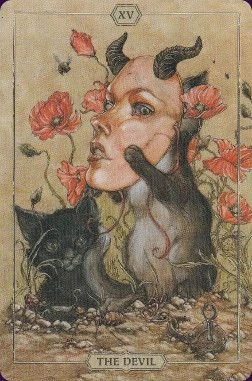
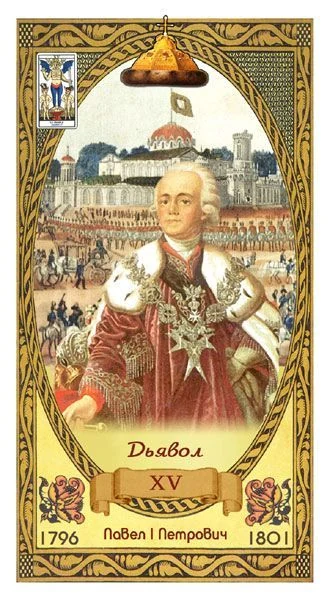
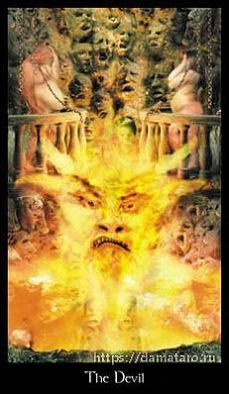
Discover how other tarot decks interpret this card. Select a deck to explore its full review and gallery.





The Devil FAQ
Is the Devil a bad tarot card?
The Devil can be uncomfortable, but it does not mean you are bad or that something terrible will happen. It invites you to examine attachment, temptation and the cost of a pattern. Use it to ask what would give you more choice, not to frighten yourself.
What does the Devil reversed mean?
The Devil reversed can mean recognizing an unhealthy attachment, making space from it or resisting a change you know you need. Look for practical evidence, such as a boundary you can keep or support you are willing to accept. A reversal does not guarantee freedom.
Does the Devil mean addiction or cheating?
No. Addiction is one topic sometimes associated with this card, but tarot cannot diagnose it. The Devil also cannot prove cheating or expose another person's private feelings. Discuss observable behavior, and seek suitable professional support for health or safety concerns.
What should I do after pulling the Devil?
Identify one pattern and its immediate reward. Then choose a safe, realistic step that reduces its cost: delay a purchase, check the terms of an agreement or ask someone for help. If there are threats or coercion, prioritize support and safety rather than confronting the situation because of a card.