Cryptid Tarot Card Gallery
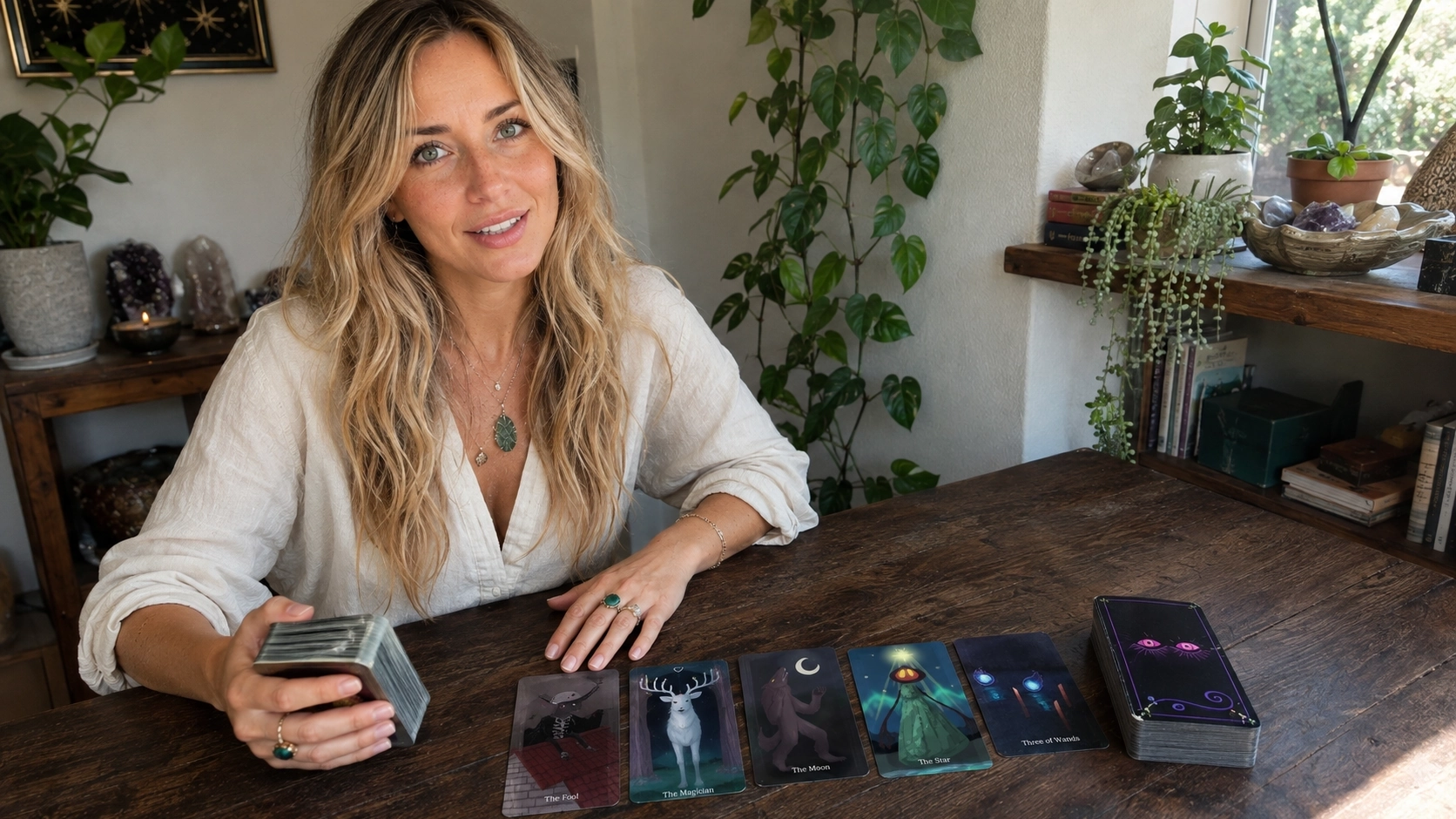
Choose a group or tap any card to open the larger Lightbox. Every image is self-hosted from the supplied Pinterest section and keeps its original proportions.
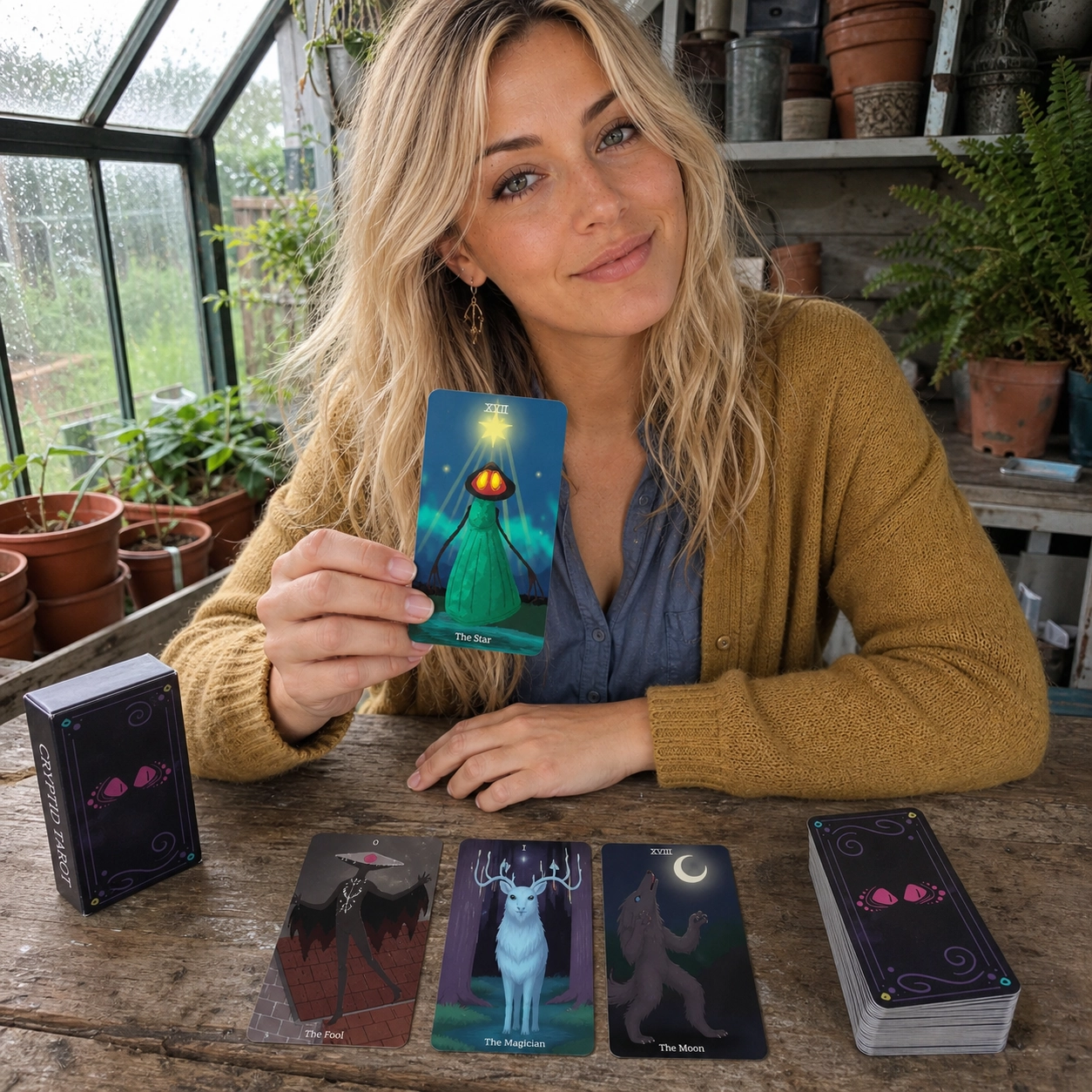
Aurica’s Quick Take
If you’re pulled toward shadowy forests, strange sightings, and answers that feel just out of reach, I think this deck is worth your time. Cryptid Tarot is at its best when the question is unclear but your instincts are awake.
I love how these creatures make uncertainty part of the reading. The Moon feels like a sound beyond the cabin wall, while The Star becomes an uncanny signal asking me to trust a small light. Familiar cards ask what I know and what I only suspect.
Dark without becoming joyless, the artwork gives familiar tarot a fresh field-guide feeling. I reach for this deck when someone has clues but no proof, or when the useful answer waits at the edge of perception.
Read slowly, letting the creature, landscape, and movement speak before reaching for keywords. This is not my choice for breezy reassurance; it shines when curiosity and courage sit together. Follow that strange trail with an open heart—you may discover you carry more light than the forest led you to believe.
Cryptid Tarot Review: Folklore, Forest Shadows, and Strange Intuition
I read the Cryptid Tarot as a deck for the moment when the trail goes quiet and you realize the answer may be watching from the tree line. It has folklore creature energy, wilderness mystery, and that delicious little shiver of not knowing whether a sign is real, imagined, or both. For me, that makes it a strong deck for hidden motives, strange timing, intuition under pressure, and questions that do not behave neatly.
This is not a soft, airy fantasy deck. It feels like a field notebook filled with sightings: lake monsters, mothmen, bigfoot shapes, ghostly animals, UFO light, strange birds, reptile shadows, and creatures that seem half myth and half warning. The mood is playful in places, but it also respects fear as information. In readings, I like that. Cryptid Tarot does not rush to explain every rustle in the dark. It asks me to notice what my body already noticed.
The TarotFans native gallery now uses 75 verified Cryptid Tarot card-front images recovered from the supplied Pinterest section. The section still exposes its separate card-back image, but three card fronts—Seven of Wands, Page of Pentacles, and King of Pentacles—are no longer returned as public pins. I am keeping that limit honest rather than filling the gaps with cropped video screenshots.
What makes Cryptid Tarot feel different?
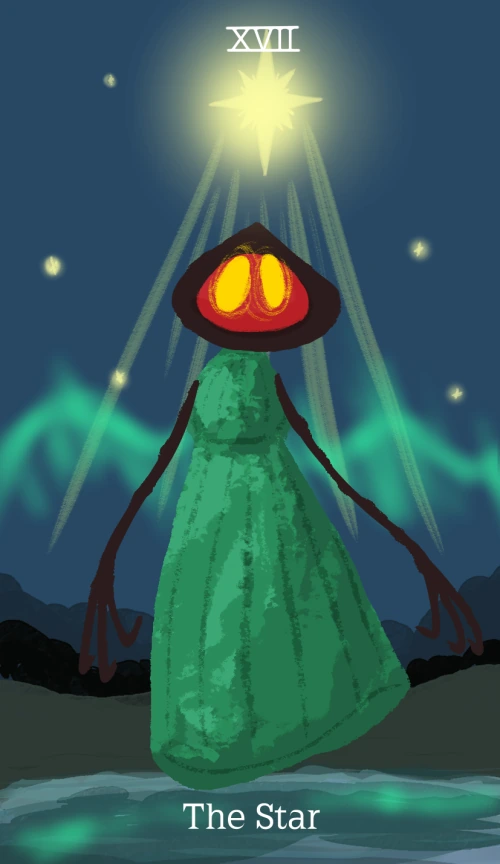
The deck’s strongest voice is liminal. These cards live between campfire story and divination tool, between evidence and rumor, between fear and fascination. That gives familiar tarot meanings a fresh texture. The Moon is not only confusion; it becomes the sound behind the cabin. The Star is not only hope; it becomes the red-eyed figure that may be frightening and guiding at the same time.
I also like how the deck turns uncertainty into a reading method. With many Rider-Waite-Smith style decks, I might move quickly from image to keyword. With Cryptid Tarot, I slow down and ask: What has been seen? What is still hidden? Is the witness reliable? Is the fear protecting me, or is it making a shadow larger than it really is? Those questions are perfect for situations where the querent has clues but not proof.
Deck-specific card study
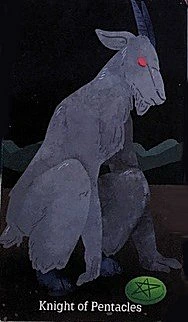
Knight of Pentacles: steady steps through strange country
The Knight of Pentacles appears as a broad grey, goat-like creature sitting in profile beneath a black sky. Its single red eye catches the darkness, while a green pentacle rests close to the earth at its feet. The creature is strange, but its posture feels planted rather than frantic. The usual Knight message of patience, duty, and steady progress survives the change of costume beautifully.
That grounded stillness is what I like about this card. A mysterious path does not always need a dramatic leap; sometimes it needs the person who keeps watch, checks the tracks, and takes the next sensible step. In a reading, I would ask what commitment deserves calm repetition and where fear is tempting the querent to abandon useful work too soon.
That is one of the deck’s best lessons. A strange sign is not automatically a bad sign, and an unfamiliar road does not always require speed. In career, money, study, or creative readings, I would use this Knight to ask which ordinary action needs to be repeated until the trail becomes dependable.
1. When a first clue becomes a real path

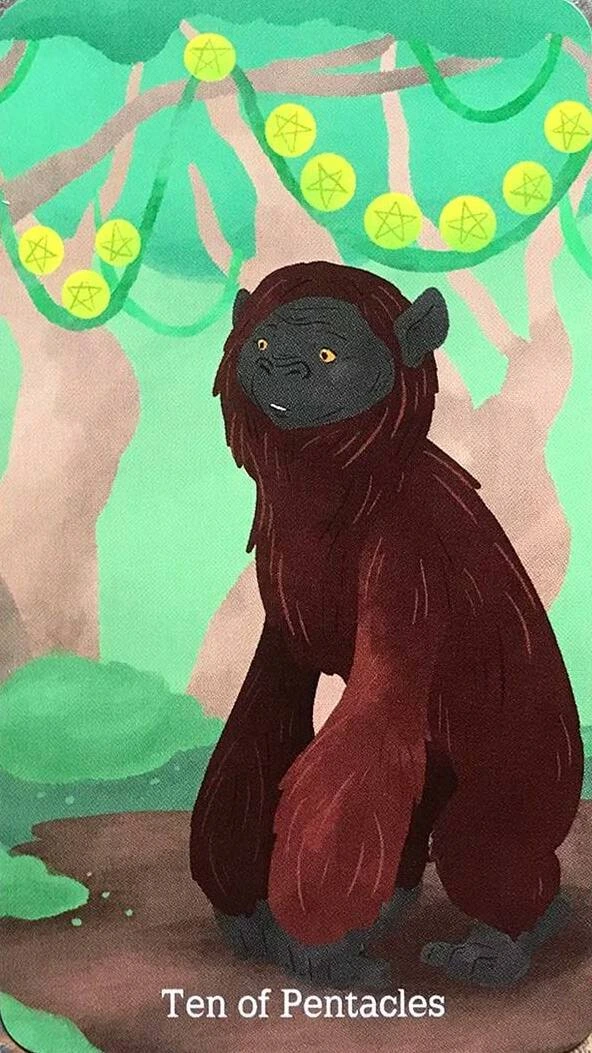
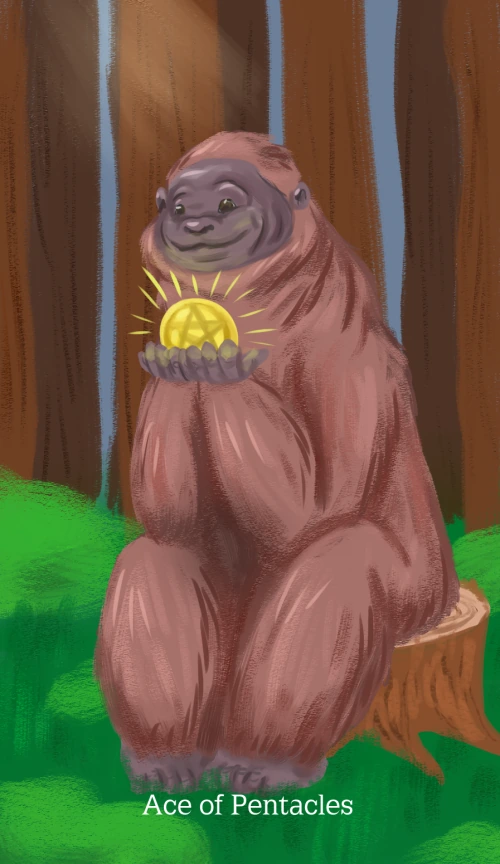
This four-card moment turns curiosity into something grounded. Knight of Pentacles follows the clue without rushing, Six of Pentacles asks who is helping or taking, Ten of Pentacles checks the long-term habitat, and Ace of Pentacles gives the new seed a place to root. I would use it for a practical decision that still feels weird, new, or hard to explain.
How Cryptid Tarot reads in real life
In real readings, Cryptid Tarot is best when the question has fog around it. It can be relationship confusion, a workplace vibe that feels “off,” a creative idea that scares you a little, or a life change where nobody has enough facts yet. The deck has a way of saying: do not panic, but do not ignore the tracks either.
The art is also good for shadow work because it does not make fear look silly. Fear may be a monster, a messenger, a memory, or a survival instinct. This deck lets those possibilities sit together. That makes it useful for readers who want honest atmosphere without going grim for the sake of being edgy.
Deck-specific card study
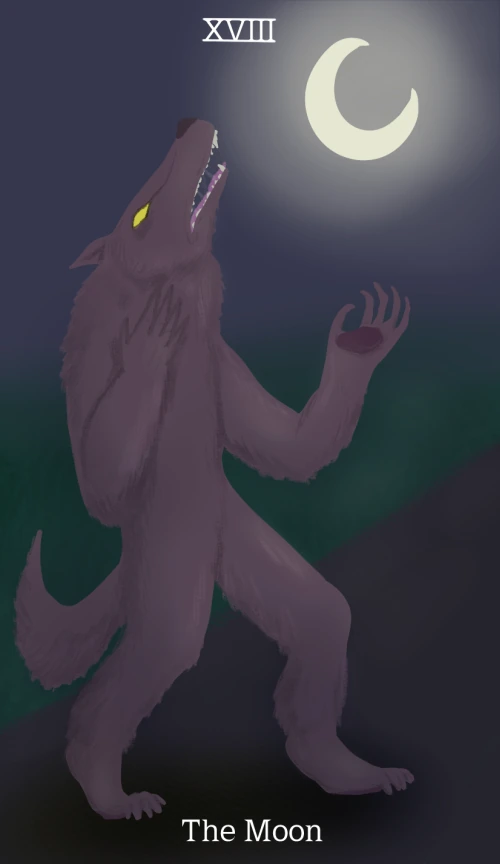
The Moon: the sighting you cannot prove yet
The Moon feels like the natural home of this deck. It is the card of the shape glimpsed in bad light, the story that changes with every retelling, and the feeling that something is present before you can name it. Cryptid Tarot makes that uncertainty visual instead of abstract. The mystery is not only in the sky; it is in the body, the woods, and the silence around the scene.
As a reading card, this does not tell me to believe every fear. It tells me to respect the fog. I would separate what is known, what is guessed, what is projected, and what still needs time. The deck’s folklore mood is useful here because it reminds the reader that not every unknown is a monster — but not every shadow should be ignored either.
That kind of reading can be very practical. Not every situation gives clean evidence right away. Sometimes the wise move is to keep a field journal: write down what happened, note patterns, check sources, and wait for another sign. The Moon in this deck supports patient observation rather than dramatic conclusions.
2. Sorting intuition from fear in the dark
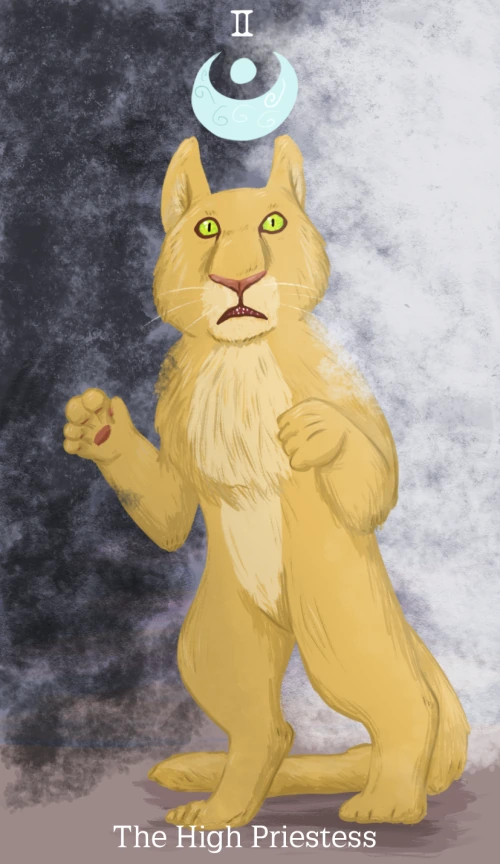


This spread is for the classic cryptid question: did I see something real, or did the dark fill in the blanks? The High Priestess listens, The Moon clouds the trail, Seven of Cups multiplies possible stories, and Queen of Cups returns the reader to emotional steadiness. I would use it when the answer needs sensitivity and calm testing.
Best uses for this deck
I would reach for Cryptid Tarot for mystery-heavy questions, shadow work, creative blocks, intuition checks, dream journaling, strange relationship dynamics, and moments when the querent feels watched by a possibility they cannot name yet. It is especially good for “what am I missing?” readings because the entire deck seems built around what hides just outside the flashlight beam.
I would not choose it first for someone who wants soft reassurance or very literal everyday scenes. Some cards are clear, but the deck’s gift is atmosphere. It wants you to read symbol, creature, weather, posture, and mood. Beginners can still enjoy it, especially if they already know basic tarot meanings or love folklore, but they should be willing to sit with ambiguity.
Deck-specific card study
The Star: hope with red eyes in the dark
The Star in Cryptid Tarot has a Mothman-like feeling: strange, watchful, and somehow healing. That twist works because hope is not always soft pastel light. Sometimes it is the eerie signal that keeps blinking after the road has gone quiet. The card still carries renewal, but the renewal feels alert rather than innocent.
I would read this Star as recovery after fear, not recovery that pretends fear never happened. It says the witness survived, the water still moves, and there is still a point of light to follow. For this deck, that is exactly the right kind of hope: not clean, not simple, but real enough to keep walking toward.
This is why I find the deck emotionally smarter than a novelty premise might suggest. It understands that comfort can come from unexpected places. A monster can be a mirror. A warning can be mercy. A mystery can keep us humble enough to keep listening.
3. A warning that turns into protection
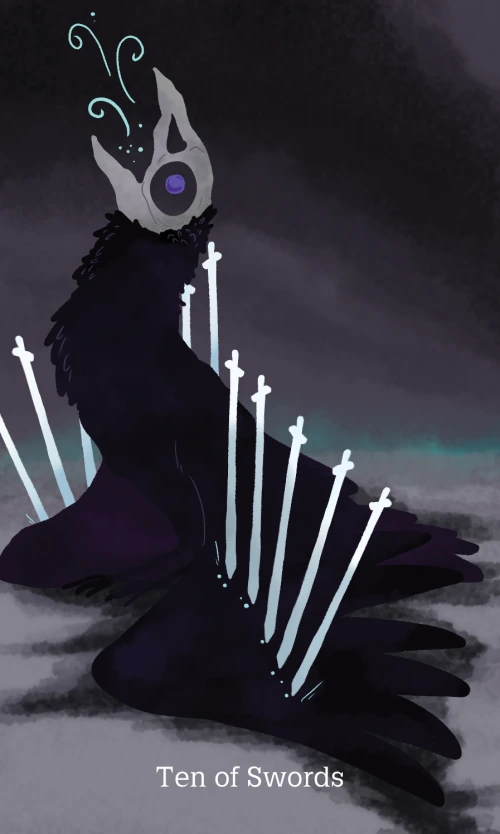
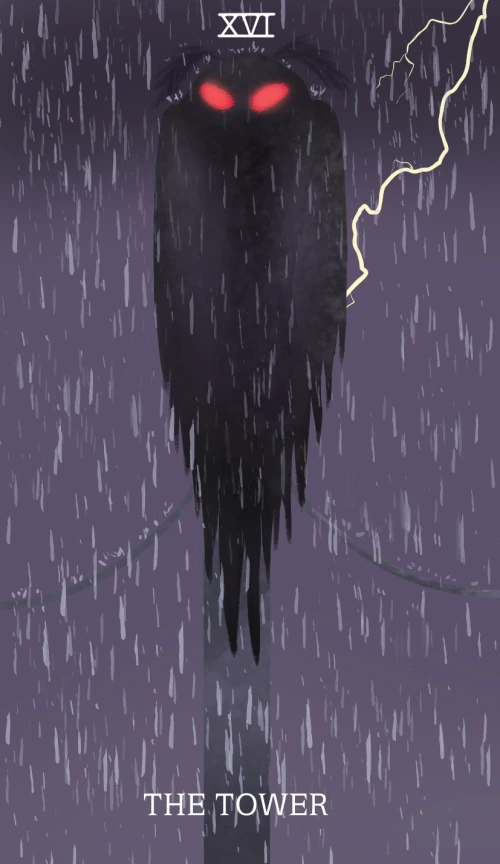
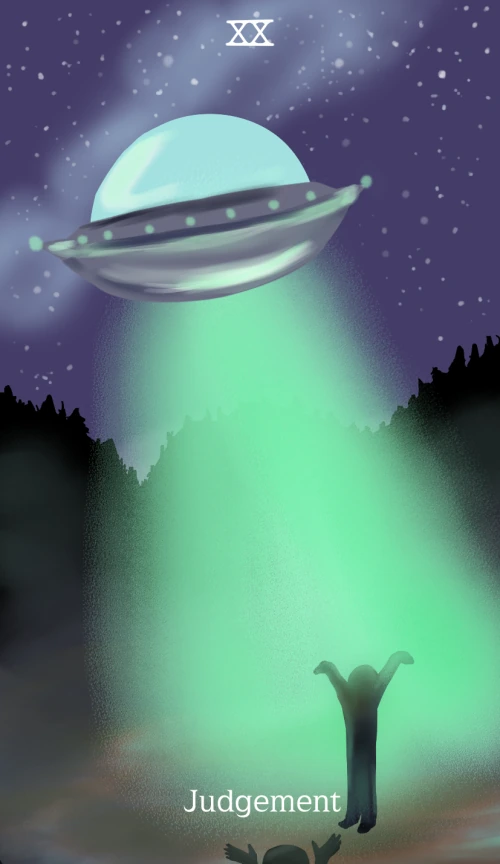
This is a dramatic line, but it has a clean healing arc. Ten of Swords names the ending, The Tower cracks the false structure, Judgement shines the UFO beam of unavoidable truth, and The Star gives the survivor a point of hope. I would use it after a shock, breakup, public mistake, or sudden realization when the reader needs meaning without denial.
Beginner friendliness and reading style
Cryptid Tarot can work for beginners, but I would not treat it like a plain keyword deck. The titles and tarot structure are familiar enough to follow, while the creature art adds mood and folklore flavor. A new reader may want a basic Rider-Waite-Smith reference nearby, then use the cryptid image as the second layer: what does this creature know, hide, guard, fear, or reveal?
A simple way to read with it is to ask three questions for every card. First, what is the classic tarot meaning? Second, what kind of cryptid energy is shown: watcher, trickster, survivor, guardian, omen, or lost creature? Third, what is just outside the light? That method keeps the deck practical while still honoring its weirdness.
4. Walking out of the woods with your answer
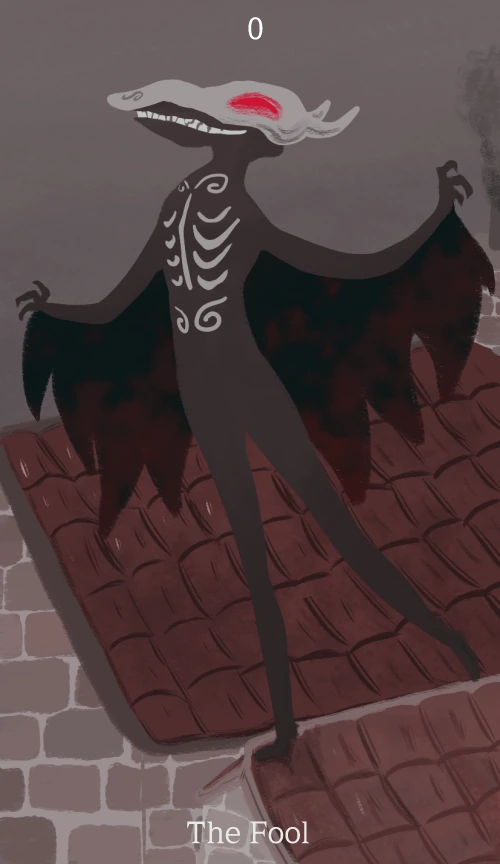

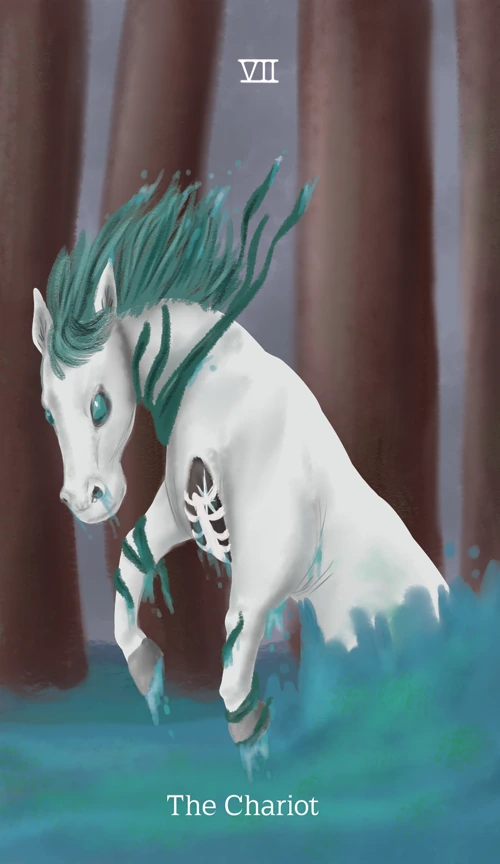
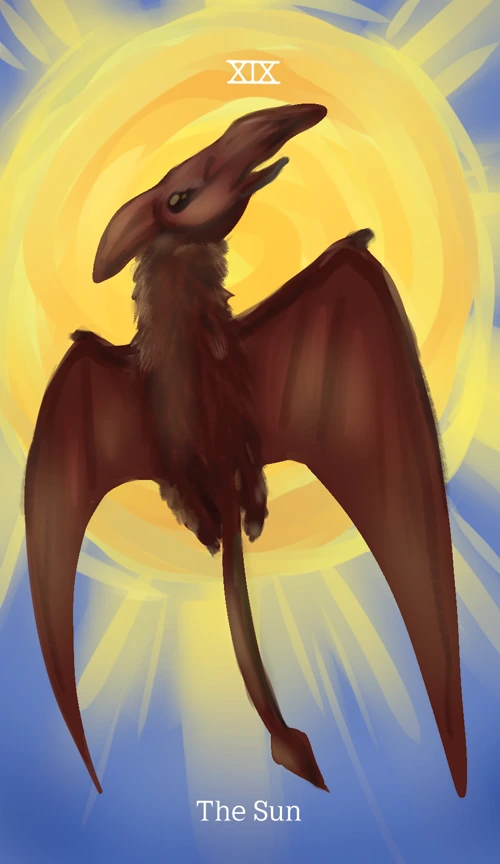
This final four-card moment is for courage after uncertainty. The Fool steps into the unknown, The Magician gathers tools, The Chariot chooses direction, and The Sun brings the sighting into daylight. It is a good spread for creative launches, coming clean, naming a goal, or moving forward after too much private guessing.
Final thoughts
Cryptid Tarot is a memorable deck for readers who enjoy folklore, monsters, wilderness, and the psychic tension of not knowing everything yet. I like it most when a reading needs instinct and evidence to sit at the same table. It is weird, but not random. It is spooky, but not empty. The deck’s creatures give classic tarot meanings a living, breathing, watching presence.
If you want a tarot deck that feels like a moonlit hike, a campfire story, and a field report from the edge of belief, Cryptid Tarot has a special charm. I would use it when the question is hidden, the answer is shy, and the path forward begins with one brave look into the dark.
Cryptid Tarot FAQ
Is Cryptid Tarot good for beginners?
It can be beginner friendly if you like folklore and are willing to read slowly. The tarot titles are familiar, but the cryptid art adds mood and mystery, so I would pair it with a basic tarot guide while you learn.
Does Cryptid Tarot follow familiar tarot meanings?
Yes, the visible cards use familiar tarot titles such as The Moon, The Star, Knight of Pentacles, and Queen of Cups. I read the classic meaning first, then add the deck’s creature symbolism, wilderness setting, and “what is hidden?” atmosphere.
Why does this Cryptid Tarot gallery show 75 cards?
The supplied Pinterest section publicly returns 75 unique card fronts plus one separate card-back image. Seven of Wands, Page of Pentacles, and King of Pentacles are the three missing fronts, so I have left them out rather than use the cropped multi-card video screenshots from the previous Gallery.
What readings is Cryptid Tarot best for?
I like it for intuition checks, mystery-heavy questions, shadow work, dream journaling, creative fear, strange relationship dynamics, and “what am I not seeing?” readings. It is especially strong when facts are incomplete and the atmosphere matters.
Is the guidebook or edition important with Cryptid Tarot?
Yes. Because the deck uses specific cryptid and folklore references, guide material can help identify creatures and creator choices. If buying a copy, check the edition, card count, condition, and whether the booklet or guide material is included.
Is Cryptid Tarot scary or too dark?
It is spooky and atmospheric rather than horror-only. Some cards feel eerie, but the deck also has humor, curiosity, healing, and adventure. I would choose it when you want mystery and folklore, not when you want a very soft or pastel reading mood.