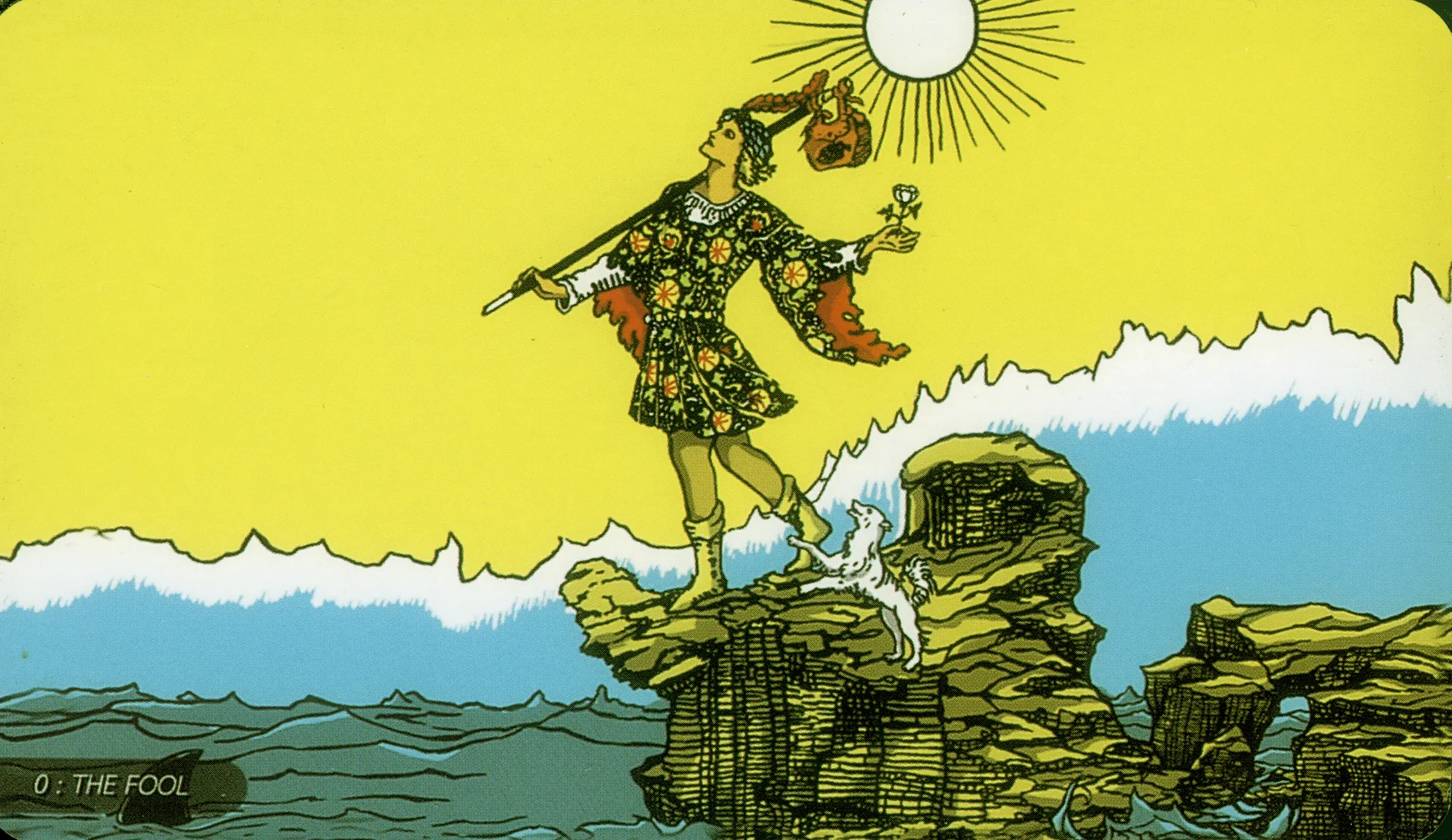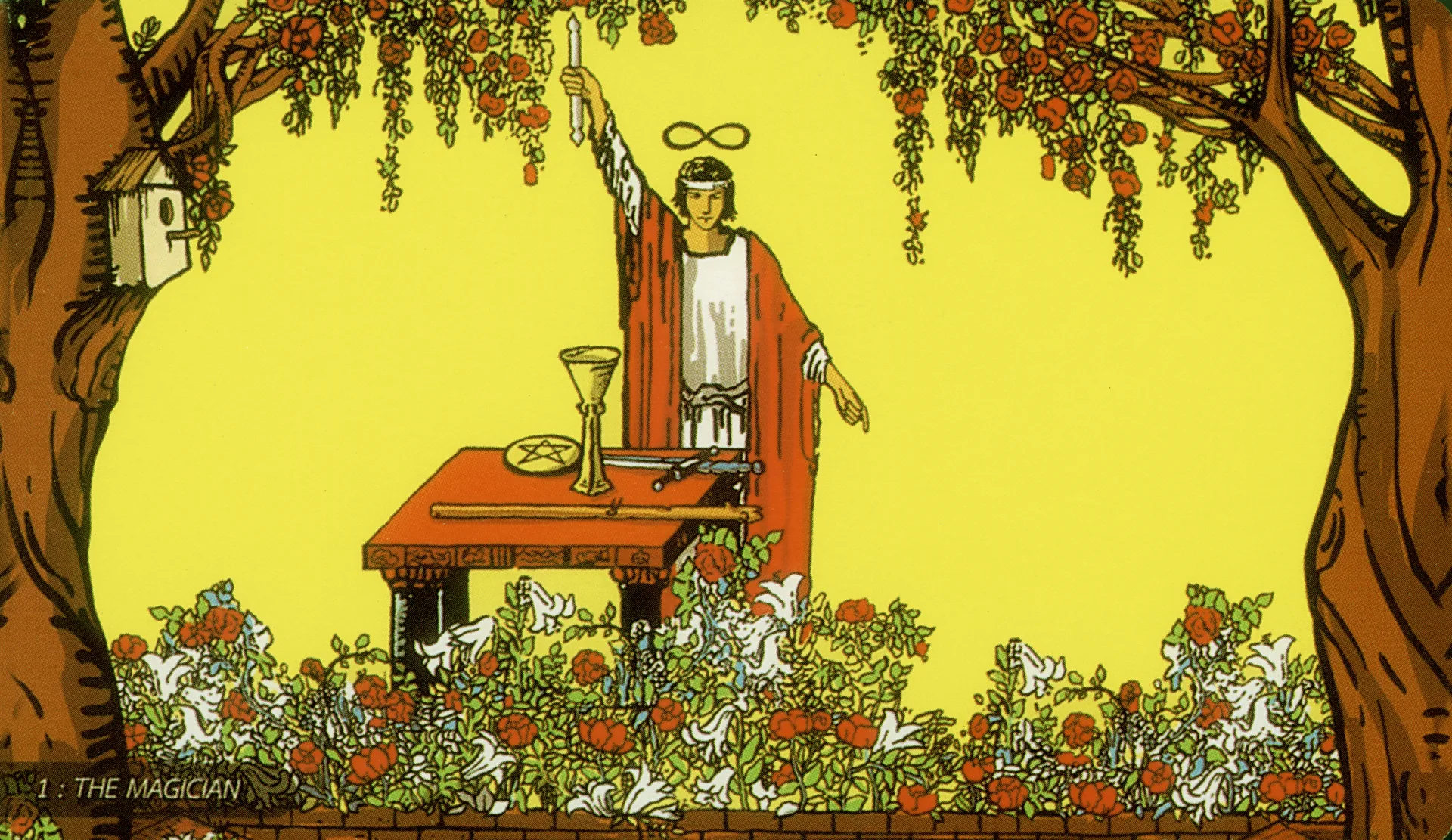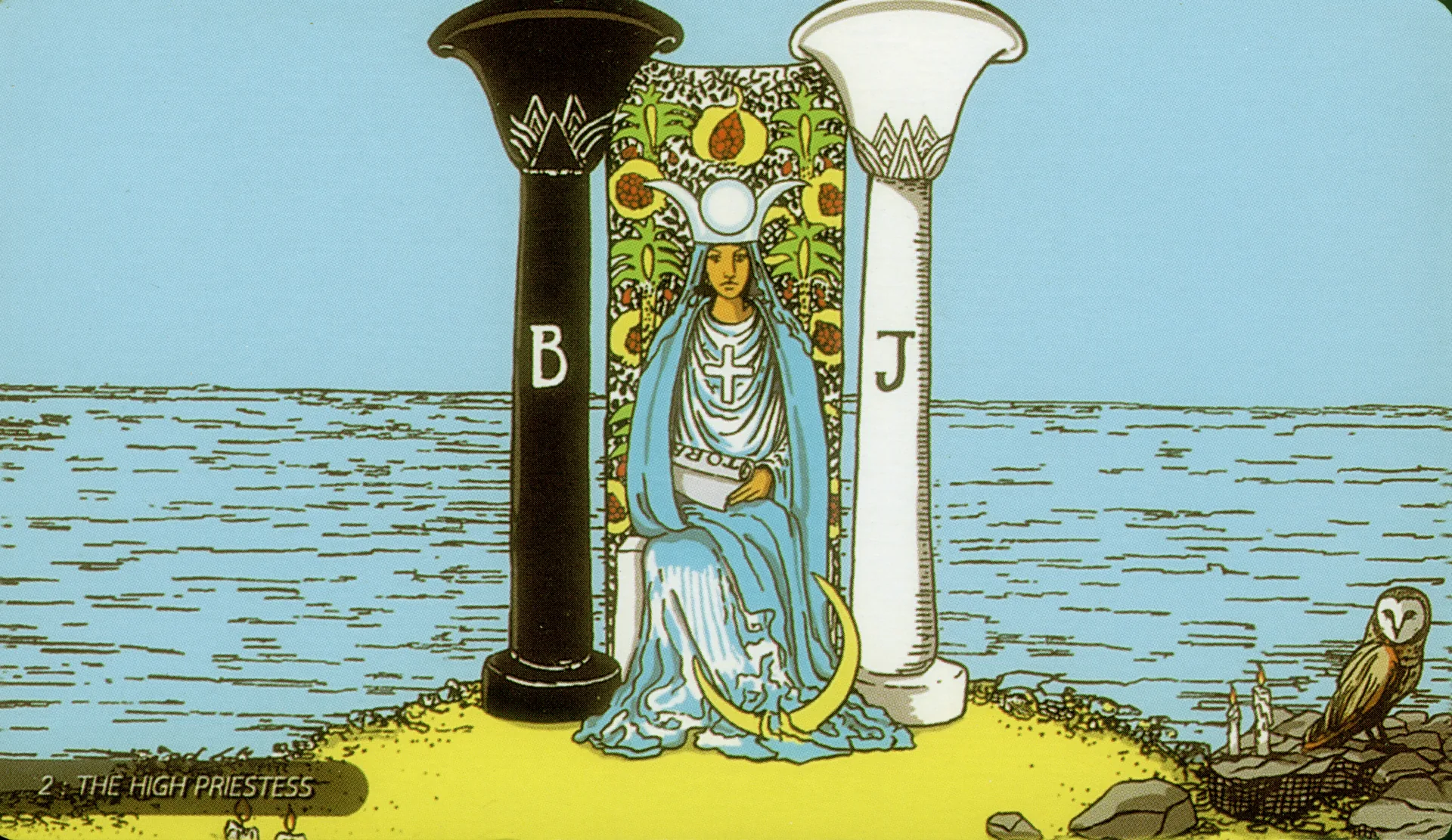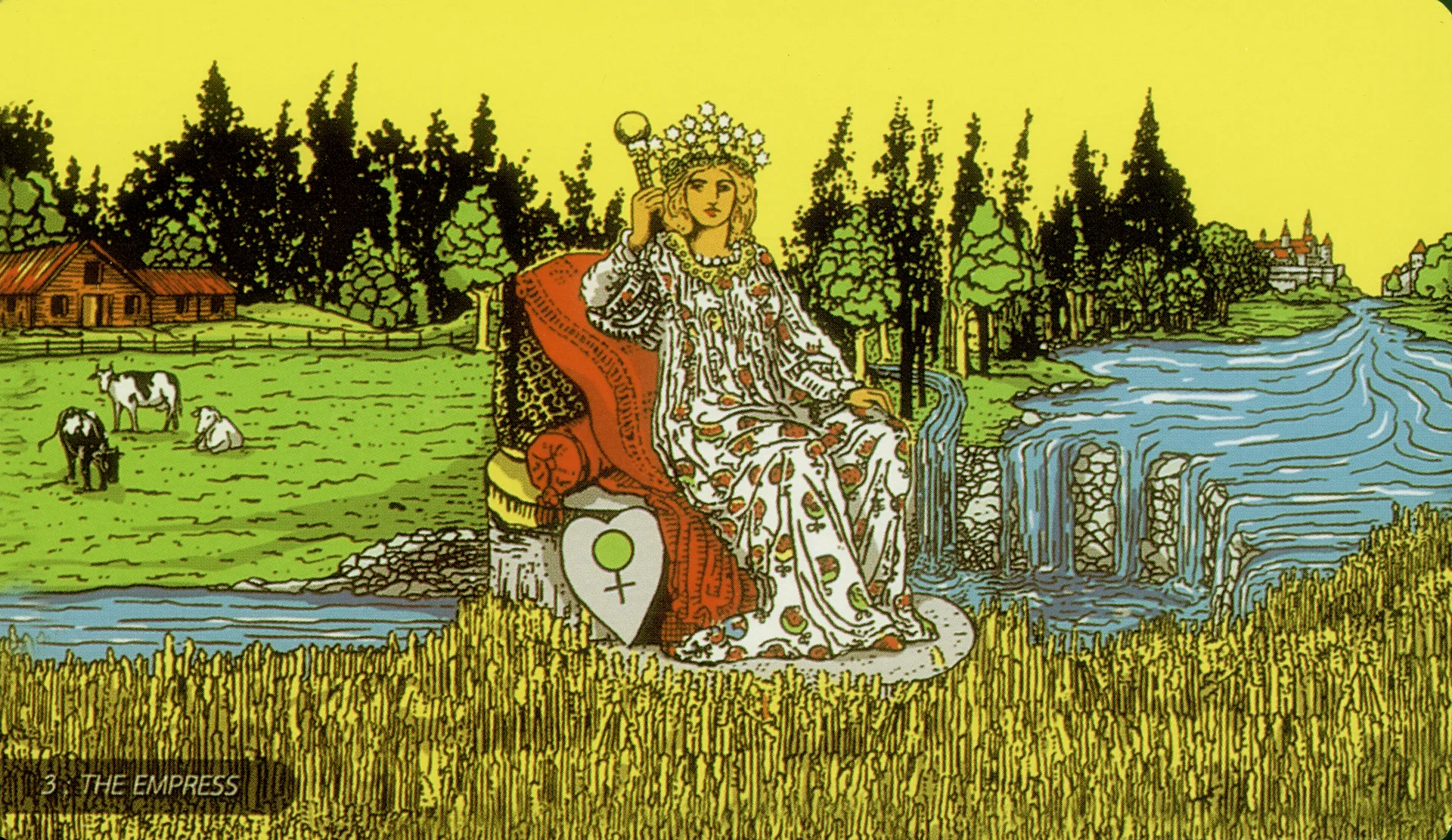
The Emperor represents the part of life that needs a dependable plan. Someone has to set the budget, keep the promise or decide where the boundary lies. This Major Arcana card brings authority and responsibility into focus, whether you are leading others or trying to get your own week under control.
Its upright meaning is steady leadership: make decisions, explain the rules and follow through. Its reversed meaning asks whether structure has become rigidity, or whether a lack of discipline is leaving everyone guessing. The useful question is not who gets to win, but what would make the situation fairer and more reliable.

The Emperor keywords at a glance
- Main keywords: structure, protection, and steady leadership
- Upright meaning: setting rules, making a plan, and taking responsibility
- Reversed meaning: being too controlling, too rigid, or avoiding responsibility
- Yes or no: Yes, if there is a clear plan and healthy boundaries.
- Best question to ask: What would fair, dependable leadership look like here?
The Emperor Upright Meaning
The Emperor upright supports clear expectations and practical action. It can help you create order out of chaos without adding rules nobody needs. If you want to build something that lasts, give it a foundation: a workable schedule, agreed responsibilities and enough resources to finish. Confidence grows when your actions match your word.
In a leadership role, the upright Emperor asks you to be firm without becoming unapproachable. A good manager explains a decision, listens to objections and accepts responsibility when the plan fails. You can take charge without making every choice for everyone else.
This card can also describe useful outside support, such as an experienced mentor or a father figure in your life. Look for someone who helps you develop your own judgment. Respect does not require unquestioning obedience.
How to read the Emperor in a tarot reading
The meaning of the Emperor tarot card changes with the question and the spread position. In the past position, it may describe rules you grew up with, parental figures or a previous workplace that shaped your relationship with authority. In the present, it can ask for a decision you have been putting off. As a future possibility, it suggests stability built through consistent effort rather than a guaranteed outcome.
If the card represents someone, look for dependable, protective behavior or a habit of being in control. That could be a colleague, partner or you. The Emperor is often described as a masculine archetype in tarot traditions; these qualities belong to people of any gender. It does not identify someone's sex, character or private feelings.
The Emperor in love and relationships
The Emperor in a love reading can point to commitment expressed through everyday reliability. Look for a partner who shows up, keeps agreements and makes room for your needs. Practical care counts, but so does affection. A well-run household can still need a warmer conversation.
If you are dating, the Emperor suggests looking for consistency rather than impressive promises. You might appreciate someone who knows what they want, provided they also respect what you want. A love tarot reading cannot tell you another person's hidden intentions; ask them and watch their actions.
The Emperor in love can also bring up who makes the decisions. Healthy boundaries leave both people free to disagree. Control over money, friendships or movement is not protection. If relationship problems involve intimidation or abuse, prioritize safety and trusted support rather than treating the card as a reason to stay.
The Emperor in career, money and school
The Emperor in a career reading favors organization, expertise and clear accountability. In career readings about promotion, it may prompt you to show that you can lead a project, not just complete your own tasks. Define the goal, agree on deadlines and give people enough room to do their work.
For money, review the facts before committing: income, expenses, debts and the terms of any agreement. The Emperor signals the value of a budget and a reserve for surprises. It is not a promise of profit or a substitute for qualified financial advice. At school, a study timetable and a specific question for a teacher may help more than another late-night burst of panic.
Health and daily routines
For a wellbeing question, the Emperor card can be a prompt to make ordinary support easier to maintain: regular meals, rest or keeping an appointment. It cannot diagnose symptoms or decide treatment. Bring medical concerns to a qualified clinician, and use the reading to consider what practical help you need around that care.
The Emperor Reversed Meaning
The Emperor reversed can represent authority used badly: an overbearing boss, an inflexible rule or your own insistence that everything happen your way. It can also describe the opposite problem, where nobody accepts responsibility and useful structure is missing. Check which pattern fits the facts before choosing an interpretation.
The Emperor reversed asks you to separate a necessary boundary from a demand for control. A deadline may be reasonable; punishing someone for asking a question is not. If the card appears reversed while you are leading, consider what you could delegate and which rule no longer serves its purpose.
The Emperor reversed can indicate difficulty trusting your ability to take charge. Start with a decision that is actually yours to make. A person may be feeling insecure about a new responsibility; a useful conversation is about what support would help, rather than what the card supposedly reveals about them.
In relationships, the Emperor reversed suggests checking whether both people have a genuine say. At work, it may raise the question of how to stand up to authority safely, through a documented concern, a trusted adviser or a formal channel. Drawing this card reversed does not mean you must confront someone immediately.
The Emperor yes or no meaning
For a practical question, the Emperor leans toward yes, if you have a clear plan and healthy boundaries. That is a reading convention, not a prediction. Check whether you have the time, authority and resources to do what you are asking about.
In the reversed position, pause before agreeing. The reversed card may point to a shaky plan, a power imbalance or rules that need renegotiating. Instead of pulling more tarot cards until you get the answer you want, ask what condition would need to change.
The Emperor's advice: taking responsibility
When the Emperor appears as advice, choose one area where a small amount of structure would help. Put the bill due date in your calendar, clarify who owns the next task or tell someone when you are available. The card asks for follow-through, not a perfect personality.
As advice, the Emperor says to use the power you have carefully. Explain your boundary without threats, keep promises you can realistically keep and admit when you need help. The energy of the Emperor is useful when it creates security for others as well as yourself.
For reflection, write down one rule you want to keep and one you have outgrown. Notice whether each protects something important or simply avoids discomfort. A settled plan can be a relief. Leave room to revise it when life changes.
One archetype, four perspectives
The Emperor Across Four Tarot Decks
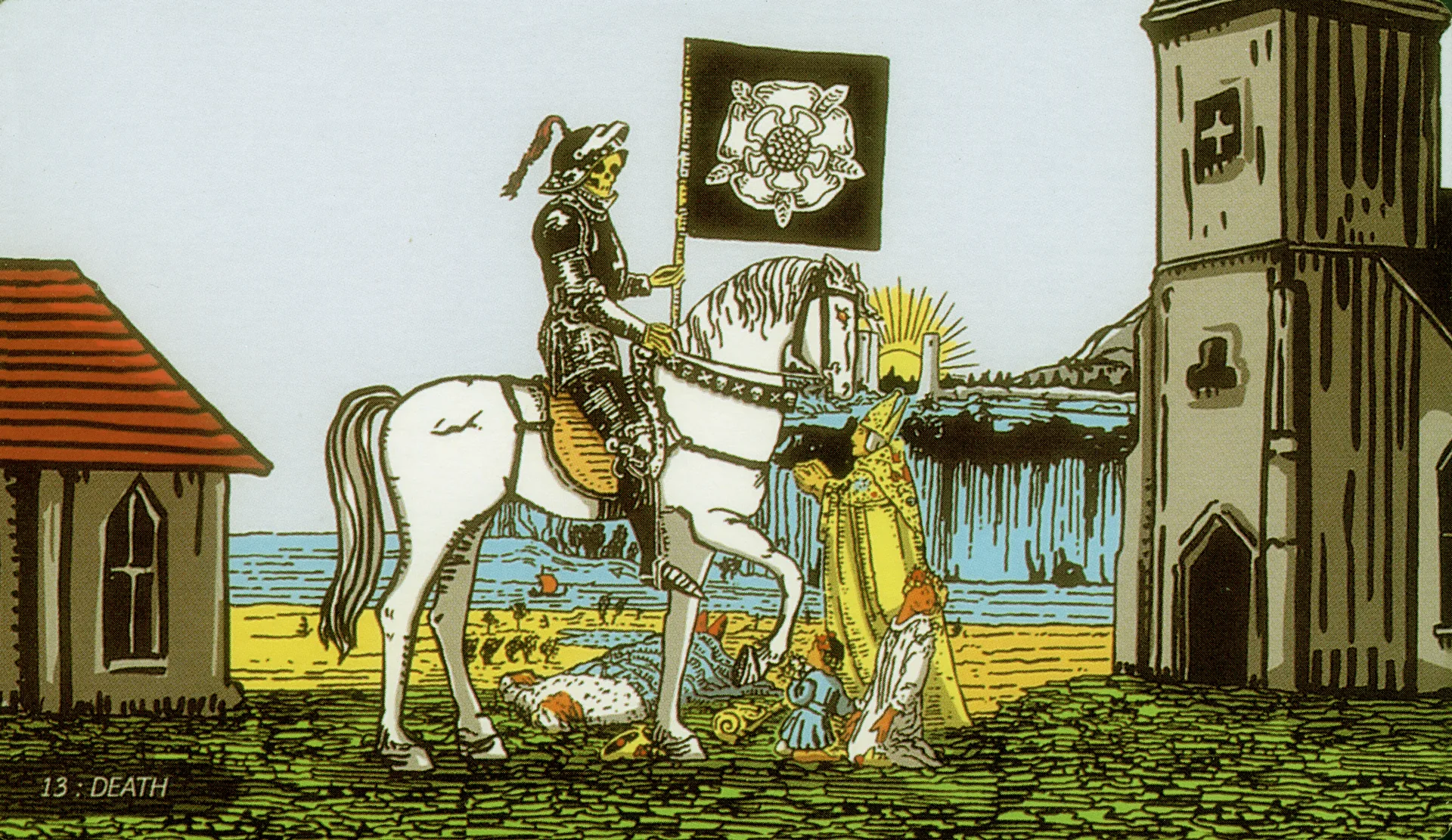
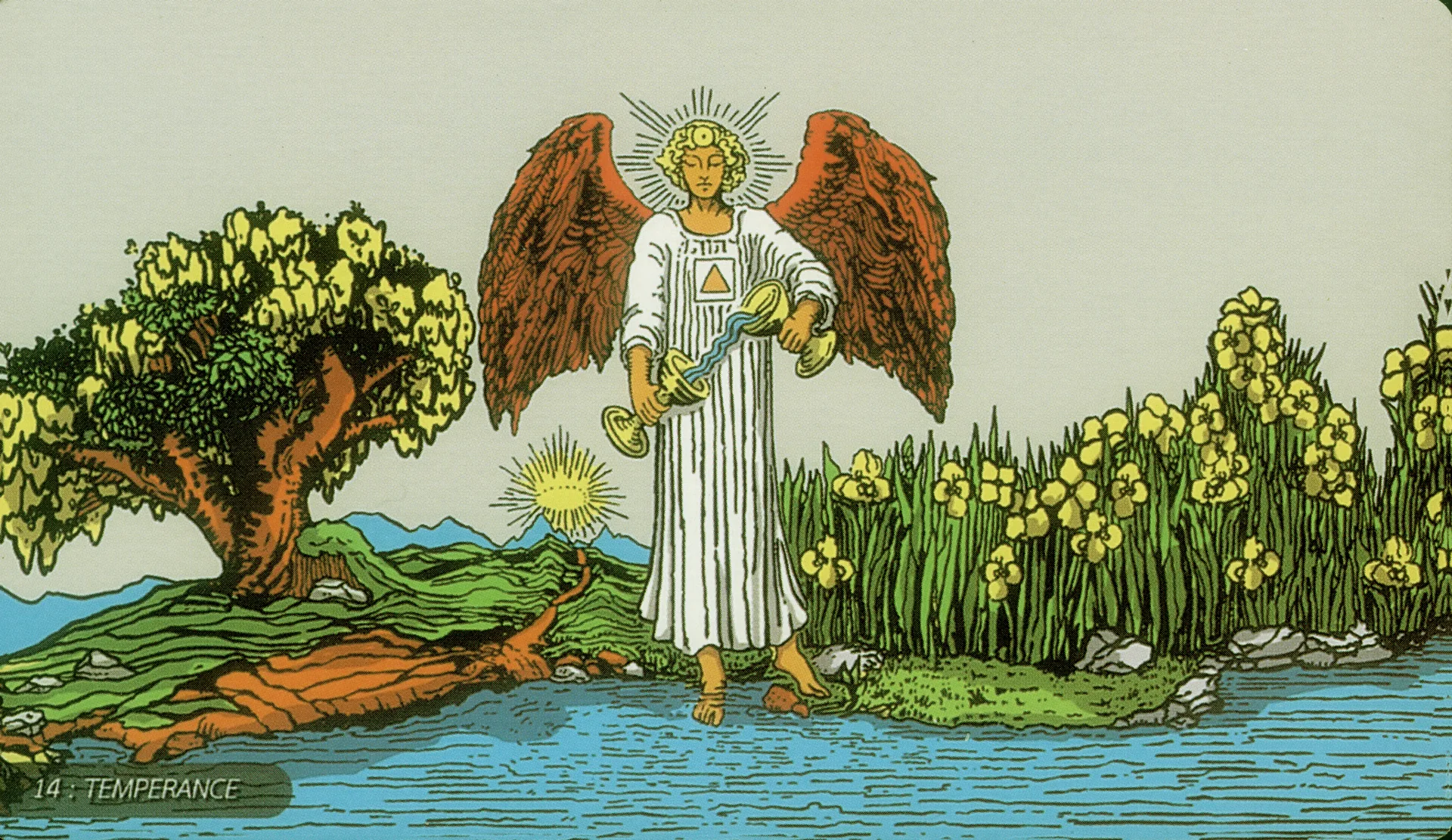
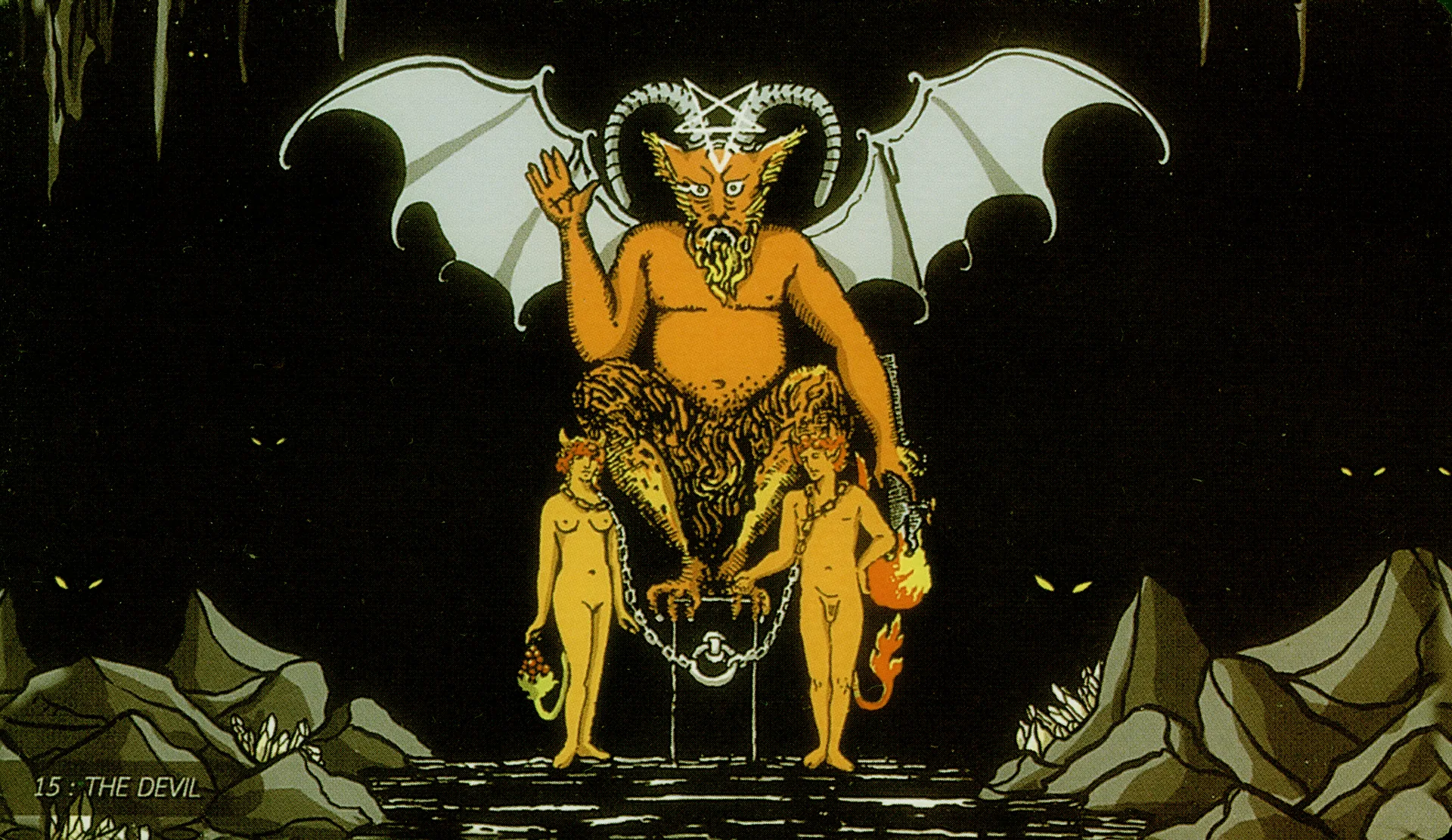
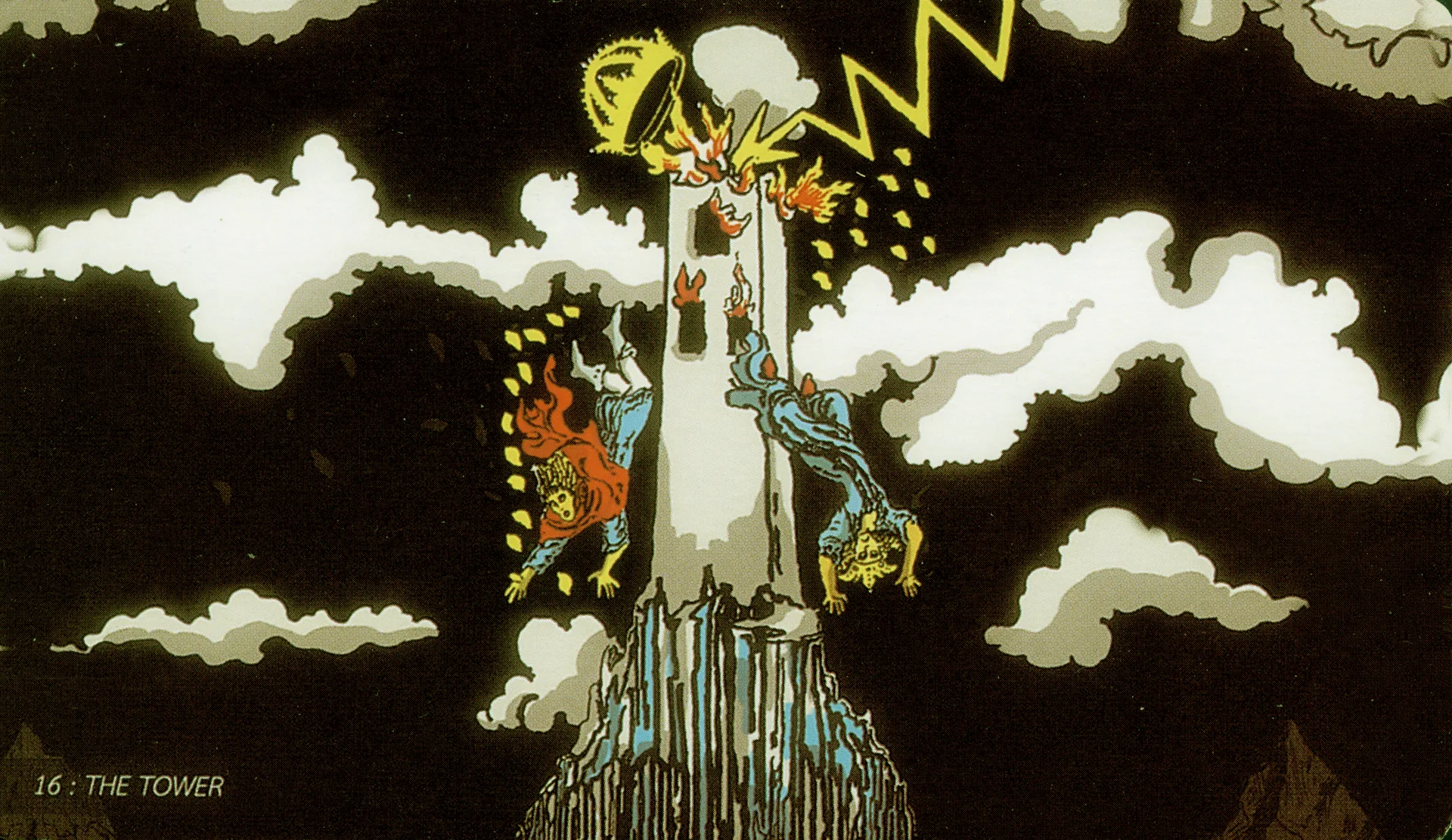
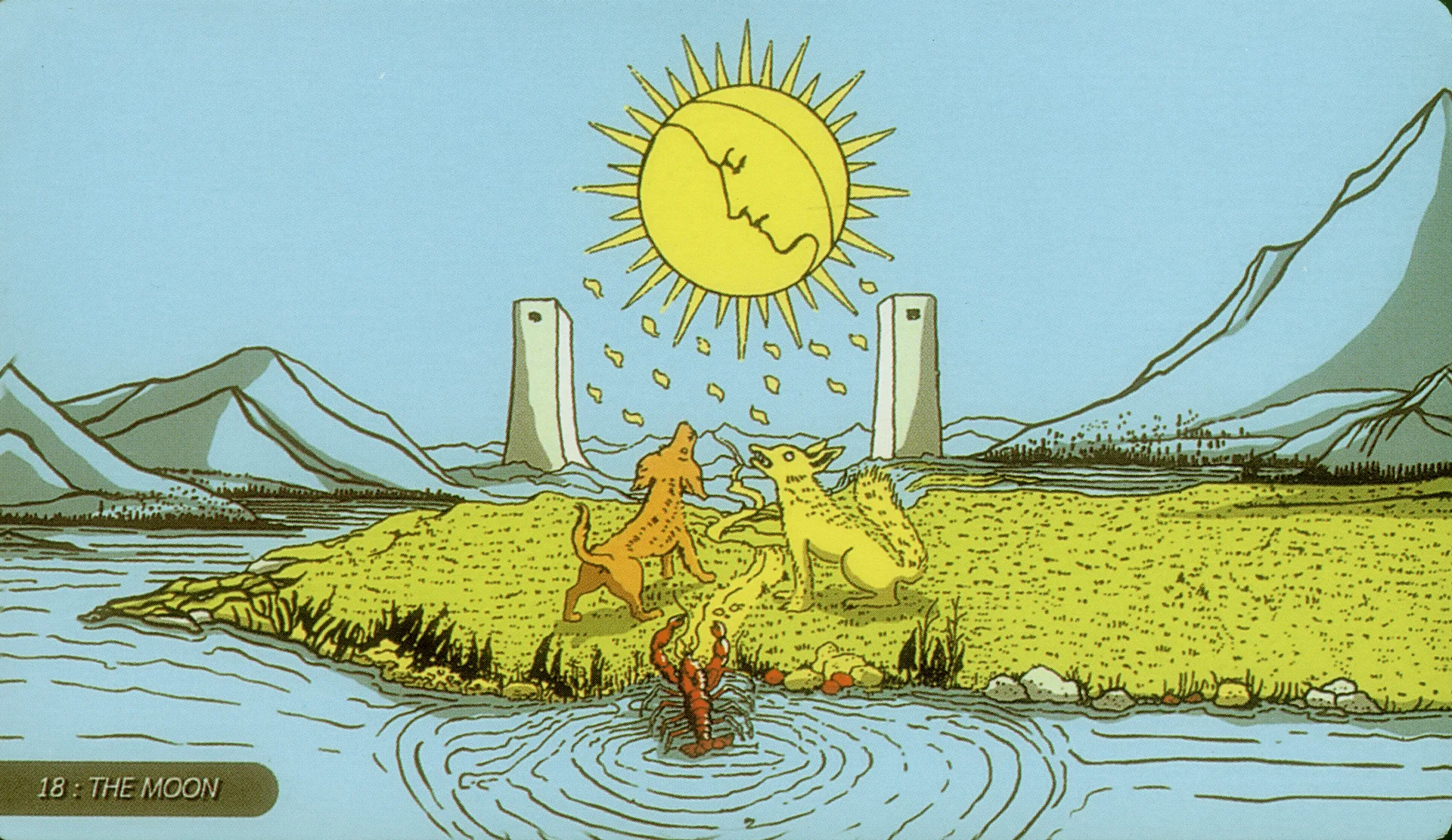
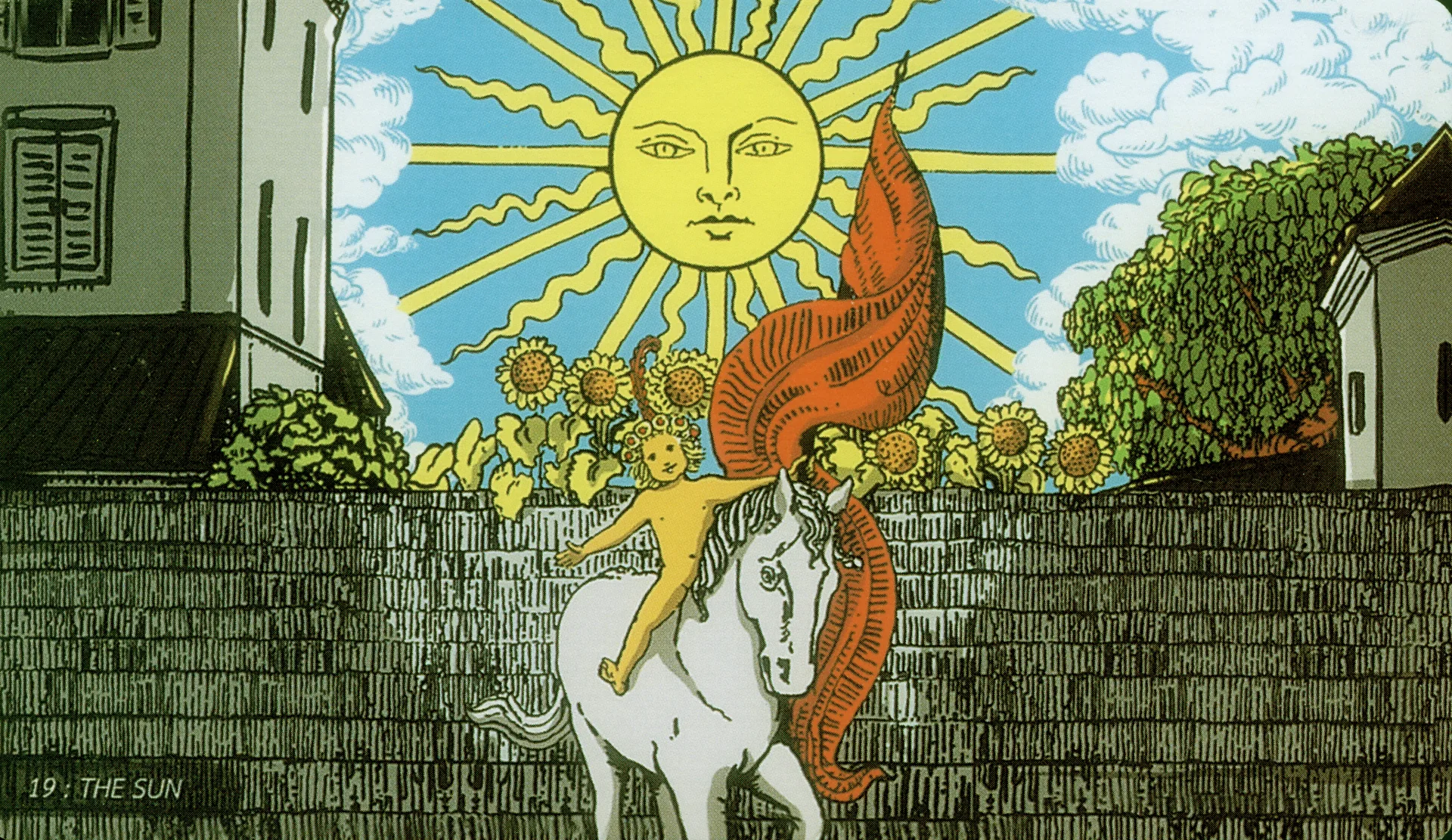
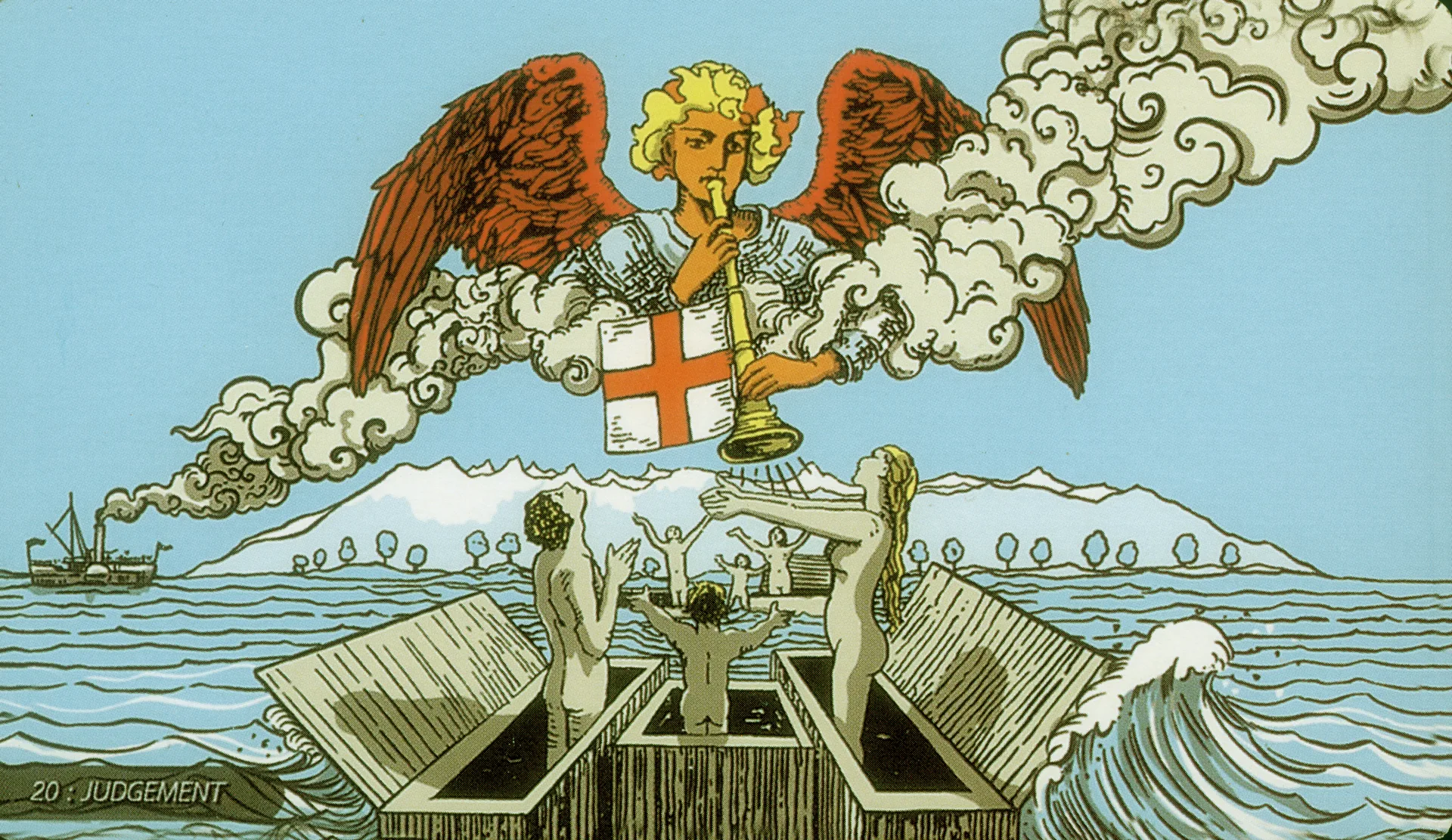
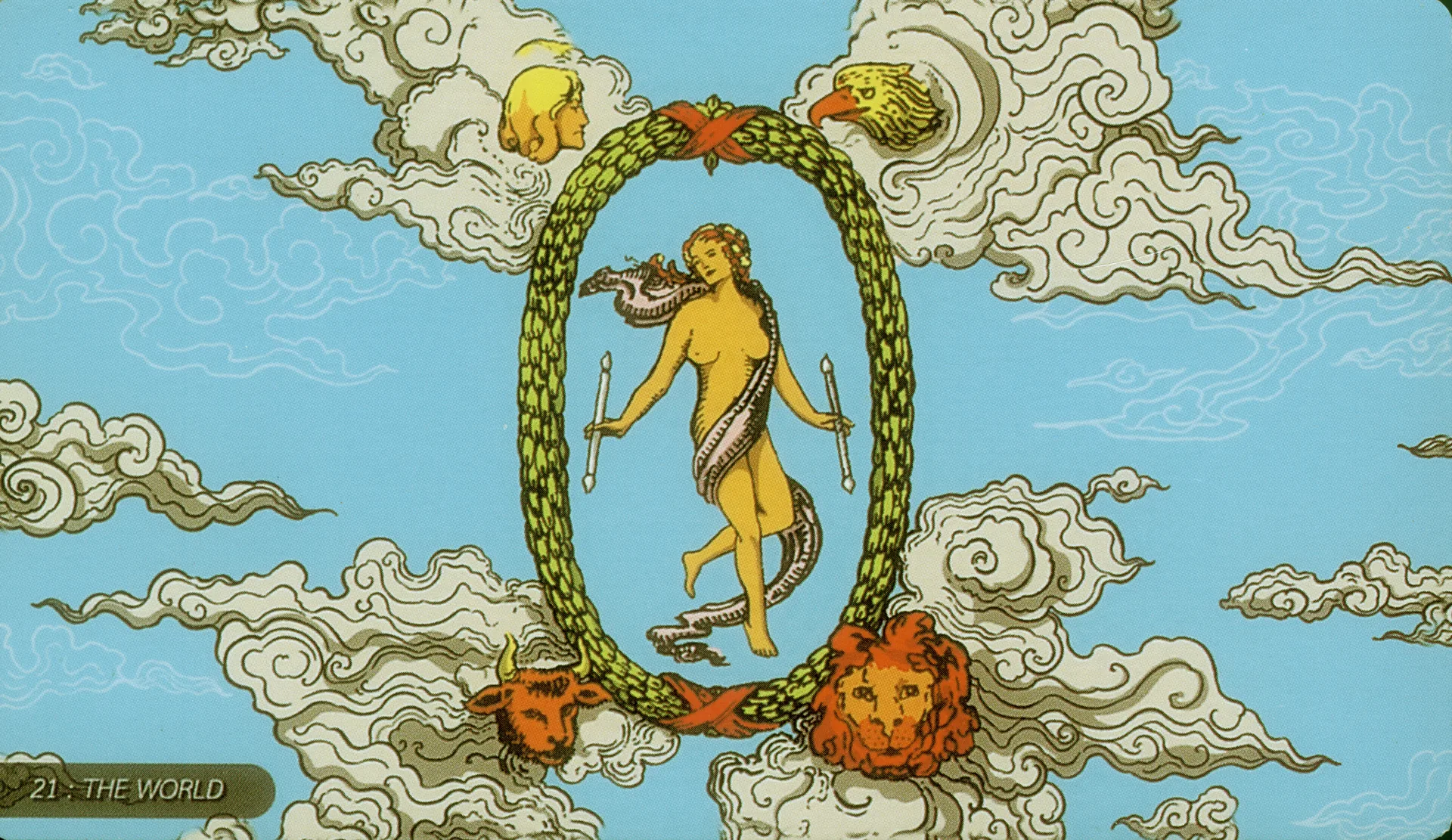
Compare the familiar Rider-Waite-Smith card with the moments before, behind and after the classic scene in three Lo Scarabeo decks.
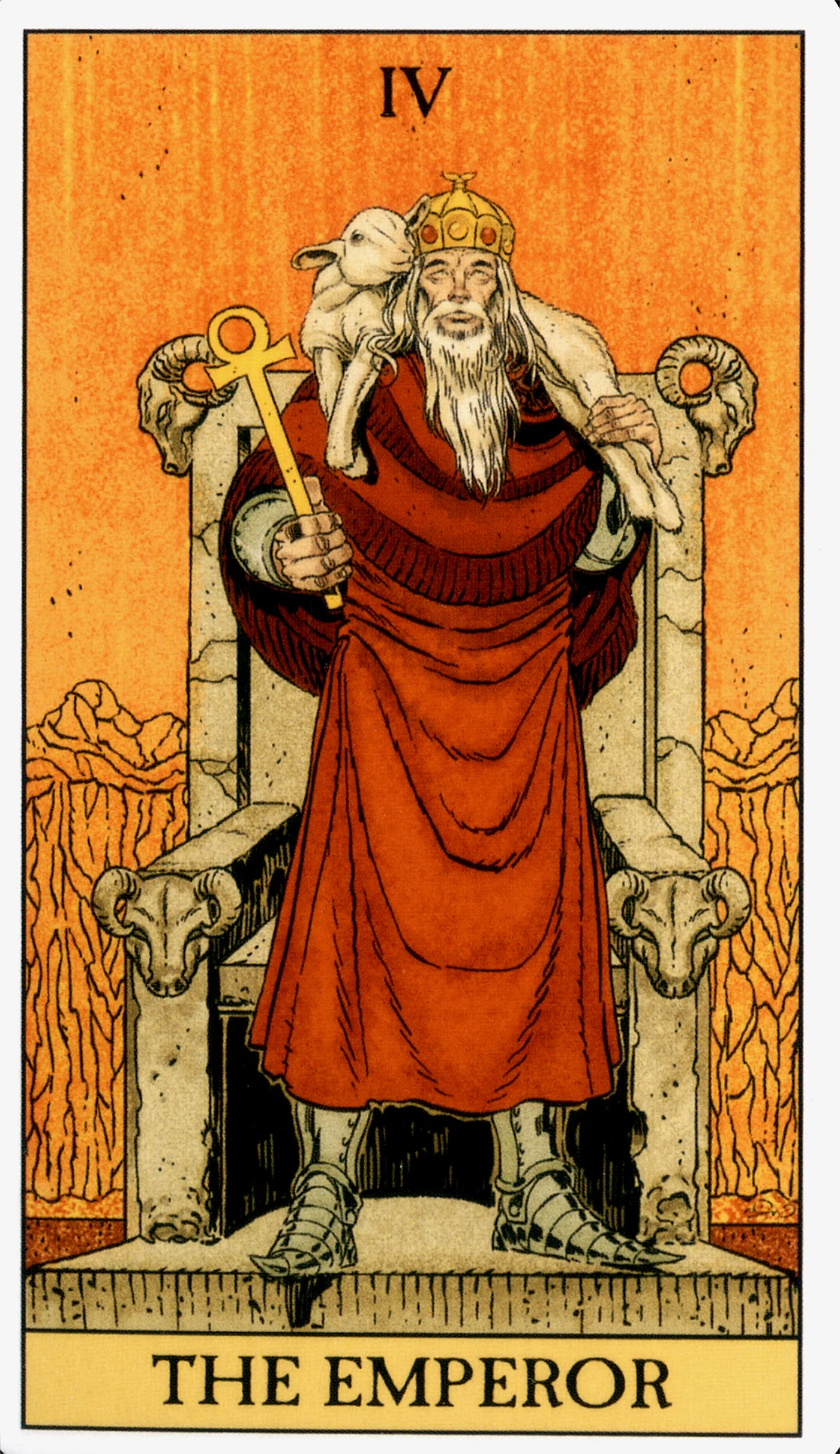
What apparently happens just before
What actually happened

What happened on the opposite side
What apparently happened afterwards
The Emperor card description and symbolism
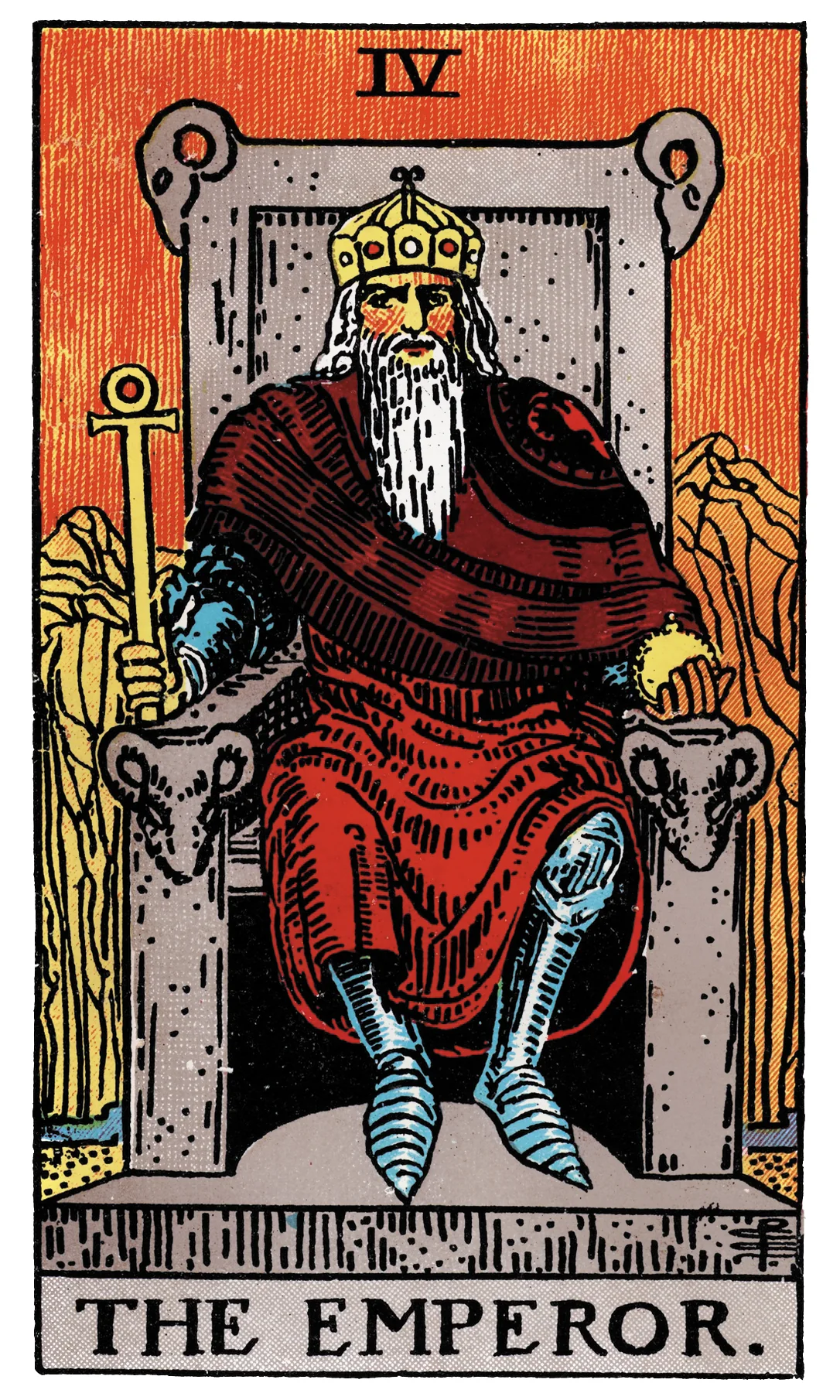
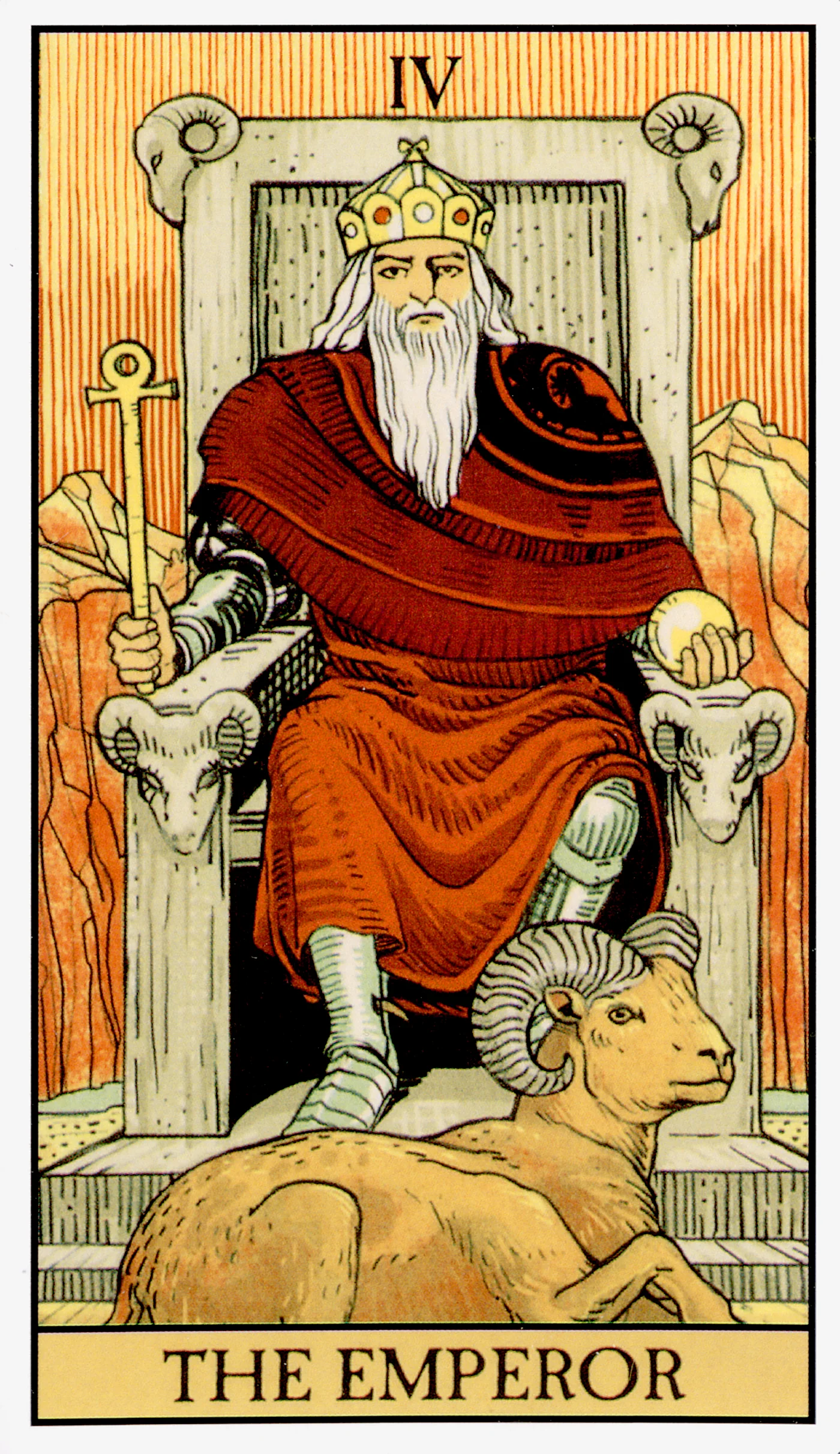
In the Rider-Waite-Smith image shown here, a crowned, white-bearded ruler sits on a stone throne decorated with ram heads. The Emperor wears armor beneath a red robe. The visible armor suggests protection and readiness; the robe can be read as energy and determination. Neither detail tells us that emotional distance is a virtue.
The Emperor carries symbols of office: he holds a round orb in one hand and an ankh-shaped scepter in the other. The orb is conventionally read as worldly authority. The ankh, an Egyptian symbol of life, offers a different question: what is that authority helping to sustain? These readings of the objects help you consider how power is used.
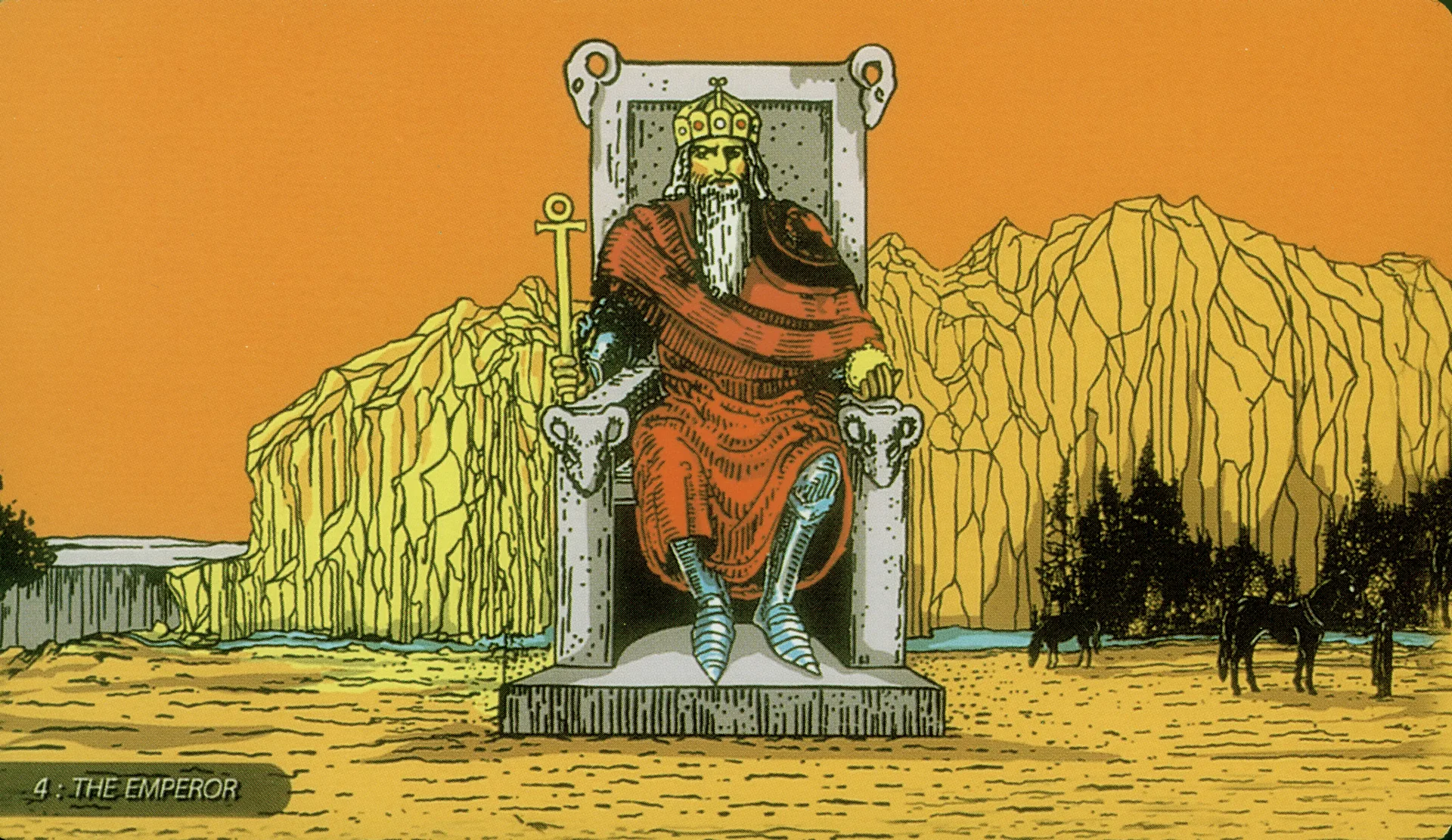
The mountains behind the Emperor can suggest a firm foundation, endurance or resistance to change. The full card and the wide panorama on this page frame the scenery differently; do not assume every background detail is present in every version. The barren mountain setting contrasts with the Empress's abundant landscape.
Aries, Mars and the Major Arcana
In Golden Dawn-derived correspondences, this Major Arcana tarot card is linked with Aries, whose ruling planet is Mars. The ram imagery fits that tradition's emphasis on initiative and will. Other tarot systems use different correspondences, so these associations are optional reading tools rather than universal facts about a person.
The Emperor is numbered IV, the fourth numbered card in the deck. In a standard tarot deck of 78 cards, it belongs to the 22 Major Arcana rather than the four suits. It follows the Empress: where she suggests nurture and growth, he asks what structure can support them. Reading the pair together need not assign care to women or leadership to men.
Reading the Emperor with other tarot cards
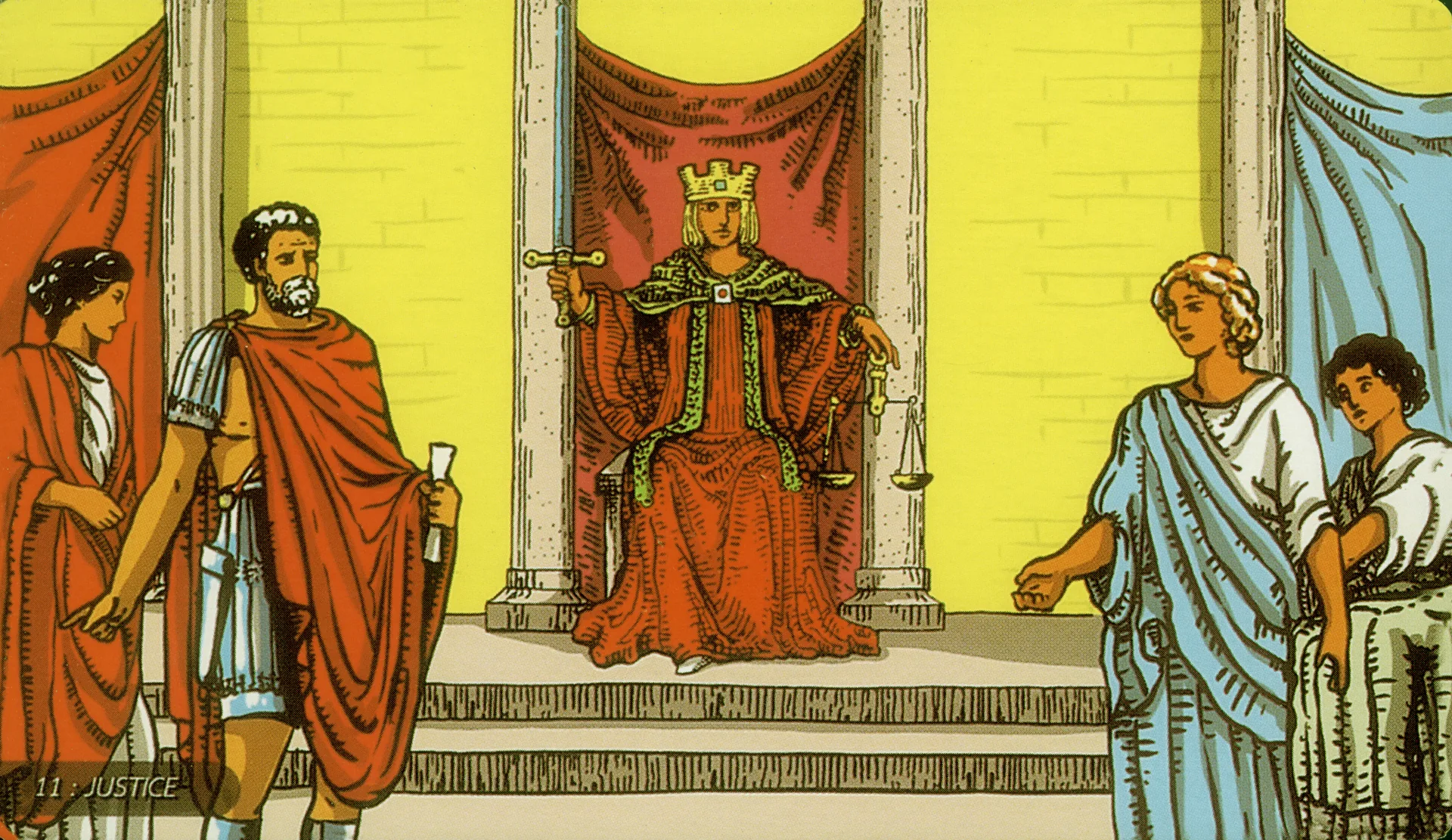
With the Empress, the Emperor calls for a balance between care and organization: a family plan should work for the people living with it. With Justice, check the fairness of a rule and the actual terms of an agreement. With the Tower, reconsider a structure that no longer holds; the combination does not predict a disaster.
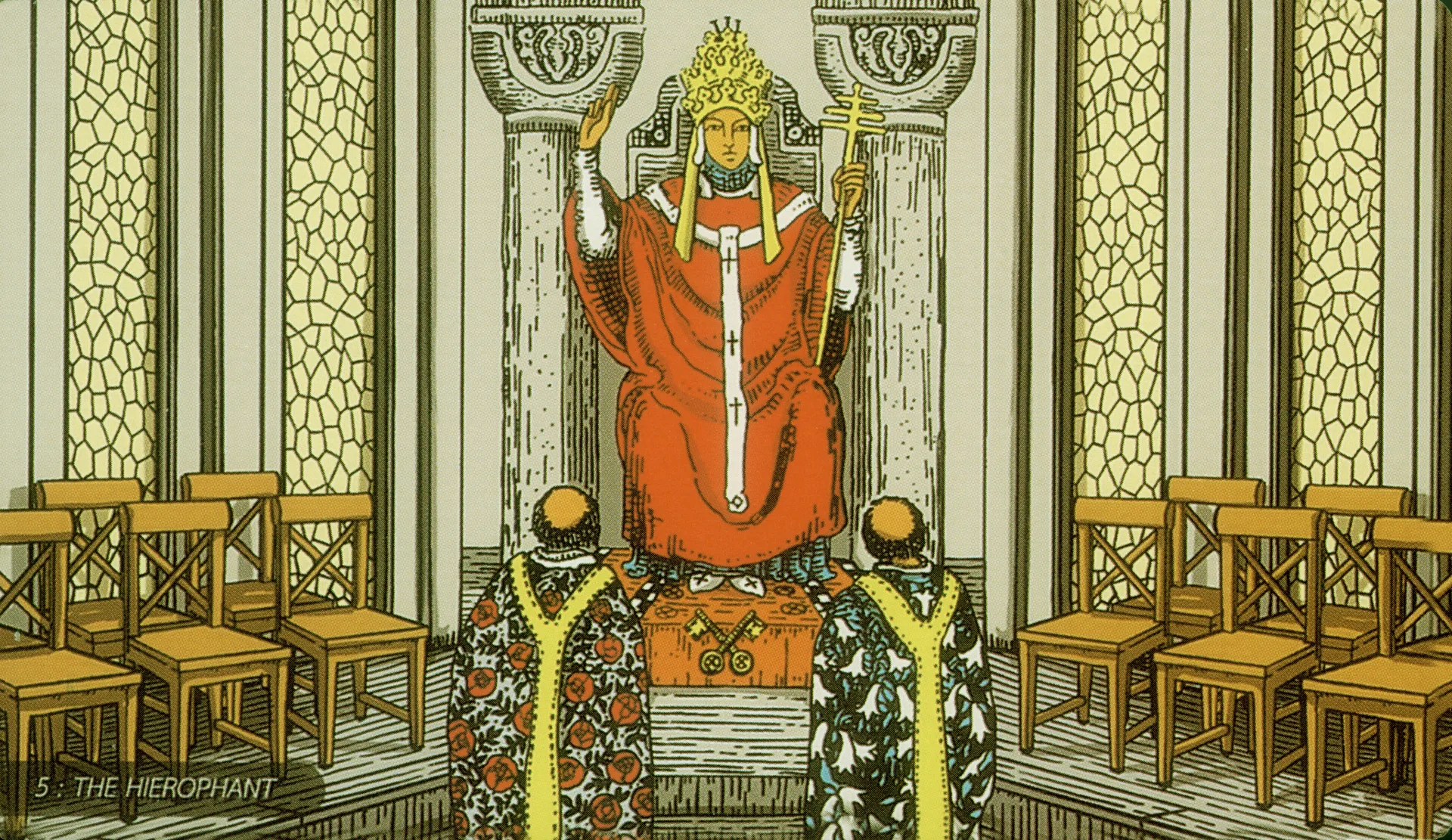
With the Hierophant, distinguish an institution's expectations from your own responsibilities. With a Cups card, leave room for feelings alongside the practical plan. A tarot reader uses surrounding cards to refine the question, not to turn one keyword into a fixed verdict.
Questions for your next reading
- Where would clear expectations make life easier?
- Am I protecting a boundary or trying to control the outcome?
- What responsibility is mine, and what belongs to someone else?
- Who can disagree with me without being punished?
If you are learning to read tarot, compare your own observations with established tarot card meanings. Guides such as Biddy Tarot describe familiar authority themes, but your question and the actual artwork still matter. Whether you use physical cards, a free tarot exercise or an online tarot spread, write down the context before checking a definition. The wisdom of tarot is most useful as reflection that helps you make a considered choice.
One card, many perspectives
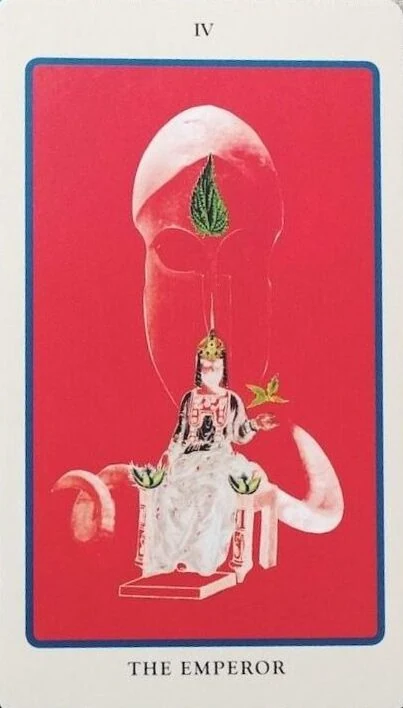
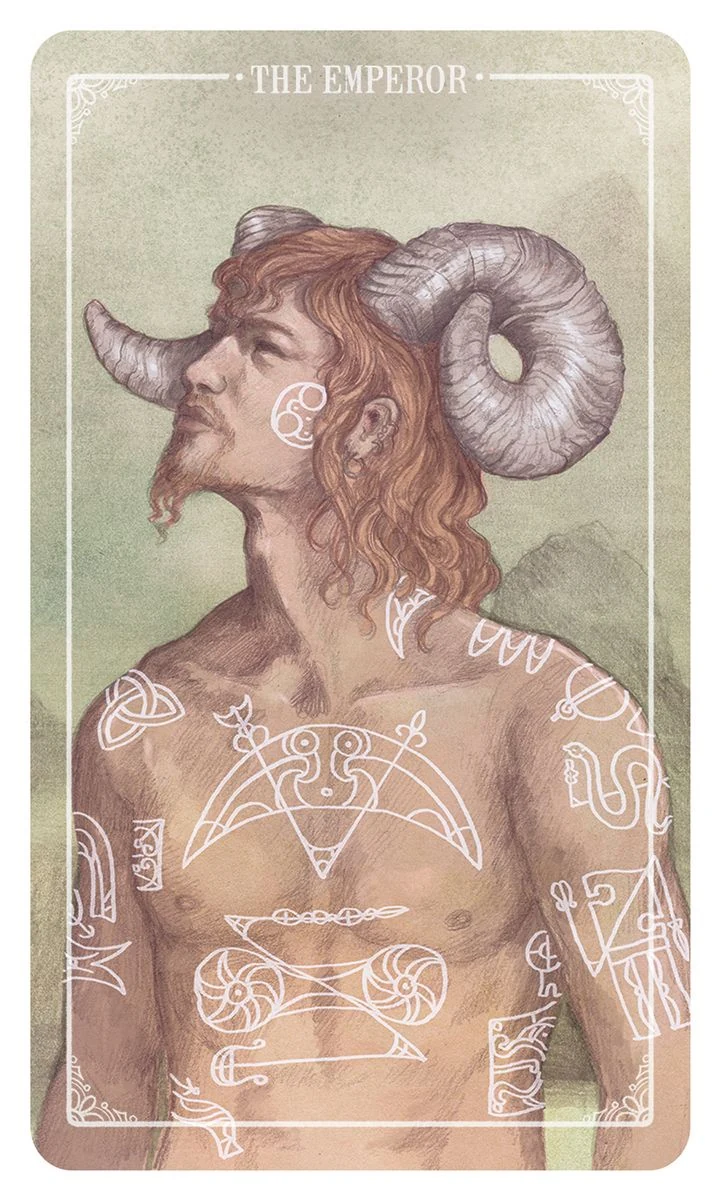
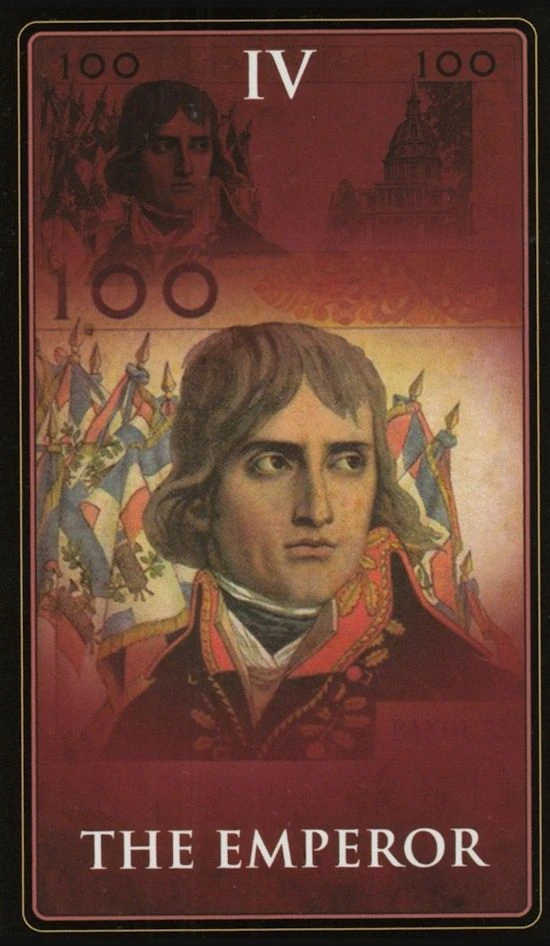
See The Emperor Card from Other Decks
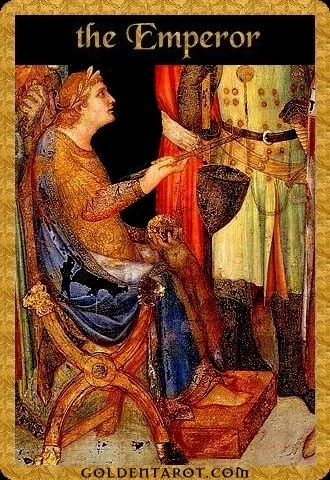
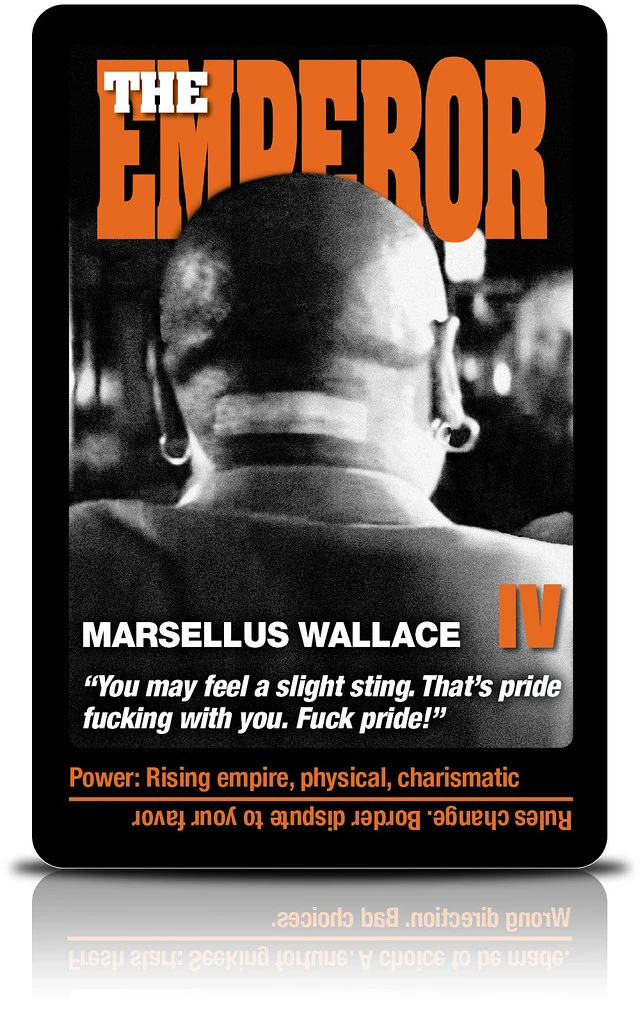
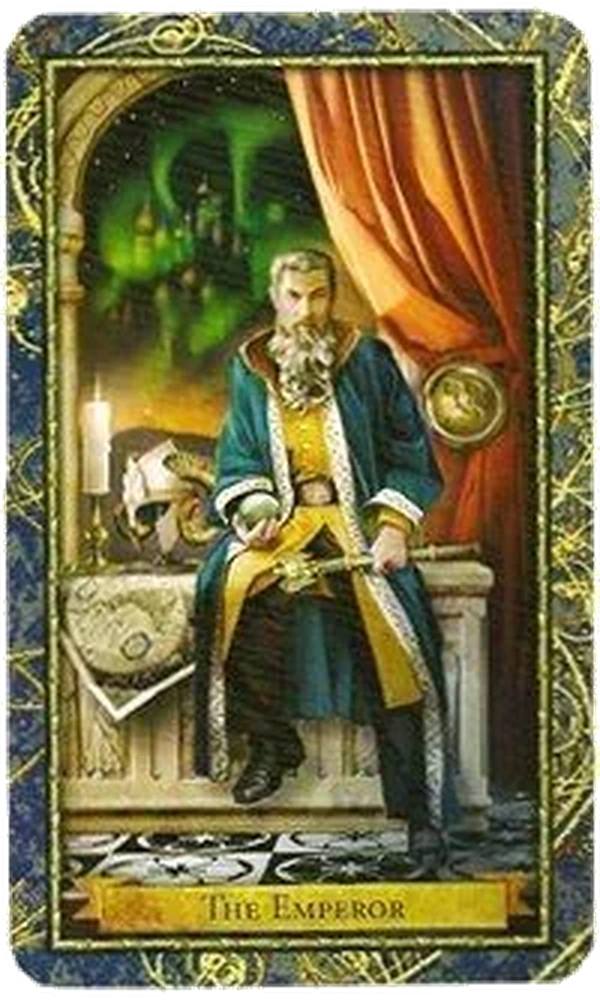
Discover how other tarot decks interpret this card. Select a deck to explore its full review and gallery.







The Emperor FAQ
What does the Emperor mean upright?
The upright card means dependable leadership, clear boundaries and a workable plan. It encourages you to take responsibility for what you can influence while respecting other people's choices.
What does the reversed Emperor mean?
The reversed Emperor can point to excessive control, inflexibility or missing structure. Look at the situation to decide whether you need to loosen a rule, set a boundary or follow through on an agreement.
Is the Emperor a good card for love?
It can suggest a steady, committed relationship when reliability comes with mutual respect and affection. It does not prove someone's feelings, and it never excuses possessiveness or abuse.
What should I do after pulling the Emperor?
Choose one practical action that makes life more reliable, such as clarifying a deadline or setting a fair boundary. Keep the action within your control, and let other people make their own decisions.