The Hermit tarot card meaning centres on introspection, chosen solitude, and the kind of understanding that takes time. When everyone has an opinion about your next move, this card invites you to hear your own. You might need a quiet evening, a serious study session, or a conversation with someone who listens before offering advice.
The upright and reversed meanings share a question: is your time apart helping you live more honestly, or making it harder to reconnect? Upright, the card favours reflection and patient learning. Reversed, it can point to withdrawal, loneliness, or a reluctance to accept help. Neither orientation asks you to disappear from the people who care about you.

The Hermit Tarot Card Meaning at a Glance
- Main keywords: inner wisdom, quiet time, and finding your own answer
- Upright meaning: stepping back, reflecting, studying, and listening to your deeper self
- Reversed meaning: isolation, loneliness, or avoiding help when you need it
- Yes or no: Not yet. Take time to think before deciding.
- Best question to ask: What becomes clearer when I stop looking for everyone else's approval?
The Hermit upright meaning: quiet and inner wisdom
When the Hermit appears in the upright position, give yourself enough room to think carefully. The upright Hermit is a patient learner: someone willing to read, practise, or sit with a question before announcing an answer. A walk without your phone may help more than asking five friends the same thing.
The card is often read as a guide or mentor, too. Wisdom and guidance can come from a teacher who helps you notice what you already understand. A thoughtful mentor may have a gift for seeing where you are stuck. Good outside advice gives you something to consider; it does not require you to surrender your judgment.
The Hermit encourages self-reflection rather than constant external validation. Before saying yes to a plan, ask whether you want it or simply want to be liked. Inner guidance becomes more useful when you compare it with your experience and the facts, not just your first feeling.
What the Hermit card means in a tarot reading
The Hermit is a card of deliberate attention, and its slower pace can be a relief. If the card appears while you are choosing a direction, try writing your answer before looking at anyone else's. You may discover that you want a slower pace, more study, or a different definition of success.
For introspection and spiritual reflection, some readers describe this as listening to the higher self. You do not need that belief to use the image: seeking answers within oneself can mean noticing a value you keep compromising. If you are seeking deeper understanding, leave room for a new insight to challenge an old assumption.
The Hermit in love and relationships
If you are single, take things slowly enough to notice whether you enjoy someone's company. A fear of being alone can make an unsuitable connection feel more appealing than it is. Time for yourself can help you recognise what you want, without making dating a test you must pass.
If you are already in a relationship, the Hermit suggests room for individual interests and a thoughtful conversation about closeness. Say, "I'd like an evening to myself; let's have breakfast together tomorrow." That gives space a shape instead of leaving your partner guessing. This card does not establish another person's private feelings or predict a breakup.
In a reversed reading, ask whether silence is avoiding a conversation that still needs to happen. If you want connection, a small honest message may be more useful than waiting for someone to read your mind.
The Hermit in career, money, and school
For career goals, the Hermit can indicate focused study, research, or working alone on a task that needs concentration. Before changing jobs, compare the ordinary working day in each role, not just the title. You might find that you want more autonomy rather than a completely different profession.
With financial decisions, take time to read the costs and conditions. The card supports careful review, not a promise of profit. Ask a qualified adviser when the stakes exceed what you understand. At school, spend a little time trying the problem yourself, then ask a teacher to explain the step where you got stuck.
The Hermit reversed meaning: when retreat becomes withdrawal
A reversed Hermit can suggest that a useful pause has become a habit of hiding. You may be putting off a decision until you feel completely certain, or declining company even though you miss it. The reversed meanings of the Hermit can also describe the opposite problem: staying so busy that you never have a quiet moment to notice what you need.
If the card appears reversed, ask what your current routine is doing for you. After a restful evening, do you feel more able to engage with life? Or are unanswered messages and unfinished tasks making tomorrow harder? This distinction is more helpful than calling the card bad.
You can realign gently. Reply to one friend, arrange a manageable meeting, or ask someone to help with a problem you have been carrying alone. If you need privacy, say when you will be available again. Reflective space is compatible with care and responsibility.
Loneliness is an experience to take seriously, not a diagnosis a card can make. If withdrawal or distress persists, support from someone you trust or a qualified professional can help. You do not have to finish your soul-searching before accepting company.
The Hermit yes or no meaning
For a yes or no question, I usually read this as "not yet" when the choice needs more information. For a question about studying, reflecting, or taking a brief planned break, it can be a conditional yes. The question matters more than a fixed verdict.
In reverse, pause to check whether you are avoiding the choice or refusing useful help. One card cannot settle a medical, financial, or relationship decision. Use it to identify what you need to ask or check next.
The Hermit advice: make reflection useful
Choose a small period of quiet and give it a purpose. Spend some time alone writing about a decision, revisiting a book you enjoy, or taking a walk. Curiosity makes this easier than demanding a revelation. You might enjoy the walk for its own sake, or notice that a plan no longer appeals to you.
The Hermit represents a search for understanding, but reflection needs a way back into daily life. Finish with one action: book the lesson, have the conversation, or change the commitment you can no longer keep. Body and mind both benefit from a break that leaves room for ordinary needs and supportive people.
One archetype, four perspectives
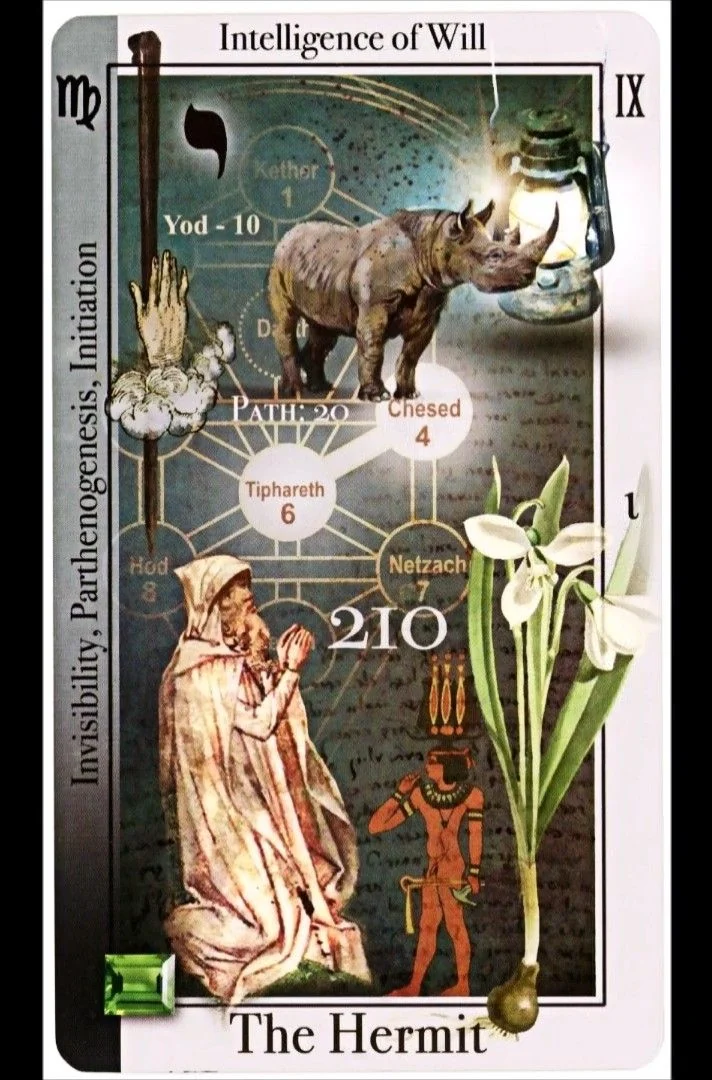
The Hermit Across Four Tarot Decks
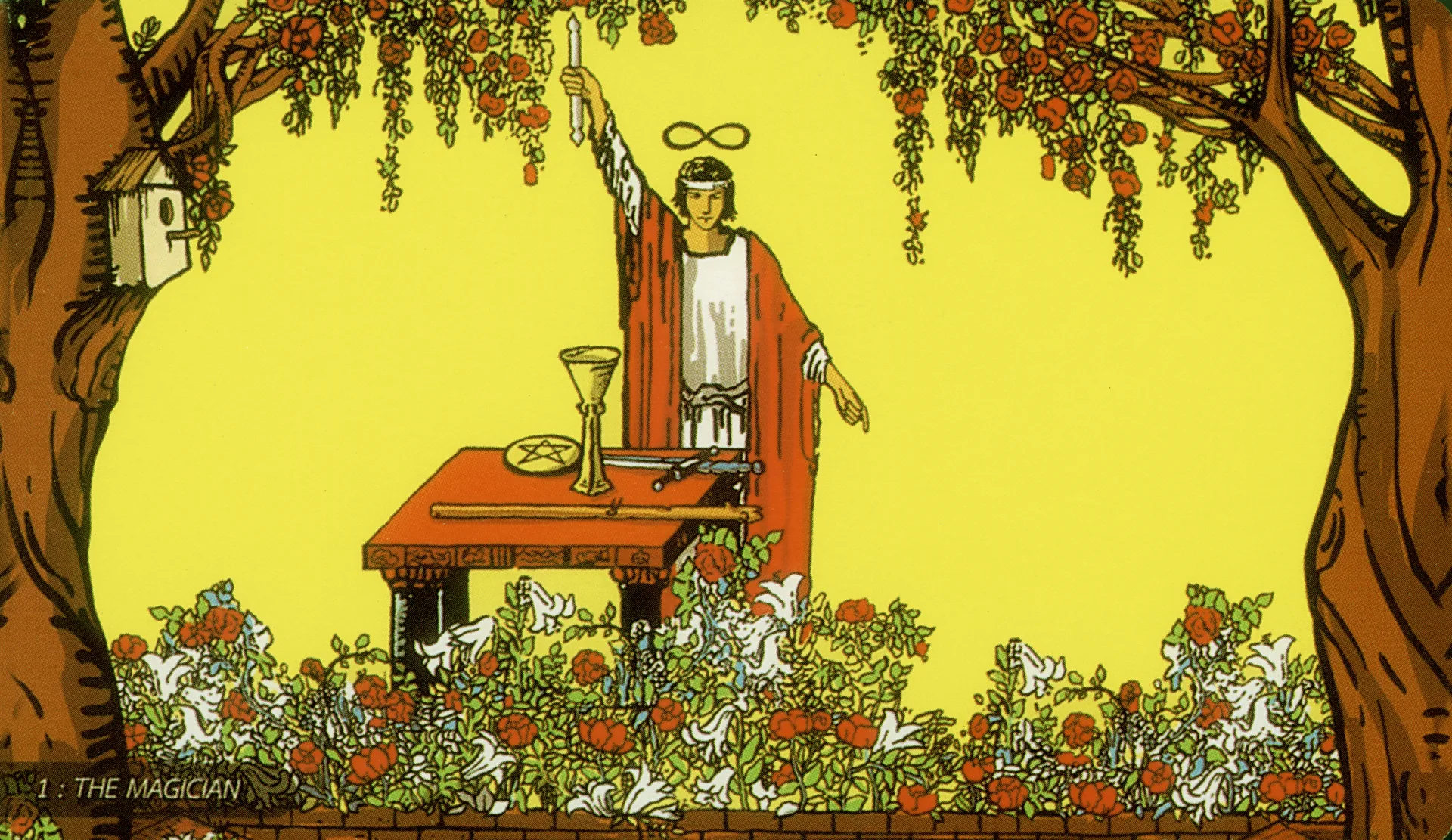
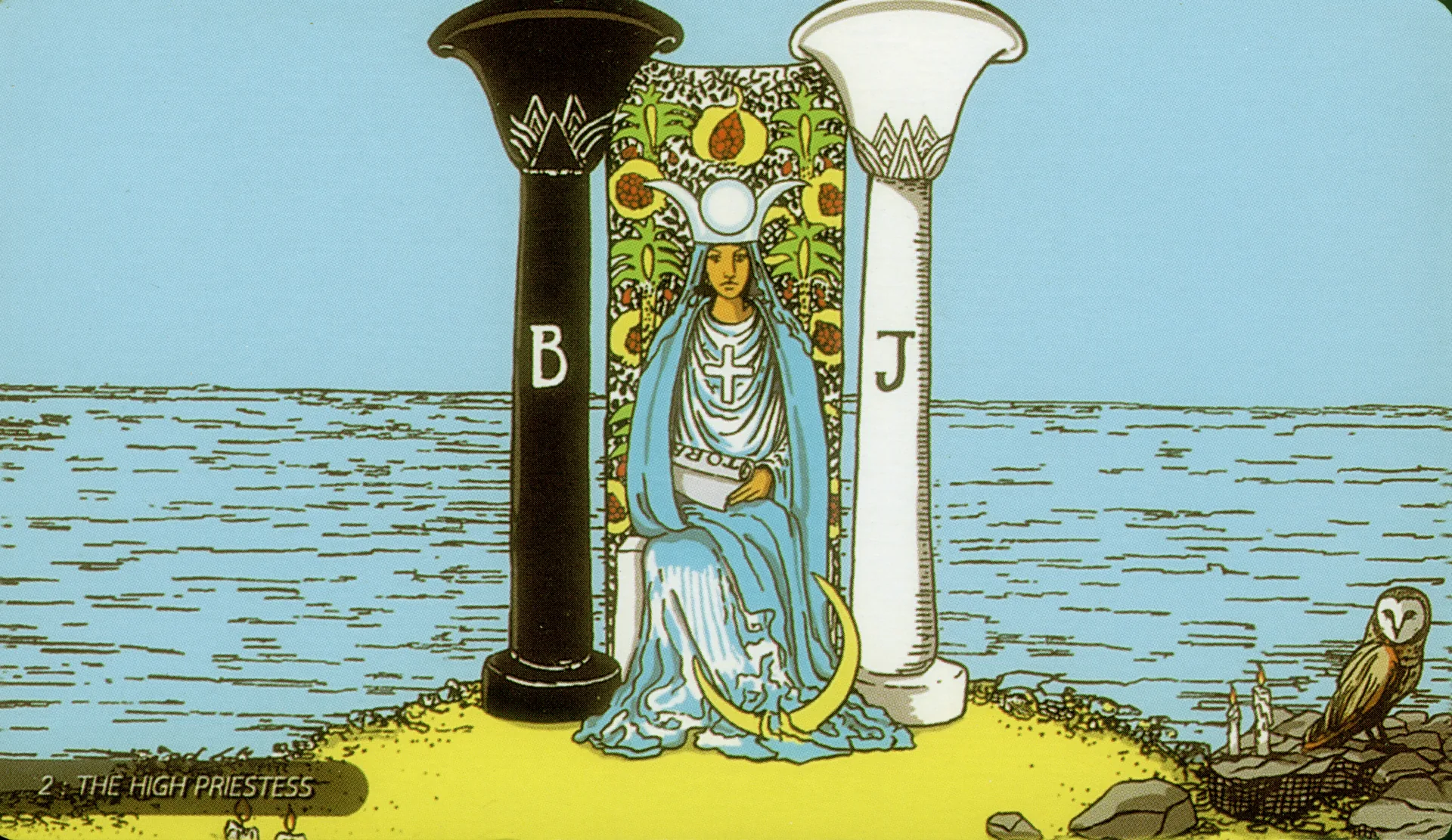
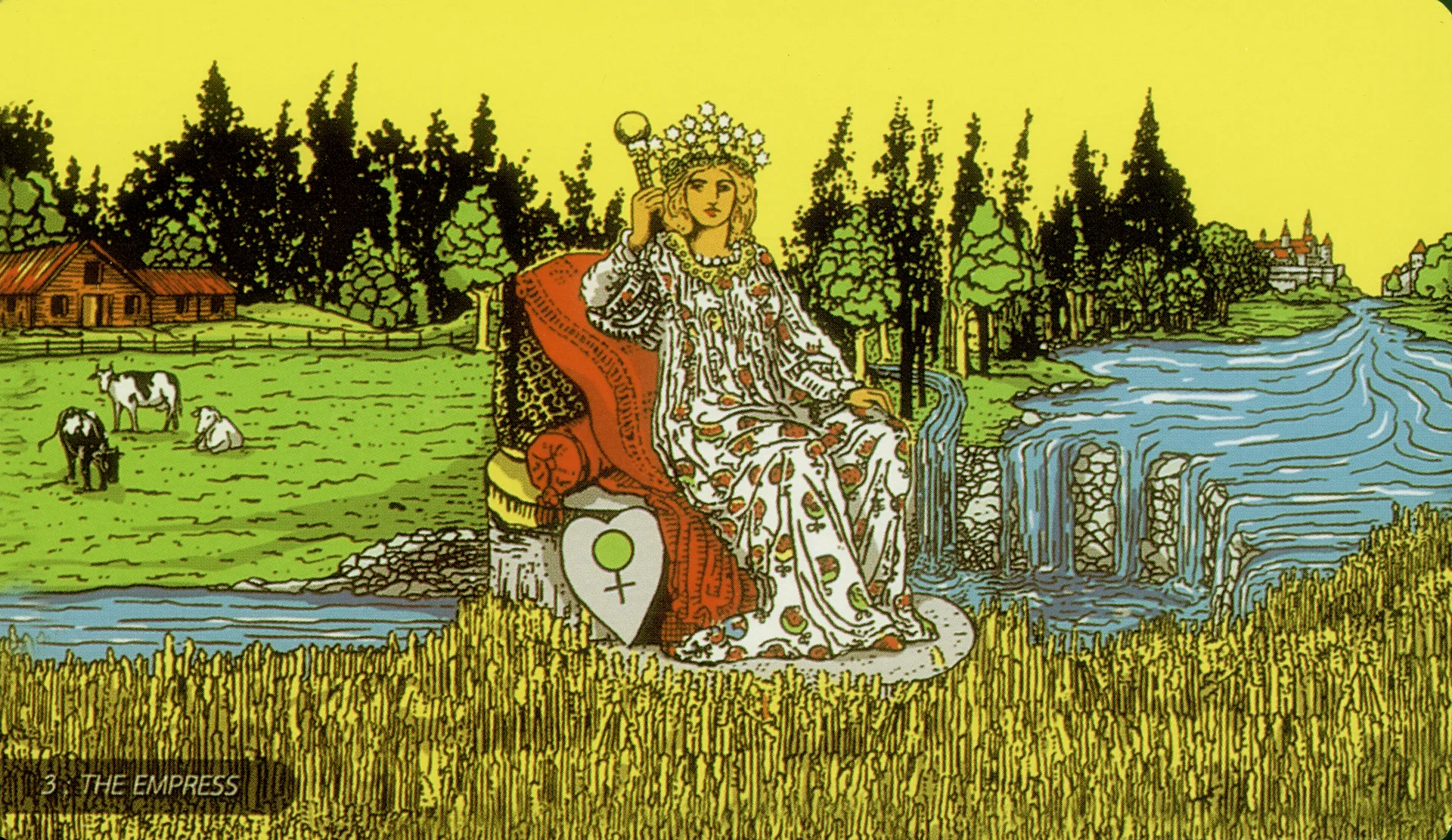
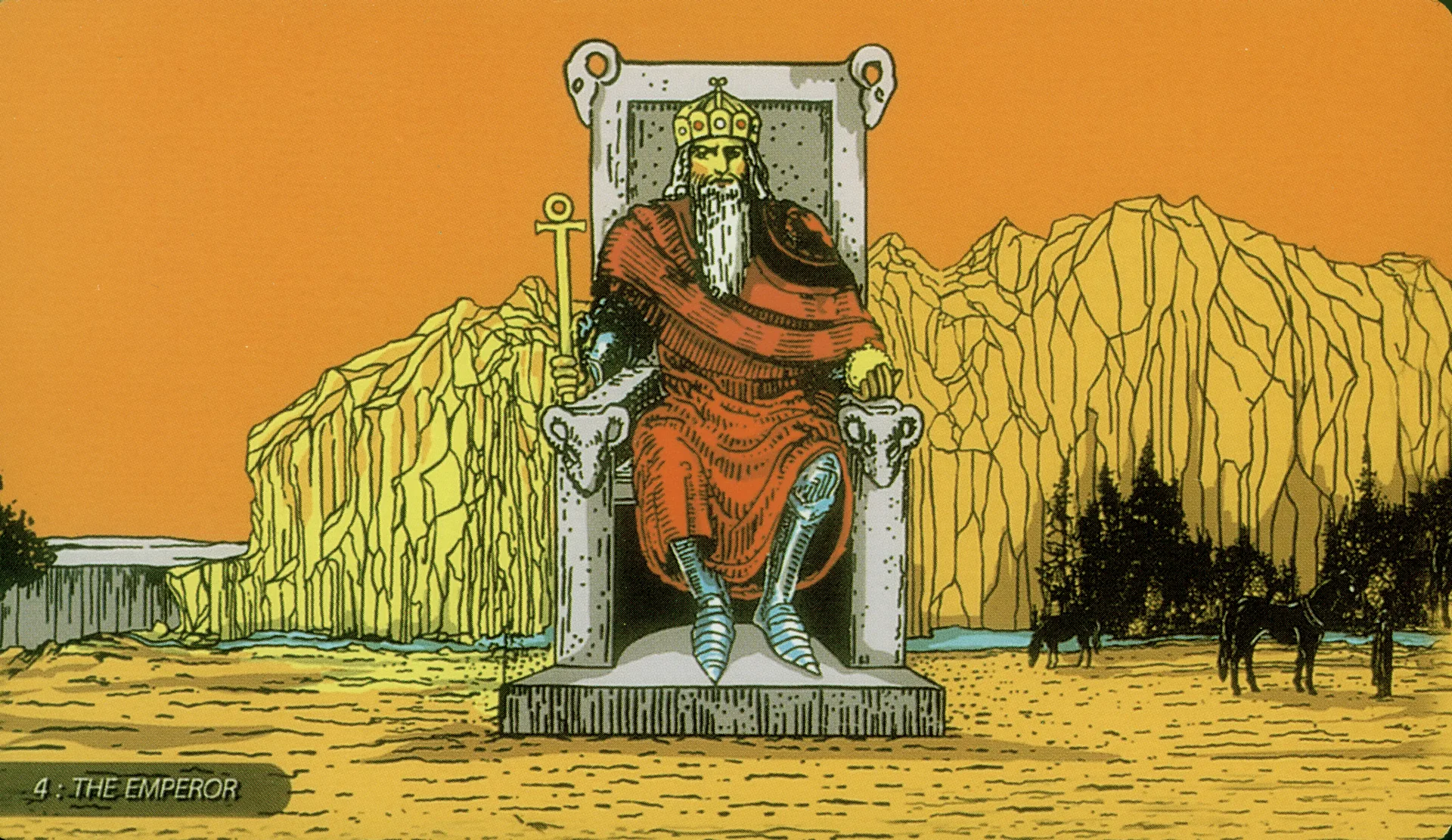
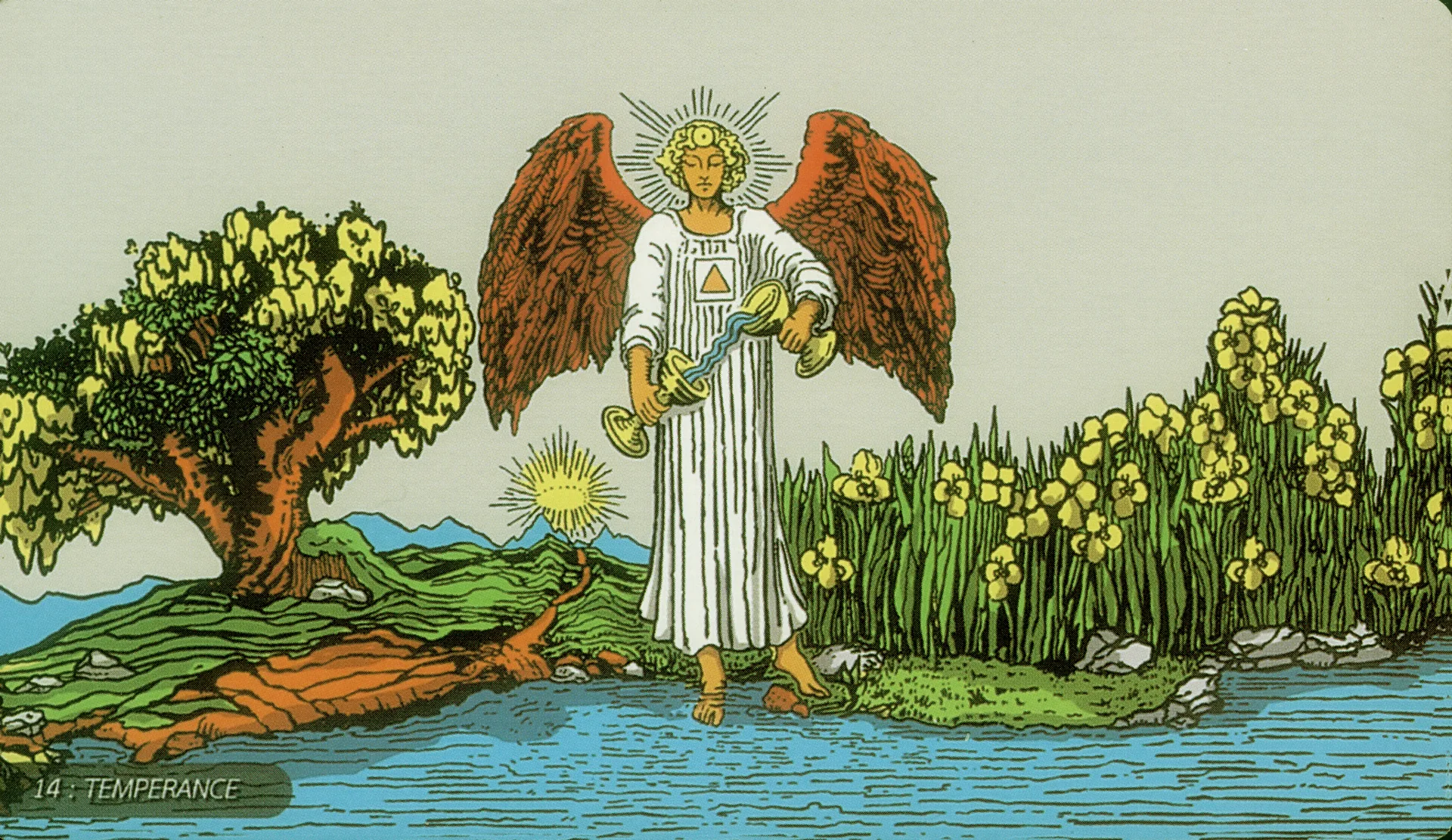
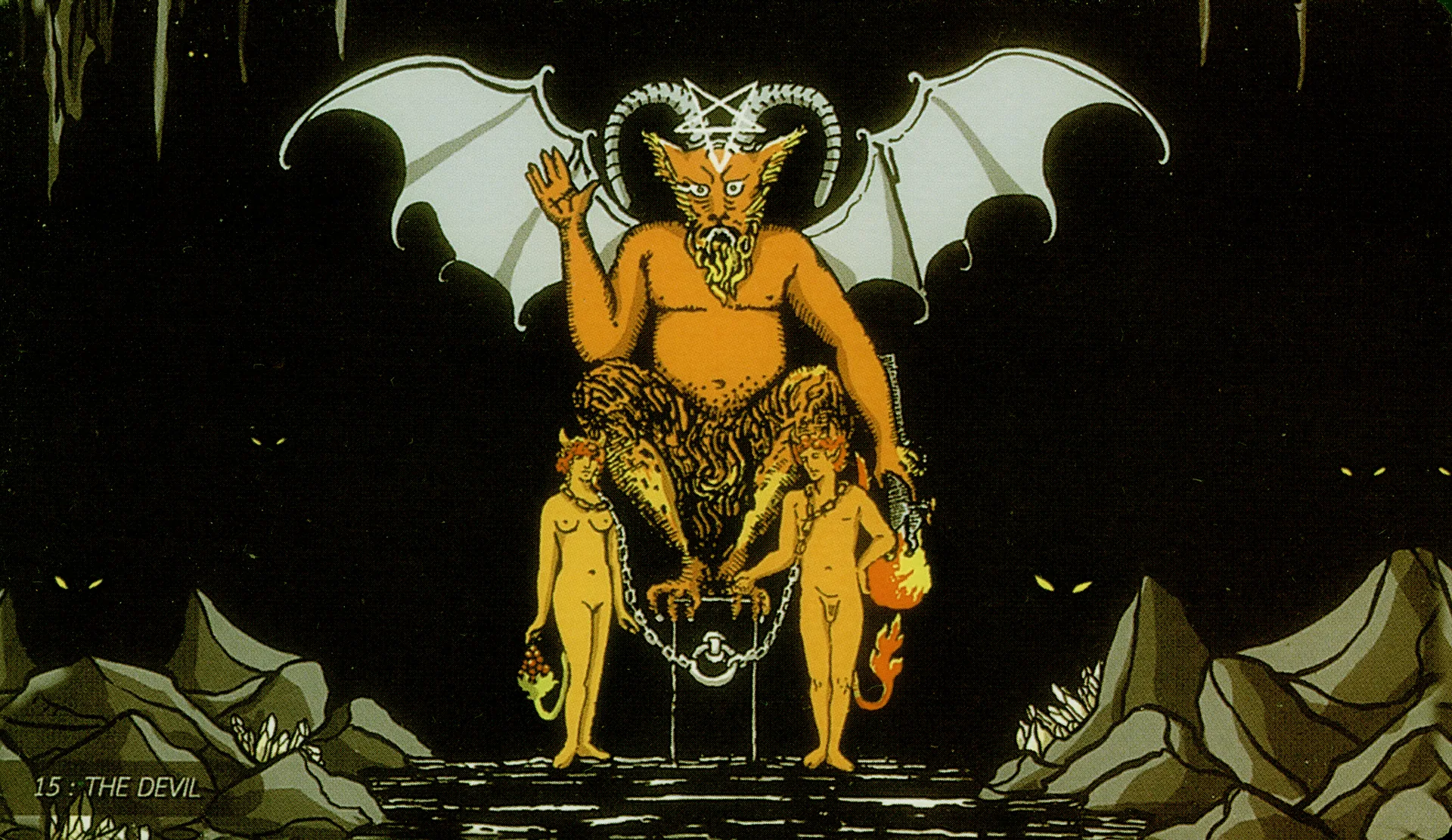
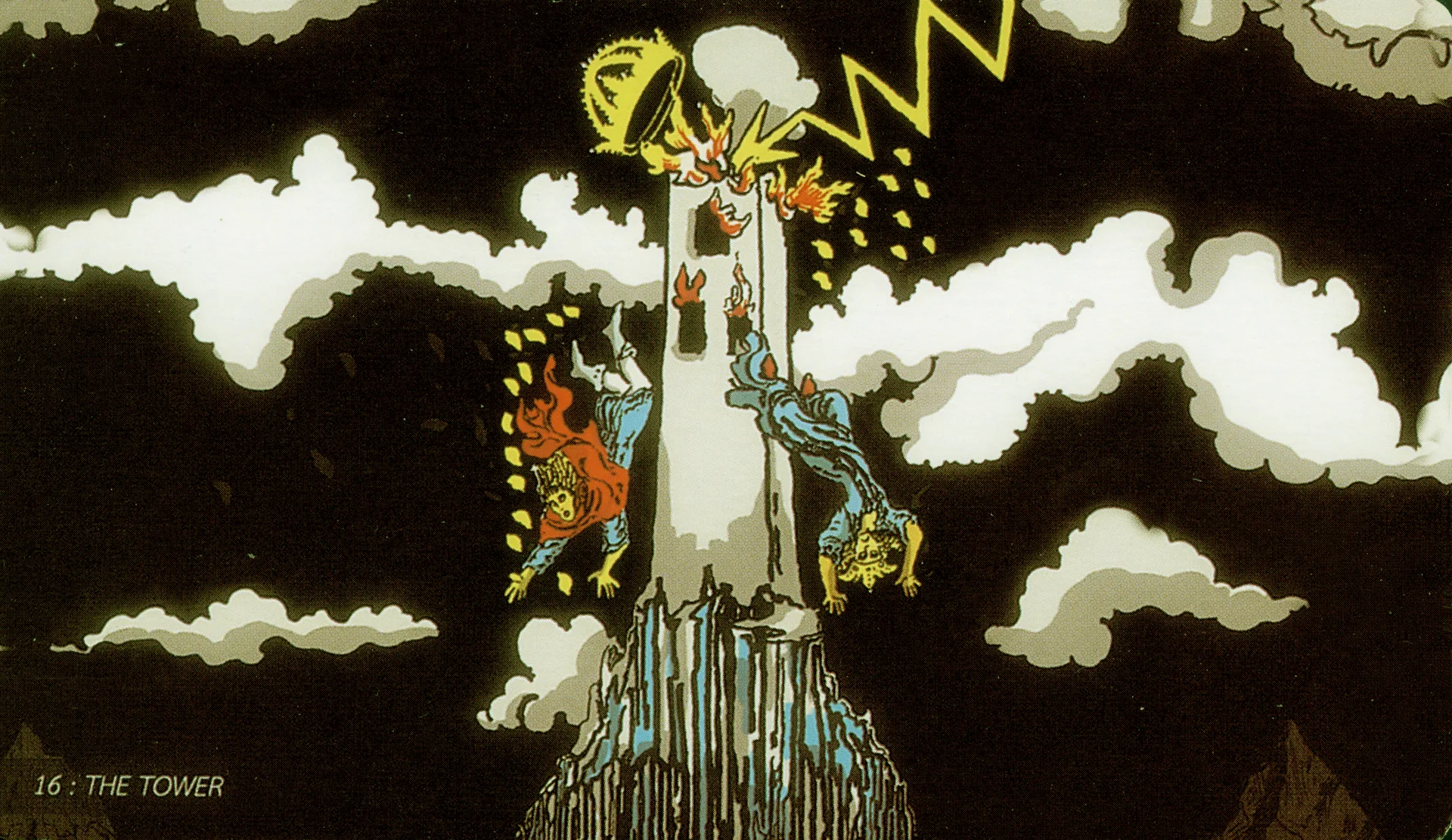
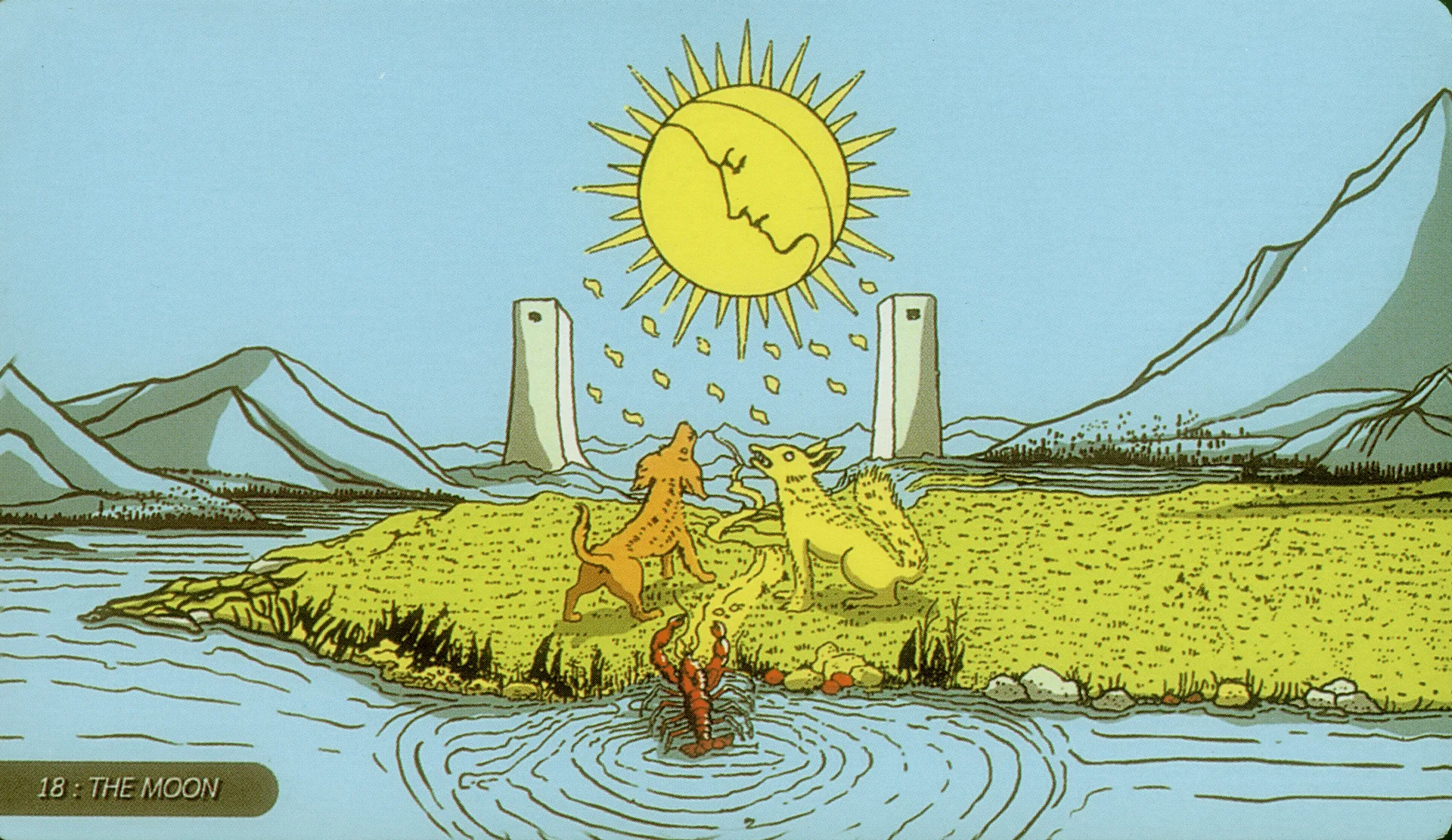
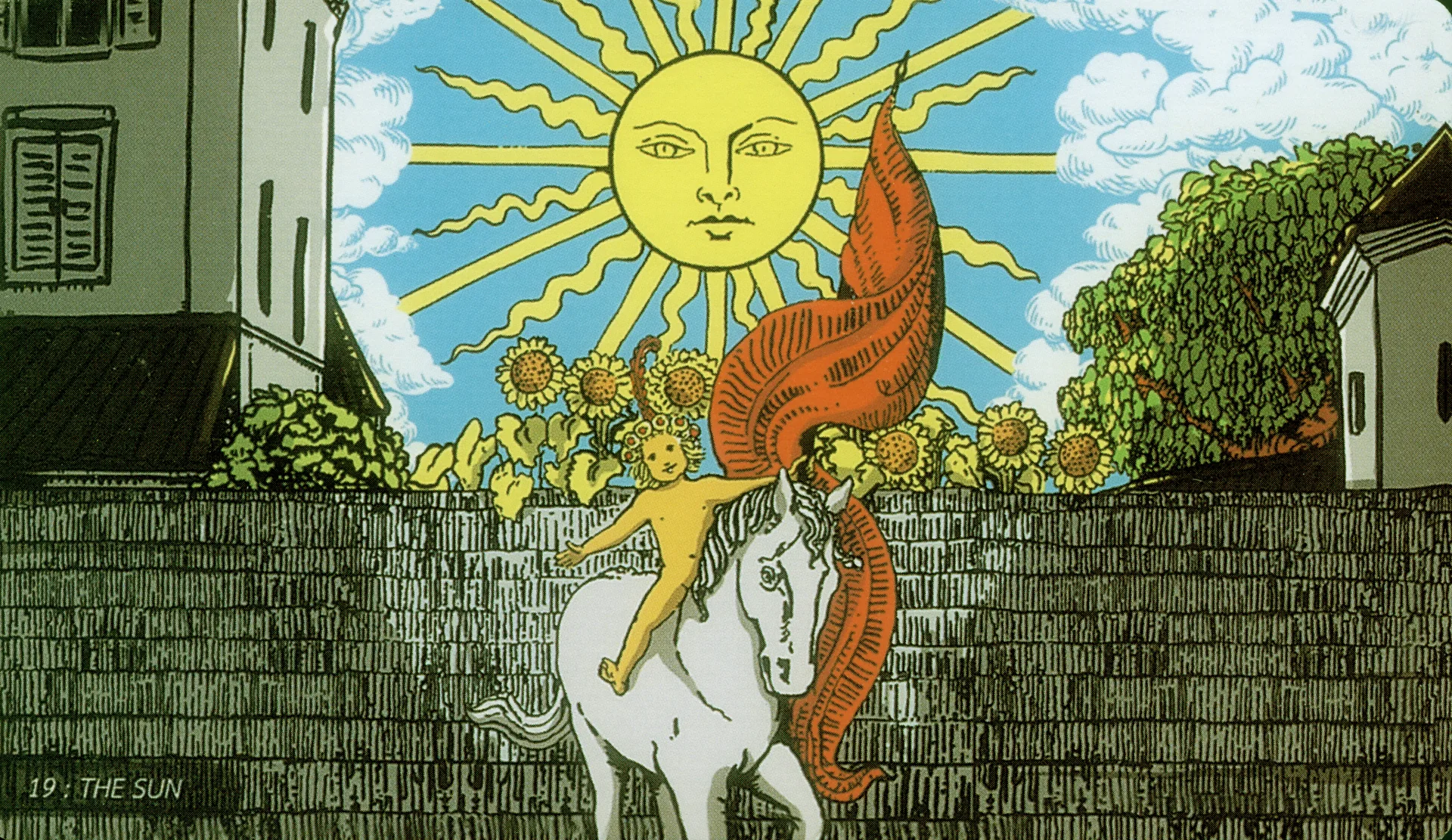
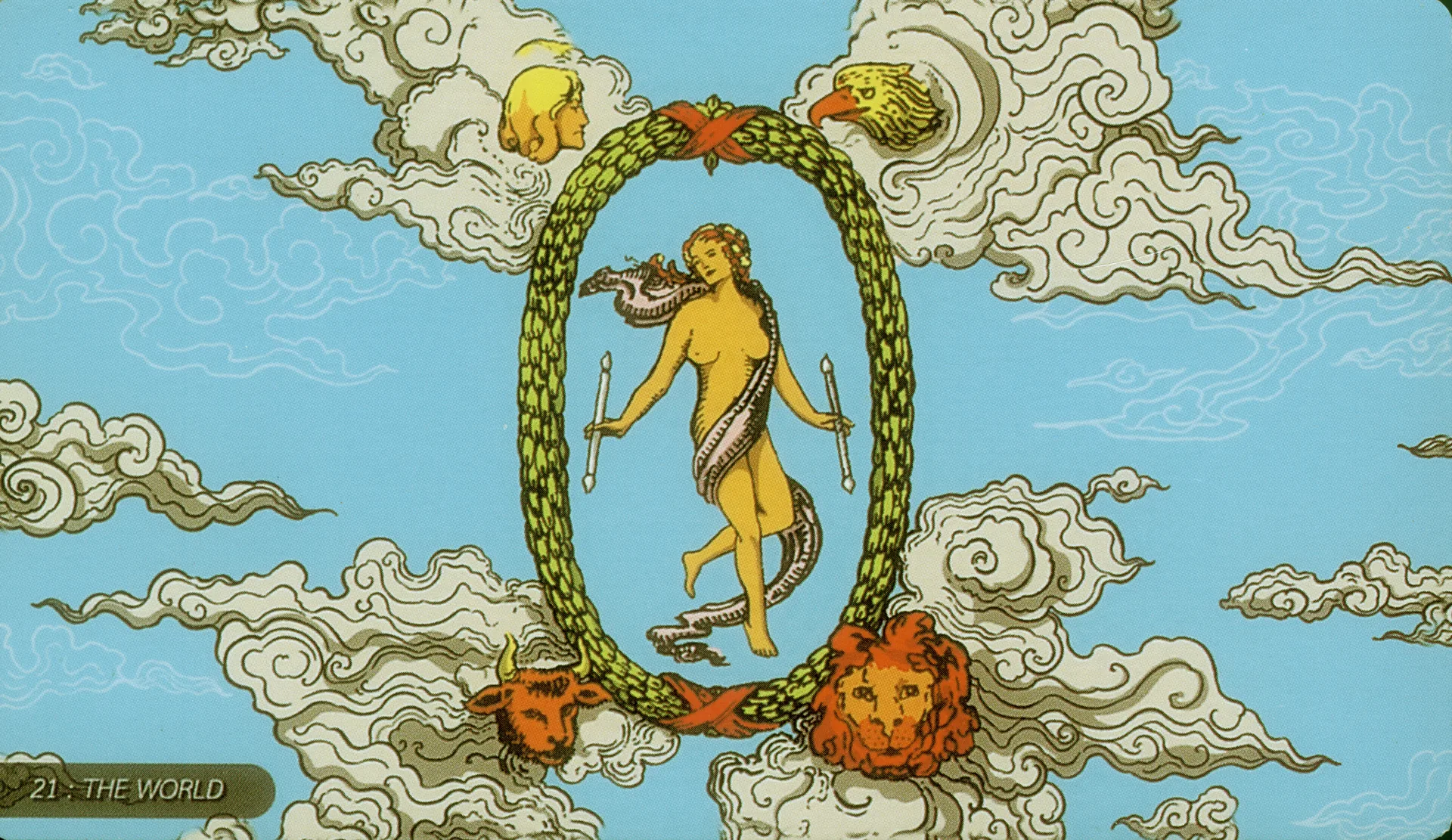
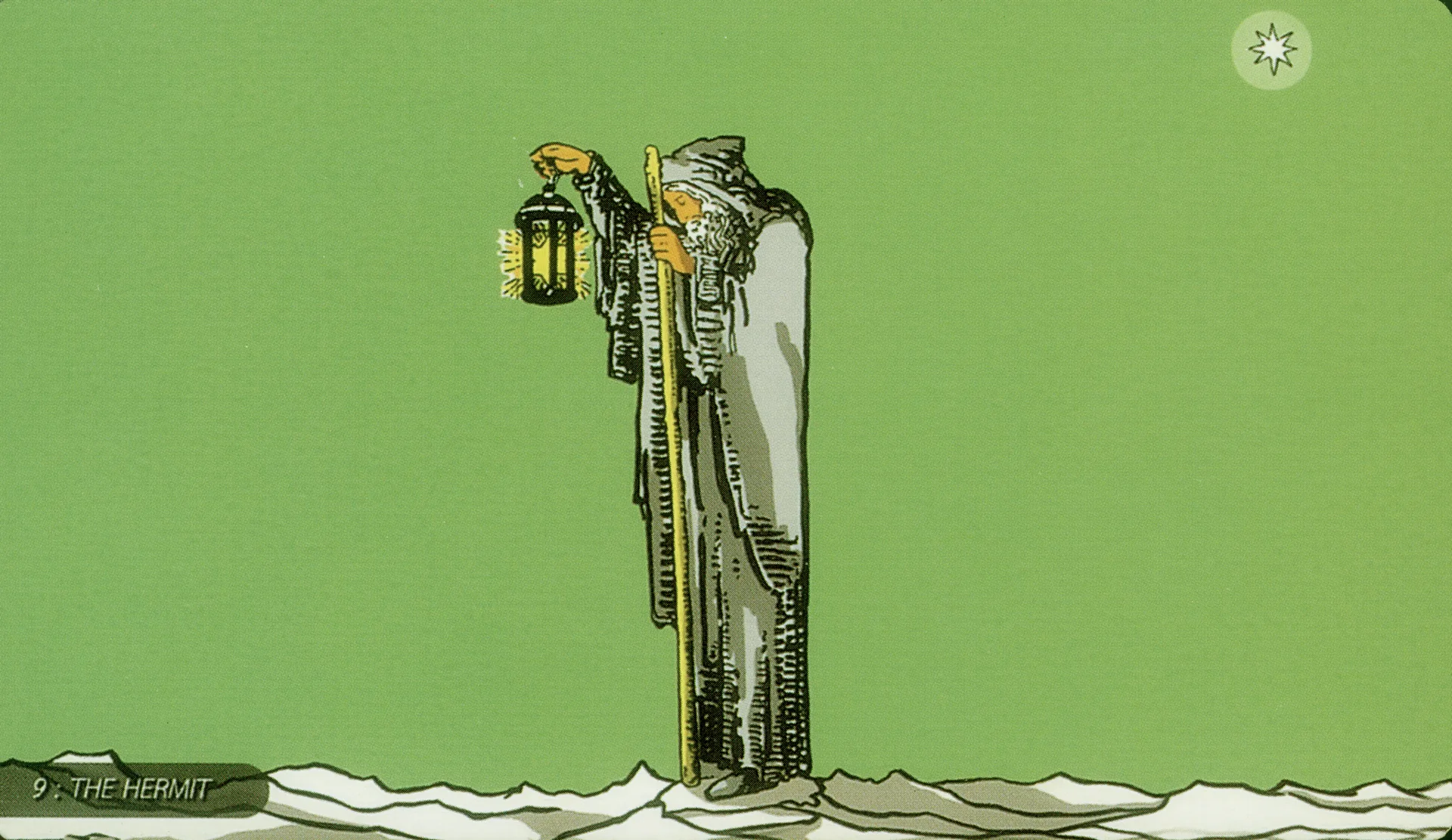
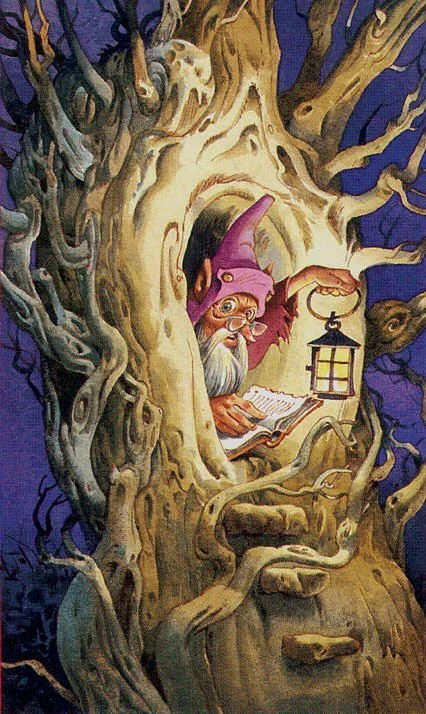
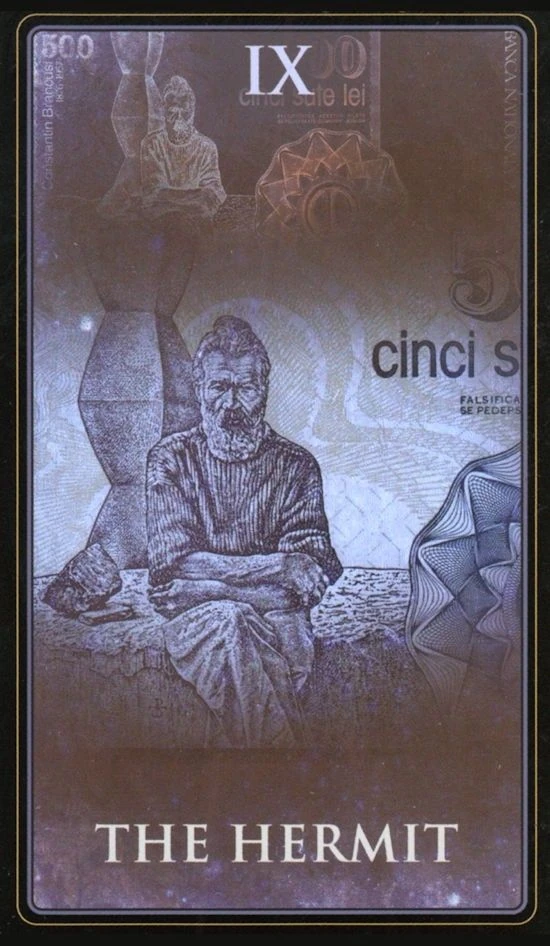
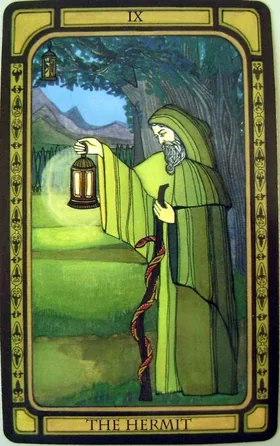
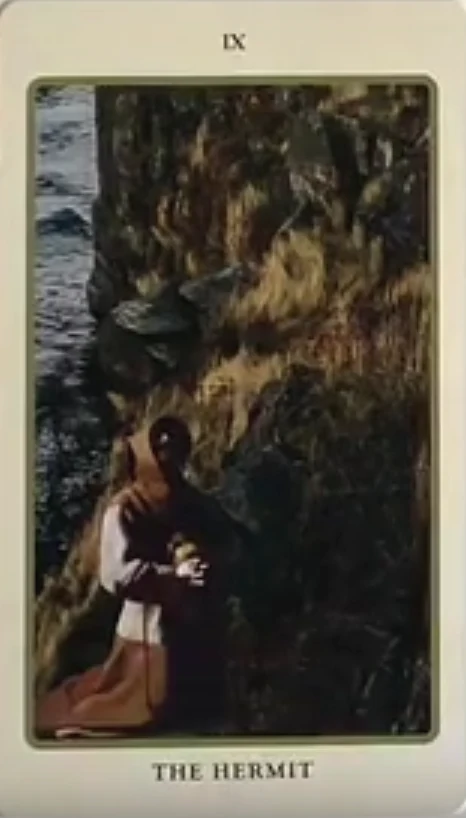
Compare the familiar Rider-Waite-Smith card with the moments before, behind and after the classic scene in three Lo Scarabeo decks.
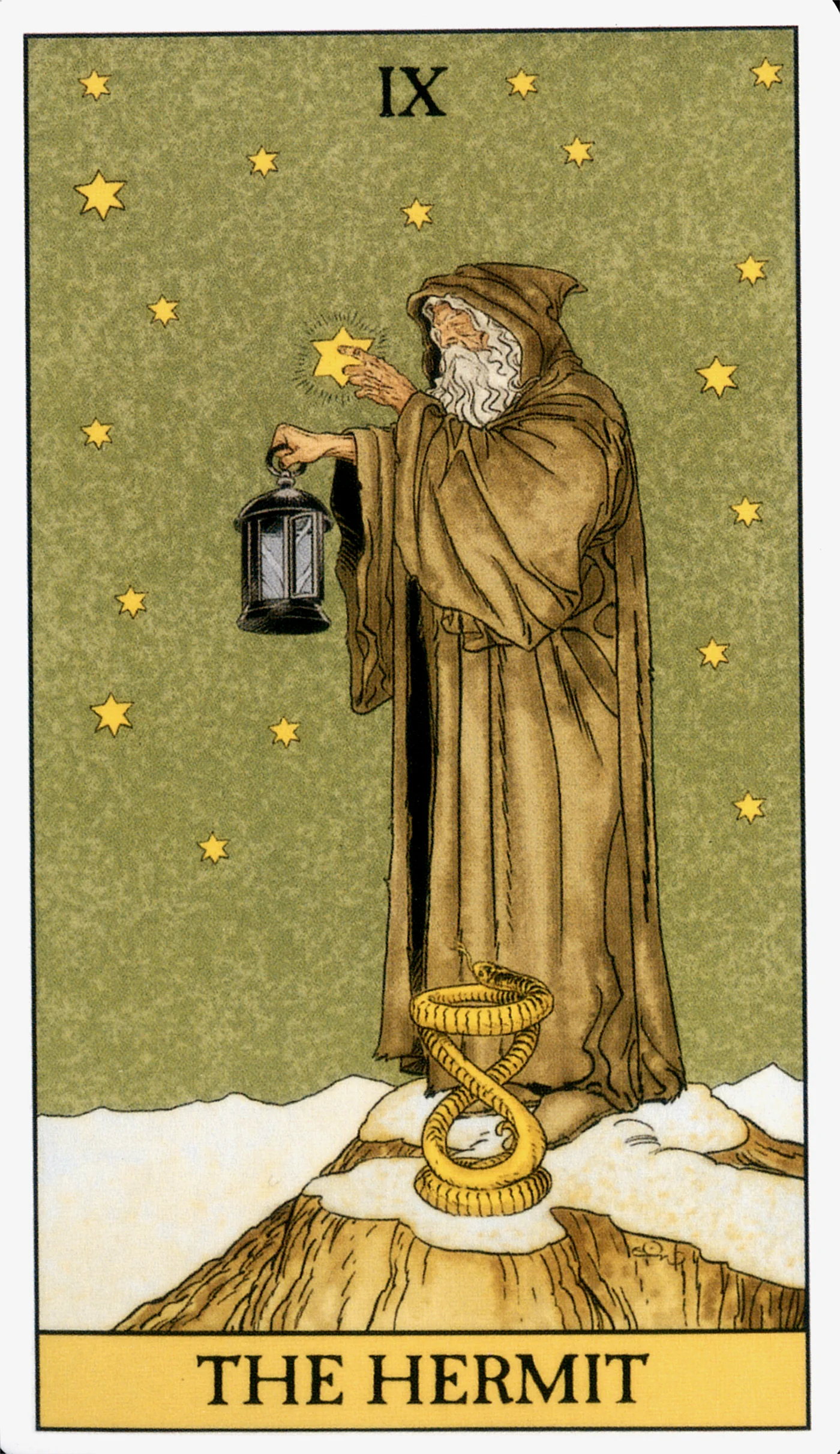
What apparently happens just before
What actually happened
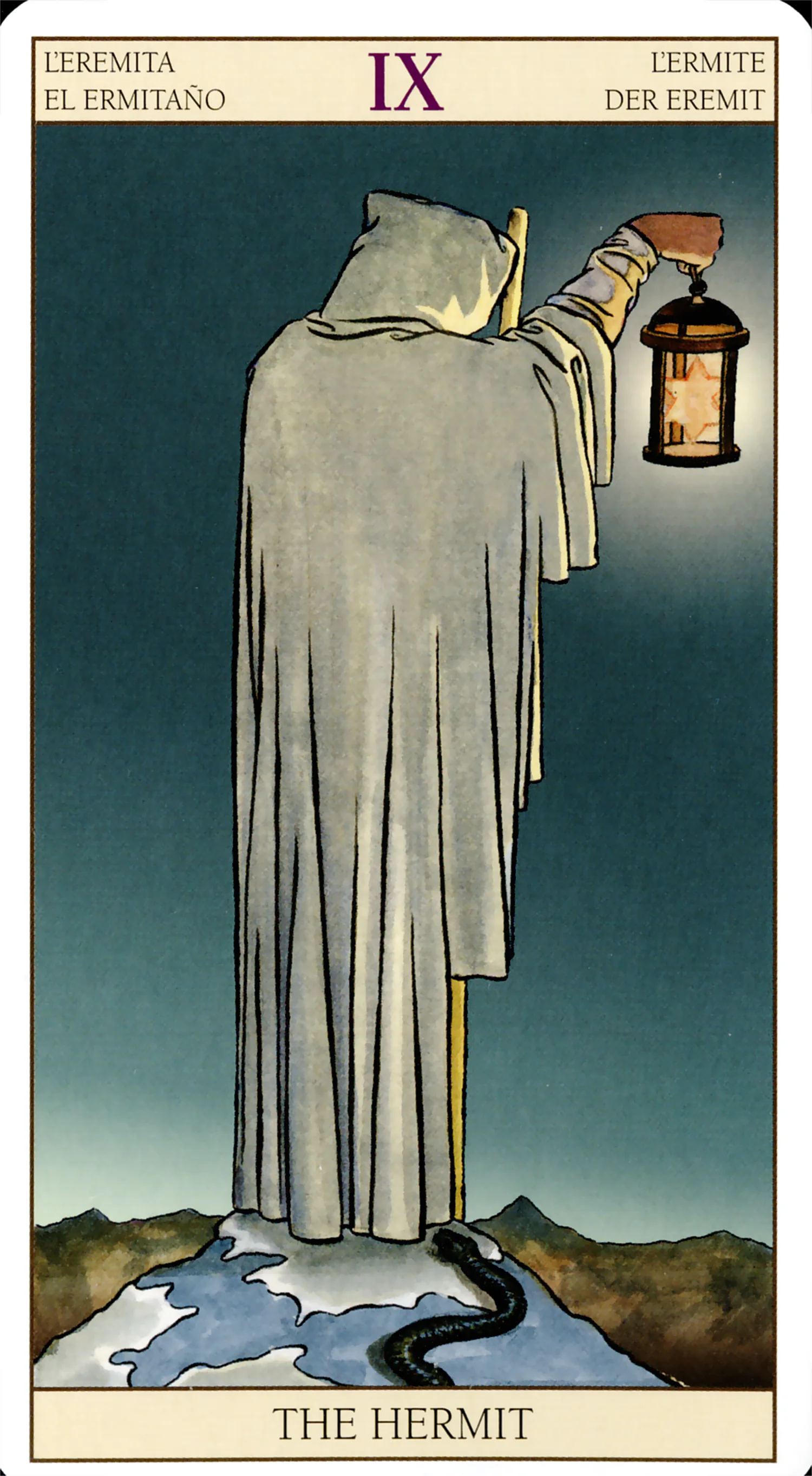
What happened on the opposite side
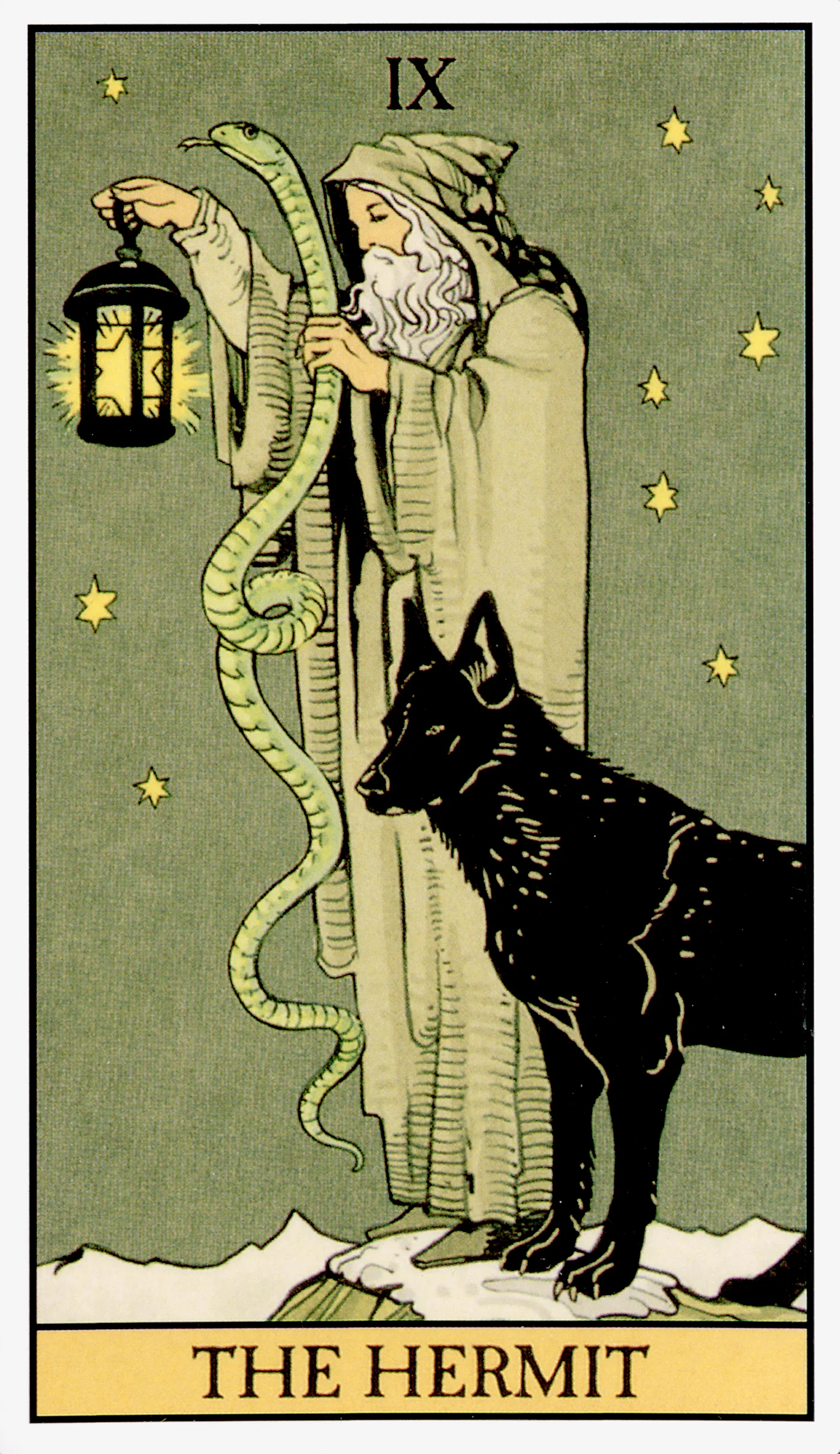
What apparently happened afterwards
The Hermit card symbols in Rider-Waite-Smith
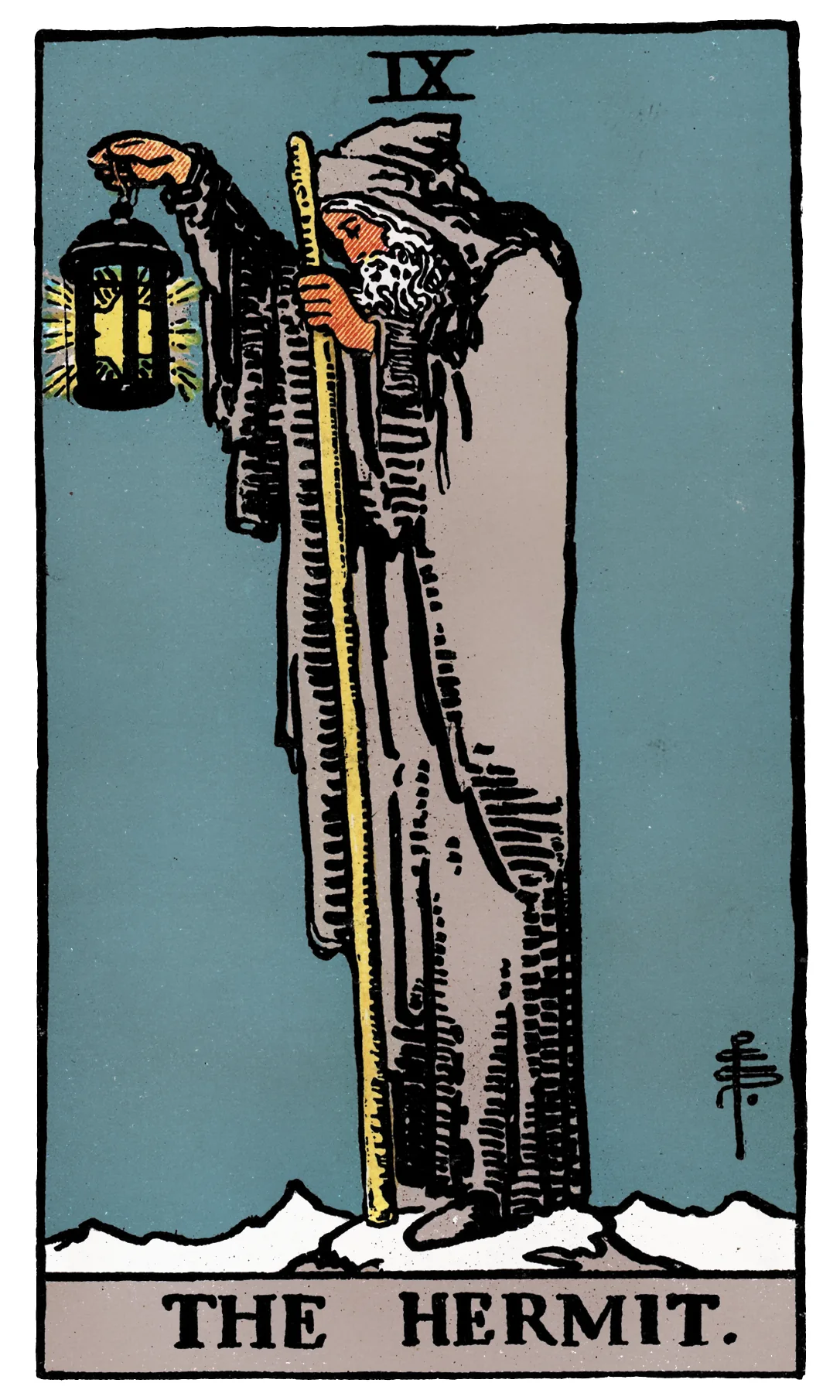
The RWS Hermit card shows a bearded man standing on a mountaintop, wearing a hooded grey cloak. He holds a staff in one hand and a lantern in the other. Inside the lantern is a six-pointed star. The background is spare, with pale mountain ridges beneath his feet and the Roman numeral IX above him.
The lantern can illuminate a next step without showing an entire path forward. Read as an inner light, it suggests enough understanding to act thoughtfully, even while some questions remain. The staff offers support; the robe draws attention away from display and toward the figure's task.
In The Pictorial Key to the Tarot, Waite describes the star shining in the lantern and the figure holding his beacon high. His account presents that light as an invitation to others, so the image is not only about standing alone. Modern readers often interpret the older figure as a wise man or symbol of wisdom. Age in the artwork is not a rule about who can teach you.
The Hermit is one of the trumps in a traditional 78-card deck. It is commonly called the ninth card of the Major Arcana because it is numbered IX; the Fool is numbered zero in this system. Tarot decks are used for games as well as divination, and their artwork and interpretations differ.
The Hermit tarot meaning and Virgo correspondences
In Golden Dawn-derived systems, this card is associated with Virgo, an earth sign. Mercury rules Virgo in astrology, so readers may discuss an indirect Mercury connection through study and careful observation. These are symbolic correspondences, not universal assignments across every tradition.
Some spiritual interpretations connect the mountain with spiritual enlightenment or a level of consciousness reached through reflection. That is a way of reading the image, not a measured state or a claim that pulling the card grants special abilities. The Hermit's quiet can be useful without becoming a spiritual achievement to chase.
Reading the Hermit with other cards
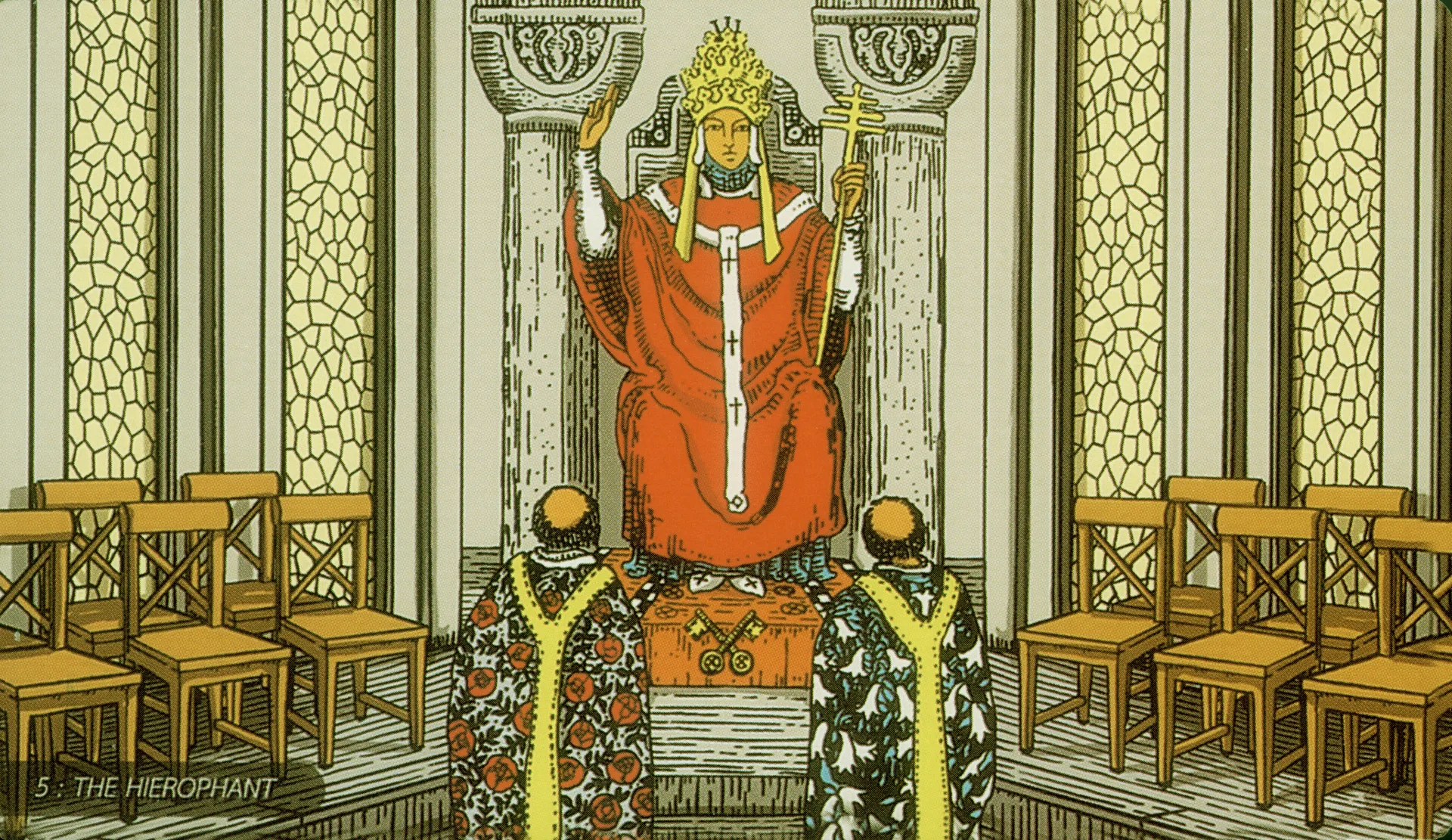
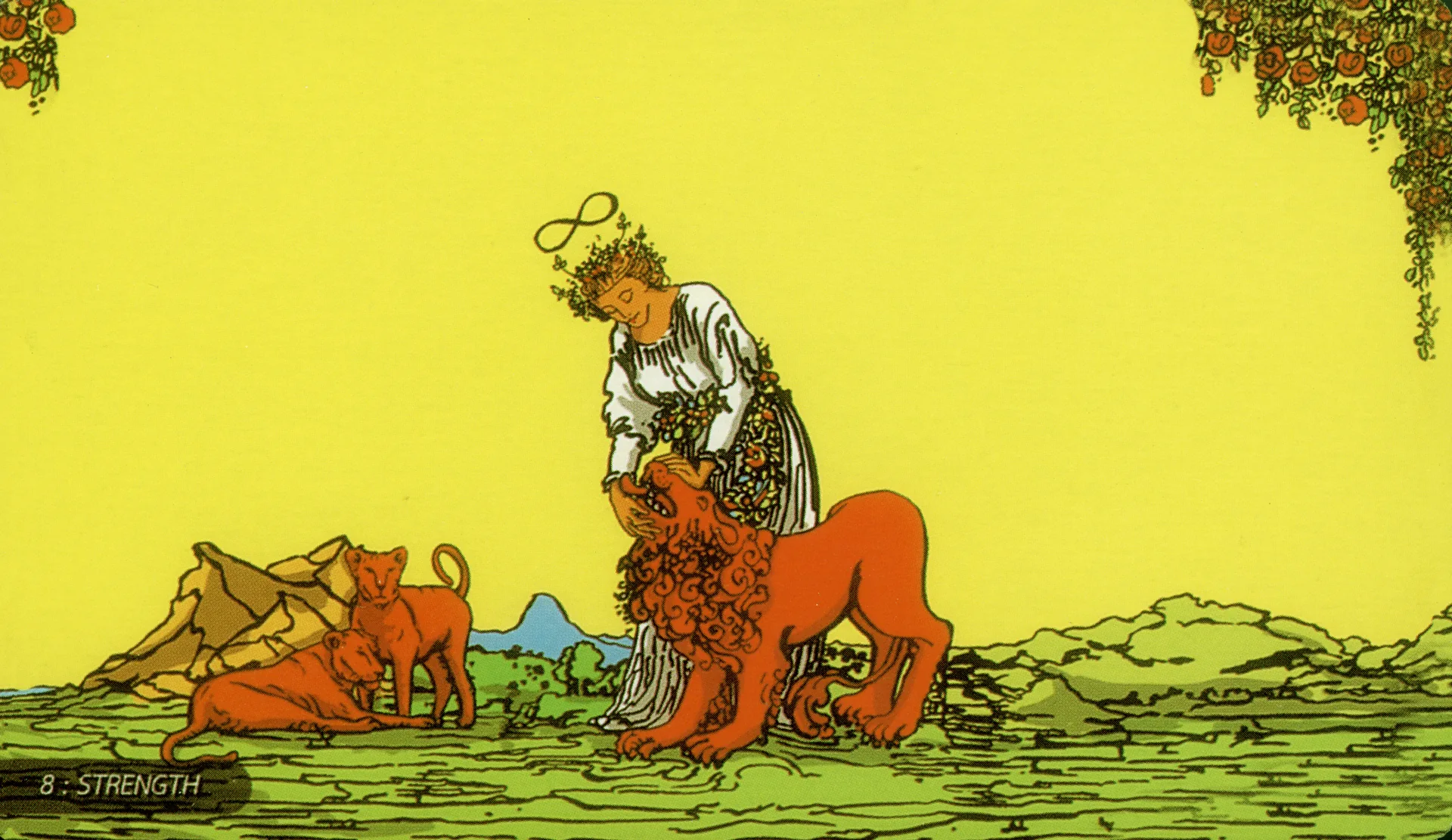
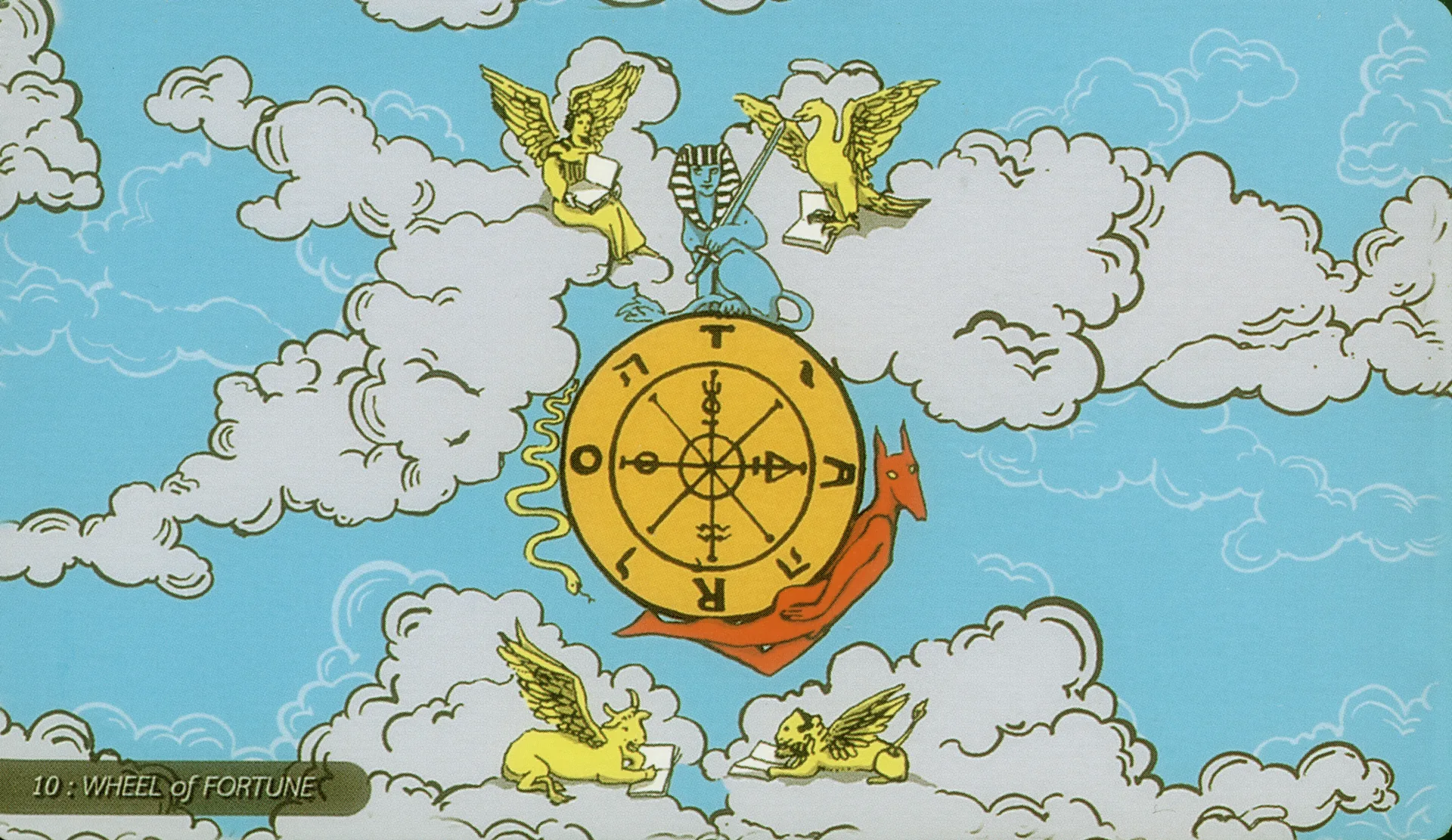
With the Strength card, consider whether patient courage would help you face something you have avoided. With the Wheel of Fortune, distinguish a change you cannot control from a response you can choose. These are possible reading examples, not fixed forecasts.
For a practical exercise, place the card beside your question and write two sentences: what you know, and what you still need to learn. For example, "I want to change courses, but I haven't checked which credits transfer." A useful next step is to ask the school, not to keep pulling cards until an answer feels reassuring.
Helpful questions to ask with the Hermit
- What do I notice when I turn inward instead of asking for approval?
- Is this solitude restoring me, or keeping me from support I want?
- Who can offer spiritual guidance or practical knowledge without deciding for me?
- What small action would make this time for reflection worthwhile?
One card, many perspectives
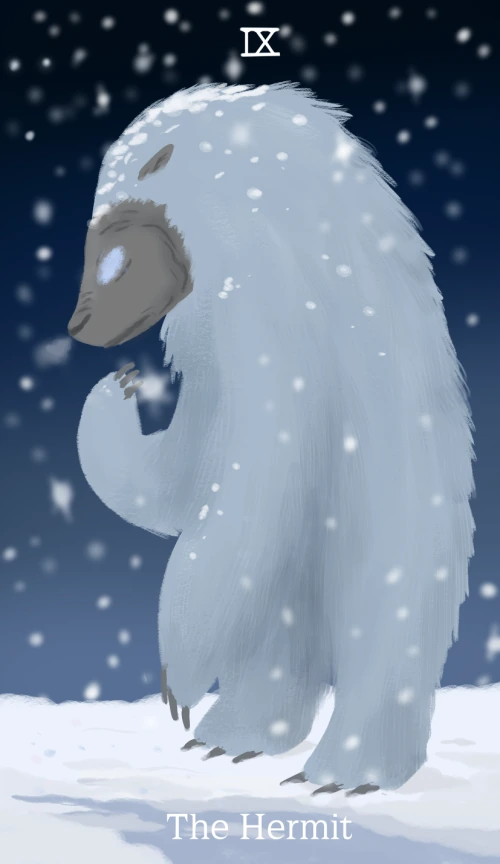
See The Hermit Card from Other Decks
Discover how other tarot decks interpret this card. Select a deck to explore its full review and gallery.








The Hermit FAQ
What does the Hermit mean upright and reversed?
Upright, it points to reflection, patient study, and chosen quiet. Reversed, it asks whether you are withdrawing from useful support or avoiding time to think. Connect the interpretation to your question and to what is actually happening.
Does the Hermit mean I will be alone?
No. It can invite a period of privacy or greater independence, but it does not predict permanent loneliness. You can make room for yourself while keeping friendships, commitments, and honest communication.
Is the Hermit a yes or no card?
It often suggests not yet when you need more information. For a question about study or a planned reflective break, it can lean toward yes. Treat that as a prompt to examine the choice, not a guaranteed answer.
What should I do after pulling the Hermit?
Set aside a manageable amount of quiet time for one question. Write down what becomes clearer, then choose a practical next step. If you feel cut off from people, that step might be reaching out rather than spending more time apart.