The Death tarot card meanings center on endings, change, and transformation. Upright, the card can describe a chapter closing or a pattern you are ready to leave behind. Reversed, it often points to resistance to change, an unfinished transition, or a quieter change happening inside you.
Seeing the name can be unsettling. The Death card in tarot is not reliable evidence of physical death, illness, or a disaster about to happen. Read it as a symbol to explore, not a warning that someone will die. If you are already grieving, you do not need to turn your loss into a positive lesson to use this card thoughtfully.
Death Tarot Card Meaning at a Glance
- Main keywords: endings, release, and deep transformation
- Upright meaning: closing a chapter, letting go, and making room for a real new beginning
- Reversed meaning: fear of change, holding on too tightly, or delaying an ending
- Yes or no: Yes for change and release; no for keeping things exactly the same.
- Best question to ask: What is this card trying to help me understand right now?
Upright Death meaning: endings and new beginnings
Upright Death can bring attention to something that has run its course. A project is complete, a familiar role has changed, or a habit no longer serves the life you want. The card of transformation asks you to notice the difference between maintaining something useful and holding onto it because it is familiar.
An ending does not have to be dramatic. You might stop answering work messages at midnight, retire an unrealistic plan, or admit that a goal you once wanted no longer fits. Naming the change gives you a place to start. You can keep what you learned without keeping every old commitment.
New beginnings are a traditional part of this card's meaning, but they do not erase sadness. Relief and grief can exist together. If a course has ended, celebrate the work and allow time to miss the people. If circumstances changed without your agreement, practical support may matter more than a cheerful promise of rebirth.
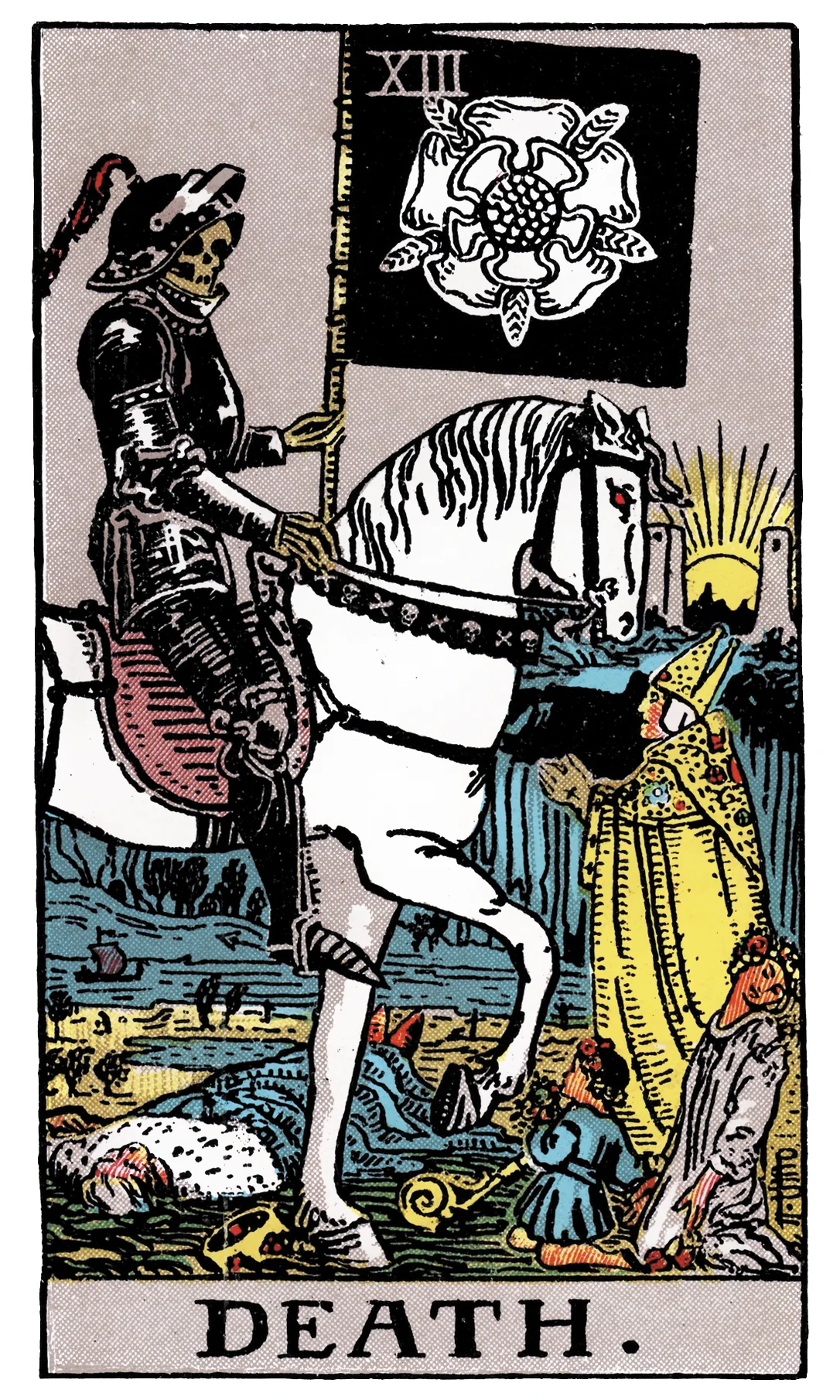
What the Death card means in a tarot reading
To interpret the Death card in a tarot reading, read the card in context: your question, its position in the tarot spread, and the circumstances you can check. When this card appears as advice, the meaning of the Death card may be to stop feeding an exhausted pattern. As an obstacle, it may describe difficulty accepting a change. In a future position, it offers a theme to consider, not proof of what will happen in the future.
This Major Arcana tarot card is numbered XIII, or 13, in the Rider-Waite-Smith tradition. Major Arcana cards often frame broad themes; the Minor Arcana can add everyday detail. If you are beginning to read tarot, ask which aspect of your life is genuinely changing before reaching for the most alarming interpretation.
Death in love and relationships
In a love tarot reading, Death can suggest that the relationship needs a different pattern. Perhaps one person always apologizes while the other avoids the conversation, or your routines no longer leave room for time together. The useful question is whether both people want to make a change and what that would look like.
The card does not instruct you to end a relationship. An old pattern can end while the relationship continues. If a separation is already happening, the card may help you reflect on boundaries and support, but it cannot make that choice for you. Base decisions on safety, mutual respect, and what actually happens between you.
If you are single, letting go of the past might mean loosening an old dating rule or taking a break from comparing new people with an ex. You do not have to rush into dating to prove that you have moved on. When asking about someone's feelings, a card cannot reveal their private thoughts or guarantee a reunion; their words and behavior are better evidence.
Death for career, money, and school
At work, Death can fit a career change, a finished contract, or a role that no longer matches your skills. Before you take the plunge, check the practical details: your savings, notice period, available training, and the actual terms of a new offer. Planning a transition is different from resigning because a card appeared.
For money, the card can prompt a review of spending habits or financial commitments. Cancel an unused subscription, check a recurring payment, or make a plan for a change in income. It does not predict bankruptcy, a windfall, or a guaranteed investment return. Use figures and qualified advice for decisions with serious financial consequences.
At school, you might outgrow a study method or finish one stage before starting another. Try a small change first, such as asking for feedback on a difficult assignment. You can keep moving forward without deciding your whole future in a single reading.
Death reversed meaning: resistance and internal change
Death reversed can suggest that a transition is unfinished. You may be clinging to a plan after the facts changed, or you may be holding back because the next step feels uncertain. Ask what makes it difficult to let go: affection, fear, money, responsibility, or a lack of support. Each needs a different response.
Resistance is not always a mistake. A pause may protect you while you arrange housing, understand a contract, or decide what you need. Do not call sensible preparation an inability to move on. With the card reversed, look for the smallest safe change rather than force a dramatic ending.
Finding the Death card in a reading can also invite you to look inward. The reversed position can describe personal transformation that others do not yet see. You may be changing your expectations, grieving privately, or reconsidering who you want to be. That work can be slow. A reversed card is not proof that you are failing or delaying something that was destined to happen.
Reversed Death in love, work, and money
In relationships, repeated promises without changed behavior deserve an honest look. Agree on a concrete next step rather than assume the card proves the bond is doomed. At work, an outdated routine may need replacing; financially, reluctance to check the numbers may keep a problem vague. Get the information and support you need before choosing.
Death yes or no meaning
For a yes or no question, upright Death can be a conditional yes to a thoughtful change and a no to keeping everything exactly as it was. Reversed often suggests a pause to understand resistance or prepare for the transition. This is a reading convention, not an objective verdict.
“Should I update this routine?” may fit the card better than “Will they leave me?” The first gives you an action to consider; the second asks tarot to certify someone else's decision. Add a follow-up: “What would make this change safer or more realistic?”
Death advice: make room without rushing
Write down what has ended, what is still uncertain, and what remains worth keeping. You might archive a finished project, clarify a boundary, or ask someone to help with a practical task. You do not need to let go of everything at once, and letting go does not mean forgetting people who matter to you.
Death reminds us that change is part of life, but you still deserve time and care. If you are dealing with bereavement, reach for people who can listen without demanding that you find a silver lining. Tarot can support reflection; it cannot diagnose a condition, predict recovery, or replace medical or mental health care.
Spiritual reflection and “ego death”
Some tarot readers use the phrase ego death for loosening a fixed story about who you are. Treat that as a metaphor, not an instruction to harm yourself, erase your identity, or seek an extreme experience. A gentler example is recognizing that changing your mind does not make you dishonest.
One archetype, four perspectives
Death Across Four Tarot Decks
Compare the familiar Rider-Waite-Smith card with the moments before, behind and after the classic scene in three Lo Scarabeo decks.
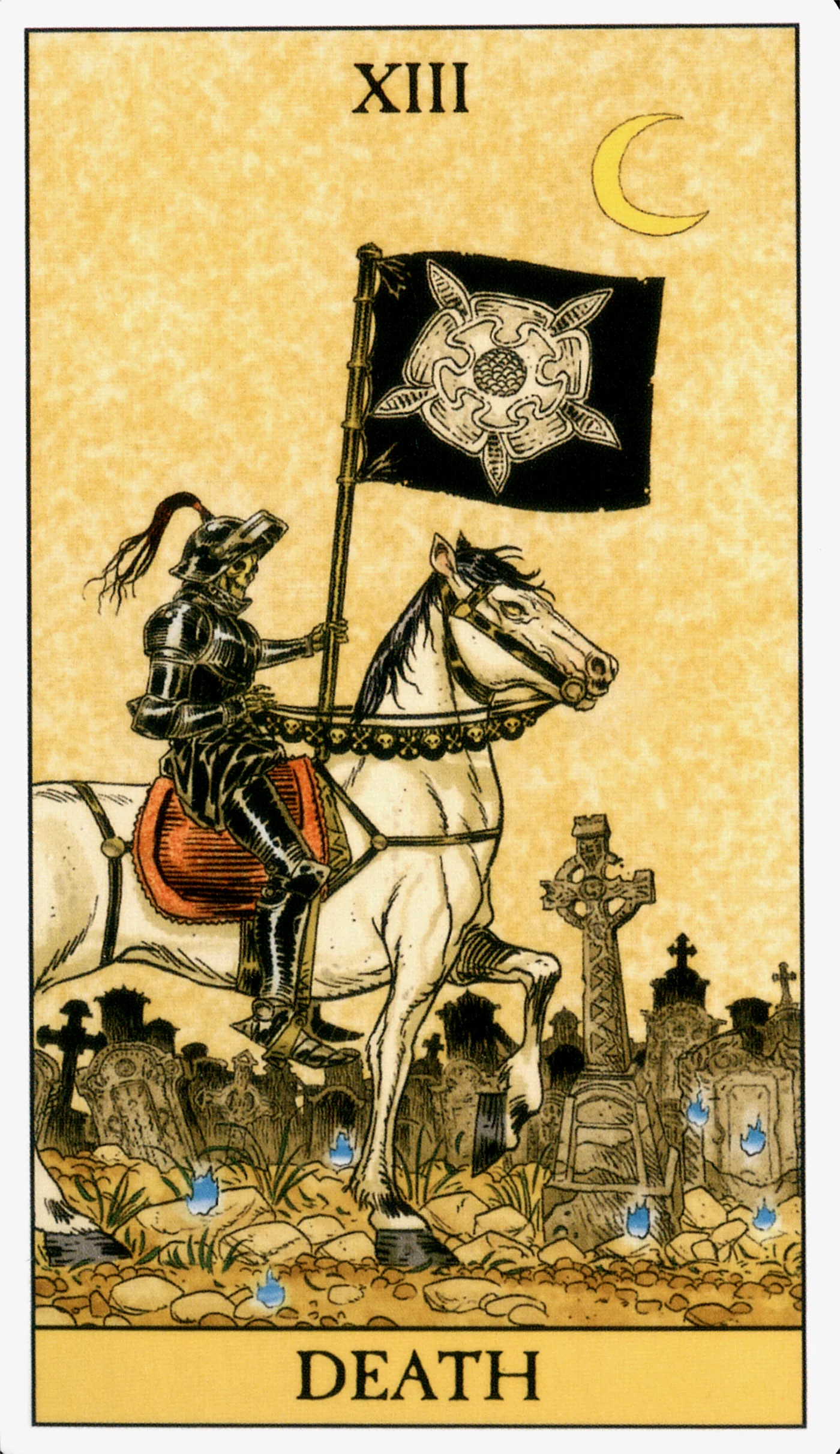
What apparently happens just before
What actually happened
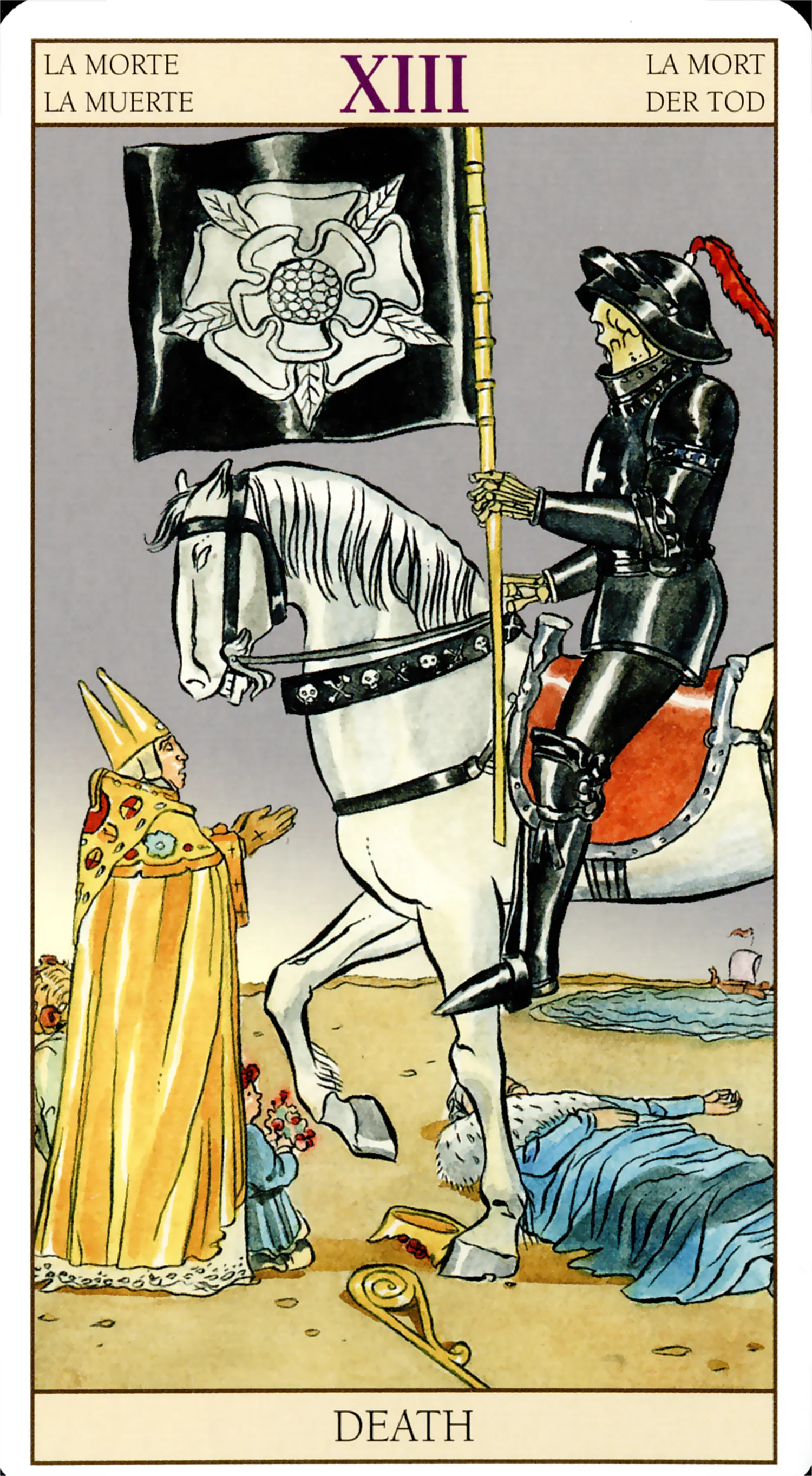
What happened on the opposite side
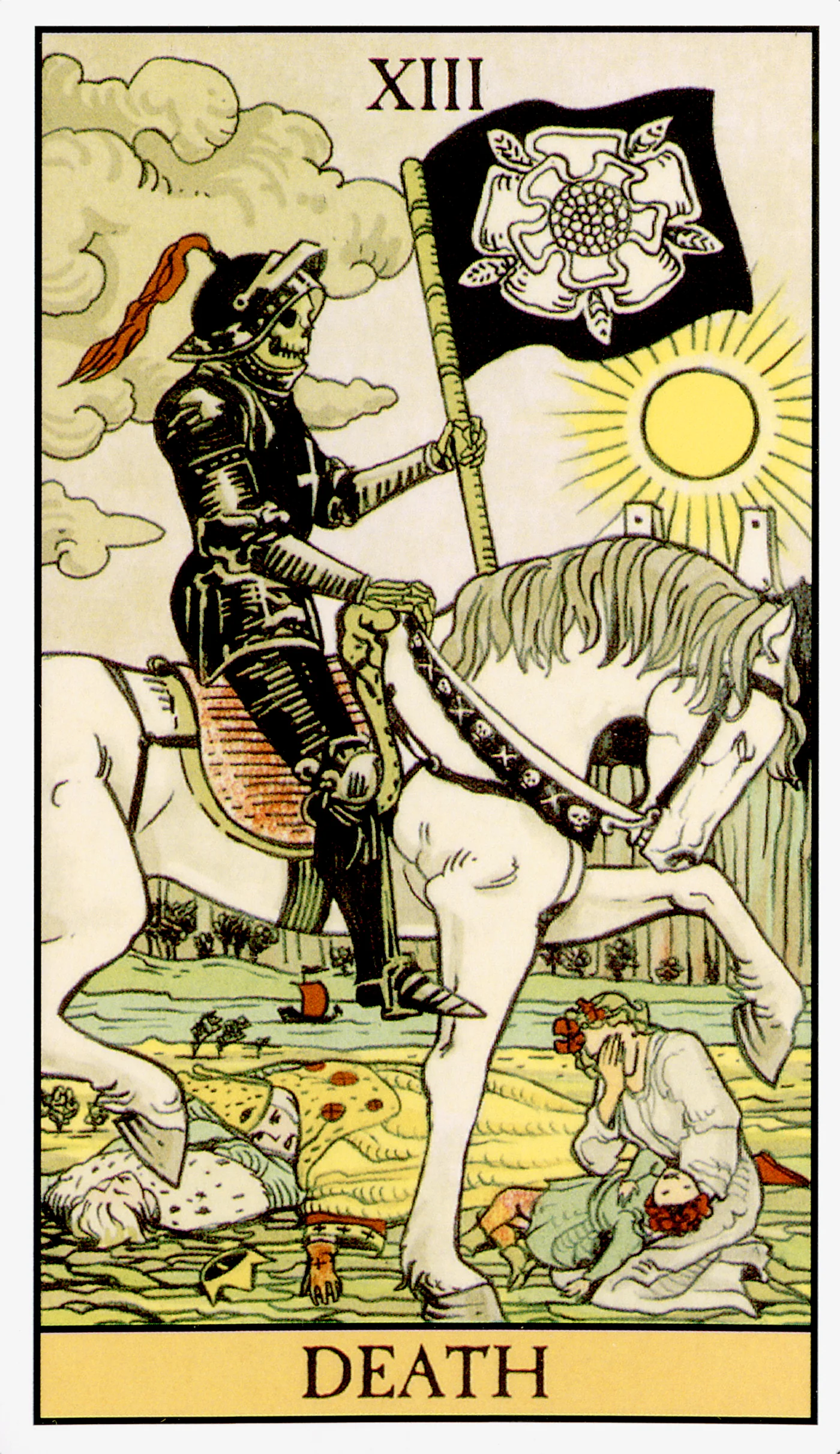
What apparently happened afterwards
Death card description: RWS tarot symbolism
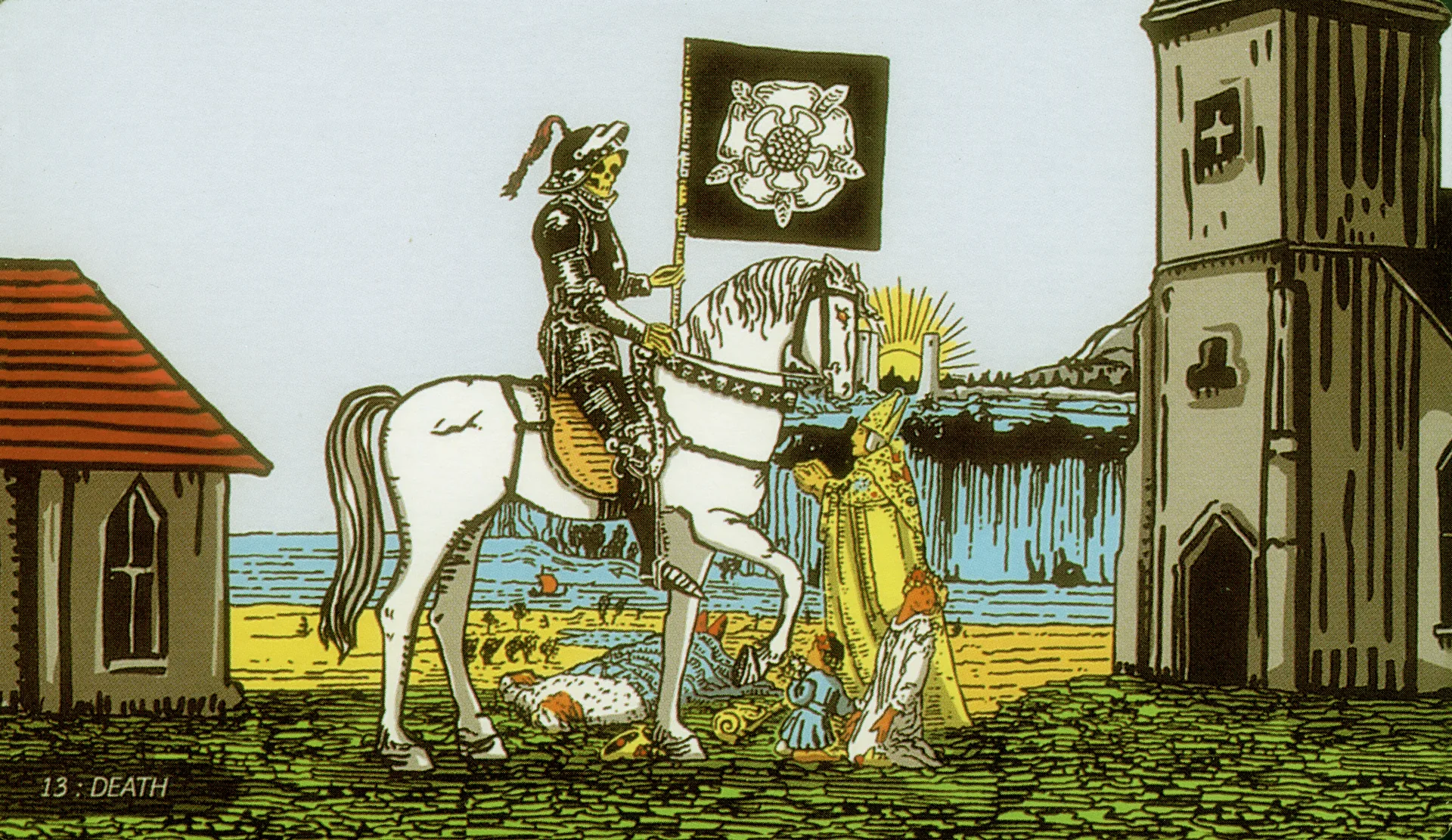
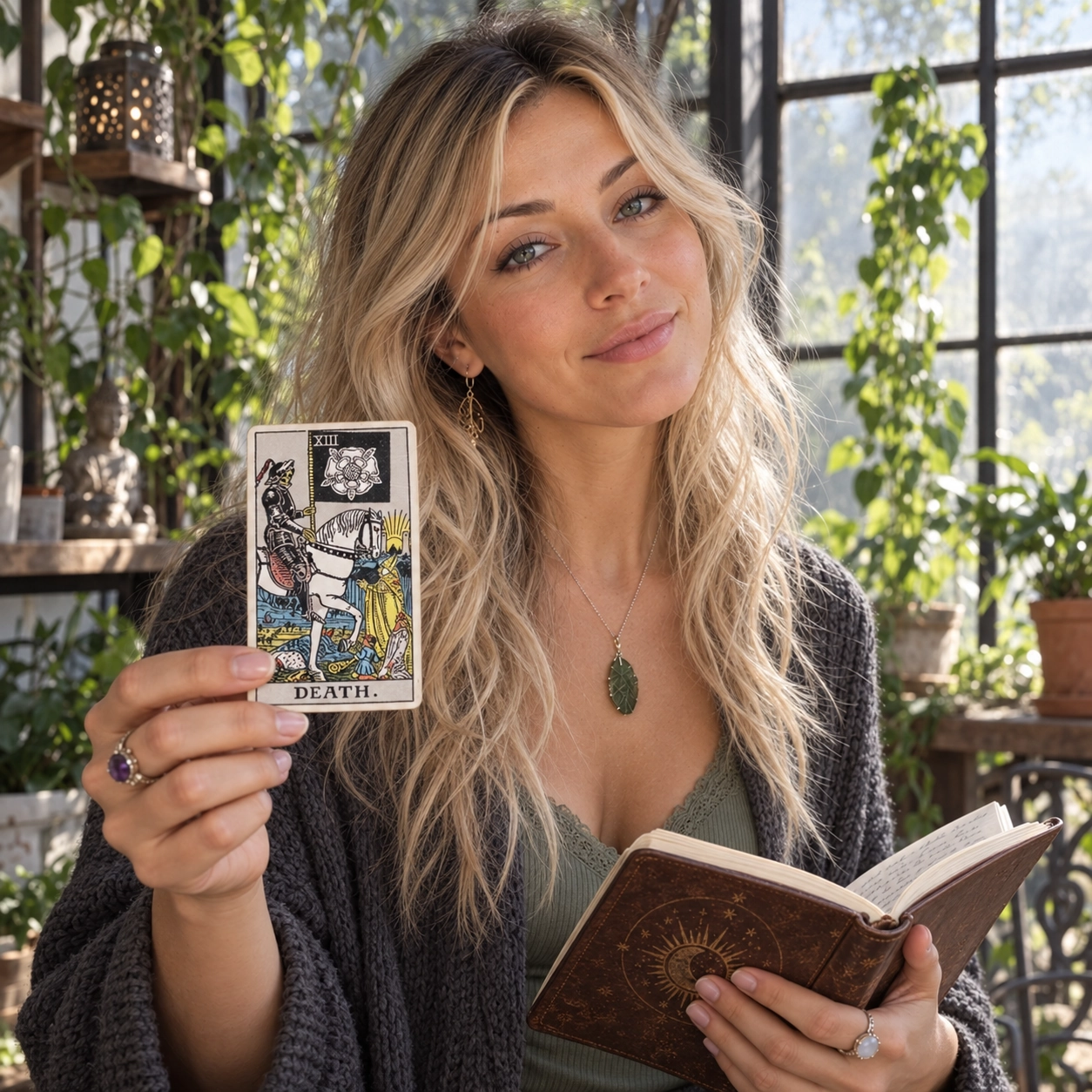
Look at the Death portrait shown beside the upright and reversed sections. In this Rider-Waite-Smith image, the card shows a skeleton in black armor riding a white horse. It carries a black banner with a white five-petaled flower. A fallen crowned figure lies below; a bishop, child, and kneeling figure are in front of the horse. A river and small boat appear behind them, with a sun between two towers in the distance.
These are details from this particular artwork, not objects you should expect in every tarot deck. The site's wide panorama is an adapted image; use the portrait when checking Pamela Colman Smith's composition. The familiar rider-waite tarot deck and its later editions can differ in color and printing.
What the picture can symbolize
The contrasting armor, horse, and flower can symbolize the tension between an ending and continued life. Modern guides such as Biddy Tarot interpret the flower through renewal and purification. The meaning for your reading still depends on the question; a picture of a fallen figure is not evidence that a living person is in danger.
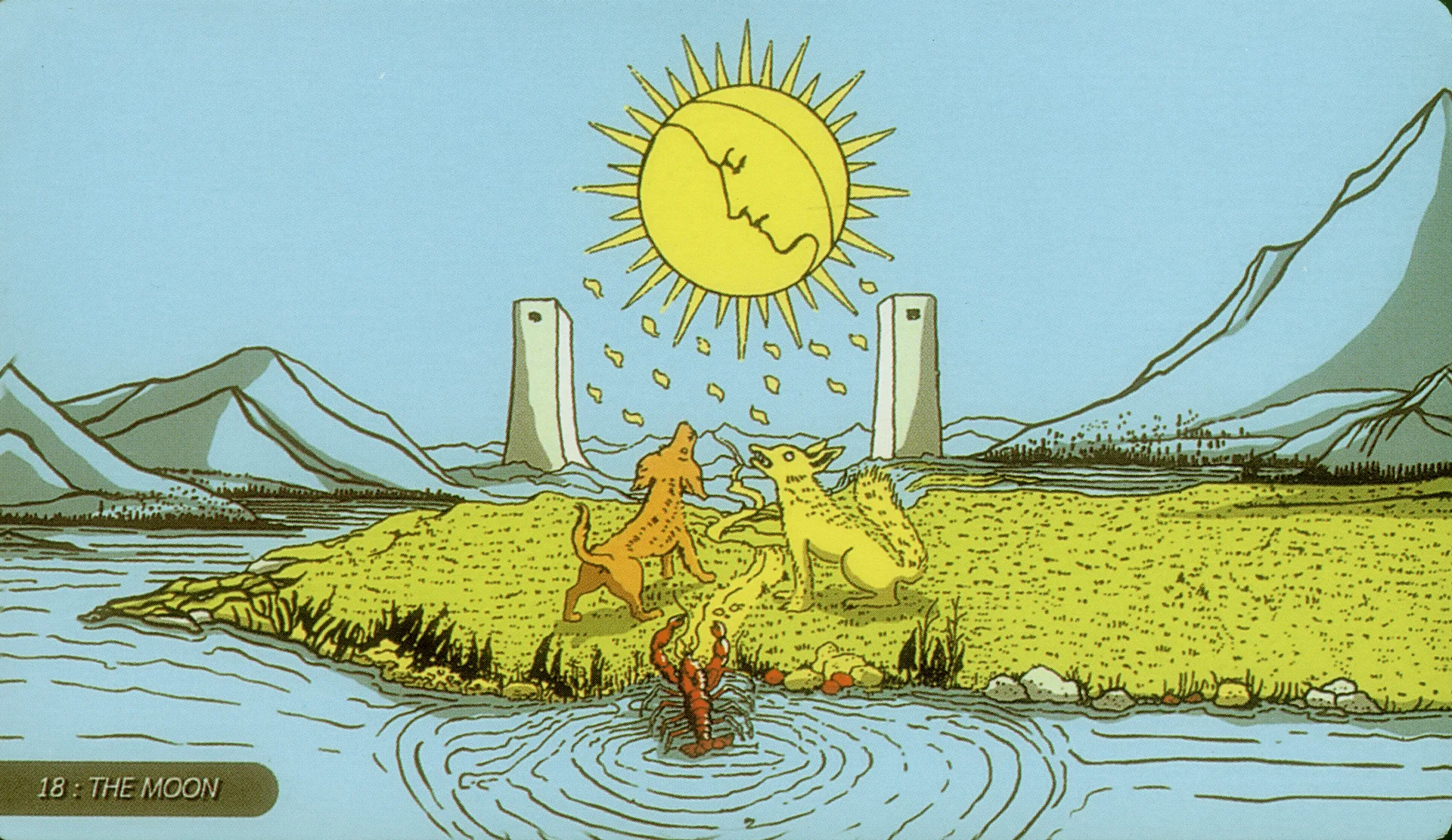
A. E. Waite's account calls the flower the Mystic Rose and describes the scene through change and rebirth. The sun between the towers can invite a reflection on continuation after change. Guides disagree about calling it a rising or setting sun, so the visible fact is its position near the horizon. The Moon card also has a pair of towers, but that shared image does not make the two cards interchangeable.
Number, Scorpio, and tarot traditions
Death is the thirteenth numbered Major Arcana card in this tradition. In astrological approaches to tarot, it is associated with Scorpio. That is a tradition-specific association, not facts about your personality, a death date, or a medical condition. Other reading systems emphasize the artwork without using astrology at all.
There are usually 78 cards in a tarot deck, and their numbering and imagery can vary. Many Tarot de Marseille versions show an unnamed thirteenth trump with a scythe, rather than the RWS mounted figure. Compare the deck you are actually using instead of transferring every detail from one design to another.
Death with other cards in a tarot spread
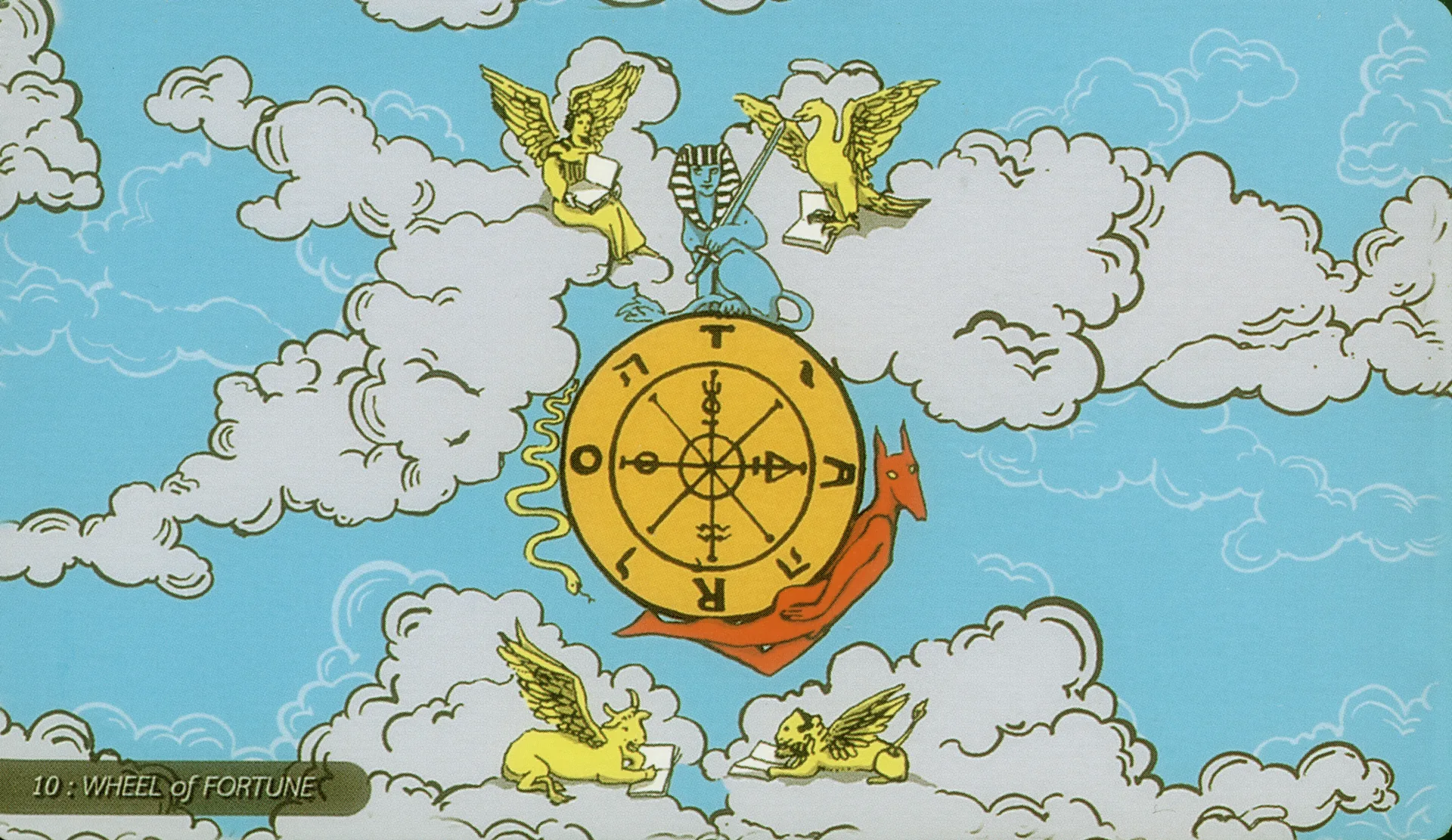
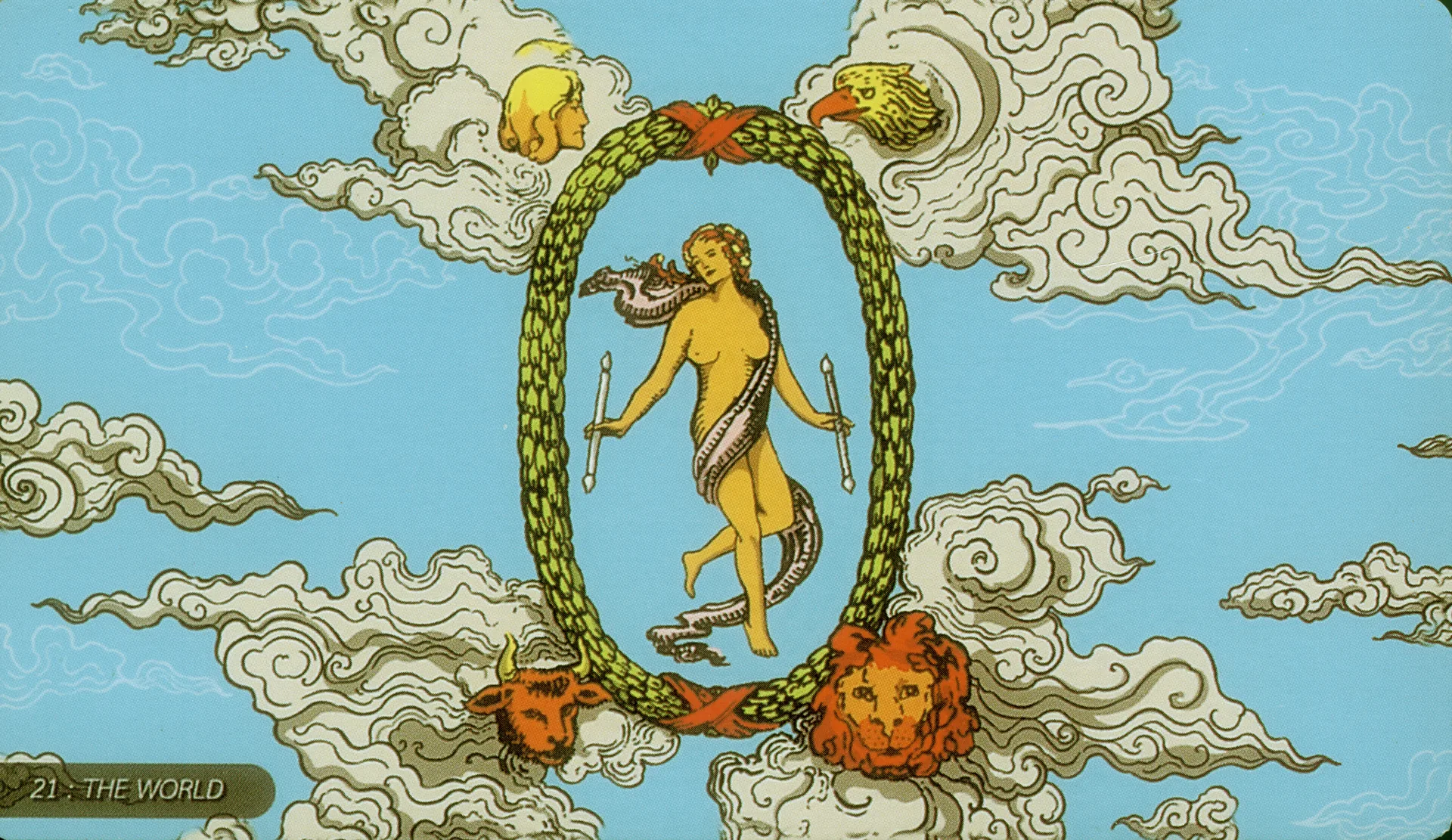
With the Wheel of Fortune, Death may invite a distinction between changing circumstances and a chapter that feels finished. With the World card, it can fit completion and what comes afterward. With the Moon card, uncertainty may be making an ordinary transition feel more frightening. These are possible reading examples, not fixed combinations that announce an event.
If you want to learn to read a card in a reading, try a simple reflection spread: what is ending, what needs care, and what can begin next. A free tarot reading or a guide can offer ideas, but your own question and real circumstances matter more than someone else's dramatic interpretation.
Reading an unsettling card without making it an omen
Death is one of the most feared cards, especially when a loss is already on your mind. Many people fear the name before learning its symbolic meaning. You may want to put it down for a while before continuing. When you see the Death card, start by naming your reaction and then checking the question. The Death card represents change and transformation in a symbolic reading; fear alone does not show that danger is present.
When the Death card appears, separate what has happened from what you imagine might happen. An ending can leave an awkward gap before something new can begin. You can accept that a chapter is over without liking the way it ended. If you feel ready to close one door, decide what support you need afterward. Finding a deeper meaning is optional. A person grieving a loss may need company or help with dinner, not an explanation of why it happened.
Helpful questions to ask with Death
- What has actually changed, rather than what do I fear might change?
- Am I trying to preserve a person, a value, or an old routine?
- What would help me let go of old patterns without losing useful support?
- Which small action would make the transition easier this week?
One card, many perspectives
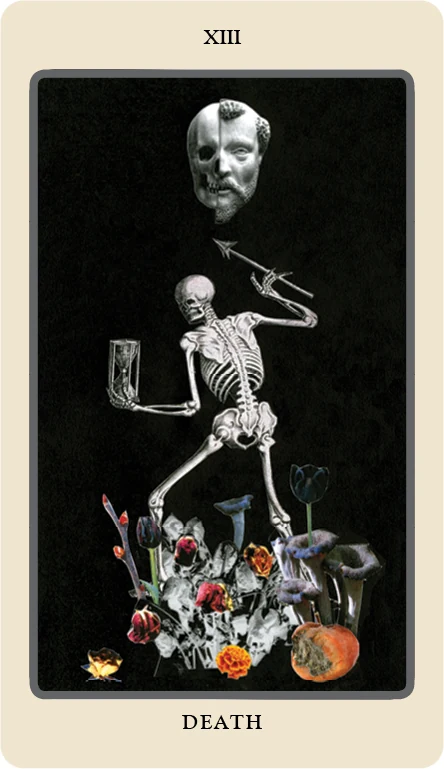
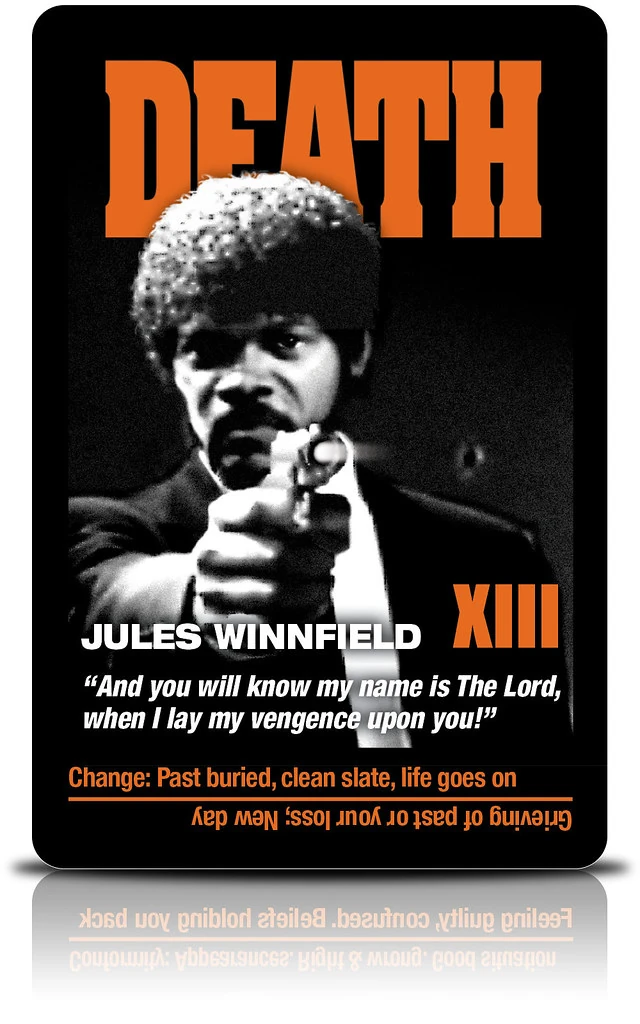
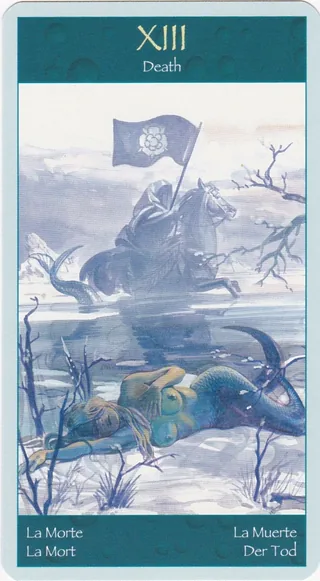
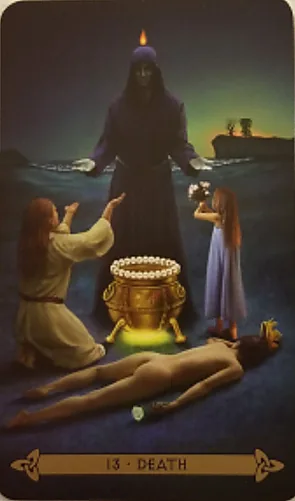
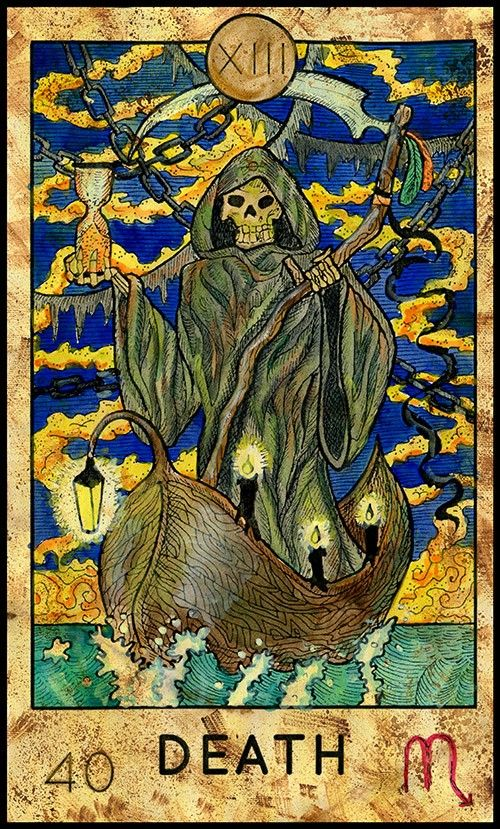
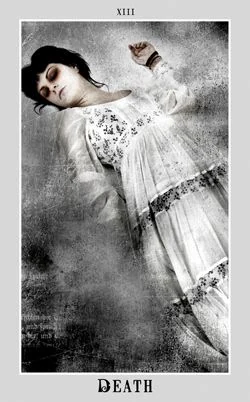
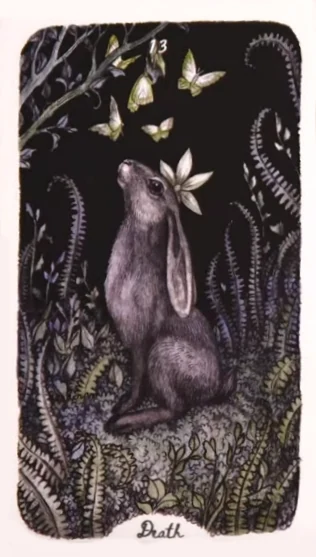
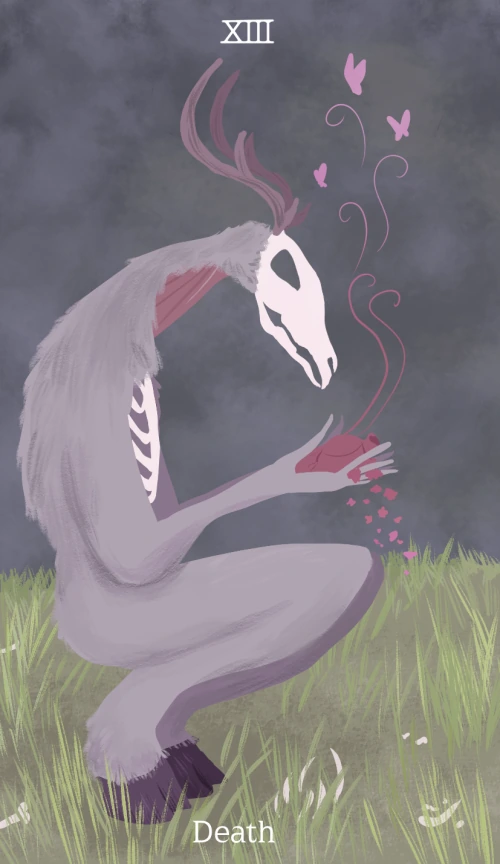
See Death Card from Other Decks
Discover how other tarot decks interpret this card. Select a deck to explore its full review and gallery.





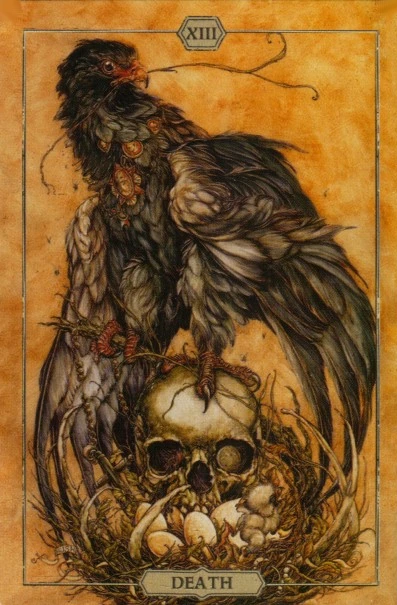
Death FAQ
Does the Death tarot card predict literal death?
No. The card is not reliable evidence that someone will die or become ill. Its conventional meanings concern endings, transition, and change. If the image worries you, pause the reading and return to the facts of your situation.
Does Death mean a breakup in love?
Not necessarily. It can describe a relationship changing or an old pattern ending. It cannot reveal someone's private feelings or tell you to leave. Consider safety, respect, honest conversation, and what both people actually want.
What does Death reversed mean?
It often suggests resistance to change, an unfinished transition, or internal change. Ask what is making the next step difficult and whether you need time, information, or support. A pause is not automatically a failure.
Is Death a positive or negative tarot card?
Neither label captures the whole card. An ending may bring relief, sadness, or both. Death can help you reflect on what is changing, but it does not guarantee that a loss will lead to something better or that you should feel grateful for it.