The Tower tarot card meaning centers on disruption and revelation: something you relied on no longer fits the facts. A plan changes, a truth comes out, or an old belief loses its hold. The Tower shows the point where carrying on as before stops making sense. This Major Arcana tarot card asks you to respond to what is real, rather than keep a familiar arrangement at any cost.
Upright, the Tower represents sudden change and the need to reassess your foundations. Reversed, it can describe resisting change, a private awakening, or the slower work of rebuilding. Neither orientation predicts a literal disaster. You still have choices about support, boundaries, and your next step.

The Tower Tarot Card Meaning at a Glance
- Main keywords: sudden truth, shake-ups, and breaking false structures
- Upright meaning: a big wake-up call, sudden change, or truth that cannot be ignored
- Reversed meaning: fear of change, avoiding a blow-up, or slowly rebuilding after chaos
- Yes or no: No for comfort; yes for clearing what is unstable.
- Best question to ask: What is this card trying to help me understand right now?
The Tower Upright Meaning
The Tower upright is often read as a card of sudden upheaval. When the Tower appears, ask which assumption has been challenged. Perhaps you discover that a course is wrong for you, a promised deadline was unrealistic, or an agreement was built on a false understanding. The revelation may be uncomfortable, but knowing the truth gives you better information. That can clear the way for an honest response.
People sometimes call this a "Tower moment" or a "Tower event." Those phrases describe a felt shake-up, not a special kind of fate. Everything you thought was settled may suddenly seem open to question. Start with what changed, what remains reliable, and what needs attention today.
For example, a team learns that its project budget has been cut. Pretending the original plan still works will create more pressure. Checking the new budget and choosing a smaller, workable plan is a useful reading of the Tower. You do not have to destroy everything to admit that one part needs rebuilding. The Tower tells a story of disruption, but your own response can be measured.
What the Tower means in a tarot reading
The meaning of the Tower depends on the question, position, and surrounding cards. In a past position, it can invite reflection on a disruption you have already lived through. In the present, look at the current situation and the evidence available. In a future position, use it to consider vulnerabilities and prepare sensible options, not to announce an unavoidable shock.
The Tower may challenge a belief system you inherited without examining it. A life built on someone else’s definition of success can look impressive while feeling wrong for you. Changing direction does not mean the years you spent learning were wasted. You may be able to see which skills and relationships are worth keeping.
The Tower in love and relationships
In your love life, this card can bring attention to an honest conversation that changes the picture. A relationship may need different expectations, clearer boundaries, or a decision about whether both people want the same future. It does not establish infidelity or reveal another person's private feelings.
Suppose one partner assumes you will move cities together, while the other wants to stay. The conversation can be a shock without making either person a villain. Say what you want, listen to the answer, and decide what is workable. If you are single, the Tower can also prompt you to question an old dating rule that no longer suits you.
Where there is abuse, coercion, or fear for your safety, practical support comes first. Harm is not a spiritual lesson you deserve, and a card never obliges you to stay. An opportunity to break free needs a safe plan, not pressure to make a dramatic exit.
The Tower in career, money, and school
In a career reading, the Tower brings attention to unstable plans, changing roles, or information that affects your next move. It cannot predict job loss. If an actual restructuring has been announced, check the terms, update your records, and ask what support is available.
With money, look at assumptions rather than take a risky bet because change seems exciting. A budget built on faulty foundations, such as income you have not received, needs revising. Check bills and agreements; seek qualified financial advice for high-stakes decisions. At school, a disappointing result can be a reason to change your study plan rather than a verdict on your ability.
The Tower Reversed Meaning
The Tower reversed suggests that change may be happening inwardly or meeting resistance. You might have noticed a problem but kept putting off the conversation. Alternatively, you may already have passed through the hardest part and need time to recover. Compare these possibilities with what is happening instead of choosing the most frightening one.
The reversed Tower can describe fear of change, but caution is not automatically avoidance. Asking for advice before leaving a job is sensible. Ignoring repeated missed payments because you cannot bear to check them is a different problem. With this card reversed, name the issue and choose a manageable response.
Reversed can be a sign of personal transformation that others cannot yet see. You may be changing old beliefs or learning to stop trying to hold everyone else's life together. Sometimes the Tower points to repair rather than rupture: an honest apology, a revised agreement, or a routine with more room for rest.
The Tower yes or no meaning
For a yes or no question, the Tower usually leans toward "no" or "pause" when you are asking whether an unstable plan will continue unchanged. If you ask whether to face a known problem, it can support a qualified yes: gather the facts and act with care. It does not tell you to take an irreversible risk.
Upright and reversed meanings both work better with a follow-up question: "What needs changing, and what can I protect?" A yes/no answer alone is too small for decisions about housing, relationships, or health.
The Tower advice: rebuild one part at a time
Write down the facts, then separate urgent needs from decisions that can wait. If things fall apart, keeping food, sleep, important documents, and supportive contact in view can help you think. Choose one task you can finish, such as asking for clarification or rearranging a payment date.
Imagine Aurica asking, "What is still standing?" Use that as a practice prompt, not a promise that everything will work out neatly. A reliable friend, a useful skill, or an honest conversation can be a starting point for solid foundations. You can learn from the experience without claiming that the hurt was necessary. Rebuilding can begin with a modest change.
A shake-up can bring a lot of stress. Health concerns need a clinician's assessment; tarot cannot diagnose symptoms or predict illness. For reflection, give yourself time to feel what happened before demanding a bright side. A small repair can lead to a better arrangement, but recovery has no fixed timetable. Remaking plans you cared about can take time.
One archetype, four perspectives
The Tower Across Four Tarot Decks
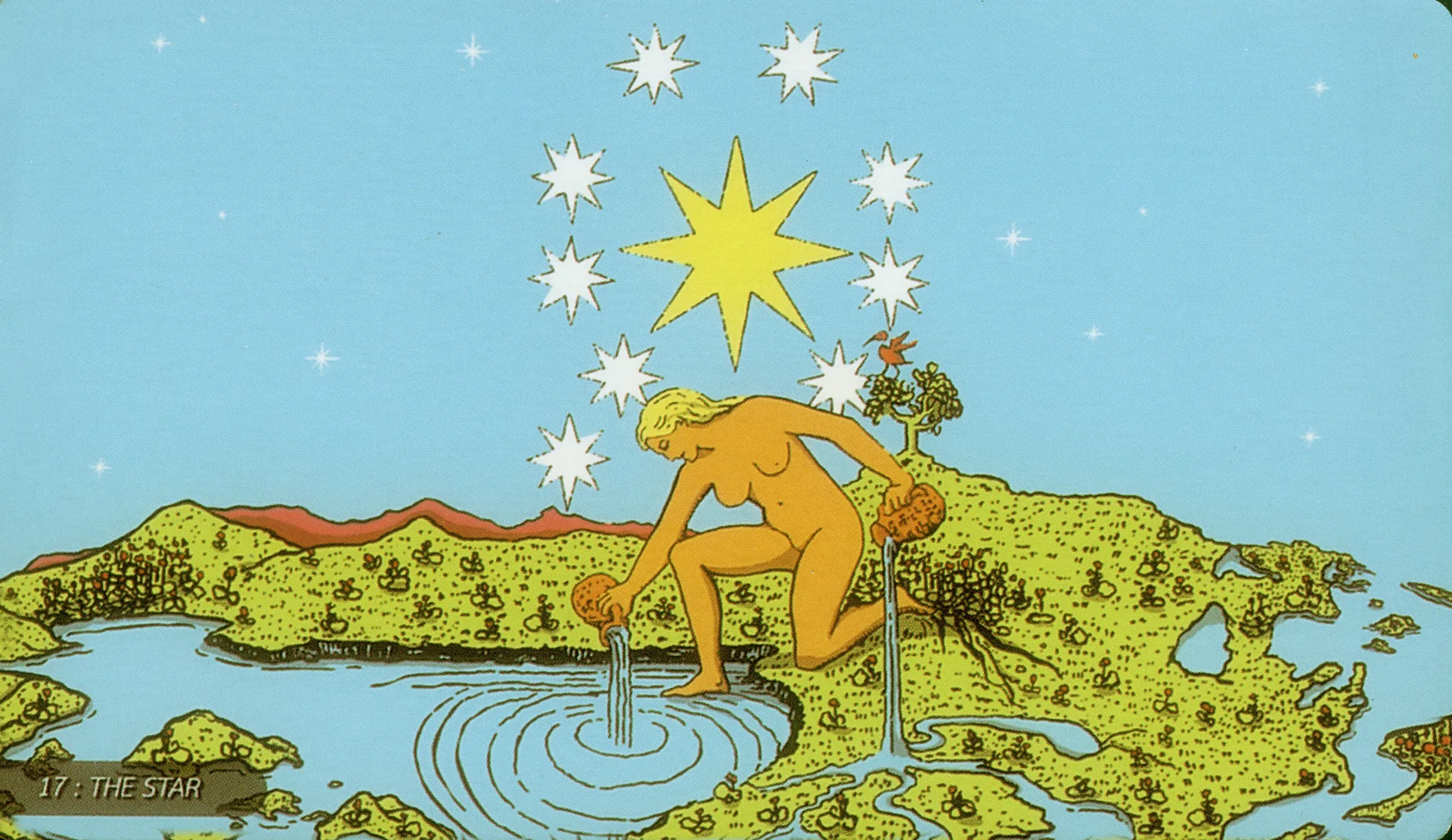
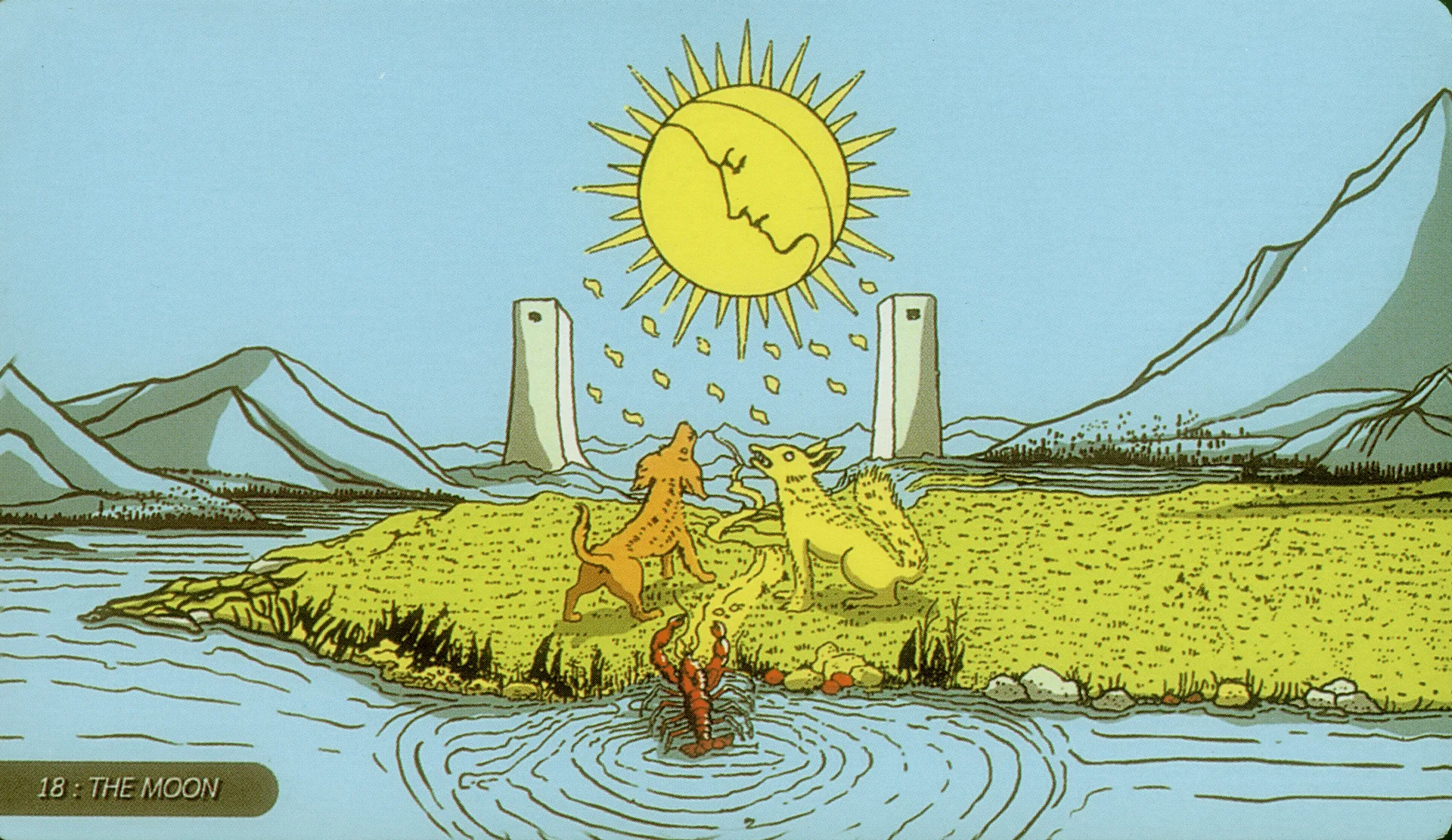
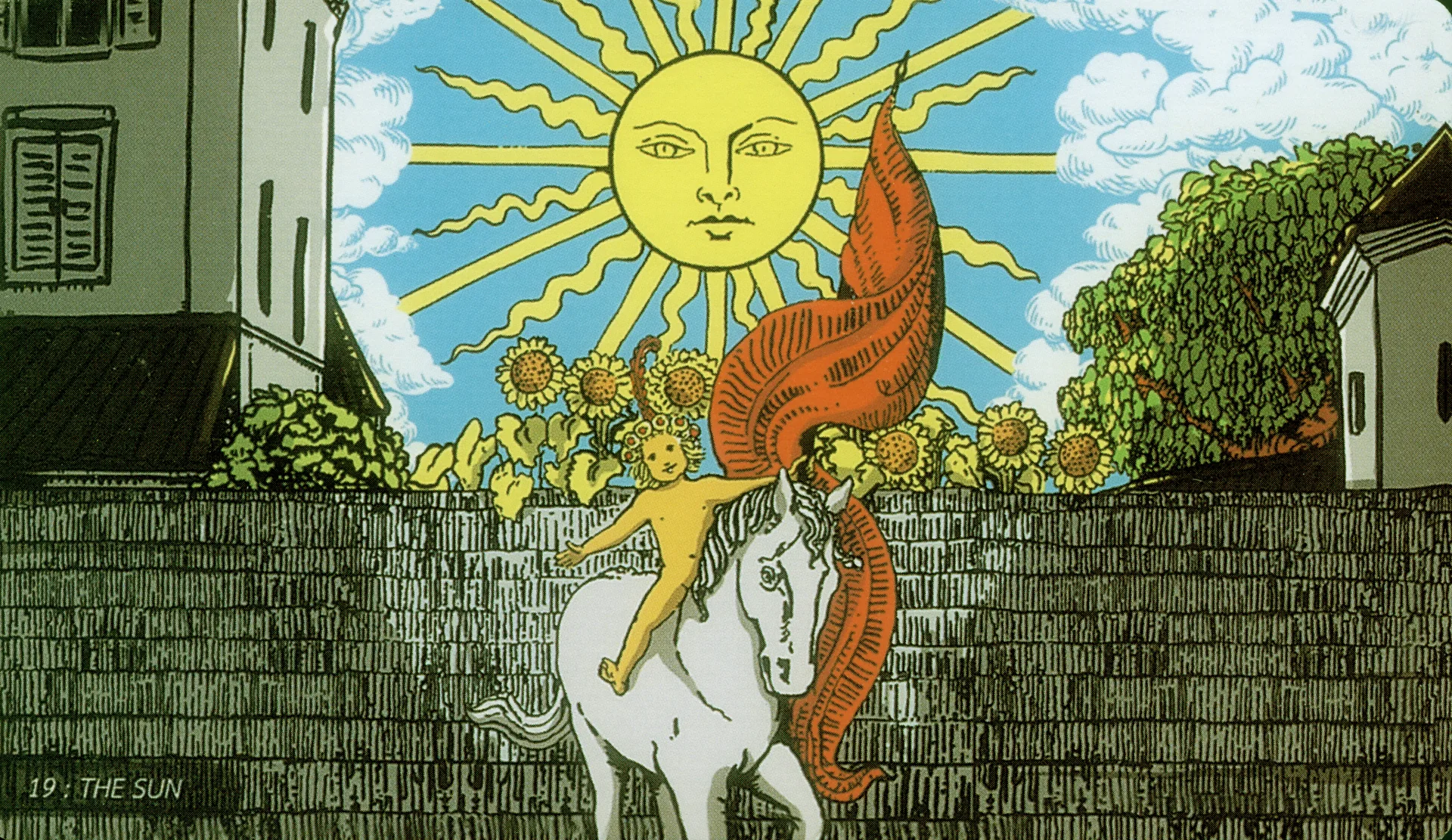
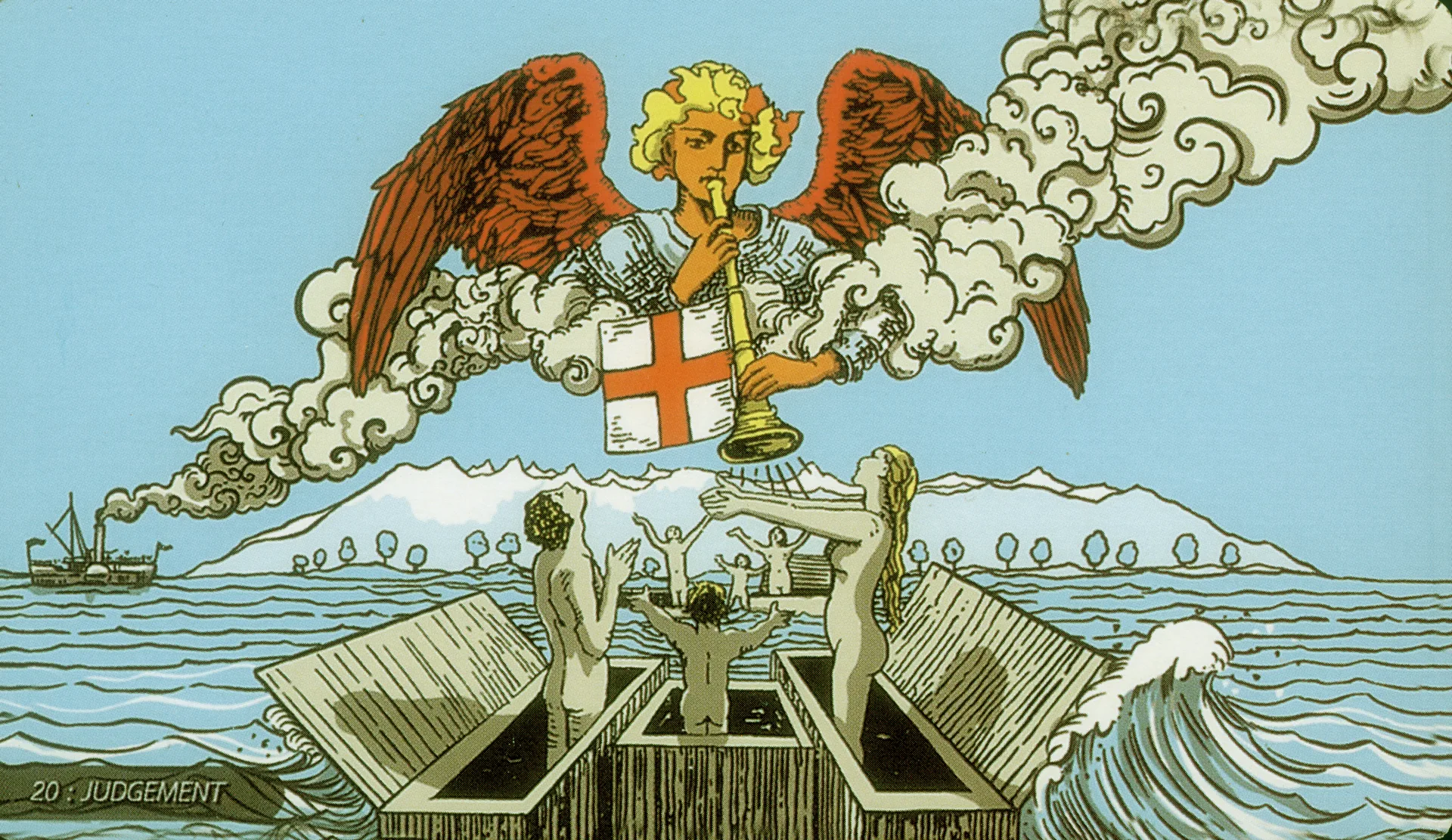
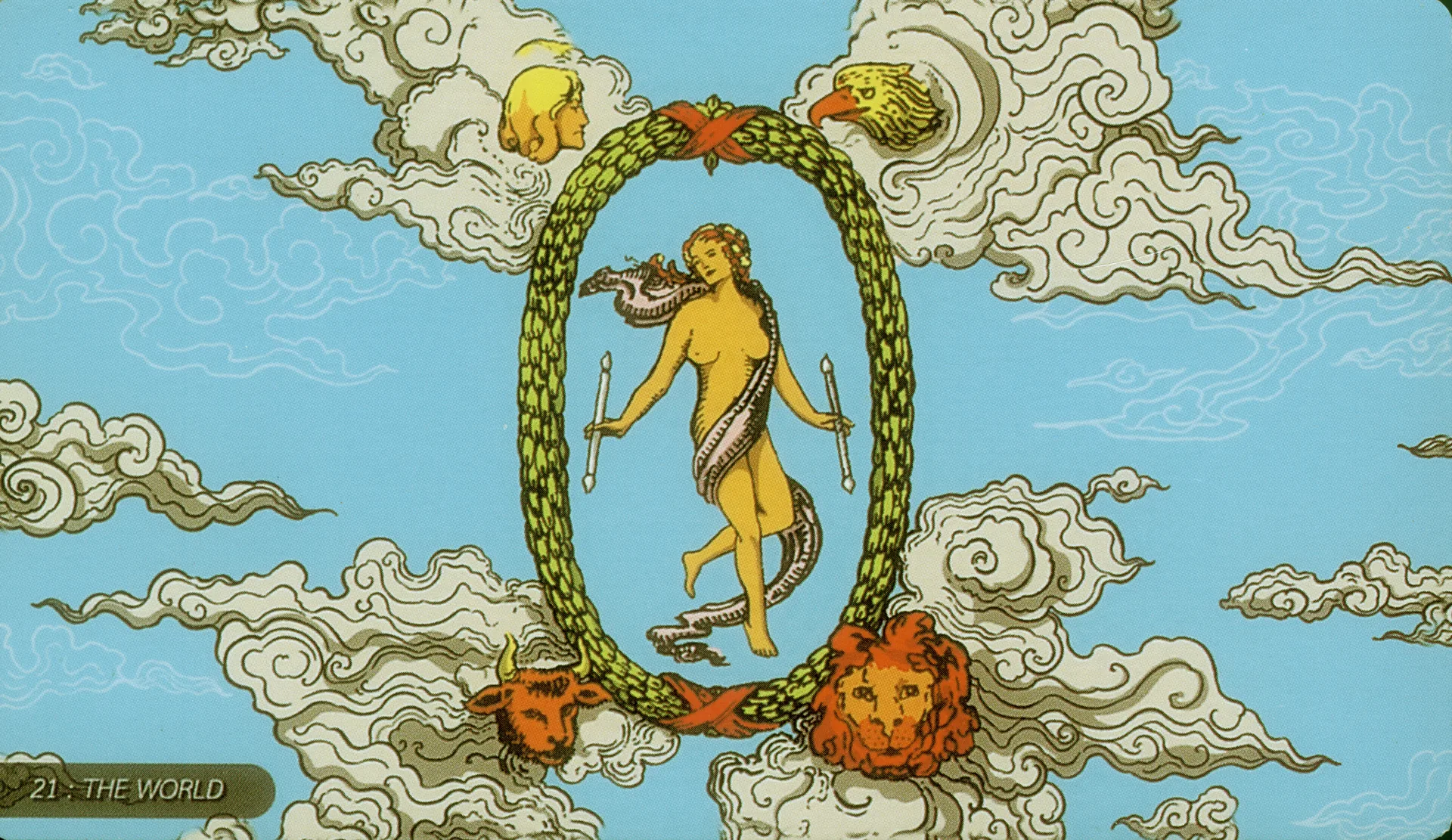
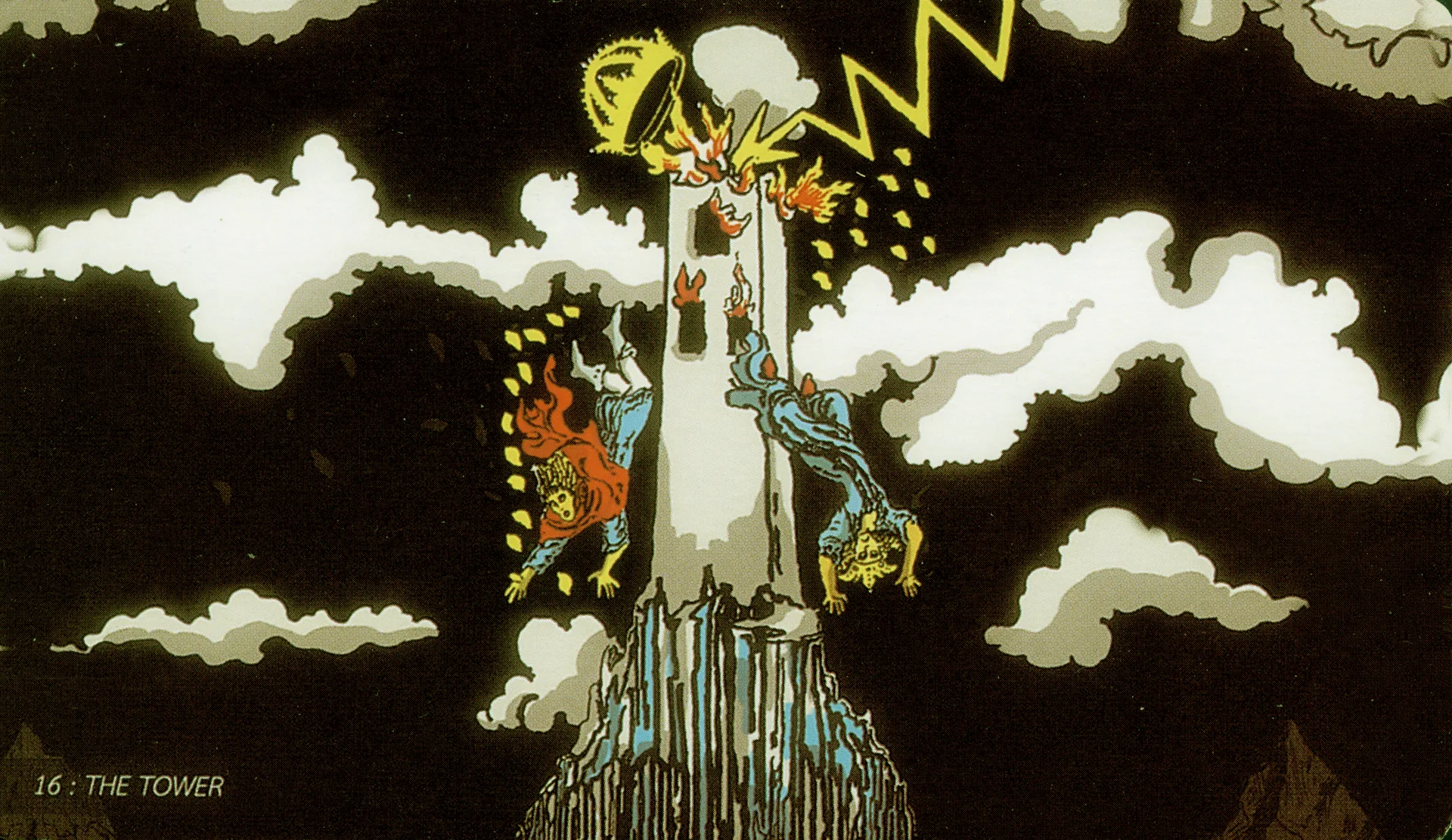
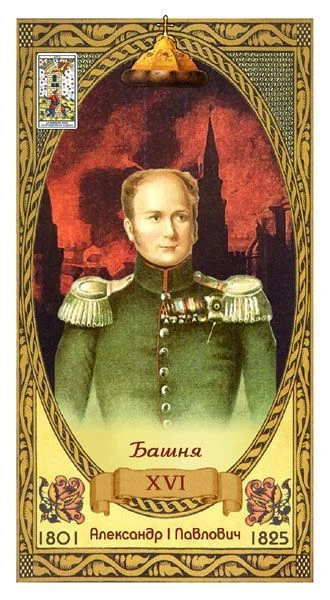
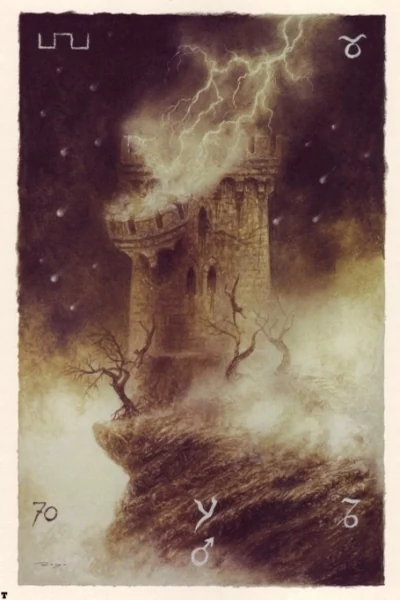
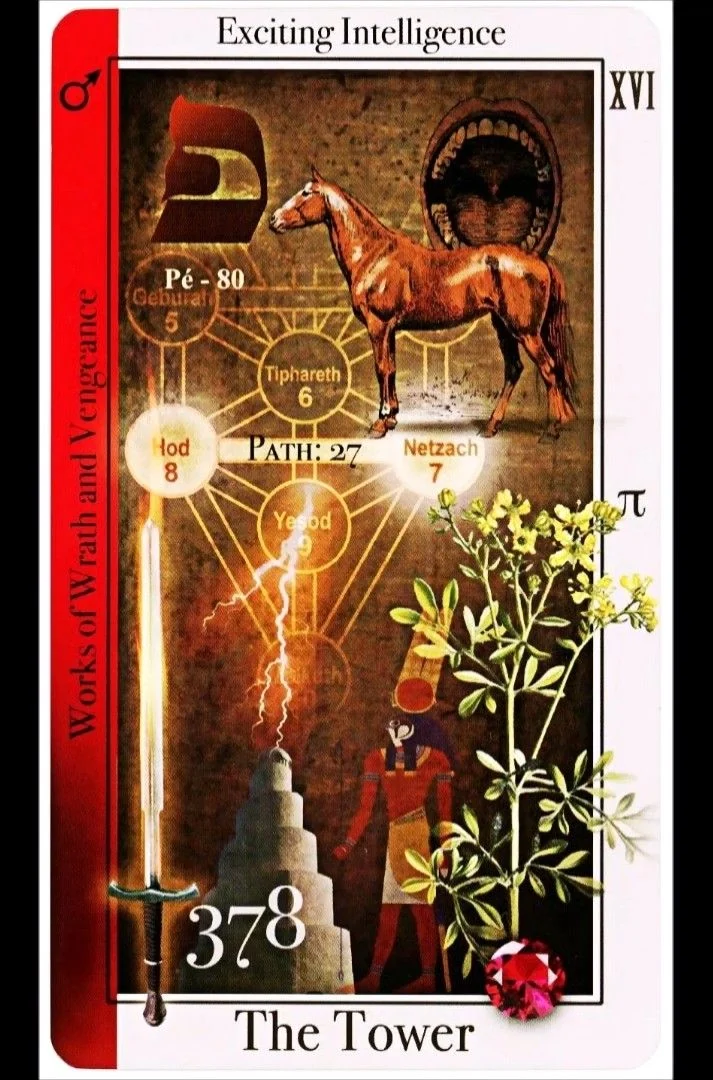
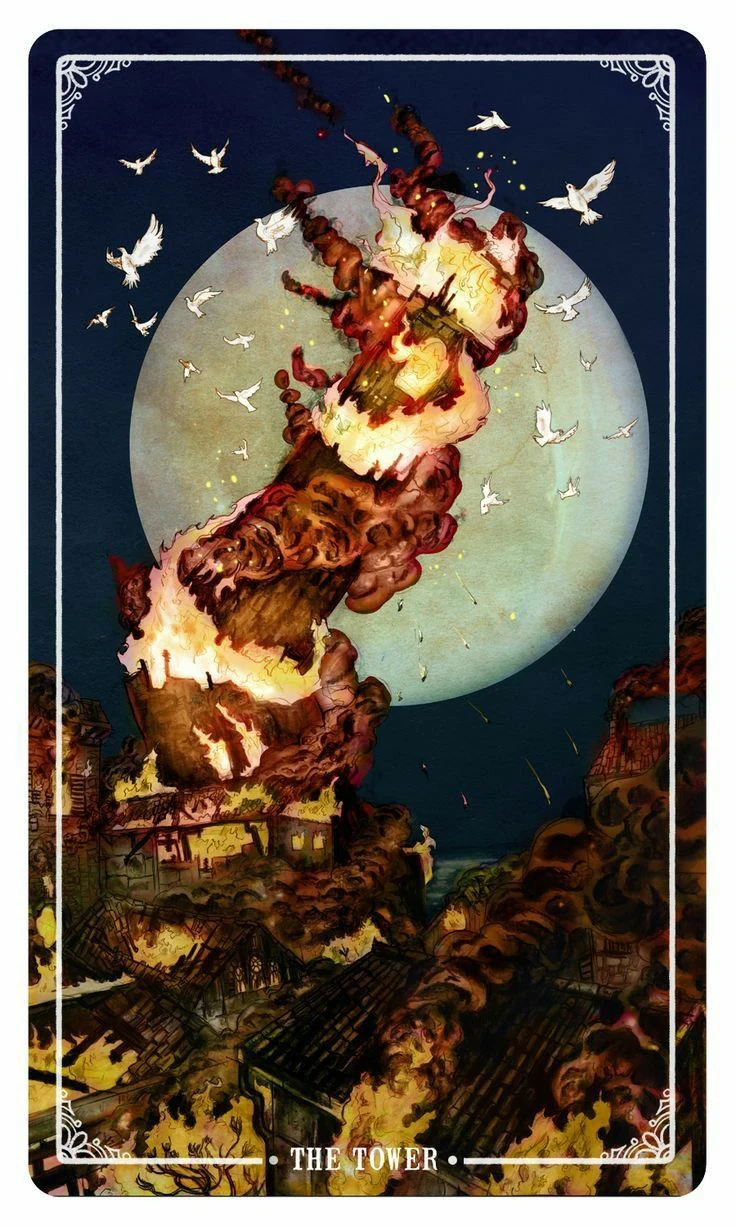
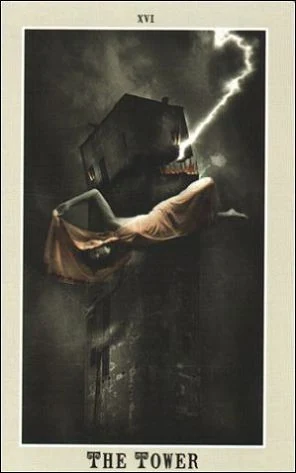
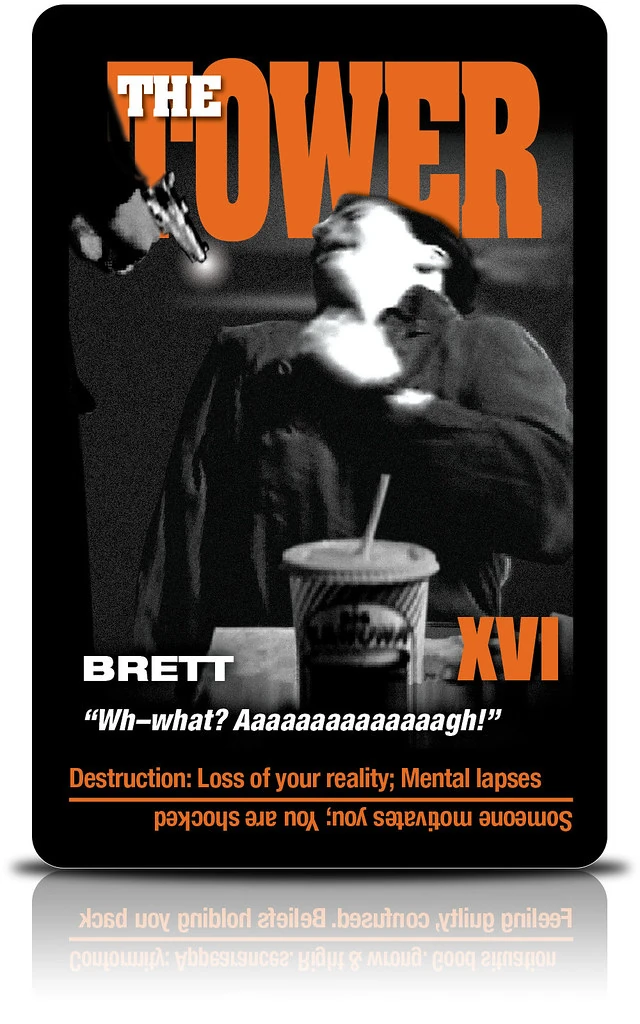
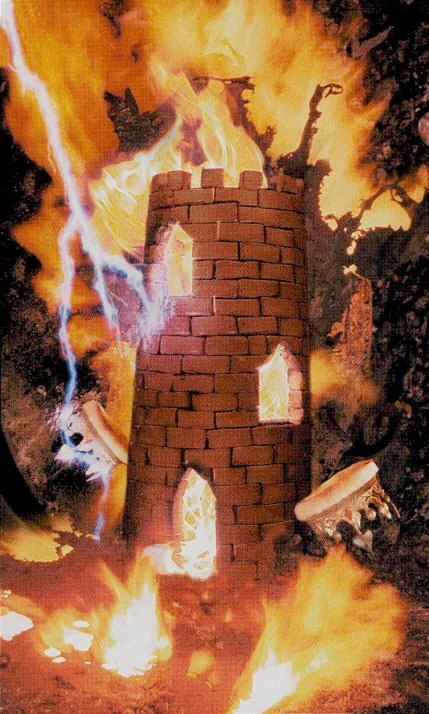
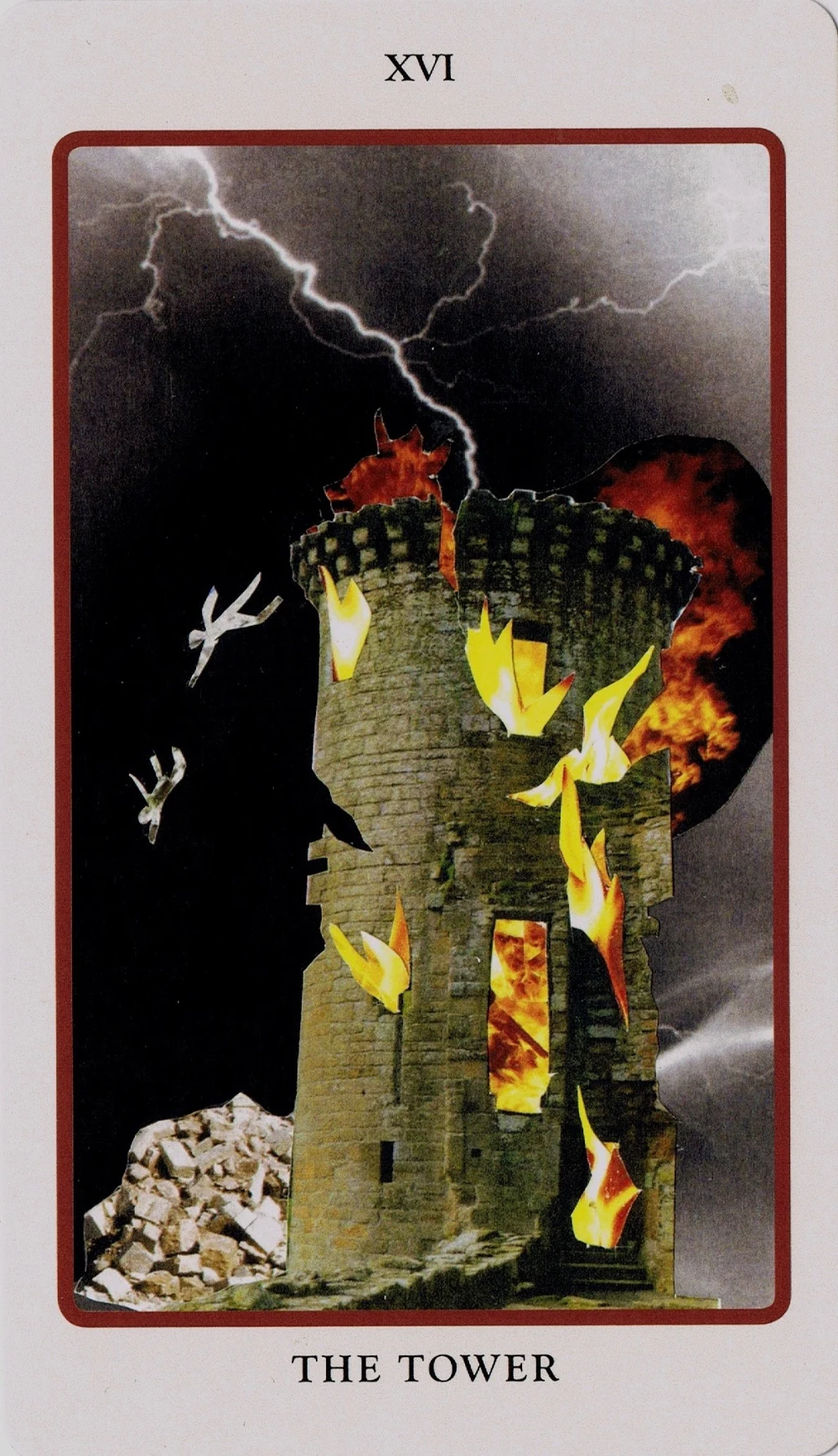
Compare the familiar Rider-Waite-Smith card with the moments before, behind and after the classic scene in three Lo Scarabeo decks.
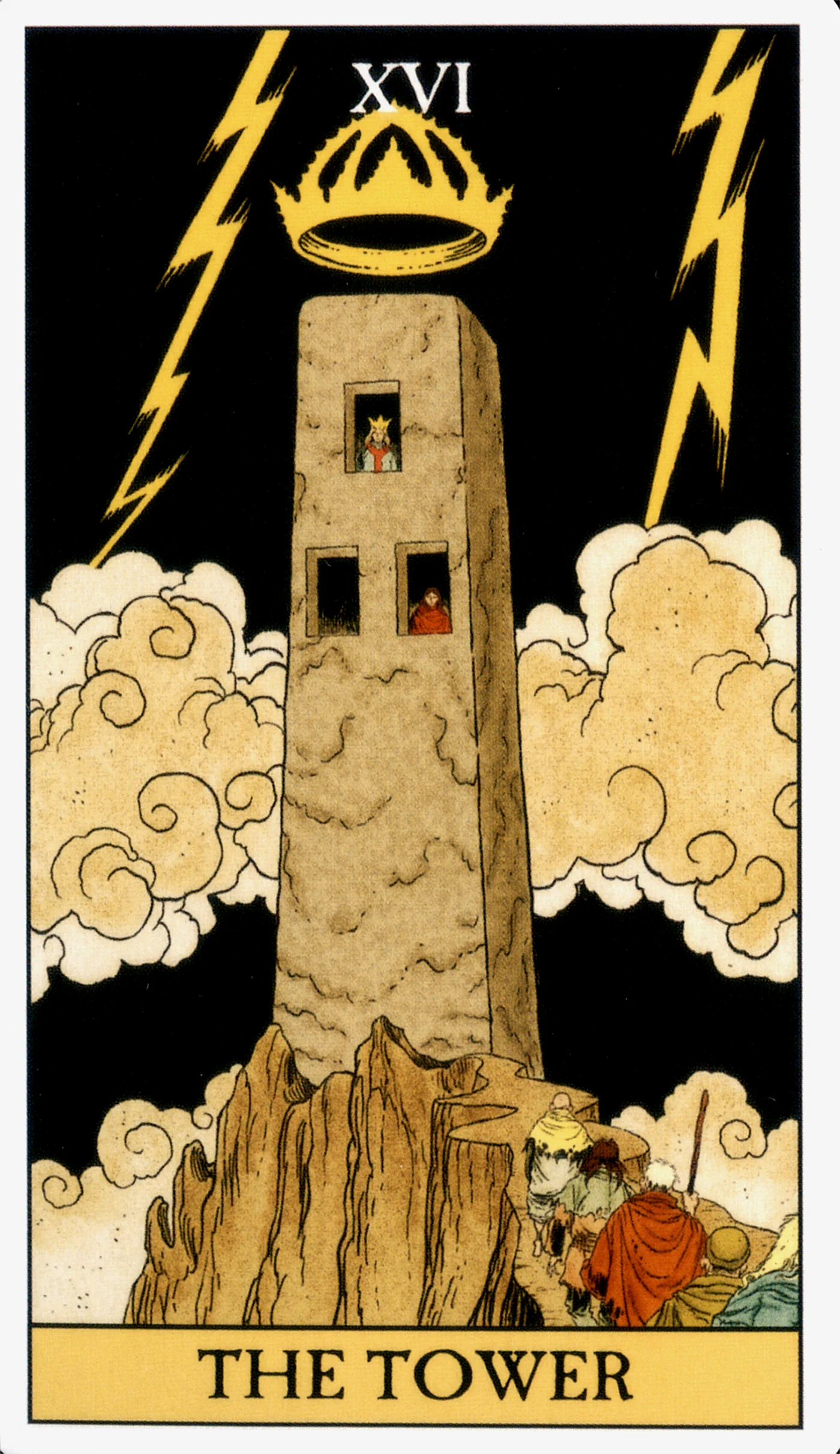
What apparently happens just before
What actually happened
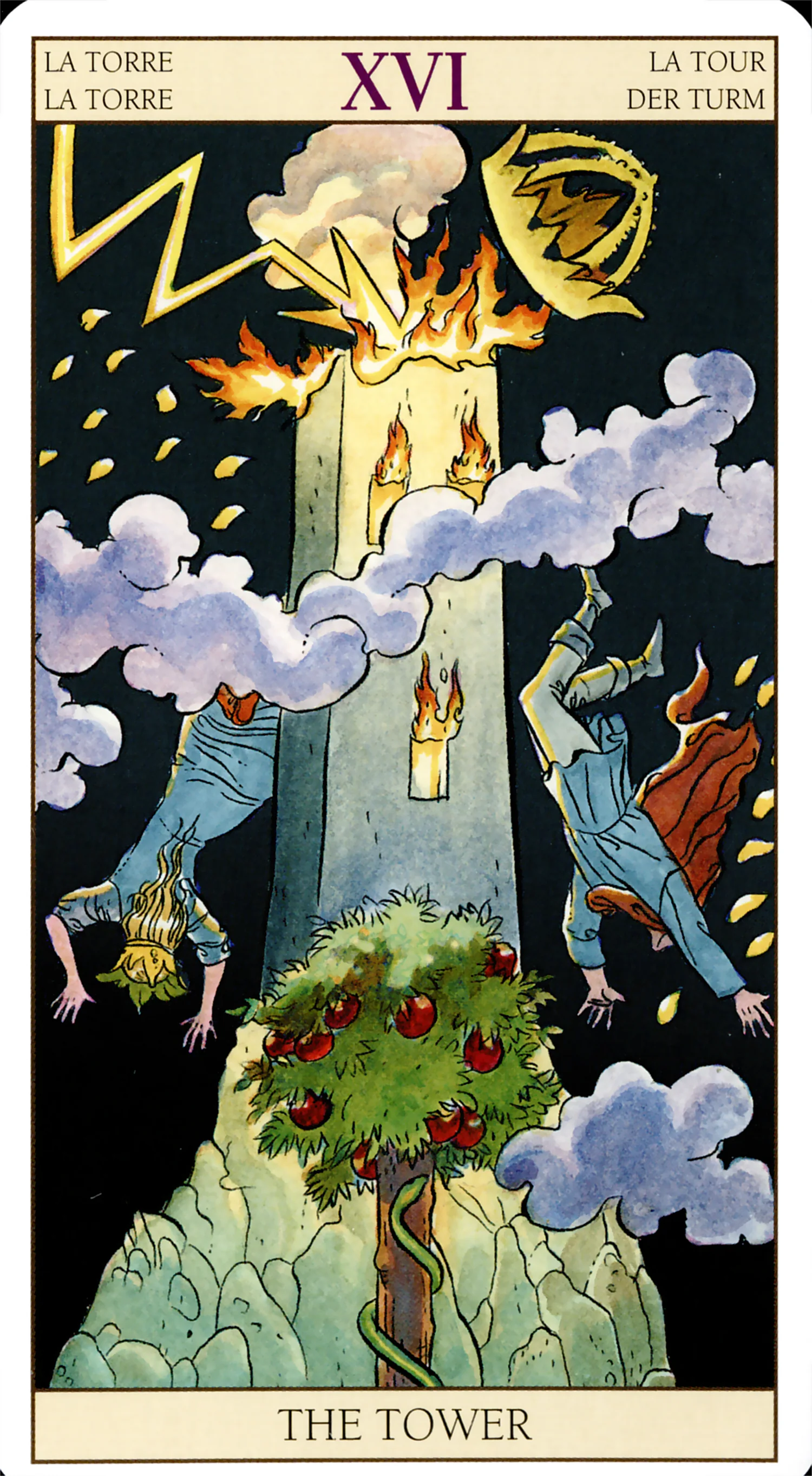
What happened on the opposite side
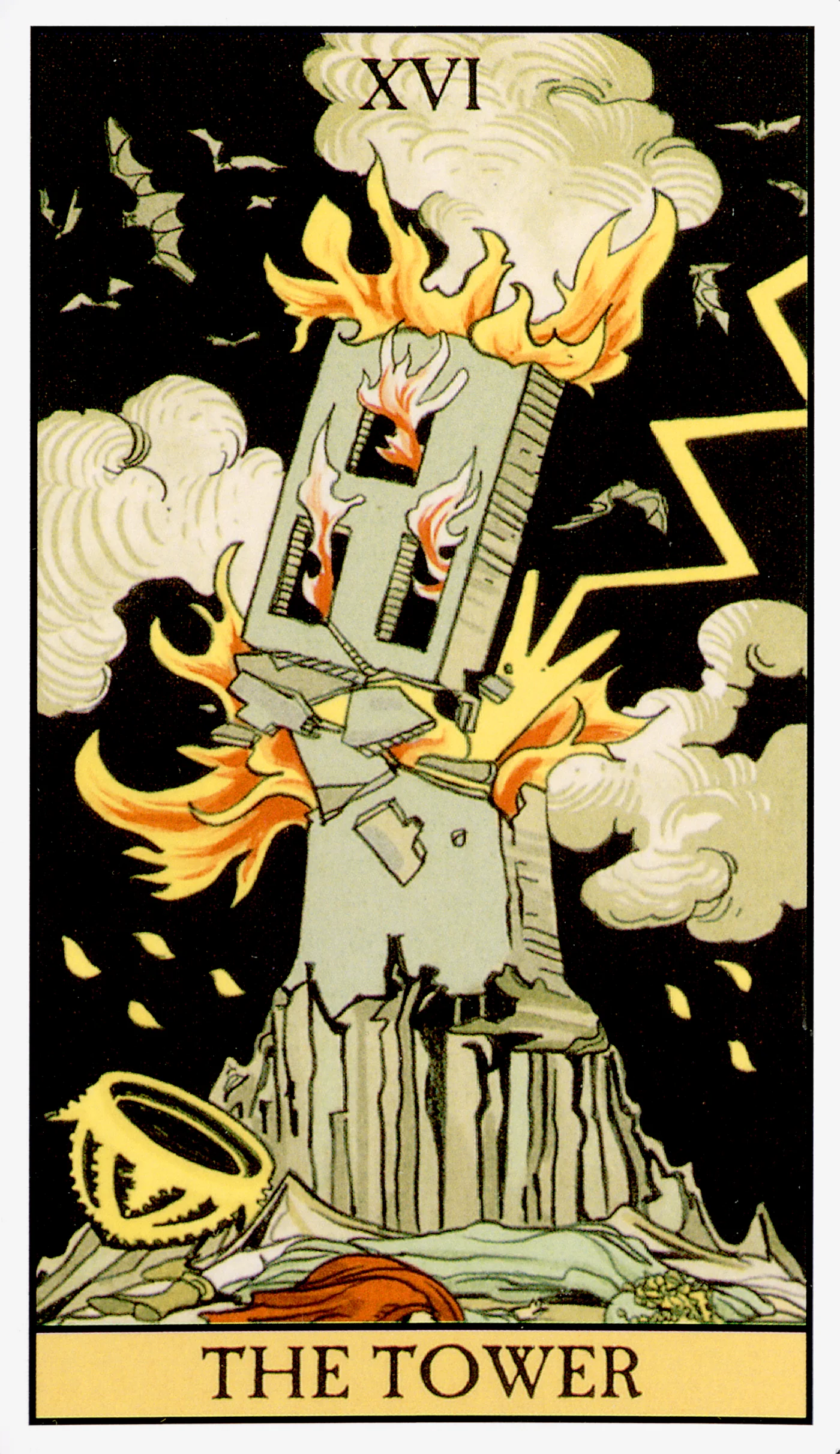
What apparently happened afterwards
Symbols to notice on the Tower card
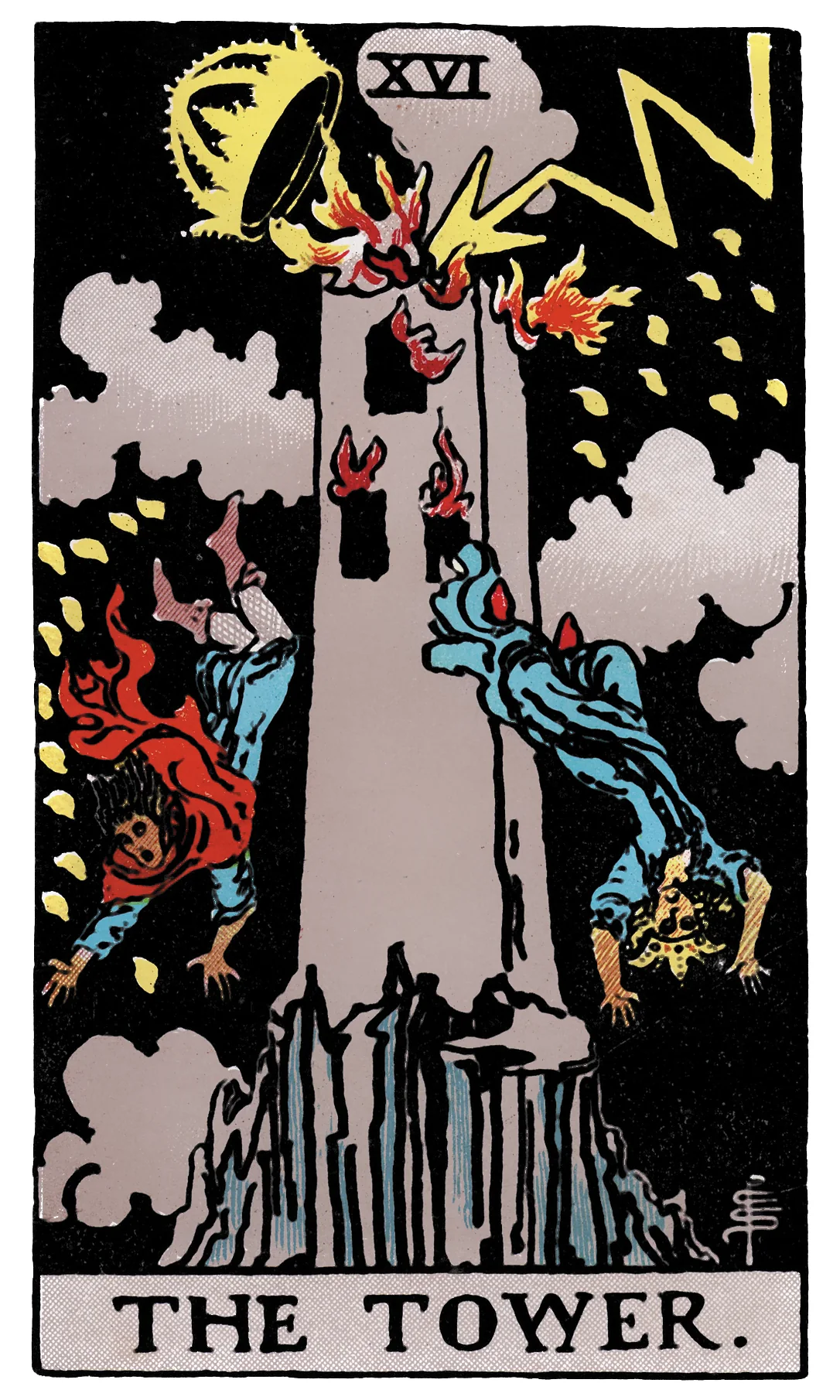
The Rider-Waite-Smith portrait shown here is numbered XVI, or sixteen. The card depicts a tall gray tower on a rocky peak. A yellow lightning bolt strikes near the top of the tower, a crown is thrown aside, flames appear at the windows, and two figures fall headfirst. The Tower is dark around the building, with gray clouds and small yellow flame-like shapes. The wide hero panorama is an expanded scene, not the original portrait composition.
The lightning strikes are often interpreted as revelation: information that breaks through a familiar story. The displaced crown can suggest challenged authority or pride. The artwork shows chaos and destruction, but the destruction of the tower is symbolic imagery, not evidence that a building will collapse or somebody will die. Beneath the falling figures, the rocky ground gives the picture its unsettling sense of exposure.
Biddy Tarot emphasizes upheaval and awakening in its interpretation; that is a reading tradition, not proof of a future event. Looking at the Tower as a card of revelation lets you ask which false structures need reassessment. A phrase such as "the Tower clears false structures" means questioning assumptions. It is not permission to wreck a life. Avoid turning its dramatic artwork into a claim that suffering is deserved.
Number XVI and correspondences
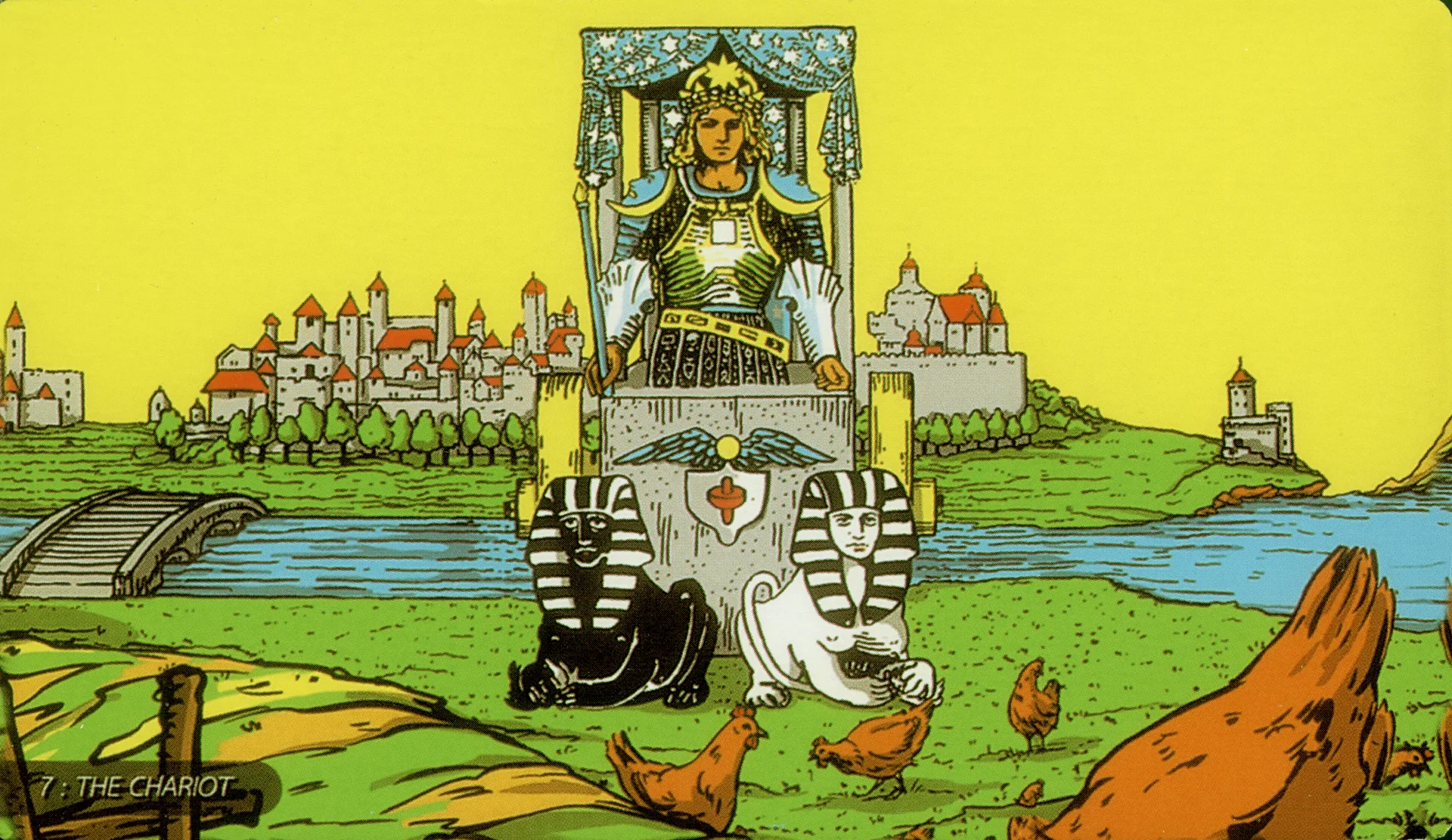
The Tower is card sixteen in the Major Arcana. In a numerology approach, sixteen reduces to 7 by adding one and six. Some readers use that link to compare the Tower with the Chariot's direction and control. This is an interpretive method, not an extra fact hidden in the picture.
TarotX associates the Tower with Mars and discusses Fire as a symbolic element. These associations vary by tradition and deck. They can support themes of force, conflict, or change and transformation; they do not predict an accident or tell you what another person intends.
The Tower with other cards
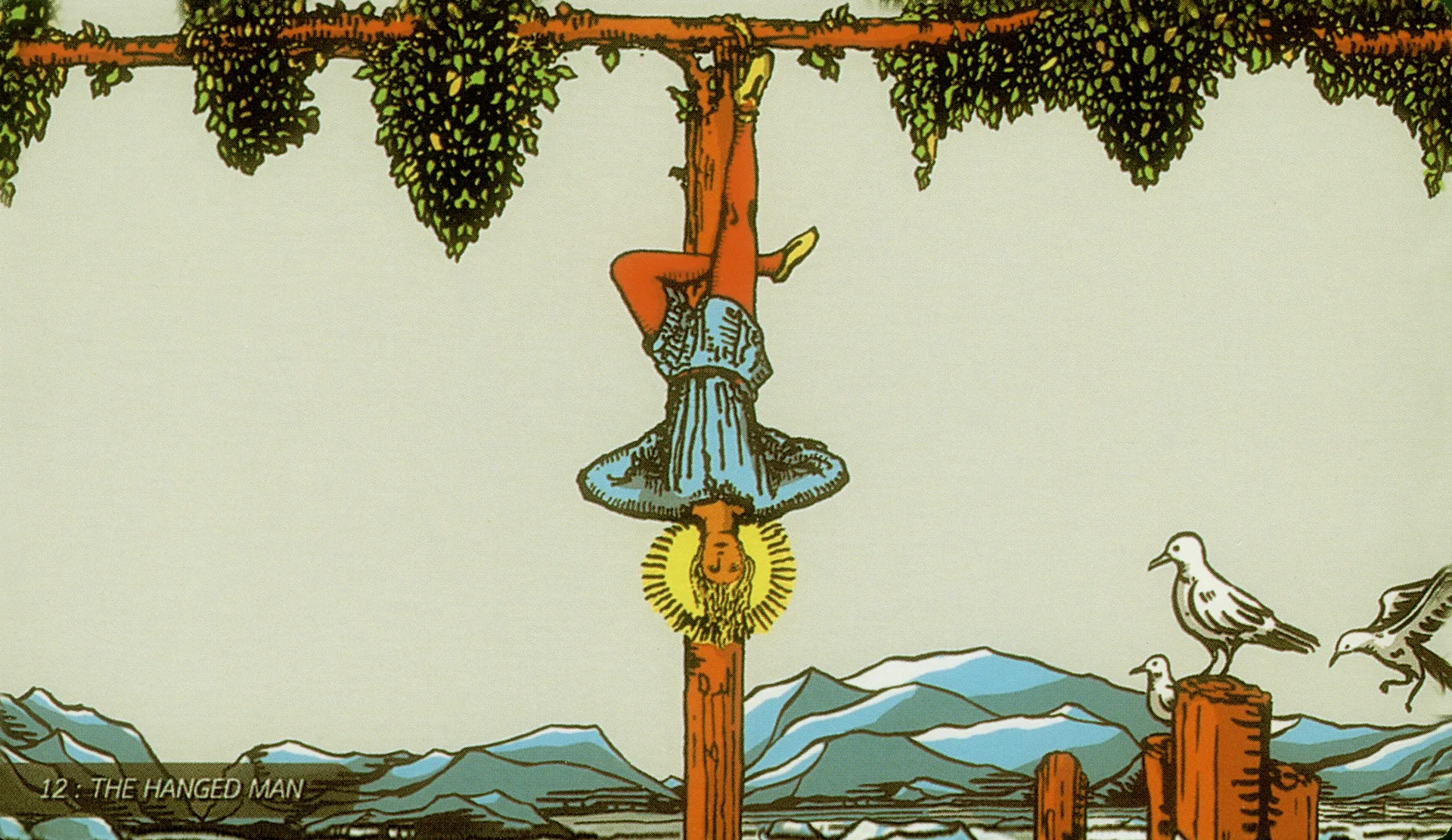
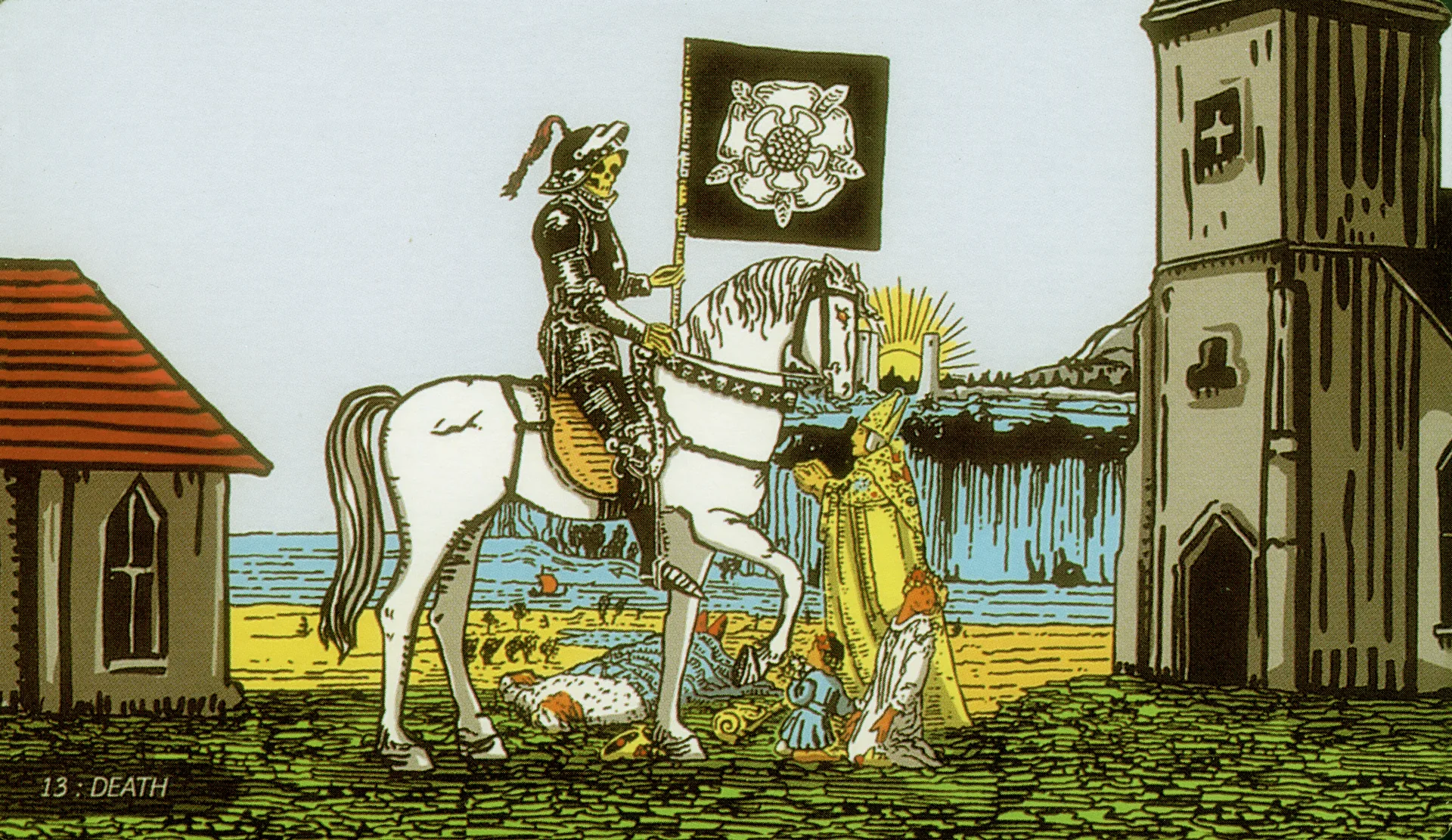
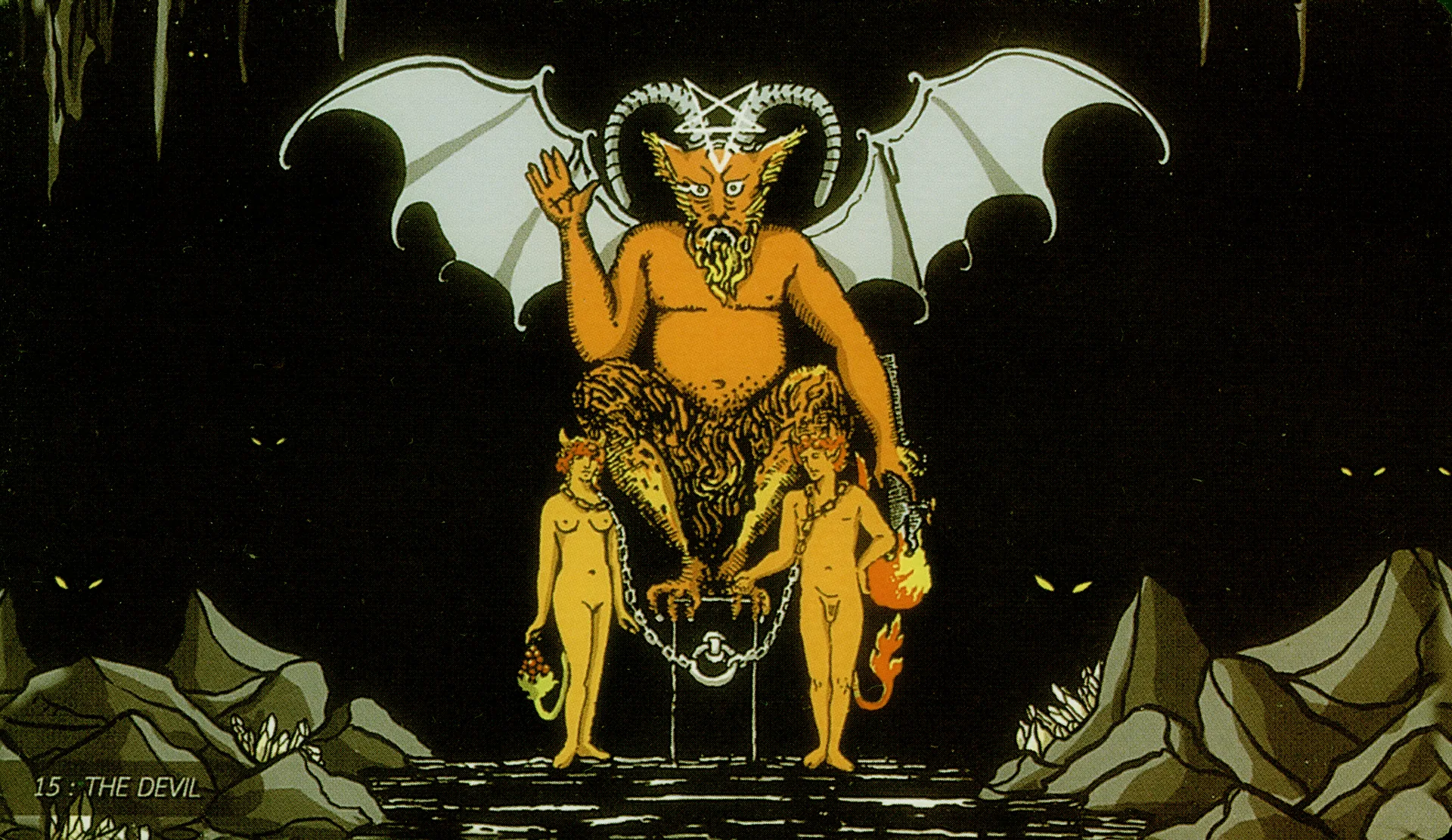
The Devil card before the Tower in the numbered sequence invites a comparison between attachment and release. Together, they may prompt you to examine a limiting pattern and the support needed to change it. The Death card often emphasizes endings and transition, while the Tower's imagery stresses a more abrupt revelation. Neither card forecasts the death of a loved one.
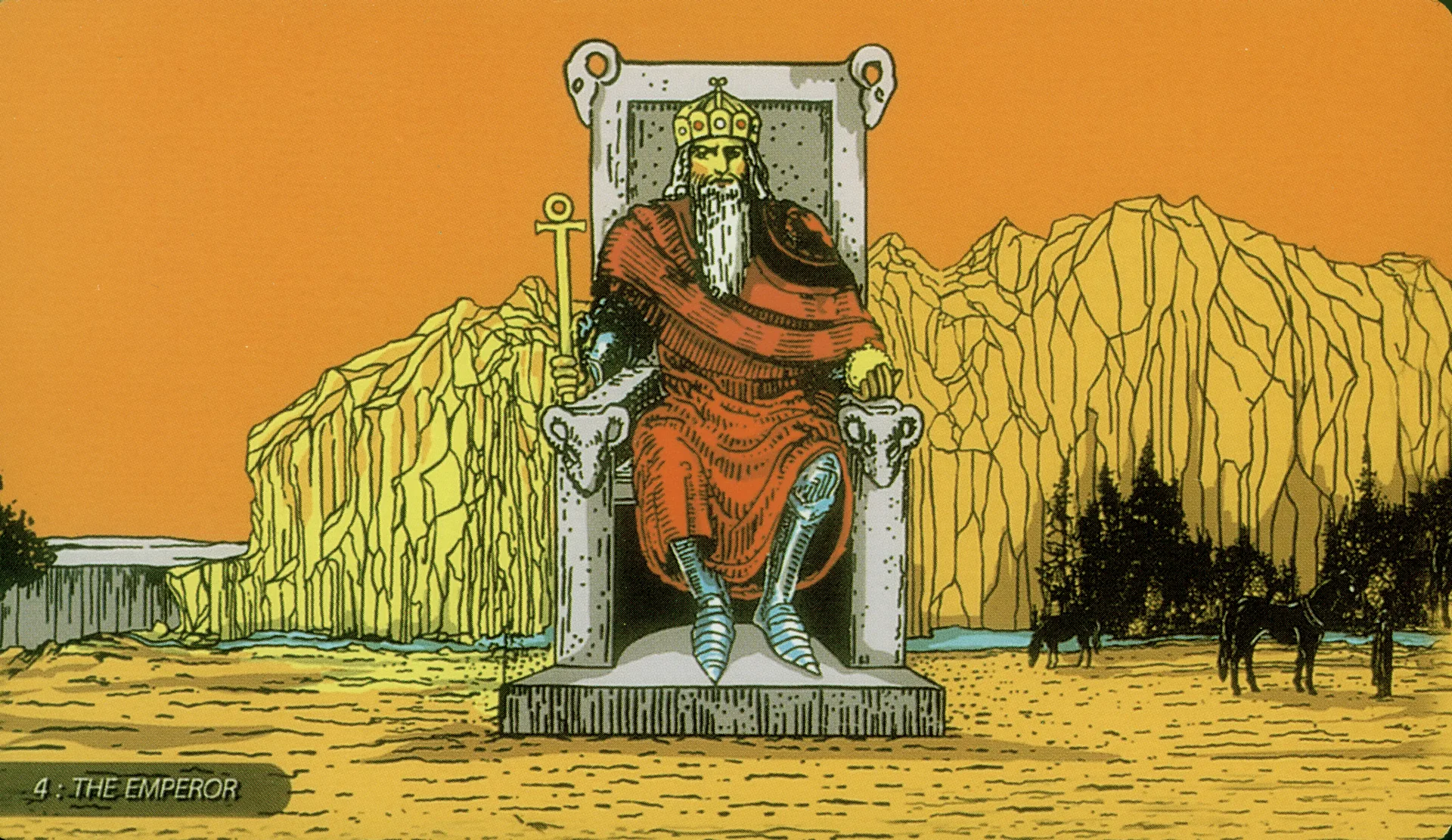
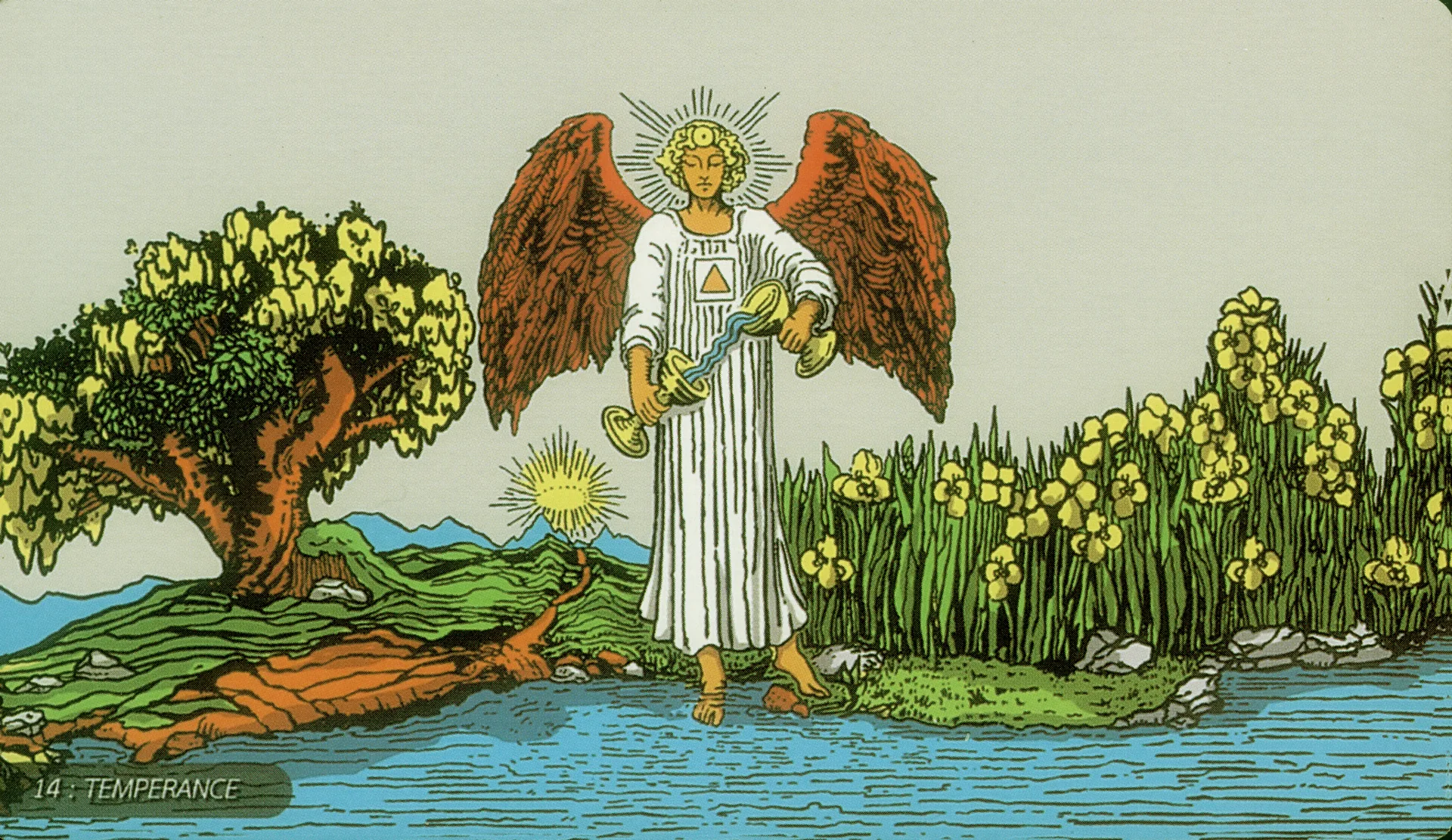
The Star follows the Tower in the sequence. The Star tarot card meaning offers a useful contrast: hope, renewal, and the care that can follow upheaval. With the Star nearby, ask what would make rebuilding gentler. With the Emperor, examine rules and structures; with Temperance, consider pacing and practical cooperation.
Learning to read the Tower without fear
If you want to learn to read tarot, compare the image with your question before opening a guide. Tower keywords such as revelation and upheaval are starting points, not instructions to assume the worst. Ask what the card means in this particular spread and check your interpretation against observable facts.
Whether you use free tarot resources, online tarot lessons, or paid tarot courses, a useful teacher explains uncertainty and leaves you room to disagree. The wisdom of tarot is in the questions it helps you consider, not in frightening claims that remove your choices. The Tower is a card people often fear because its image is so abrupt. Like every other card in a deck of 78 cards, it needs context.
Helpful questions to ask with the Tower
- What changed, and what do I know for certain?
- Which assumption needs checking rather than defending?
- What support would make my next step safer?
- What can I keep while I rebuild the part that no longer works?
One card, many perspectives
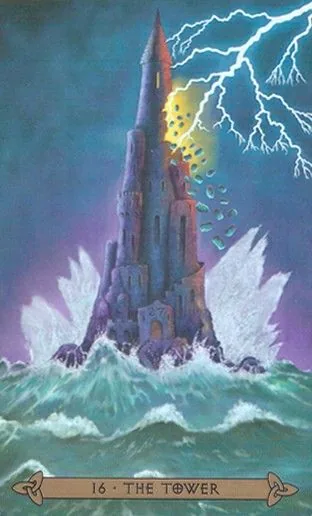
See The Tower Card from Other Decks
Discover how other tarot decks interpret this card. Select a deck to explore its full review and gallery.






The Tower FAQ
Is the Tower a bad tarot card?
It can feel confronting, but it is not a verdict against you. The card represents disruption, revelation, and a chance to reassess what you rely on. You can use it to consider a practical response without expecting a disaster.
What should I do after pulling the Tower?
Check one assumption against the facts and identify a manageable next step. Ask for clarification, review a plan, or contact someone supportive. You do not need to make a dramatic decision just because you pulled a dramatic card.
Does the Tower reversed mean I can avoid change?
Not necessarily. Tower reversed can describe resistance, inward change, or recovery after upheaval. Look at what has already happened and what still needs attention. Delaying a decision may be wise when you need information, but ignoring a known problem rarely helps.
Can the Tower predict death, disaster, or a breakup?
No. Its image cannot establish a literal disaster, a sudden loss, or a relationship outcome. If you are grieving or worried about safety, use real support and evidence. Tarot can help you reflect, but it cannot determine events or another person's choices.