
The Two of Swords tarot card meaning often concerns indecision, a temporary truce, or the effort of holding two competing needs in balance. Upright, it can suggest a useful pause before a difficult choice. Reversed, it may point to information coming through, avoidance becoming harder to sustain, or pressure to decide before you feel ready.
Perhaps you are weighing a job with better pay against one with a kinder schedule. Both have something you want, and neither solves everything. This card invites you to name the trade-off rather than waiting for an option with no drawbacks.
You do not have to force an answer immediately. A calm evening, a walk, or a conversation with someone who can listen without deciding for you may make the question easier to hold. Return to the question after the break; give the pause a purpose and an end.
Two of Swords Tarot Card Meaning at a Glance
- Main keywords: indecision, blocked feelings, needing facts before choosing
- Upright meaning: you are weighing options and learning how to hold two needs at once. In the Swords suit, this connects to thoughts, words, truth, stress, and decisions
- Reversed meaning: avoidance, confusion, or a choice that keeps getting delayed. The reversed meaning asks you to check how you are handling thoughts, words, truth, stress, and decisions
- Yes or no: maybe or not yet; remove the blindfold first
- Best question to ask: What is this card trying to help me understand right now?
Upright Two of Swords: a pause, a truce, or a stalemate
The upright Two of Swords often describes a period of indecision. You may be torn between two equally compelling options, protecting your peace during an argument, or waiting for information that would change your answer. The pause can be sensible when it has a purpose and a time to review it.
In the upright position, themes of balance do not necessarily mean that everything feels comfortable. Maintaining a truce can take effort. You might keep a conversation civil by setting aside an unresolved disagreement, while knowing that the underlying issue still needs attention.
If you feel unable to make a decision, separate what you know from what you are assuming. Write down the facts, the unanswered questions, and your preferences. A missing figure in a budget needs checking; a fear of disappointing someone needs a different kind of conversation.
The Two of Swords can also invite you to notice where neutrality has become avoidance. Refusing to take sides may be fair when you lack evidence. It is less helpful if it leaves someone else carrying the consequences while you remain silent.
Try asking, "What would I need to learn before I could make a choice?" If you can name the missing information, seek it. If no amount of research would remove the uncertainty, consider which option better fits your values and what you can realistically change later.
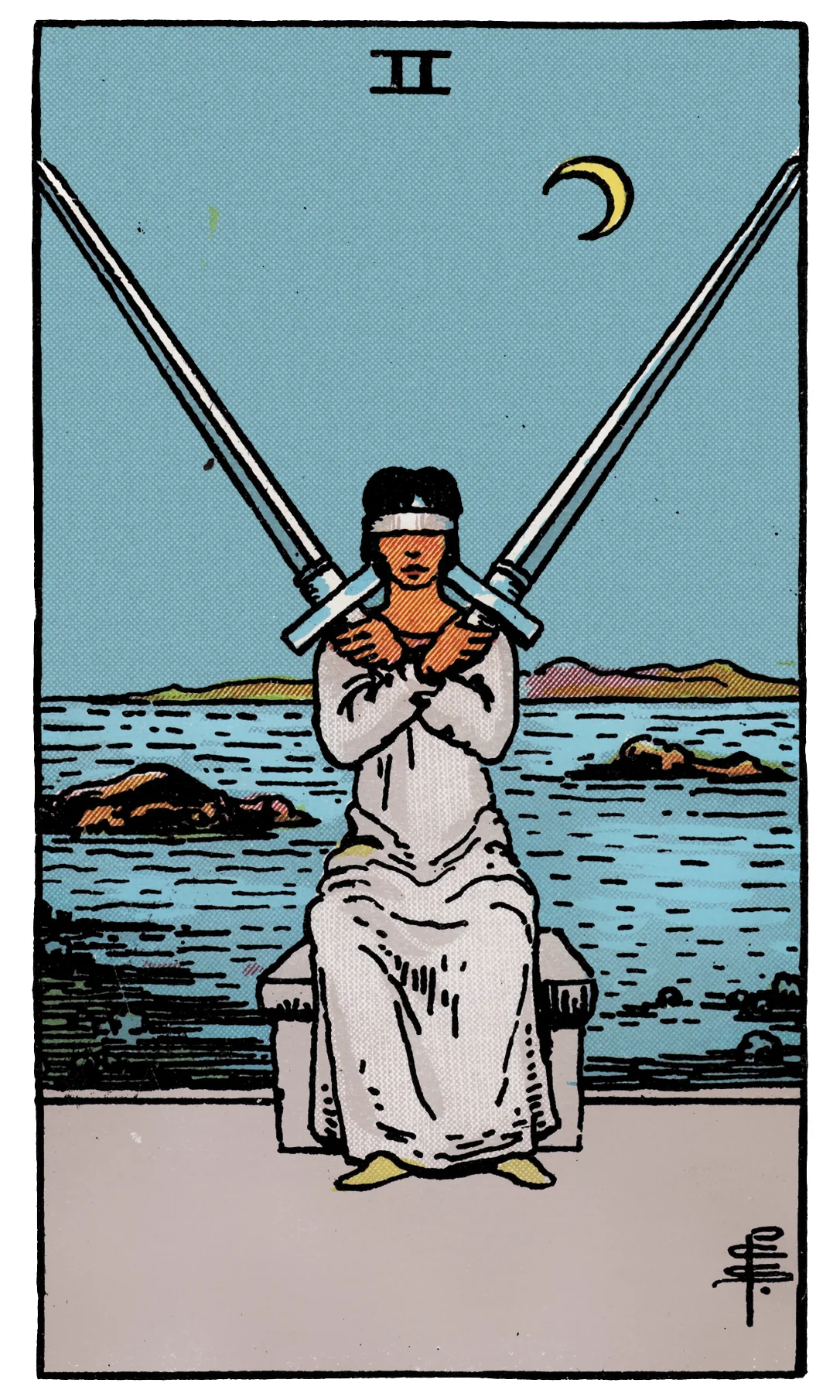
Two of Swords in a tarot reading
When the Two of Swords appears, read its position as part of the question. In the past, it may invite reflection on an unresolved choice. In the present, consider what is keeping the situation suspended. In a future position, prepare a way to gather information and decide; the card does not establish that a conflict will happen.
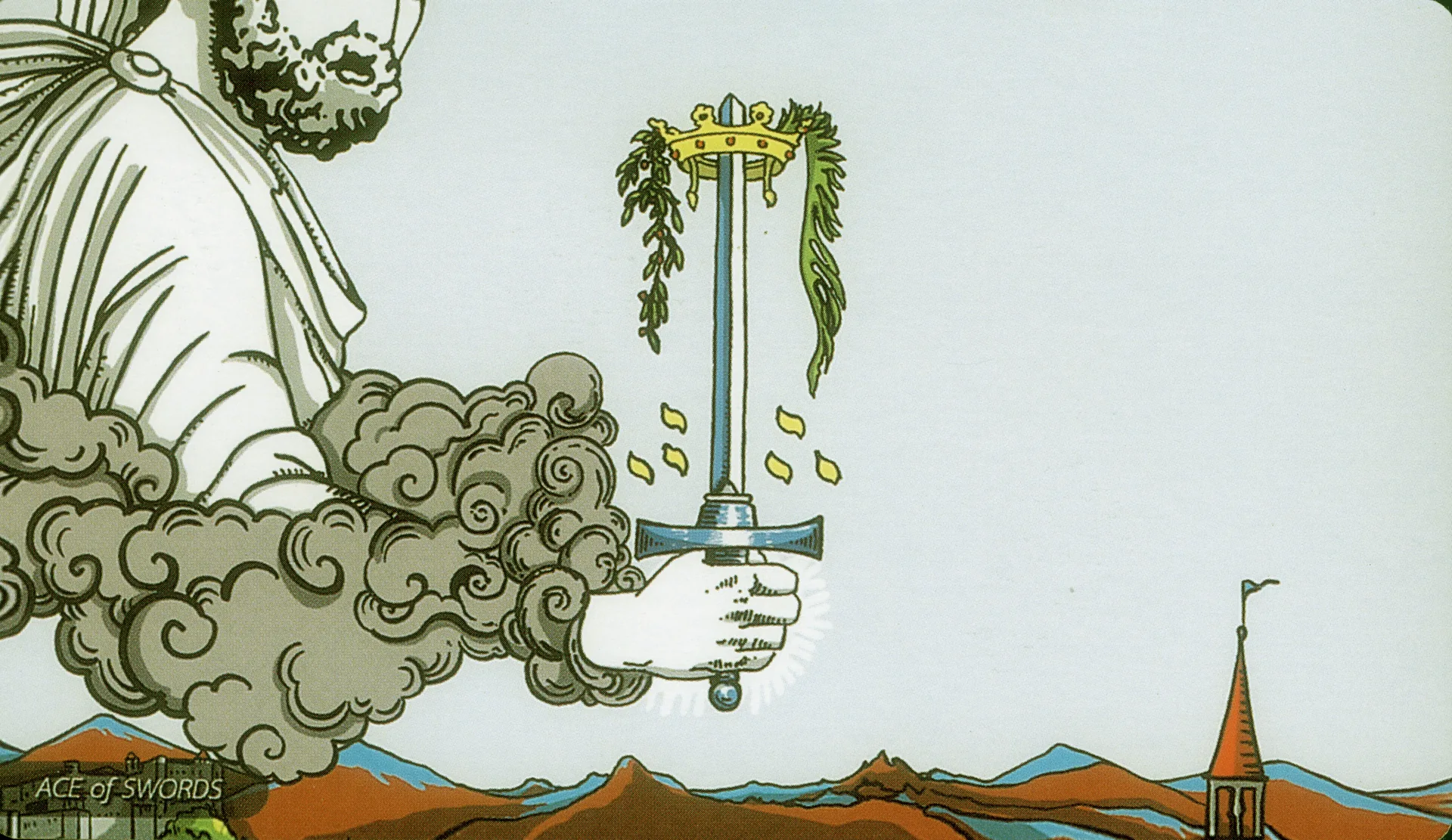
Neighbouring cards can suggest different questions. Beside Justice, look at evidence and fair terms. With the Two of Pentacles, ask whether a scheduling or resource problem is making the choice harder. With the Ace of Swords, identify the fact or honest conversation that could help you resolve the situation. These combinations are interpretive examples, not fixed outcomes.
Love and relationships: say what remains unresolved
The Two of Swords in a love reading often brings a relationship stalemate into focus. Perhaps you both want to stay together but disagree about where to live. Avoiding the subject may keep an evening peaceful, yet the decision remains. Agree on a time to talk and give each person room to explain what matters.
Love tarot can be a useful prompt for reflection, but it cannot reveal a partner's private feelings. This card might suggest guarded communication or uncertainty; it does not prove that someone is hiding a betrayal, choosing another person, or planning to return. Ask directly and consider their actions.
If you are single, there may be a tension between wanting closeness and wanting to protect your independence. You can explore that without treating dating as an all-or-nothing commitment. A short, low-pressure meeting may tell you more than another week of analysing messages.
For two people at odds, aim for an agreement that can benefit both parties where possible. That does not require accepting mistreatment to preserve a sense of balance. Your safety and freely given consent matter more than maintaining a truce.
Career, money, and school: compare the real terms
Reading the Two of Swords in a career context can bring a decision between two career paths into focus. Compare the actual duties, pay, travel, support, and hours rather than choosing between imagined versions of the jobs. Ask a practical question before agreeing to an offer.
If two colleagues are pushing opposing plans, clarify who makes the final decision and what evidence they need. You do not have to mediate every disagreement. With two feuding teams, a shared deadline or a small trial can sometimes be more useful than another debate about which approach is perfect.
For financial decisions, check costs and obligations before you commit. If you feel caught between a rock and a hard place, seek qualified advice about the choices you actually have. This card offers a way to examine uncertainty; it cannot predict returns, remove debt, or choose an investment for you.
At school, narrow a broad choice into something you can test. If you are undecided between subjects, attend an introductory session, read the assessment requirements, or ask how each course fits your plans. Learn one thing at a time. You do not need to settle your whole future before choosing a class.
Two of Swords reversed meaning: when the pause stops helping
The reversed Two of Swords can suggest that a holding pattern is breaking. New information may challenge an earlier assumption, feelings may be harder to ignore, or a deadline may make delay impractical. It can also describe overload: too many opinions leave you less certain than before.
In the reversed position, ask whether you are moving toward clarity or reacting to pressure. Being ready to decide is different from being tired of the discussion. Before sending the message or signing the agreement, check the one detail that would most affect your choice.
The card also gives you room to look at how you protect yourself. A refusal to see an uncomfortable fact can make sense emotionally, even when it creates problems. Acknowledge what you have been avoiding, then choose support and a next step you can manage.
Reversed in love, the card may prompt an overdue conversation or a decision to stop pretending that an arrangement works. It does not dictate separation or reconciliation. Talk about the problem itself rather than treating the card as evidence against another person.
Sometimes the best course of action is to reduce the noise. Set aside extra opinions, check reliable information, and give yourself a clear decision date. If the choice is reversible, a modest trial may be enough. If the consequences are serious, take the time to get appropriate advice.
Two of Swords yes or no meaning
Many readers interpret this card as "not yet" rather than a firm yes or no. In that reading method, the Two of Swords indicates uncertainty because facts, preferences, or agreement may still be missing. Reversed, the emphasis may shift toward addressing the choice, but it still does not guarantee the right answer.
If you need to make a decision, ask what a responsible yes would require and what a respectful no would protect. Another person's consent, a legal deadline, or a medical recommendation cannot be replaced by a card reading.
Advice: make a difficult choice smaller
Choose one question you can answer today. Instead of "Should I change my whole career?", ask whether you can speak to someone doing the work you are considering. Instead of "Can this relationship last?", ask whether you can both discuss the disagreement without dismissing each other.
Choosing can be challenging and frustrating when both possibilities matter to you. You can recognise that loss without concluding that every choice is wrong. Write down what you are choosing, what you are giving up, and what would make you review the decision later.
At a crossroad, it helps to distinguish a genuine lack of information from a wish for certainty. Research can address the first. The second may require accepting that you cannot know every consequence in advance. An affirmation you might use is: "I can seek clarity and choose with the information I have."
Two of Swords in health and wellbeing
Use the card to reflect on an emotional or mental load, such as feeling overwhelmed by choices about daily routines. It cannot diagnose anxiety or any other condition, confirm pregnancy, or promise a cure. If you are uncertain about symptoms or treatment, write down your questions for a qualified clinician rather than delaying needed care.
For ordinary wellbeing, a short break from conflicting advice may help you notice your own needs. Rest, fresh air, or a quiet activity can support reflection without being presented as a treatment. Return to the practical question when you have enough space to consider it.
One archetype, four perspectives
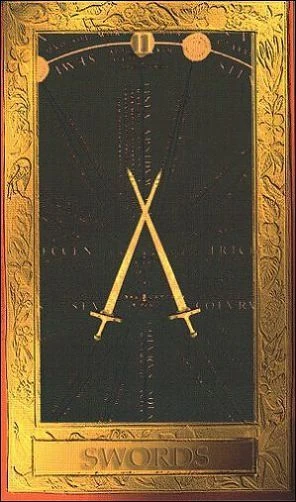
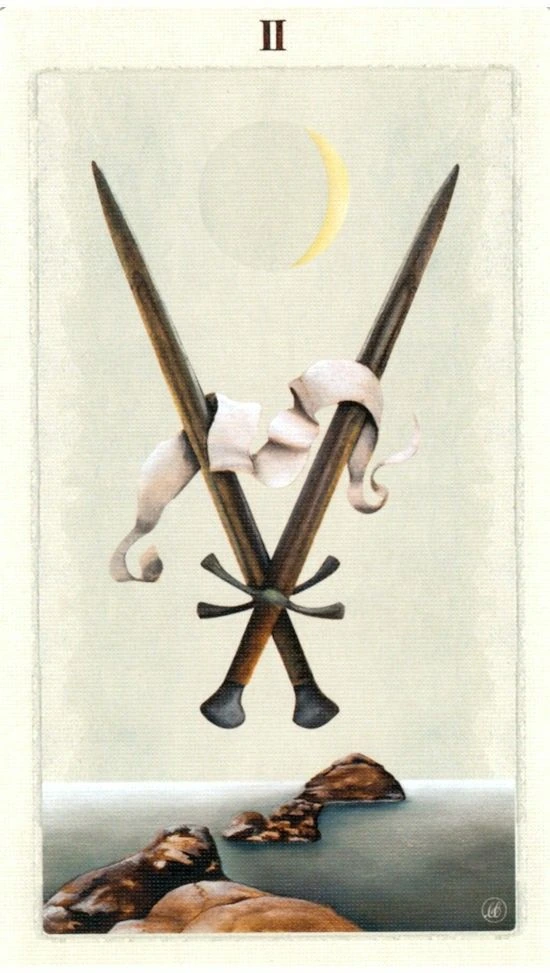
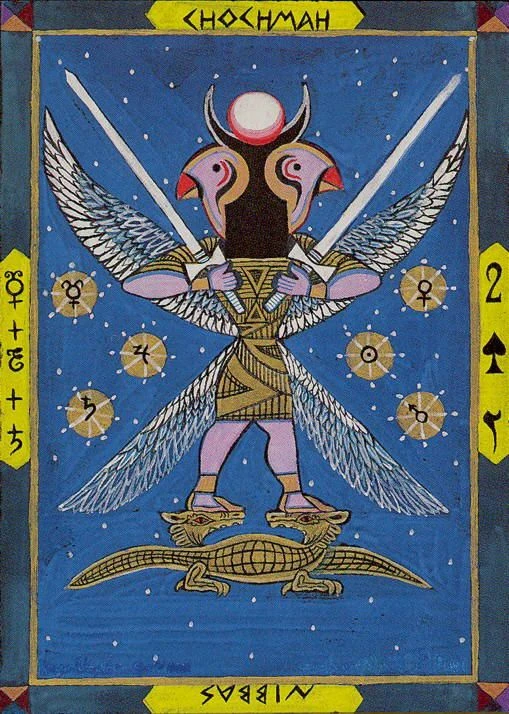
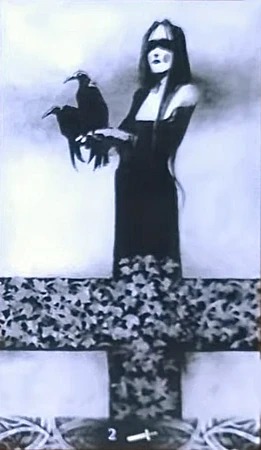
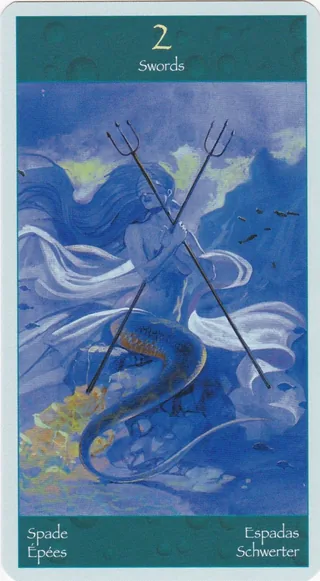
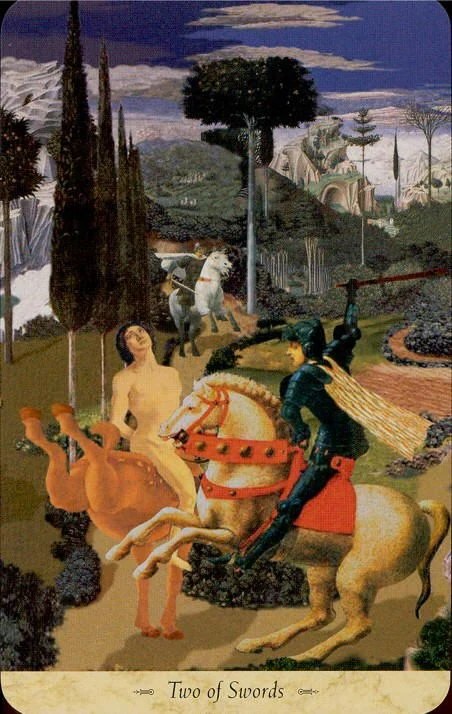
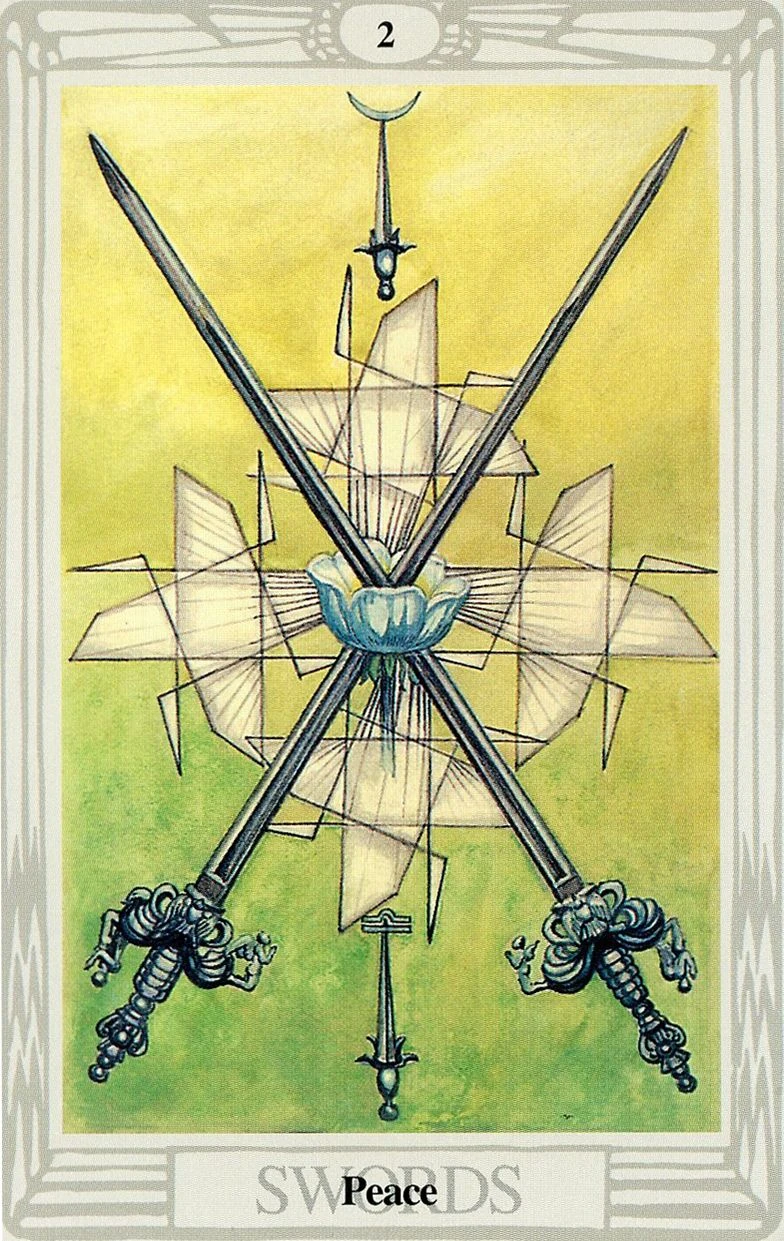
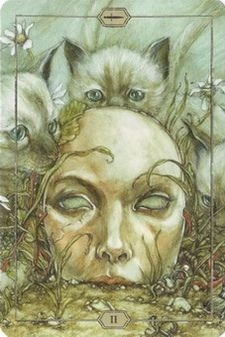
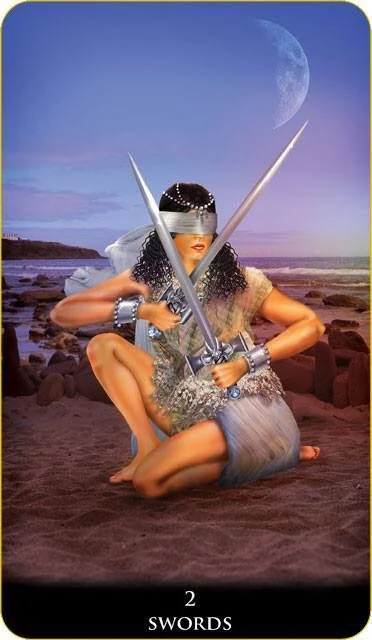
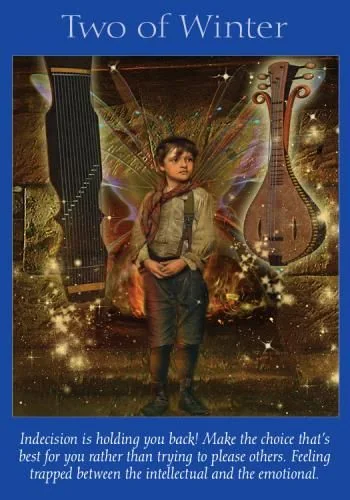
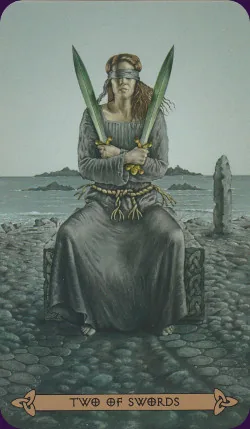
Two of Swords Across Four Tarot Decks
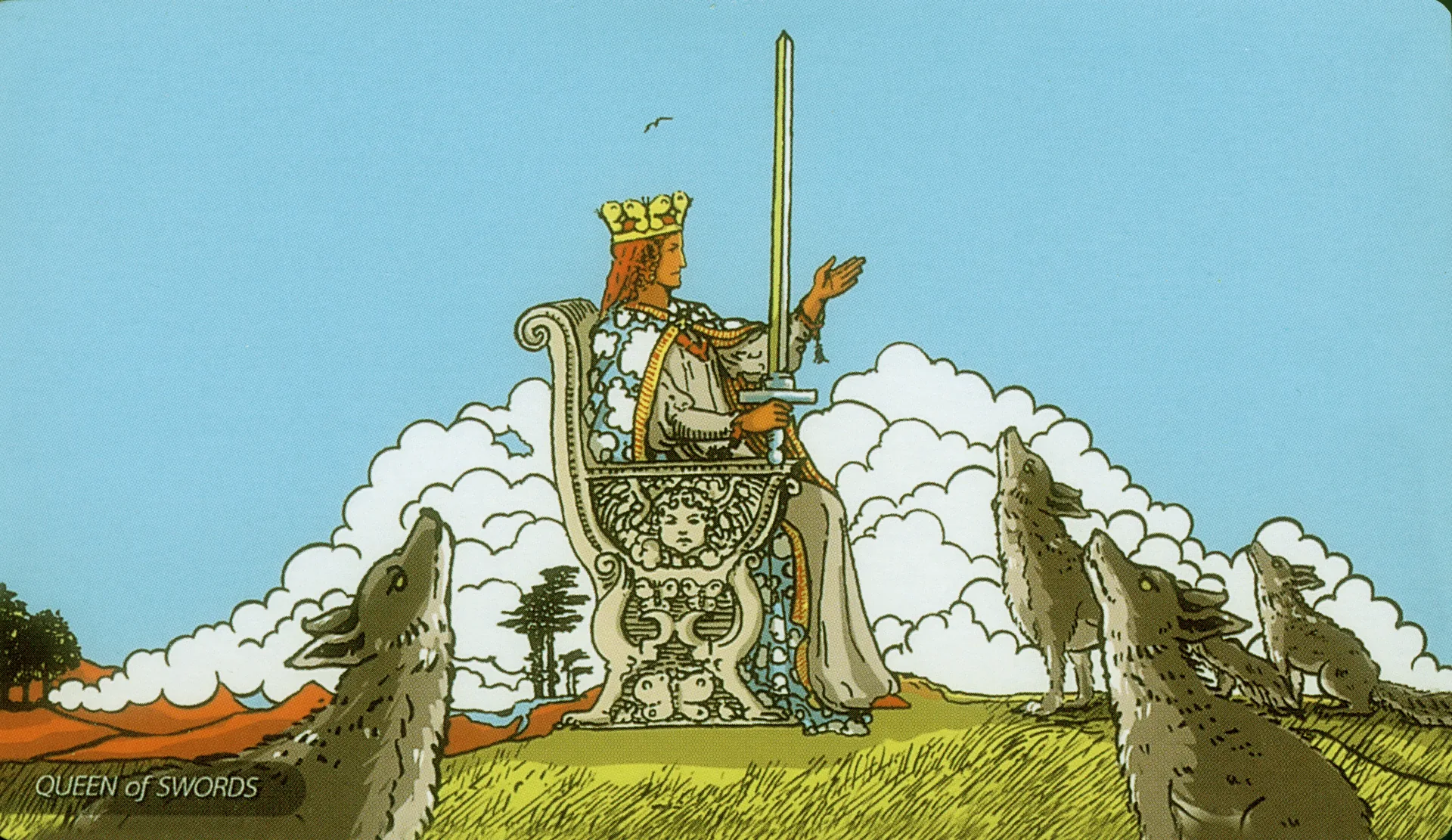
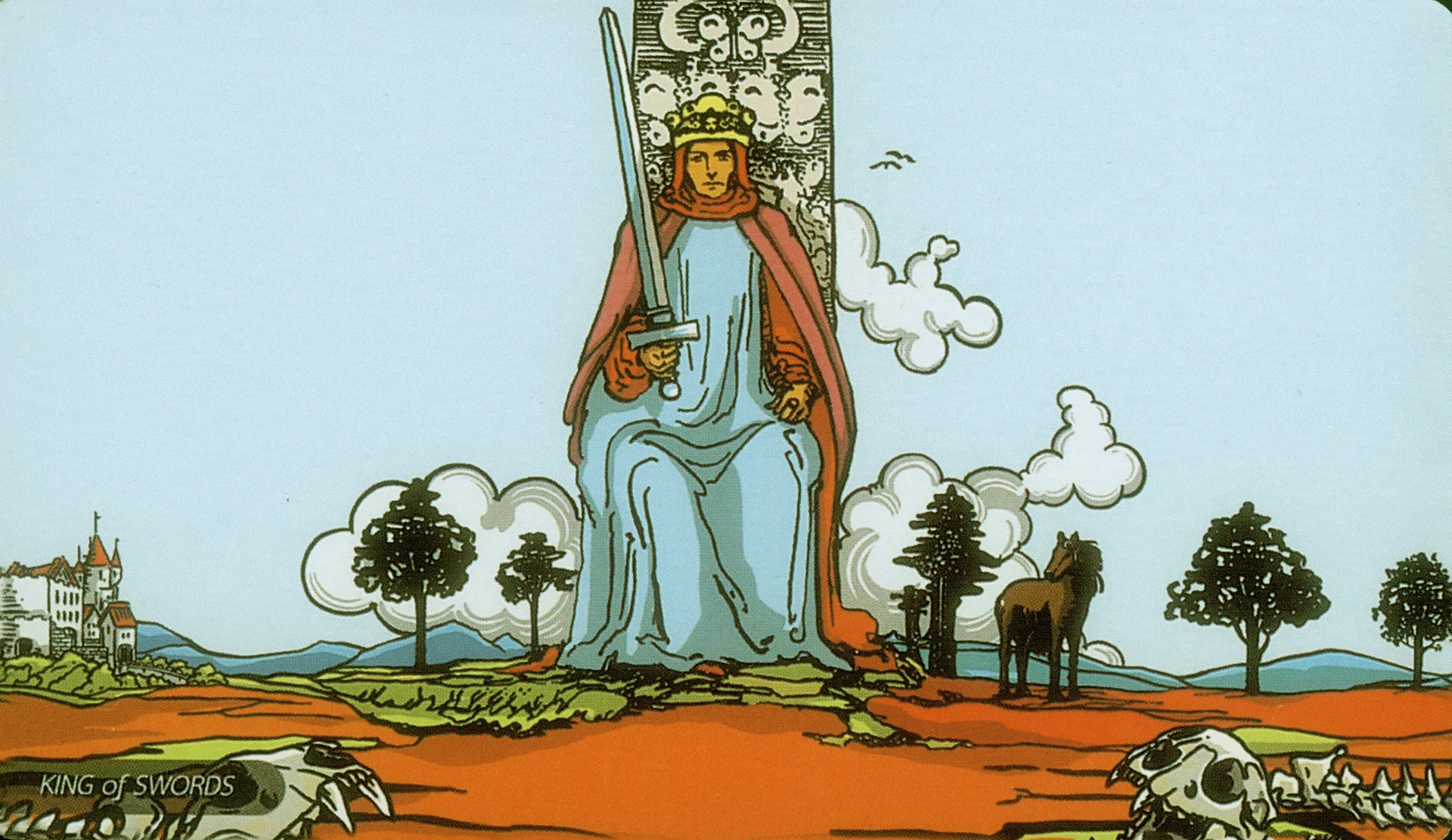
Compare the familiar Rider-Waite-Smith card with the moments before, behind and after the classic scene in three Lo Scarabeo decks.
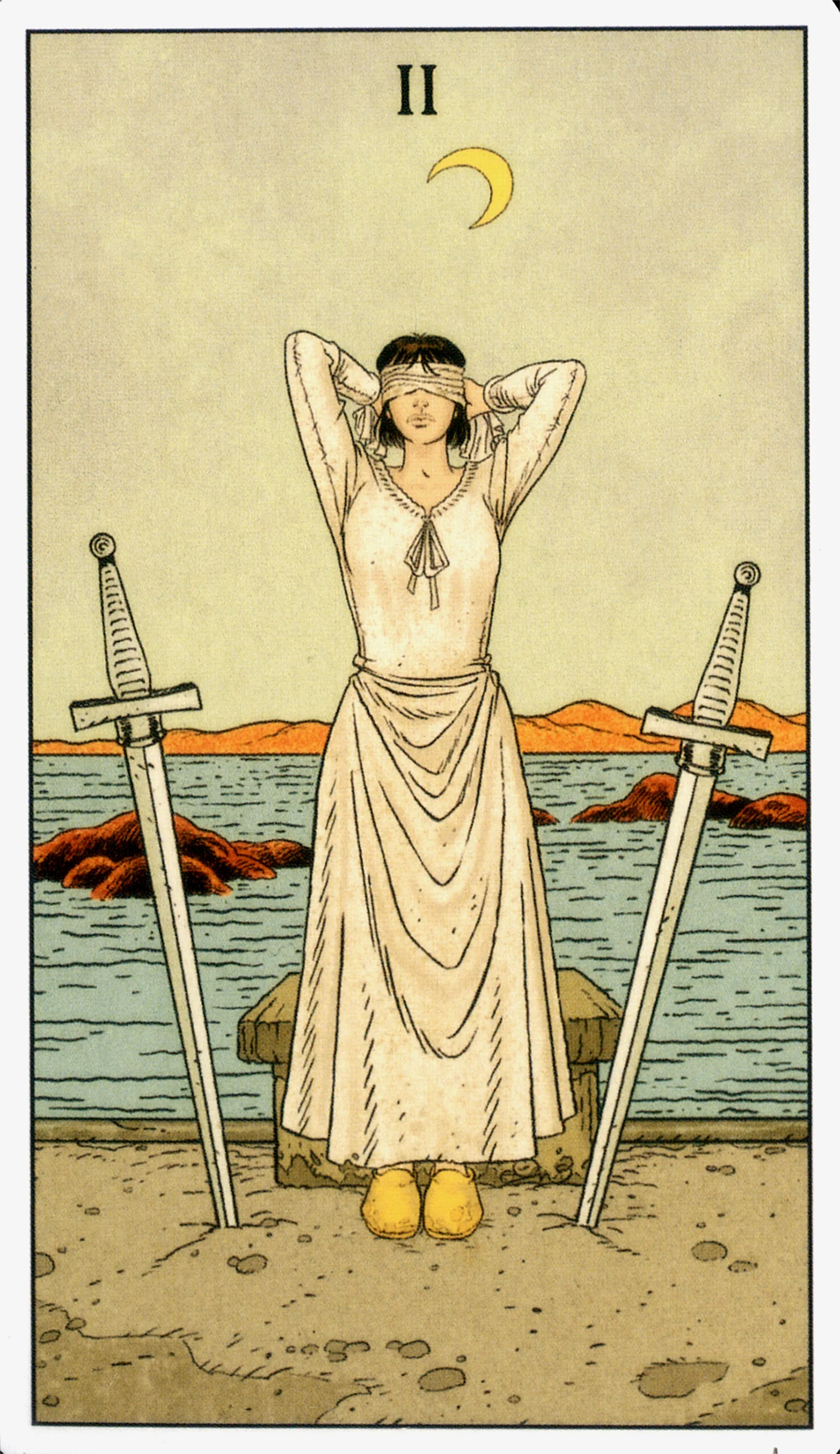
What apparently happens just before
What actually happened
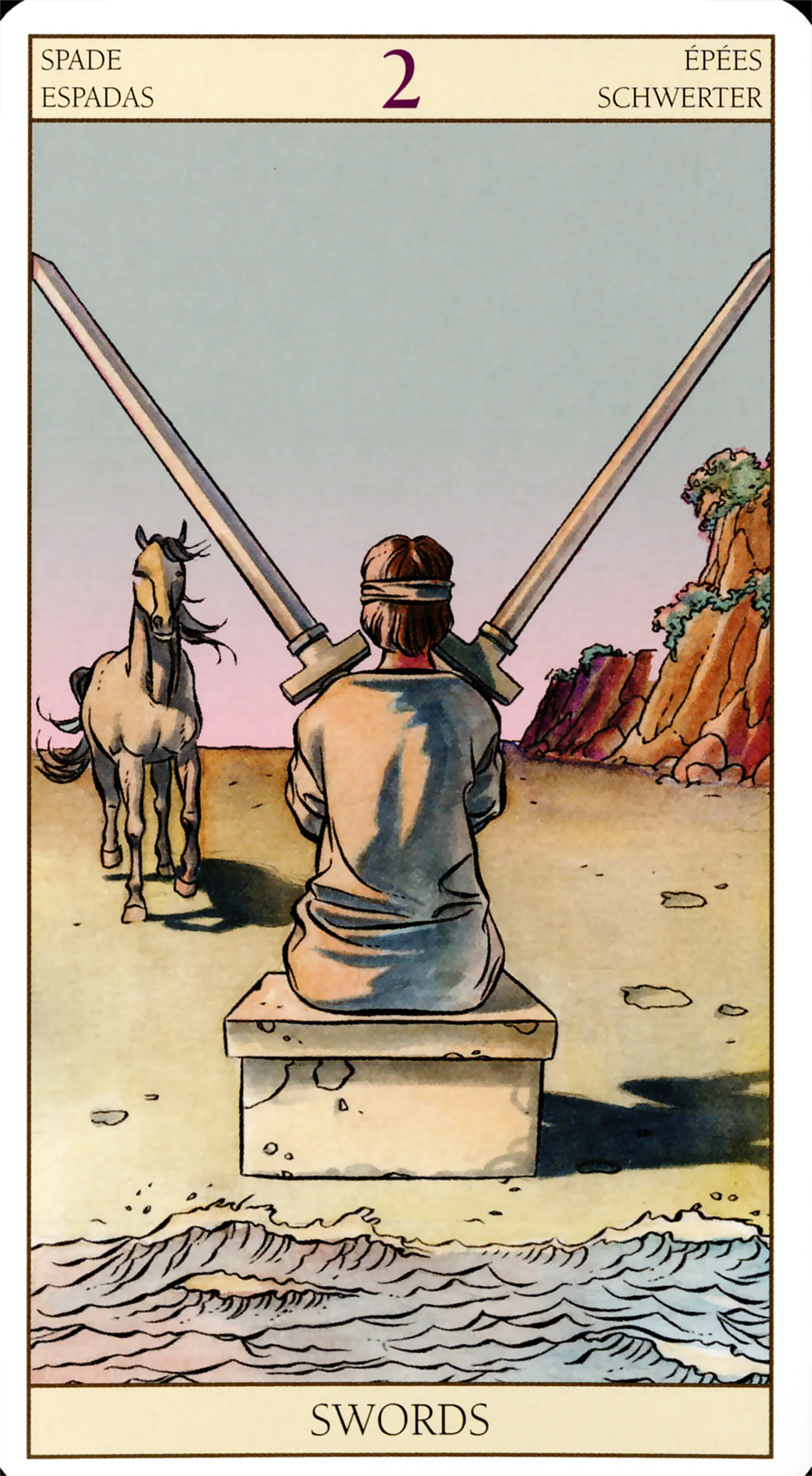
What happened on the opposite side
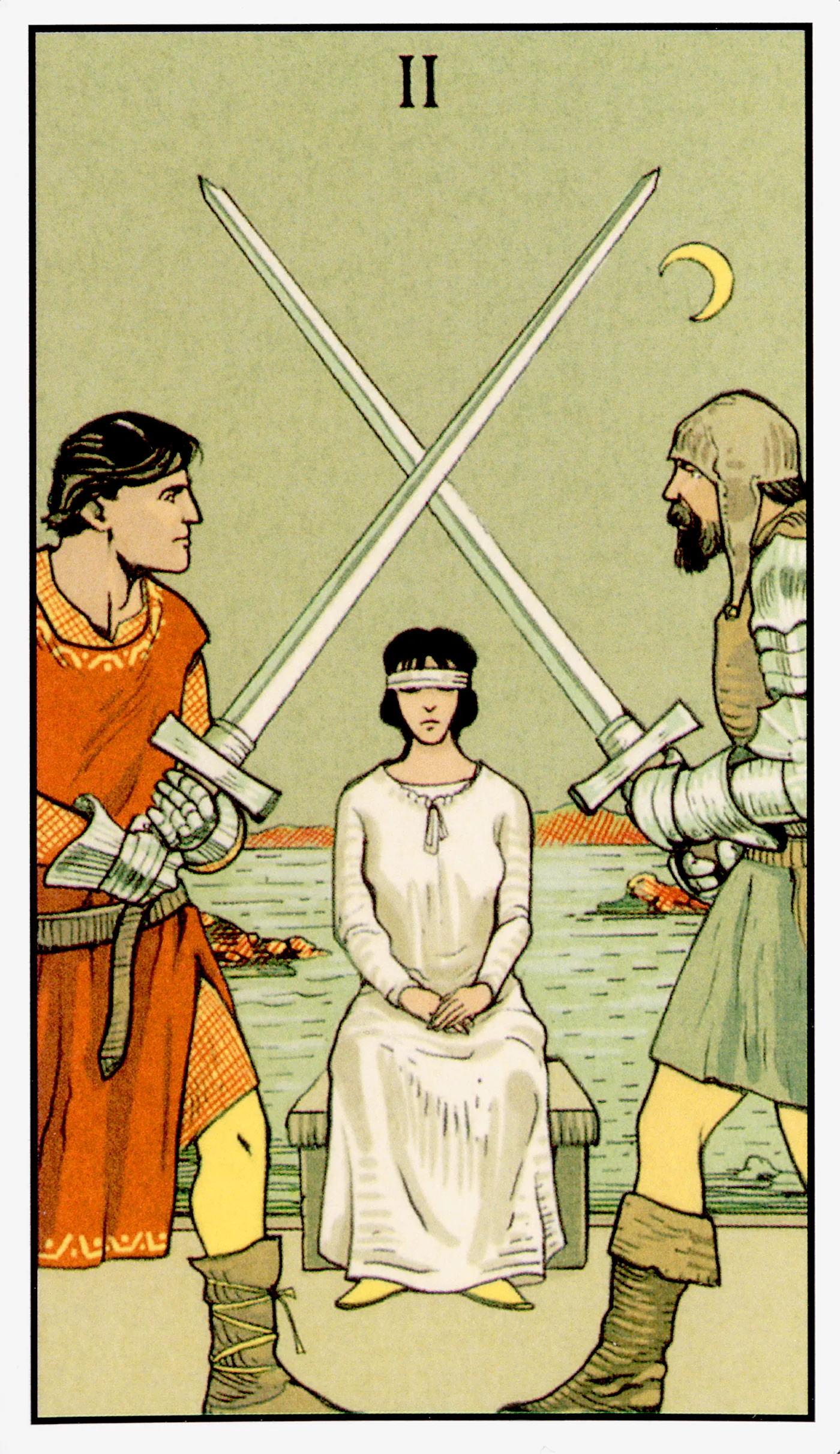
What apparently happened afterwards
Symbolism of the Two of Swords: the blindfold and crossed arms
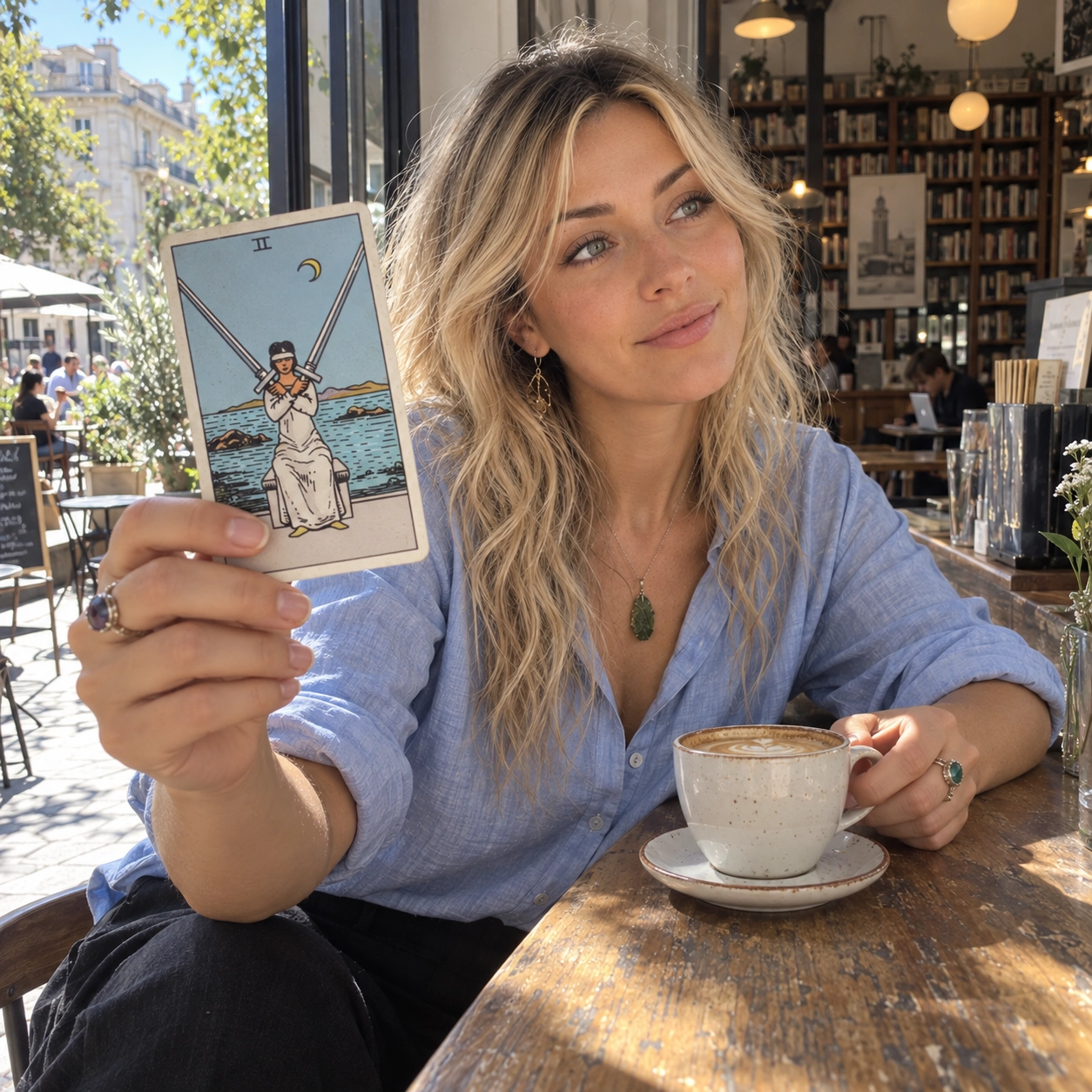
The verified Rider-Waite-Smith portrait bears the numeral II. A blindfolded woman sits on a stone bench beside water. Her arms are crossed, each hand holding a sword that rises diagonally toward an upper corner. The two swords are not drawn with their blades crossing; the crossed swords description used by some readers refers loosely to the crossed-arm arrangement.
The blindfold can suggest an inability to see all the facts, a deliberate withdrawal from outside noise, or an inward pause. Those are symbolic readings, not proof of what the depicted person feels. The balance between the two raised blades can invite reflection on opposing forces and the effort of maintaining a position.
Behind the figure are water, exposed rocks, and a distant shore. A crescent moon appears in the sky. Many modern readers use the water as a prompt to consider feelings and the moon as a prompt for uncertainty or intuition. Neither symbol establishes hidden facts about your question.
The wider hero panorama is an expanded illustration. Use the separate portrait for observations about Pamela Colman Smith's composition. The inherited comparison and gallery show other artists' interpretations; their different images need not carry every symbol from this one.
The Two rank, Swords suit, and traditional tarot meaning
This minor arcana card is the Two of the Swords suit. A standard tarot deck contains 78 cards, including 56 Minor Arcana cards. Its rank does not make it the second Major Arcana trump, and the numeral II should not be used to borrow that trump's identity.
In many modern systems, Swords relates to thought, communication, conflict, and the element Air. Golden Dawn-influenced traditions associate the Two of Swords with the Moon in Libra. These are system-specific correspondences, not a universal rule or a prediction about people born under a zodiac sign.
In The Pictorial Key to the Tarot, A. E. Waite describes a blindfolded figure balancing two swords and gives upright associations including courage, friendship, and "concord in a state of arms". He explicitly qualifies the favourable readings. His reversed list includes falsehood and disloyalty; those historical divinatory terms are not evidence that someone has deceived you.
Modern readings often emphasise indecision and a temporary truce. Waite's emphasis on guarded harmony offers another useful angle: peace may exist while a disagreement remains unresolved. Read upright and reversed meanings as questions to explore, with room for differences between decks and methods.
Questions to bring back to everyday life
What information is genuinely missing? Which part of the choice is about your values rather than someone else's approval? Is the pause helping you see the truth of a situation more clearly, or keeping you from speaking about it?
Record the question, the options, and one action you will take. When you return to the reading, compare your notes with what you learned. The Two of Swords represents a useful theme for reflection, not a verdict on your future. Enjoy exploring the image, then bring what you notice back to the facts of your own situation.
One card, many perspectives
See Two of Swords Card from Other Decks
Discover how other tarot decks interpret this card. Select a deck to explore its full review and gallery.




Two of Swords FAQ
What does the Two of Swords mean upright and reversed?
Upright, it often suggests indecision, a temporary truce, or a purposeful pause. Reversed, it may suggest pressure to decide, new information, or avoidance becoming harder to sustain. Consider what would help you see the options clearly.
Does the Two of Swords mean someone is hiding their feelings?
It can invite reflection on guarded communication, but it cannot reveal another person's private feelings or prove dishonesty. Ask them directly and consider their words, actions, and boundaries.
Is the Two of Swords a yes or no card?
Many readers lean toward not yet because the choice remains unresolved. Check what information or agreement is missing. Neither orientation guarantees an outcome or replaces another person's consent.
What should I do after pulling the Two of Swords?
Name the decision, separate facts from assumptions, and choose one useful next step. Set a time to review the choice so that a helpful pause does not become indefinite avoidance.