The Ace of Swords tarot card meaning centres on mental clarity, truth, and the beginning of an idea. Upright, it often suggests a breakthrough: you find the question, explanation, or decision that makes sense of something. Reversed, it can describe confusion, a mental block, or words that need more care.
Imagine spending days worrying about a project, then realising that nobody has agreed on the deadline. One precise question changes the conversation. That is the kind of practical insight this card can invite. You still have work to do, but you know where to start.
Use this guide to explore upright and reversed interpretations alongside your own question. Tarot card meanings are reading traditions, not fixed facts about your future. An encouraging card can help you think; it cannot make a decision for you or reveal what another person secretly feels.

Ace of Swords Tarot Card Meaning at a Glance
- Main keywords: clarity, truth, a new idea, honest words
- Upright meaning: a new chance is opening, but it still needs care and action. In the Swords suit, this connects to thoughts, words, truth, stress, and decisions
- Reversed meaning: a false start, blocked energy, or a chance that needs better timing. The reversed meaning asks you to check how you are handling thoughts, words, truth, stress, and decisions
- Yes or no: a clear yes when truth, facts, and direct communication matter
- Best question to ask: What is this card trying to help me understand right now?
Ace of Swords upright meaning: a useful breakthrough
In the upright position, this Ace commonly points to clear thinking, an honest conversation, or a fresh approach. You can finally name a problem that has been hard to explain. You might find the right opening sentence for an essay, understand a confusing instruction, or recognise the boundary you need to explain.
New ideas are exciting, especially when they arrive after a frustrating stretch. Enjoy the moment without expecting it to solve everything. Write the idea down and test one part of it. Does it fit the facts? What would make it useful to someone else?
The card can invite confidence in your intellectual abilities, but confidence and certainty are different. A logical approach works best when you remain willing to revise it. Ask a question before defending an assumption, particularly when other people have information you do not.
As advice, the upright sword suggests precision. Say what you mean in plain language. A direct request such as "Can we agree who is doing this by Friday?" is easier to answer than a frustrated hint. Honesty need not become harshness.
Some readers interpret this card as victory or the courage to speak up. Treat that as a prompt to prepare and act thoughtfully, rather than a promise that you will prevail in a dispute. The strongest argument can still leave room for listening.
Meaning of Ace of Swords in a tarot reading
Look at the spread position before deciding which interpretation fits. In the past, the card may concern a decision or conversation that changed your understanding. In the present, it can suggest checking facts or saying something clearly. In a future position, read it as a possible opportunity for insight, not a guaranteed revelation.
In an advice position, the Ace of Swords meaning often comes down to finding a question you can answer. In a challenge position, it might warn against treating your first explanation as the only explanation. Fresh perspectives can emerge when you give someone else space to finish speaking.
Consider what you are trying to uncover. "Why does everything go wrong?" is hard to work with. "Which part of this plan keeps getting delayed?" gives you a place to investigate. The cerebral side of this card is useful when a question gives you something to try.
Love and relationships: have the conversation
In a love reading, the card often invites honest communication. For an established couple, that may mean explaining a need, asking about an agreement, or admitting that you understood the same conversation differently. Try to solve the issue together rather than win the exchange.
If you are single, a new connection can bring stimulating conversation or curiosity. Mutual attraction still needs to be expressed and respected by the people involved. The card cannot prove interest, predict a message, or turn silence into a hidden declaration of love.
As a feelings card, it may encourage questions about clarity, trust, or intellectual connection. Ask about the person's actual words and actions instead of using a reading to fill in their private thoughts. You can be interested in someone and still need a direct answer.
Reversed relationship advice often concerns misunderstanding or hurtful language. If a message sounds cold, check its meaning before building a whole story around it. If someone has clearly refused contact, respect that answer. No interpretation overrides consent.
Career, money, and school: make the problem answerable
At work, this Ace can suggest a proposal, interview, research task, or useful change of approach. Turn the idea into something others can examine: a short outline, a sample, or a clear question. Readiness comes from knowing what you are offering and what remains uncertain.
For school or study, it may invite you to explain a subject in your own words. If you cannot describe it simply yet, identify the step you do not understand and ask for help. Try explaining one difficult paragraph before rereading another ten pages. You may notice exactly where you need help.
With money, the emphasis is on information. Before making financial decisions, compare the actual costs, obligations, and alternatives. Check an attractive headline against the contract. The card does not promise returns, debt relief, or a favourable legal outcome; qualified advice and your circumstances matter.
Decisions made under pressure deserve a second look when time allows. Reversed, the card may prompt you to review unclear instructions or missing figures before you commit. Gathering one missing fact is often more useful than worrying through the same possibilities again.
Ace of Swords reversed meaning: pause and clarify
The reversed Ace of Swords can describe a lack of mental clarity, an incomplete idea, or communication that has gone off course. You may have too much information, too little reliable information, or a conclusion you are trying to reach before the facts support it.
A cloudy situation is not necessarily a negative outcome. Sometimes you need rest, another perspective, or a better question. If you keep rewriting the same email, decide what you actually want the recipient to know or do before polishing another sentence.
The reversal can also concern the misuse of sharp words. Being technically right does not make an insult useful. Separate a necessary boundary from a wish to punish someone, and choose a response that serves the purpose you intended.
Some readers see the reversed card as an idea still forming inwardly. You may not be ready to announce it. Try a private draft or discuss it with someone who can give specific feedback. Uncertainty can be a reason to investigate, rather than a reason to abandon the pursuit.
If confusion affects your daily functioning or wellbeing, seek appropriate support. A card cannot diagnose a condition or tell you to change treatment. It can help you prepare the questions you want to ask a qualified professional.
Ace of Swords yes or no meaning
Many readers lean toward a conditional yes for a well-understood question involving truth, communication, or a considered decision. Reversed, the answer may be "not yet" while you check facts or clarify the plan. This yes-or-no convention is not a guarantee of success.
If the question depends on another person's choice, ask them. If it involves a significant health, financial, or legal risk, gather the relevant information and advice. A useful follow-up is "What do I need to understand before choosing?"
Advice: turn an insight into one helpful action
Write two short lists: what you know and what you are assuming. Choose one assumption to check. You might ask for a deadline in writing, confirm a fee, or explain what you meant in a conversation that went badly.
When truth emerges through a difficult conversation, give yourself time to respond. You do not have to decide everything immediately. Fortitude can mean staying with an uncomfortable fact long enough to understand it, rather than rushing to sound certain.
For a tarot meditation inspired by this card, sit quietly and focus on one question. Notice the thoughts that come up, then return to what can be checked. This is a reflective exercise, not a method for receiving guaranteed messages or treating symptoms.
Clarity can feel satisfying. Let a small discovery count: finding a simpler method, recognising a misunderstanding, or choosing a more honest sentence. You need not turn every insight into a dramatic life change.
One archetype, four perspectives
Ace of Swords Across Four Tarot Decks
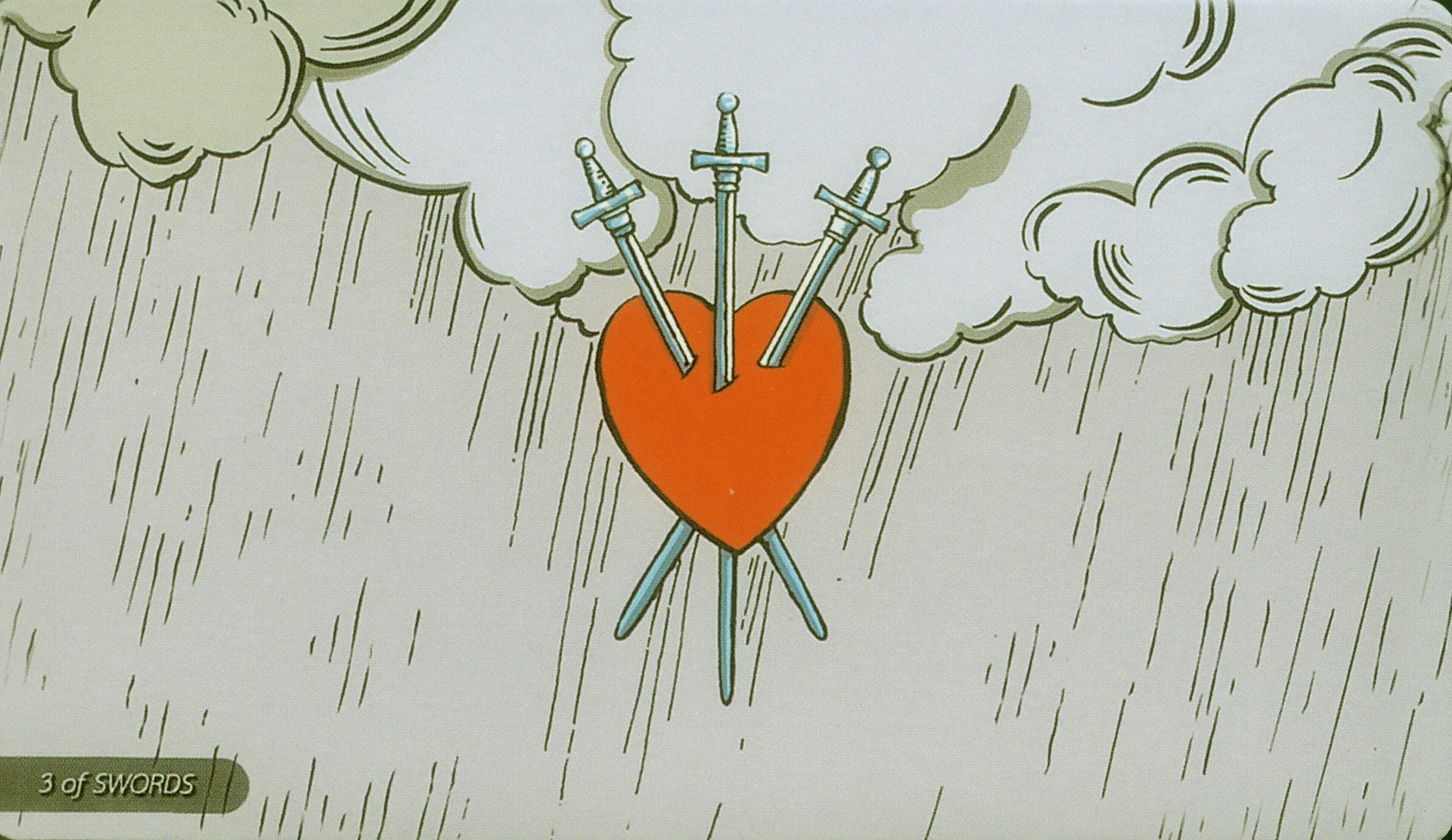
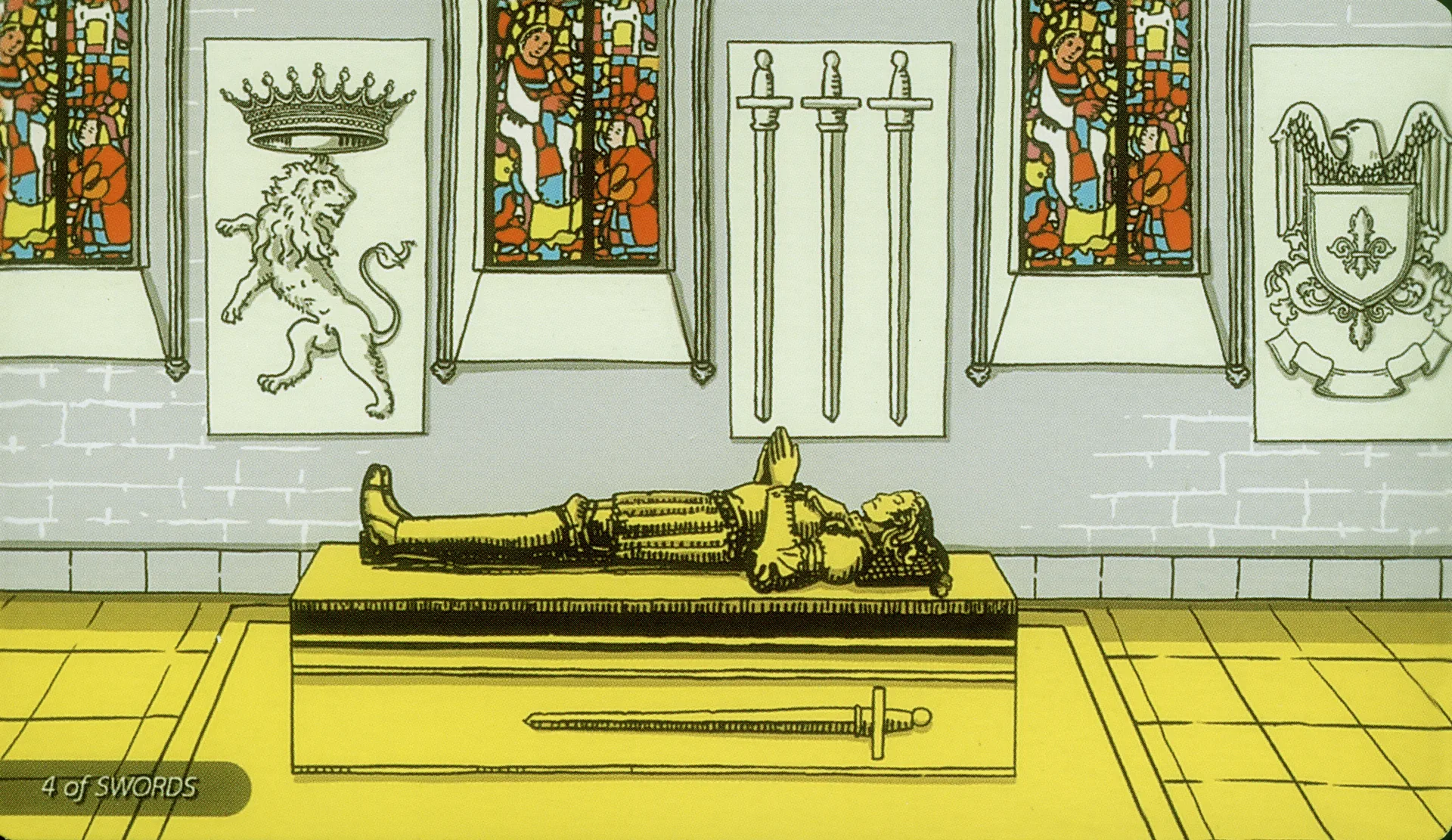
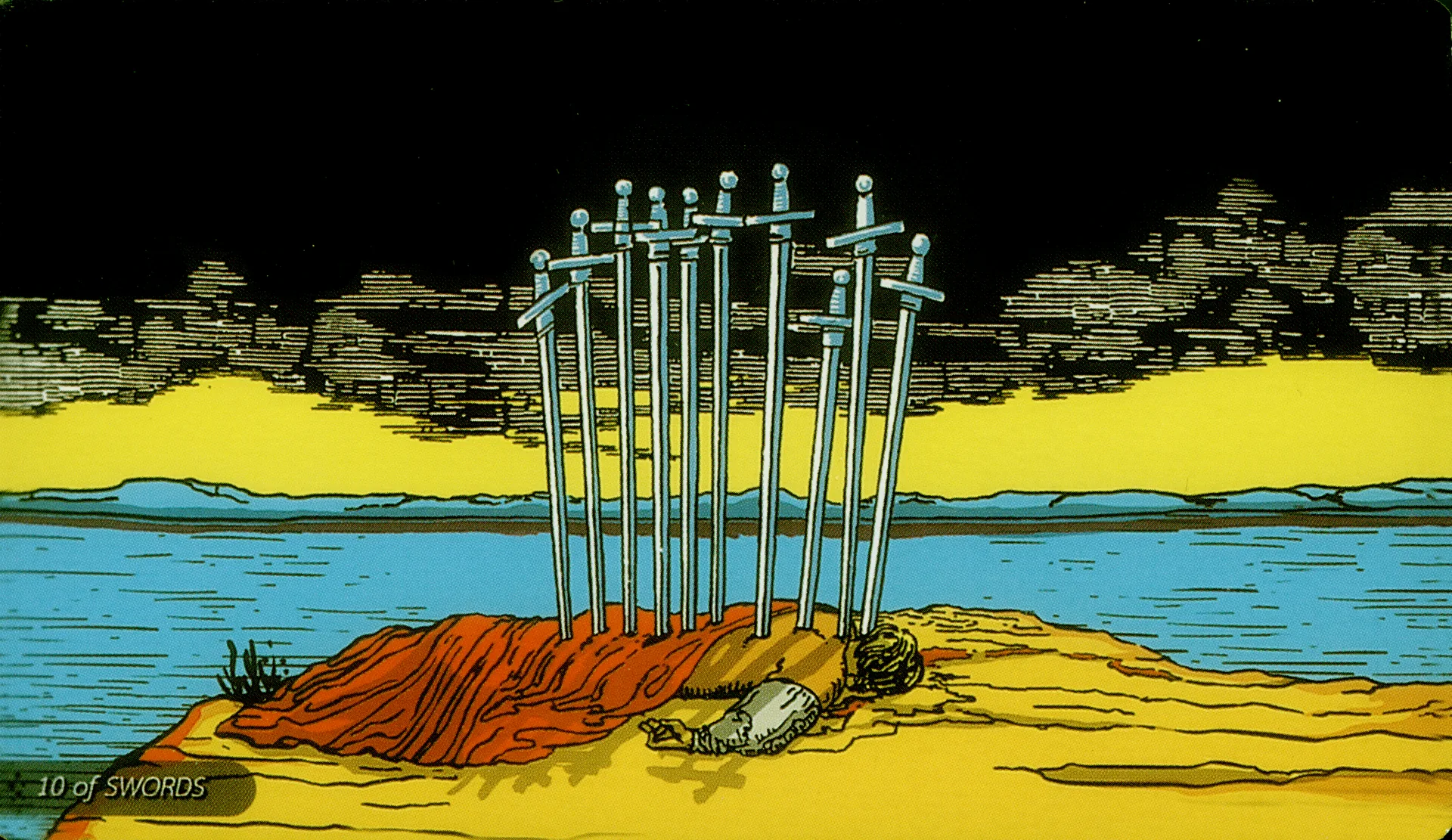
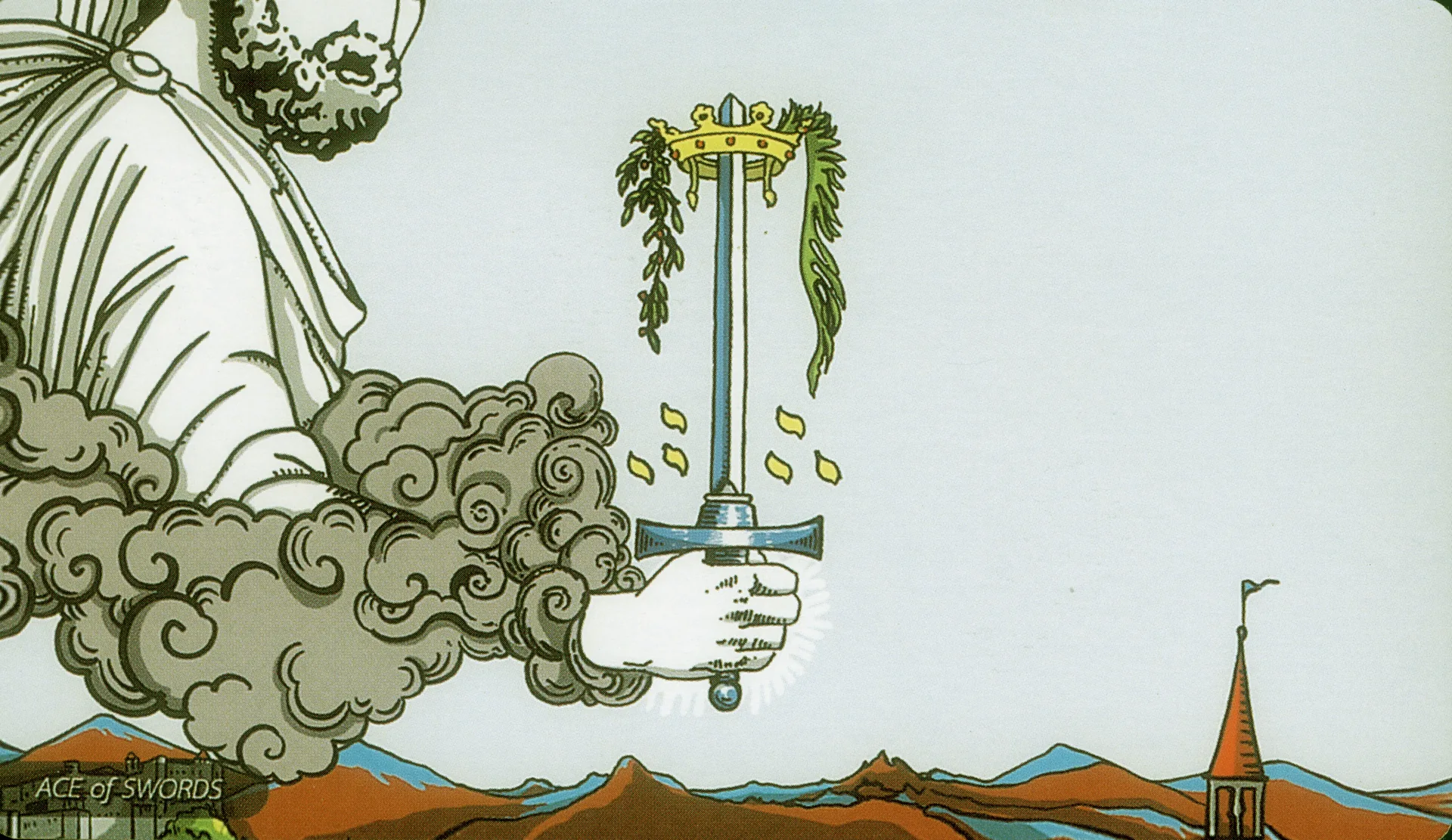
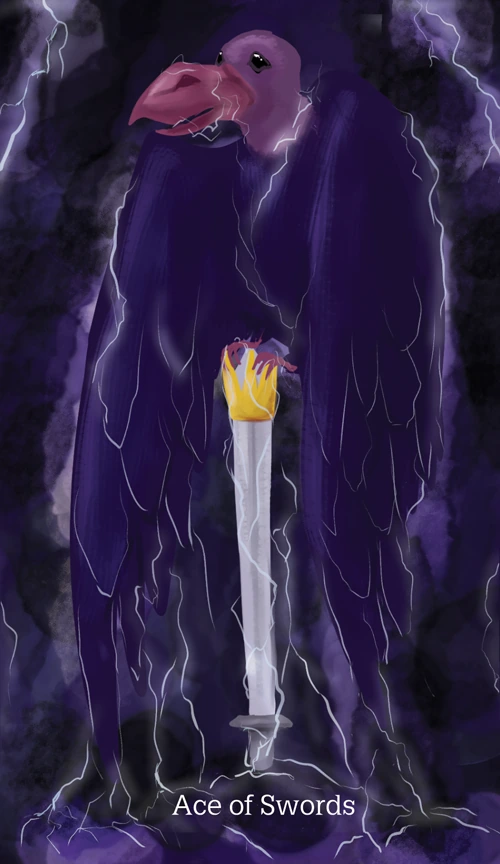
Compare the familiar Rider-Waite-Smith card with the moments before, behind and after the classic scene in three Lo Scarabeo decks.
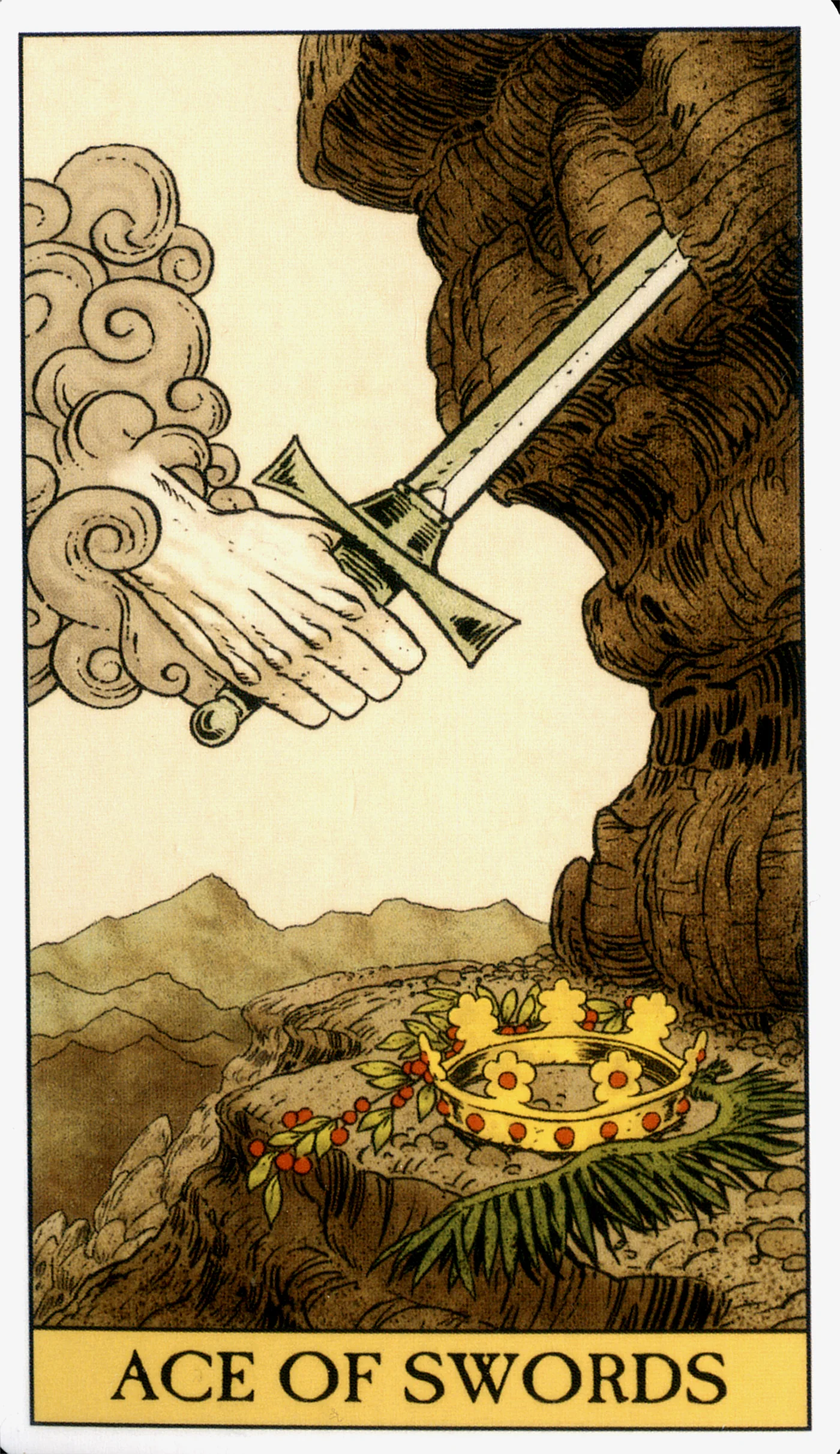
What apparently happens just before
What actually happened

What happened on the opposite side
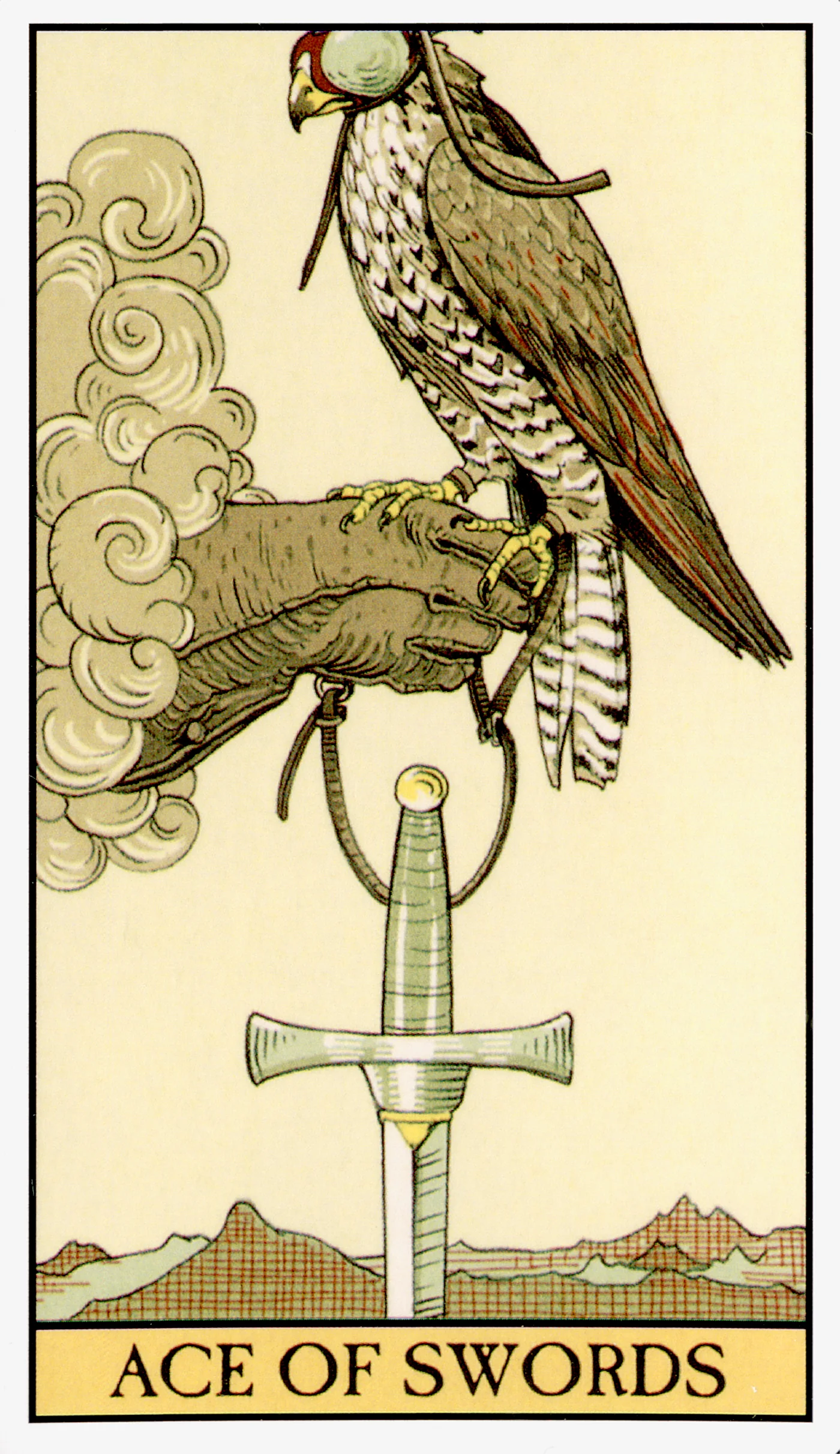
What apparently happened afterwards
Card description and symbolism: a sword through a crown
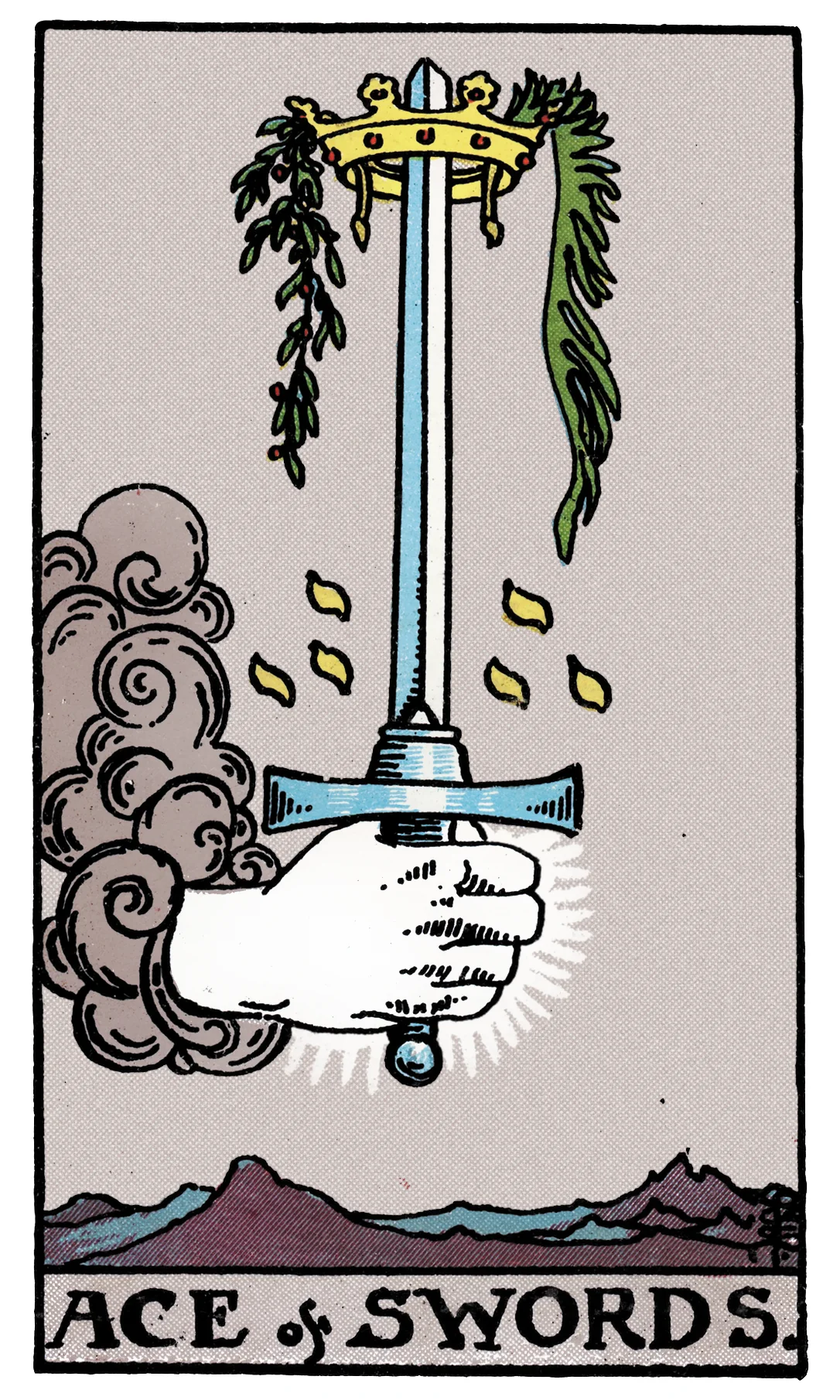
The verified Rider-Waite-Smith portrait is printed ACE of SWORDS. It shows a hand emerging from a cloud, holding a single upright sword. A crown surrounds its point, with leafy branches hanging from the crown. Rugged mountains stand below. These observations concern the original portrait, not the expanded decorative panorama above the article.
Readers often say the sword represents discernment: distinguishing one thing from another and choosing words carefully. Its two edges can suggest that the same ability may help or hurt, depending on how you use it. The crown and wreath-like greenery can be read as achievement, while the mountains suggest effort rather than an effortless win.
The image does not depict a complete plan or a person who has finished the task. A hand offers a tool. That makes a useful reading prompt: what could you do with a clearer understanding, and what responsibility comes with it?
Minor Arcana, numerology, and astrology
This is the Ace rank of the Swords suit in the Minor Arcana. An individual card may also be called an arcanum. A standard tarot deck contains four Aces, one for each suit; this card is not a Major Arcana trump.
In tarot numerology, an Ace commonly denotes one, potential, or a new beginning. That convention concerns the rank, not a printed Roman numeral on this portrait. An initial insight needs development, just as the other Swords cards explore further stages of thought, conflict, and understanding.
Many modern systems associate Swords with the element of air. The air element is used to discuss thought and communication; some astrological traditions connect the suit broadly with Gemini, Libra, and Aquarius. The Ace does not universally belong to one zodiac sign, nor does pulling it validate a horoscope or predict a date.
A. E. Waite's The Pictorial Key to the Tarot describes the cloud, sword, and crown and gives forceful interpretations involving triumph and excess. Modern clarity-focused readings are a different emphasis. Older divinatory lists also contain claims about conception and childbirth; these are not reliable evidence of pregnancy or medical outcomes.
Other Aces and surrounding cards
Compare this card with the Ace of Cups for an emotional beginning, the Ace of Pentacles for a practical opportunity, and the Ace of Wands for an impulse to create or act. A wand and a sword are different suit symbols. The Aces share a beginning theme, but their questions are not interchangeable.
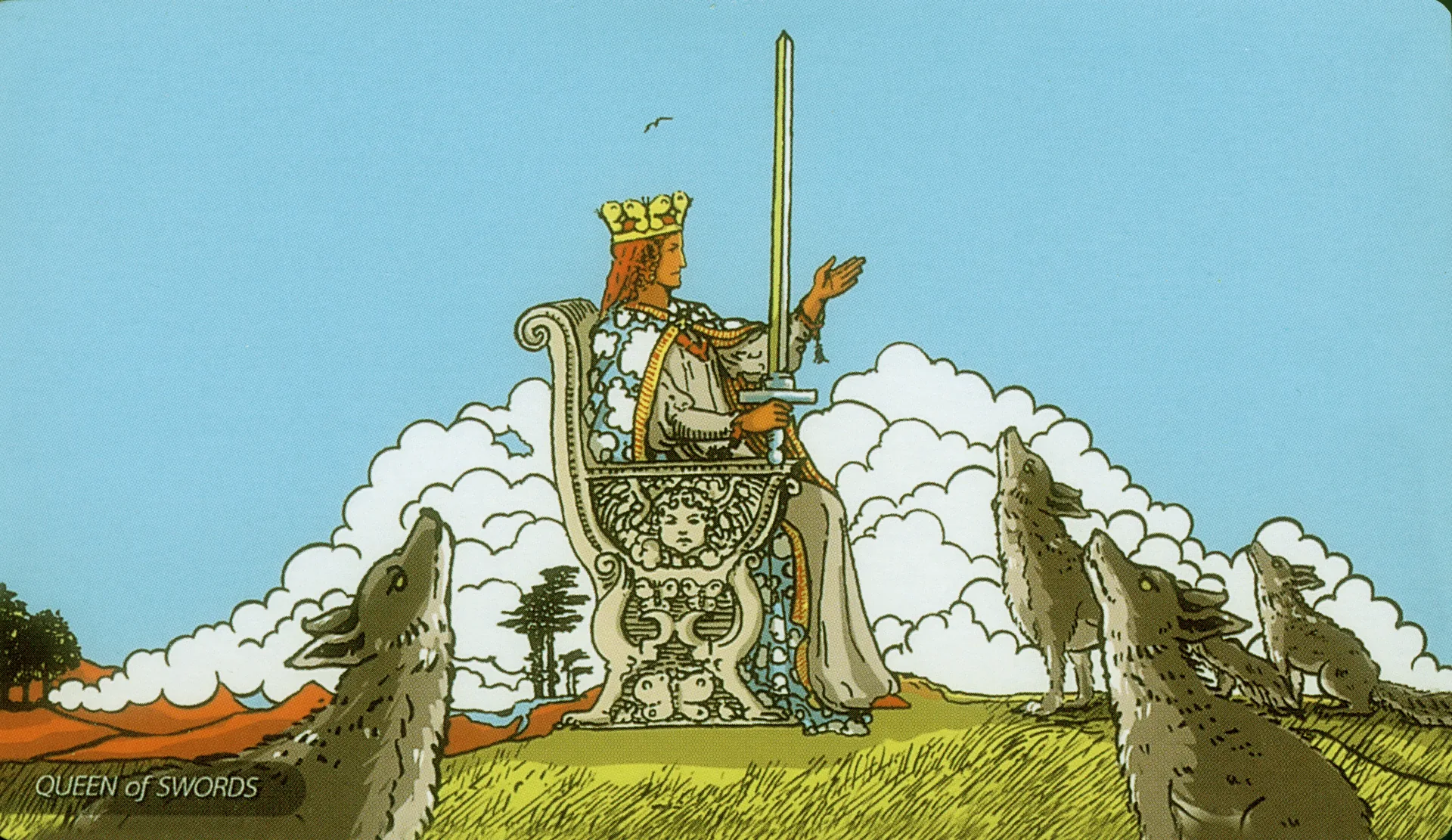
Beside the Two of Swords, ask what information would help a difficult choice. With the Queen of Swords, practise directness with boundaries. With the Five of Swords, consider whether an argument has become more about winning than understanding. These combinations are examples to explore, not fixed rules or predictions.
If you compare a reading with a book or tarot forum, explain the question and spread position before adopting someone else's interpretation. A different reading may be useful without being the only correct one. Keep a record of what fits the real situation and what does not.
Questions to use with this card
For a personal tarot card meanings cheatsheet, keep a short note: upright, clarity and a useful idea; reversed, confusion or communication to revisit. Then add your own question and a next step. A reference is most useful when it helps you think rather than replaces your judgment.
- Which part of this situation can I describe clearly?
- What evidence would change my mind?
- What am I assuming about someone else's intentions?
- How could I say something true without making it needlessly hurtful?
- Which small action would test the idea?
One card, many perspectives
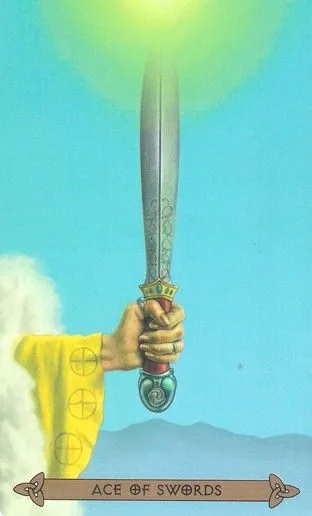
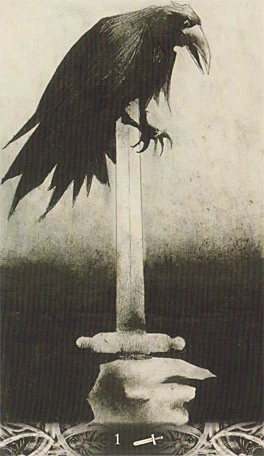
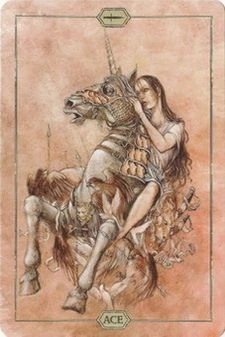
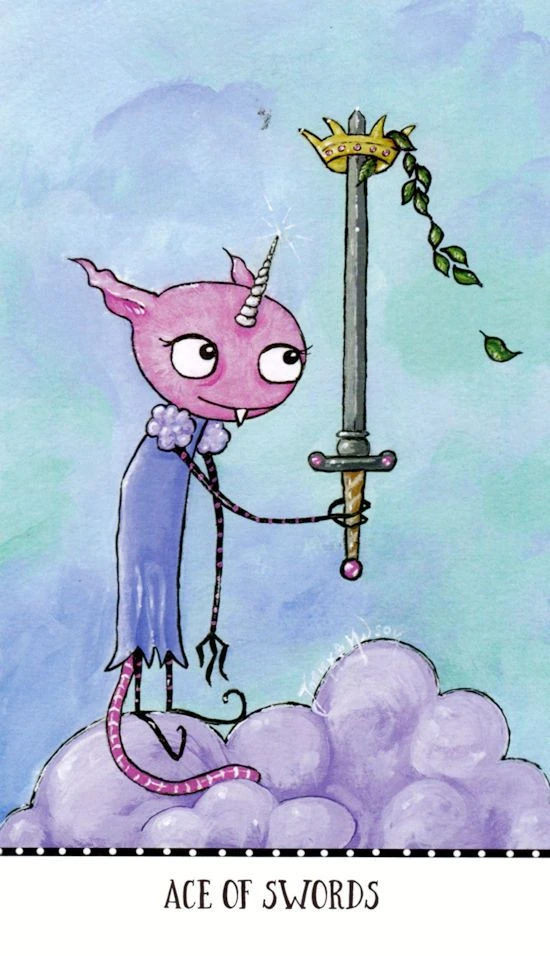
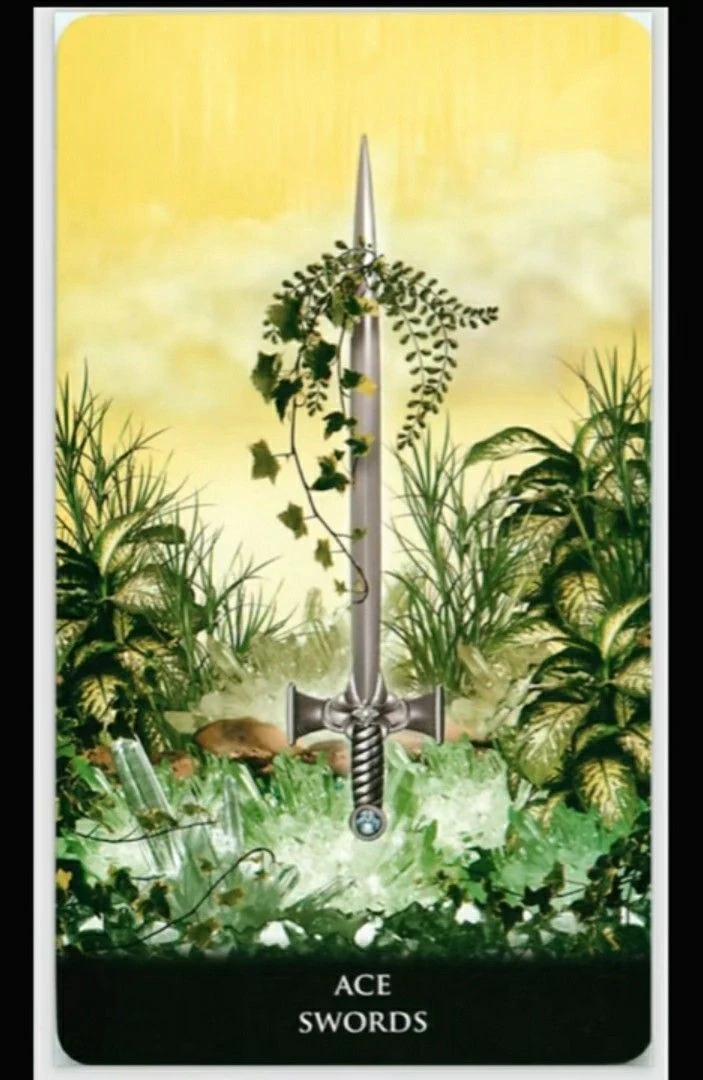
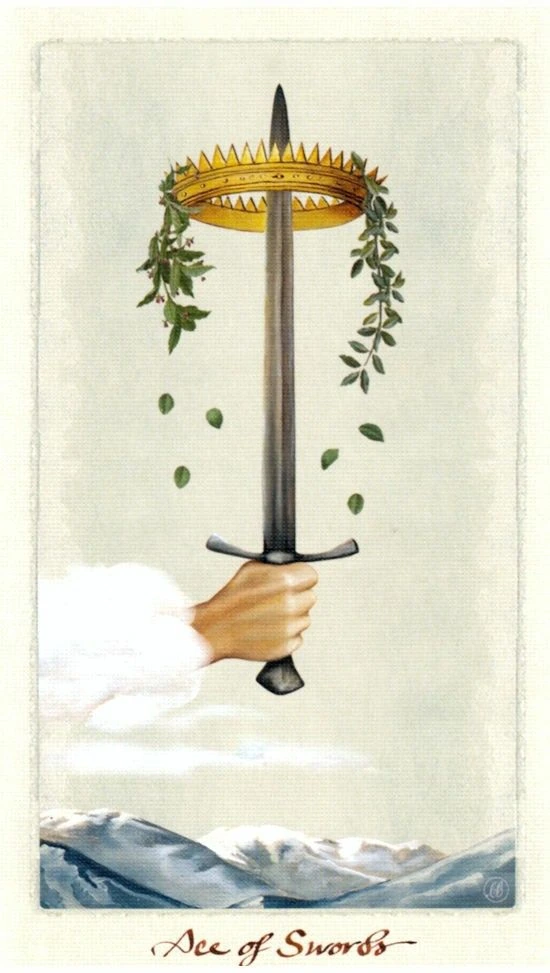
See Ace of Swords Card from Other Decks
Discover how other tarot decks interpret this card. Select a deck to explore its full review and gallery.







Ace of Swords FAQ
What does the Ace of Swords mean upright and reversed?
Upright, it commonly suggests clarity, an honest conversation, or the beginning of a useful idea. Reversed, it can concern confusion, an incomplete plan, or words that need care. The question and surrounding cards help determine what fits.
Is the Ace of Swords a yes or no card?
Some readers lean toward a conditional yes when the facts and purpose are clear. Reversed, they may suggest not yet while you check missing information. This convention cannot guarantee an outcome or substitute for another person's answer.
What does the Ace of Swords mean in love?
It often invites honest communication and clearer expectations. You might ask a direct question or explain a need. It cannot prove attraction, reveal private feelings, or predict whether someone will contact you.
What should I do after pulling the Ace of Swords?
Separate what you know from what you assume, then check one useful fact. Write down an idea, ask a precise question, or clarify an agreement. Choose a manageable step rather than expecting one insight to settle everything.