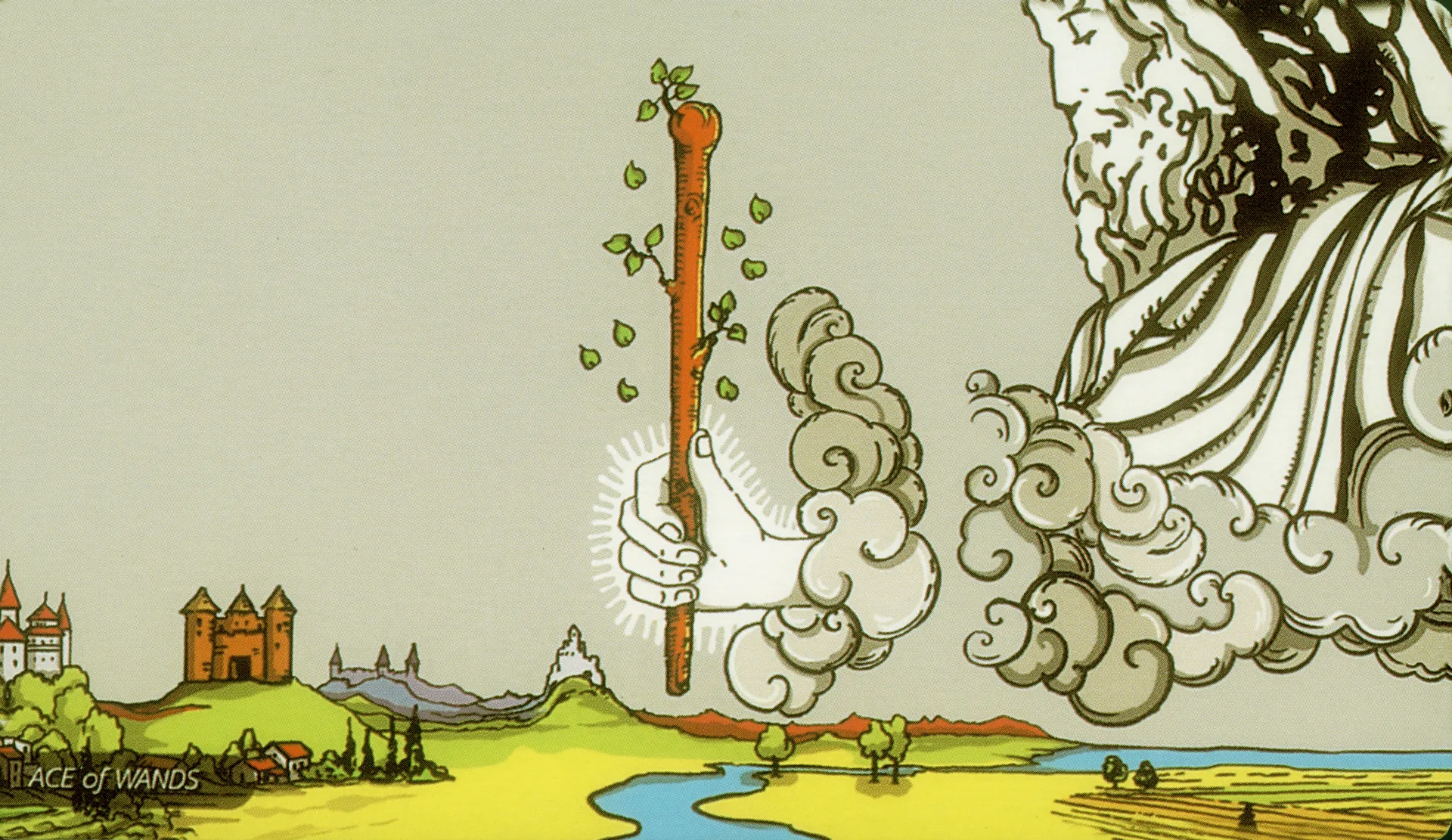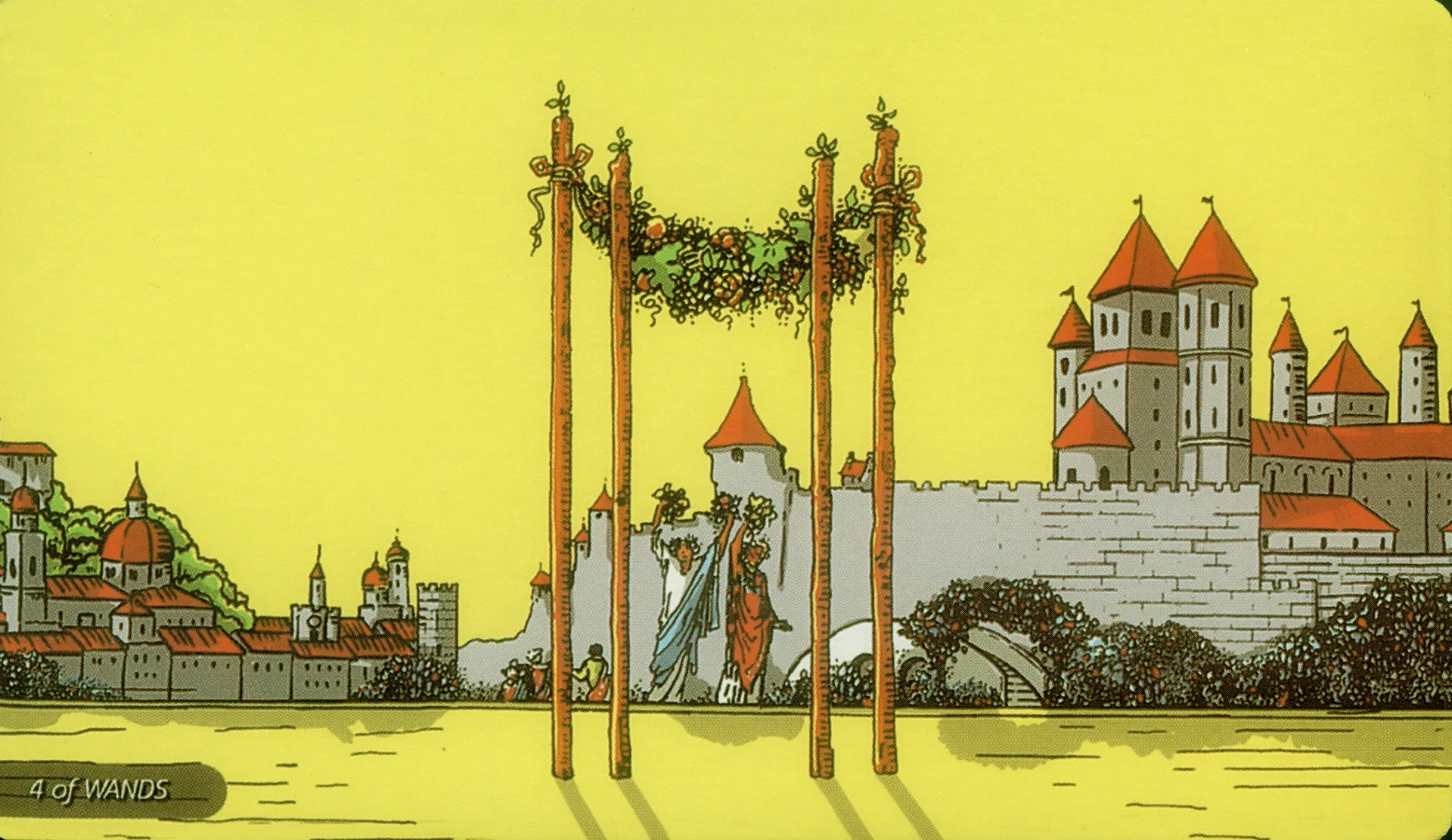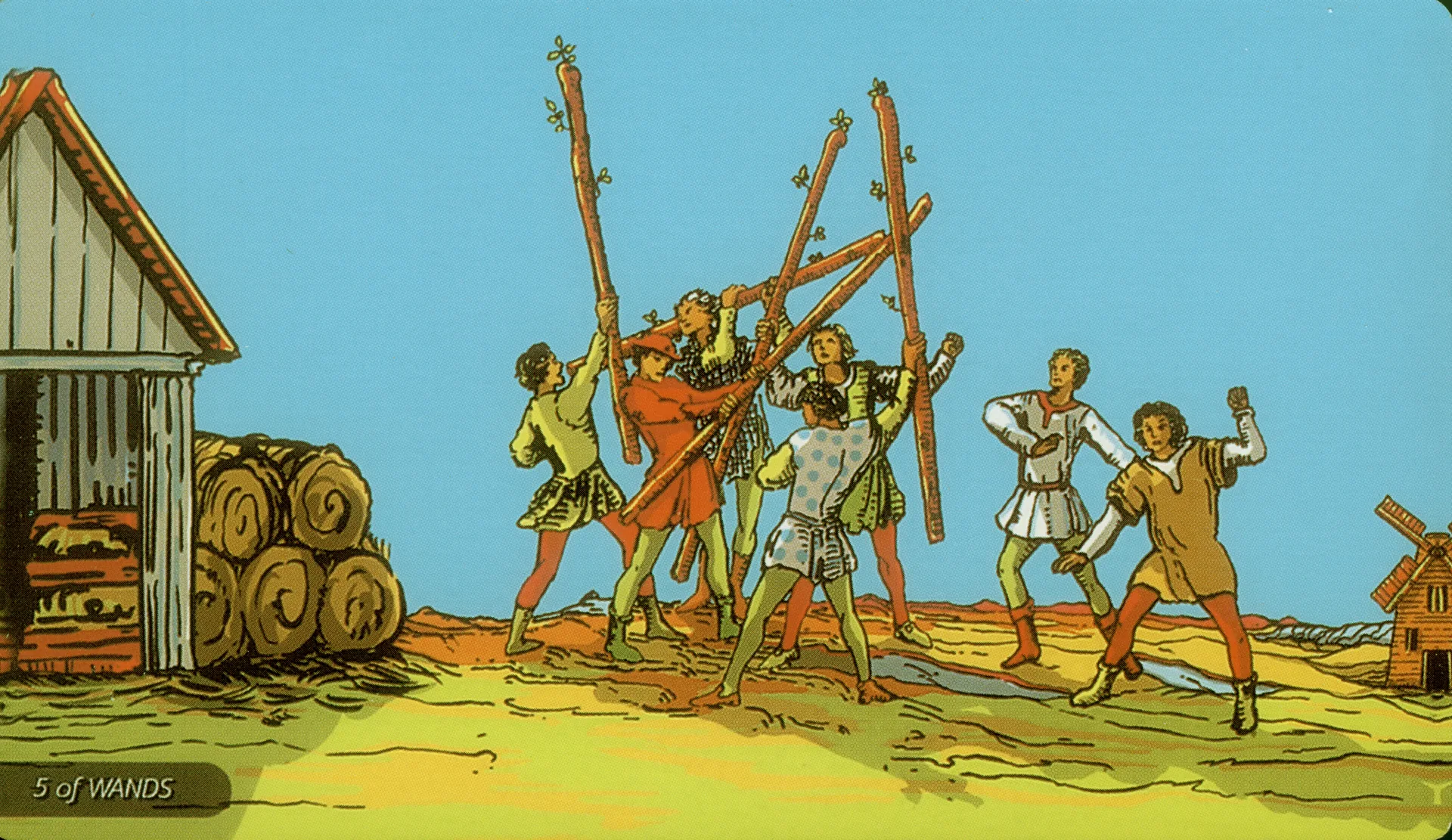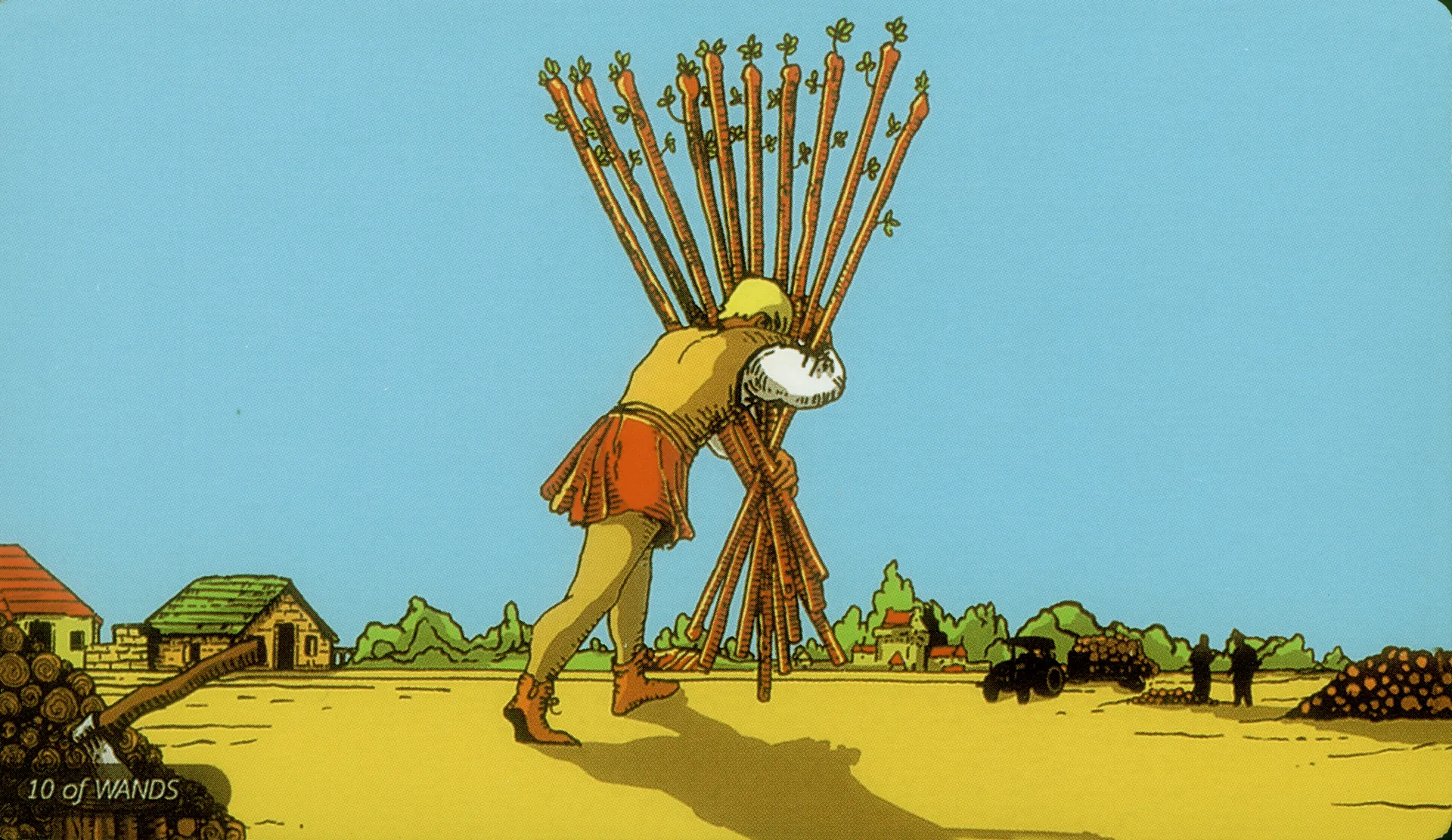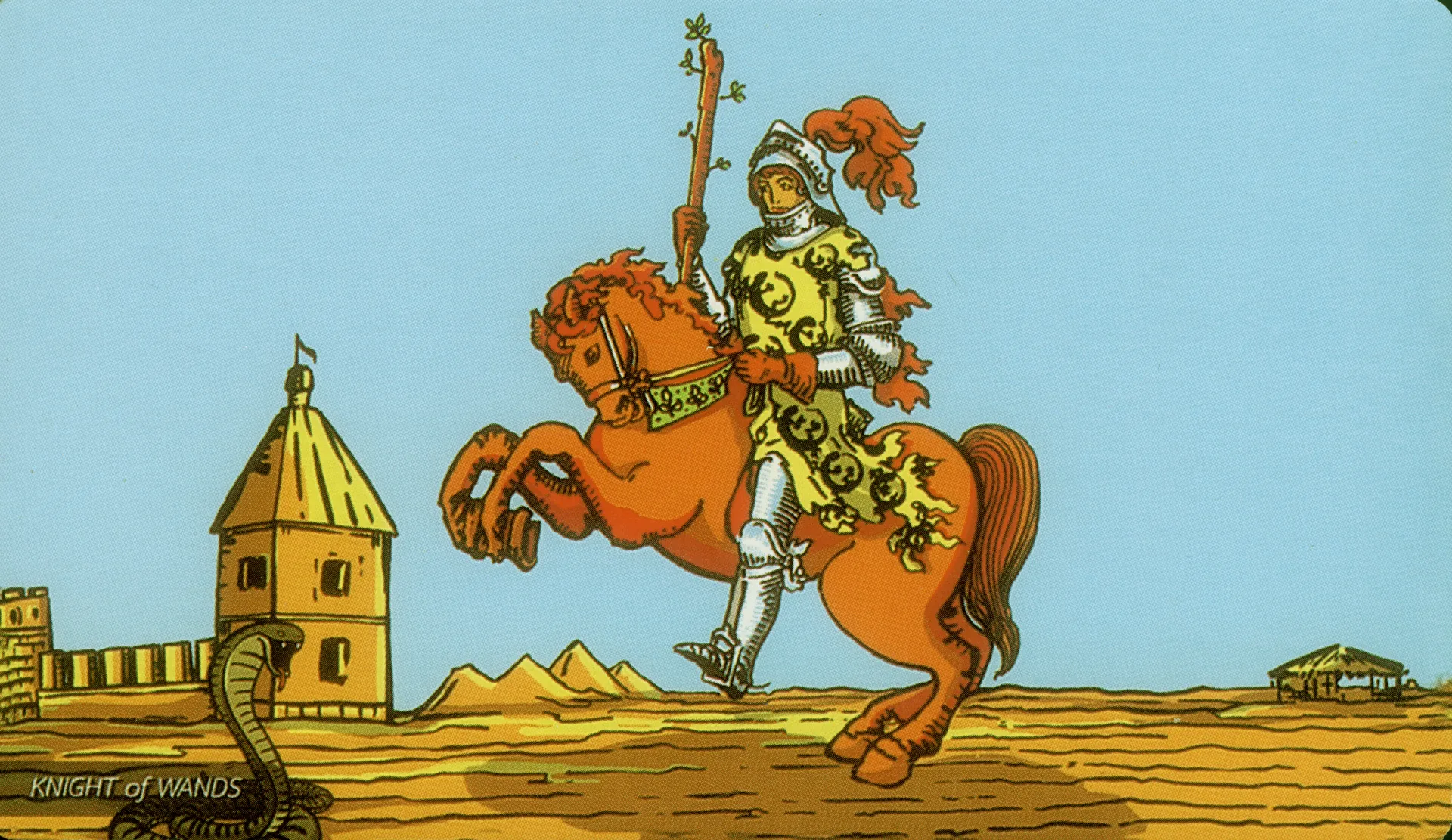

The Seven of Wands tarot card meaning commonly centres on standing your ground when a choice, achievement, or boundary is challenged. Upright, it invites courage and a clear response. Reversed, it can prompt you to notice exhaustion, uncertainty, or the habit of treating every comment as a threat.
You might be explaining a decision at work, protecting time for a creative project, or telling a friend you cannot keep taking last-minute calls. Decide what you want to protect before spending another evening arguing about it.
This guide treats upright and reversed meanings as ways to reflect on actual circumstances. A difficult-looking card is not proof that people are against you. Start with what happened, rather than assuming a motive.

7 of Wands Tarot Card Meaning at a Glance
- Main keywords: defending your position, courage, boundaries
- Upright meaning: you need patience, honesty, and a smart plan instead of panic. In the Wands suit, this connects to energy, passion, creativity, confidence, and action
- Reversed meaning: doubt, shortcuts, or finally seeing what needs to change. The reversed meaning asks you to check how you are handling energy, passion, creativity, confidence, and action
- Yes or no: yes if you stand up for yourself
- Best question to ask: What is this card trying to help me understand right now?
Seven of Wands upright meaning: hold your ground thoughtfully
The upright Seven of Wands is often associated with bravery, persistence, and defending a position under pressure. You may have a worthwhile goal but find that keeping it requires more explanation or effort than getting started did.
In the upright position, ask what gives you a sound footing. Perhaps you have research behind your proposal, a written agreement, or a clear sense of your own limits. Self-belief helps, but so does being able to explain your reasons and listen to a useful objection.
If you need to defend your position, keep your response specific. A colleague challenges your deadline: show the work involved and offer a realistic alternative. A friend wants you to cancel your plans: say you are unavailable, without putting the whole friendship on trial.
Standing your ground is different from refusing to learn. You can keep the boundary and still listen. Sometimes a useful objection helps you make a better plan. Saying you are unavailable does not require a winning speech.

Seven of Wands meaning in a tarot reading
When the Seven of Wands appears, read it against your question and its position in the spread. In the past, it may help you reflect on an earlier challenge or a boundary you learned to set. In the present, look at where your effort is going. In a future position, consider how you would prepare for disagreement rather than predicting an attack.
The previous card, the Six of Wands, is commonly linked with recognition. The Seven can raise a different question: what happens when an achievement attracts scrutiny, or when keeping a position requires continued work? That sequence is a reading convention, not a promise that success will bring enemies.
In a one-card tarot card reading, choose a manageable question: what deserves a clear response today? You could protect an hour of writing, ask for credit on a shared project, or decide not to join an argument that has nothing to do with you.
The card in love and relationships: boundaries without a contest
In a love tarot reading, the Seven of Wands card can prompt reflection on protectiveness, independence, and pressure from other people. A couple may need to discuss how much influence relatives have over their decisions. Someone dating may need to state a preference without apologising for it.
To make a relationship work, both people need room to disagree and say no. Try a concrete agreement, such as keeping one evening free from work messages or asking before inviting guests. Set boundaries around your own participation rather than trying to control another person's choices.
Defensiveness can also get in the way. If a partner asks why you were late, pause before hearing it as an accusation. Clarify what they mean, explain what happened, and separate a misunderstanding from a repeated problem.
If you are asking about someone's feelings, the card cannot supply private information. Nor does it prove jealousy, infidelity, or a reunion. Use conversation and observable behaviour. If a relationship is unsafe, seek practical support rather than interpreting persistence as a duty to stay.
Work, money, and school: explain the case you can support
For your position at work, this card suggests checking how you respond to scrutiny. A proposal may need stronger evidence, a responsibility may need a clear owner, or a request may exceed the time available. Assertiveness means stating the issue and asking for a workable change.
You might be facing opposition in a presentation. Prepare your figures, name the assumptions, and decide what you are willing to revise. Calling critics haters may feel satisfying, but it makes it harder to distinguish useful feedback from disrespect.
In study or creative work, persistence might mean practising a skill despite an awkward first attempt. It does not mean ignoring every teacher or editor. Ask which criticism helps the work and which asks you to abandon something important without a good reason.
For money, protecting a budget can mean declining an expense or checking a disputed charge. Keep records and use qualified advice where needed. A determined reading cannot guarantee investment returns, a promotion, or a successful dispute.
Seven of Wands reversed meaning: choose what you can sustain
The Seven of Wands reversed may suggest feeling outnumbered, unprepared, or tired of defending the same point. Before deciding you lack willpower, check your workload and the support available. A problem that keeps returning may need a different arrangement, not another burst of effort.
The reversed Seven of Wands can also point to defensiveness that has become automatic. If you rehearse retaliation before anyone has finished speaking, slow the exchange down. Ask what was meant, then answer the actual concern.
A reversed meaning sometimes involves giving ground. That could be an unwanted surrender, but it could also be a sensible decision to yield on a minor issue and protect your energy for something more important. If you are arguing about where to eat, compromise may be easy. If the issue is your agreed working hours, a clearer limit may be needed.
For Wands reversed in an advice position, ask whether you are avoiding confrontation because the issue is small, or because stating a necessary limit feels uncomfortable. A short written response or a conversation with support may be easier than a heated argument.
You may need rest before deciding what to do. Taking a day to think can make a difficult conversation easier. Reassessing a plan after sustained pressure is not the same as giving up on yourself.
Seven of Wands yes or no meaning
Some readers lean toward a conditional yes when the question is about a defensible goal and you can commit the effort it requires. Reversed, they may suggest pausing to review capacity, timing, or support. Neither answer reliably forecasts an outcome.
For a small decision, such as submitting work after a critical review, the card may help you notice your willingness to try again. For medical, legal, financial, or consent questions, use the relevant facts and appropriate advice rather than asking a card to decide.
Advice: name the boundary before defending it
Write the issue in one sentence. Instead of “Everyone keeps taking advantage,” try “I am answering work messages after my agreed hours.” Then choose a response you can maintain, such as a stated reply window.
The card asks you to consider the cost of each argument. The opinions of others can matter without deciding your worth. You might correct a false claim once, ask a manager for help, or stop engaging with a conversation that only repeats itself.
Inner strength can include asking for backup. If external forces such as an unreasonable workload are causing the pressure, a breathing exercise alone will not fix it. Discuss responsibilities, document the problem, or get advice from someone who understands the situation.
Health and spirituality: effort needs support
In a health-related reading, use this scene to reflect on supportive routines and the help you need. It cannot diagnose a condition, promise recovery, or predict pregnancy. Ongoing symptoms and serious concerns belong with qualified care.
For spirituality, the card can invite introspection about beliefs you want to live by. You can ask questions within a group or decline a practice that does not fit your values. Protecting time for quiet reflection is different from treating disagreement as a spiritual threat.
One archetype, four perspectives
Seven of Wands Across Four Tarot Decks
Compare the familiar Rider-Waite-Smith card with the moments before, behind and after the classic scene in three Lo Scarabeo decks.
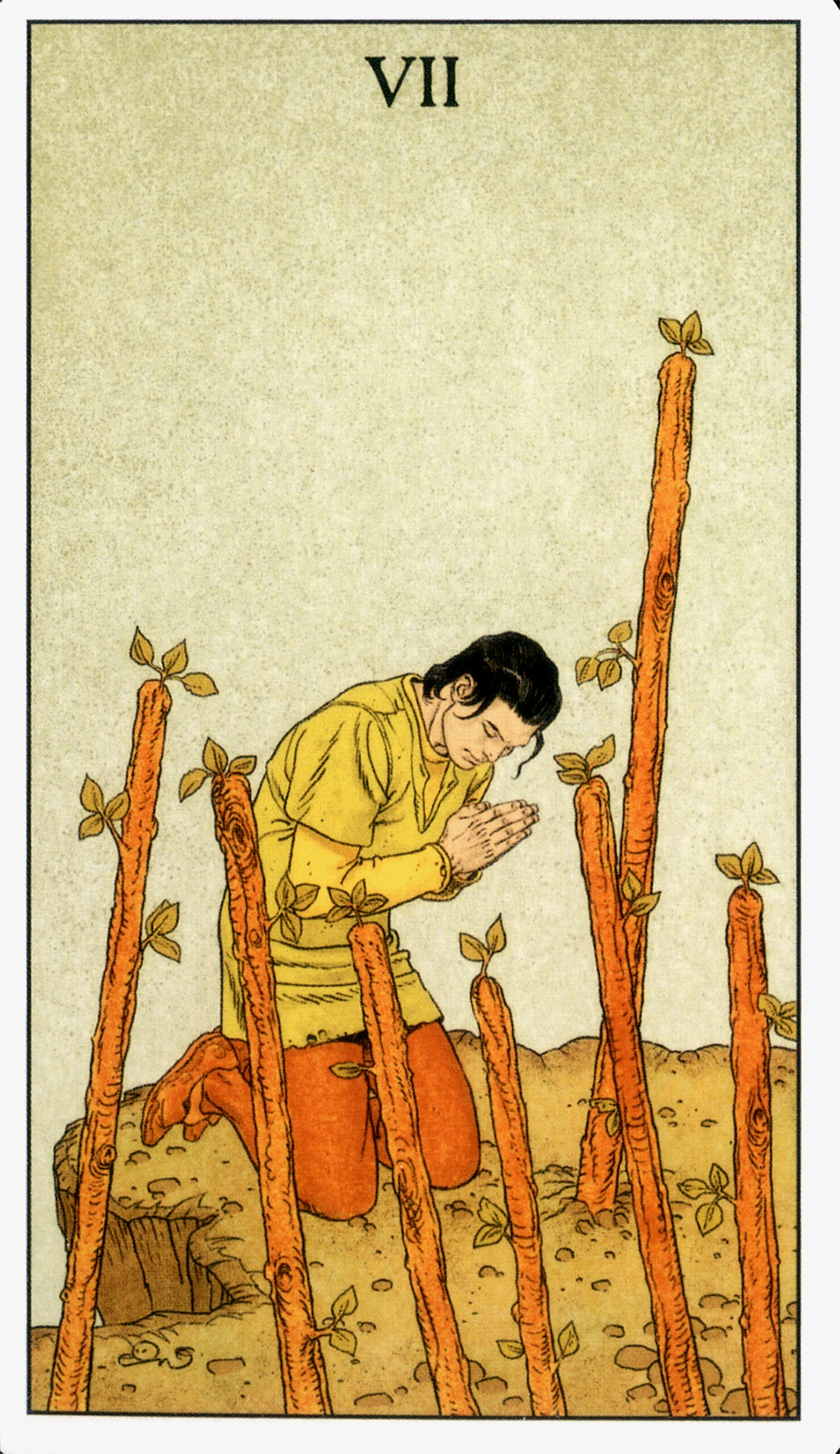
What apparently happens just before
What actually happened

What happened on the opposite side
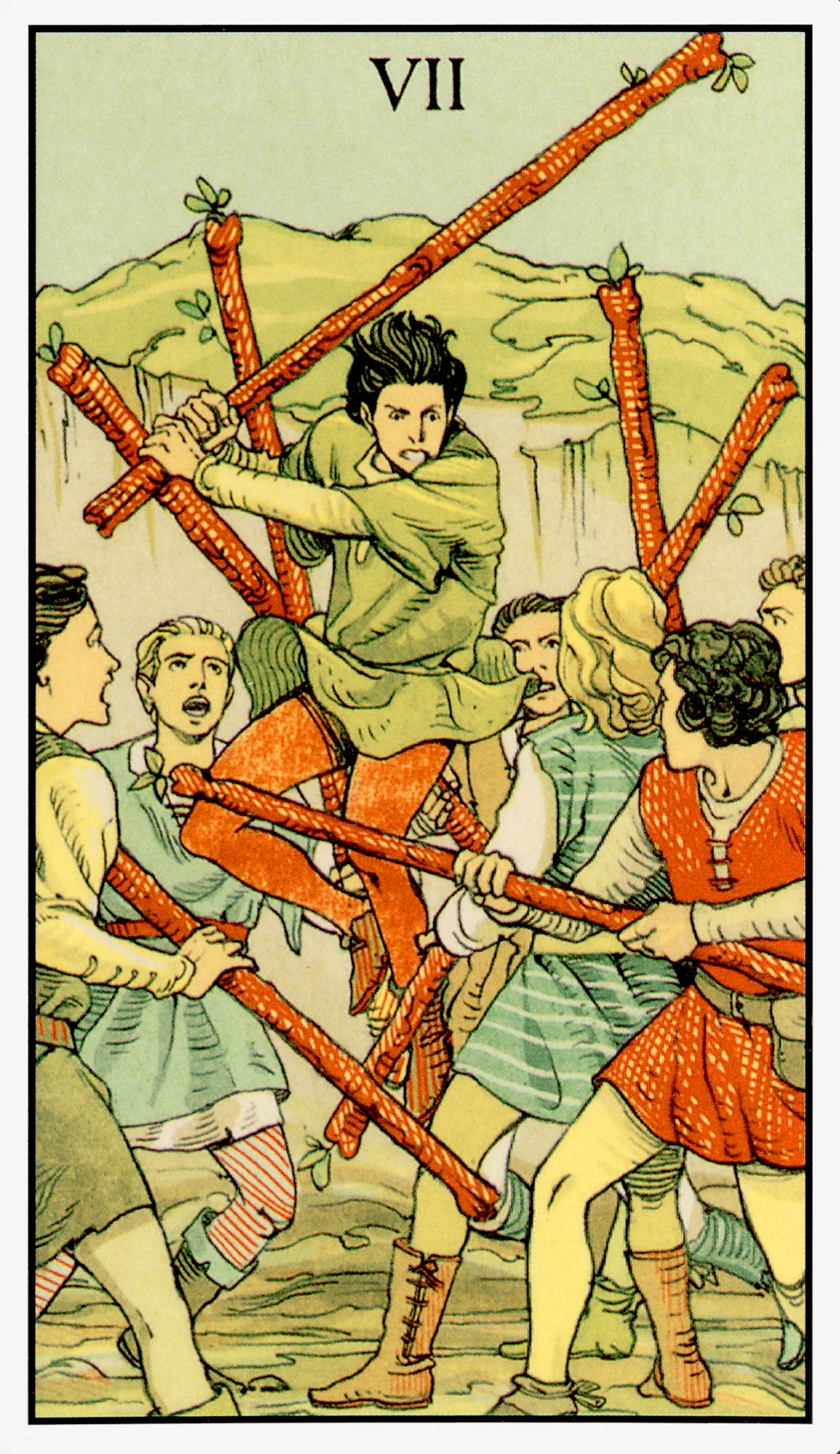
What apparently happened afterwards
Seven of Wands symbolism: one staff, six raised below
In the Rider-Waite-Smith portrait beside the upright and reversed sections, the Seven of Wands depicts a man standing with his feet apart on uneven raised ground. He wears a green tunic and holds a leafy staff diagonally across his body. Six wands rise from below; the people holding them are outside the frame. The numeral at the top is VII.
His footwear does not match: one foot has a low shoe, the other a taller boot. Readers sometimes connect that detail with being caught unprepared. The picture itself does not tell us how he dressed or what happened before the scene.
The Seven of Wands shows a higher position, but it is not a comfortable chair or a secure wall. That vantage can symbolize an advantage you still have to use carefully. The raised staffs suggest pressure; they do not establish that each unseen person is an attacker in your own life.
Notice which detail draws your eye first. If it is the uneven footing, you might ask what preparation would help. If it is the held wand, ask what response is proportionate. Describe the artwork in your own tarot deck before applying these associations.
Seven of Wands keywords, astrology, and numerology
Useful key meanings include courage, boundaries, resilience, and defending a position. Treat each keyword as a prompt. Overcoming obstacles might mean rehearsing a presentation; protecting self-expression might mean keeping an unusual idea while improving the way you explain it.
The Seven of Wands is a card in the Minor Arcana, in the suit of Wands. Many modern readers associate this suit with fire, initiative, and creative energy. Within Wands tarot card meanings, this Seven puts particular emphasis on responding to pressure without losing sight of your purpose.
In Thoth tarot astrology, this card is associated with Mars in Leo. You may see that described as ruled by Mars in the zodiac sign Leo; it is a symbolic correspondence used in that system, not an identification of who is challenging you. Other decks and traditions may organise correspondences differently.
In tarot numerology, seven is often used for reflection, testing, or reassessment. These associations can help frame a reading, but they are not laws about numbers controlling events. Check your deck's guide if its system differs.
How surrounding tarot card meanings change the reading
Read neighbouring cards as a conversation rather than a fixed code. With the Five of Wands, the Seven may invite you to distinguish a lively disagreement from a boundary that needs a firm response. With the Four of Wands, ask how a shared space can stay welcoming while respecting people's limits.
With a Pentacles card, the emphasis might shift toward practical capacity: time, resources, or the evidence behind a proposal. With the Eight of Wands, consider whether quick messages amplify a misunderstanding. Read the actual question before deciding what the pair means.
The Seven of Wands represents a challenge to your position in many modern readings. A neighbouring card does not prove that someone wants to harm you, and the pair should not turn ordinary feedback into evidence of a conspiracy.
A historical reading from A. E. Waite
In The Pictorial Key to the Tarot, A. E. Waite describes a young man on raised ground with six staves directed towards him. He associates the Seven with valour, discussion, competition, and the advantage of a higher position. His reversed list includes perplexity, anxiety, and a caution against indecision.
Those are historical divinatory associations, not evidence that a modern reader will win a dispute. You can use the contrast constructively: clarify a position, assess the opposition, and decide whether continuing is worth the effort. Pamela Colman Smith's illustrated scene gives the reader details to consider; Waite's interpretation is one tradition rather than a compulsory answer.
One card, many perspectives
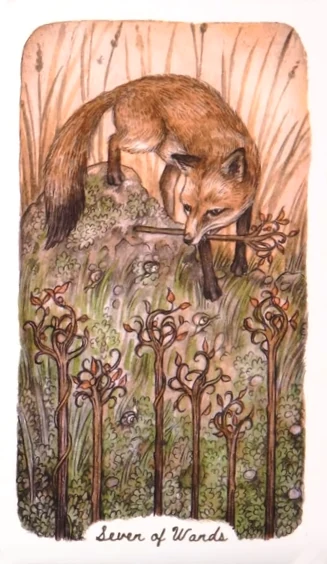
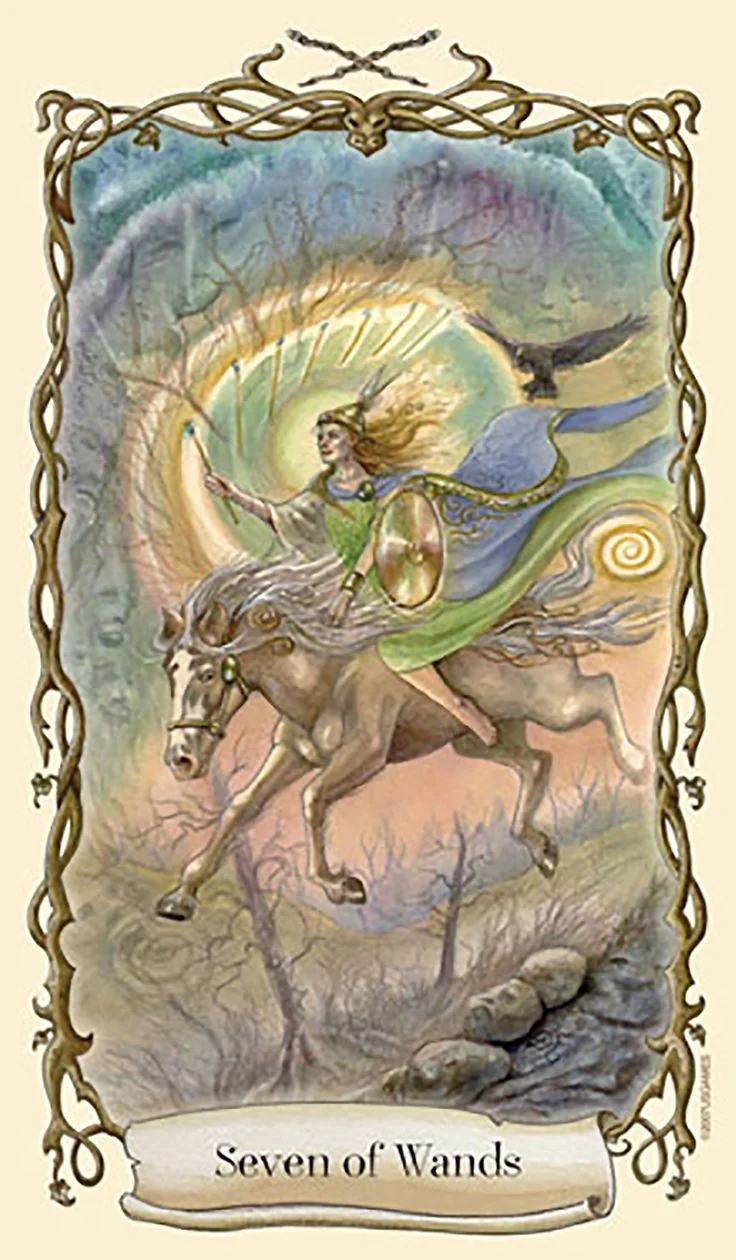
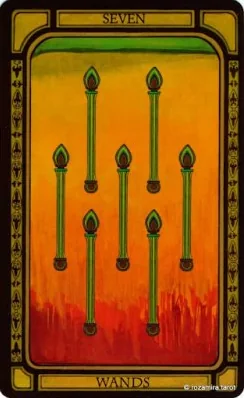
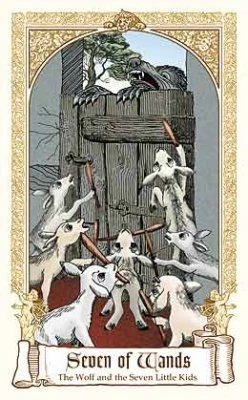
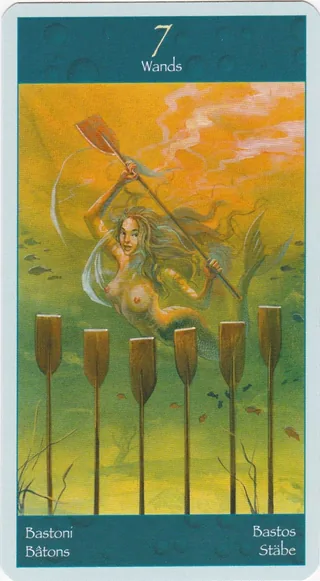
See Seven of Wands Card from Other Decks
Discover how other tarot decks interpret this card. Select a deck to explore its full review and gallery.










Seven of Wands frequently asked questions
What does the Seven of Wands mean upright and reversed?
Upright, it commonly suggests courage, persistence, and protecting a position or boundary. Reversed, it can invite reflection on exhaustion, uncertainty, or automatic defensiveness. Choose the interpretation that fits your question and the facts you can observe.
Does the Seven of Wands mean someone is against me?
No. The scene can help you reflect on pressure or disagreement, but it does not establish another person's motives. Clarify what happened before assuming jealousy, hostility, or a hidden plan.
Is the Seven of Wands a yes or no card?
Some readers lean toward a conditional yes for a defensible goal with realistic support. Reversed, they may suggest reviewing your capacity first. Neither orientation reliably predicts the result or replaces facts and consent.
What should I do after pulling the Seven of Wands?
Name one boundary or goal that matters, check the resources available, and choose a proportionate response. That might mean explaining your case, asking for help, or leaving a minor argument alone.