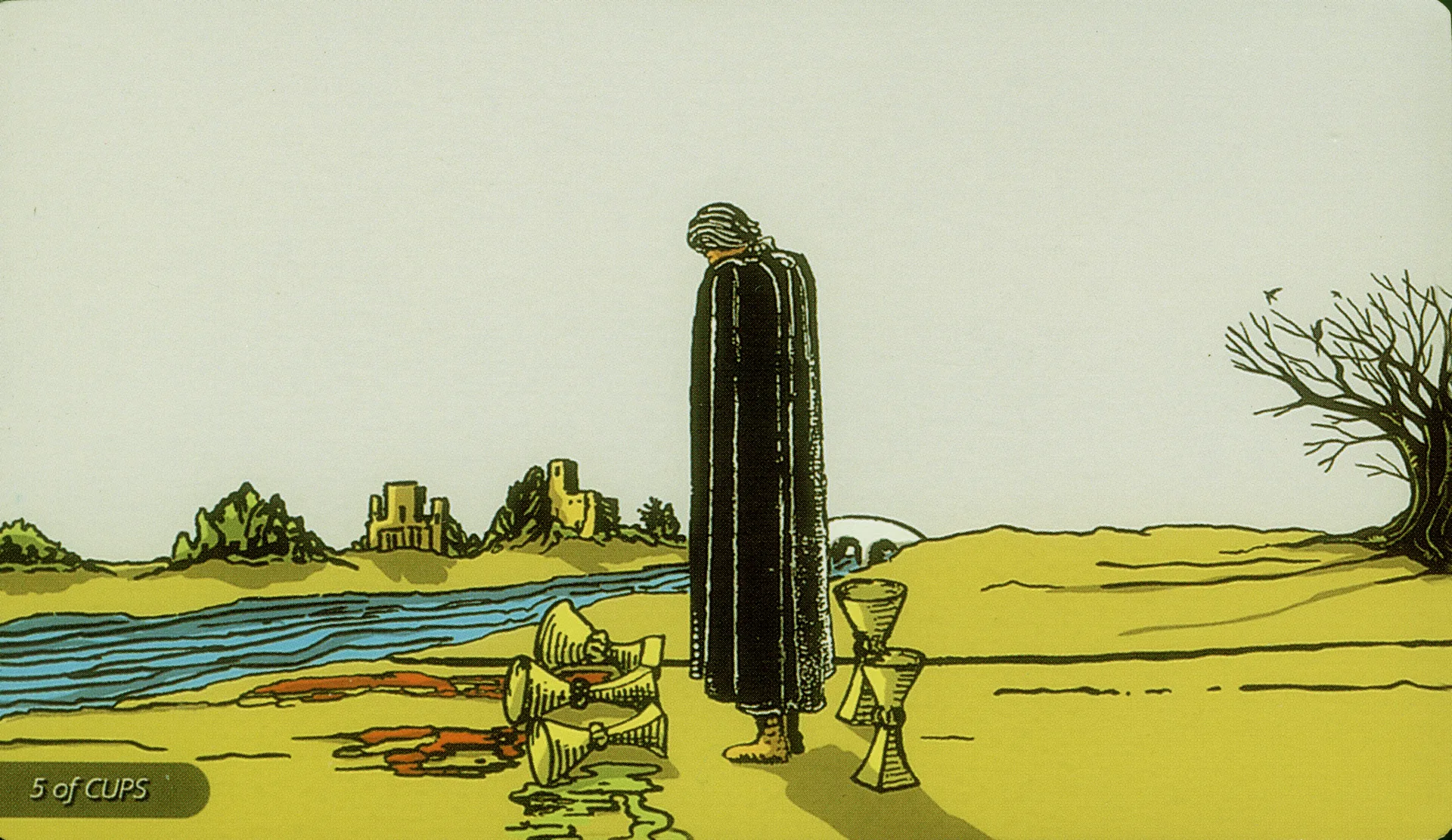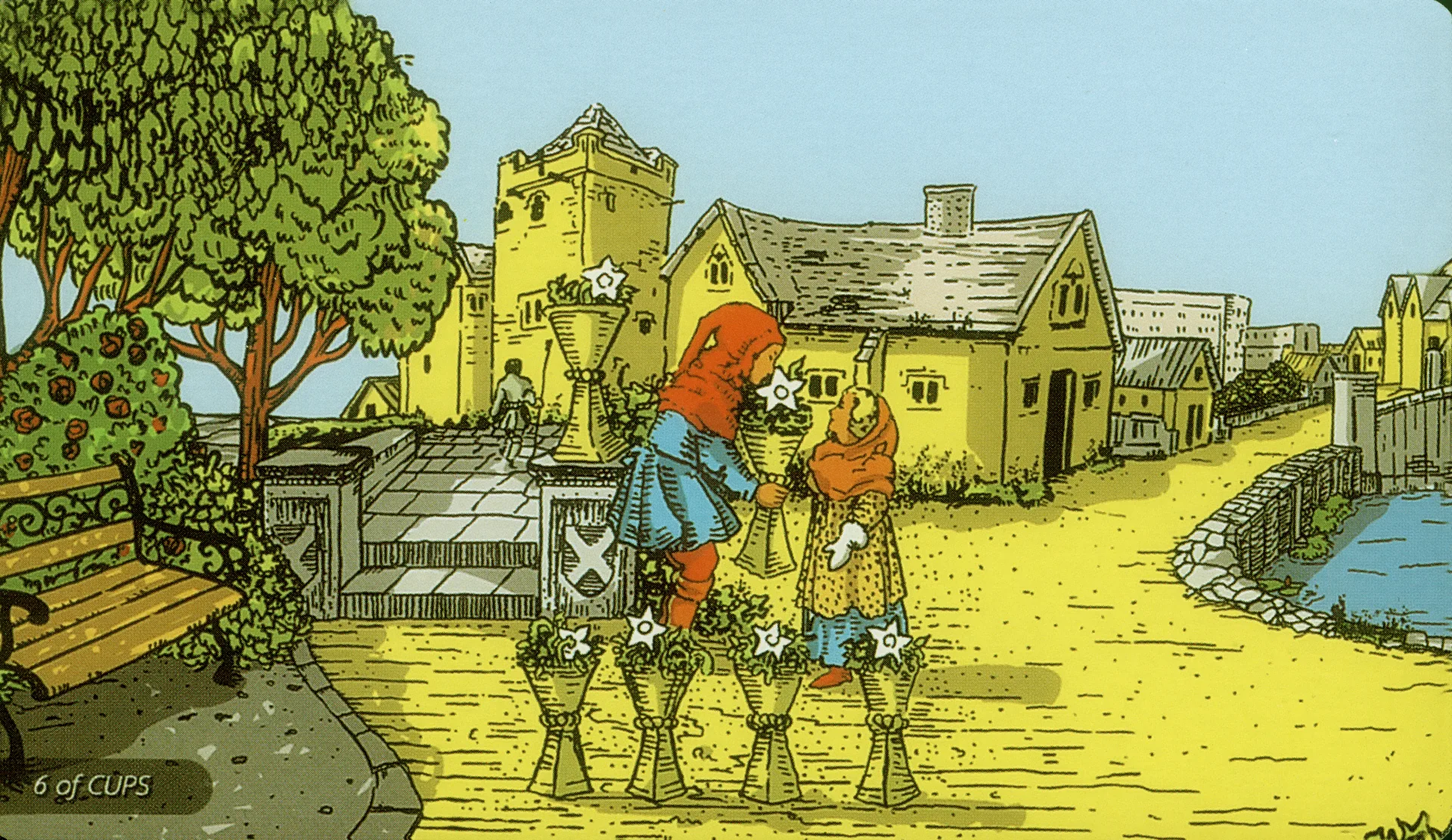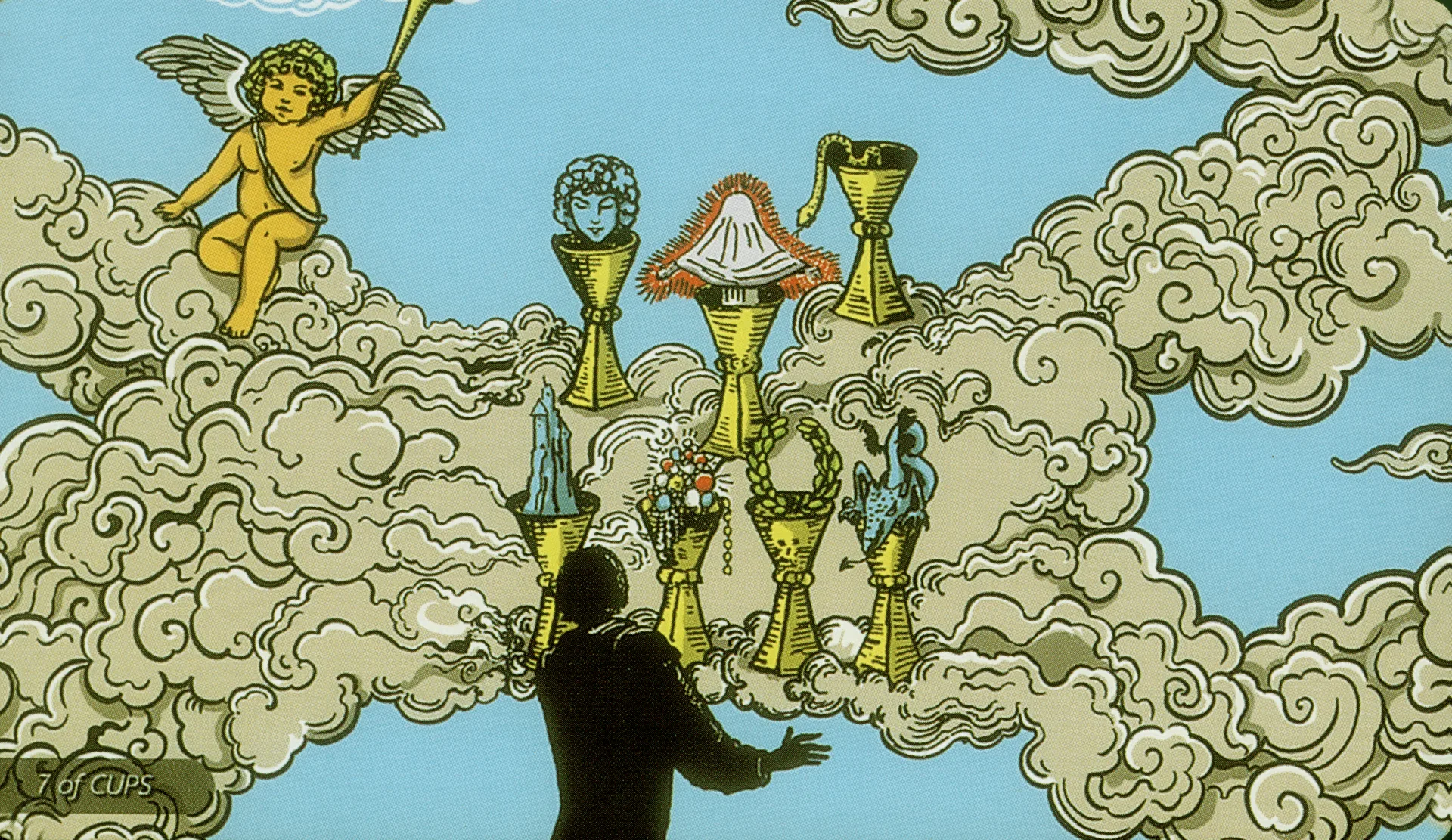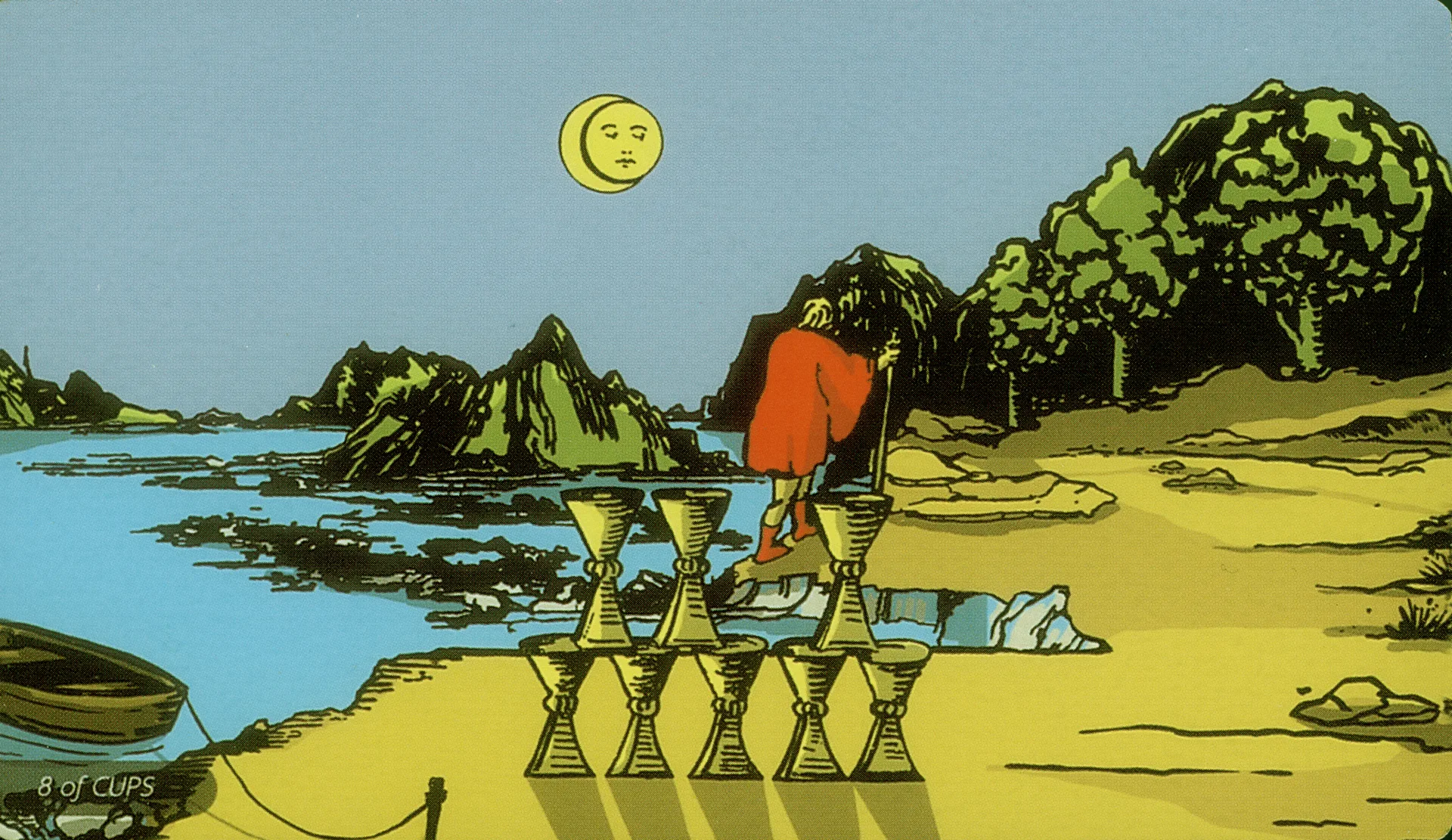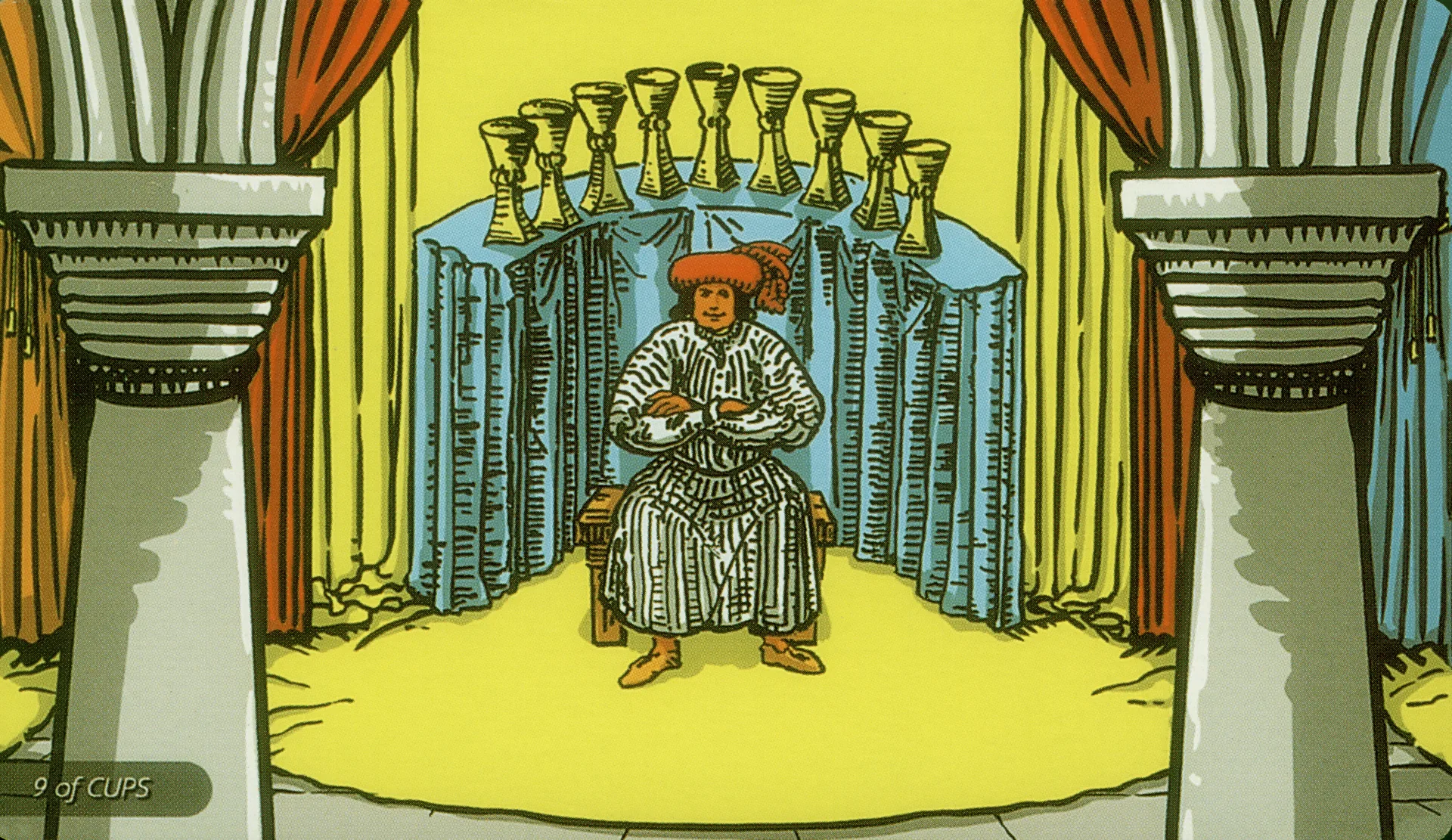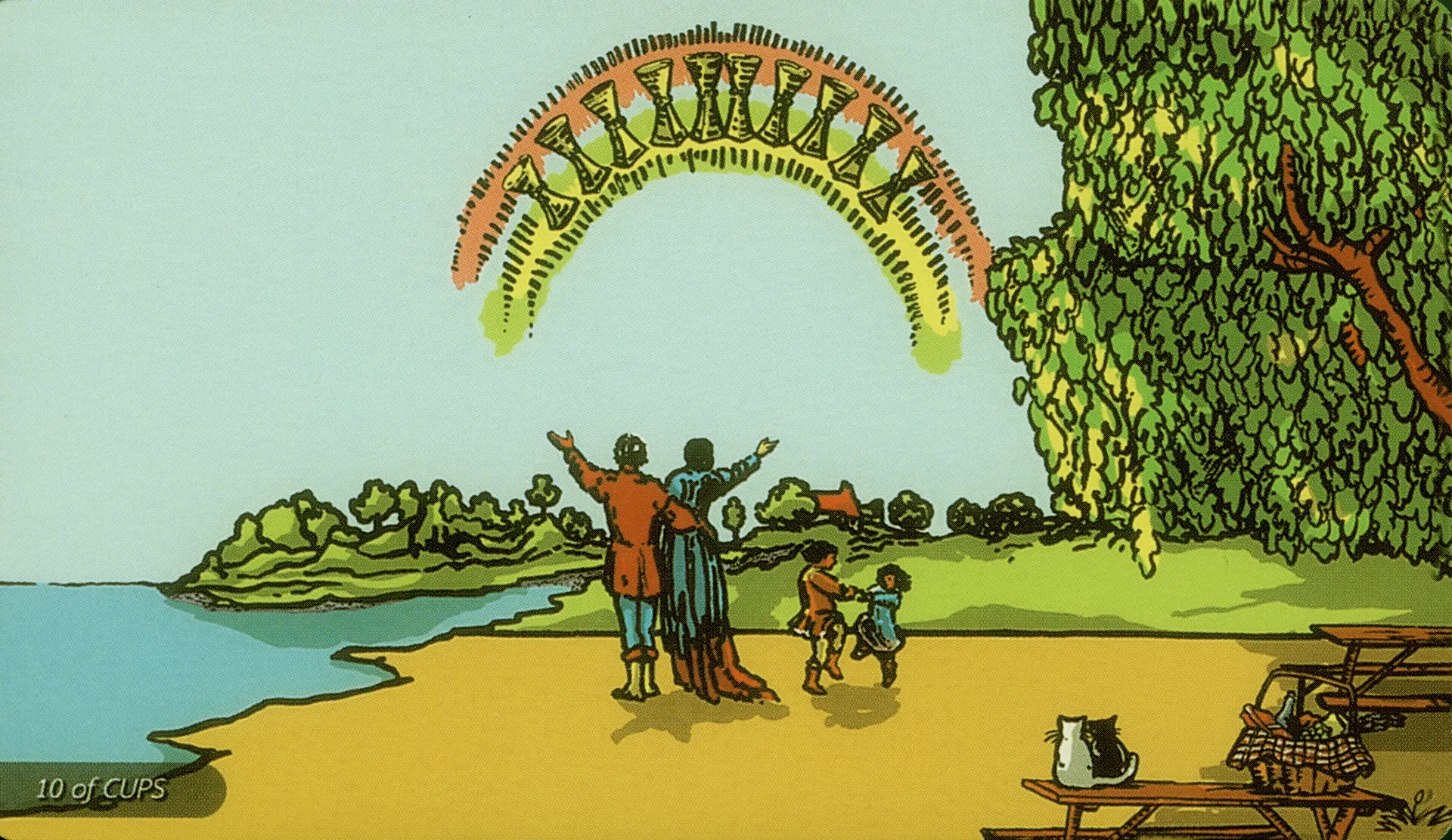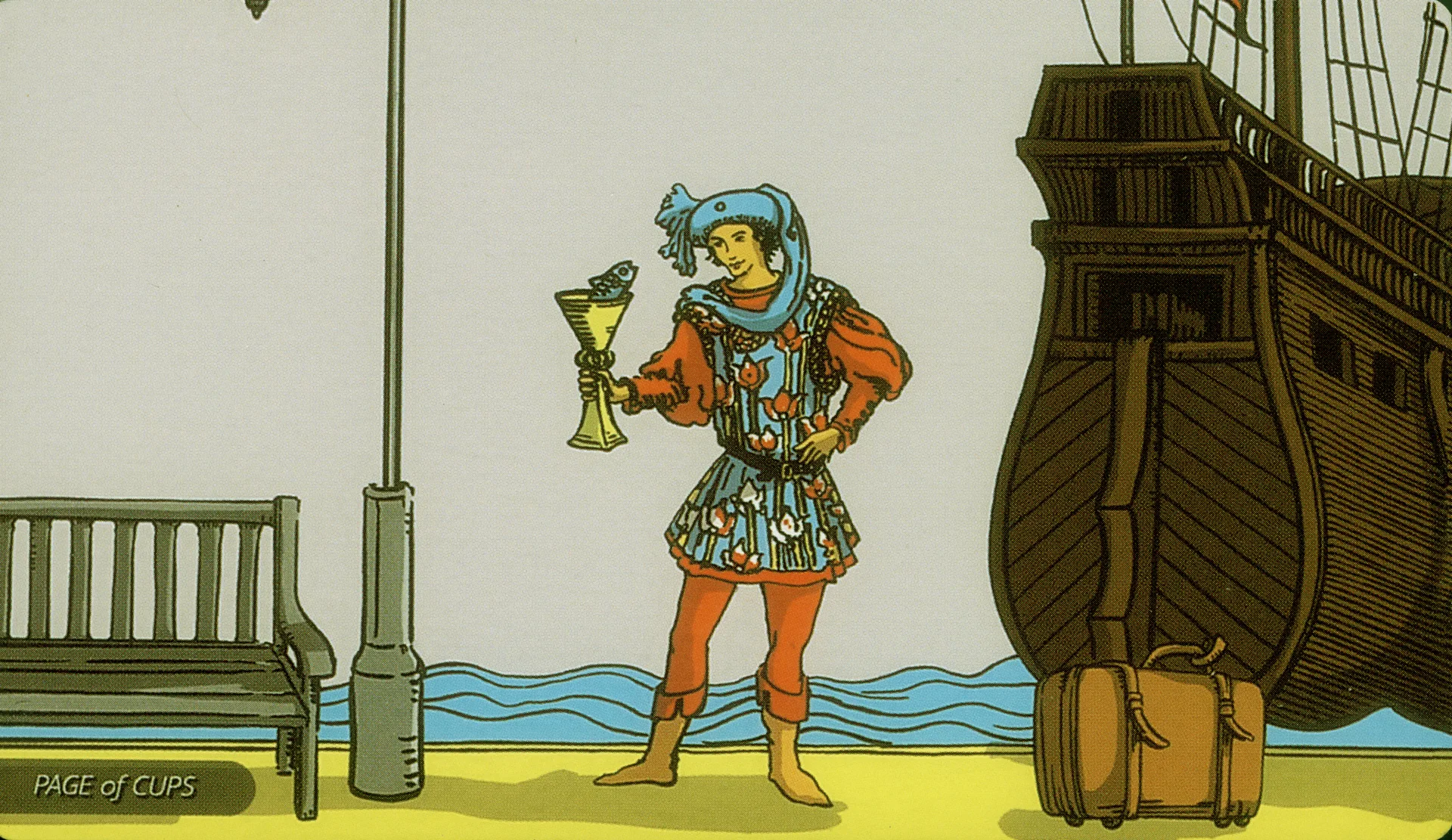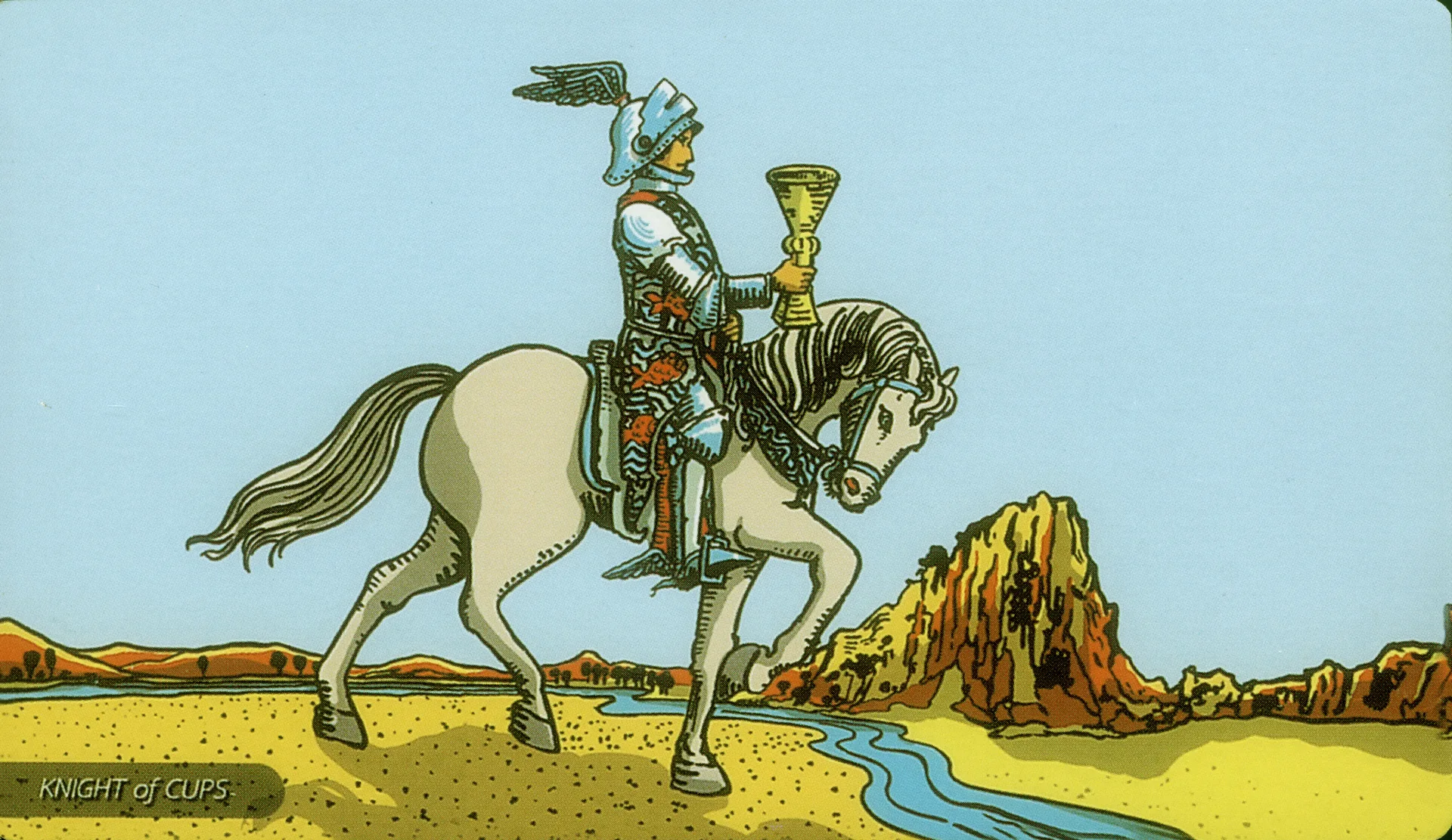
The King of Cups tarot card meaning centres on emotional maturity, compassionate leadership, and steady judgment. Upright, it encourages you to take feelings seriously while choosing a thoughtful response. Reversed, it can bring bottled-up emotions, poor boundaries, or the misuse of emotional influence into view.
Imagine a difficult conversation in which you listen without agreeing to everything. You can understand why someone is upset and still say what needs to change. The King of Cups represents that balance between care and responsibility. It offers a way to reflect on your choices, not proof of someone else's character or private feelings.

King of Cups Tarot Card Meaning at a Glance
- Main keywords: emotional maturity, calm support, wise compassion
- Upright meaning: responsible action, strong judgment, and mature control of this suit. In the Cups suit, this connects to feelings, love, friendship, intuition, and the heart
- Reversed meaning: control issues, stubbornness, or leadership without empathy. The reversed meaning asks you to check how you are handling feelings, love, friendship, intuition, and the heart
- Yes or no: yes when feelings are handled with maturity
- Best question to ask: What is this card trying to help me understand right now?
King of Cups upright meaning: care with clear judgment
The upright King of Cups suggests emotional balance rather than emotional silence. You might feel angry, disappointed, or excited and still decide when to speak, what to promise, and where to set a limit. Emotional control means choosing your response, not forbidding yourself to feel.
In an advice position, this card favours being a calm presence without taking over. Ask what would help before offering a solution. If a friend wants to talk, you could say, "Would you like me to listen, or help you think through the options?" Compassion and understanding become more useful when they respect the other person's wishes.
Readers often connect this King with mastery of emotional life. That is an aspiration, not a claim that an emotionally mature person never struggles. A thoughtful apology, a pause before reacting, or a clear boundary can show emotional intelligence in an ordinary moment.
If the card points to a person in your life, look for observable qualities: patience, reliable support, and the ability to hear a different view. A mentor or counsellor may fit the role, but the card does not certify their competence. The court archetype can describe someone of any gender or age, including you.
King of Cups tarot card meanings in a tarot reading
In tarot spreads, the position changes the emphasis. In the past, this card may prompt you to consider the example set by someone supportive. In the present, it can ask how you are handling responsibility while feelings run high. In the future, read it as an approach you could practise, rather than a guarantee that a wise helper will arrive.
The King of Cups brings compassion and wisdom into the same decision. Ask what that would look like in the situation you are actually facing. Staying polite while ignoring the problem is different from handling it calmly.
Love and relationships: dependable affection
In a love reading, this Cups card can indicate the value of patient, consistent care. In an established relationship, that might mean listening through an uncomfortable conversation, keeping a promise, or making space for each person's needs. A harmonious relationship still allows disagreement.
If you are dating, notice whether warmth comes with reliability. Someone can be charming during a long evening and unavailable when you need a clear answer. Give a deep connection time to develop through mutual effort rather than assuming the card confirms a perfect match.
As a feelings card, the King may invite reflection on emotional depth or affection expressed quietly. It cannot tell you that an ex still loves you or that a reserved person is hiding a commitment. Ask directly when appropriate and respect their answer. Compassion does not require waiting indefinitely for someone who will not communicate.
Career, money, and school: lead with emotional awareness
At work, the King of Cups suggests listening carefully while keeping decisions fair. A team leader might acknowledge a colleague's frustration, then clarify the deadline and agree on a workable adjustment. Being empathetic does not mean giving the loudest person everything they ask for.
The card can also encourage a thoughtful use of creative skills or an interest in supportive work. If counselling, teaching, or a helping profession appeals to you, check the training and responsibilities involved. A tarot card is a reflection prompt, not a qualification or a promise of a new job.
For financial choices, separate a strong feeling from a sound plan. If someone asks for a loan, decide what you can afford and agree on terms before saying yes. Generosity is easier to sustain when it does not put essential bills at risk. Use real figures and qualified advice for significant money decisions; the card does not promise financial stability.
In school, practise being the group member who hears concerns without doing everyone's work. Agree on who will handle each task and raise a problem early. Calm cooperation includes accountability.
King of Cups reversed: notice what calmness may conceal
The reversed King of Cups may describe difficulty expressing feelings, a lack of emotional boundaries, or an attempt to control a situation through other people's reactions. Check the behaviour before choosing the meaning. Going quiet to gather your thoughts is different from withholding contact to punish someone.
You might repress a feeling because you want to seem reasonable, then become resentful when nobody notices. Try naming the issue plainly: "I agreed too quickly. I cannot take on that extra task." Being honest sooner gives everyone a clearer choice.
Some readers use emotional instability, moodiness, or being overly sensitive as reversal keywords. These are interpretive labels, not diagnoses. Feeling hurt does not make someone immature, and a reversed card cannot identify a mental health condition. Look at the specific response and its effects.
Emotional manipulation is another traditional possibility. Guilt, threats, or making another person responsible for your happiness are behaviours worth taking seriously when there is real evidence. Do not use a card to accuse someone. If a relationship feels unsafe, seek appropriate support rather than trying to settle it through a reading.
A reversal can also turn the advice inward. You may need time to understand your own needs before you can offer steady support. Self-compassion can include declining a request, having a private cry, or asking someone else to listen.
King of Cups yes or no meaning
Some readers lean toward yes when a question concerns a considerate conversation, responsible leadership, or accepting support. Reversed, they may suggest waiting until expectations and boundaries are clearer. Neither position predicts another person's consent or guarantees an outcome.
For a decision that matters, ask what you need to know before choosing. A calm feeling can be helpful, but it cannot replace a contract, a budget, or an honest answer from the person involved.
Advice: let feelings inform you without making every decision
The King of Cups' emotional wisdom is useful when a negative feeling arises and you are tempted to respond immediately. Notice the feeling, decide whether the situation needs action now, and choose words that address the actual problem. You can return to a conversation after taking a short break.
Leave room for enjoyment as well. Care can look like cooking together, sharing music, or making time for an easy conversation. You do not have to turn every meeting into emotional work. Steadiness can help you relax enough to appreciate what is already good.
For health and wellbeing, use the card to consider support and everyday habits, not to interpret symptoms. Tarot and oracle cards cannot diagnose illness, confirm pregnancy, or promise a cure. If distress affects daily life, a qualified professional can help in ways a reading cannot.
One archetype, four perspectives
King of Cups Across Four Tarot Decks
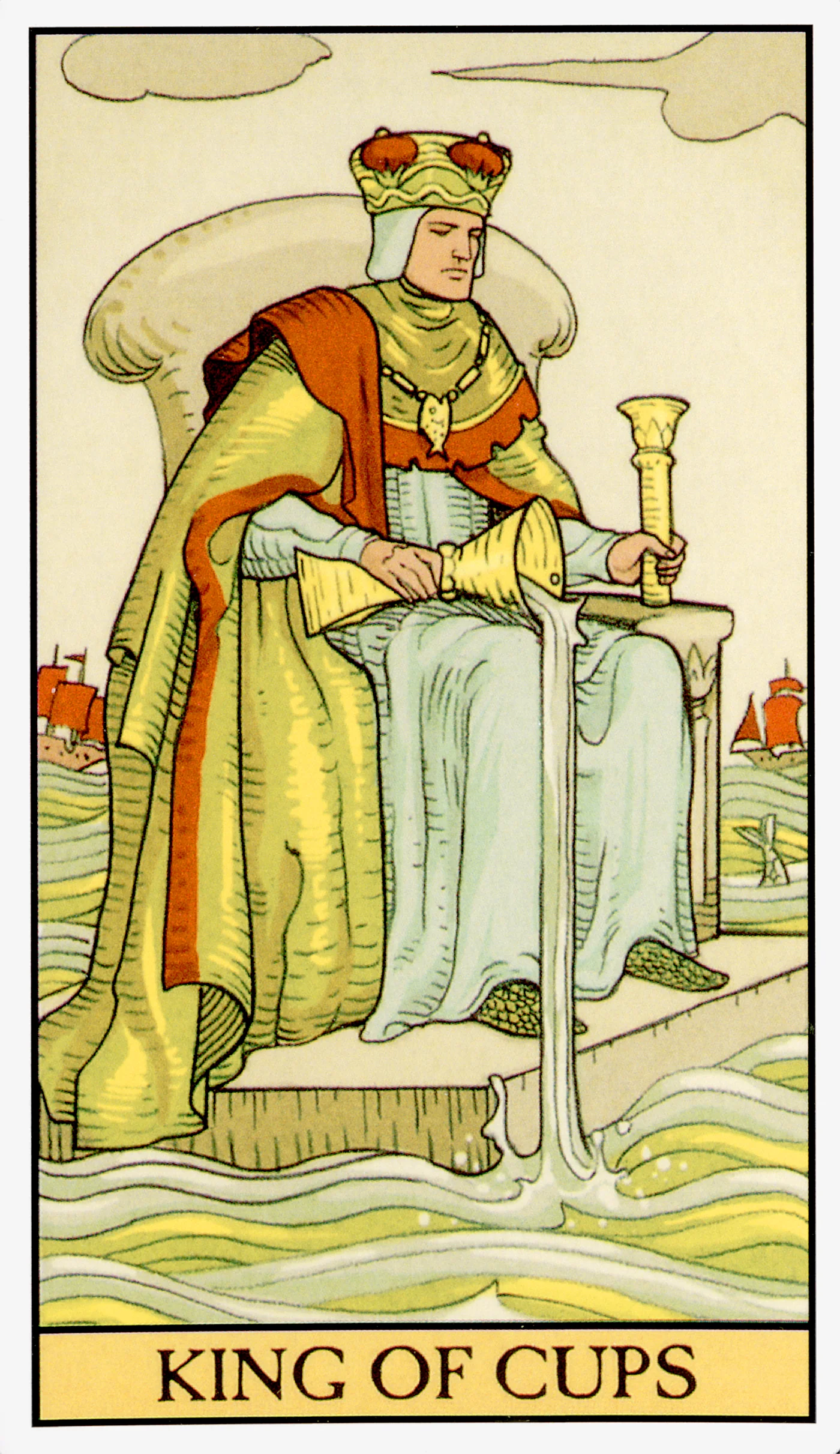
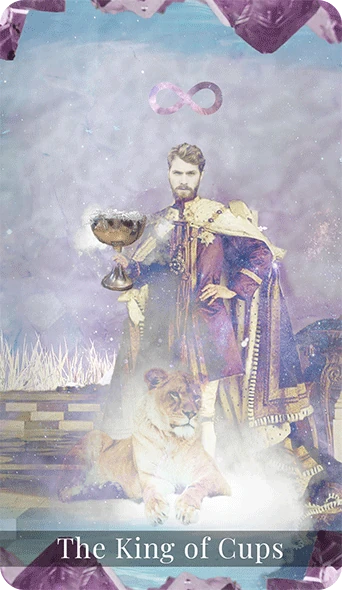
Compare the familiar Rider-Waite-Smith card with the moments before, behind and after the classic scene in three Lo Scarabeo decks.
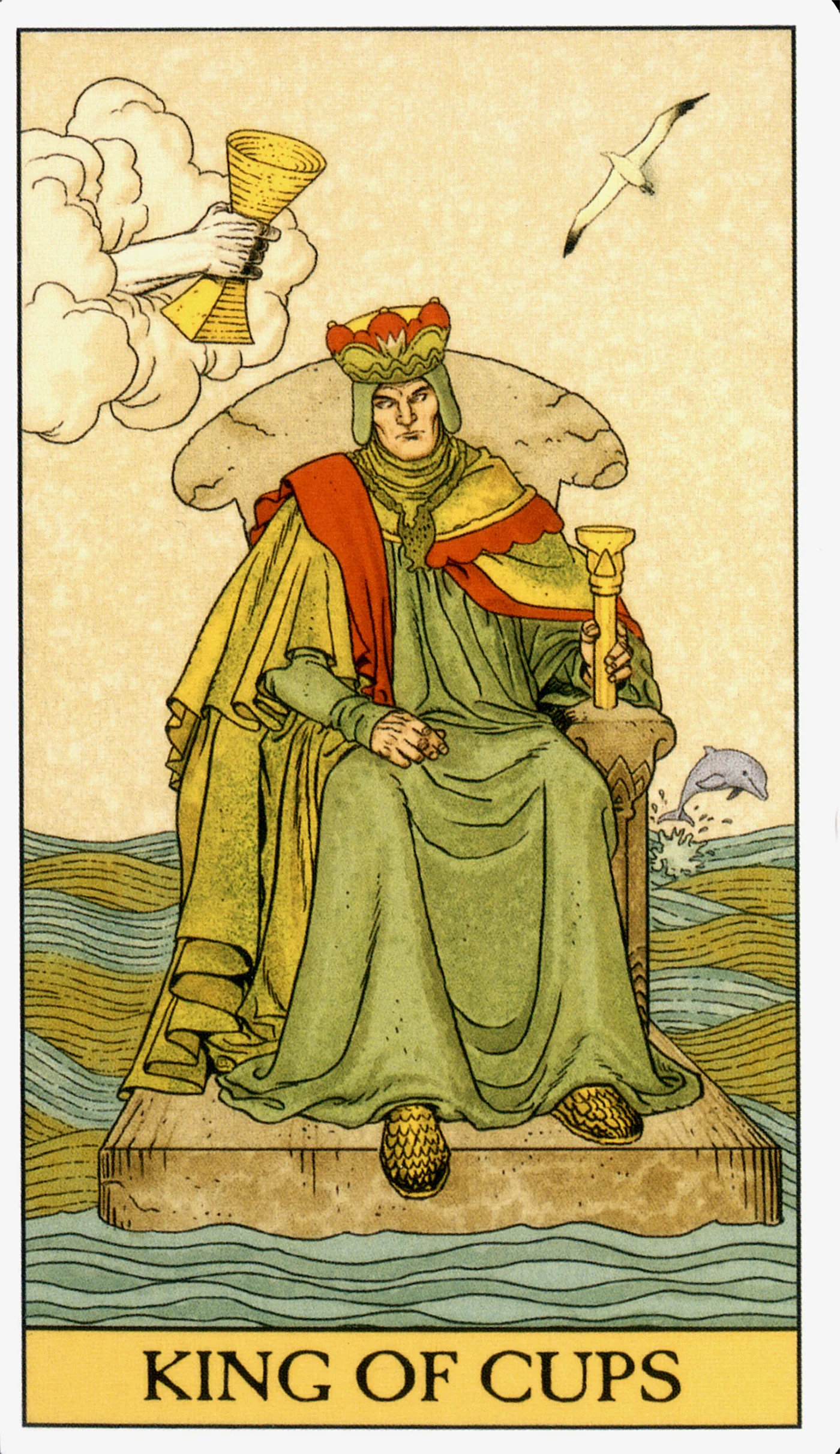
What apparently happens just before
What actually happened
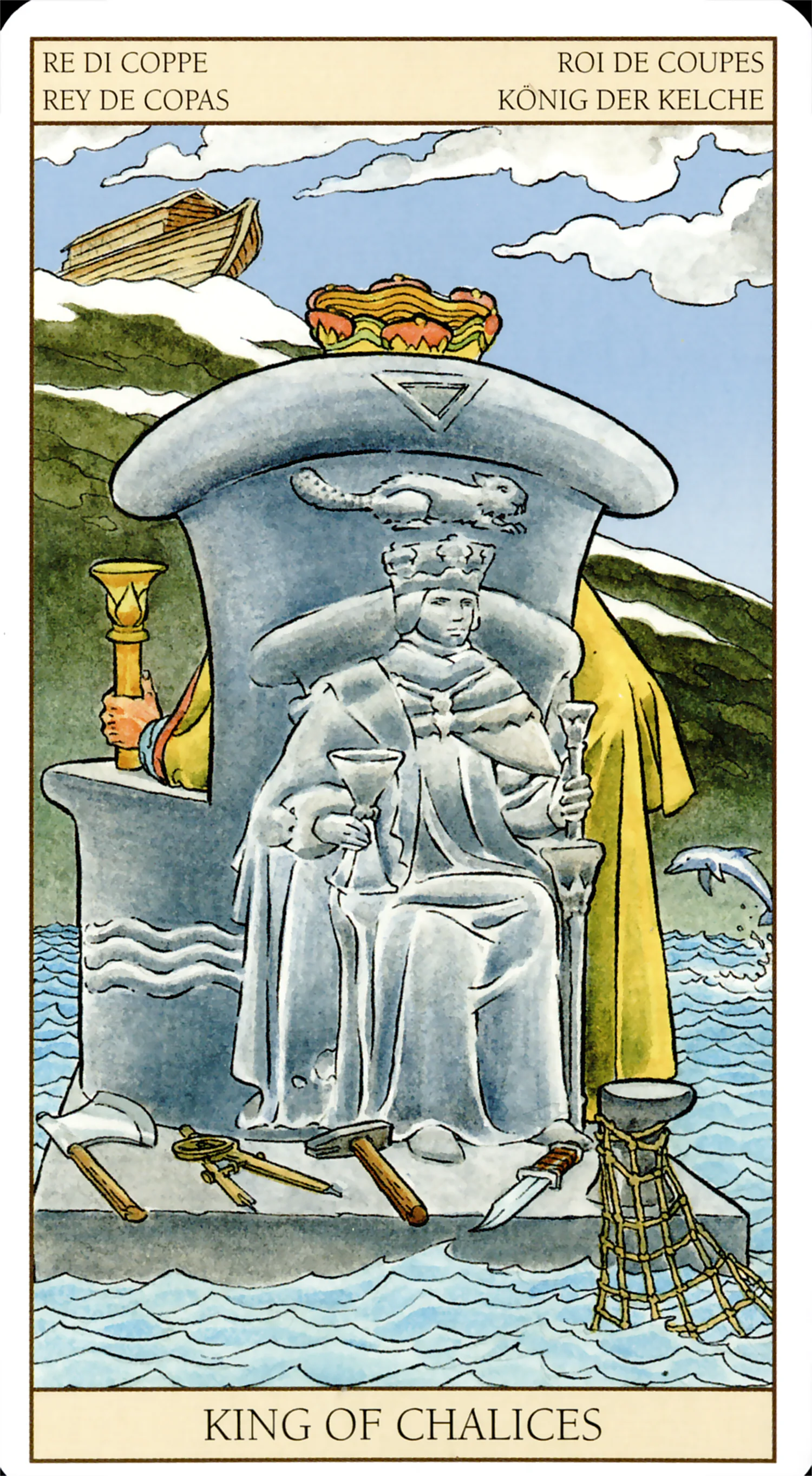
What happened on the opposite side
What apparently happened afterwards
Card description: a throne among the waves
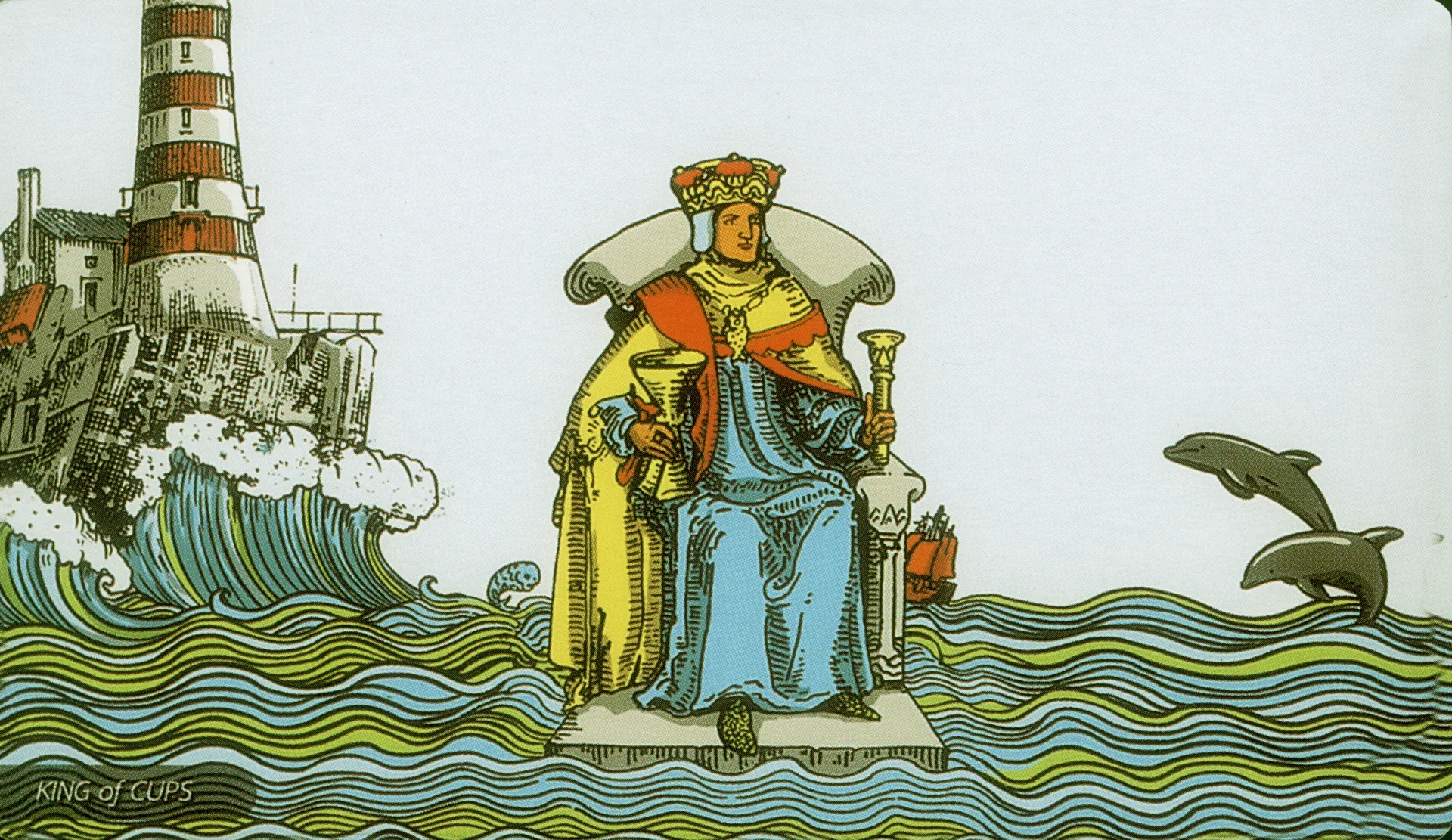
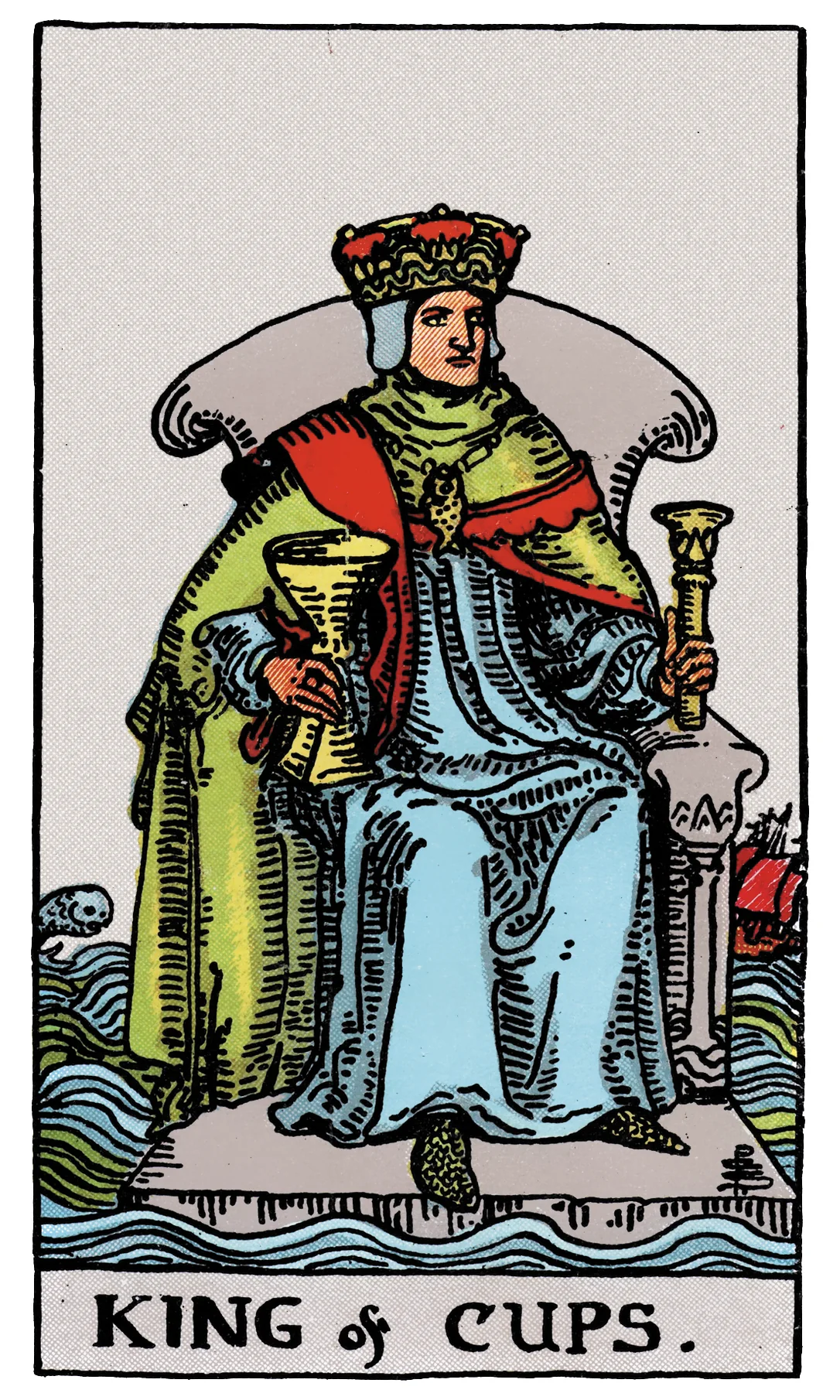
The Rider-Waite-Smith card shows a crowned figure seated on a throne on a stone platform surrounded by waves. The king holds a cup in one hand and a scepter in the other. He wears a blue robe beneath a yellow-green cloak with red trim, and a small fish-shaped amulet hangs around his neck. A fish appears above the water on the viewer's left; a red-sailed ship is on the right. The lower border reads KING of CUPS.
The throne and platform look steady while the water moves around them. Readers often connect that contrast with remaining responsive in the middle of a turbulent sea of feelings. The cup commonly represents emotional life, while the sceptre suggests authority. These are symbolic interpretations of the portrait, not evidence of what the figure privately thinks.
The necklace can invite an association with creativity or the life beneath the surface. Notice that the original portrait differs from this page's expanded panorama. Use the labelled card portrait for close study rather than treating every addition in a decorative illustration as an original Rider-Waite-Smith symbol.
King rank, the Cups suit, and correspondences
The King of Cups is one of the four Cups court cards in a standard tarot deck of 78 cards. It has the King rank in the Minor Arcana, rather than a Major Arcana number. Some guides call an individual card an arcanum, but this one is identified by its court rank and suit.
Cups tarot card meanings commonly concern relationships, feelings, imagination, and receptivity. Many systems connect the suit with water. Elemental and zodiac assignments for court ranks differ between traditions, so check your deck's tarot guide before treating any planet or sign as universal.
Older descriptions sometimes assign this role to an older male or a fatherly spiritual guide. You can retain the qualities of responsibility and care without limiting them to a gender, age, appearance, or fixed personality. A title such as King describes the archetype, not who is allowed to embody it.
Nearby cards: Queen of Cups and King of Swords
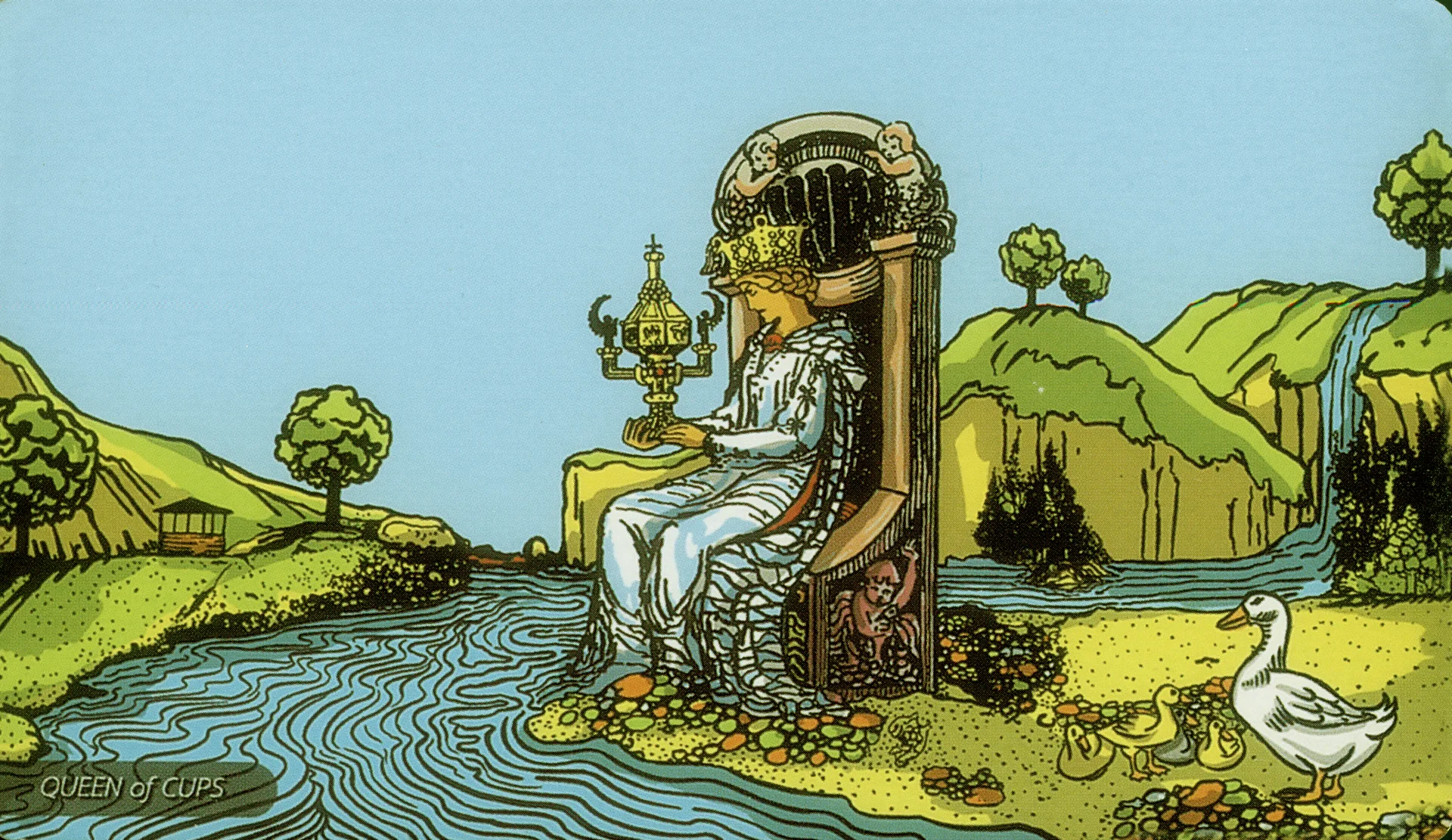
When reading tarot, compare the court roles rather than ranking the people they might describe. The Queen of Cups often emphasizes receptive attention and intuition; this King more often brings those concerns into outward responsibility. Both can be compassionate, and neither role requires a particular gender.
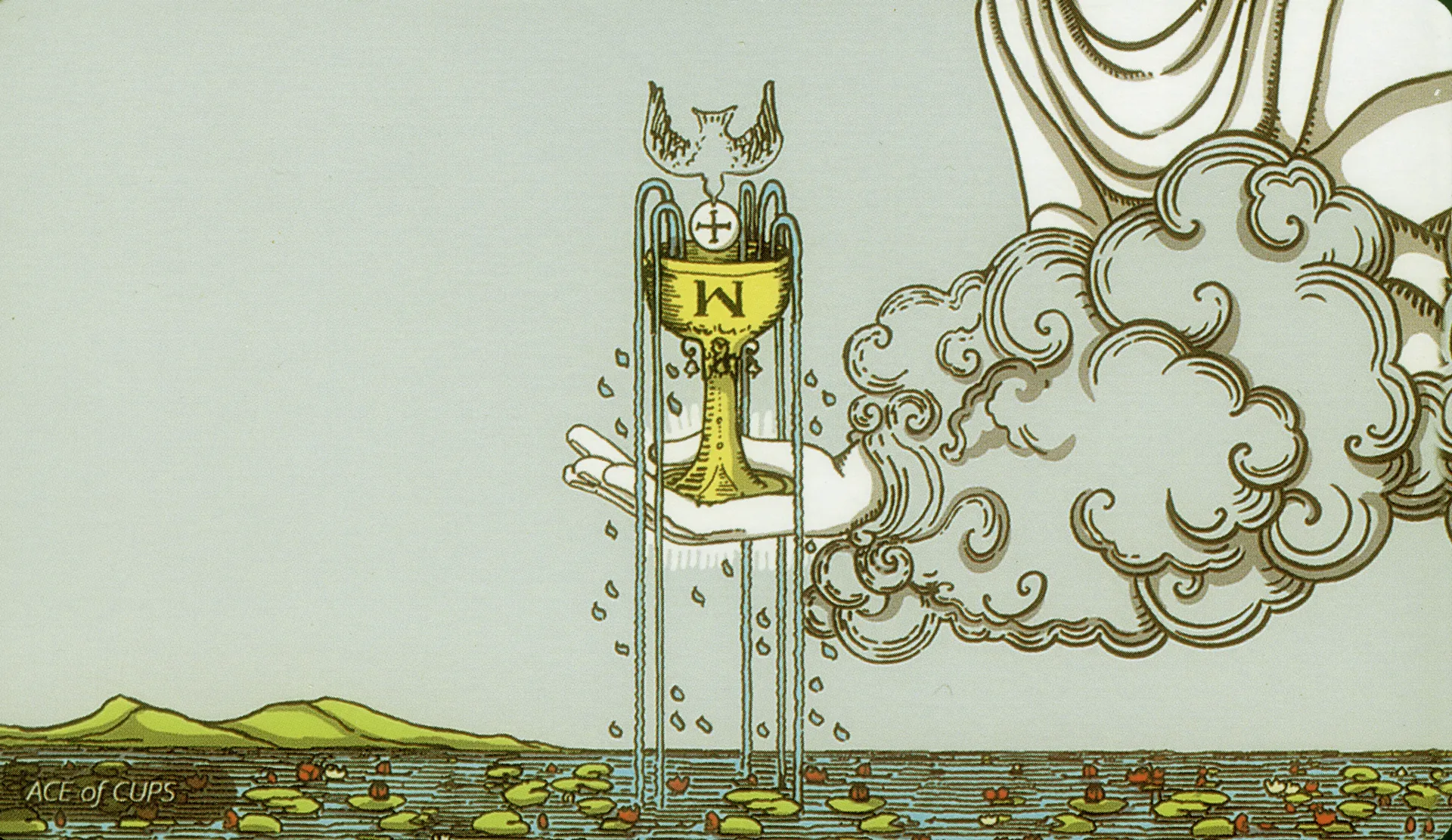
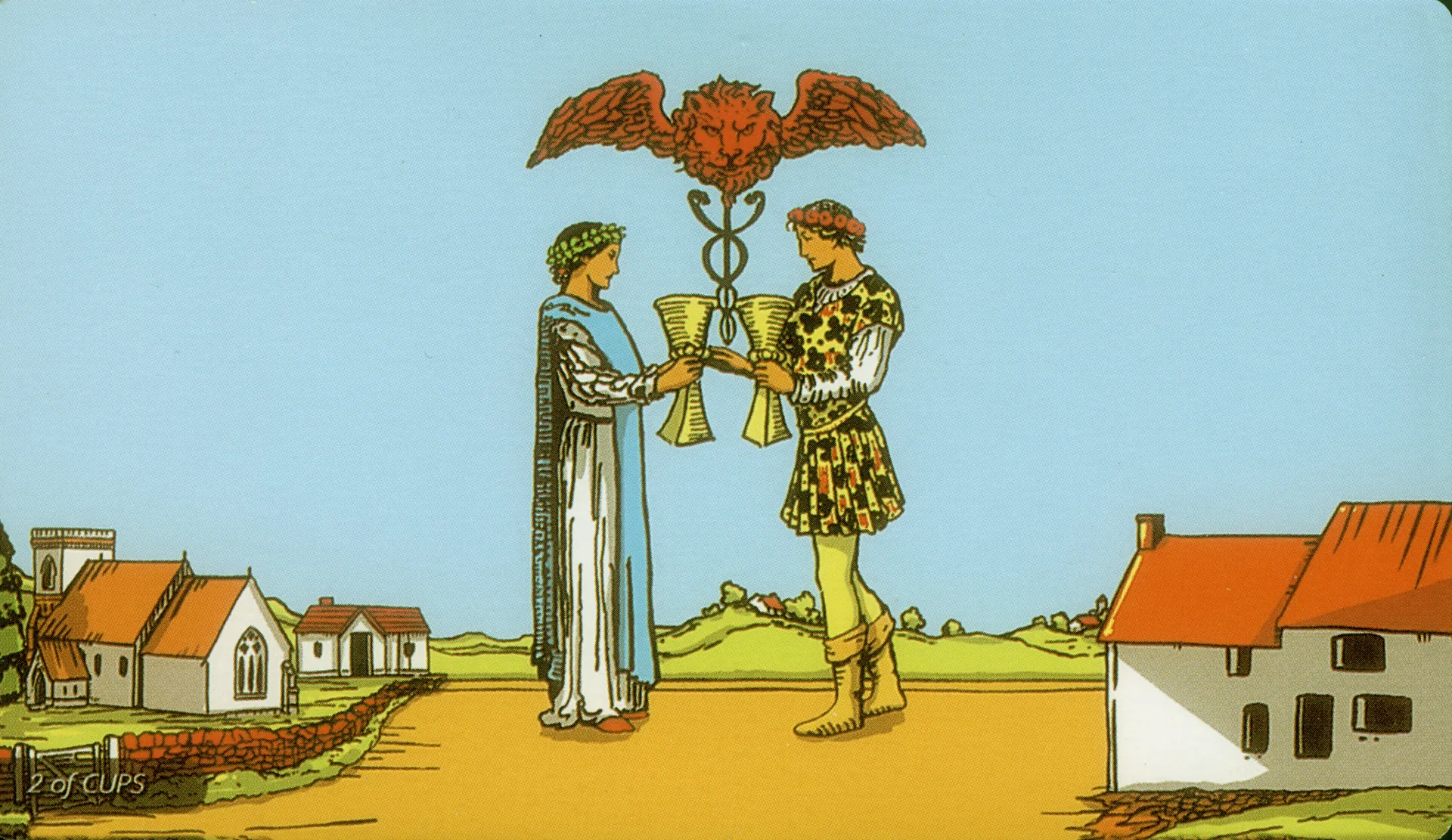
The King of Swords commonly emphasizes clear reasoning, language, and standards. Beside the King of Cups, it may prompt you to put a caring intention into precise words or a fair agreement. With the Five of Cups, consider how to support disappointment without rushing someone to feel better. With the Two of Cups, look for mutual care rather than one person carrying all the emotional work. These are contextual reading examples, not fixed combination predictions.
Reflection questions and practical tarot exercises
For self-reflection, write down one feeling and the event that prompted it. Then separate what you know from what you have assumed. "They have not replied" is an observation; "they do not care" is an interpretation that may need checking.
- Where could I listen without trying to manage the emotions of others?
- What boundary would make my support more sustainable?
- What would a kind, clear response look like today?
- Who can offer support when I am usually the person giving it?
Choose one answer you can act on, then leave the reading there. Repeatedly drawing cards until they reassure you can make the original question harder to hear.
One card, many perspectives
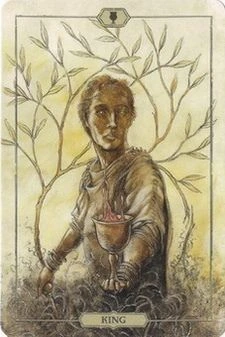
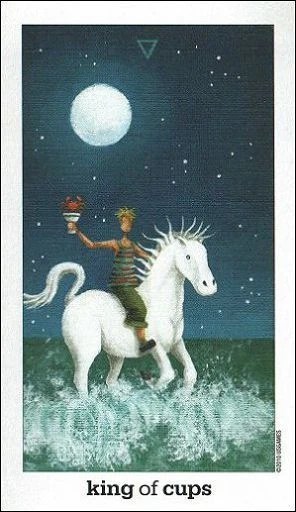
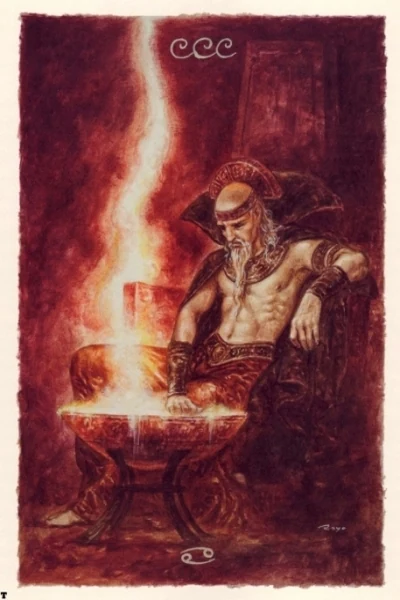
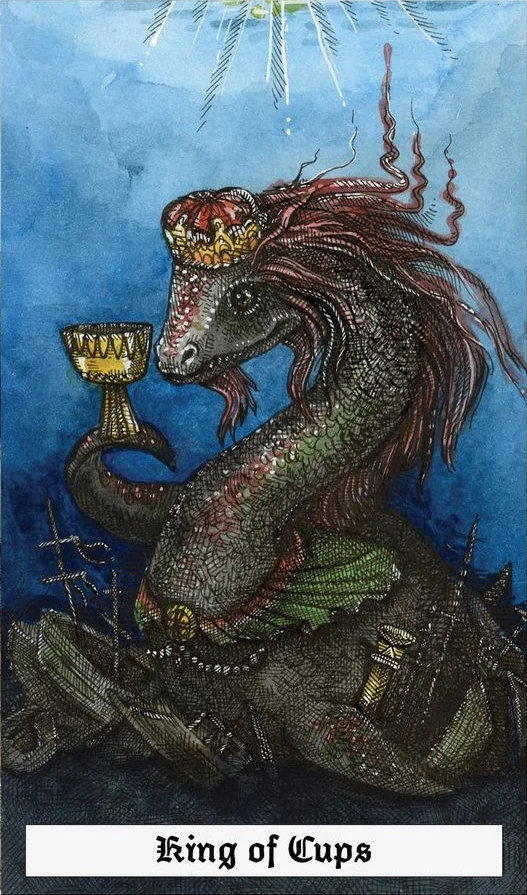
See King of Cups Card from Other Decks
Discover how other tarot decks interpret this card. Select a deck to explore its full review and gallery.









King of Cups FAQ
What does the King of Cups mean upright and reversed?
Upright, it commonly suggests emotional balance, considerate leadership, and reliable support. Reversed, it can focus on bottled-up feelings, poor boundaries, or the misuse of emotional influence. Read the position, question, and observable situation together.
Does the King of Cups mean someone loves me?
It can prompt reflection on steady affection or emotional depth, but it cannot reveal private feelings. Look at mutual communication and consistent behaviour rather than treating the card as proof of love.
Does the King of Cups have to represent a man?
No. The King is a court-card archetype that can describe anyone taking responsibility while showing care. Gender, age, appearance, and a fixed personality are not requirements.
What should I do after pulling the King of Cups?
Choose a caring action with a clear limit: listen before advising, explain a boundary, or pause before responding to a difficult message. Let the card help you consider a response rather than decide for you.