Zillich Tarot Card Gallery
Explore this verified partial Gallery in tarot order. Choose a group below, then select any card to open its larger Lightbox view.

A note from Aurica
Zillich Tarot feels as though watercolour has learned to remember dreams. Faces, animals, and symbols drift into one another without losing their emotional pull, so my first response is often a feeling before it is a sentence. I notice where the colour grows warm, where a figure leans away, and which small shape keeps asking for my attention.
The Star is the card I linger over here. Its great yellow light seems to become a person, while the dark striped ground makes that brightness feel chosen rather than effortless. In a reading, I hear it as hope with its sleeves rolled up: not a promise that everything will be easy, but an invitation to keep feeding the one clear spark that still feels alive.
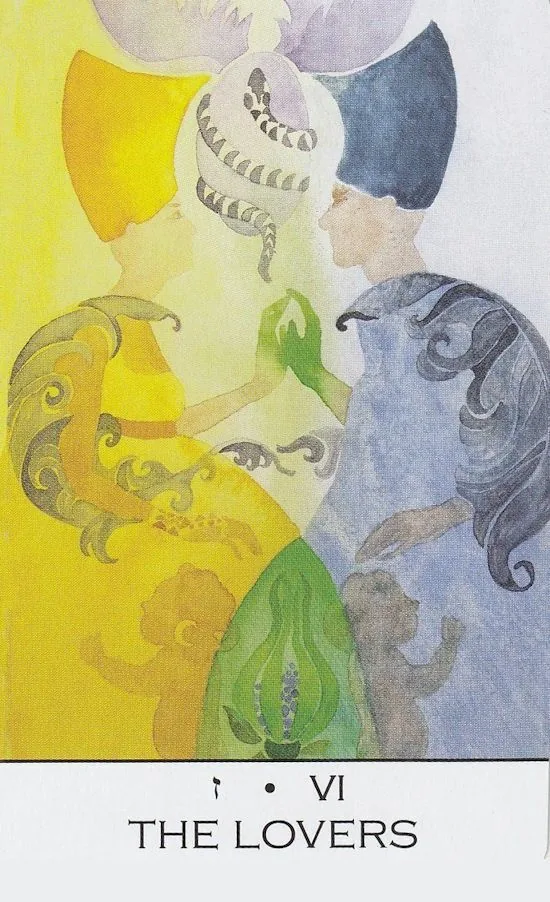
Beside it, The Lovers brings two contrasting worlds close enough to touch, and The Empress reaches into open space with calm creative purpose. I compare those gestures with each card’s traditional role, then ask what the questioner is ready to join, nurture, or express. The deck’s Thoth titles and symbols add depth, but I let the visible relationship between the cards lead before I reach for a keyword.
I love using this deck for creative choices, emotional crossroads, and moments when a neat answer would hide too much. Its pictures reward a slow second look. I begin with the colour that catches me, follow the direction of a face or hand, and test that intuitive thread against the neighbouring cards until the message becomes practical and kind.
My gentle rule is to let the image breathe before trying to solve it. When you trust both the old tarot structure and the fresh feeling in Christine Zillich’s brushwork, this little tin can open a brave, luminous path through even the most tangled question.
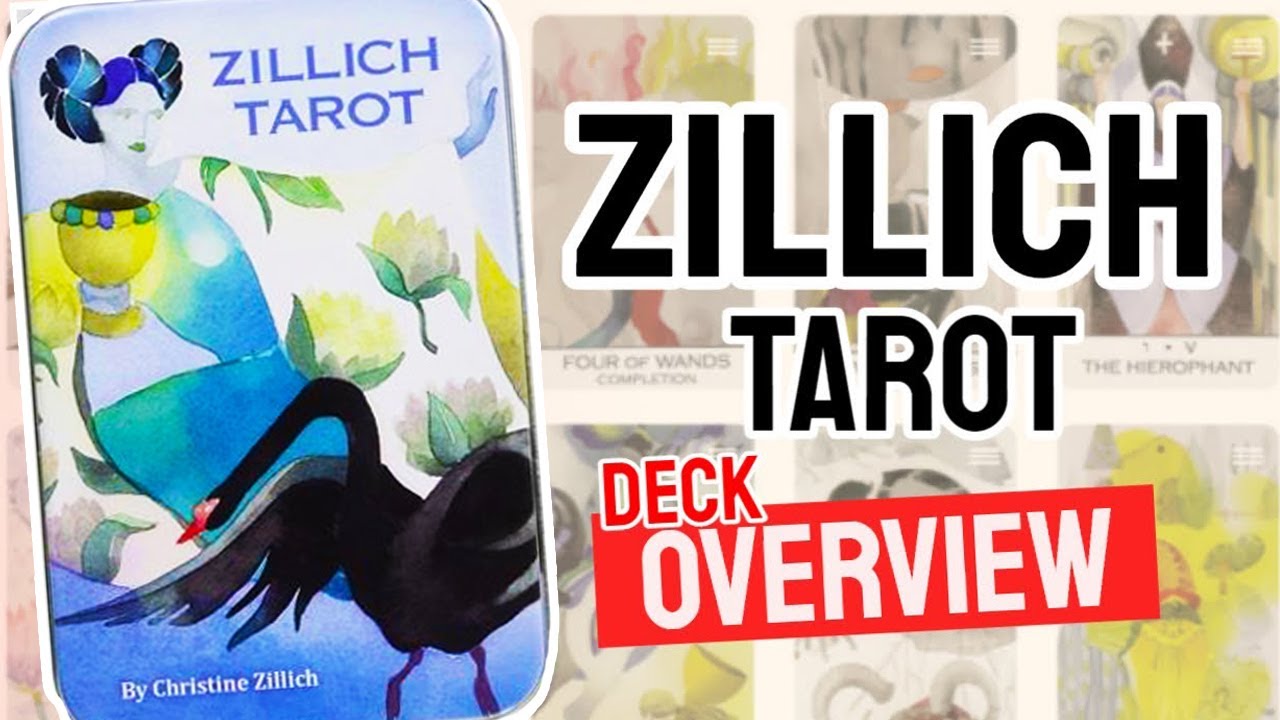
Zillich Tarot is a vivid watercolor tarot by Christine Zillich, published in a small tin-style format with a soft but intense artistic voice. It is Thoth-inspired, so the deck uses names like Magus, Adjustment, Lust, and Discs, but it does not feel cold or academic. It feels fluid, emotional, dreamy, and alive.
The first thing I notice is movement. Figures blur into color. Animals, faces, gestures, and symbols appear like pieces of a dream. This makes the deck beautiful for intuitive readings, creative work, relationship reflection, shadow themes, and questions where the feeling under the situation matters as much as the outer facts.
The TarotFans native gallery shows 76 available Zillich Tarot card fronts from the verified original TarotFans source. I am keeping the count honest: Devil and Universe are still missing from this local verified set, so this page does not pretend to show a full 78-card gallery.
Artwork, color, and first impressions
Christine Zillich’s watercolor style gives the deck a soft edge, but the meanings can still be sharp. Blues, greens, purples, reds, and black shapes move through the cards like emotion moving through the body. If you like decks that ask you to notice mood before keywords, this one is easy to love.
It is less literal than many Rider-Waite-Smith decks. A card may not show a simple everyday scene. Instead, it gives you a symbolic atmosphere: a face, a gesture, a wash of color, an animal shape, a body in motion. That can feel mysterious at first, but it becomes powerful once you let the art speak.
Card study
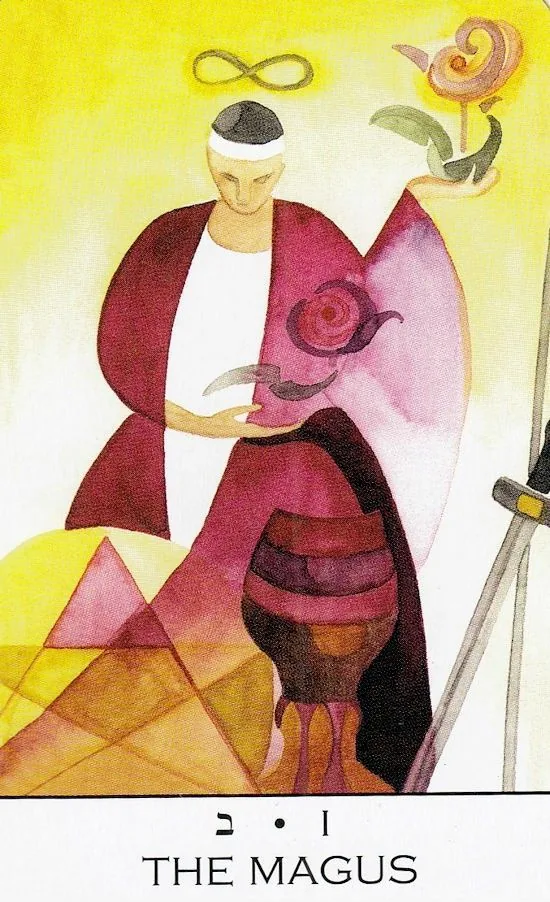
Magus: making meaning from color and motion
Magus is the perfect doorway into this deck because it shows how Zillich Tarot treats skill and communication. The card does not feel like a stiff magician at a table. It feels like perception, movement, and the ability to translate inner images into action.
In a reading, I would ask: what tool is already in your hand? What idea wants form? What message is trying to move through you before your logical mind edits it down?
Reading with the Thoth-inspired structure
Zillich Tarot follows a Thoth-style flavor, so some names may feel different if you are used to Rider-Waite-Smith. Strength becomes Lust, Justice becomes Adjustment, Pentacles become Discs, and The Magician becomes Magus. These titles change the tone of the reading in a useful way.
Lust is not only physical desire; it is life-force, courage, appetite, and creative embodiment. Adjustment is not only legal fairness; it is inner alignment and the exact point where the scales become honest. Discs are not only money; they are body, resources, work, and the real-world container that holds the spirit.
Beginning, skill, balance, and brave energy
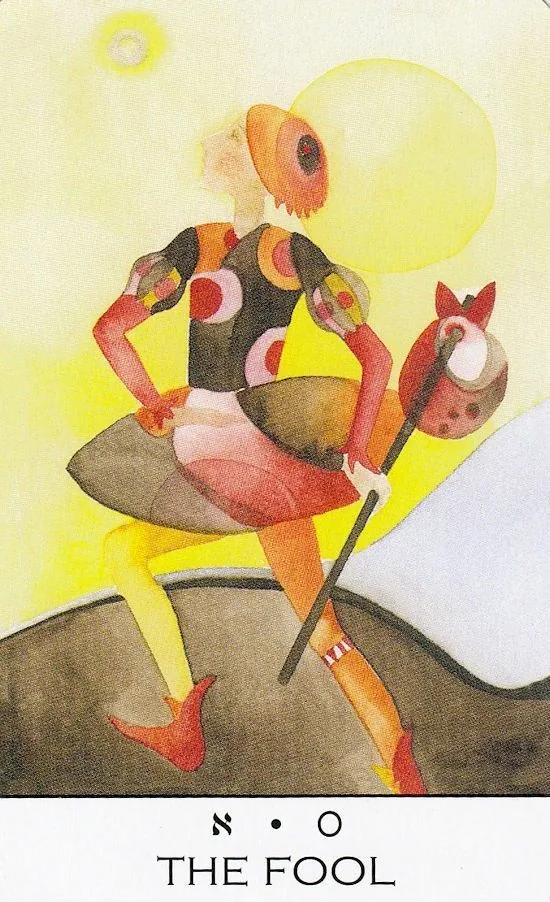
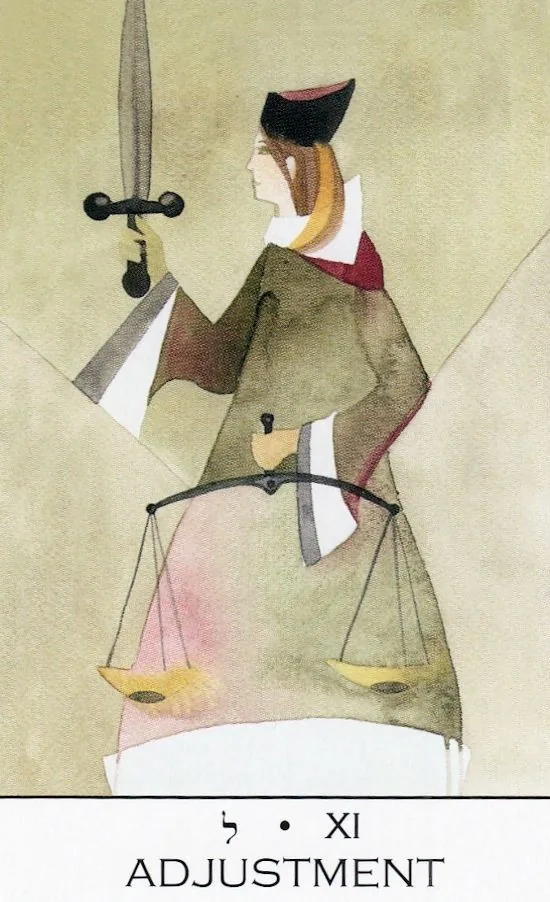
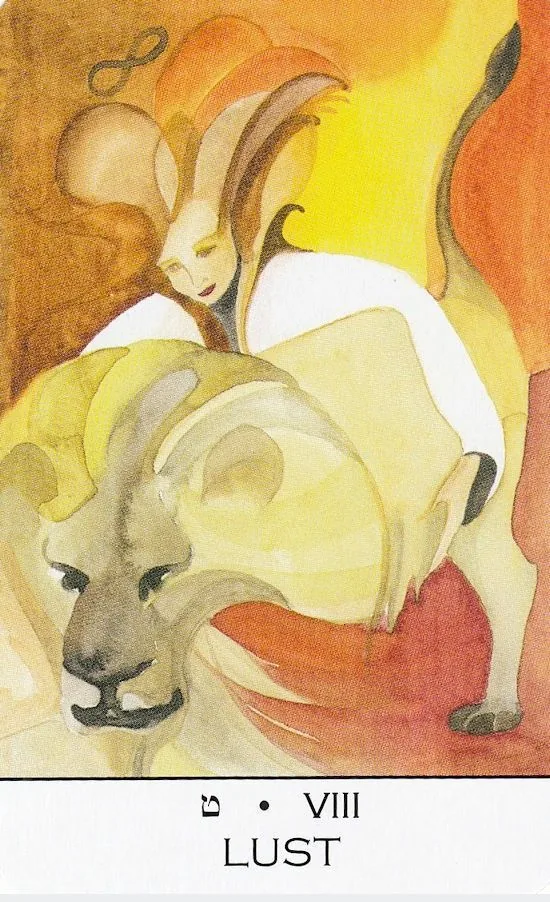
This line feels like a full Zillich Tarot introduction: a leap, a tool, a correction, and the courage to live from the body. It is useful when someone is starting again but wants to stay centered.
Emotional readings and relationships
This deck is especially good when the question is emotional but not simple. It can speak to attraction, fear, tenderness, confusion, forgiveness, and the moment when someone knows what they feel but cannot yet explain it clearly. The watercolor quality helps because emotions rarely arrive in hard outlines.
For relationship readings, I would use Zillich Tarot slowly. Pull fewer cards, then spend more time with color, direction, and body language. Ask where the card feels open, where it feels tight, and what color your eye keeps returning to.
Love study
Lovers: connection as a living choice
Lovers in this deck is not just romance. It is the feeling of being pulled toward a person, path, value, or version of yourself. The card asks whether the choice is alive, honest, and embodied.
When I read it, I look for where love feels like truth and where it may be trying to avoid truth. Zillich Tarot is gentle, but it does not let the heart hide from itself.
Letting a choice gather its own light
After The Lovers, I pause before widening the spread. Its two worlds feel close enough to touch, but closeness is not the same as clarity. I ask what the heart is choosing, what the mind is protecting, and whether hope is being fed by a real act rather than a beautiful wish.
That pause gives the next Four pack a gentler rhythm. The Ace of Cups can open feeling, The Lovers can name the choice, the 2 of Swords can show the guarded place, and The Star can reveal the small light worth tending.
Softness, choice, truth, and repair
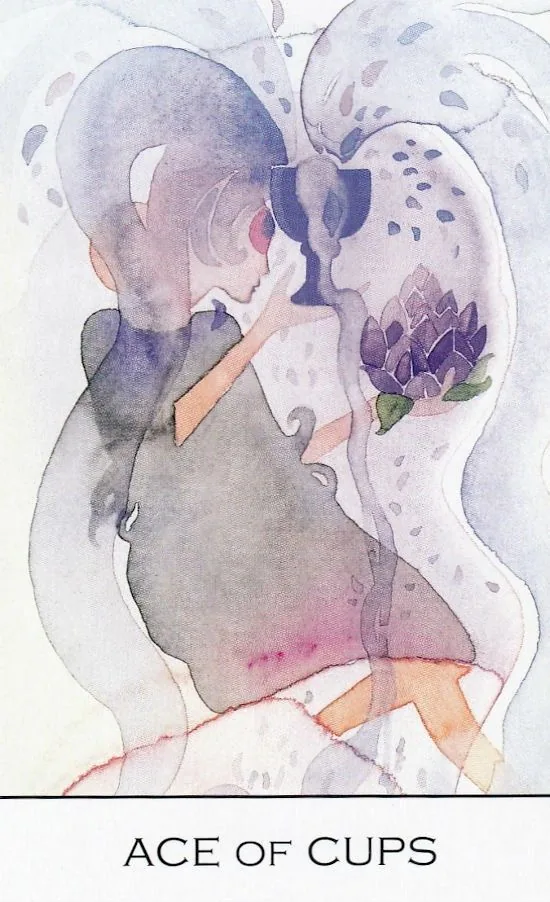

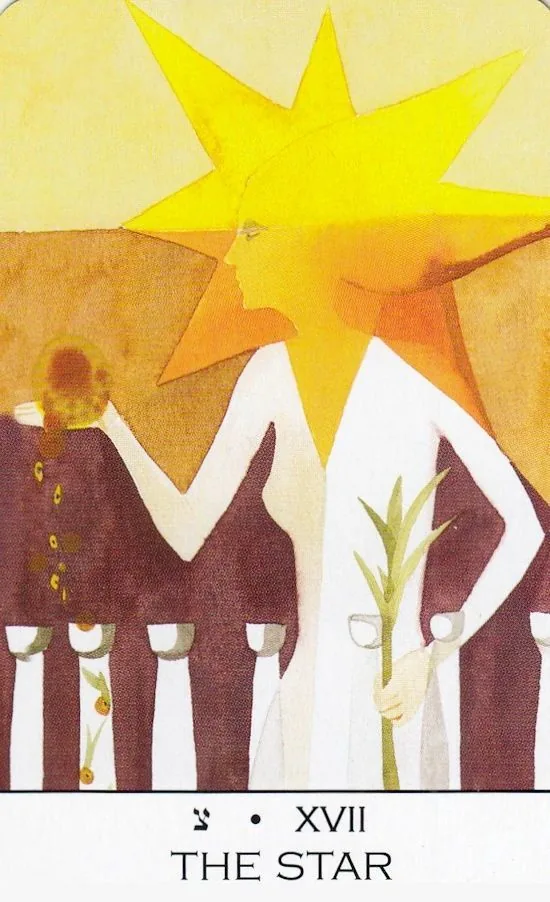
This spread moves from emotional opening to choice, then into the need for honest thought and healing. It is a good small reading for relationship repair or self-trust.
Creative and shadow work
Zillich Tarot is also strong for creative blocks. The art already behaves like a sketchbook: fluid, symbolic, imperfect in the best way, and full of sudden connections. If a project feels stuck, this deck can show what emotional color is missing, where fear is blocking flow, and what kind of movement wants to return.
For shadow work, it can be deep without feeling cruel. The deck’s softness matters. A difficult card can still feel human. That makes it useful for journaling, therapy-style reflection, and spiritual check-ins where you want honesty without harshness.
Shadow study
Tower and Star: breaking open, then breathing again
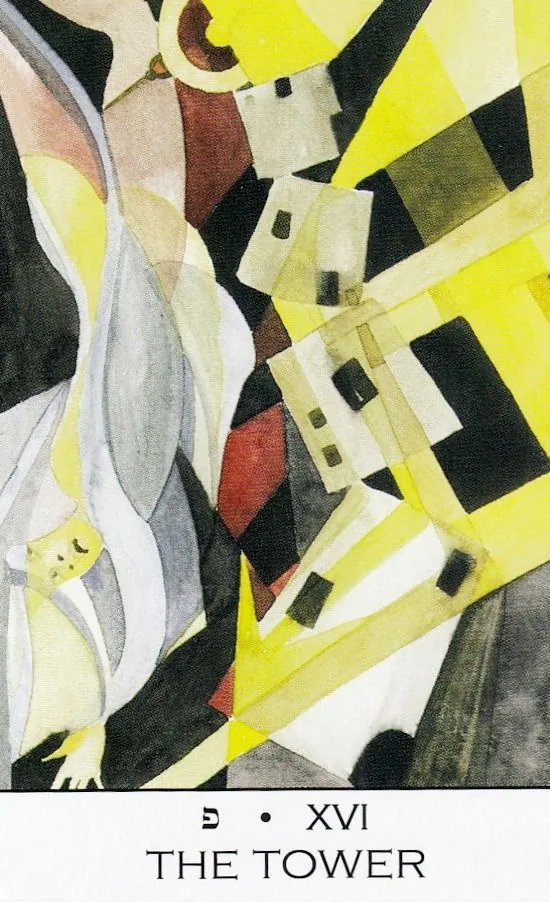
Tower is the moment when a structure can no longer hold the truth. In Zillich Tarot, that disruption feels emotional and energetic, not just external. Something in the system has to crack so the real feeling can be seen.
I pair it mentally with Star because this deck makes healing feel like color returning after shock. The message is not only collapse. It is also space, breath, and a new relationship with hope.
Building again after the lightning
When The Tower has spoken, I do not hurry to make the ruins pretty. I let the first honest breath arrive, then look for the card that shows where energy can move without repeating the old strain. In this deck, colour makes that shift feel almost physical.
The following Four pack carries that recovery into creative work: a spark becomes motion, motion finds structure, and structure grows steady enough to hold the next brave idea.
Creative fire into grounded form

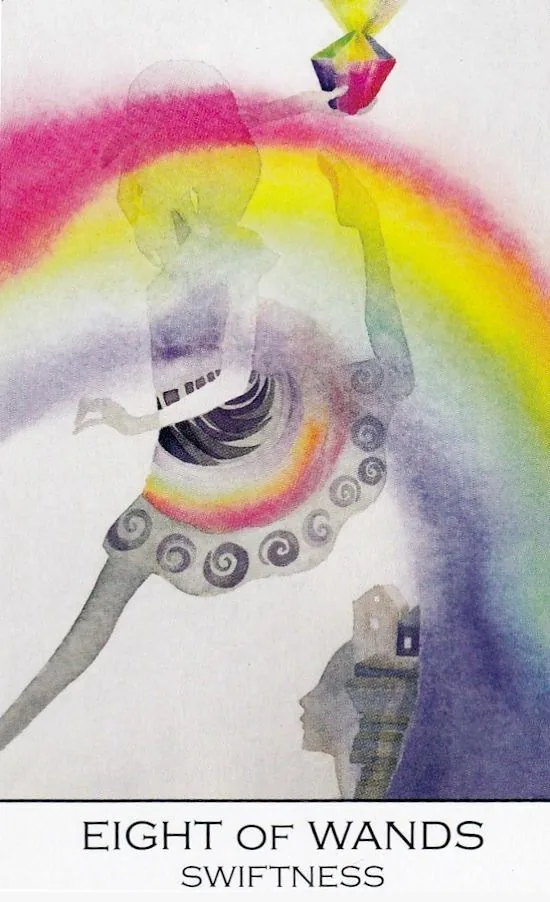
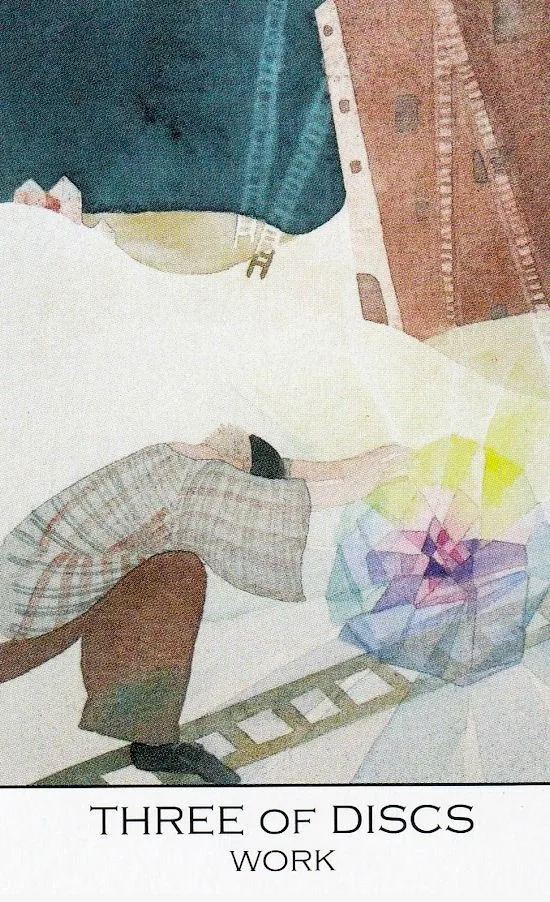
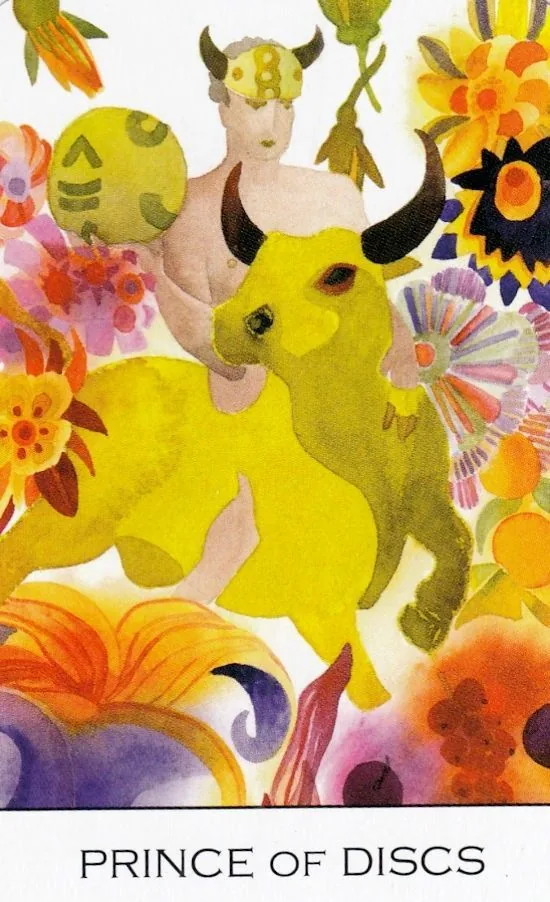
This line is excellent for creative work: spark, movement, structure, and steady follow-through. It says inspiration is real, but it needs a container.
Who will love Zillich Tarot?
I would recommend Zillich Tarot to readers who enjoy expressive art, intuitive reading, Thoth-style titles, and decks that feel emotional rather than literal. It is beautiful for journalers, artists, therapists, spiritual readers, and anyone who likes to read color and mood.
I would be more careful if you want a very plain beginner deck with obvious everyday scenes. Zillich Tarot is readable, but it asks you to participate. You need to look, feel, compare, and let the image open slowly.
Mind, body, resources, and release
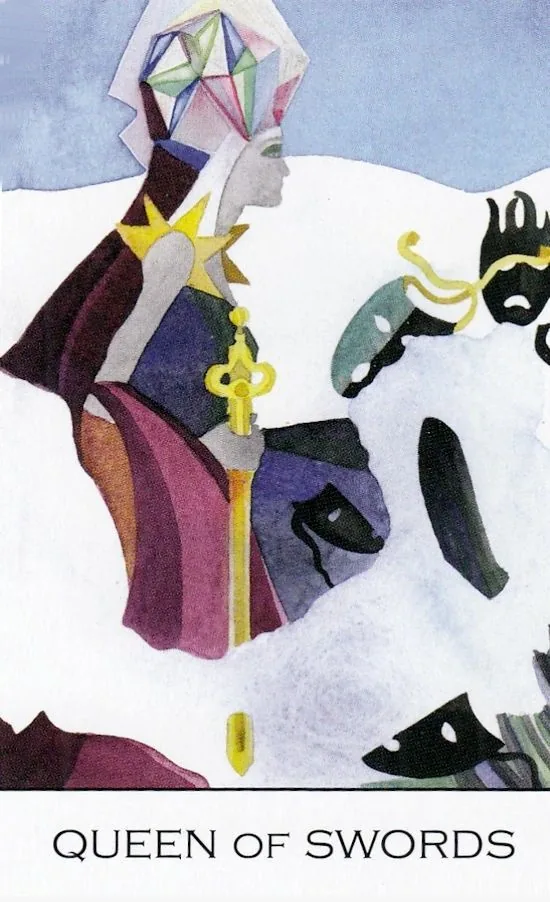

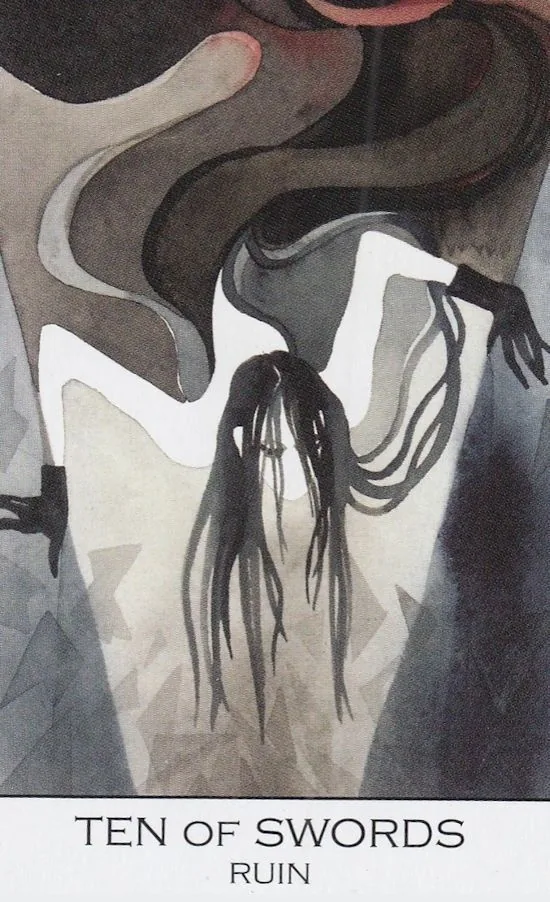
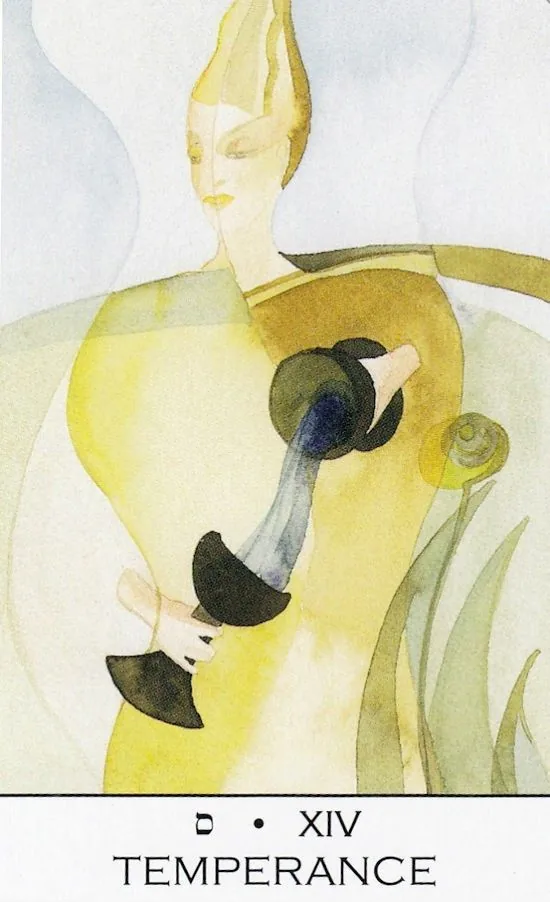
This moment is useful when someone is overthinking but still needs practical stability. It names the mental ending, then points toward balance and gentle integration.
Pros and Cons
| Pros | Cons |
|---|---|
| Expressive watercolor artwork makes readings feel emotional, intuitive, and alive. | Less literal than many beginner-friendly Rider-Waite-Smith decks. |
| Thoth-inspired titles give the deck symbolic depth and a distinctive voice. | Titles like Magus, Lust, Adjustment, and Discs may require a learning curve. |
| Excellent for journaling, creativity, shadow work, relationship reflection, and identity questions. | The current TarotFans gallery is an honest 76-card partial set, not a complete 78-card gallery. |
| The tin/product format and artwork make it a charming collector deck. | Readers who want very crisp, literal scenes may find the watercolor style too open-ended. |
Final Thoughts
Zillich Tarot is a soulful deck for readers who want art that breathes. It is not the most literal deck on the shelf, and that is part of its charm. It invites you to read color, sensation, movement, and symbol as one living language.
If you like tarot that feels like a painted dream, and you are comfortable with a Thoth-inspired structure, Zillich Tarot can open subtle and useful reading paths.

Zillich Tarot FAQ
Is Zillich Tarot beginner-friendly?
It can work for thoughtful beginners, but it is not the simplest first deck. The art is intuitive and the system is Thoth-inspired, so new readers may want to use the guidebook or compare meanings as they learn.
How many cards are shown in this TarotFans gallery?
This review currently includes 76 usable Zillich Tarot card fronts from the verified TarotFans local source set. Devil and Universe are still missing, so the gallery is presented honestly as partial.
Is Zillich Tarot based on Rider-Waite-Smith?
No. It leans more toward the Thoth tarot tradition. You will see titles such as Magus, Adjustment, Lust, and Discs, which gives the deck a different symbolic tone from Rider-Waite-Smith.
What kinds of readings suit Zillich Tarot best?
It is especially strong for emotional questions, creative work, identity, shadow themes, relationship reflection, and spiritual check-ins where color and mood matter as much as literal scenes.
Does the artwork feel dark?
The deck can feel deep and intense, but not harsh. Its watercolor look gives even challenging cards a flowing, human quality, making it useful for gentle but honest readings.
Who created Zillich Tarot?
Zillich Tarot was created by Christine Zillich. The deck is known for expressive watercolor artwork and a symbolic, Thoth-influenced tarot structure.