
Explore the Pre-Raphaelite Tarot Cards
Browse the complete verified card collection in tarot order, choose an official group, or open any card for a larger view.

Pre-Raphaelite Tarot Review: Quick Take
Pre-Raphaelite Tarot is a warm, story-led deck for readers who want the image to do real work. Instead of treating the cards like flat flashcards, it asks you to notice faces, fabric, flowers, light, distance, and gesture before you jump to a memorized keyword.
Quick answer: choose this deck if you love painterly romantic tarot, emotional nuance, and readings that feel reflective without becoming vague. Skip it if you want a very plain modern deck with minimal symbolism.
I love the hush around these cards. A turned shoulder, a hand resting near a cup, or one bright flower against deep green can feel like the moment just before someone speaks. That pause gives me room to notice what the question is really asking, especially when love, loyalty, or creative longing has made the answer complicated.
When The Magician meets The High Priestess, I feel action leaning toward intuition. I begin with the detail my eye keeps returning to, then test that feeling against each card’s familiar role and the rest of the spread. The practical message is often simple: know what you can shape, listen for what is not ready to be forced, and let both truths sit at the same table.
I reach for this deck when a reading needs beauty without pretending life is tidy. I keep the spread small, name the emotion in the scene, and end with one grounded next step. Its painted world reminds me that tenderness and courage can share the same frame, and that one honest next step is enough to begin.
What is Pre-Raphaelite Tarot?
Pre-Raphaelite Tarot is a classic 78-card tarot deck with a romantic art style inspired by the beauty, longing, and dramatic stillness often linked with Pre-Raphaelite painting. The TarotFans gallery above uses the verified local pre-raphaelite-tarot-cards manifest, so the card studies and four-card moments below match the same exact live asset set.
The deck identity for this repair was checked against the live YouTube row, the local recovery evidence, and the theme-owned 78-card manifest. That means the page now uses one consistent same-deck gallery instead of a loose mix of old widget content, guesses, or stale review filler.
Artwork and first impression
The first thing most readers notice is the atmosphere. Pre-Raphaelite Tarot feels painterly, devotional, and emotionally expressive. The figures are graceful, the color story leans rich rather than flat, and the scenes invite you to slow down instead of skimming past them.
That matters because tarot becomes easier to explain when the artwork gives you visible clues. A turned face can show doubt. A steady posture can show quiet strength. A glowing background can suggest hope without forcing you to say anything mystical or overblown.

Card study
The Magician: turning beauty into action
The Magician matters here because this deck can feel dreamy at first glance. This card reminds you that the point of a reading is not only to admire the artwork. It is to notice what tools, talents, and choices are already on the table and then use them on purpose.
In a practical reading, The Magician asks for arrangement before ambition. If your ideas are scattered, gather them. If your answer is obvious but you keep delaying it, begin with one clean step instead of waiting for a perfect mood.
How it reads in practice
In practice, this deck works best when you let the card image shape the tone of the reading. Start with one detail, name the emotional weather, and then connect it to the card title. That simple habit keeps the reading grounded and teen-readable without flattening the deck’s personality.
Pre-Raphaelite Tarot is especially good for questions with layered feelings: trust, longing, patience, choice, self-worth, and creative direction. It can be gentle, but it is not shallow. It simply prefers honesty over shock value.
Try this spread
Romantic crossroads




Use this four-card moment when a connection feels powerful but confusing. It helps you separate attraction, fairness, attachment, and the calmer hope that deserves your trust.
Beginner friendliness
This deck is beginner-friendly in a thoughtful way. It is not the plainest deck on the market, but it can still teach new readers well if they enjoy studying pictures. Curiosity does a lot of the work here. If the card makes you look twice, you are already learning how the deck speaks.
A good beginner routine is one card, three notes: what you noticed first, what feeling the picture creates, and what real-life action the card suggests. That makes the art useful instead of just beautiful.
Card study
The Lovers: attraction, values, and honest alignment
The Lovers is one of the best cards for showing how Pre-Raphaelite Tarot reads emotion through expression and atmosphere. The card is not only about romance. It is about what feels true when you are asked to choose between chemistry, comfort, and integrity.
For teen readers and newer readers, this is a helpful reminder: love readings get clearer when you ask what brings you closer to your real values, not just what feels intense in the moment.
Love, friendship, and emotional readings
For relationship readings, Pre-Raphaelite Tarot is strongest when you ask practical emotional questions. What boundary is missing? What feeling is being avoided? What kindness is real, and what fantasy is only making the situation harder?
The deck’s emotional intelligence shows up in the faces and poses. Instead of forcing a dramatic prediction, it helps you notice the human pattern underneath the question. That is often more useful than a simple yes-or-no answer.
Try this spread
Devotion and inner listening




This spread works well for emotional healing, spiritual journaling, and questions about whether you need more softness, more patience, or more honesty with yourself.
Career, money, and creative readings
Even with its romantic style, this deck can be very practical. For work and money, ask what needs structure, what deserves patience, and what action would create stability. For creative questions, use the imagery as a mirror: what wants attention, what is blocked, and what is the smallest honest next step?
This is also where the deck becomes a strong journaling companion. If you like turning tarot pulls into writing prompts, sketches, or reflection notes, the visual texture gives you plenty to work with.

Card study
Page of Pentacles: learning slowly and building something real
Page of Pentacles gives this review a grounded note. The deck may look romantic and painterly, but it still supports very practical questions about study, work, money, and small promises you want to keep with yourself.
Use this card when you need patient progress. One saved coin, one page written, one skill practiced, or one careful conversation can matter more than dramatic motivation.
Patience as a practical reading tool
The painted figures often seem to hold a feeling for one breath longer than expected. I use that pause as part of the reading: notice what is ripening, what still needs care, and which small piece of work can be completed today. Patience here is not passivity; it is the quiet confidence to let a careful choice become something lasting.
Try this spread
Work, craft, and patience
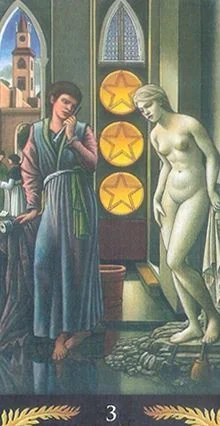
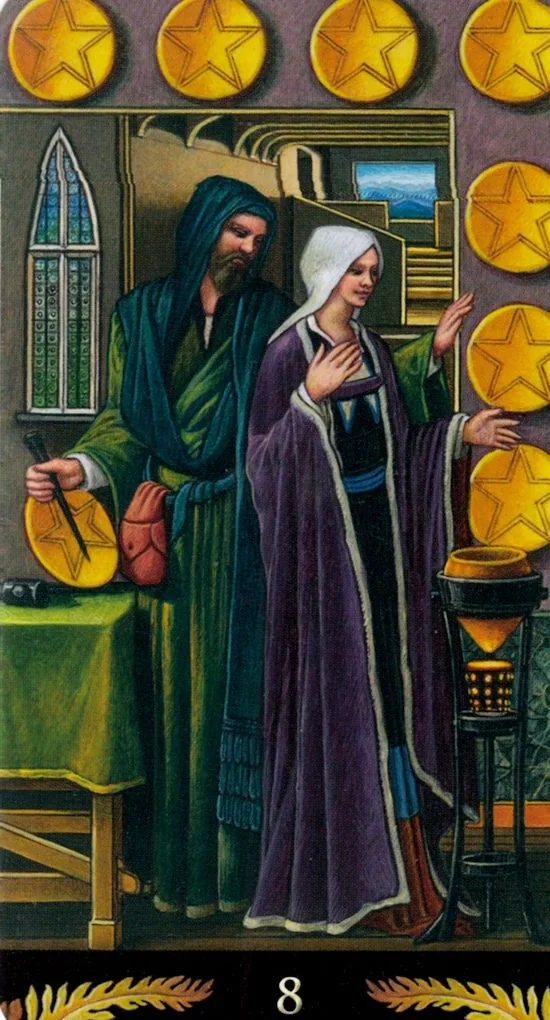

Pull these cards when you want to turn talent into a routine. The reading moves from collaboration to steady practice, then to beginner focus, and finally to the mature version of success.
Pros and cons
| Pros | Cons |
|---|---|
| Painterly, emotional artwork that rewards close reading. | The rich symbolism may feel dense if you want very plain scenes. |
| Works well for reflective love, self-trust, and creative readings. | Readers who want quick keyword-only cards may need more patience. |
| The local TarotFans gallery now shows all 78 verified card images. | Collectors should still compare the physical listing if packaging details matter most. |
Final thoughts on Pre-Raphaelite Tarot
Pre-Raphaelite Tarot is worth exploring if you want a deck that feels human, beautiful, and emotionally readable. It does not rush you. It asks you to look, notice, and then answer your question with a little more honesty.
If the gallery makes you pause on several cards and mentally start a journal entry, that is usually a good sign. Watch the walkthrough, compare the card scenes, and trust your reaction to the deck’s visual world.

Frequently Asked Questions
Is Pre-Raphaelite Tarot good for beginners?
It can work well for beginners who enjoy image-led reading. Start with one-card pulls, describe what you notice first, and then compare your observation with the traditional tarot meaning.
Does Pre-Raphaelite Tarot follow classic tarot structure?
Yes. It keeps the familiar tarot backbone, but the art adds extra emotional detail. Read the card title first, then let posture, color, symbolism, and mood refine the answer.
What kinds of readings does this deck handle best?
It is especially strong for relationship reflection, self-trust, creative questions, journaling, and readings where emotional nuance matters more than blunt yes-or-no predictions.
Does this review really show all 78 cards?
Yes. This TarotFans repair uses the verified 78-card local gallery for Pre-Raphaelite Tarot, so the subtitle, gallery, and FAQ all match the live manifest honestly.
What should I know before buying Pre-Raphaelite Tarot?
Buy it if the art makes you want to slow down and look closely. If you prefer very plain scenes or keyword-heavy beginner decks, compare the gallery first and make sure the visual language feels readable to you.
How should I read a confusing card in this deck?
Name one visible detail first, then one emotional tone, then one grounded action. That keeps the reading clear and kind instead of vague or dramatic.