Mary-El Tarot Cards
Browse the currently verified Mary-El Tarot card images in their traditional groups. This is a partial Gallery, so no missing card is implied or invented. Choose a group, then select any card for a larger view.

Aurica’s Quick Take
The Mary-El Tarot is not a light little “pull a card and go” deck. It is a deep, painterly, soul-alchemy tarot by Marie White, full of animals, bodies, angels, shadow, gold, blood, water, and myth. When I read with it, I feel as if the cards are asking, “Do you want the pretty answer, or the true one?”
My quick take: this is a powerful 78-card tarot for readers who like symbolic art, spiritual intensity, and slow readings. It can be breathtaking for shadow work, healing questions, creative practice, and life-path readings. It is less ideal if you want cute scenes, simple keywords, or a beginner deck that explains itself in one glance.
I notice where the image feels alive and where it goes quiet. The Star opens like red earth under bare feet, Temperance moves through blue water with a tiger’s alert grace, and The Magician waits at a threshold. I let those contrasts speak before I reach for a fixed meaning.
Then I ask which card draws me closer and which makes me look away. I test that feeling against the card’s traditional role and its neighbours, turning intuition into a clear next step. For health or money questions, reflection supports qualified care or advice; it never replaces it.
Mary-El may lead us into deep country, yet its warm gold and living creatures remind me that honest attention can become its own small lantern, and we are always capable of taking the next brave step.
What kind of deck is the Mary-El Tarot?
The Mary-El Tarot is a modern esoteric tarot with a traditional 78-card structure, but its feeling is much older and wilder than a normal scenic deck. The art is made from rich oil paintings, so each card feels like an altar image rather than a quick illustration. You will see tarot, astrology, alchemy, Kabbalah, sacred geometry, mythic animals, and human spiritual experience woven together.
That sounds complicated, and sometimes it is. But the heart of the deck is simple: it asks you to look at what is alive inside you. A Mary-El reading often feels less like fortune-telling and more like standing in front of a symbolic mirror. It can show desire, grief, courage, instinct, and spiritual hunger with unusual honesty.
Art style and first impression
Visually, Mary-El is dramatic, earthy, and sacred. The palette moves through dark reds, warm golds, deep blues, bone tones, and shadowed skin. The figures do not always perform the card meaning in a tidy story. Instead, they carry the meaning through posture, animal presence, elemental mood, and symbolic pressure.
A beginner may open the deck and think, “I do not know what I am looking at.” That is normal. This deck is not trying to be instantly obvious. It rewards a slower reader. Notice what your eye moves toward first. Notice whether the image makes your body soften, tense, or lean forward. With Mary-El, that first body response is often part of the message.
First impression cards
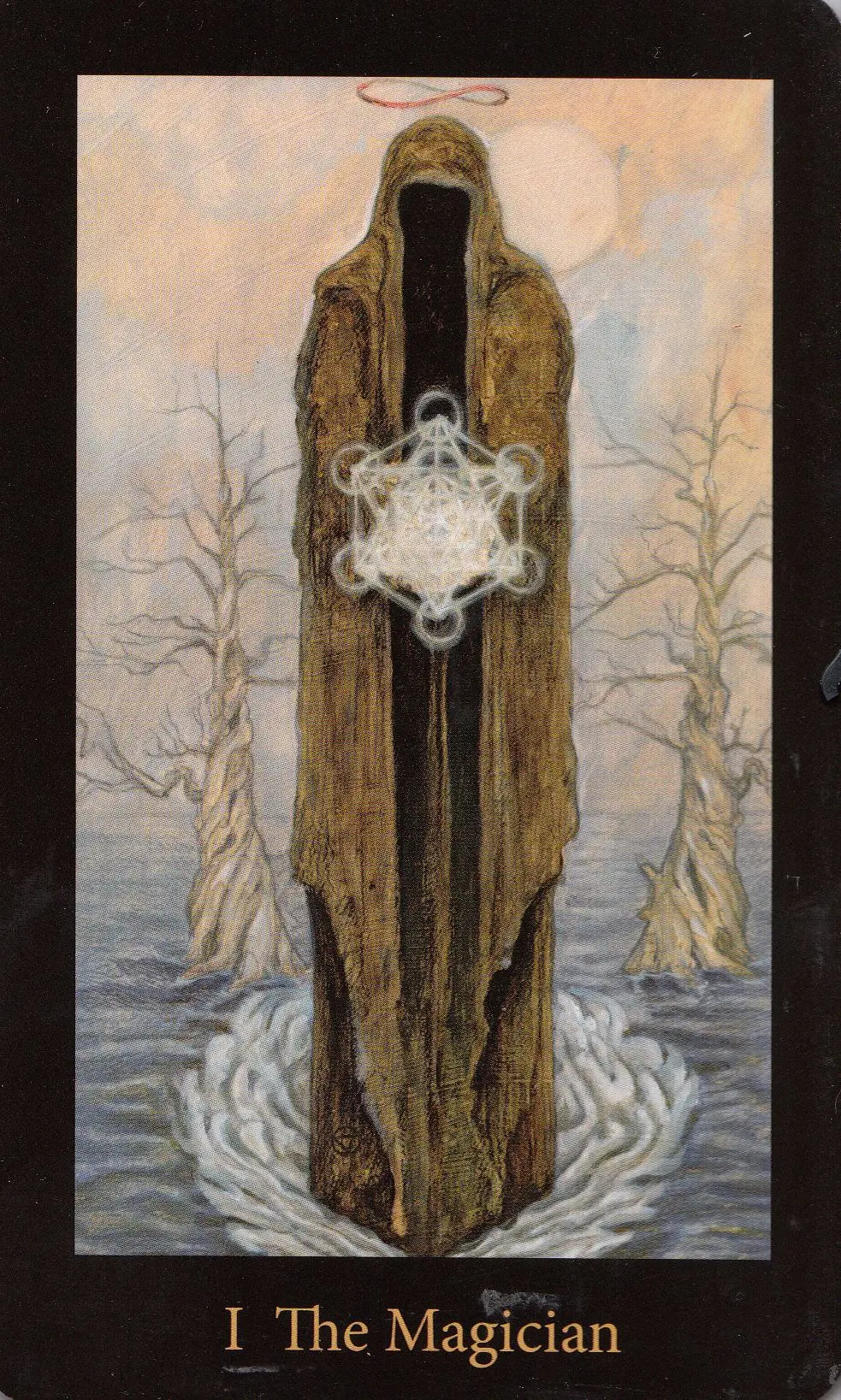
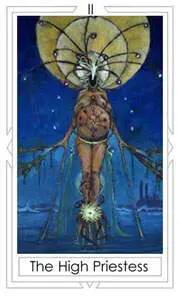
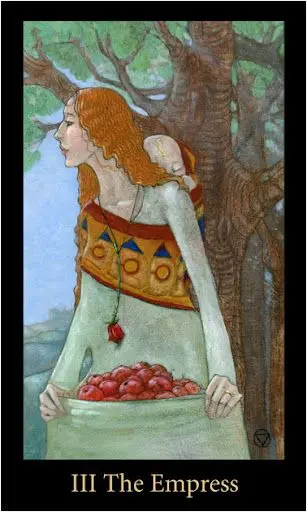
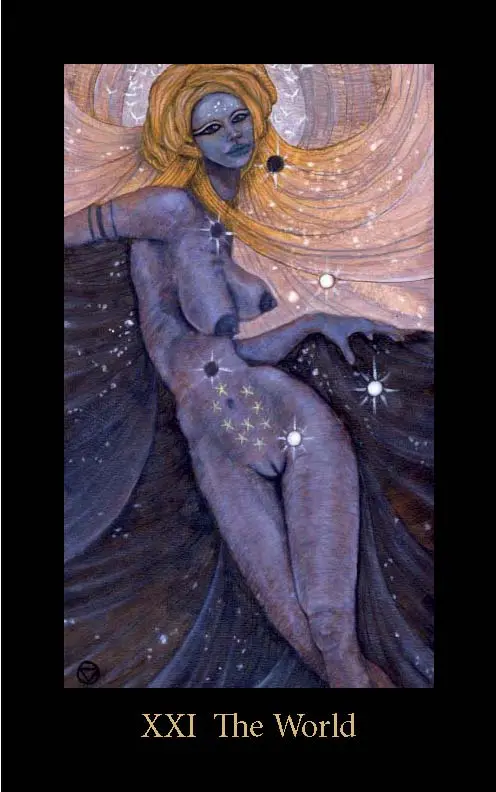
These cards show why Mary-El feels ceremonial: the deck speaks through mythic presence, not only through everyday scenes.
How the Mary-El Tarot reads in practice
Mary-El reads best when the question has depth. “Will they text me?” may get an answer, but the deck will often answer the deeper question hiding underneath: “Why am I waiting for proof that I matter?” It is a deck that turns the lamp toward the roots.
For daily pulls, I like using it with one clear sentence: “Show me the pattern I need to understand today.” Then I write three notes: what I see, what I feel, and what I would tell a friend if this image belonged to them. That keeps the reading grounded instead of drowning in symbolism.
The guidebook, often known for its deep “Landscapes of the Abyss” style of teaching, can be rich and layered. My advice is to look at the image first, then read the book. If you read the book first every time, the deck may become a study assignment instead of a conversation.
Deck-specific card study
The Magician as raw spiritual contact
The Magician in this deck does not feel like a stage performer showing off tricks. It feels rooted, carved, and almost ancient. Your eye meets a central form that seems to hold power before it becomes action.
In a reading, this can shift the Magician away from “be clever” and toward “stand inside your real power before you use it.” It is a wonderful card for artists, healers, and anyone who is learning that magic is not noise. It is focused attention.
Beginner friendliness
Mary-El is beginner-possible, but not beginner-easy. A brand-new reader can absolutely love it if they are comfortable with art, journaling, mythology, and emotional depth. But if you want clear little scenes that teach card meanings quickly, a more direct Rider-Waite-Smith-style deck will feel kinder at first.
Easy scenario: you pull Strength before a difficult talk. A simple reading says, “Use courage gently.” Mary-El adds another layer: courage may be instinctive, embodied, and protective, not just polite.
Medium scenario: you pull The Hanged Man during a career pause. A basic reading says, “Wait and see.” Mary-El may ask what sacrifice, surrender, or changed perspective is actually transforming you while nothing looks productive from the outside.
Hard scenario: you pull The Moon in a relationship reading. A nervous reader may panic. A skilled reader slows down and asks, “What is unclear? What is imagined? What old fear is coloring the present?” The card becomes a lantern, not a threat.
Reading movement and will
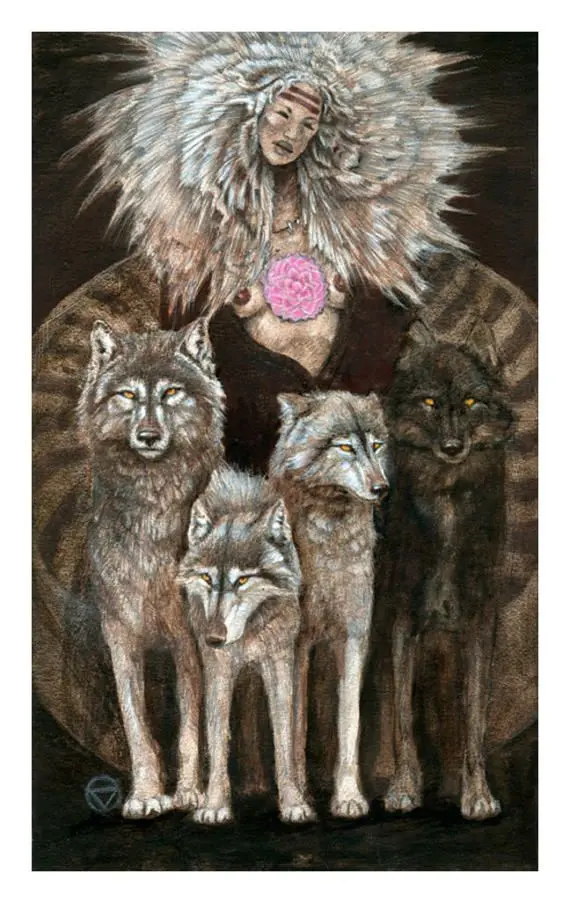
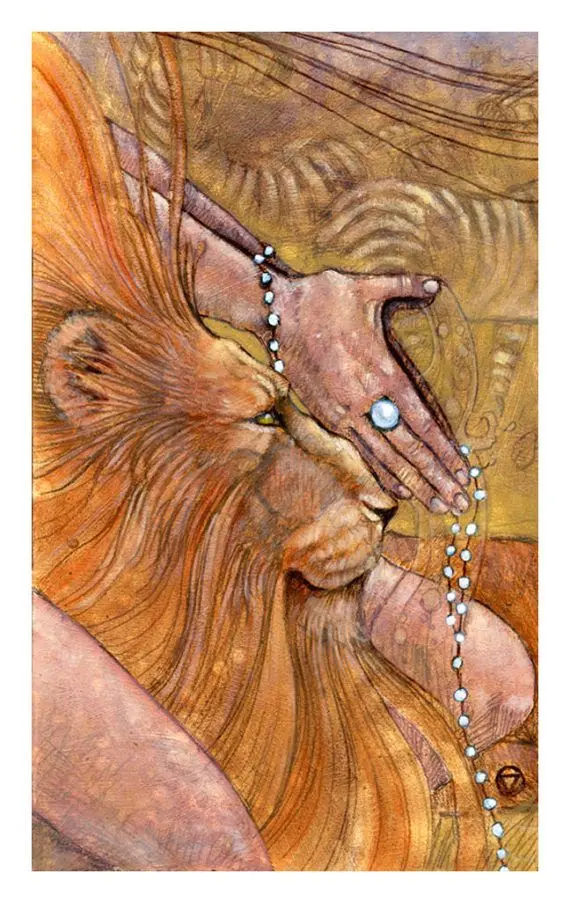
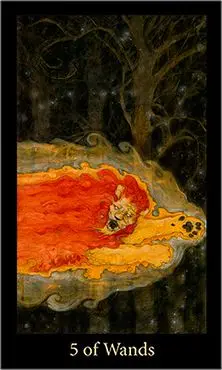
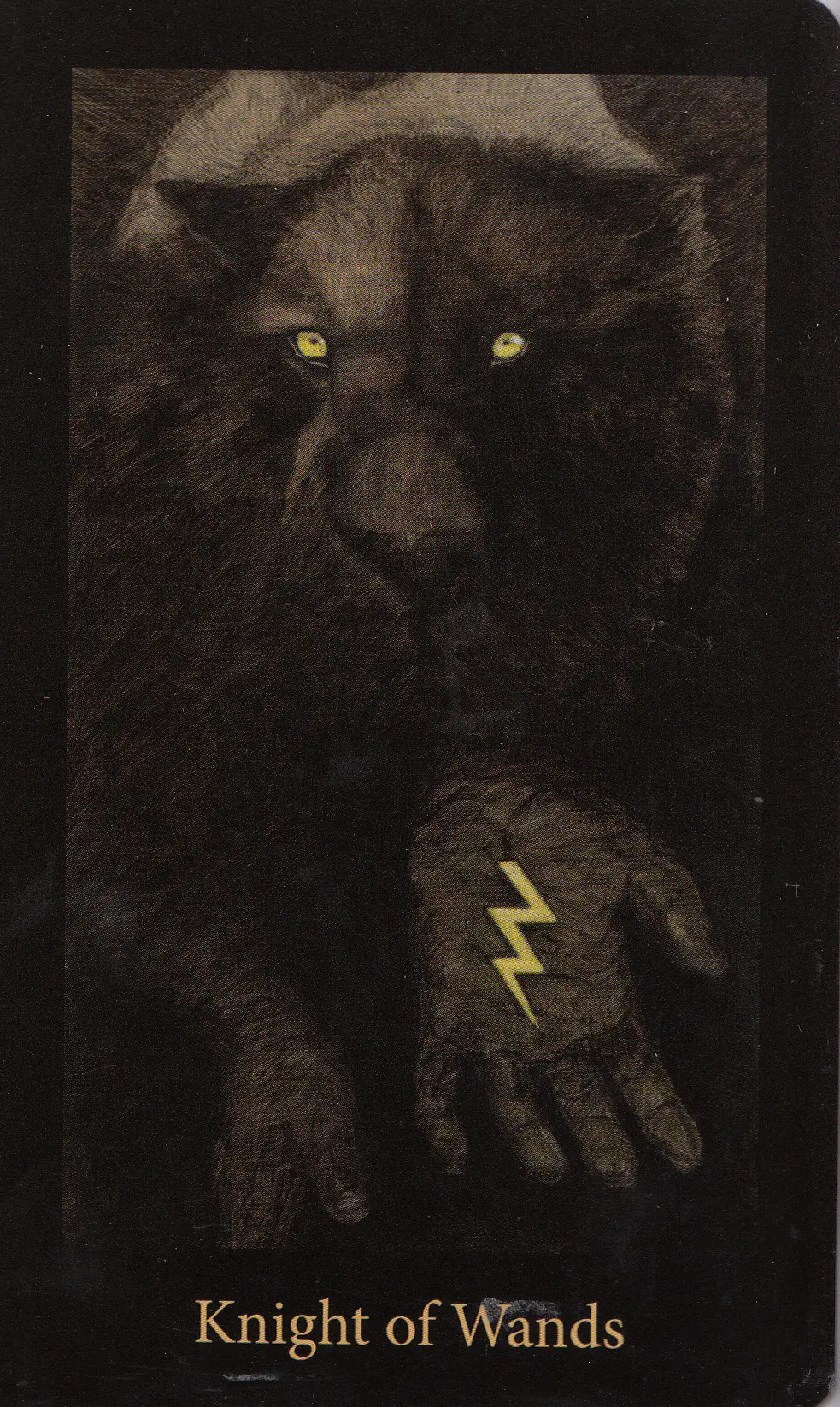
When Mary-El speaks about action, it often shows the heat under the action: instinct, conflict, courage, and desire trying to find a clean direction.
Best uses for this deck
This deck shines for shadow work, spiritual reflection, dream journaling, creative blocks, healing patterns, and big crossroads. It is excellent when you need to understand the meaning beneath an event, not only the event itself. I would reach for it during life transitions, grief work, identity questions, artist’s path readings, and deep year-ahead spreads.
I would be more careful using it for quick public readings, party readings, or very anxious querents who need immediate reassurance. Mary-El is compassionate, but it is not fluffy. It may name the wound before it names the comfort.
Deck-specific card study
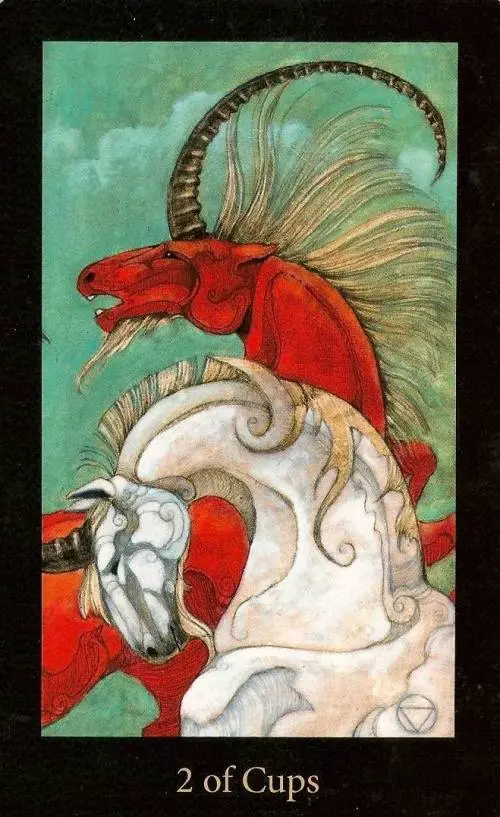
The Two of Cups as recognition, not just romance
The Two of Cups is one of my favorite ways to understand this deck. Instead of treating connection as a sweet greeting-card moment, Mary-El makes relationship feel like recognition between souls, bodies, and emotional truths.
In practice, I would read this card as a question: “Where is real meeting possible?” Sometimes that is romance. Sometimes it is repair, honest friendship, creative partnership, or the brave act of meeting a hidden part of yourself with compassion.
What to know before buying
If you are buying Mary-El Tarot, expect a deck that wants time. The artwork is the main gift. The guidebook is part of the experience. The symbolism can be intense, so this is a deck I would store and use with respect, not because tarot is dangerous, but because your own inner material deserves care.
The old version of this page accidentally called it a Marseille deck. It is not a Marseille tarot. It is a 78-card esoteric art deck by Marie White, with its own voice and structure. If you are specifically looking for pip-style Marseille training, choose a real Marseille deck. If you want a mythic, alchemical, image-rich tarot for deep readings, Mary-El is much closer to that path.
Golden Rule for reading Mary-El
Do not rush to decode every symbol. Start with the living mood of the card. Ask: “What is this image doing to my attention?” Then move into traditional meaning, guidebook study, and personal intuition. The order matters. Mood first, meaning second, message third.
Emotion, shadow, and hope
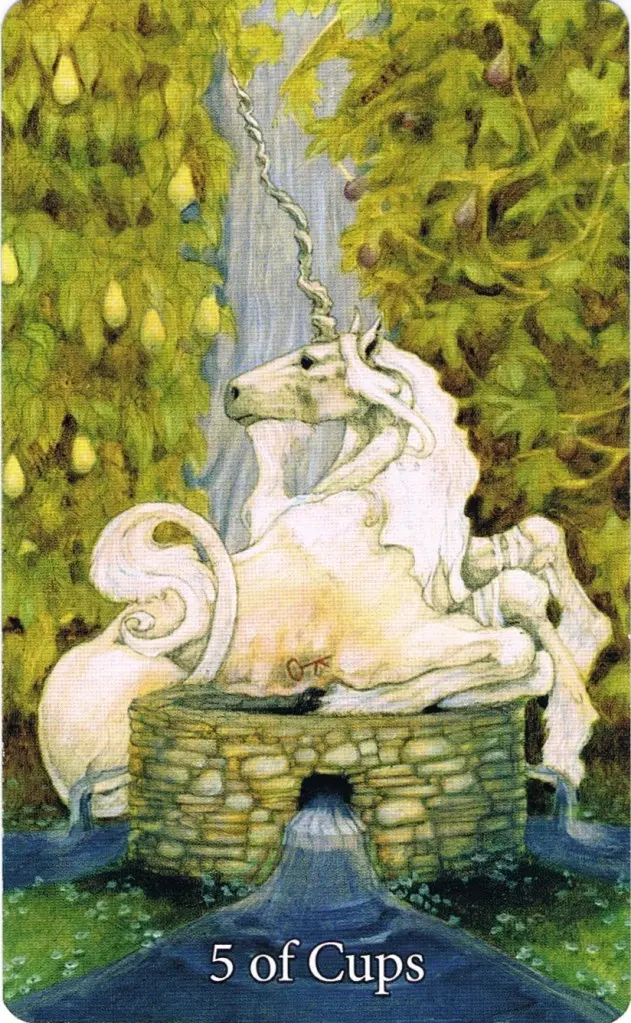
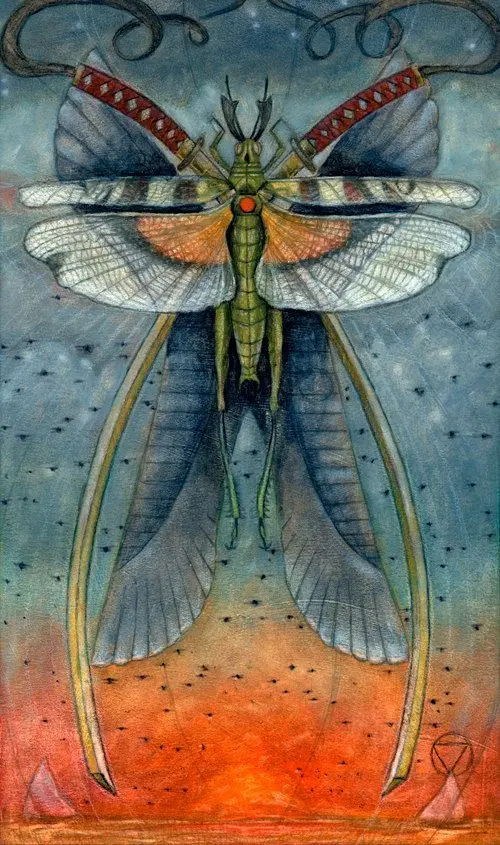
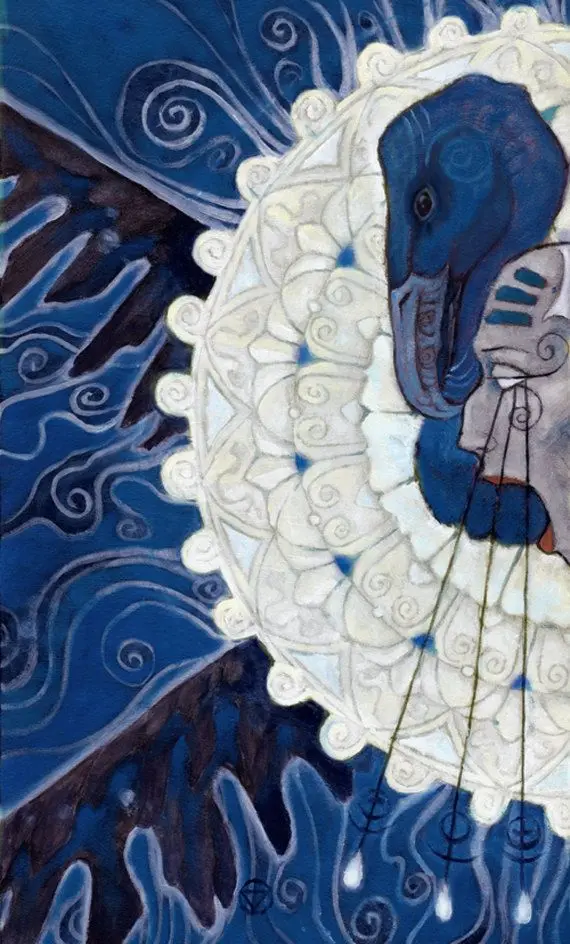
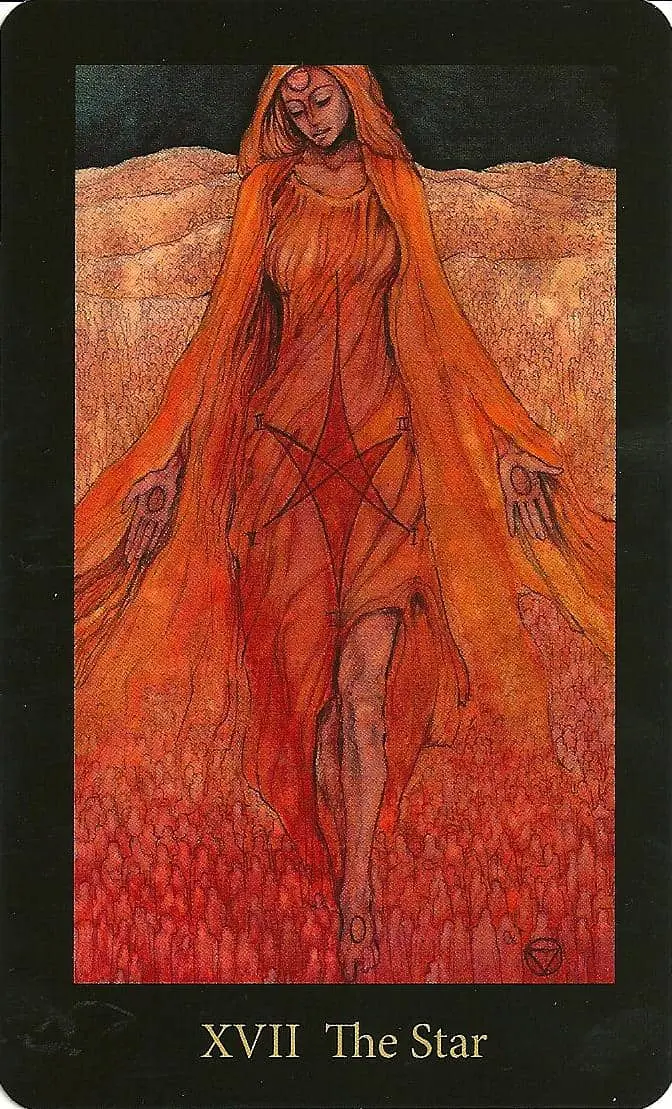
This is where Mary-El becomes tender. The deck does not deny sorrow or uncertainty, but it keeps a thread of beauty running through the dark.
Practice exercise
Try a three-card Mary-El spread: What is visible? What is hidden? What is becoming sacred through this experience? Pull the cards, write one sentence about each image before opening the book, then write one practical action you can take in the next 24 hours. This keeps the reading mystical and useful at the same time.
Deck-specific card study
The Moon as a threshold of instinct
The Moon in Mary-El feels like a doorway into the deep animal mind. It is not only “confusion.” It is the place where dream, memory, fear, intuition, and old body-wisdom mix together.
When this card appears, I would not demand a fast yes or no. I would ask for gentler evidence: What feels foggy? What repeats in dreams? What story am I telling because I am afraid? The card asks the reader to become patient enough for truth to rise.
Final thoughts
The Mary-El Tarot is a beautiful choice for readers who want tarot to feel like art, prayer, psychology, and myth in one deck. It is not the easiest deck on the shelf, and that is part of its power. It asks you to become a better listener.
If you want a gentler modern deck, you may also enjoy our Light Seer’s Tarot review. If you like dramatic fantasy artwork, see the Anne Stokes Legends Tarot review. For another deep symbolic deck, visit the Herbal Tarot review.
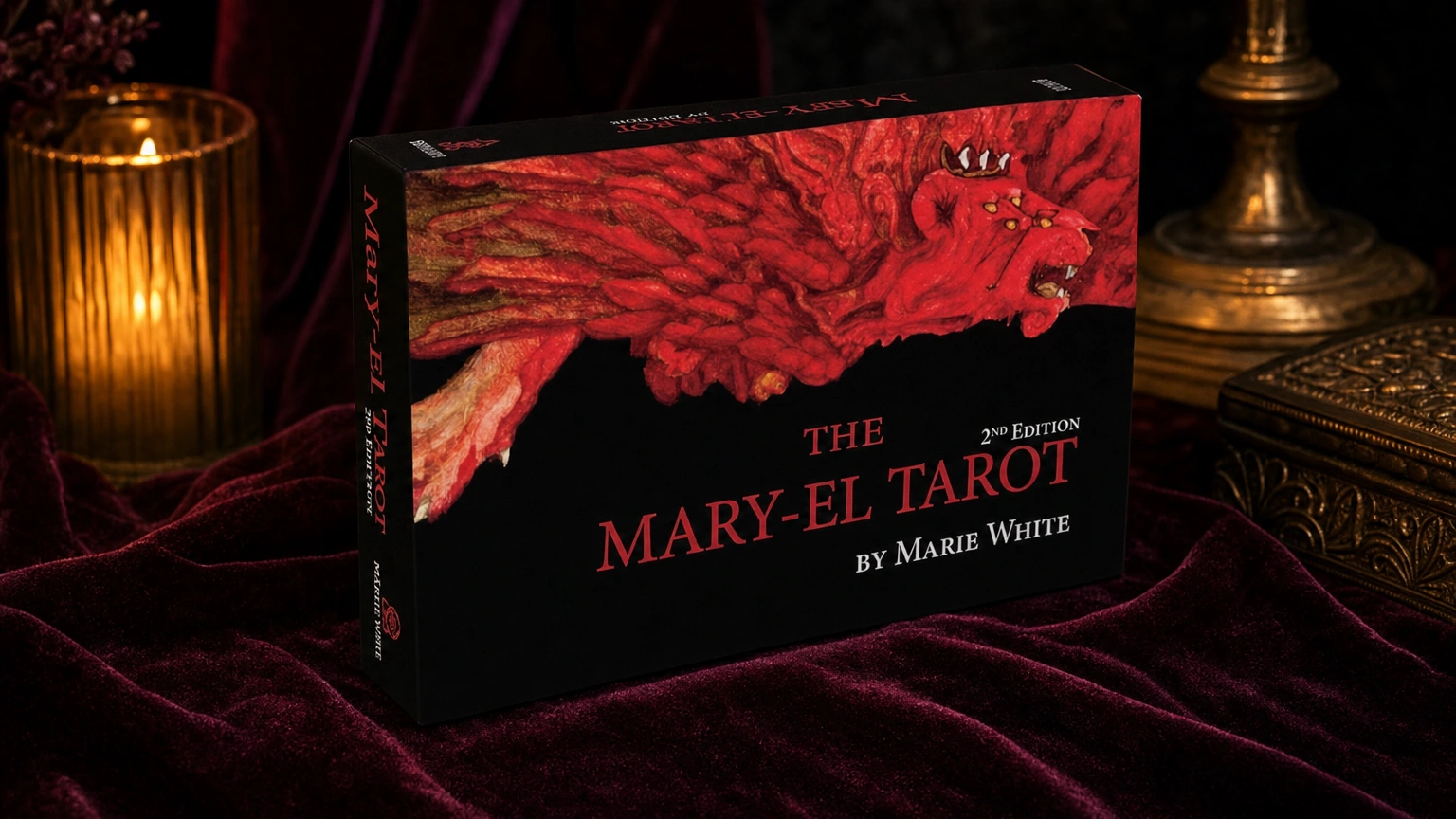
Mary-El Tarot FAQ
Who created the Mary-El Tarot?
The Mary-El Tarot was created by artist Marie White. It is known for oil-painted, esoteric imagery that blends tarot, alchemy, astrology, myth, and spiritual symbolism.
Is the Mary-El Tarot a Marseille deck?
No. Mary-El is not a traditional Marseille deck. It has 78 tarot cards, but its style is modern, painterly, and esoteric rather than a classic Marseille pip system.
Is Mary-El Tarot good for beginners?
It can work for a thoughtful beginner, especially one who loves art journaling and symbolism. For fast learning, though, a clearer Rider-Waite-Smith-style deck is usually easier.
What is the Mary-El guidebook like?
The guidebook is deep and reflective, with spiritual and symbolic layers rather than short keyword-only meanings. I recommend studying it slowly after you have first looked at the card image yourself.
What readings is the Mary-El Tarot best for?
It is strongest for shadow work, creative questions, spiritual growth, emotional healing, and major life transitions. It is less suited to rushed yes-or-no readings or very light party-style tarot.