Browse the complete verified Gilded Tarot in canonical order. Choose a tarot family, then open any card for a larger carousel view.
The Gilded Tarot Cards

Aurica’s Quick Take
The Gilded Tarot by Ciro Marchetti is a dramatic, golden, digitally painted tarot deck that keeps the familiar Rider-Waite-Smith structure but dresses it in astrology, jewel tones, moonlit landscapes, masks, machinery, and theatrical fantasy art. It feels classic enough to read with straight away, but polished enough to feel like a collector deck.
My short answer: this is a strong choice if you want a readable tarot deck that looks rich, magical, and a little cinematic. It is not a quiet minimalist deck. It wants candlelight, big symbols, and bold questions. If you love ornate art and want your readings to feel like stepping into a mythic stage set, The Gilded Tarot still has plenty of sparkle.
When I spread these cards, my eye follows the gold as if it were a trail of lanterns. The Fool seems to tumble through possibility, The Magician gathers the tools already within reach, and The Star pours a cool, quiet promise over all that theatre. I love that contrast: the deck can be sumptuous without hiding the emotional pulse beneath the decoration.
I begin with the symbol that glows or unsettles me, then test that feeling against the card’s traditional role, its neighbours, and the question until the spectacle becomes one clear next step. May its golden light remind you that clarity is gathering and you are fully capable of moving forward with hope.
What The Gilded Tarot Feels Like in Your Hands and on the Table
The mood of this deck is warm gold over deep shadow. Many cards feel like little portals: a figure, an animal, a planet, or a strange object appears against a glowing background, asking you to notice one clear emotional signal. That makes the deck easy to scan in a spread. Even before you read the guidebook, the images tend to say, “look here first.”
Ciro Marchetti’s style is highly polished and digital, with strong contrast and rich color. Some readers adore that because the cards look modern and magical. Others may prefer softer hand-drawn linework. If your favorite tarot decks are rustic, folk-art, or very traditional, this one may feel too glossy. But if you enjoy fantasy art, astrology symbols, gold highlights, and a slightly theatrical atmosphere, the deck has a very clear personality.

Deck-specific card study
Why The Fool feels like a magician before the journey even starts
The Fool in this deck does not feel empty-handed or innocent in the usual way. The image has a strong sense of performance, possibility, and cosmic play. Instead of simply standing at the cliff edge, this Fool feels like someone opening a secret bag of symbols and testing what life can become.
In a reading, that changes the tone. The card still says “begin,” but it also asks, “What tools are you already carrying?” It is excellent for creative starts, spiritual experiments, moving without a perfect map, and trusting the part of you that can improvise.
First impression cards


These cards show the heart of the deck: magic, motion, fate, and hope. The Gilded Tarot is at its best when you want a reading to feel symbolic without becoming cold or academic.
How The Gilded Tarot Reads in Practice
The Gilded Tarot reads close enough to the Rider-Waite-Smith system that most tarot learners will recognize the core meanings. The suits are the standard Wands, Cups, Swords, and Pentacles. The majors keep familiar names and sequence. That makes it practical for daily readings, three-card spreads, Celtic Cross work, relationship questions, and personal growth journaling.
Where it differs is tone. The deck often makes a card feel more mythic and less everyday. A simple “what should I focus on today?” reading can feel like a message from a golden storybook. That can be wonderful when you want inspiration. It can be a little intense if you only want plain, practical advice. My favorite way to use this deck is to let the first visual hit lead, then translate it back into real-life language.
For example, if you pull Eight of Wands, notice the movement, direction, and energy first. Then ask: “Where is momentum already building?” If you pull Six of Swords, look at the atmosphere of transition before jumping to a memorized meaning. The deck rewards that kind of image-first reading.
Beginner Friendliness
The Gilded Tarot can work for beginners, especially beginners who like rich visual art. Because the structure is standard, you can learn with normal tarot books and card meanings. The images are not so abstract that you are left guessing every time.
The main beginner challenge is visual drama. Some cards feel very full, and the digital fantasy style can pull your attention toward beauty before meaning. If you are new, keep your spreads small at first. One card, three cards, or a simple past-present-next spread will help you hear the deck clearly without getting overwhelmed.
- Easy reading: “What energy should I bring into today?” This deck answers beautifully with mood, color, and symbol.
- Medium reading: “What pattern keeps repeating in this relationship?” The majors and Cups cards can show emotional loops clearly.
- Hard reading: “What truth am I avoiding?” The darker cards can be powerful, but read them gently. Use them for reflection, not fear.

Deck-specific card study
The 2 of Cups makes connection feel chosen, not accidental
The 2 of Cups is one of the best cards to study in this deck because the artwork gives relationship energy a ceremonial feeling. It is not only “two people like each other.” It feels like a moment where two energies meet, mirror, and decide whether they can hold the same cup.
In love readings, I would read this as mutual recognition, emotional exchange, or the chance to build trust. In non-romantic readings, it can point to a helpful agreement, a creative partnership, or the need to meet someone halfway without losing your own center.
Best Questions to Ask This Deck
This deck shines when the question has movement, symbolism, or personal transformation inside it. It is less suited to flat yes/no questions and much better for “show me the pattern” questions.
- What is the real story underneath this situation?
- What am I being invited to create next?
- Where am I acting from fear instead of wisdom?
- What pattern is ready to change?
- What strength or tool am I forgetting I already have?
Because the deck has so much astrology, machinery, nature, and stage-like symbolism, it is especially good for readings about timing, creative work, personal reinvention, confidence, and emotional courage.
Reading in motion


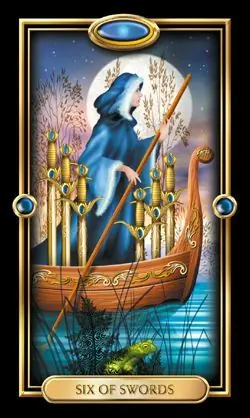

When these cards appear together, the deck speaks in movement: spark, speed, transition, and direction. It is a lovely set for career changes, creative decisions, or any reading where you need courage to keep going.
What I Like Most
What I like most is how clear the deck’s emotional temperature is. Warm cards feel genuinely warm. Shadow cards feel serious without becoming ugly. Hope cards shine. Movement cards move. That makes readings easier because your eye can often tell you the first layer before your mind reaches for a book definition.
I also like that the deck respects tradition without copying it flatly. The Magician still feels like will and skill. Strength still feels like courage and gentleness. The Devil still asks about masks, temptation, and self-made traps. But Marchetti gives many of these cards his own stage lighting, so they feel refreshed.
What to Know Before Buying
If you want a very soft, modern, inclusive, or minimalist deck, The Gilded Tarot may not be your perfect match. Its style is older digital fantasy: polished, dramatic, and decorative. It also has some cards that lean into classic tarot mood rather than everyday realism.
If you like detailed art and want a deck that can be read with traditional meanings, it is much easier to recommend. The edition most readers look for is the standard Llewellyn deck with guidebook material by Barbara Moore. If you are buying secondhand, check the listing carefully so you know whether you are getting the deck only, a kit, a box set, or a different Ciro Marchetti deck such as Gilded Tarot Royale or Tarot Grand Luxe.

Deck-specific card study
The Devil turns shadow work into a question about masks
The Devil card is one of the deck’s stronger mood shifts. Instead of only shouting “danger,” it feels more like a mirror held up to performance, temptation, and the roles we keep wearing. The darkness is theatrical, which suits this deck beautifully.
In practice, I would not read this card as doom. I would ask: “Where am I giving power to something that is not actually bigger than me?” It can speak about addiction, fear, obsession, control, or simply pretending to be fine when your spirit knows you are trapped in a costume.
Who Will Love The Gilded Tarot?
You may love this deck if you enjoy fantasy art, ornate tarot imagery, astrology hints, jewel colors, and a reading style that feels magical but still grounded in the classic system. It is a good fit for readers who want a deck that looks beautiful in photos but also works in actual spreads.
You may not love it if you prefer plain symbolism, soft pastels, collage art, or very modern people-centered scenes. The Gilded Tarot is more mythic than casual. It does not whisper. It glows.
Shadow, feeling, and treasure


This is the softer, deeper side of the deck: dreams, choices, intuition, and lasting value. It shows why The Gilded Tarot can handle emotional readings as well as big life-direction spreads.
Golden Rule for Reading With This Deck
Let the image speak first, then translate it into ordinary life. Do not stay floating in the gold and stars. If a card feels dramatic, ask what that drama means in one real sentence. “I need to stop avoiding the conversation.” “This idea has momentum.” “I am confusing fantasy with choice.” That is where The Gilded Tarot becomes useful instead of only beautiful.
Final Thoughts
The Gilded Tarot remains a memorable deck because it knows exactly what it wants to be: classic tarot through a golden fantasy lens. It is readable, expressive, and visually rich. For beginners, it offers a familiar structure with enough drama to keep practice exciting. For experienced readers, it gives familiar cards a fresh theatrical charge.
If you want a tarot deck that feels like a glowing cabinet of symbols, this one is still worth a serious look. If you want quiet minimalism, choose something softer. But if your reading table likes candlelight, astrology, gold, and a little mystery, The Gilded Tarot can feel right at home.
Related Tarot Deck Reviews
- Tarot Grand Luxe Review — another lush Ciro Marchetti deck with grand cinematic detail.
- Arcanum Tarot Review — a polished fantasy tarot with a softer romantic style.
- Light Seers Tarot Review — a modern emotional deck with strong shadow/light language.

The Gilded Tarot FAQ
Who created The Gilded Tarot?
The Gilded Tarot was created by artist Ciro Marchetti, with guidebook writing commonly associated with Barbara Moore in the Llewellyn edition. Marchetti is known for ornate digital tarot art, rich color, and a love of fantasy, astrology, and symbolic detail.
Is The Gilded Tarot the same as Gilded Tarot Royale?
No. They are related in style and creator lineage, but they are different decks/editions. If you are buying online, check the title, box art, ISBN or product photos carefully so you know whether you are getting the original Gilded Tarot or Gilded Tarot Royale.
Does The Gilded Tarot follow Rider-Waite-Smith meanings?
Yes, mostly. The deck keeps the standard 78-card tarot structure, familiar major arcana names, and the usual four suits. Some images shift the mood or visual emphasis, but you can read it with traditional tarot meanings.
Is The Gilded Tarot good for beginners?
It can be. Beginners who enjoy fantasy art often find it inspiring because the images are vivid and memorable. If you get overwhelmed by detailed artwork, start with one-card or three-card readings before moving into large spreads.
What makes The Gilded Tarot different from plainer tarot decks?
The difference is atmosphere. The Gilded Tarot uses gold, shadow, astrology, masks, nature scenes, and digital fantasy polish. It keeps the tarot system familiar, but the emotional tone feels more cinematic and magical than plain textbook tarot.


