The Herbal Tarot Cards
Explore the complete, verified Herbal Tarot Gallery in canonical tarot order. Choose a group or open any card for a larger carousel view.
Aurica’s Quick Take
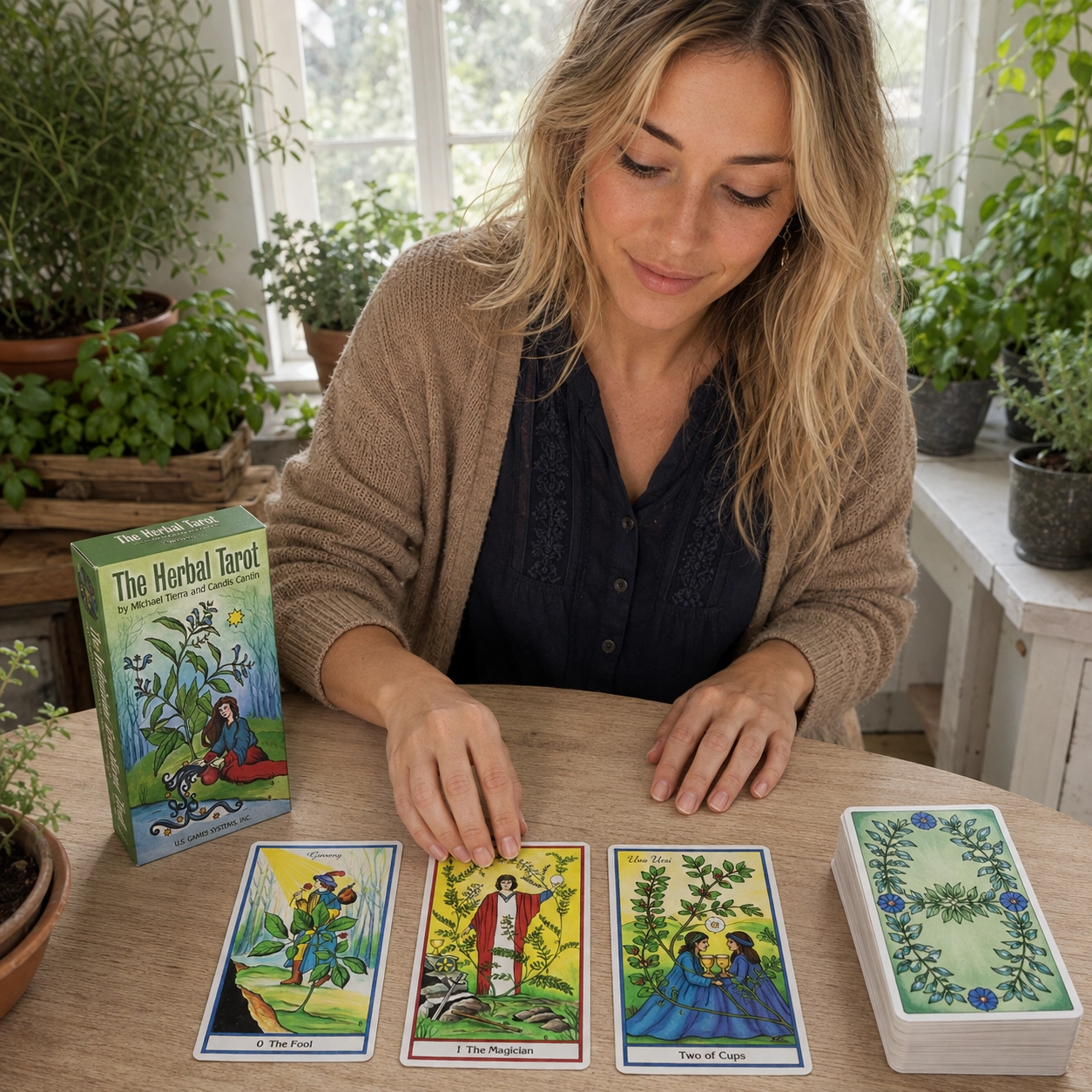
The Herbal Tarot, created by Michael Tierra and Candis Cantin, is a classic plant-medicine tarot published by U.S. Games Systems. It keeps a familiar tarot structure, but every card is paired with an herb, flower, root, or plant ally. That makes it feel grounded, earthy, and practical rather than flashy.
My quick take: this is a beautiful choice if you like tarot, herbal symbolism, journaling, and slow intuitive study. It is not the slickest modern deck visually, and it may feel old-school at first glance, but it has a gentle wisdom that rewards patient readers.
I use the plant correspondences here as symbols for reflection, never as prescriptions. Questions about health, treatment, money, or safety still belong with an appropriately qualified professional; the cards can help you notice your feelings and prepare better questions.
Let each herb become a small green lantern in the spread: you do not need to know every botanical secret today, only to follow the one living detail that helps you meet your next step with steadiness, kindness, and hope.
What Makes The Herbal Tarot Different?
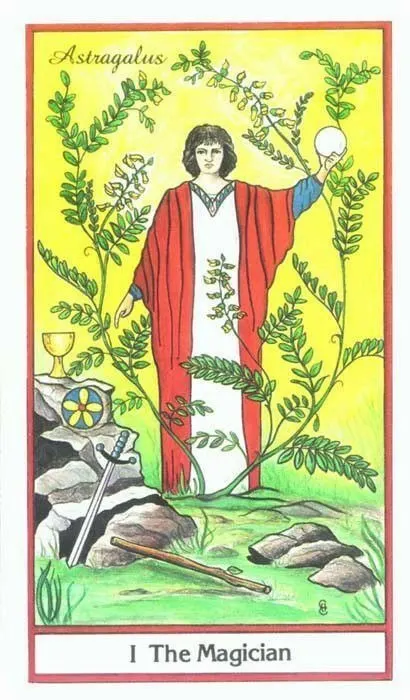
Most tarot decks ask you to read image, number, suit, and archetype. The Herbal Tarot adds one more layer: plant correspondences. The Magician, for example, is not only about skill and focused intention; the card also invites you to think about vitality, healing, and how energy is directed through the body and the natural world.
That herbal layer gives the deck a practical personality. It is especially helpful when your question is about care, recovery, boundaries, routine, burnout, emotional weather, or what needs to be tended next.
Deck Details at a Glance
- Deck: The Herbal Tarot
- Creators: Michael Tierra and Candis Cantin
- Publisher: U.S. Games Systems
- Best for: herbalists, nature lovers, journalers, reflective readers, and tarot students who enjoy correspondences
- Reading style: earthy, symbolic, gentle, practical, and healing-focused
- Not ideal for: readers who want ultra-modern art, glossy fantasy drama, or a deck with no extra symbolic system to learn
Artwork and First Impression
The artwork has a soft vintage feeling. The figures, plants, and colors are simple enough to read quickly, but the herbs add extra study value. Some cards feel almost like small teaching pages: here is the tarot scene, and here is the plant ally that changes the emotional tone.
If you are used to highly polished contemporary decks, The Herbal Tarot may feel quieter. Give it a little time. Its magic is not in dramatic shadows or cinematic artwork; it is in the way each card points back to the body, the garden, the seasons, and everyday healing.
Deck-specific card study
The Magician: skill as living energy
The Magician is a good card for understanding this deck. It still speaks about focus, will, and using your tools well, but the herbal imagery makes the message feel more embodied. Instead of “manifest harder,” the card asks: what are you feeding, practicing, and tending so your energy can actually move?

Deck-specific card study
The Hermit: quiet guidance, not isolation
In The Herbal Tarot, The Hermit feels like retreat with a purpose. It is a card for stepping away from noise so you can hear the smaller signals: the body’s limits, a recurring dream, a journal pattern, or the quiet truth you already know.

Deck-specific card study
Temperance: the medicine of right proportion
Temperance is one of the clearest matches for this deck’s voice. It is not only about balance as an abstract idea. It feels like dosage, timing, patience, and blending what supports you without overdoing it.
How The Herbal Tarot Reads in Practice
This deck reads best when you slow down. Start with the traditional meaning, then ask what the plant association adds. Is the card asking for protection, soothing, stimulation, clearing, patience, nourishment, or a change in rhythm?
For daily pulls, I would keep the question simple: “What needs care today?” or “What small medicine does this situation need?” The answer may be emotional, practical, or spiritual, but it usually points toward something you can actually do.
Four-card reading moment
A gentle reset spread


Use these four cards when you want a soft reset: what wants to begin, what tool you already have, where courage is needed, and what needs moderation.
Four-card reading moment
Grounding a real-life decision


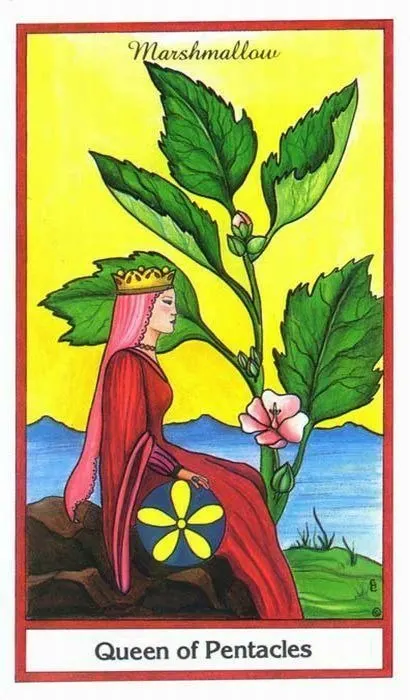
This group is useful for practical questions. It moves from fairness and reflection into a grounded next step, then asks what kind of care will make that step sustainable.
Four-card reading moment
Emotional clearing and recovery


For emotional questions, this deck is strongest when it helps you name what needs soothing and what needs honesty. The cards can be gentle without being vague.
Beginner Friendliness
The Herbal Tarot can work for beginners, but it is best for beginners who enjoy learning layers. If you only want a clean Rider-Waite-Smith clone, this may feel like extra homework. If you love herbs, gardens, kitchen magic, natural healing, or symbolic correspondences, the extra layer may make tarot easier to remember.
A simple way to learn it is to pull one card, read the tarot meaning, then read the plant association as the “tone” of the advice. That keeps the study grounded instead of overwhelming.
Love, Career, and Spiritual Readings
For love readings, The Herbal Tarot is good for questions about emotional care, repair, boundaries, trust, and what needs time. It is less suited to dramatic yes-or-no answers and better for “what is really asking for attention here?”
For career and money readings, it shines when the question is about energy management, practical next steps, patience, and burnout. For spiritual readings, it has a lovely devotional quality because the plants make each card feel connected to the living world.
Pros and Cons
| Pros | Cons |
|---|---|
| Unique herbal correspondence system that adds real study value. | The vintage art style may not appeal to everyone. |
| Gentle, grounded energy for journaling and reflective readings. | Herbal associations can feel like an extra layer to learn. |
| Good for readers interested in plants, healing symbolism, and nature-based spirituality. | Readers who want bold modern fantasy art may prefer a different deck. |
| Still readable through traditional tarot structure. |
Final Thoughts on The Herbal Tarot
The Herbal Tarot is not trying to be trendy. It is a steady, earthy deck with a clear purpose: bring tarot and plant wisdom into the same conversation. If that idea makes you curious, this deck is absolutely worth exploring.
I would recommend it most to readers who like slow study, nature symbolism, healing questions, and practical spiritual tools. It is the kind of deck that becomes more useful when you keep notes, compare cards, and let the herbal layer teach you over time.

The Herbal Tarot FAQ
Is The Herbal Tarot good for beginners?
Yes, especially for beginners who enjoy herbs, nature symbolism, and learning correspondences. If you want the simplest possible starter deck, a classic Rider-Waite-Smith-style deck may feel easier at first.
Who created The Herbal Tarot?
The Herbal Tarot was created by Michael Tierra and Candis Cantin and is published by U.S. Games Systems.
What makes The Herbal Tarot different?
Each card is connected with an herb or plant ally, so the deck blends traditional tarot meanings with herbal symbolism and a healing-focused reading style.
What kinds of readings is it best for?
It is especially strong for daily pulls, journaling, emotional check-ins, self-care questions, spiritual reflection, and practical decisions that need a grounded next step.
Is The Herbal Tarot a medical deck?
No. It can inspire reflection around wellness and care, but it should not replace medical advice, diagnosis, or treatment from a qualified professional.
Should I buy The Herbal Tarot?
Choose it if you like earthy decks, plant symbolism, and patient study. Skip it if you want a very modern art style or a deck with no extra symbolic system to learn.