A gentle square-card archive
Explore the Kokeshi Tarot Cards
A verified partial visual archive from this unusual square deck. Choose a family, then select any card for a larger carousel view.

Aurica’s Quick Take
I love how Kokeshi Tarot turns a reading into a little circle of bright wooden dolls. The square cards feel playful in my hands, yet the colours still carry clear emotion: turquoise opens the room, black steadies it, and every tiny expression asks me to slow down and notice the feeling beneath the question.
When I hold The Fool toward the light, her simple face makes courage look gentle rather than reckless. I read that softness beside the three cards on the table, then let the familiar Rider–Waite–Smith structure keep the message grounded. This is a lovely deck for questions that need honesty without harshness, especially when someone already knows what hurts and needs help seeing the next kind step.
The deck’s sweetness never has to make a reading shallow; it can make difficult truths easier to meet. If these little figures make you smile, let that warmth become part of the reading—you may find that a hopeful heart notices possibilities fear had hidden.
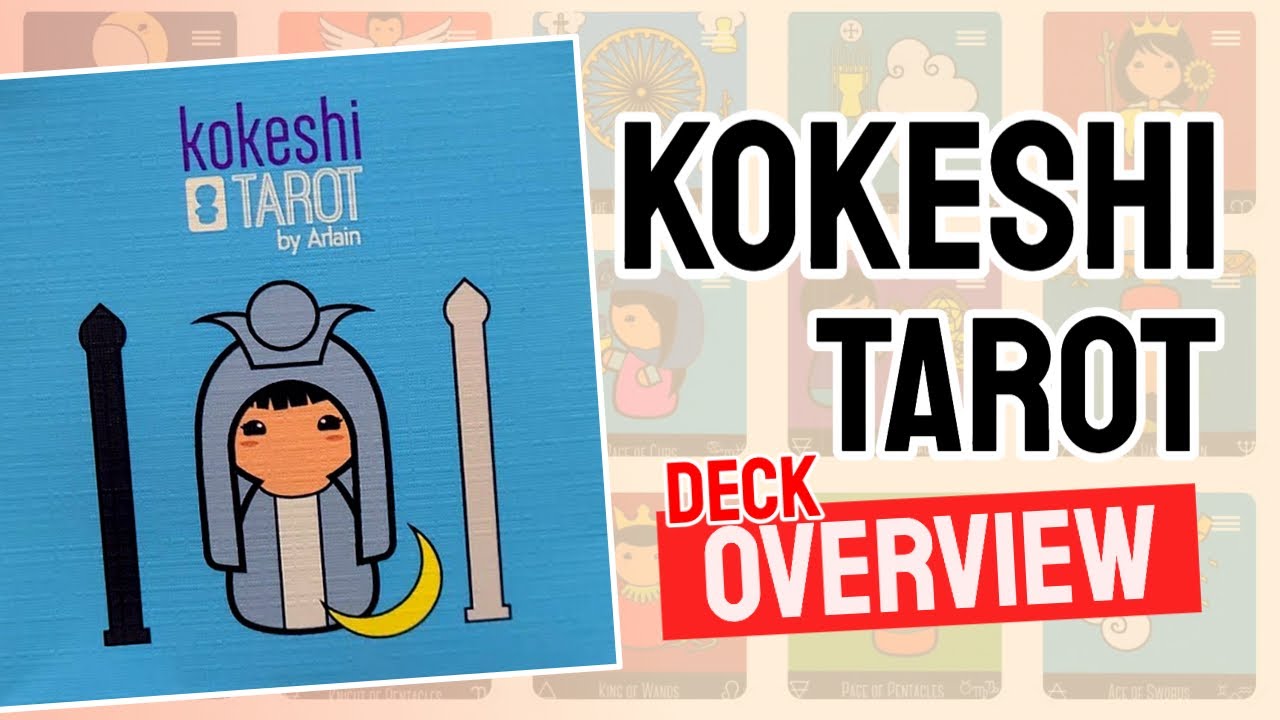
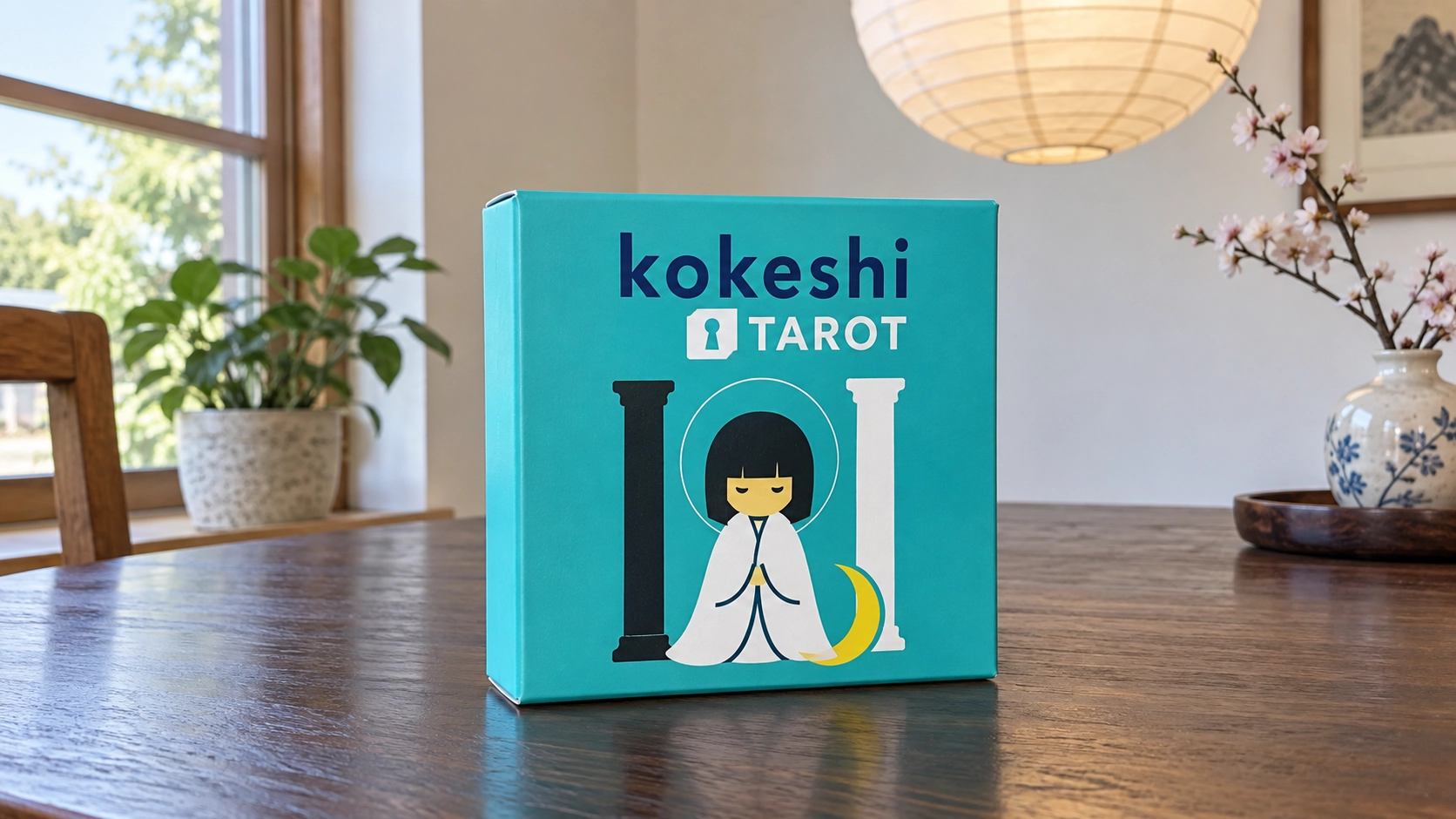
Kokeshi Tarot is a gentle square tarot deck inspired by Japanese kokeshi dolls. The deck looks sweet at first: round faces, bright costumes, simple poses, and a friendly folk-art mood. But the small doll-like figures also make the tarot structure clear and surprisingly readable.
The TarotFans native gallery shows available Kokeshi Tarot card images without padding or faking missing cards. Use it to compare the major arcana, suits, court cards, colors, costumes, and the calm doll-inspired language before deciding whether this soft style fits your readings.
What Makes Kokeshi Tarot Different?
Some tarot decks create intensity through realistic faces, dramatic landscapes, or heavy shadow. Kokeshi Tarot does something quieter. The figures are simple, so meaning comes from color, object, posture, suit pattern, and costume detail. That gives readings a calm, approachable feeling without removing the tarot message.
I also treat the cultural inspiration with respect. Kokeshi dolls are a real Japanese folk-art form, not just a random “cute” style. This deck reads best when we appreciate the doll-like influence and then look carefully at the symbolic design of each card.

Deck-specific card study
The Fool: a soft brave beginning
In Kokeshi Tarot, The Fool feels friendly instead of reckless. The doll-like figure makes the card read like a small traveler at the start of a story. I still read the classic themes: innocence, trust, curiosity, and stepping into the unknown.
The difference is tone. It says, “Begin with openness,” not “throw yourself into chaos.”
How It Reads in Practice
Kokeshi Tarot is especially useful when a reading needs kindness. The simplified faces do not push the reader into instant drama, so the message can land gently. Difficult cards still mean change, pressure, or endings, but the deck makes them easier to look at without panic.
The minors are also easy to compare. Wands carry movement and creative heat. Cups stay emotional and tender. Swords feel mental and boundary-focused. Pentacles stay grounded in craft, body, home, and resources.
Beginning With Gentle Confidence


This four-card line starts with trust, gathers tools, chooses a direction, and then moves quickly. It is a friendly push to start small and let momentum help.
Love, Care, and Emotional Simplicity
For love and friendship readings, the deck is soft without being empty. It is good for asking what feeling needs respect, where kindness is useful, and how to move away from emotional confusion without making the reading feel heavy.

Relationship study
Queen of Cups: quiet emotional care
The Queen of Cups is a strong match for this deck’s softness. Her wisdom does not need a dramatic ocean scene. The kokeshi-inspired figure feels contained, gentle, and inwardly aware.
In a reading, she asks what feeling needs respect and where you can be kind without losing your center.
Healing an Emotional Wobble


This moment begins with disappointment, remembers sweetness, walks away from what is empty, and ends with emotional steadiness.
Work, Study, and Handmade Practice
The Pentacles feel especially at home in a folk-art inspired deck. Kokeshi’s clean shapes and handmade feeling make practical cards about skill, habit, resources, and careful work feel natural.

Craft study
8 of Pentacles: careful handmade practice
The 8 of Pentacles is a perfect card for this deck. Kokeshi dolls connect with craft, repetition, shape, and tradition, so the card’s message of practice lands beautifully.
It is useful for school, creative training, tarot study, work habits, budgeting, or anything that grows slowly through steady attention.
Choosing Clear Words Over Stress


This spread is about mental boundaries: pause, notice conflict, move toward calmer thinking, and speak with clean honesty.
Who Will Love This Deck?
- Beginner tarot readers who want familiar meanings in a softer style.
- Fans of cute but symbolic decks with real tarot structure underneath.
- Collectors who enjoy Japanese-inspired folk-art aesthetics.
- Readers who want a gentle deck for family-friendly or low-drama sessions.
- Visual learners who like simple shapes, clean colors, and easy-to-compare suit patterns.
You may want to skip it if you prefer dark art, realistic faces, large scenic backgrounds, or standard tall tarot cards. Kokeshi Tarot is strongest when you want charm, clarity, and softness.
Making Something Real


A grounded growth story: receive the seed, build with others, practice the craft, and create something that can support more than one moment.
Pros and Cons
| Pros | Cons |
|---|---|
| Gentle kokeshi-doll inspired art makes tarot feel approachable and friendly. | Not ideal if you want dark, dramatic, or highly realistic tarot art. |
| Clear shapes and suit patterns are useful for beginners and visual learners. | The square format may feel unusual if you prefer traditional tall tarot cards. |
| Good for daily pulls, kind readings, family-friendly sessions, and calm reflection. | Readers seeking intense shadow work may want a heavier deck. |
| The available-card gallery gives a strong look at the deck’s visual system. | Some missing cards are not padded or faked in the gallery. |
Final Thoughts
Kokeshi Tarot is warm, tidy, and sincere. It takes familiar tarot structure and dresses it in a doll-inspired folk-art style that feels gentle without being empty. The cards can support real readings, especially when the reader wants clarity without heaviness.
If the gallery makes you smile and still gives you enough symbolism to read from, that is the best sign. For the right reader, the simplicity is exactly the magic.
 View Kokeshi Tarot at The Game Crafter
Kokeshi Tarot FAQ
Is Kokeshi Tarot good for beginners?
Yes. The images are friendly, simple, and easy to compare, while the deck still follows familiar tarot structure.
What is in the TarotFans gallery?
The TarotFans Gallery is a verified partial visual archive of available Kokeshi Tarot card images. Missing cards are not padded or faked.
What makes Kokeshi Tarot different?
Its main difference is the Japanese kokeshi-doll inspired visual style: gentle faces, clean shapes, costume details, and folk-art simplicity.
Can Kokeshi Tarot do serious readings?
Yes. The tone is soft, but the symbolism is still useful. It works best for clear, kind readings rather than very heavy theatrical work.
Who might not love Kokeshi Tarot?
Readers who want dark art, realistic faces, large scenic backgrounds, or traditional tall cards may prefer another deck.
What is the best way to read with this deck?
Start with the whole design: costume, color, suit symbols, posture, and object. Because the faces are simple, the meaning often comes from the full visual pattern.