Linestrider Tarot Card Gallery
Explore the verified Linestrider Tarot artwork in one continuous gallery. Select any card to open the larger Lightbox, then use the previous and next controls to move through the available cards.

Quick Take: Is the Linestrider Tarot worth it?
Yes, the Linestrider Tarot is worth considering if you want a gentle, intuitive Rider-Waite-Smith inspired deck with soft watercolor art and a spacious emotional tone. It is best for readers who enjoy symbolism, animals, body language, and intuitive storytelling. Total beginners can use it, but they may want the guidebook nearby because the art is more suggestive than literal.
I love the hush around these cards. Their white space feels like fresh paper waiting for a thought, while a flick of blue, rust, or rose quietly leads my eye to the feeling that matters. I begin with that first pull of colour or gesture, then set it beside the card’s familiar tarot role so intuition has something solid to stand on.
The Star is a beautiful example. Its figure seems to float between pouring and receiving, delicate but never helpless. In a reading, I hear it as hope returning through one small honest act. Beside The Fool, it can bless a new beginning; beside The High Priestess, it asks me to protect the dream long enough to hear what it is saying.
Animals carry much of Linestrider’s emotional weather. I notice whether they approach, watch, curl inward, or turn away, and I let nearby cards tell me whether that movement is courage, caution, longing, or self-protection. A simple three-card spread—what is stirring, what wants space, and what can be done next—gives this airy artwork enough room to speak clearly.
I reach for Linestrider when a question feels tender or creatively stuck. It does not shout, yet its softness should not be mistaken for vagueness: the traditional structure is there beneath the watercolour. Beginners may want a guide close by at first, then let each quiet image become a doorway into their own clear, compassionate reading voice.
The Linestrider Tarot feels like a watercolor dream that learned how to walk between worlds. Siolo Thompson’s art is airy, animal-rich, and emotionally sharp without becoming heavy. If you like tarot decks that leave space for intuition instead of filling every inch with detail, this one has a lovely, liminal magic.
- Best for: intuitive readings, journaling, shadow-softening, creative spreads, and readers who like animal symbolism.
- Reading style: subtle, poetic, emotionally observant, and reflective.
- Beginner level: friendly if you already know basic tarot meanings, medium if this is your first deck ever.
- Biggest strength: it creates room for your intuition to speak.
- Biggest caution: some cards are minimalist, so readers who need obvious scene-based clues may find it too airy at first.
Art Style: Watercolor, white space, and spirit-animal feeling
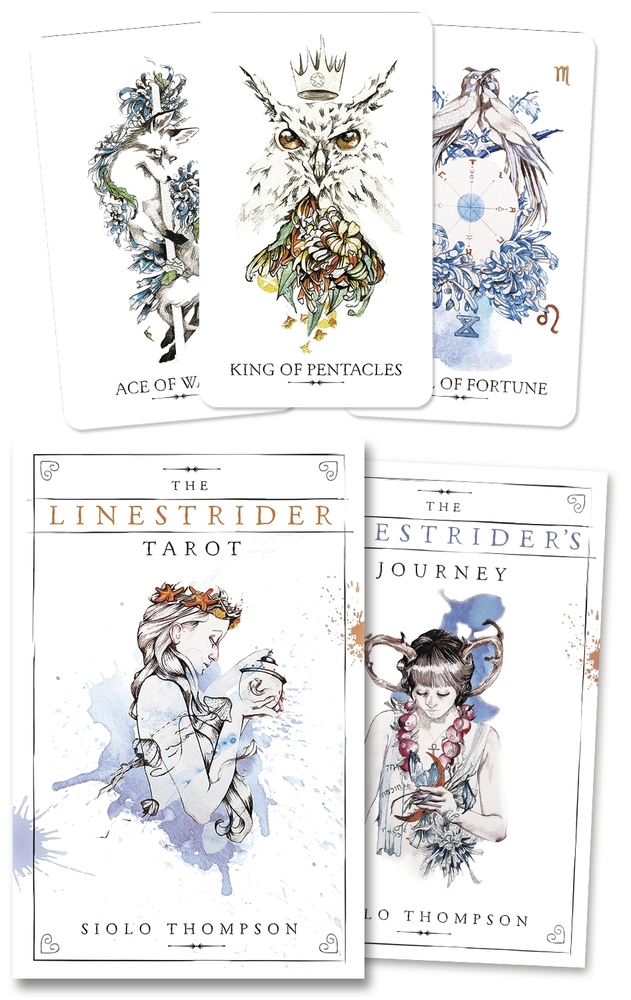
The Linestrider Tarot has a very recognizable look: pale backgrounds, loose ink lines, soft splashes of color, and figures that seem half in this world and half in another. Many cards use animals, hybrid bodies, or symbolic movement rather than a full scenic stage. That gives the deck a dreamy, modern mystical feeling.
What I love is that the white space is not empty. It acts like a pause. In a reading, that pause can help you notice the question underneath the question. Instead of shouting, the deck asks you to lean closer.
Card case study
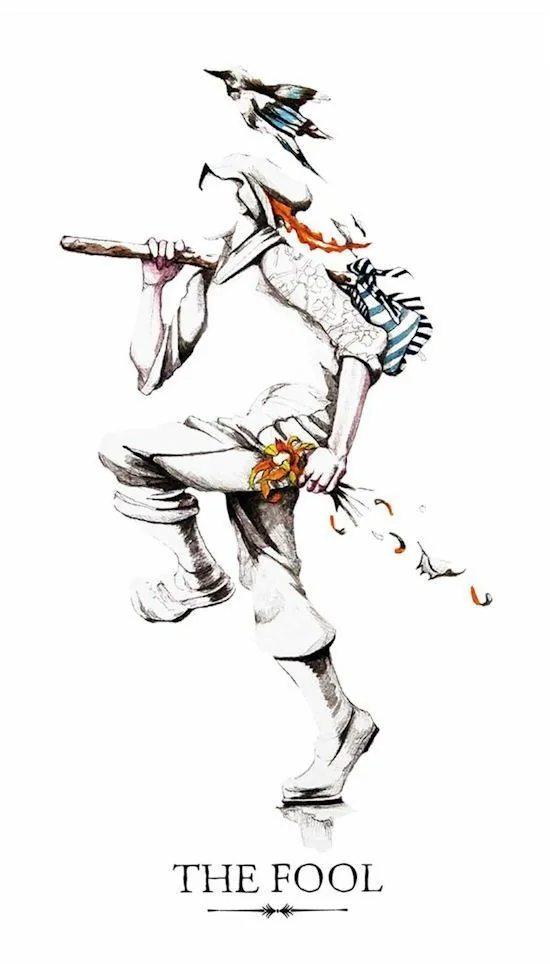
The Fool: courage before certainty
In this deck, The Fool does not feel reckless. It feels light, curious, and slightly unpinned from the ordinary world. For a beginner, this is a beautiful way to understand the card: you do not need the whole map before taking the first honest step.
In a real reading: if someone asks whether to start a new creative project, The Fool says, “Begin small, stay awake, and let the path teach you.”
How the Linestrider Tarot reads
This deck reads like a quiet conversation. It is not a blunt “yes/no” deck for me. It is better at showing mood, pattern, emotional weather, and the hidden instinct inside a situation. The animal imagery often gives the first clue: Is the card crouching, flying, guarding, reaching, hiding, or transforming?
If you read by traditional meanings, you will still find enough Rider-Waite-Smith structure to stay grounded. But the best readings happen when you let the artwork add another layer. Notice posture. Notice color. Notice what is missing. In Linestrider, silence is often part of the message.
Major Arcana mood check

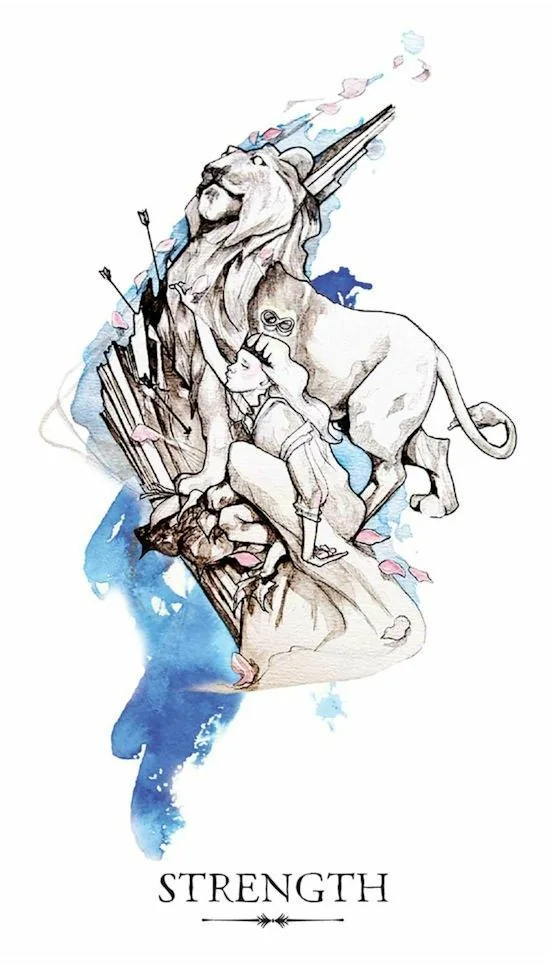

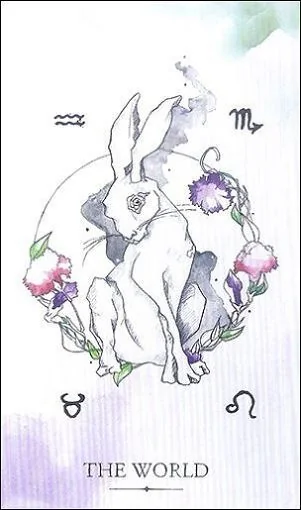
These cards show how the deck handles growth: not as a loud victory march, but as small moments of alignment, courage, healing, and return.
Beginner Friendliness
The Linestrider Tarot can be beginner-friendly, but it is not the most literal beginner deck. If you want every card to show a clear scene with many classic symbols, a traditional Rider-Waite-Smith deck may feel easier at first. If you enjoy art, animals, dreams, and emotional nuance, Linestrider can actually be a wonderful teacher.
My practical advice: learn the core card meanings first, then ask, “How does this image change the temperature of the meaning?” For example, a card about conflict may feel less aggressive here and more like a nervous system asking for gentleness.
Easy, medium, and hard reading examples
Easy example: “What energy helps me today?”
If you pull Ace of Cups, the deck’s soft art may point to emotional openness, kindness, and letting a feeling move instead of locking it down. A simple action could be sending a loving message, drinking water, making art, or giving yourself one quiet hour.
Medium example: “What is happening in this relationship?”
If Queen of Swords appears, Linestrider may show the need for honest speech without emotional cruelty. The card can ask: where do you need a boundary, and where do you need a softer tone?
Hard example: “Why do I keep avoiding this decision?”
If The Devil appears, this deck does not have to be scary. It may show a pattern, attachment, or comfort loop that has become too tight. The question becomes practical: what gives short-term relief but long-term fog?
Card case study
Strength: soft power, not force
Strength is one of the cards where Linestrider really shines. The message is not “win by pushing harder.” It is “stay present with the wild feeling until it trusts you.” That makes the card especially useful for anxiety, anger, grief, or any situation where control is not the same as healing.
Reader tip: ask, “What part of me needs patience instead of pressure?”
Letting courage become movement
I read Strength as the moment we stop wrestling with an inner feeling and begin listening to it. The cards that follow carry that steadiness into motion: Wands bring the spark, while Cups show whether the heart is ready to travel with it. In a spread, I would look to the nearby suit to decide whether the next honest step is action, patience, or a kinder conversation.
Elemental movement

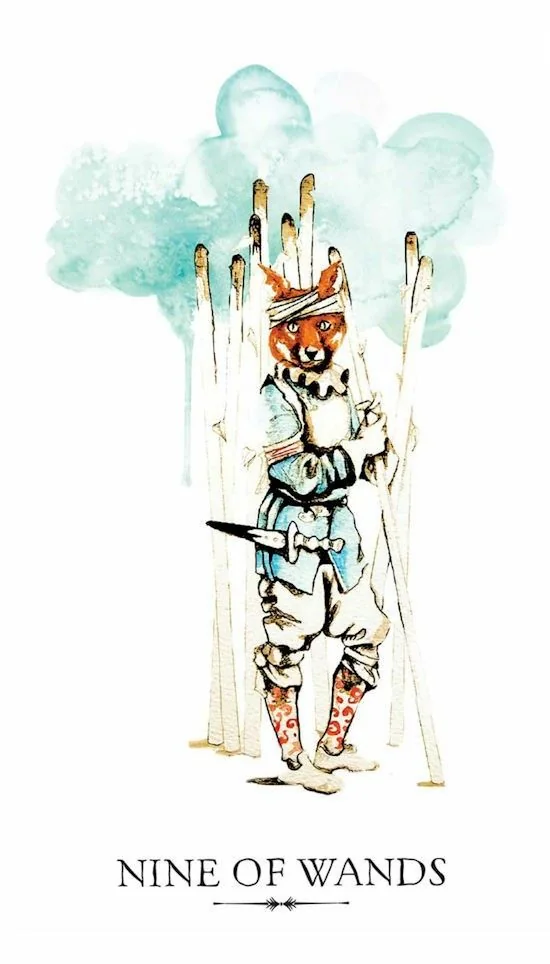

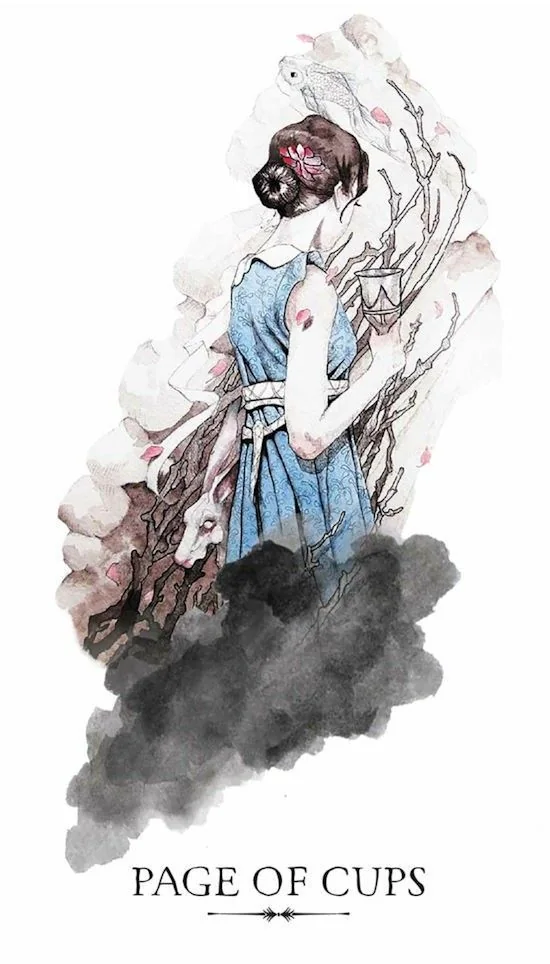
Fire and water feel especially alive here: inspiration, tenderness, hope, and emotional curiosity all have room to breathe.
Best uses for the Linestrider Tarot
- Daily card pulls when you want a gentle but meaningful reflection.
- Creative journaling because the art opens symbolic and visual associations quickly.
- Relationship readings where tone, body language, and emotional truth matter.
- Shadow work with care because difficult cards can feel honest without feeling punishing.
- Intuitive practice for readers learning to trust first impressions.
What to know before buying
The Linestrider Tarot is not a deck for someone who wants bold, saturated, highly detailed fantasy scenes on every card. Its beauty is more delicate. Some images are sparse, and that can either feel magical or frustrating depending on your reading style.
The guidebook is helpful, especially if you are newer to tarot. The deck also rewards repeated use. A card that looks “too simple” at first may become deeply expressive once you have read with it several times.

Card case study
Page of Pentacles: learning by touching the real thing
Page of Pentacles is a perfect card for this deck because Linestrider often teaches through curiosity. The Page is not trying to master everything in one day. They are studying the coin, the lesson, the body, the craft.
In practice: when this card appears, choose one grounded step: make the list, buy the notebook, practice for twenty minutes, or ask the simple question you were avoiding.
Bringing the message back to earth
The Page of Pentacles asks me to touch the real thing: write the plan, name the resource, or practise the skill. When a difficult card follows, that grounded curiosity keeps the reading from drifting into fear. I can acknowledge the shadow in the picture, compare it with the surrounding cards, and still leave the table with one gentle action I am capable of taking.
When the reading gets difficult

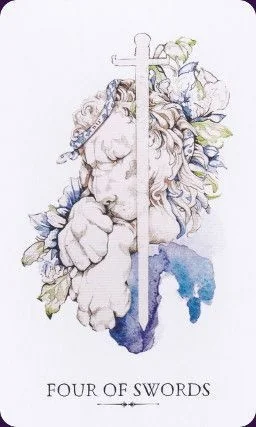

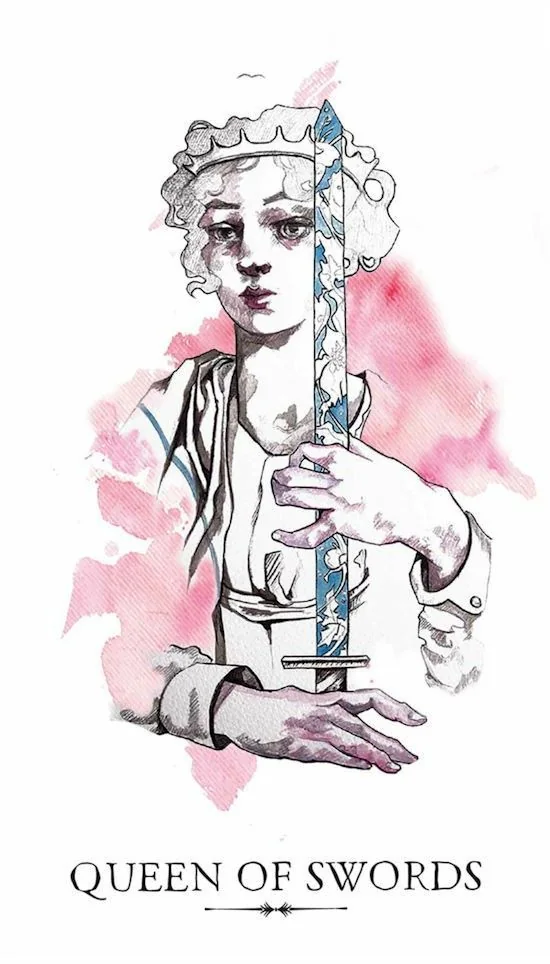
Hard cards in this deck tend to feel like compassionate truth-tellers. They do not deny pain, but they do point toward rest, clarity, and choice.
Aurica’s Golden Rule for reading with Linestrider
Read the space around the symbol. With Linestrider, the blank areas, pale washes, and unfinished edges are part of the message. Before you jump to a memorized meaning, ask: what is the card leaving open? What is moving? What is withdrawing? What wants more gentleness?
Grounding the message

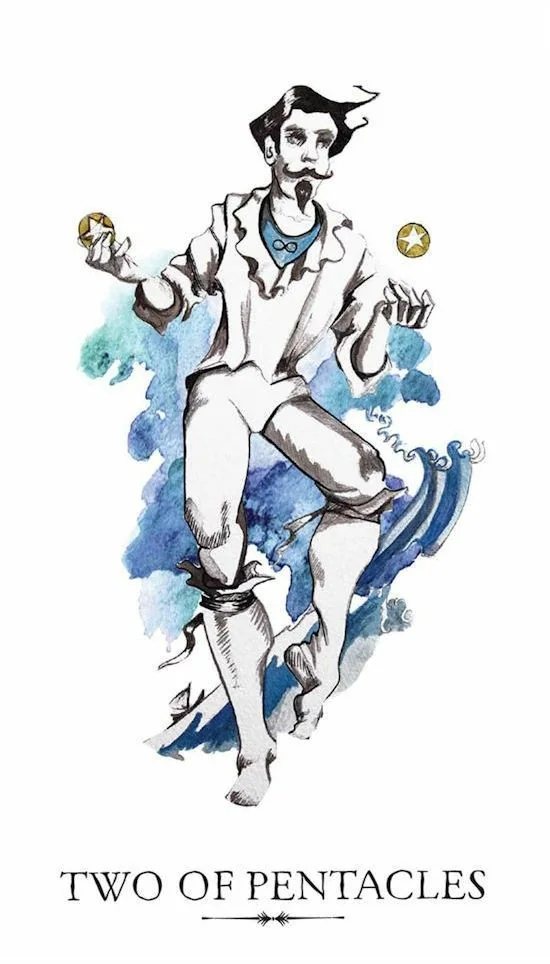

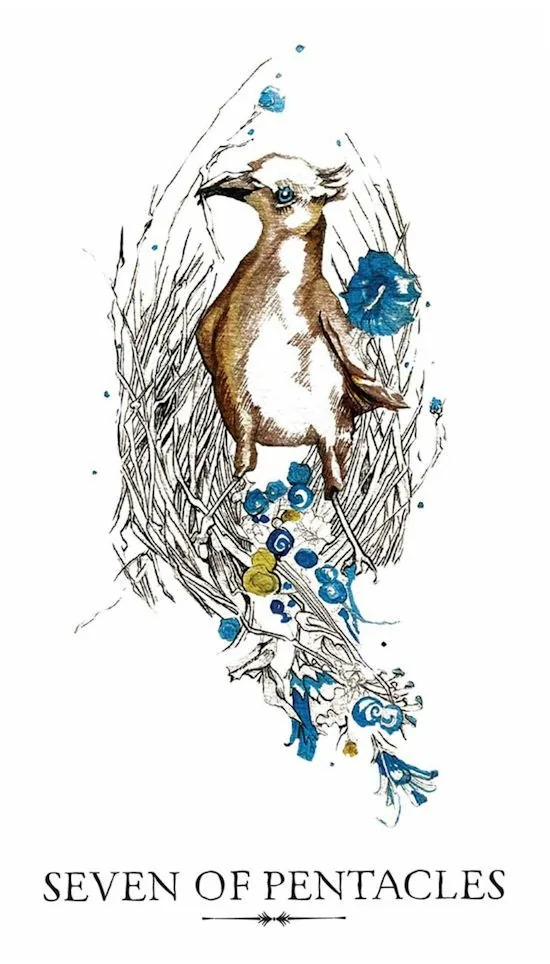
The Pentacles are a useful balance to the deck’s dreaminess. They remind you to turn insight into habits, resources, timing, and care for the body.
Final Thoughts
The Linestrider Tarot is a beautiful choice for readers who want tarot to feel intuitive, artistic, and emotionally spacious. It keeps enough traditional structure to be useful, but it also invites you to read like a poet: through gesture, silence, symbol, and feeling.
If you want a bold teaching deck with obvious clues, this may not be your easiest first choice. If you want a deck that whispers, deepens, and becomes more personal with time, Linestrider is a very special companion.

Linestrider Tarot FAQ
Who created the Linestrider Tarot?
The Linestrider Tarot was created by artist Siolo Thompson. The deck is known for watercolor art, animal symbolism, open white space, and a liminal feeling that sits between everyday life and the spirit world.
Is the Linestrider Tarot based on Rider-Waite-Smith?
Yes, it is broadly Rider-Waite-Smith inspired, so many familiar meanings are still usable. The artwork is more minimalist and intuitive, though, so readers should combine traditional meanings with visual impressions from each card.
Is the Linestrider Tarot good for beginners?
It can be good for beginners who enjoy intuitive art and are willing to use the guidebook. Absolute beginners who want very literal scenes may find a classic Rider-Waite-Smith deck easier before moving into Linestrider’s softer style.
What kind of readings does Linestrider Tarot suit best?
It suits reflective readings, daily pulls, creative journaling, relationship questions, emotional pattern work, and intuitive development. It is especially strong when the question needs nuance rather than a blunt answer.
Does the Linestrider Tarot include a guidebook?
Most boxed editions include a guidebook or companion booklet, depending on the printing. Because the art is subtle, the guidebook is useful for learning how the creator connects the images with traditional tarot meanings.
What makes the Linestrider Tarot different from darker animal tarot decks?
Linestrider uses animals and hybrid figures, but the tone is airy, delicate, and watercolor-soft rather than heavy or gothic. It often feels like a dream journal: symbolic, emotional, and spacious.