Explore the Pagan Ways Tarot Cards
Browse the exact-edition deck in card order. Choose Major Arcana, Swords, Wands, Cups, or Pentacles to filter the continuous gallery, or select any card to open the full-size Lightbox with its visible card name.
Showing the selected card group.

Aurica’s Quick Take
I love how Pagan Ways Tarot places human gestures inside a breathing seasonal world. The figures stand beneath moons, among trees, and beside water, so even a practical question opens into atmosphere, memory, and the changing light of the year.
Before I reach for the guidebook, I name the first movement I can see: who is turning, waiting, offering, resisting, crossing, or returning? Then I notice the season around it. A changed title such as Wyrd often reveals the heart of the reading.
Lay four cards in the afternoon light and give each image one honest sentence. May Pagan Ways Tarot help you recognize your season, honor what is quietly ripening, and take one kind, grounded step with the wisdom already beside you.
A Pagan tarot built as a living seasonal system
Anna Franklin’s Pagan Ways Tarot is not simply a Rider–Waite–Smith recoloring. Its 78 photographic-collage cards retell the Fool’s journey through Pagan archetypes, deities, the elements, and the Wheel of the Year.
Richly researched and unusually cohesive, especially for readers who want seasonal practice and myth to shape the reading—not merely decorate it.
What makes Pagan Ways Tarot different?
Franklin describes this as an “unapologetically Pagan tarot.” The distinction matters. Rather than placing Pagan scenery around otherwise unchanged cards, she rebuilds the deck’s inner logic around a worldview in which land, season, deity, and spirit are active participants.
The Minor Arcana follows everyday, outward experience; the Major Arcana turns inward toward spiritual growth and initiation. Gods and goddesses from different pantheons appear as embodiments of recurring human and natural forces. The result is recognizably tarot, yet it has a voice of its own.
Meet the deck’s changed vocabulary
Four early Majors show how Franklin keeps the tarot skeleton while shifting its spiritual language.
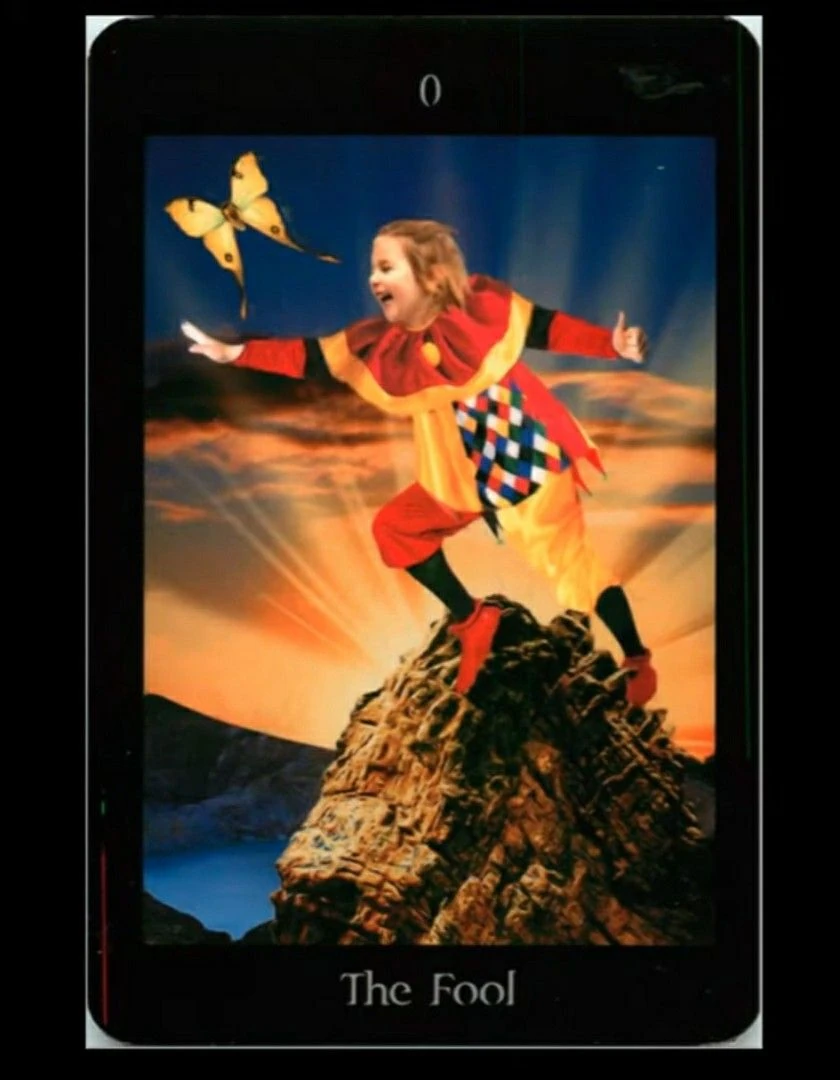
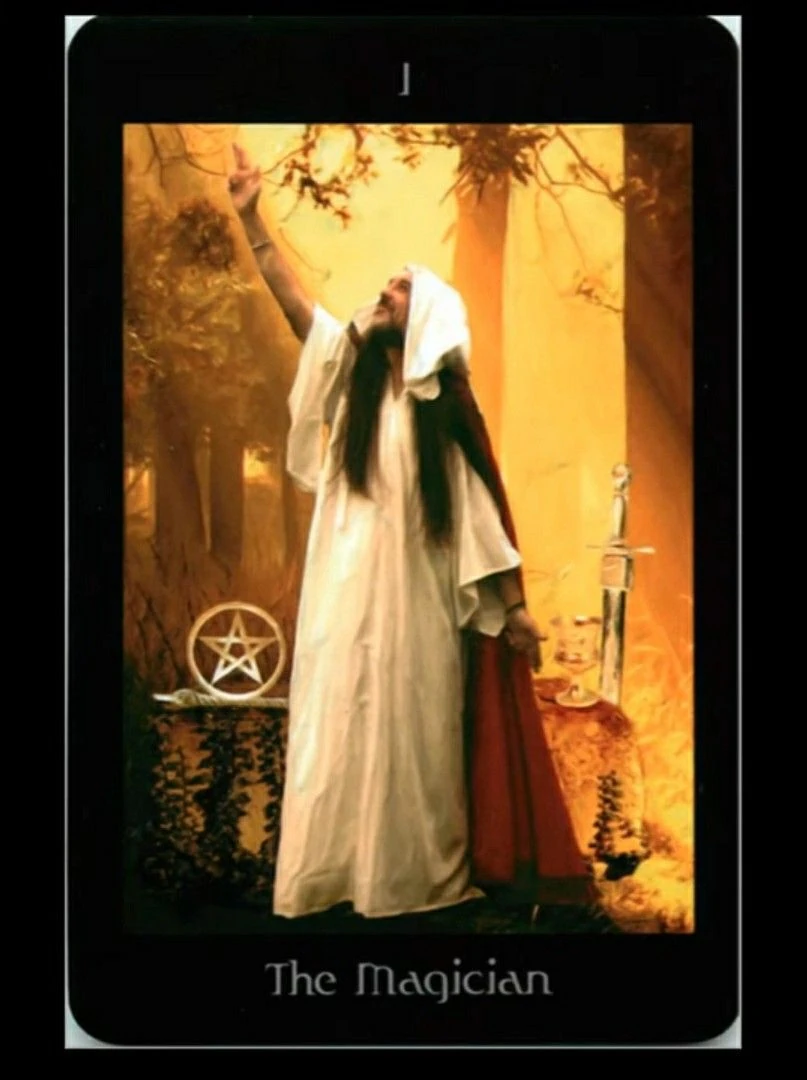
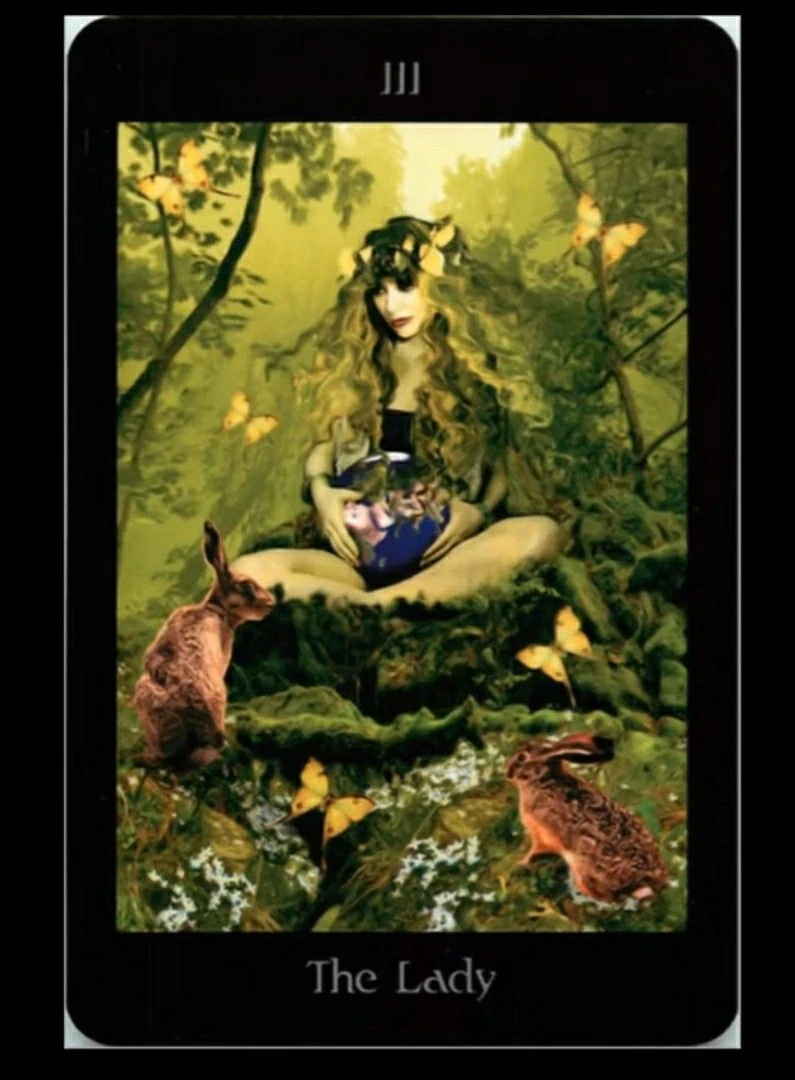
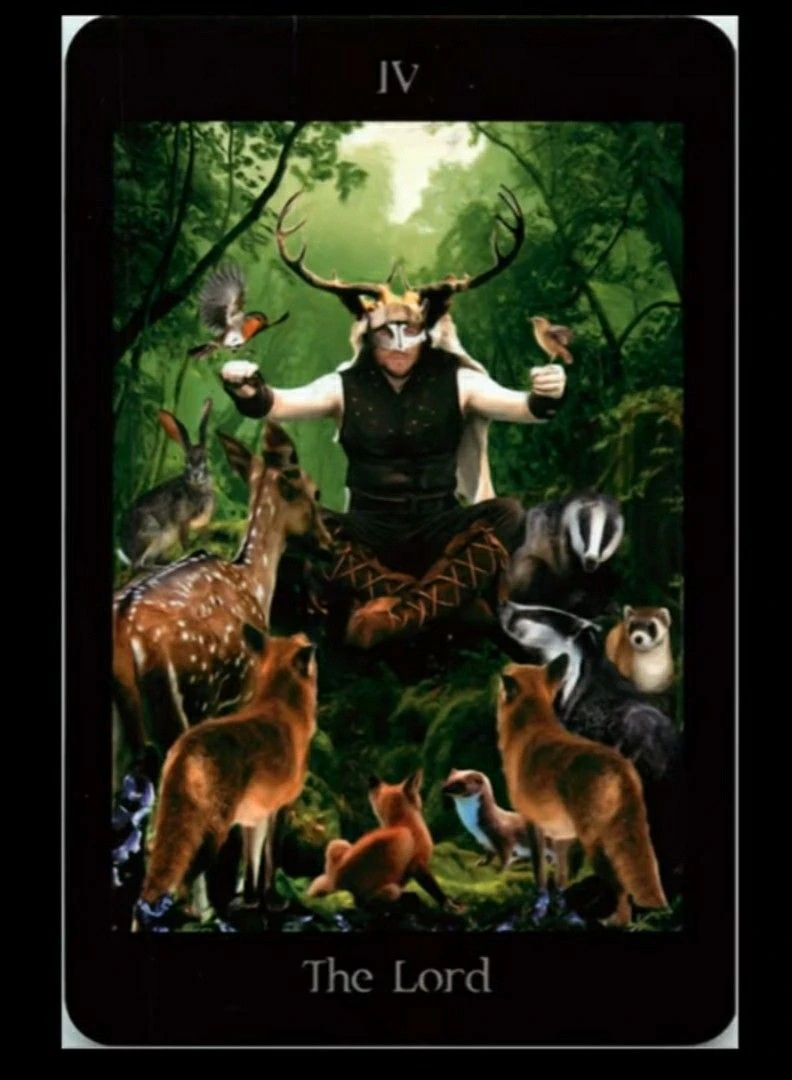
Read them together: The Fool arrives open, The Magician directs energy, and The Lady and Lord ask how creative and ordering powers can remain in relationship rather than opposition.
Major Arcana: familiar milestones, Pagan names
Several renamed Majors make the deck’s stance immediately clear: The Lady and The Lord stand where the Empress and Emperor usually appear; The Elder replaces the Hierophant; Wyrd reframes the Wheel of Fortune; The Underworld replaces the Devil; Rebirth takes the place of Judgement; and The Universe completes the journey where many decks use The World.
These are not arbitrary labels. Wyrd emphasizes the web of causes, choices, and inherited patterns. The Underworld invites descent and honest encounter rather than reducing the card to temptation. Rebirth makes renewal explicit. If you already know the Rider–Waite–Smith sequence, these changes are easy to map—but different enough to change the tone of a spread.
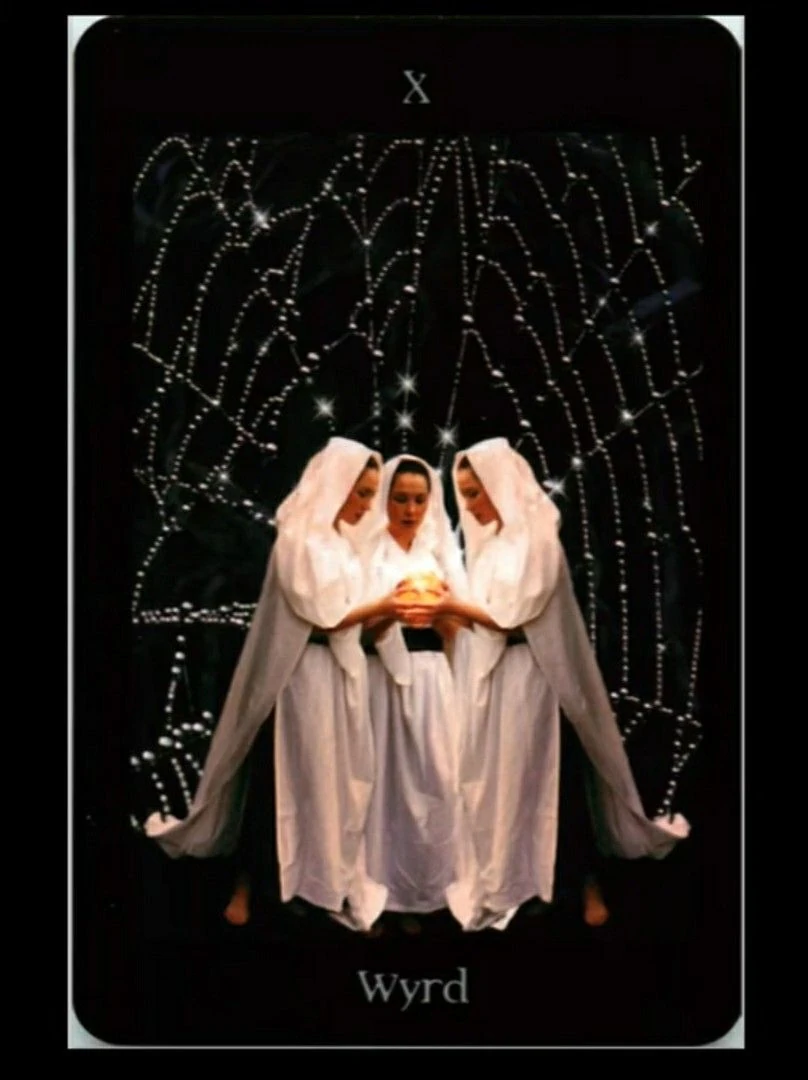
Wyrd
The Wheel becomes a web. Read this card for turning conditions, consequence, timing, and the patterns you are already participating in—not passive “luck” arriving from nowhere.
A descent-and-return spread
Use these four cards when a situation feels stuck between surrender and renewal.
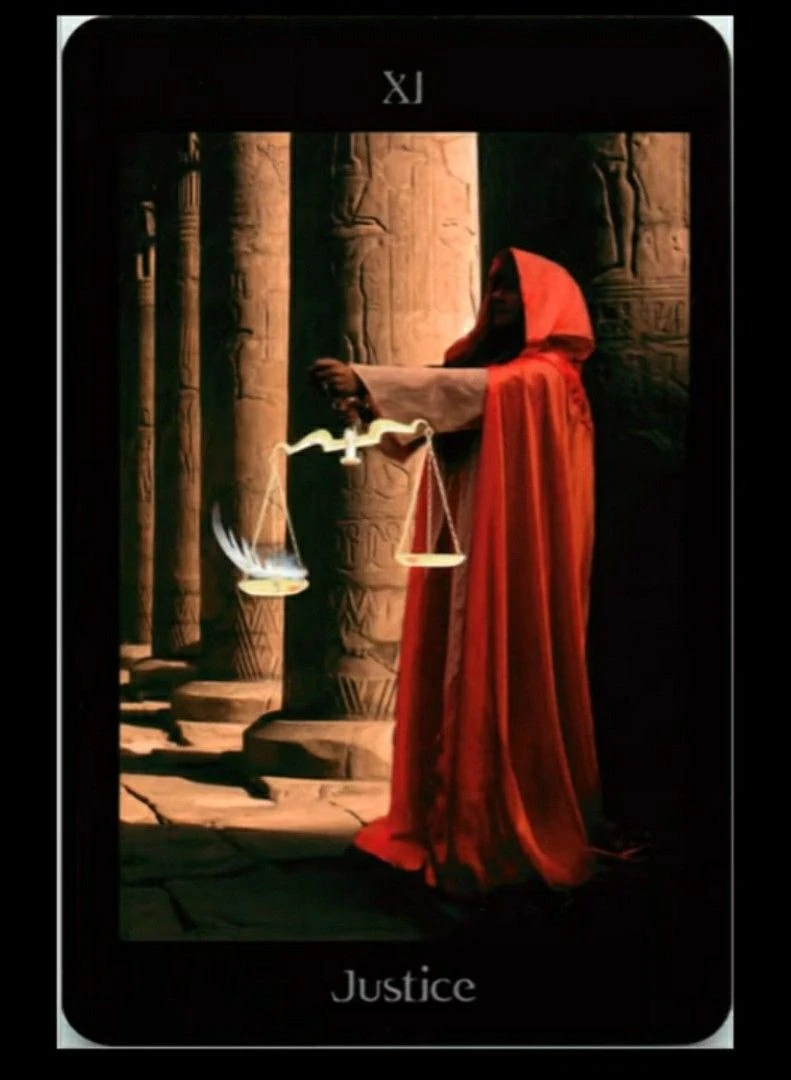
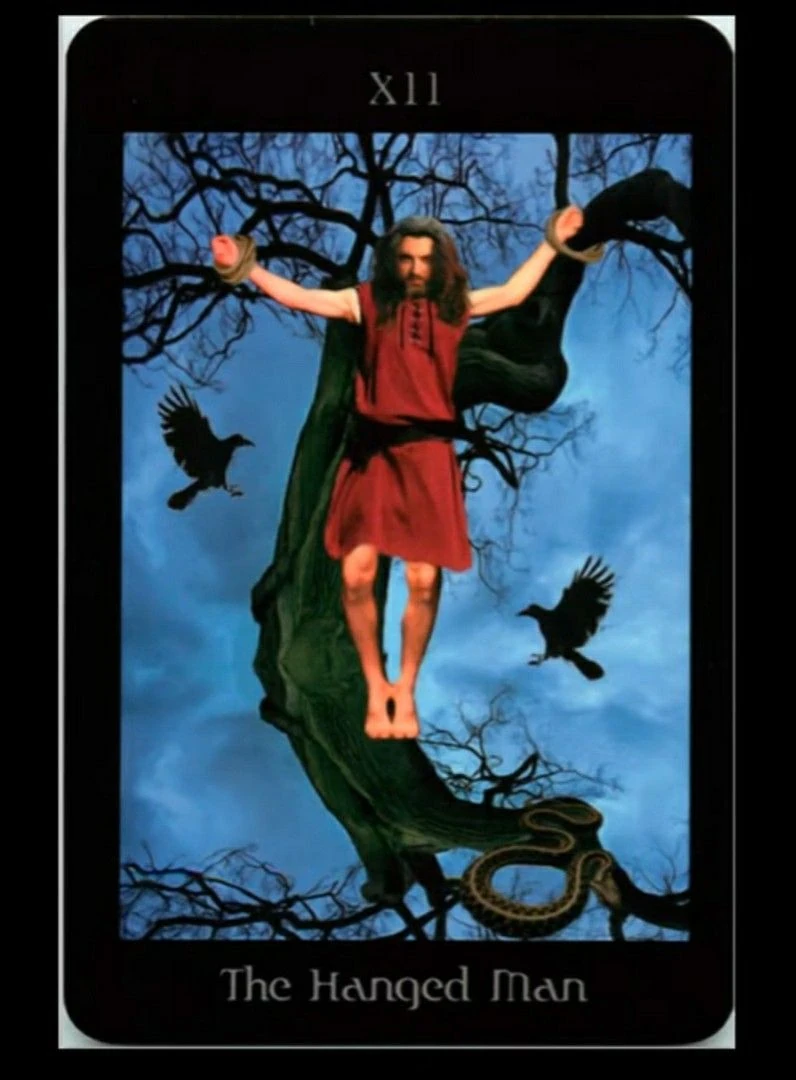
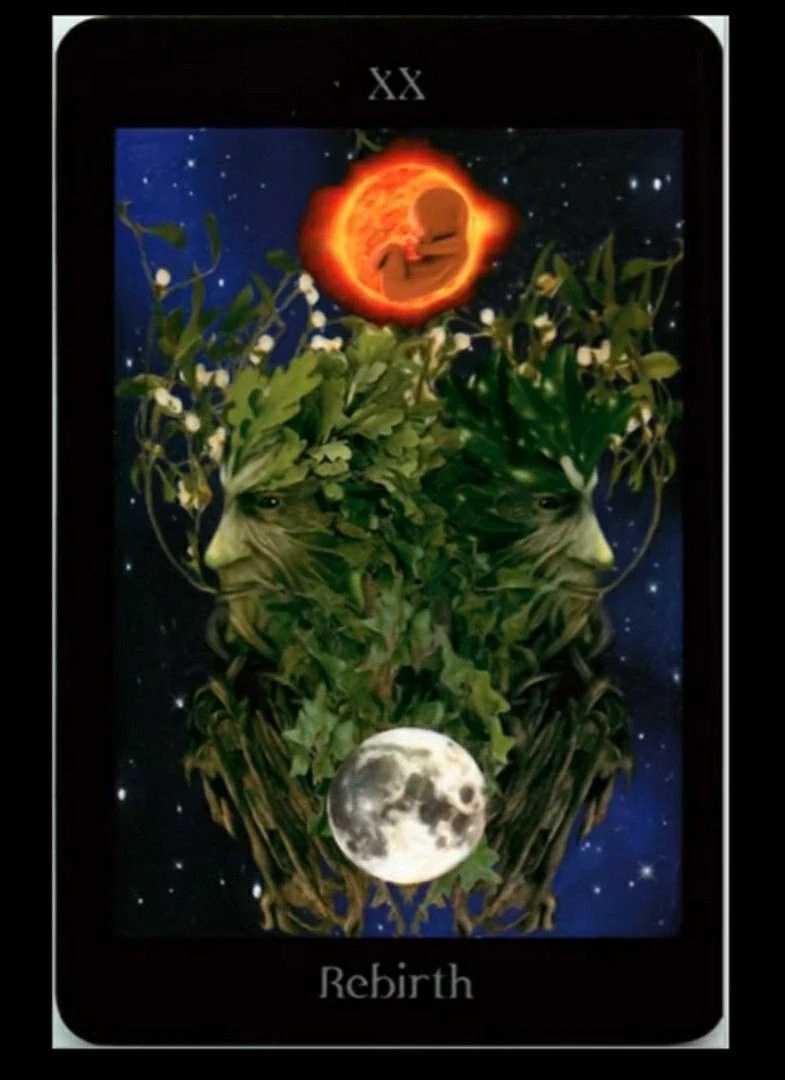
Read them together: Wyrd supplies the pattern, Justice the honest reckoning, The Hanged Man the necessary pause, and Rebirth the form of the next beginning.
Minor Arcana: the outward path of life
The four familiar suits—Swords, Wands, Cups, and Pentacles—remain intact. Numbered cards are fully illustrated, so the deck supports image-led readings rather than forcing you to rely on suit and number alone. The courts use Princess, Knight, Queen, and King.
Franklin gives the courts an additional seasonal function. Princesses mark the opening of the seasons and Queens their zenith. Knights embody each suit’s characteristic action, while Kings express its element in a concentrated form. This is one of the deck’s strongest teaching ideas: court cards stop feeling like a difficult cast of personalities and become movements within the year.

Princess of Wands
A court card can describe a person, but here the Princess also opens a seasonal gate. Look for first sparks, threshold energy, and the moment potential asks to be welcomed.
Elemental movement in the Minors
A cross-suit line that shows how an impulse becomes feeling, decision, and form.

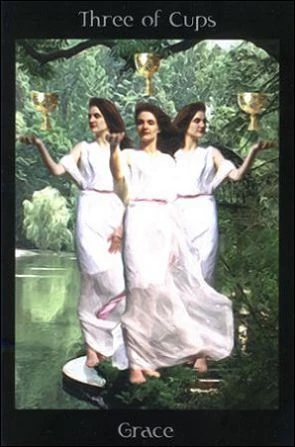
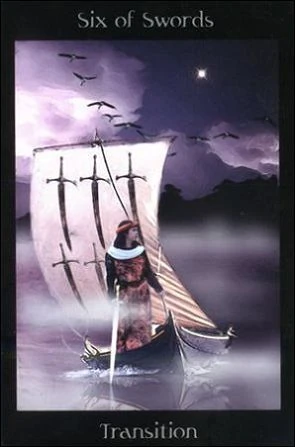
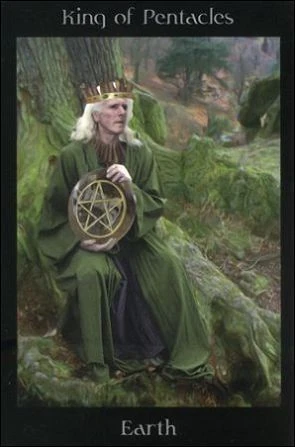
Read them together: Fire begins; Water connects; Air chooses a passage; Earth stabilizes what deserves to last. The spread is especially useful for a creative project.
Artwork and reading experience
The cards use staged figures and photographic collage rather than painted fantasy. That gives them a theatrical, almost ritual-drama quality. Some images feel immediate and emotionally legible; others are intentionally symbolic and benefit from the guidebook’s mythic context.
The black borders, card titles, and one-word keywords keep the visual system coherent. Those keywords are helpful prompts, but the real strength lies in the relationship between figure, landscape, deity, and season. This is a deck to read slowly enough to notice what the scene is doing.
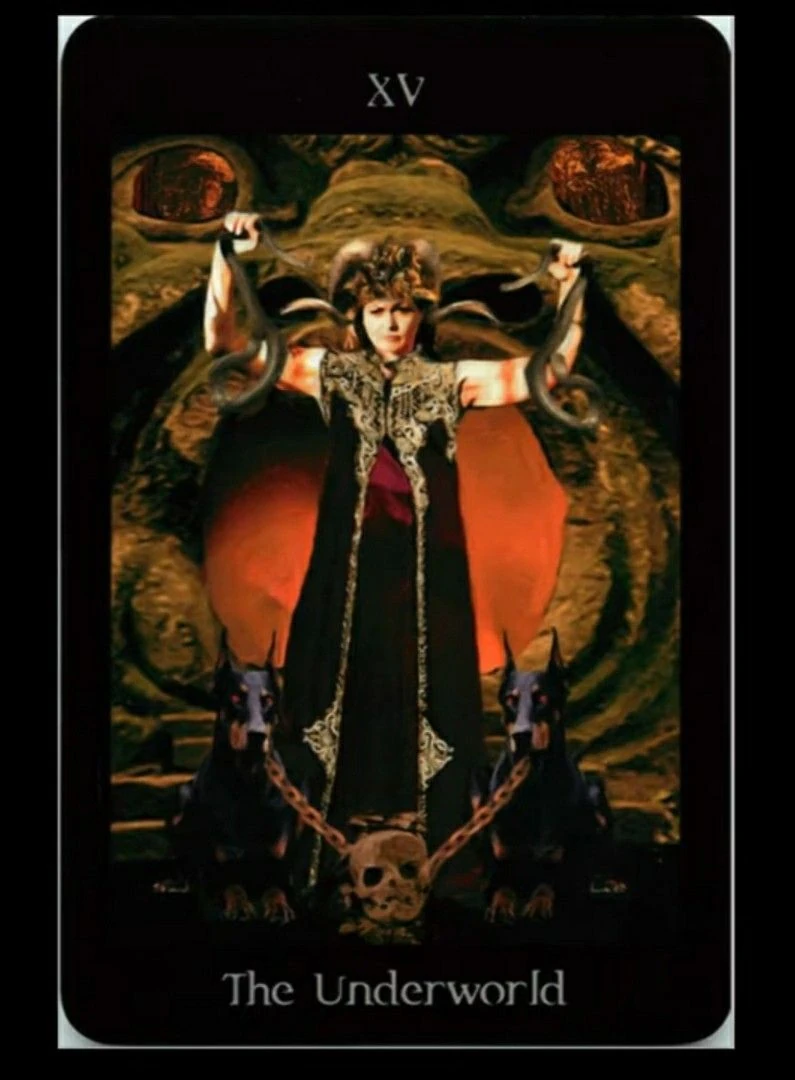
The Underworld
Instead of treating the Devil as an external monster, this image frames the difficult material as a descent. Ask what must be met, understood, and carried back with greater consciousness.
The shadow has a way through
A grounded four-card sequence for difficult but non-crisis self-reflection.
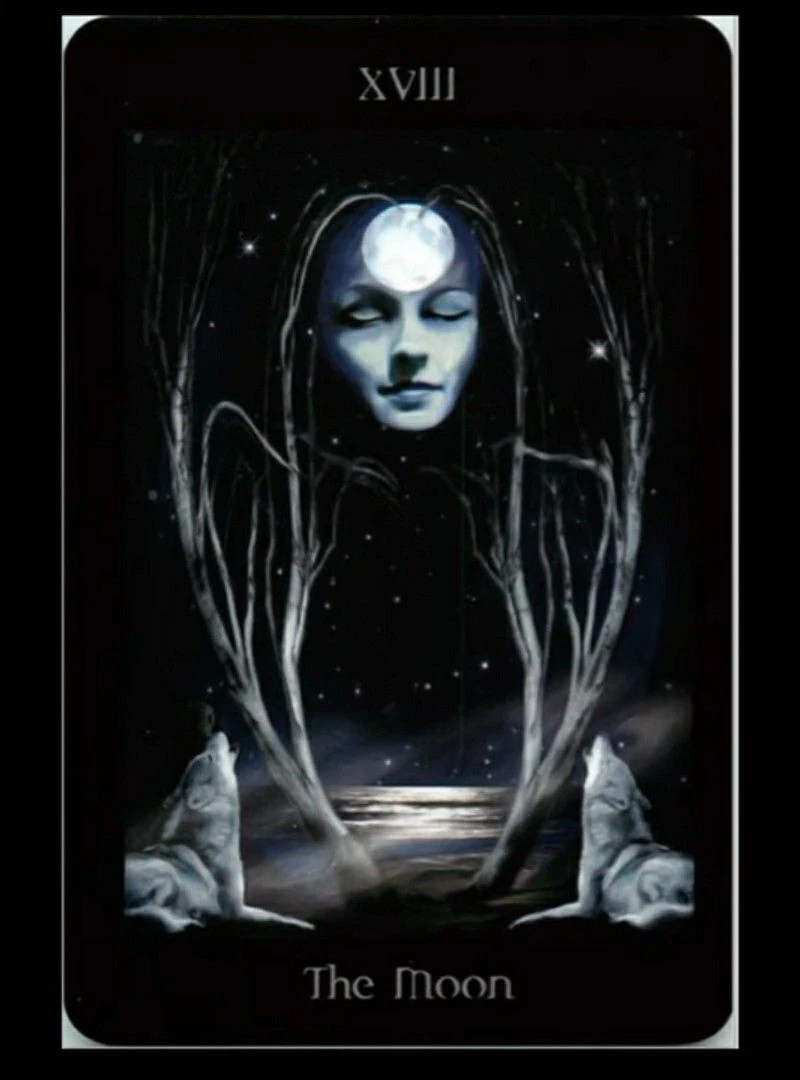
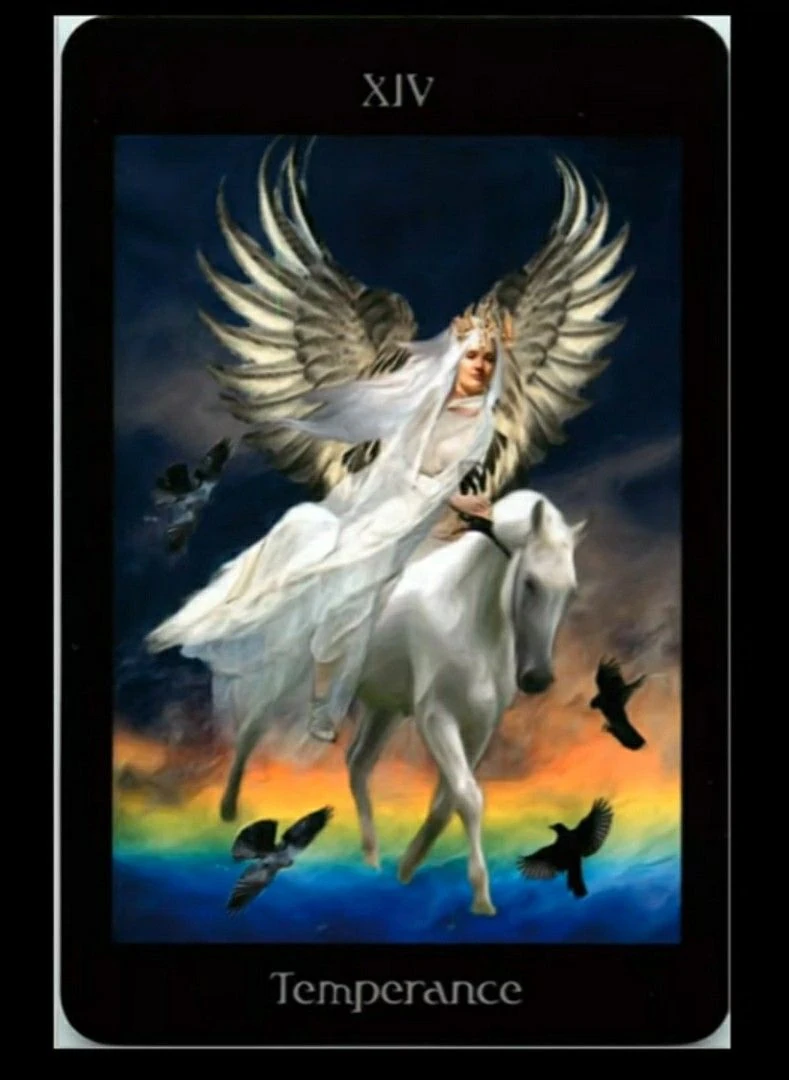
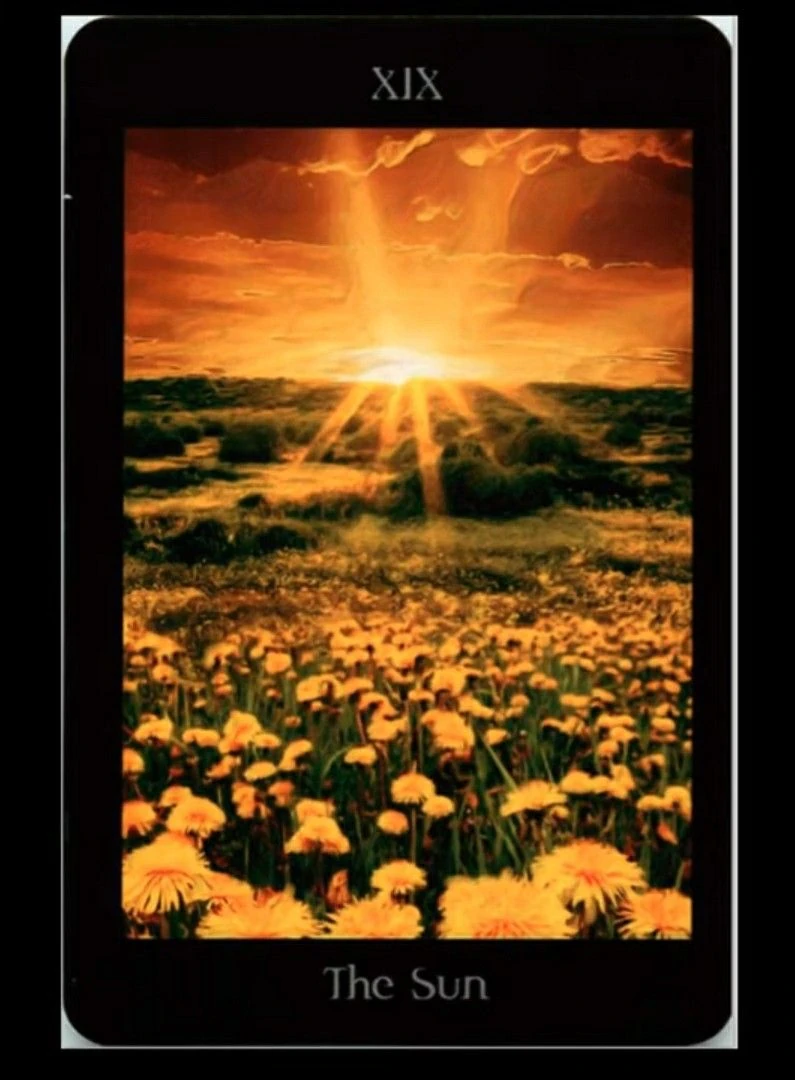
Read them together: Uncertainty is not failure. The cards move from partial light, through honest encounter and integration, toward a clarity that does not deny what came before.
How Pagan Ways Tarot reads in practice
This deck is strongest with questions about cycles, identity, spiritual practice, creativity, and your relationship with place. It can answer practical questions too, but its imagery naturally widens the frame: “What should I do?” becomes “What season is this, which force is active, and what response keeps me in right relationship?”
Beginners who love the theme can absolutely learn with it. Readers wanting the cleanest possible introduction to standard Rider–Waite–Smith iconography may prefer to keep a conventional reference deck nearby. The guidebook is not an optional extra here; it explains why Franklin changed names and how the deities, festivals, elements, and stories connect.
Six of Swords
The familiar passage becomes a mythic crossing. The card is less about instant escape than about accepting the vessel, support, and time required to reach another shore.
Wheel of the Year check-in
A practical spread for any seasonal threshold, using one court from each suit.
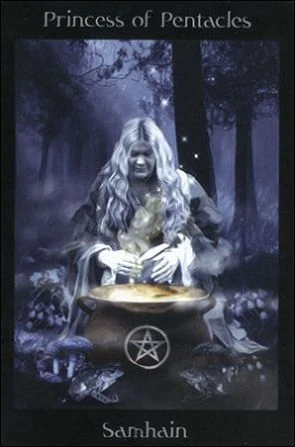
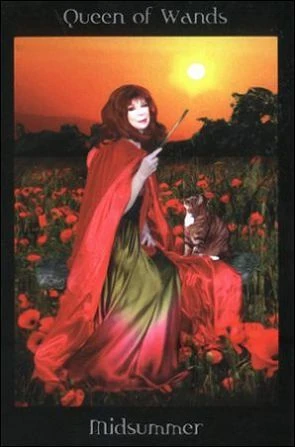

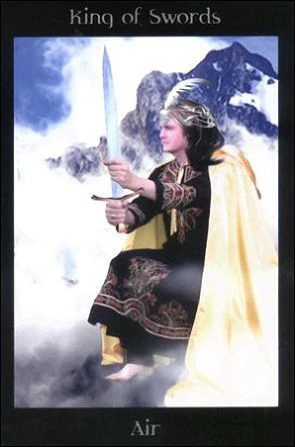
Read them together: Let the Princess open the gate, the Queen reveal what is at its height, the Knight carry the live feeling, and the King name the governing principle.
Who will love it—and who may not
Best reasons to choose it
- A complete 78-card tarot with fully illustrated Minors.
- A serious Pagan framework rather than surface-level decoration.
- Strong seasonal, elemental, mythic, and ritual correspondences.
- Photographic scenes that create an immediate human presence.
- A substantial guidebook designed as part of the system.
Consider another deck if…
- You want exact traditional card names throughout.
- You dislike photographic collage or staged imagery.
- You prefer sparse cards with no printed keywords.
- You want a deck detached from spiritual or deity-centered language.
Sources checked
Deck identity and structure were checked against Anna Franklin’s Pagan Ways Tarot page and the Schiffer product listing. The card gallery uses the exact edition shown in the TarotFans walkthrough.
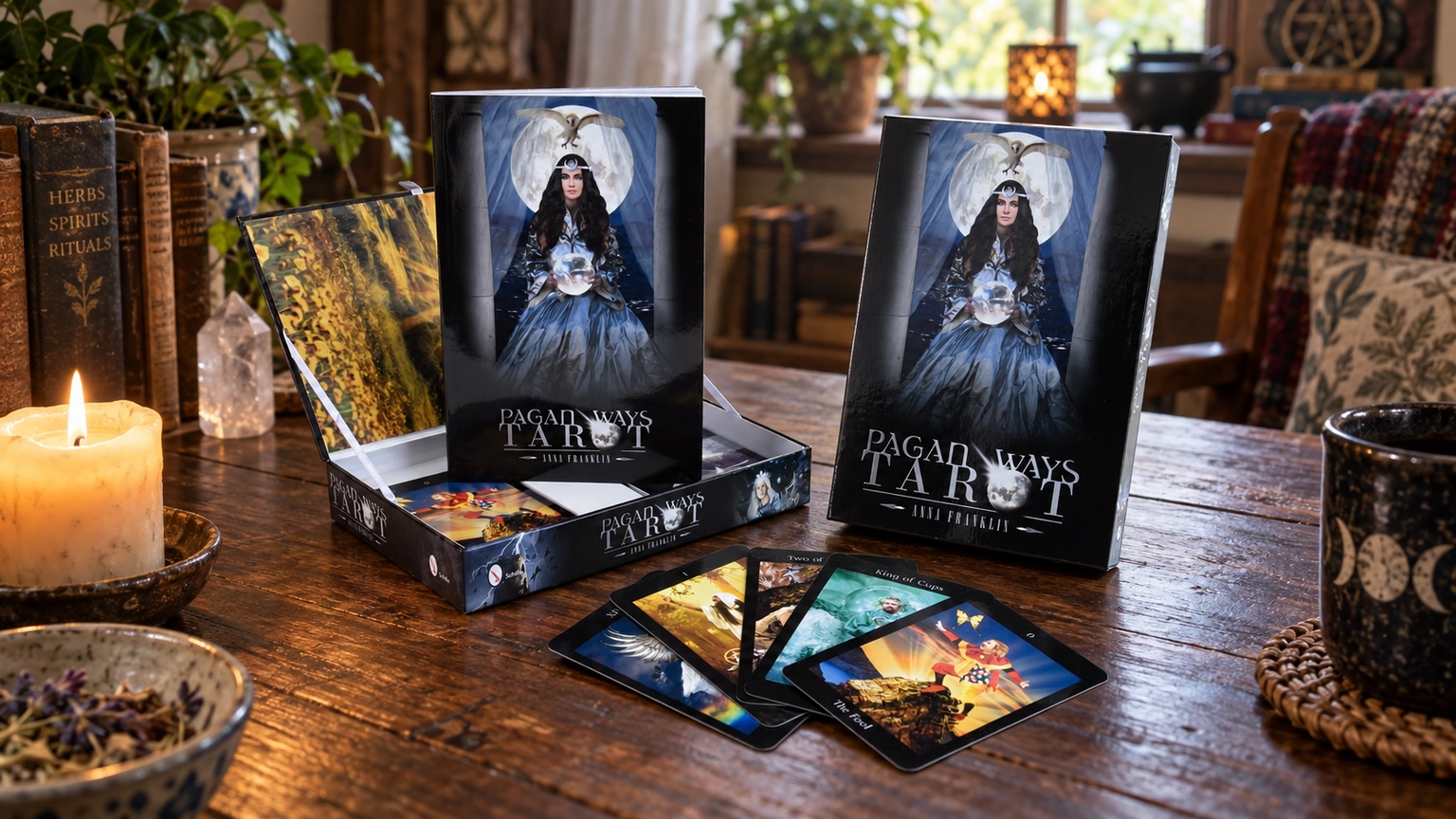 Pagan Ways Tarot by Anna FranklinA complete Pagan tarot and illustrated guidebook for seasonal, elemental, and mythic readings.View Pagan Ways Tarot on Amazon
Pagan Ways Tarot questions
Who created Pagan Ways Tarot?
British Pagan author and teacher Anna Franklin created and illustrated the deck and wrote its guidebook. Schiffer published the boxed set in 2015.
Is Pagan Ways Tarot a complete 78-card deck?
Yes. It contains 22 Major Arcana and 56 Minor Arcana cards across Swords, Wands, Cups, and Pentacles, with Princess, Knight, Queen, and King courts.
Does it follow Rider–Waite–Smith tarot?
Its structure remains recognizable, but seven Majors are renamed and the Pagan worldview substantially reshapes the symbolism. Readers familiar with Rider–Waite–Smith will have a map, not an identical experience.
Is it suitable for beginners?
Yes for beginners drawn to Pagan themes and willing to use the guidebook. If your priority is memorizing the most conventional card names and scenes first, pair it with a traditional reference deck.
What comes in the boxed set?
The verified Schiffer edition contains a complete 78-card deck and an illustrated guidebook in a presentation box. Catalog and printed pagination evidence conflict, so this review does not make an exact guidebook page-count claim.
What readings suit this deck best?
It is especially expressive for seasonal check-ins, spiritual development, creative work, mythic reflection, elemental balance, and questions about living in relationship with place and cycle.