Osho Zen Tarot Card Gallery
Explore the verified Osho Zen Tarot card images available for this review. Tap any card to open a larger carousel view.
Showing all available cards

Aurica’s Quick Take
Osho Zen Tarot is not a normal Rider-Waite-Smith clone. It is a 79-card meditation deck by Ma Deva Padma, built around Zen ideas, emotional awareness, and present-moment insight. If you want a deck that says “look honestly at what is happening inside you,” this one can feel powerful.
It is less about predicting an event and more about seeing the pattern under the event. That makes it beautiful for journaling, shadow work, relationship reflection, and quiet morning pulls. It may feel strange if you expect traditional tarot titles, because many cards have renamed themes such as Totality, Slowing Down, Conditioning, and No-Thingness.
I am especially drawn to Courage, where a small white flower pushes through cracked stone into a green glow. It does not shout about strength; it simply keeps growing. Beside the suspended figures of Totality and the violet stillness of Transformation, that flower reminds me that change can begin as one tender, stubborn movement toward what feels true.
When I read with this deck, I first notice the colour or gesture that catches my breath, then bring it back to the question and the neighbouring cards. I ask what is alive now, what has become heavy, and which small honest action would create more space while keeping the card open as a reflection rather than a fixed prediction.
The little flower in Courage leaves me hopeful: even when the ground feels hard, one honest step can make room for something bright to grow.
Who Created the Osho Zen Tarot?
The deck artwork is by Ma Deva Padma, with concepts inspired by the teachings of Osho. Instead of following the classic tarot suit language exactly, the deck uses a more meditative system. Fire, Water, Clouds, and Rainbows carry the feeling of energy, emotion, mind, and earthly life. The major cards also speak in plain symbolic words rather than only traditional titles.
This is why the deck can feel very direct. A card like Exhaustion does not ask you to decode a distant medieval scene. It shows the feeling of being overworked, over-controlled, and cut off from your natural rhythm. That simplicity is part of its magic.
First look: the deck speaks in emotional weather


These opening cards show the Osho Zen style clearly: bold color, direct titles, and scenes that feel like inner states rather than fortune-telling snapshots.
How the Osho Zen Tarot Reads
In readings, Osho Zen Tarot is best when the question is honest and reflective. Try questions like “What am I not seeing clearly?”, “What attitude would help me move through this?”, or “Where am I gripping too tightly?” The deck often answers with a mood, a habit, or a spiritual practice instead of a simple yes or no.
For beginners, this can be easier than traditional tarot because the titles are so clear. For experienced readers, it can be challenging in a good way because it removes some familiar shortcuts. You cannot simply say “this is the usual Eight of Cups meaning” and move on. You have to look at the image, the title, and the emotional truth of the moment.
Art Style and Card Feel
The artwork is colorful, symbolic, and sometimes intense. Some cards feel peaceful and spacious; others feel sharp, uncomfortable, or confronting. That mix is useful because the deck is not only trying to soothe you. It is trying to wake you up gently but honestly.
The card borders and titles make each card feel like a small meditation poster. On a reading table, the deck creates a bright, expressive spread. It is especially strong for three-card readings, daily guidance, and “what is the lesson here?” questions.

Card case study
No-Thingness: when the answer is space, not action
No-Thingness is one of the clearest examples of why this deck is different. In a practical reading, it can say: stop forcing the answer. Let the blank space be real for a moment.
If someone asks about a decision, this card may not mean “nothing will happen.” It can mean the old shape has dissolved and the new one has not arrived yet. The wise move is patience, not panic.
Beginner Friendliness
Osho Zen Tarot can be beginner-friendly if you like intuitive reading. The card titles give you an immediate doorway into the message. You can pull Stress and understand the basic warning in seconds.
But it is not the easiest deck if your goal is to learn classic tarot structure. The renamed cards and Zen-based system mean you will not be memorizing the standard tarot deck in the usual way. I would choose it as a reflective companion, not as your only study deck if you want to learn traditional tarot.
Reading rhythm: pause, notice, respond


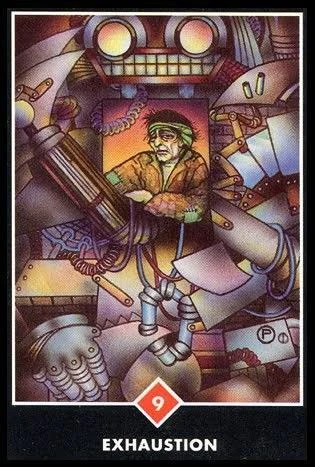

These cards are brilliant for everyday self-checks. They help you notice when the mind is rushing, delaying, overthinking, or pushing the body too hard.
Easy, Medium, and Hard Reading Examples
Easy example: daily card
If you pull Slowing Down in the morning, the message is simple: move with more care. Do fewer things, but do them with more presence. That is a very friendly beginner reading.
Medium example: relationship tension
If Projections appears in a relationship spread, it asks whether you are seeing the person clearly or reacting to an old story. This is not blame. It is a reminder to separate the real conversation from the fear you brought into it.
Hard example: life direction
If Thunderbolt appears when you ask about a big life shift, it can feel dramatic. In this deck, the card often points to a false structure cracking. The practical question becomes: what truth is breaking through, and what part of the old plan cannot hold anymore?

Card case study
Conditioning: the lion who forgot it was a lion
Conditioning is a beautiful card for family patterns, old labels, and social pressure. The image suggests a strong creature trained to believe it is something smaller or safer.
In a reading, I would ask: “Whose rules are you still wearing?” This card is not about rebelling for drama. It is about remembering your natural shape.
Best Uses for Osho Zen Tarot
- Journaling: Pull one card and write what the image makes you feel before checking the guidebook.
- Emotional clarity: Use it when a situation feels tangled and you need to name the inner pattern.
- Meditation: Place one card on your altar or desk and sit with it for five minutes.
- Shadow work: Cards like Guilt, Politics, and Suppression can reveal hidden pressure without making the reading cruel.
- Creative reflection: The artwork is vivid enough to spark poems, sketches, and personal rituals.
Shadow-work cards that stay practical


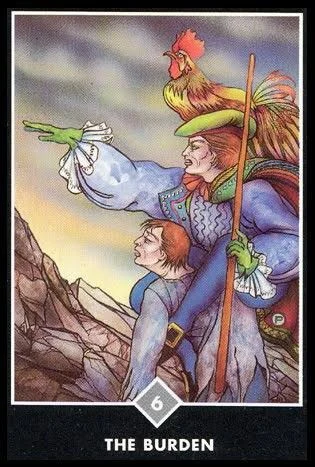
Osho Zen Tarot can be blunt, but its bluntness is useful. These cards name pressure, masks, and inherited weight so you can work with them consciously.
What I Like Most
I like that Osho Zen Tarot refuses to be vague. Many spiritual decks stay soft even when the truth needs edges. This deck can say “you are exhausted,” “you are projecting,” or “you are trying to control life too tightly” in a way that is clear but still compassionate.
The deck also has a strong body wisdom. Cards such as Trust, Courage, Letting Go, and Going with the Flow remind you that insight is not only mental. Sometimes the answer is in the breath, the shoulders, the pace, and the way your nervous system reacts.

Card case study
Courage: tiny strength, real growth
Courage is a gentle but powerful card. It does not show courage as a loud victory. It shows life pushing through stone, which is often what healing feels like.
For a reader, this card says: do the next brave thing, even if it is small. Send the message, rest without guilt, tell the truth, or begin again.
What to Know Before Buying
Buy this deck if you want spiritual reflection more than traditional tarot training. It is also a good fit if you enjoy decks with direct keywords, rich color, and a meditation-style guidebook.
You may want a different deck if you dislike Osho’s philosophy, prefer classic tarot titles, or want a deck that follows Rider-Waite-Smith scenes closely. The Osho Zen Tarot has its own language, and it works best when you meet it on its own terms.
Healing arc: from awareness to trust


This kind of spread shows the deck at its best: first you see clearly, then you integrate the lesson, release the grip, and practice trust step by step.
Golden Rule for Reading This Deck
Do not use Osho Zen Tarot to escape real-life choices. Use it to see your inner posture before you make those choices. The deck is most helpful when you ask, “What part of me is reacting here?” and then bring that insight back into practical action.
Final Thoughts
Osho Zen Tarot is a soulful, unconventional deck for readers who want tarot to feel like a mirror. It is not the cleanest path for learning classic tarot meanings, but it is excellent for meditation, emotional honesty, and intuitive self-inquiry.
If you want a deck that feels modern, mystical, colorful, and psychologically sharp, this one deserves a serious look. Approach it slowly, keep a journal nearby, and let the cards teach you how to listen.

Frequently Asked Questions
How many cards are in the Osho Zen Tarot?
Osho Zen Tarot is commonly treated as a 79-card system rather than a standard 78-card tarot deck. TarotFans is showing the available Pinterest-source card gallery for this review, so the page avoids claiming a complete standard 78-card set.
Is Osho Zen Tarot good for beginners?
Yes, if you want intuitive and reflective readings. The clear card titles help beginners understand the emotional message quickly. If your main goal is learning traditional tarot structure, pair it with a classic Rider-Waite-Smith style deck.
Who illustrated the Osho Zen Tarot?
The deck was illustrated by Ma Deva Padma, with card themes inspired by Osho’s Zen teachings. The result is colorful, symbolic, and very different from medieval or Golden Dawn-style tarot art.
Does Osho Zen Tarot use normal tarot suits?
It uses a renamed system that connects more closely with elements and inner experience. You will see suits such as Fire, Water, Clouds, and Rainbows instead of the exact traditional suit language.
What questions work best with this deck?
Ask reflective questions: “What am I not seeing?”, “What energy am I bringing?”, “What lesson is here?”, or “What would help me respond wisely?” It is less suited to rigid prediction questions.
Is Osho Zen Tarot the same as a standard Rider-Waite tarot deck?
No. It borrows from tarot structure but expresses it through Zen-flavored titles, symbols, and teachings. Treat it as its own spiritual tarot system rather than a direct clone.