Tarot Of Dreams Card Gallery
Explore this verified partial Gallery in canonical deck order. Choose an available official group, then open any card for a larger carousel view.
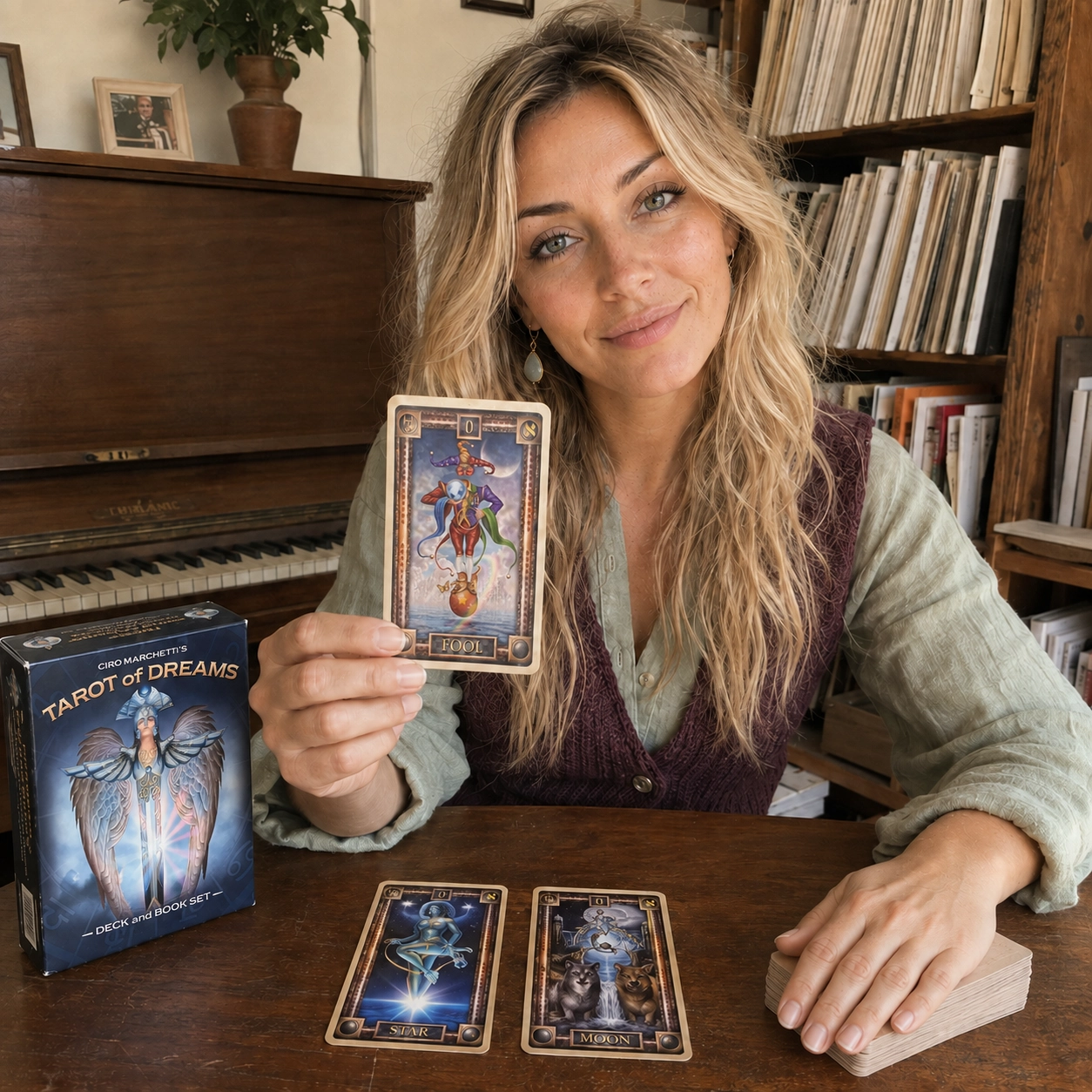
A note from Aurica
I feel Tarot of Dreams arrive before I have named a single symbol. The cards glow like windows in a palace after dark: jewel colours, watchful faces, strange doorways, and small astrological signs shining at the edges. There is theatre here, but it is never empty spectacle. One expression or flash of light can reveal the feeling a question has been hiding.
The Fool makes me smile because the figure seems to balance between delight and danger, poised over a tiny world with no guarantee except movement. I read that as permission to begin, but not permission to drift. Beside The Star, I would ask which hope deserves a brave first step. Beside The Moon, I would also ask what is intuition and what is simply a beautiful fear wearing a mask.
I love letting this deck unfold in layers. First I notice the person: the gaze, the hands, the way the body leans toward or away from the scene. Then I return to the card’s familiar tarot role. Only after that do I follow the planets, colours, animals, and architectural details. This keeps the reading clear while still leaving room for the image to whisper something surprising.
I reach for Tarot of Dreams when a choice feels larger on the inside than it looks from the outside. It is especially expressive around ambition, longing, creative work, and relationships in which people are circling what they really want. The artwork can make an ordinary crossroads feel mythic, yet the practical question remains simple: what action brings this dream closer to a life I can actually inhabit?
My gentle rule is to choose one doorway into each card rather than opening every door at once. Follow the detail that catches your breath, test it against the card’s established meaning and its neighbours, then say the message plainly. That is how the deck stays luminous without becoming vague, and every honest step can turn one of its shining doorways into a future you feel brave enough to enter.
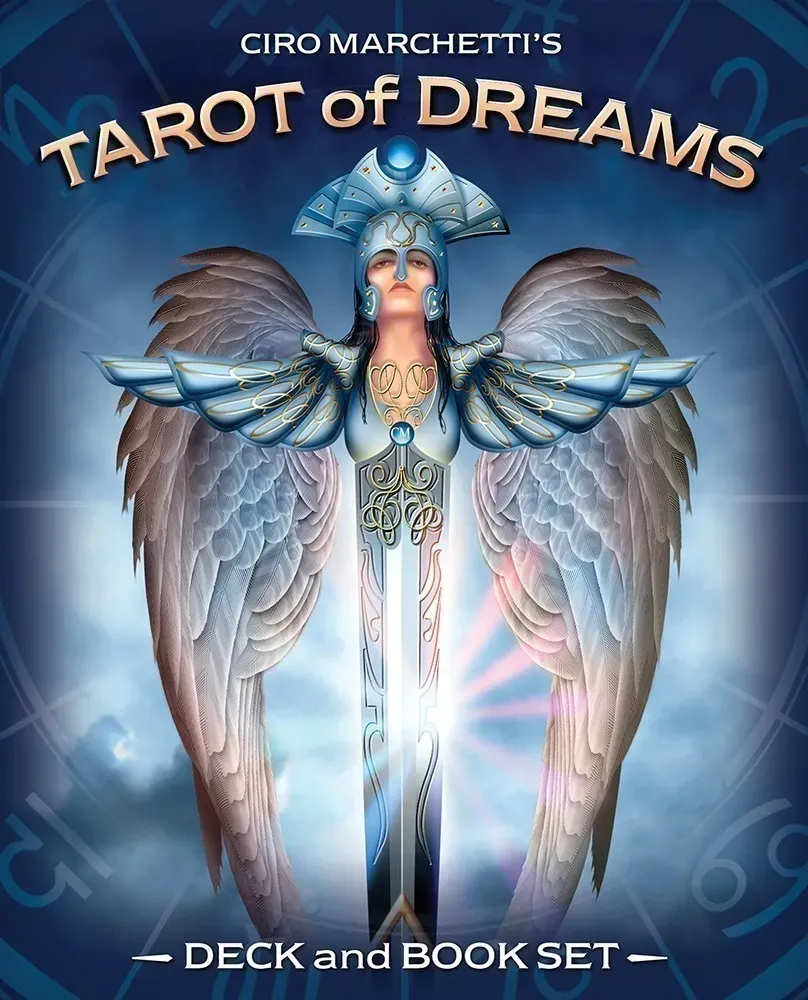
I read the Tarot of Dreams as a big, glowing, theatrical deck. It feels like walking into a palace made of symbols, planets, colored glass, and half-remembered dreams. Ciro Marchetti’s art is polished and dramatic, but the deck is not only pretty. In readings, the images give useful clues: light and shadow, masks, stairs, doors, water, fire, movement, and the way each figure seems caught in a meaningful moment.
The deck was created by Ciro Marchetti, with guidebook work by Lee Bursten. If you know the Gilded Tarot, this deck has a related digital-fantasy shine, but Tarot of Dreams feels more layered and more mystical. It keeps enough Rider-Waite-Smith structure to be readable while adding its own dream language. The majors feel huge and cinematic. The minors feel like scenes from an inner movie. The courts feel confident, expressive, and a little royal.
What I like most is how practical the dream feeling becomes. This is not a deck where “dreamy” means vague. If I ask about a choice, the cards often show the emotional weather around the choice. If I ask about a relationship, the artwork points to posture, distance, longing, pride, or fear. If I ask about work, the Coins and Wands can be surprisingly direct about effort, ambition, timing, and confidence.
What the Tarot of Dreams feels like in a reading
This deck has a strong “vision board for the soul” energy. It likes big questions: Where am I going? What is trying to wake up in me? What pattern keeps repeating? It also works for everyday questions, but I get the best results when I leave room for symbols. Instead of asking only “Will this happen?” I prefer questions like “What is the hidden pattern here?” or “What dream am I building with my choices?”
Deck-specific card study
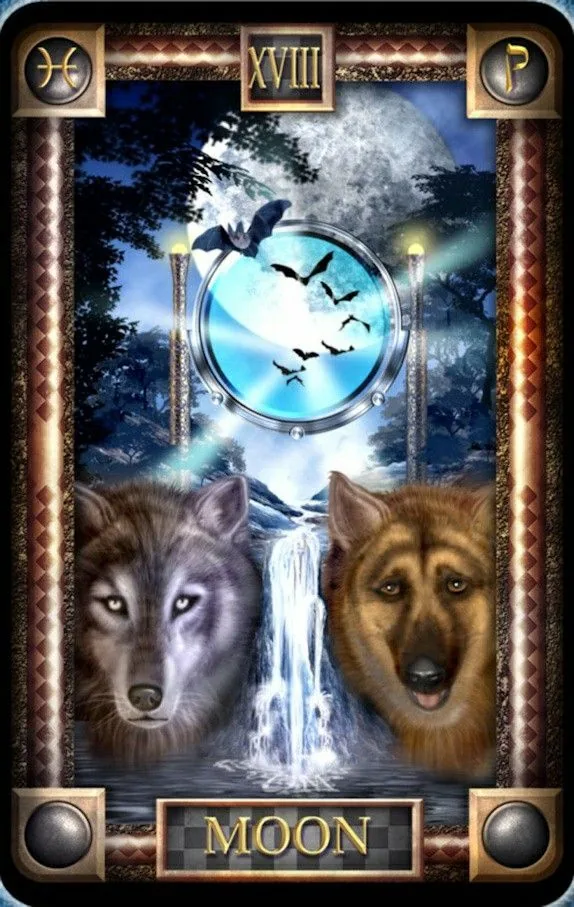
The Moon: a dream that needs grounding
The Moon is one of the cards where this deck feels completely at home. I read it as mystery, instinct, and mixed signals. In Tarot of Dreams, that does not mean “nothing is real.” It means the truth is coming through symbols before it becomes plain language.
In a reading about anxiety, I would not use this card to scare someone. I would ask: What am I imagining? What do I know in my body? What needs more light before I decide? The practical advice is to slow down, write the dream down, and wait until the fog thins.
The artwork is rich, so I slow down with it. I look at the card title first, then the body language, then the background details. A sword card may show mental pressure, but the color and pose can tell me whether the pressure is sharp truth, worry, or a need for clear speech. A cup card may show feeling, but the setting tells me if the feeling is healing, fantasy, longing, or emotional abundance.
Four-card Tarot of Dreams moments
When a new vision wants to begin
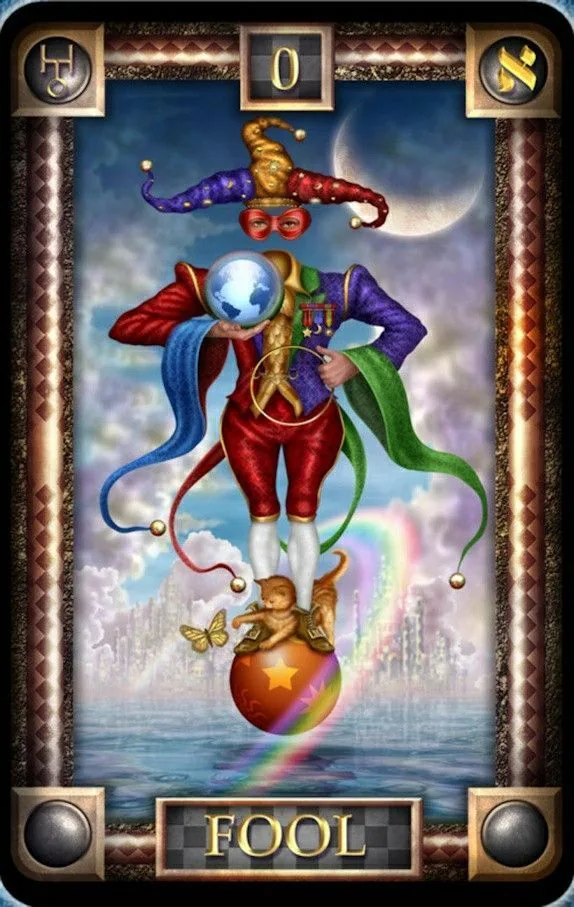
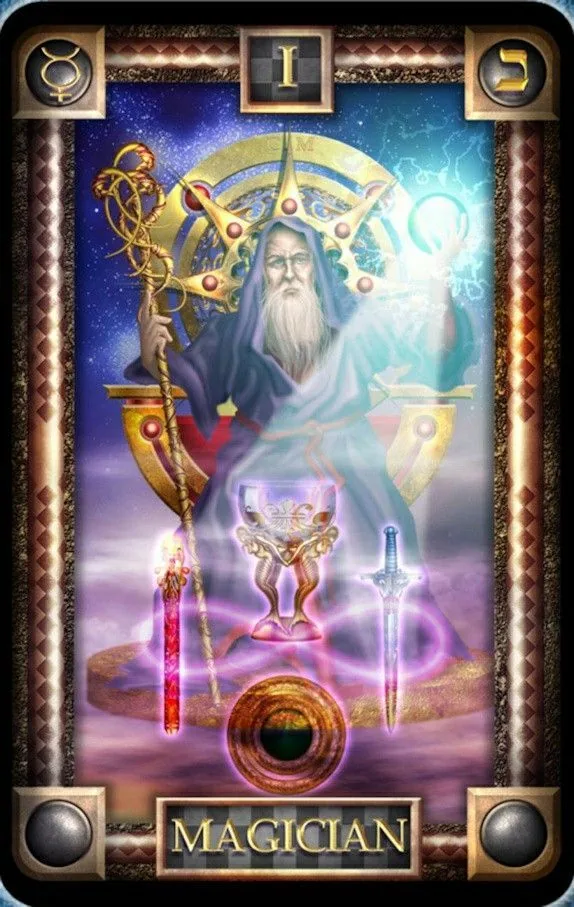

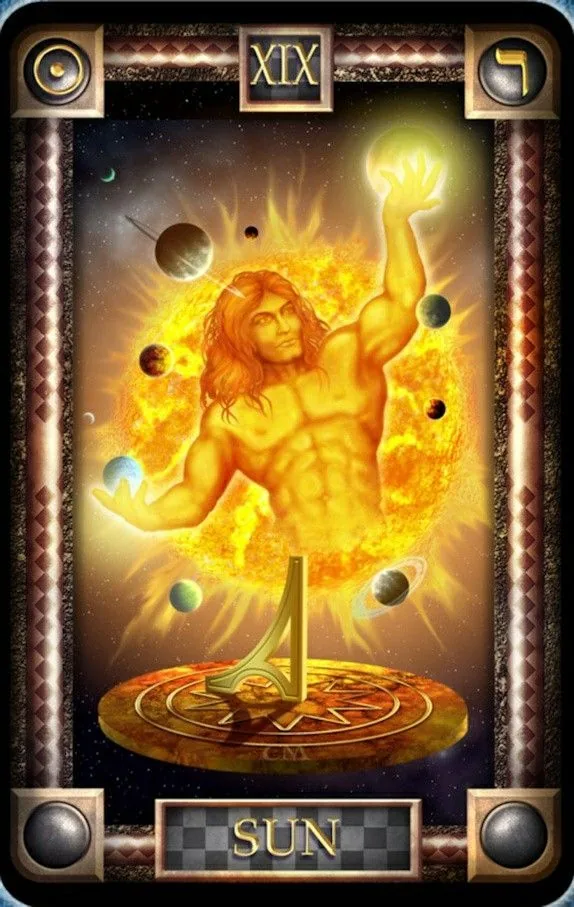
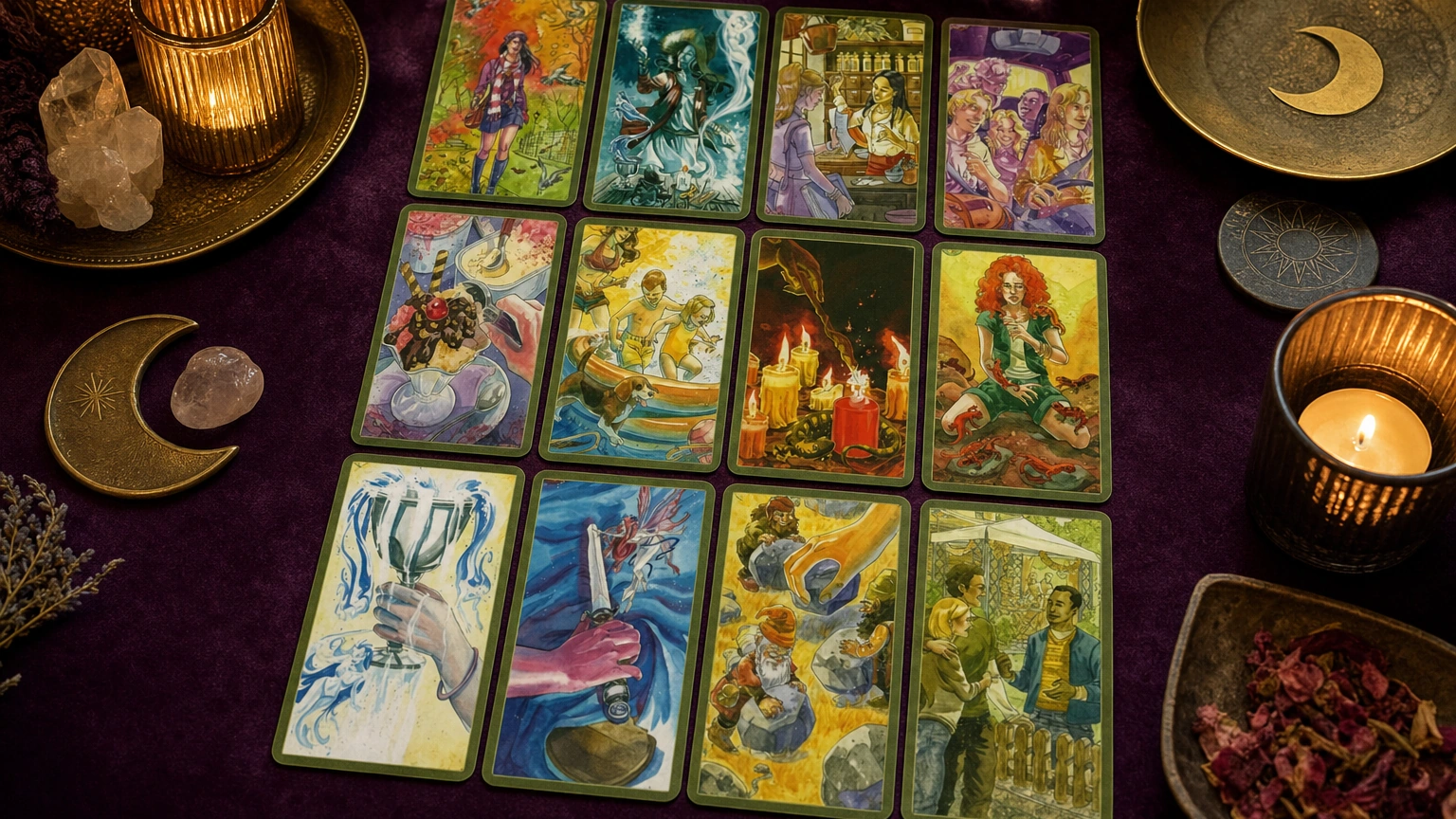
This strip feels like the deck saying yes to a fresh start: trust the leap, use your tools, follow the guiding light, and let the answer become visible. I would use it for a new project, new school year, or brave identity shift.
I would not call Tarot of Dreams the plainest beginner deck, because the images are ornate and the deck includes its own extras and history. But a curious beginner can still enjoy it if they use simple questions and do not try to decode every symbol at once. For intermediate readers, it is especially fun. It gives familiar tarot meanings a bright new stage.
Dream symbols that actually help
When I read this deck, I pay attention to doors, stairways, light sources, crowns, masks, animals, and floating objects. These details are easy to overcomplicate, so I keep them practical. A door asks: what choice is opening? A stairway asks: what level am I moving toward? A mask asks: what role am I playing? A bright sky asks: what is becoming clear? Dark water asks: what feeling is deeper than my first answer?
Deck-specific card study
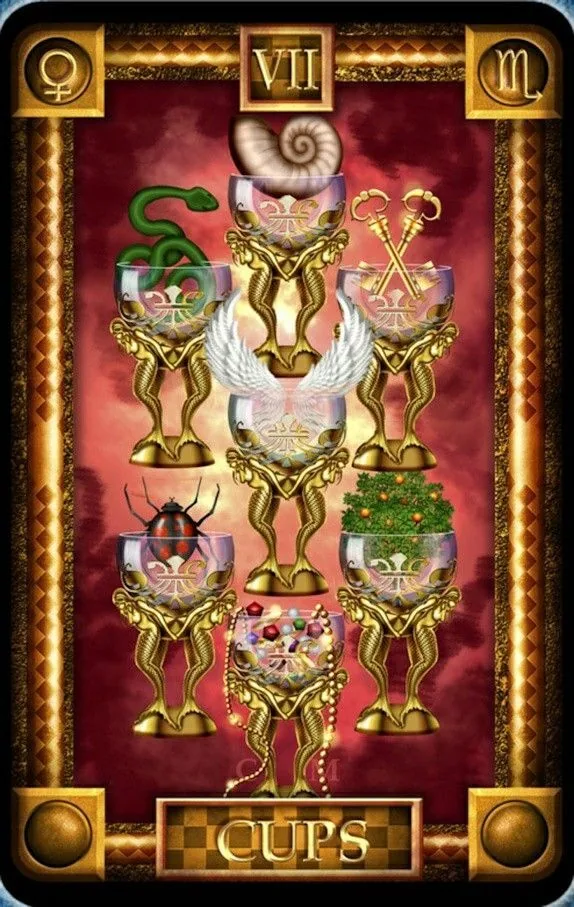
7 of Cups: beautiful options and emotional noise
The 7 of Cups is perfect in a deck called Tarot of Dreams. It can show imagination, fantasy, temptation, and too many shiny paths at once. I like it for questions about crushes, creative plans, social media pressure, or any moment when the mind starts building castles in the clouds.
My reading is simple: enjoy the vision, then choose one cup you can actually hold. If everything looks magical, compare the choices by what they require in real life. A dream becomes stronger when it has a schedule, a boundary, or a first brave action.
The deck also makes the four suits feel like four kinds of dream energy. Wands bring movement, courage, heat, and creative fire. Cups bring longing, memory, love, and emotional images. Swords bring thought, vision, worry, and clear cutting truth. Coins bring the body, money, skill, work, and the real-world shape of a dream. That makes the deck useful when a reading needs both imagination and a next step.
Sorting fantasy from a real choice

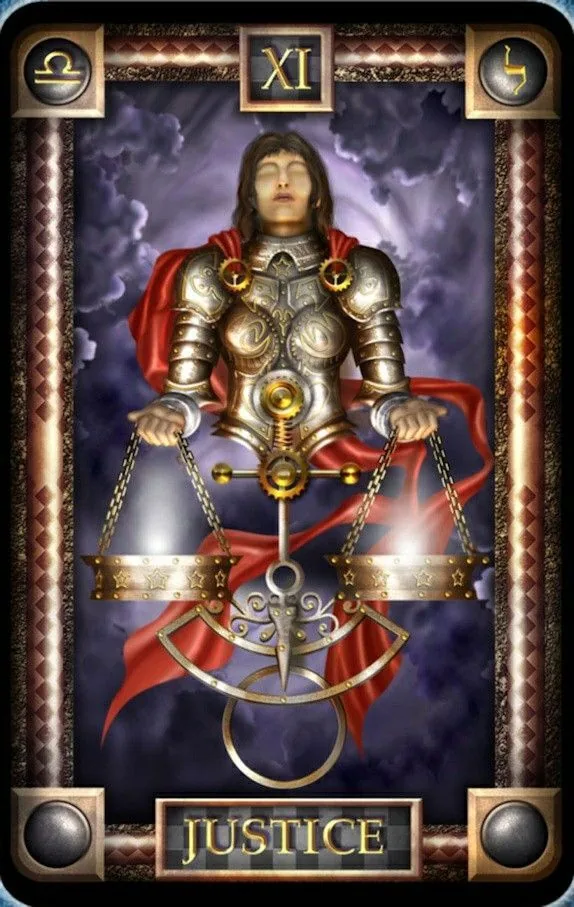
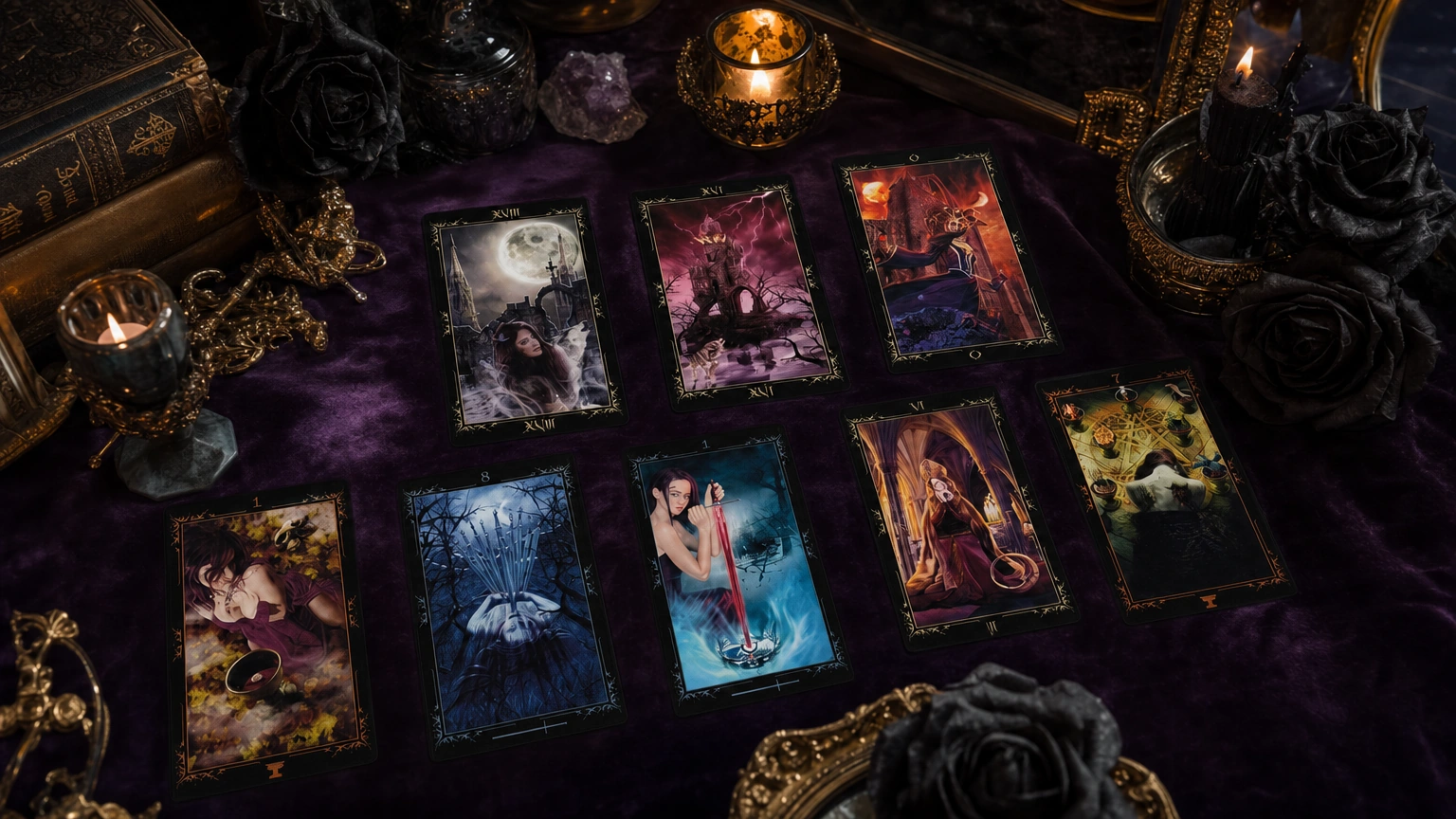
This is a very Tarot of Dreams moment. First comes fog, then too many beautiful options, then a clean thought, then a fair decision. I would use it when emotions are loud and I need one honest sentence.
How I like to use this deck
For daily pulls, I keep the question simple: “What symbol should I notice today?” Then I write one plain sentence from the card. The Fool might say, “Try one thing before you feel ready.” The 4 of Swords might say, “Rest is part of the answer.” The Queen of Swords might say, “Say the true thing without adding extra drama.”
Creative fire without burnout
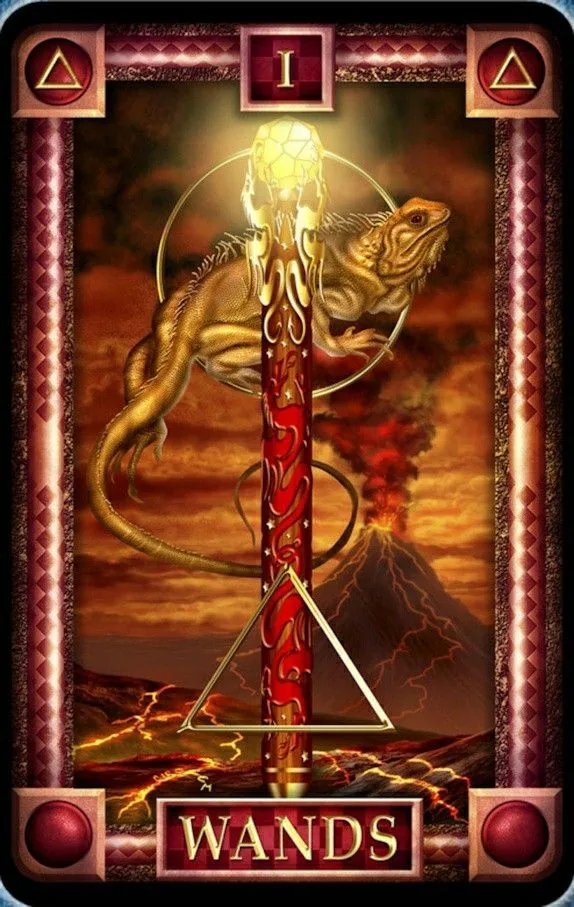


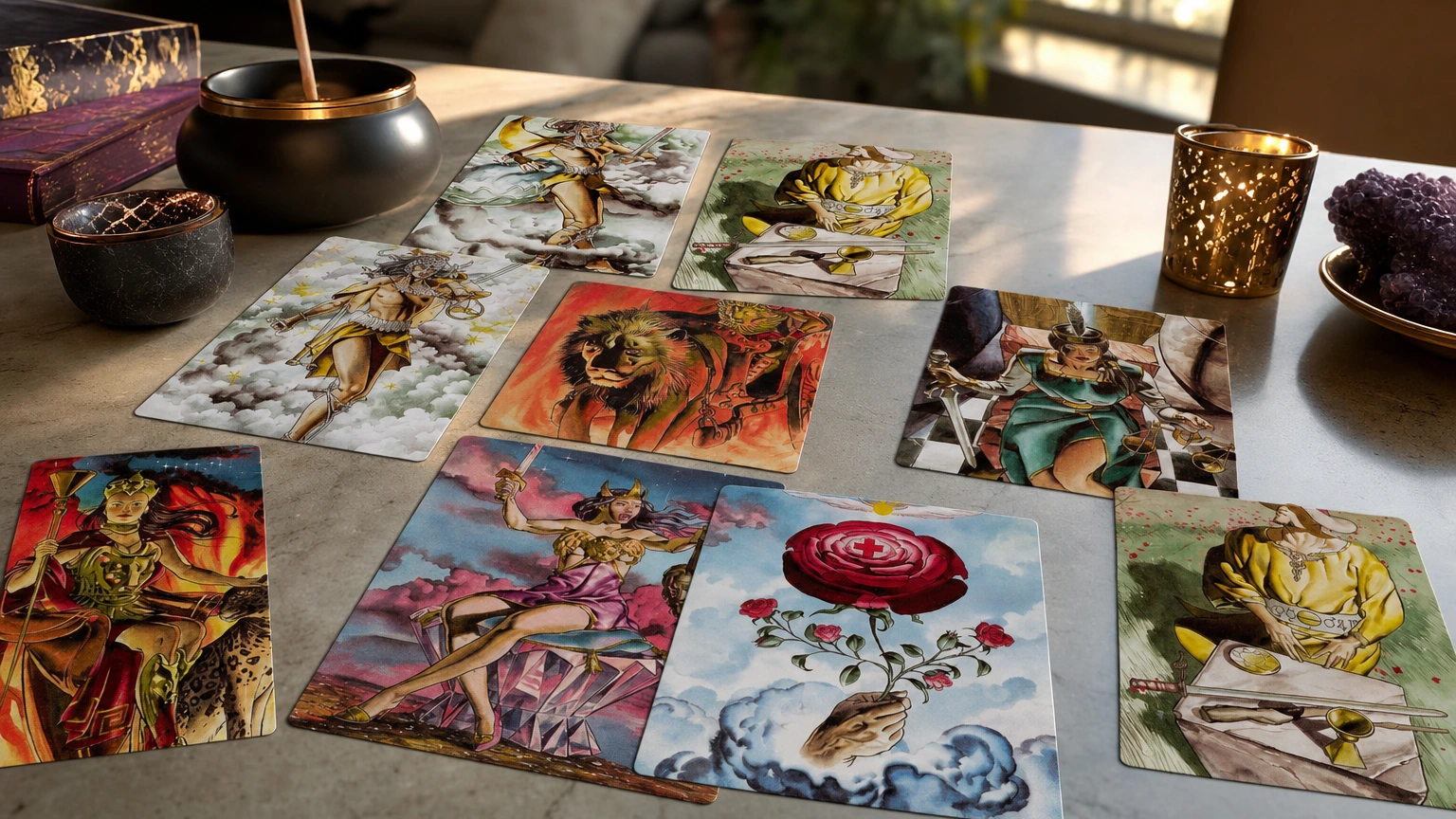
This sequence starts with inspiration and speed, then warns me to protect my energy. Temperance makes the message kind: keep the spark, but pace it. A dream grows better when the body can keep up.
For deeper readings, I like four positions: the dream, the fear, the doorway, and the grounded next step. Tarot of Dreams handles that shape beautifully because it can show both the inner story and the outer action. The reading can be mystical without floating away.
I also like this deck for creative work. Writers, artists, musicians, and tarot journal lovers may find a lot to use here. The cards can act like prompts. Pull one card for mood, one for conflict, one for hidden desire, and one for the ending. The images are rich enough to spark ideas without needing a long explanation.
Who will love Tarot of Dreams?
You may love this deck if you enjoy polished fantasy art, strong color, astrology-like atmosphere, palace imagery, and tarot that feels cinematic. It suits readers who like to study details and ask reflective questions. It is also a good fit if you want a deck that can read for both spiritual growth and real-life plans.

Deck-specific card study
Ace of Coins: a dream taking physical form
The Ace of Coins is my favorite grounding card in this deck. After all the glowing symbols and cosmic atmosphere, this card says: bring the vision into the world. Start the savings plan. Buy the notebook. Apply for the thing. Practice the skill. Feed the body.
In a career or school reading, I would read it as a real opportunity, but still a seed. It needs care. The dream is not finished just because it looks promising. The next move should be small, solid, and repeatable.
You may not love it if you prefer plain line art, very minimal cards, or a soft cottage-style deck. Tarot of Dreams is bold. It wants to be seen. It can feel intense on a small table, but that is also part of its charm.
The TarotFans Gallery shows a verified partial selection while the review considers Tarot of Dreams as a complete working tarot system. The available cards still reveal the deck’s voice clearly: bright, symbolic, dramatic, and surprisingly practical once a dream becomes action.
Building the dream in real life
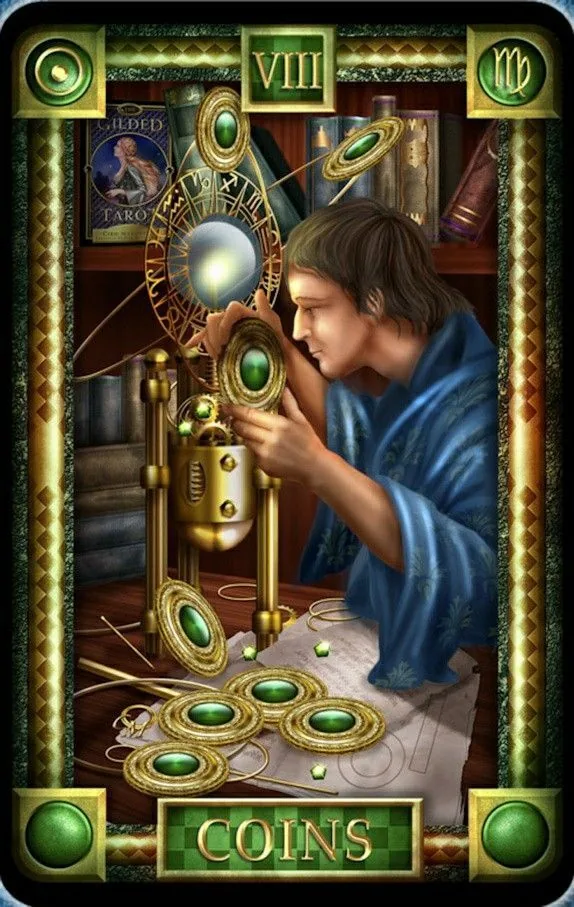


This is the practical side of the deck: seed, practice, self-respect, mastery. I would use it for money, work, art, exams, or any dream that needs a real plan instead of only a mood.
Final thoughts
Tarot of Dreams is a deck I would choose when a question needs imagination, courage, and a little grandeur. It does not whisper in beige. It lights up the room and asks me to look closer. Some cards feel like portals. Some feel like stage scenes. Some feel like direct advice dressed in velvet and stars.
That mix is why I enjoy it. The deck lets a reading feel magical without losing the point. A dream is not only something we see at night. It can be a choice, a project, a relationship pattern, or a version of ourselves trying to arrive. Tarot of Dreams helps me ask: What vision am I feeding, and what real step will make it true?

Tarot of Dreams FAQ
Is Tarot of Dreams good for beginners?
It can work for beginners who like rich fantasy art, but I would read it slowly. The deck has familiar tarot structure, yet the images are detailed and symbolic, so a simple guidebook or keyword list can help.
Why is this TarotFans Gallery partial?
Only verified available images are shown. The Gallery does not pad missing places with uncertain or wrong-edition artwork, and it makes no claim of complete coverage.
What makes Tarot of Dreams different from the Gilded Tarot?
Both decks share Ciro Marchetti’s polished digital style, but Tarot of Dreams feels more visionary, layered, and palace-like. It leans harder into dream symbols, cosmic color, and theatrical tarot scenes.
What readings fit Tarot of Dreams best?
I like it for life direction, creative blocks, emotional choices, spiritual questions, confidence, and turning a big idea into a real plan. It is especially good when the hidden story matters.
Is Tarot of Dreams too dramatic for daily pulls?
Not if you keep the question grounded. I would ask for one symbol, one mood, or one next step. The art is dramatic, but the advice can still be simple and practical.
Does Tarot of Dreams follow Rider-Waite-Smith meanings?
Mostly, yes. The deck is readable through standard tarot meanings, but the artwork adds its own flavor. I use the classic meaning as the base and then let the image details refine the message.