Explore the Movie Tarot Cards
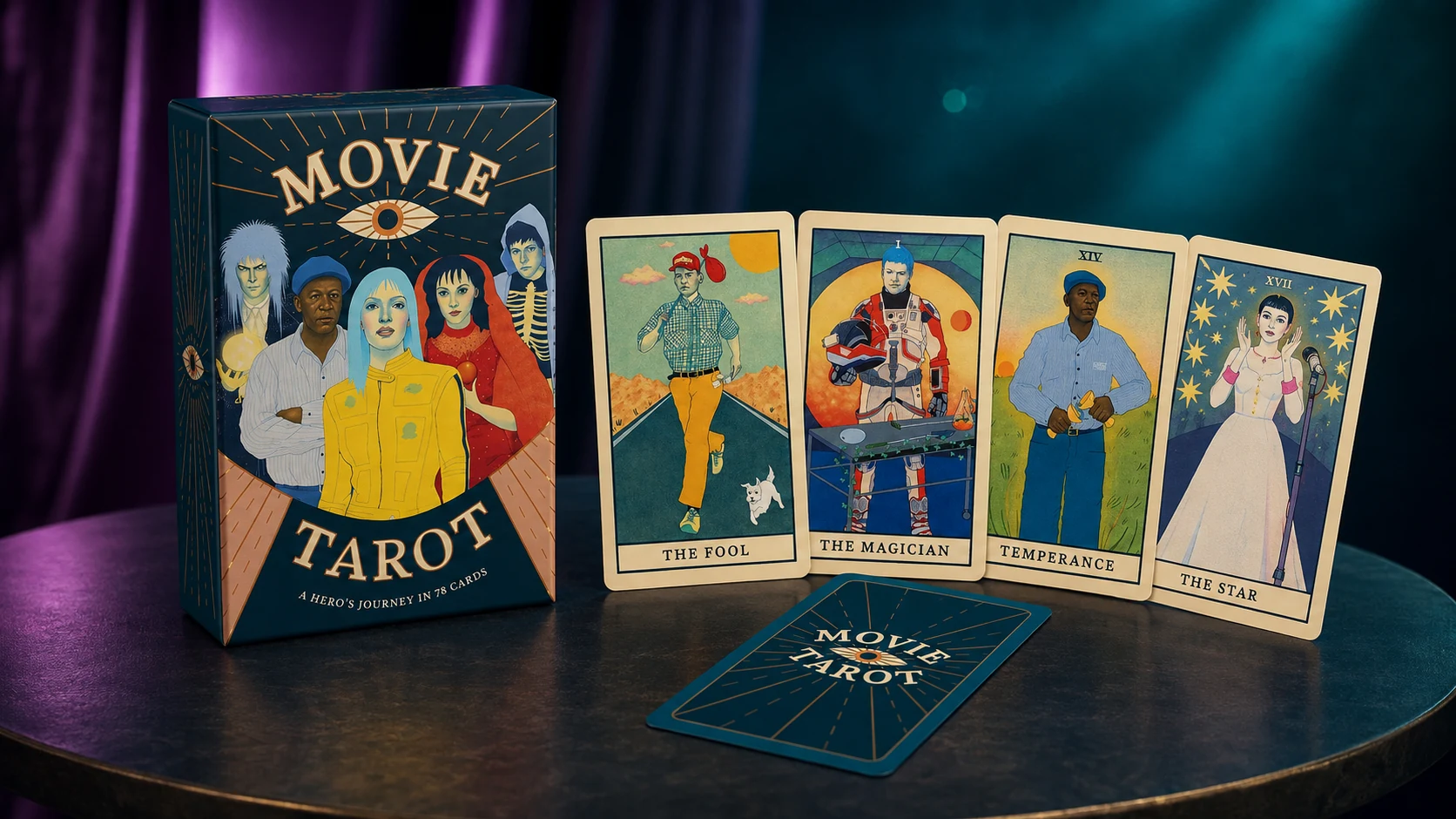
Browse the strongest individually verified Movie Tarot card fronts merged from both supplied sources. The one unavailable card is omitted rather than guessed. Choose an official group to filter the continuous gallery, or select a card for the full-size Lightbox.
Movie Tarot feels like choosing the next scene
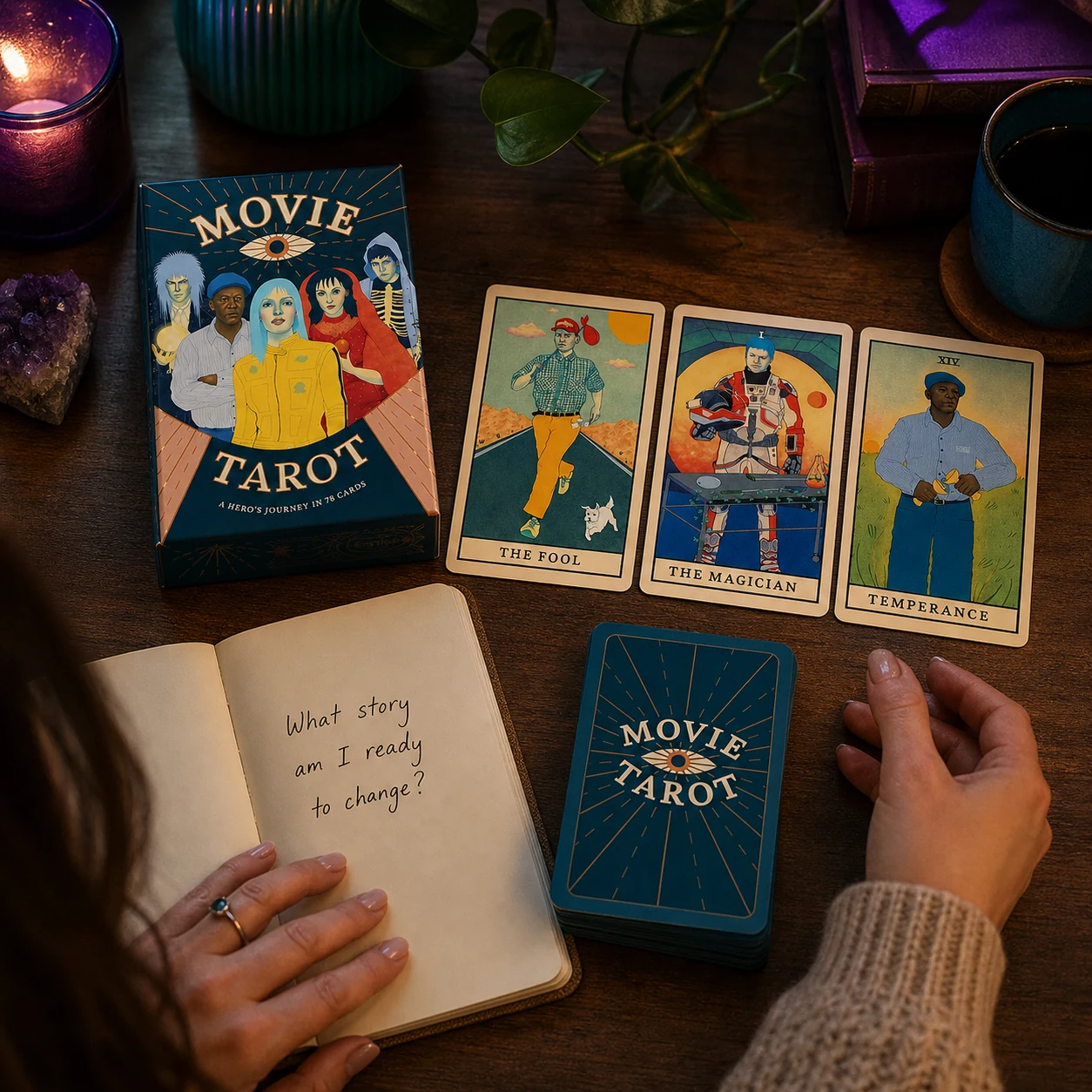
I like this deck most when I stop trying to name the film and ask what the character is doing. The Fool is already moving. The Magician is surrounded by tools. Temperance is calm enough to wait. Together they make a simple question feel alive: what story am I ready to change?
The pictures are familiar without becoming a quiz. They give me faces, gestures, costumes, and tension I can feel before I reach for a textbook meaning.
Movie Tarot review: cinematic, readable, and genuinely useful
Movie Tarot: A Hero’s Journey in 78 Cards turns familiar screen archetypes into a complete tarot system. Diana McMahon Collis writes the deck and Natalie Foss illustrates it with a bright, flat-color style that feels more like a director’s storyboard than celebrity portraiture.
It is strongest for readers who think in scenes, motives, and character arcs. The Major Arcana carries the clearest film references, while the numbered suit cards become simpler visual beats. That difference is useful: the deck can move from a dramatic turning point to a plain everyday answer without every card shouting for attention.

The Fool: the story begins in motion
Here, The Fool is not standing at the edge wondering whether to go. He is already running down an open road. The small dog keeps the image playful, while the long road makes freedom feel physical.
In a reading, I would ask: what becomes possible once you stop waiting for the perfect opening scene? This card is excellent for a fresh project, a move, a spontaneous invitation, or any choice that needs honest momentum rather than another week of planning.
Opening credits: meet the story you are entering
Use this when a new situation feels exciting but you cannot yet see its shape.


Read the four positions as a sequence. Notice which card feels like a close-up, which feels like background information, and where the energy starts to move.
What comes in the Movie Tarot box?
The published set contains 78 cards and a guidebook. It follows 22 Major Arcana and 56 Minor Arcana across Wands, Cups, Swords, and Coins. The box measures roughly 110 × 160 mm, and the edition is identified by ISBN 9781786277213.
Creators
Written by Diana McMahon Collis and illustrated by Natalie Foss.
Visual language
Movie archetypes, bold color blocks, direct gestures, and uncluttered pip arrangements.
Best fit
Story-led readings, creative work, journaling, relationship dynamics, and decision-making.
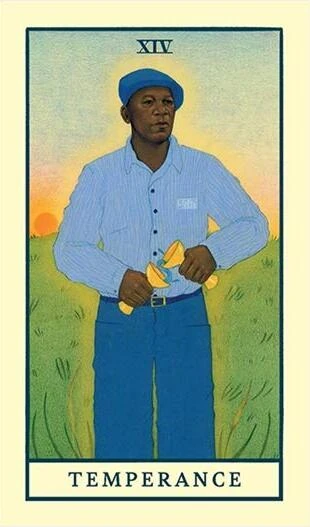
Temperance: composure is part of the answer
The figure’s steady posture gives Temperance a grounded, patient presence. This is not passivity. It is the discipline of staying measured while circumstances around you remain unsettled.
For emotional questions, it asks what can be blended rather than forced. For practical questions, it can point to pacing, moderation, and a solution that works because it leaves room to adjust.
How Movie Tarot reads in practice
Start with the scene before the symbol. Who has power? Who is waiting? What object receives the strongest light? Is the figure moving toward something or holding position? Those observations keep the reading specific.
Then bring in the traditional card meaning. The film association should deepen the answer, not replace it. You never need to recognize every character. If an image gives you mood, posture, and direction, it has already given you enough to begin.
Love story without the script
This spread looks at the relationship that is actually present, not the ending you hope to predict.


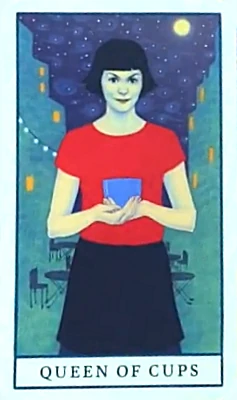
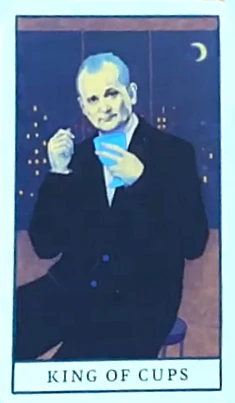
If the second card feels louder than the first, acknowledge the hurt before asking the relationship to move forward. The final two positions show how care can become an action rather than a promise.
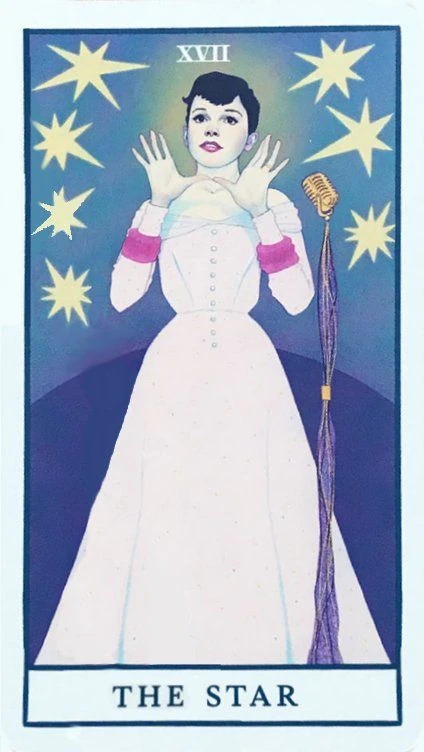
The Star: hope with the spotlight turned down
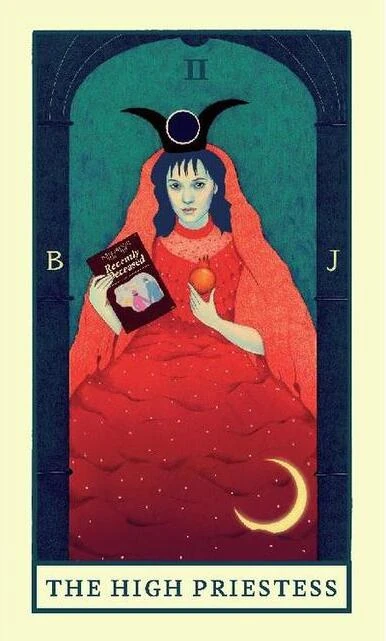
The Star looks exposed but composed. Against the deep blue field, the figure’s stillness feels tender rather than theatrical. It is one of the deck’s best reminders that hope does not need to perform.
Use it when confidence is returning quietly. Ask what deserves encouragement before it is fully visible, and what small act would protect that fragile sense of possibility.
The career plot turn
For a stalled project or uncertain work decision, this separates the opportunity from the pressure around it.

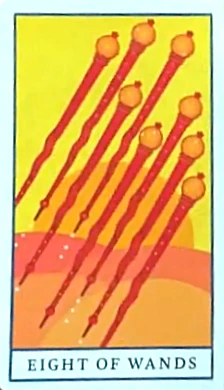


End by turning the King of Coins into one concrete step: set the budget, define the deadline, send the proposal, or protect the hours needed to finish.
When the story turns gothic
Use this sequence for fear, attachment, uncertainty, and sudden change. It is not a prediction of disaster; it is a way to see where the tension lives.


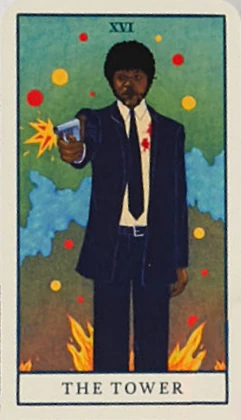
Read slowly. Name the ending first, then the attachment, then the uncertainty. Only after that should you ask what truth or decision can interrupt the loop.
Is Movie Tarot beginner-friendly?
Yes, especially for a beginner who naturally notices character and story. The titles and overall structure remain familiar, and the Major Arcana offers strong visual cues. Some pip cards are quieter, so keeping a simple keyword list nearby will help during the first few weeks.
A practical study rhythm is one card a day: describe the scene in one sentence, write the traditional meaning in one sentence, and finish with one action you can take. This prevents the film theme from turning into trivia.
Movie Tarot pros and cons
Pros
- Distinctive artwork with immediate character energy.
- A complete 78-card structure for real readings.
- Excellent for creative prompts, journaling, and narrative spreads.
- Major Arcana references are memorable without needing exact film knowledge.
- Simple pip compositions keep everyday questions grounded.
Cons
- Readers who dislike pop-culture decks may find the concept distracting.
- Some numbered suit cards offer fewer scene details than the Majors.
- The strongest interpretations still require traditional tarot knowledge.
- Recognizable character echoes can pull attention toward the film instead of the question.
Who will enjoy Movie Tarot most?
This is an easy recommendation for film lovers, writers, artists, role-players, and intuitive readers who think in motives and turning points. It also works well as a second deck for someone who already knows Rider–Waite–Smith meanings and wants a more playful voice.
Skip it if you want historical symbolism, lush realism, or a deck where every Minor Arcana card tells a detailed human scene. Movie Tarot is strongest when its clean shapes and archetypal casting feel like an invitation, not a limitation.
Final thoughts
Movie Tarot succeeds because its idea is more than decoration. A film character is already a bundle of choices, fears, strengths, and consequences, which makes that language surprisingly natural for tarot.
The deck reads best when you let the image start the conversation and the traditional meaning finish it. If you want cards that help you see a question as a living story—with a role, a conflict, and a next scene—this is a thoughtful and enjoyable deck to keep nearby.
Movie Tarot FAQ
Who created Movie Tarot?
Movie Tarot was written by Diana McMahon Collis and illustrated by Natalie Foss. It was published by Laurence King Publishing.
How many cards are in Movie Tarot?
The complete deck contains 78 cards: 22 Major Arcana and 56 Minor Arcana across Wands, Cups, Swords, and Coins. The TarotFans gallery includes 77 individually verified card fronts; The Lovers remains omitted rather than guessed.
Do I need to recognize every movie reference?
No. The posture, color, objects, and card title are enough to begin. A familiar character may add another layer, but it should not replace the tarot meaning.
Is Movie Tarot suitable for beginners?
Yes, if story and character help you learn. Keep a basic keyword guide nearby for the quieter pip cards while you build confidence.
What readings suit Movie Tarot best?
It is especially good for creative work, relationship dynamics, career decisions, journaling, and questions about personal roles or repeating patterns.
Which Movie Tarot edition is reviewed here?
This review covers Movie Tarot: A Hero’s Journey in 78 Cards, ISBN 9781786277213, published by Laurence King Publishing.