Legacy of the Divine Tarot Cards
Explore this verified Legacy of the Divine Tarot card gallery. Use the filters to follow the Major Arcana and each suit, then open any card for a larger carousel view.
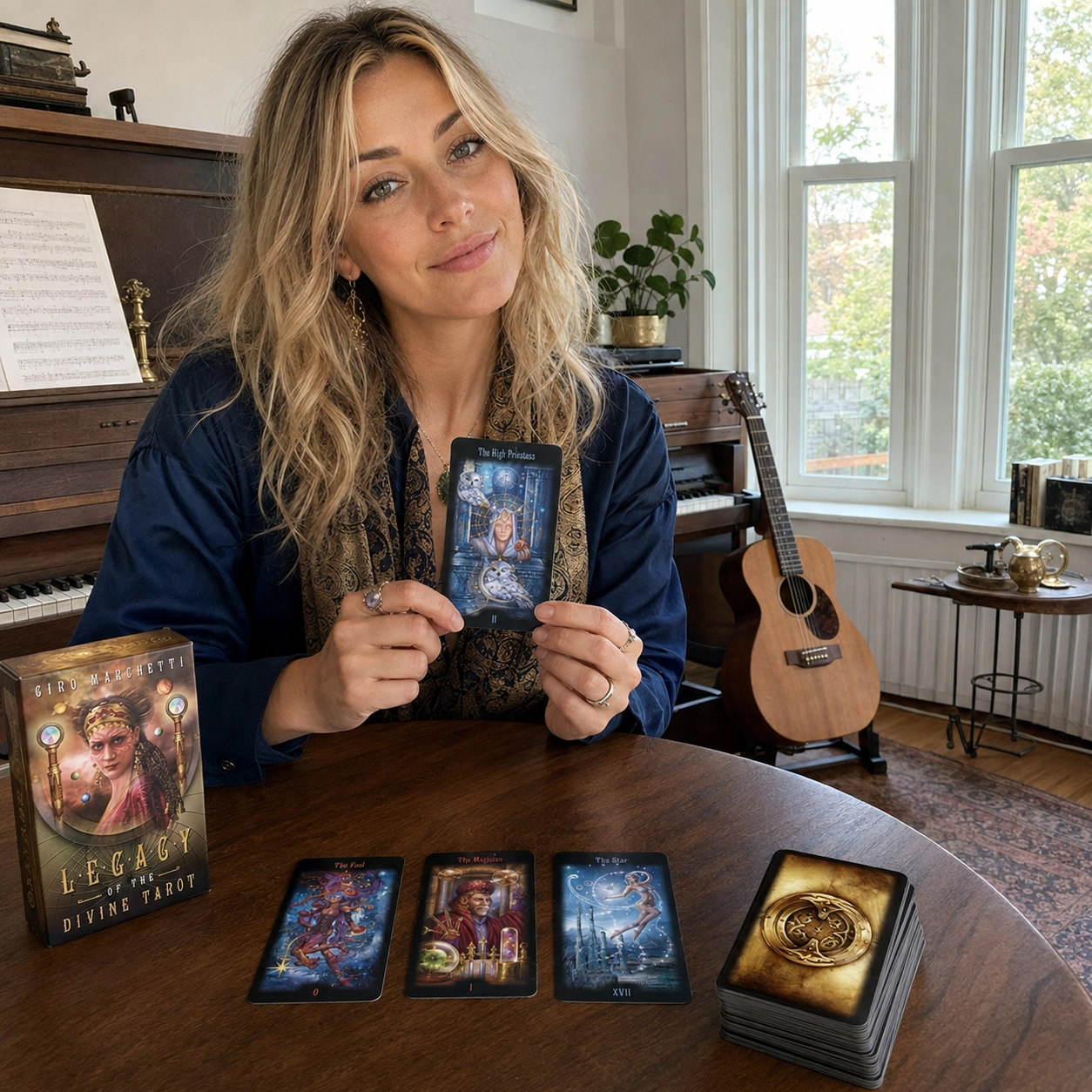
Legacy of the Divine Tarot Review: Quick Take
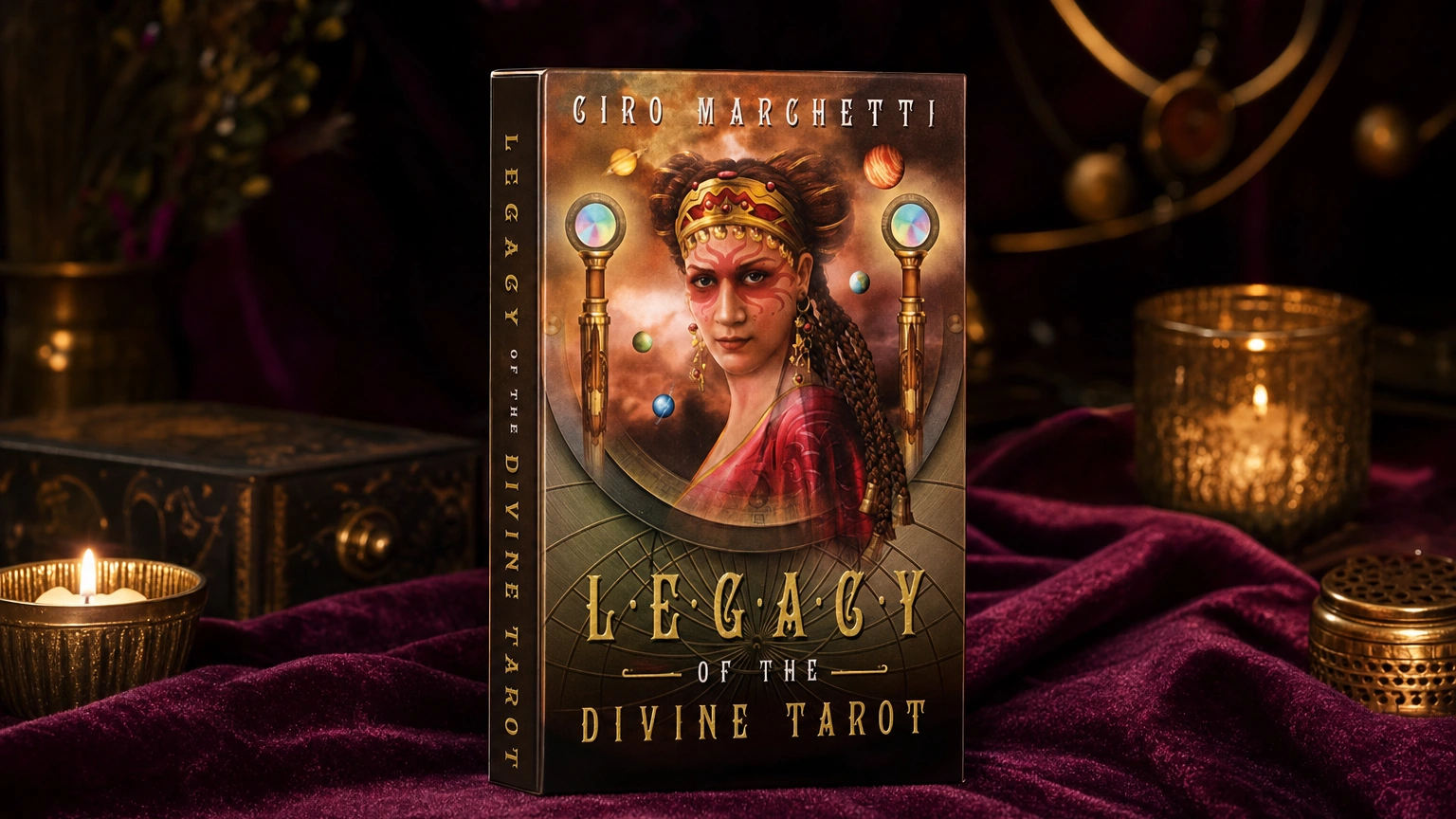
Legacy of the Divine Tarot is Ciro Marchetti’s glowing, cinematic answer to the Rider-Waite-Smith tradition. It feels like finding a magical archive after a lost civilization has gone quiet: jewel colors, brass instruments, smoky skies, and symbols that look both ancient and futuristic.
My quick take: this is a beautiful working deck for readers who already know the basic tarot story and want stronger atmosphere, richer color, and more drama on the table. Beginners can use it too, especially with the guidebook, but the art asks you to read mood, light, posture, and setting instead of only copying classic RWS details.
I love the moment these cards catch the light. A blue glow can feel like a door opening in a dark room; a figure’s turned face can make an ordinary question suddenly reveal its longing. I begin with the detail that pulls at me, then bring it back to the card’s traditional role and the story made by the cards around it. That keeps the beauty from becoming decoration—the picture earns its meaning.
The High Priestess is a perfect guide to this deck. Her stillness sits inside a world crowded with instruments, stars, and secret architecture, so I read her as an invitation to pause without going blank. In a relationship spread, I might ask what is felt but not yet spoken; beside The Magician, I would listen for the difference between quiet knowing and a truth that is ready to be acted upon.
I reach for Legacy of the Divine when a reading needs emotional depth, creative courage, or a wider sense of destiny, while keeping one hand on the practical question: what is illuminated, what remains in shadow, and what can be done next? Even in its deepest shadows, this deck leaves a small golden door open, reminding you that insight can become courage and the next clear step can still be yours.
What Makes Legacy of the Divine Tarot Different?
Many tarot decks redraw the Rider-Waite-Smith system. Legacy of the Divine feels more like it builds a whole myth around it. The deck imagines a civilization leaving images behind as a final message. That makes every card feel like a stained-glass window, a machine, a dream, and a warning all at once.
Ciro Marchetti’s style is digital fantasy art with strong contrast. There are glowing blues, oranges, purples, and golds, often set against deep shadow. If you like decks that look alive under candlelight, this one has that feeling. It is not quiet or minimal. It is theatrical, emotional, and very visual.
The structure remains close enough to RWS that familiar card meanings still work. Some imagery is reimagined, and some titles feel more spiritual or story-based, but the deck usually gives enough visual clues for practical readings.
First impression: light, choice, and destiny

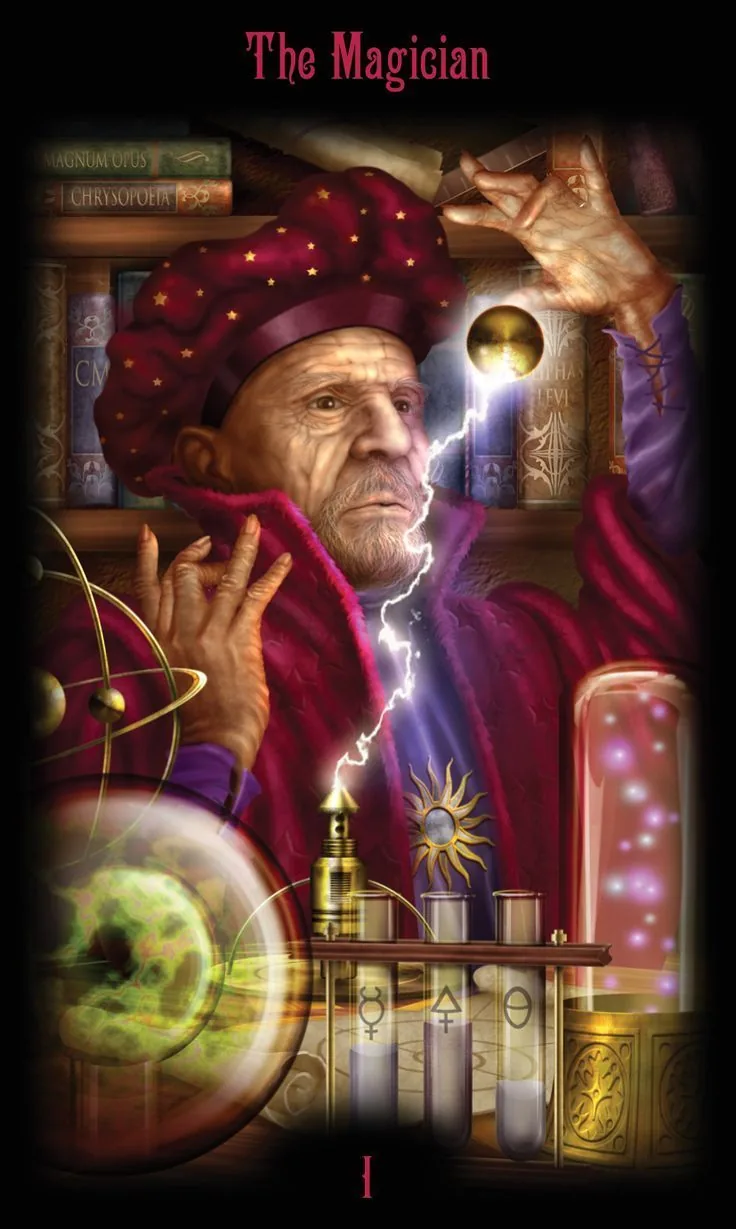
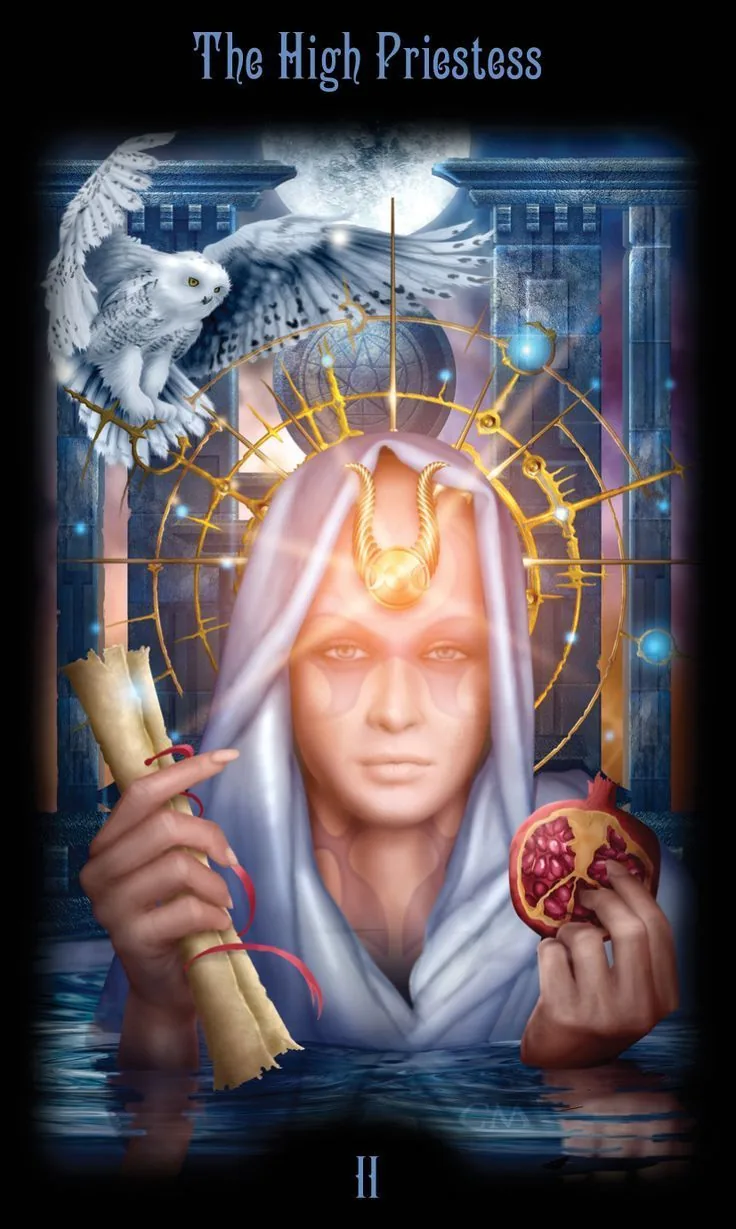
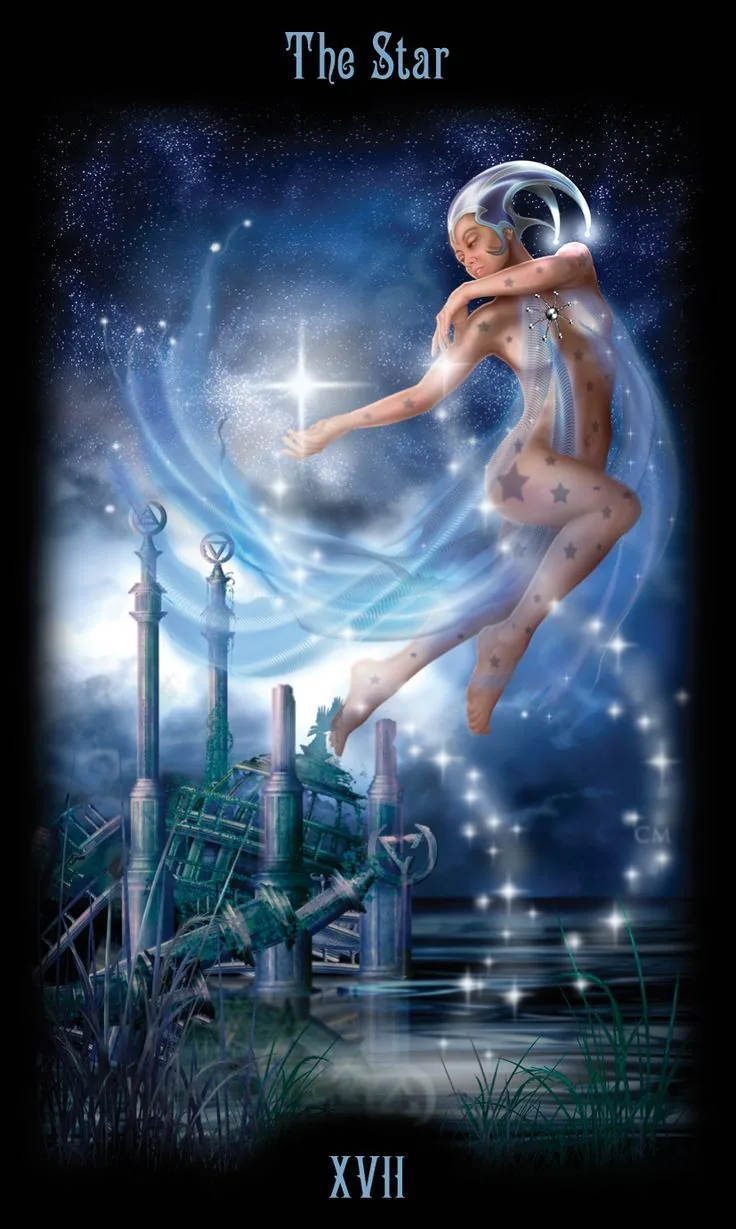
These cards show the deck’s best gift: it turns familiar tarot ideas into a glowing mythic scene, so the reader can feel the energy before explaining it.
How This Deck Reads in Real Life
Legacy of the Divine is strongest when the question needs emotional depth, creative direction, or a sense of “what is really moving underneath this situation?” The art has big feelings, so it can make small questions feel more important. That is helpful when the querent needs courage, but it can be too intense for very casual daily pulls.
For love readings, the deck often highlights longing, honesty, desire, and projection. For career readings, it is good at showing confidence, risk, and the difference between real calling and shiny distraction. For spiritual readings, it feels very at home.
Card case study
The Star: hope that has survived the dark
In this deck, The Star does not feel like simple positivity. It feels like a light that remains after the storm has already done its work. In a reading about healing, I would read it as gentle restoration, but also as a reminder to trust the small signs of life coming back.
Practical reading tip: ask, “Where is hope already visible, even if it is not loud yet?” That keeps the card grounded instead of turning it into vague reassurance.
Art Style and Symbolism
The art is polished, glossy, and richly layered. The borders and shadows give many cards a portal-like feeling, as if you are looking into a preserved memory. You will see fantasy architecture, glowing instruments, dramatic skies, and faces with strong emotion.
Readers who love clean, sparse symbolism may find this deck busy. Readers who like visual storytelling will probably love it. The trick is not to hunt for every tiny detail. Start with the card’s main movement: who is looking where, where the light falls, what color dominates, and whether the scene feels open or trapped.
The deck’s emotional weather
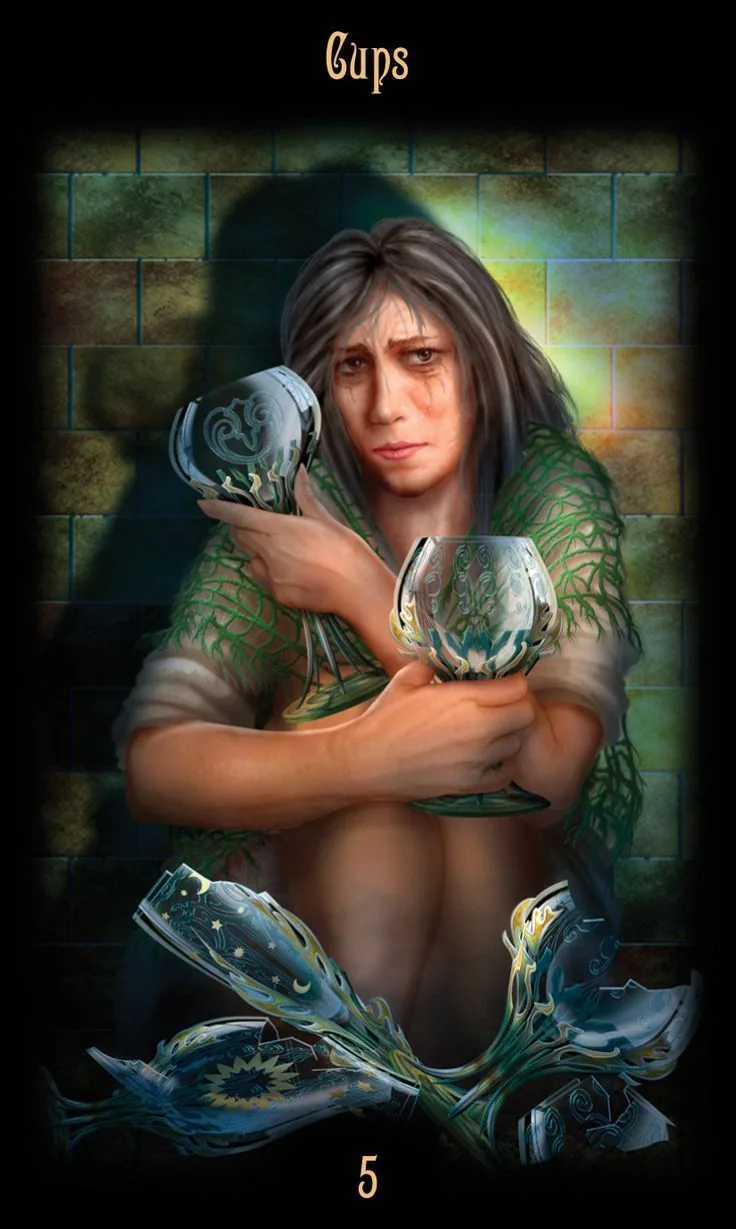
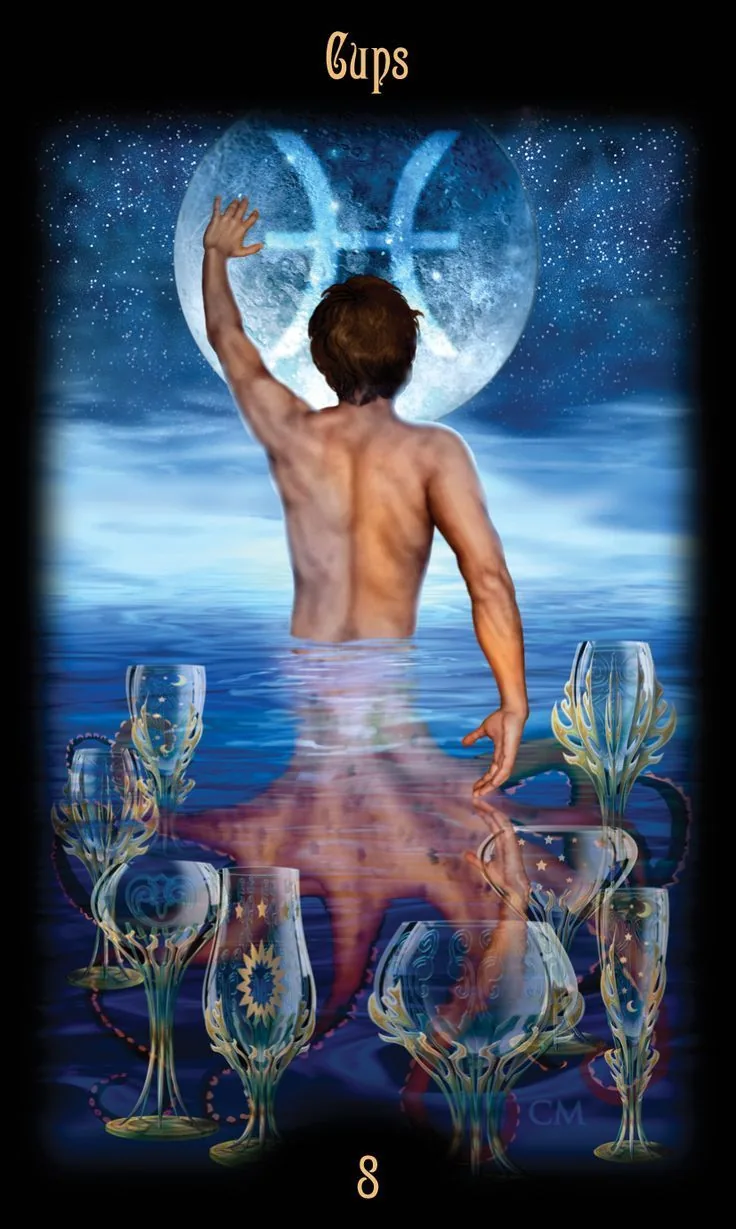
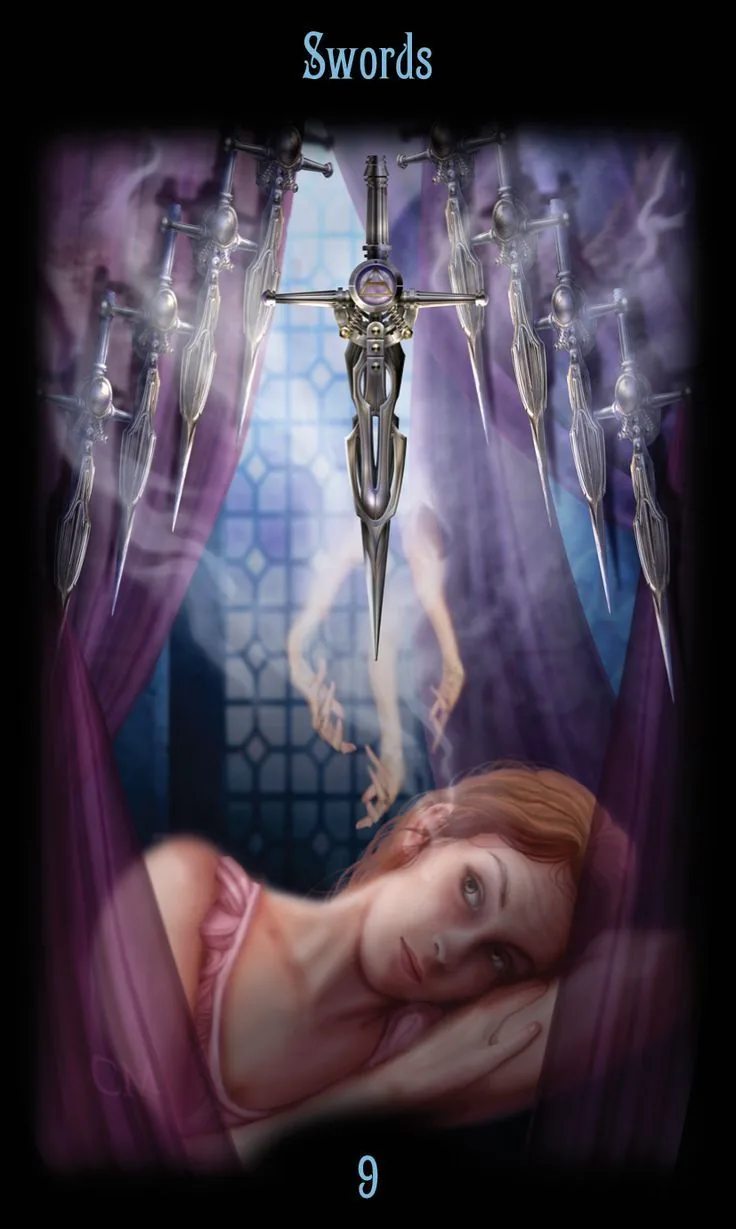
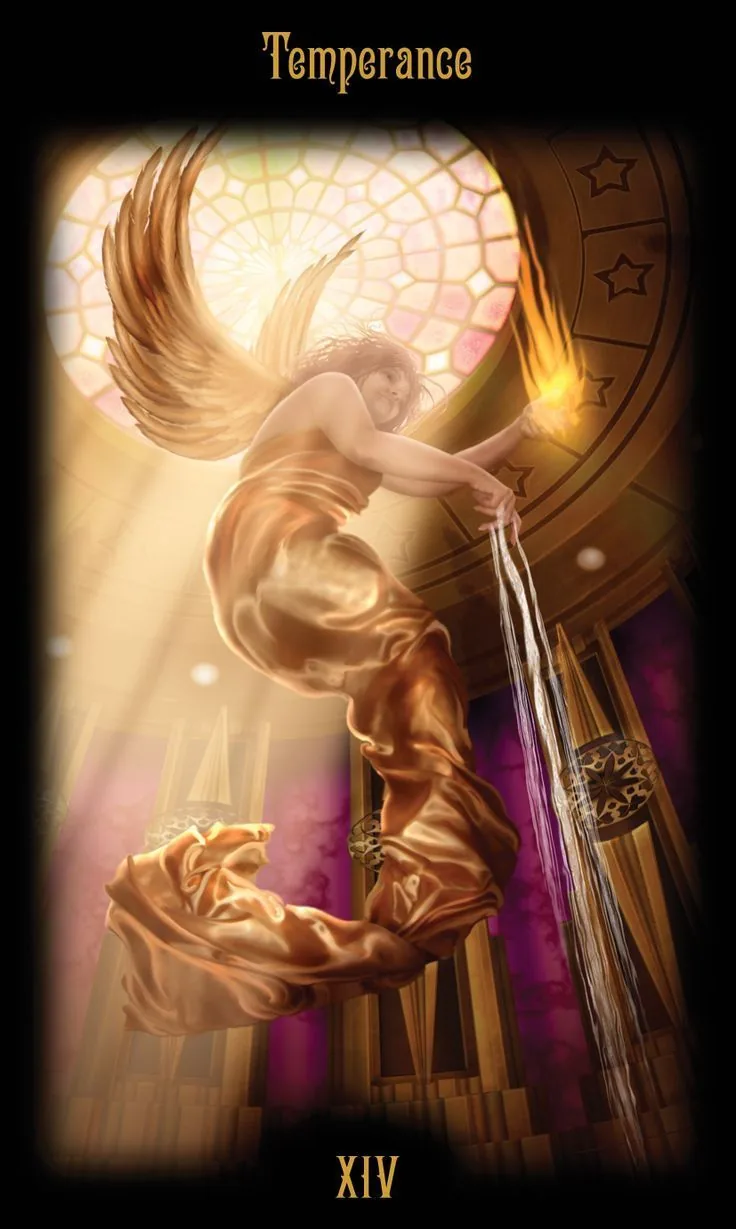
Legacy of the Divine is especially good at showing emotional atmosphere: grief, withdrawal, anxiety, and balance all have their own color and temperature.
Beginner Friendliness
I would call Legacy of the Divine beginner-friendly with support, not beginner-simple. If you are brand new, keep a basic RWS meanings guide nearby while you learn the deck’s own visual language. After a few weeks, the images become easier to read because they are so memorable.
If you already know tarot basics, this deck can be very satisfying. It lets you keep the traditional structure while reading with more intuition and mood. It is a lovely bridge between classic tarot and modern fantasy decks.
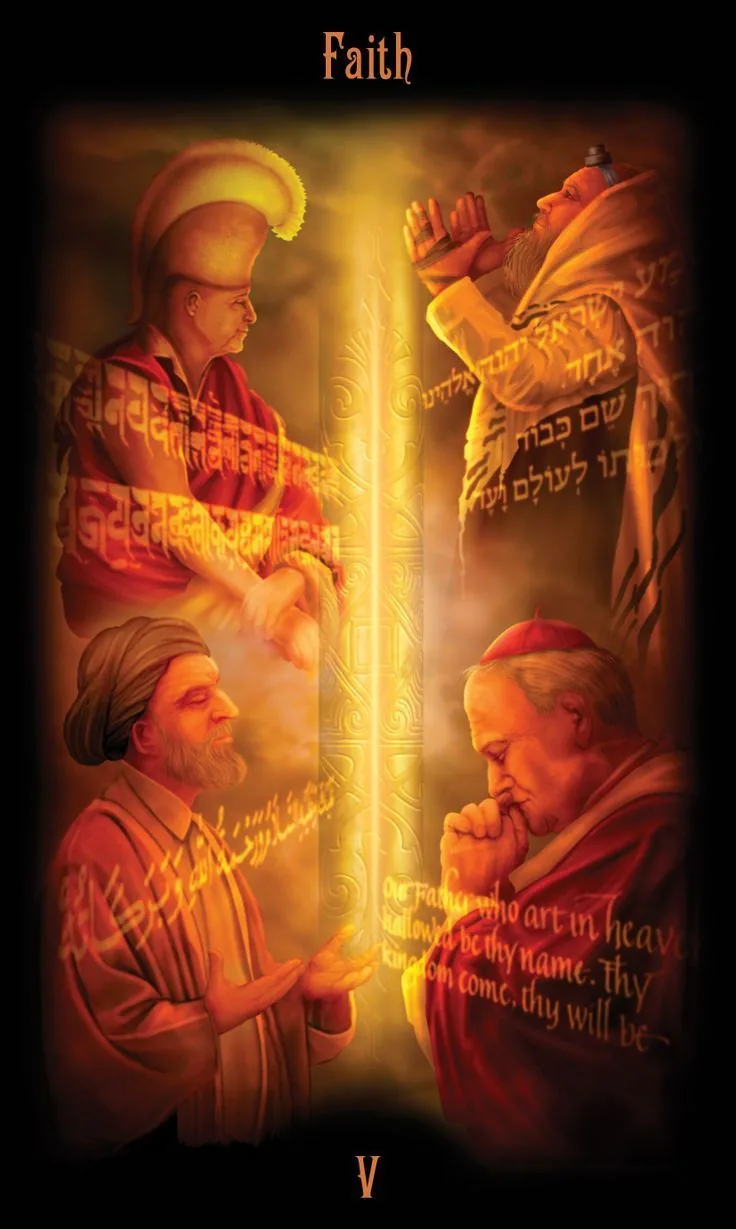
Card case study
The Hierophant: spiritual structure without a narrow box
Legacy of the Divine gives the traditional Hierophant idea a broad spiritual feeling. It can be less about obeying an institution and more about asking what belief, ritual, teacher, or tradition can hold you steady.
Practical reading tip: in a relationship or career spread, this card may ask, “What values are we actually following?” rather than “Who is in charge?”
Best Uses for Legacy of the Divine Tarot
- Deep personal readings: questions about change, identity, grief, hope, and purpose.
- Creative readings: writing prompts, art decisions, character arcs, and symbolic brainstorming.
- Shadow-aware reflection: the deck can show fear and desire clearly without feeling cruel.
- Client readings with visual impact: the images are easy to show across a table or on camera.
I would not choose it first for super quick yes/no pulls. It likes a little space. Three-card spreads, Celtic Cross readings, and “what is the story beneath this?” questions suit it beautifully.
Action, pressure, and courage
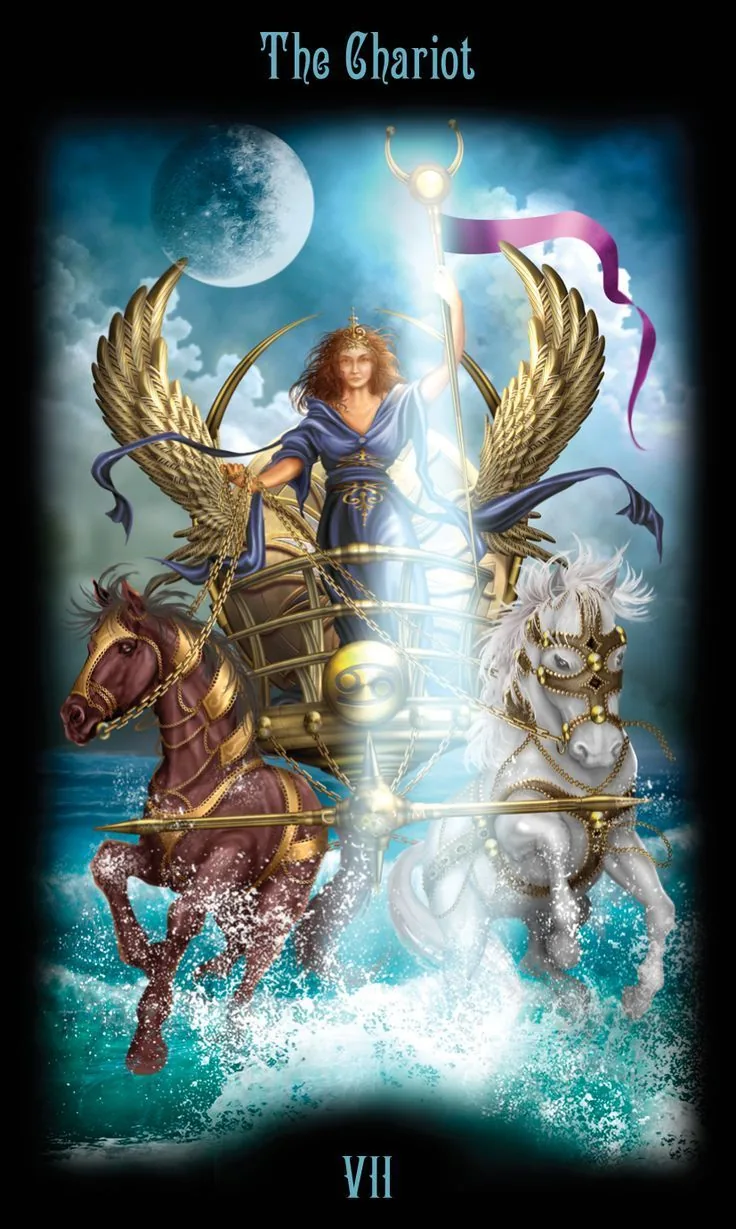
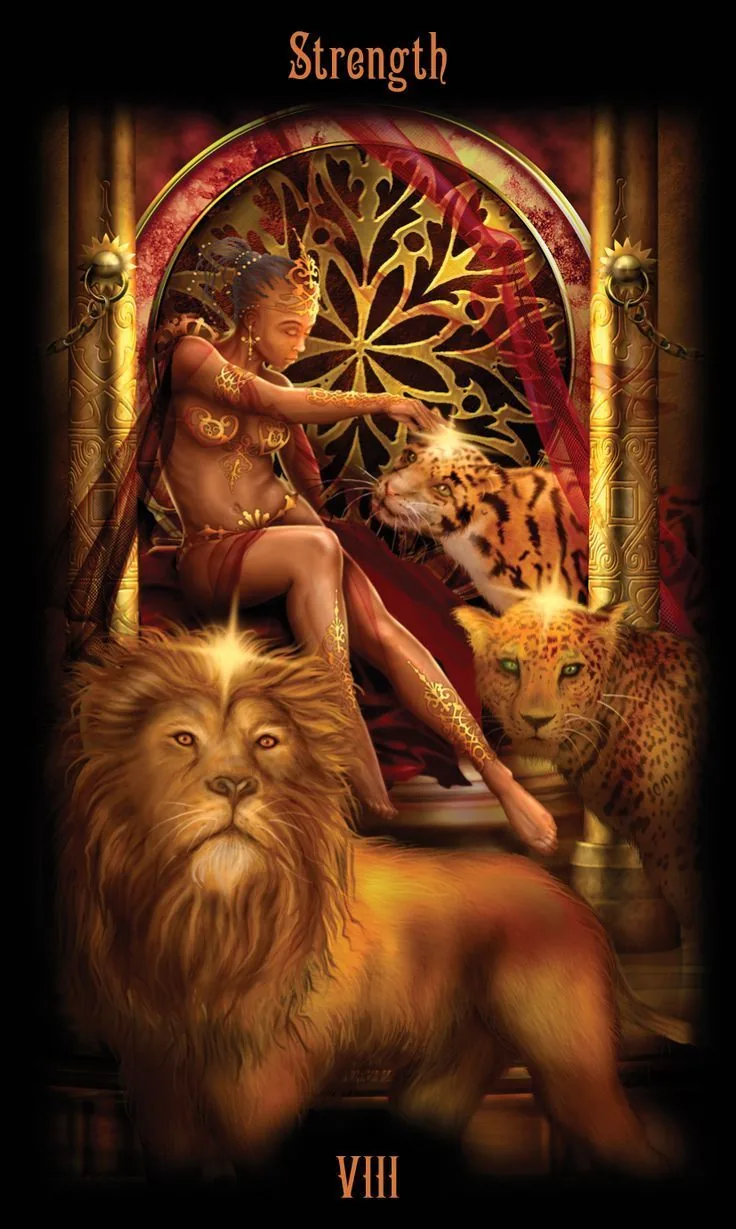
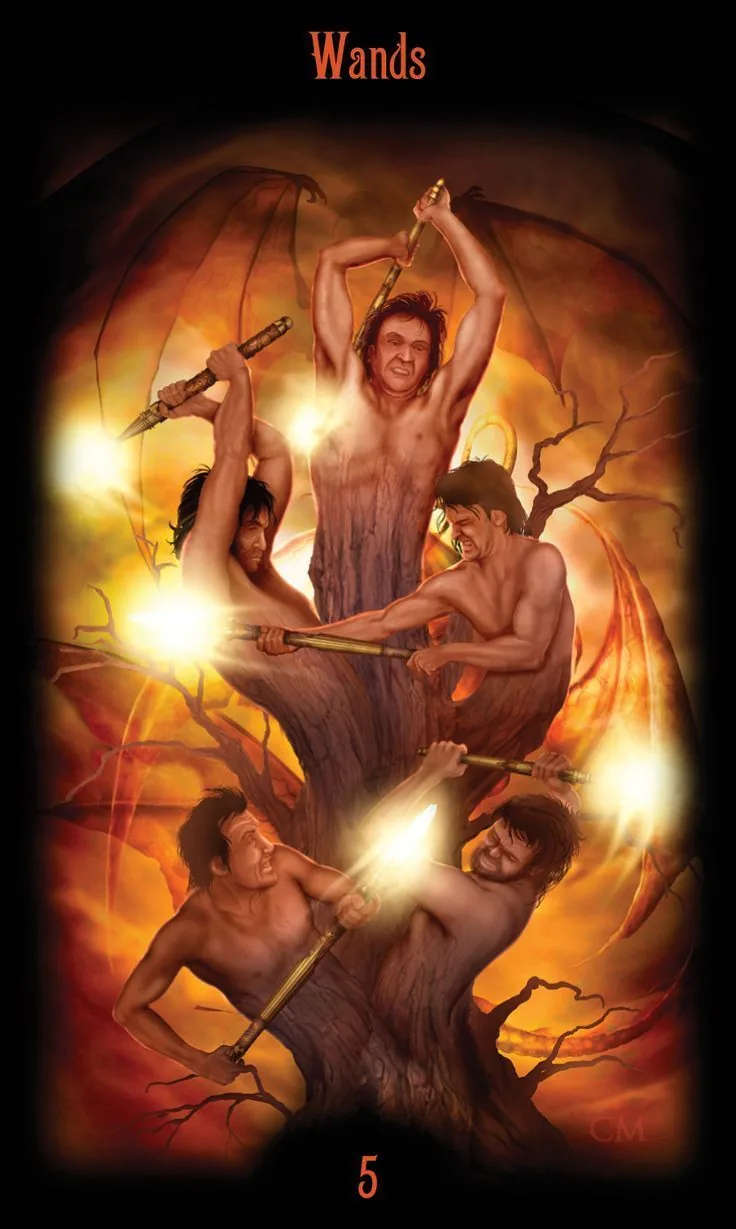
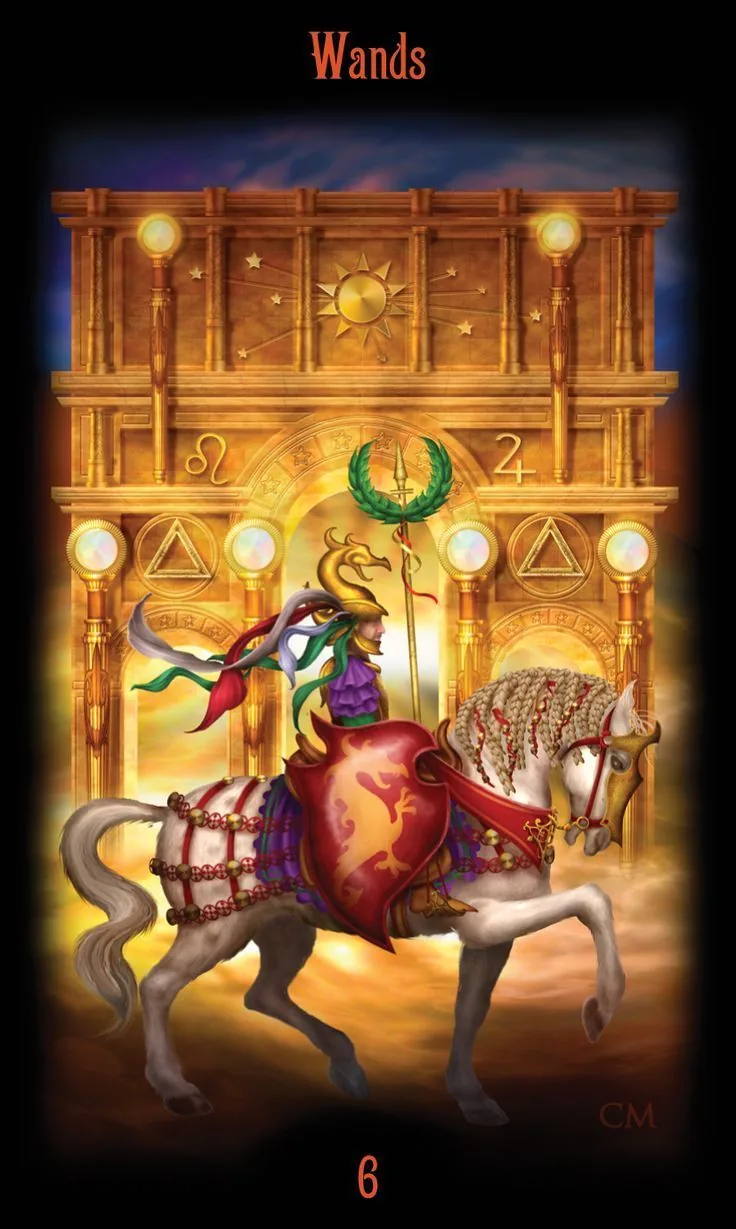
These cards show how the deck handles movement: not flat success-or-failure, but pressure, discipline, self-command, and visible progress.
What to Know Before Buying
This deck is dramatic. If you want soft watercolor, folk art, or a very literal RWS clone, Legacy of the Divine may feel too polished or intense. If you enjoy Ciro Marchetti’s other decks, especially Gilded Tarot or Tarot of Dreams, this deck will probably feel familiar in the best way.
Card naming and artwork choices may ask you to loosen your grip on exact RWS imagery. That is not a flaw; it is part of the deck’s personality. The guidebook helps, but the deck becomes strongest when you let the image speak first and the memorized meaning second.
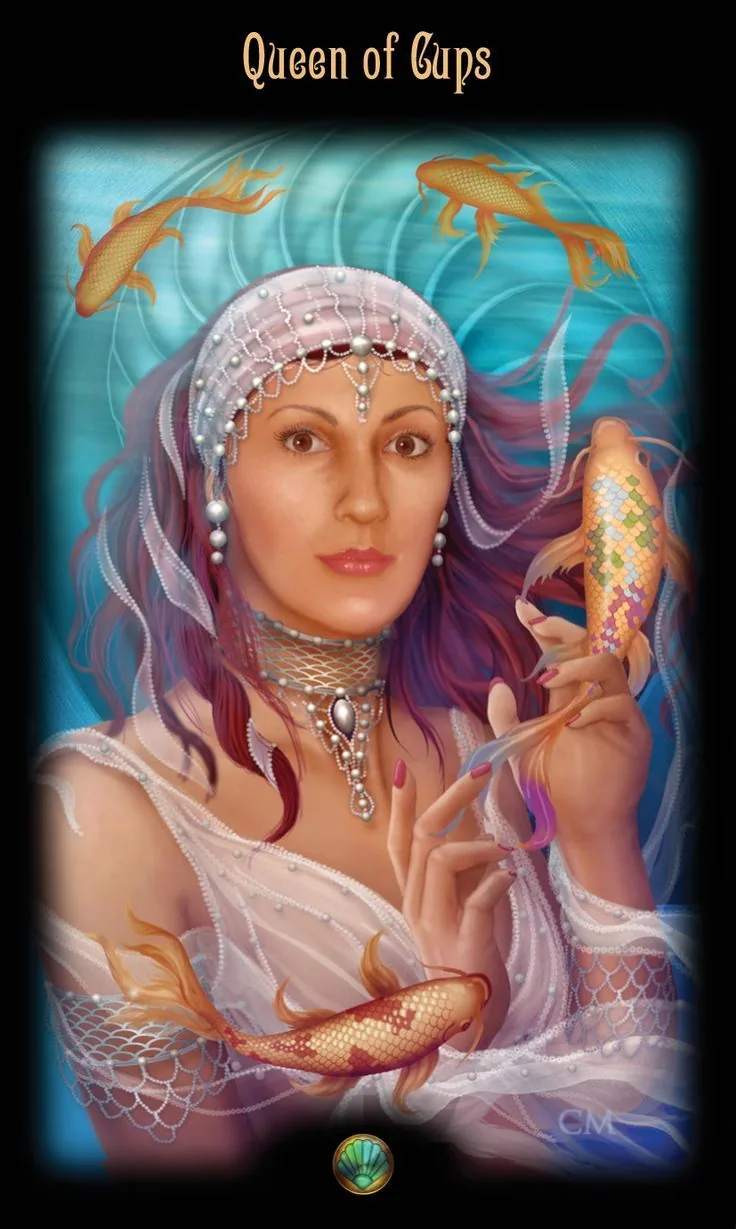
Card case study
Queen of Cups: compassion with clear inner sight
The Queen of Cups is a good example of how this deck makes court cards feel like presences, not just personality keywords. She suggests emotional maturity, intuitive listening, and the ability to hold feeling without drowning in it.
Practical reading tip: for advice, I would read her as “listen deeply, but keep your cup in your own hands.” Compassion is strongest when it still has boundaries.
Easy, Medium, and Hard Reading Examples
Easy: “What energy should I bring into today?”
If you pull The Sun, keep the message simple: be visible, warm, and honest. Do the thing that brings life back into the room.
Medium: “What is blocking this project?”
If you pull 7 of Cups, the deck may be showing too many beautiful possibilities and not enough chosen action. Pick one door. Close the others for now.
Hard: “Why does this pattern keep repeating?”
If you pull The Devil, read it with care. This is not a doom card. In this deck, it can point to a binding desire, fear, habit, or bargain that once felt protective but now costs too much.
Money, work, and material choices
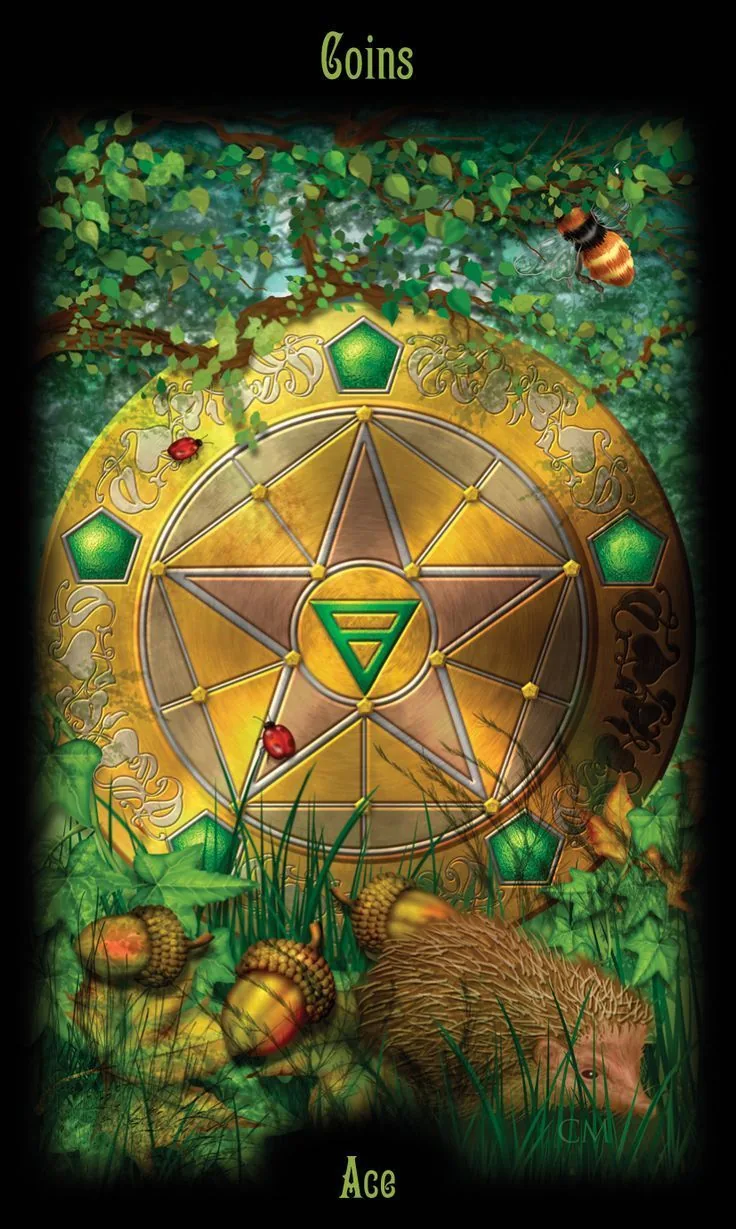
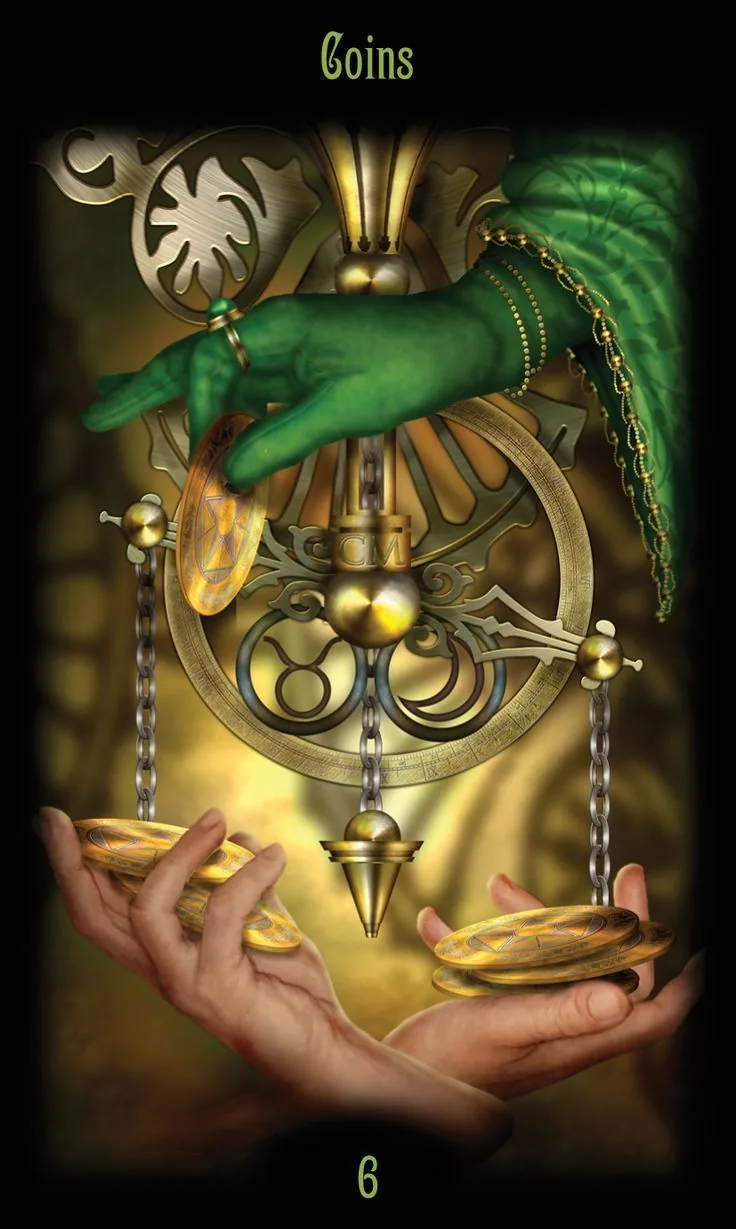
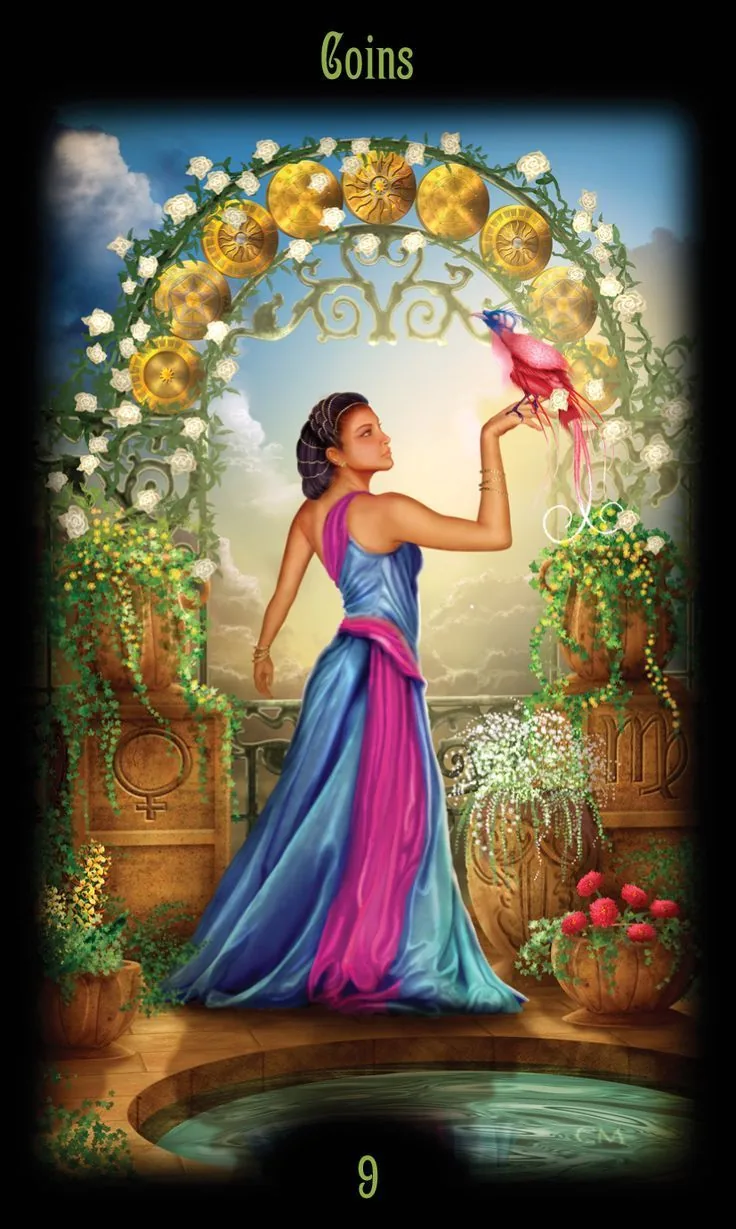
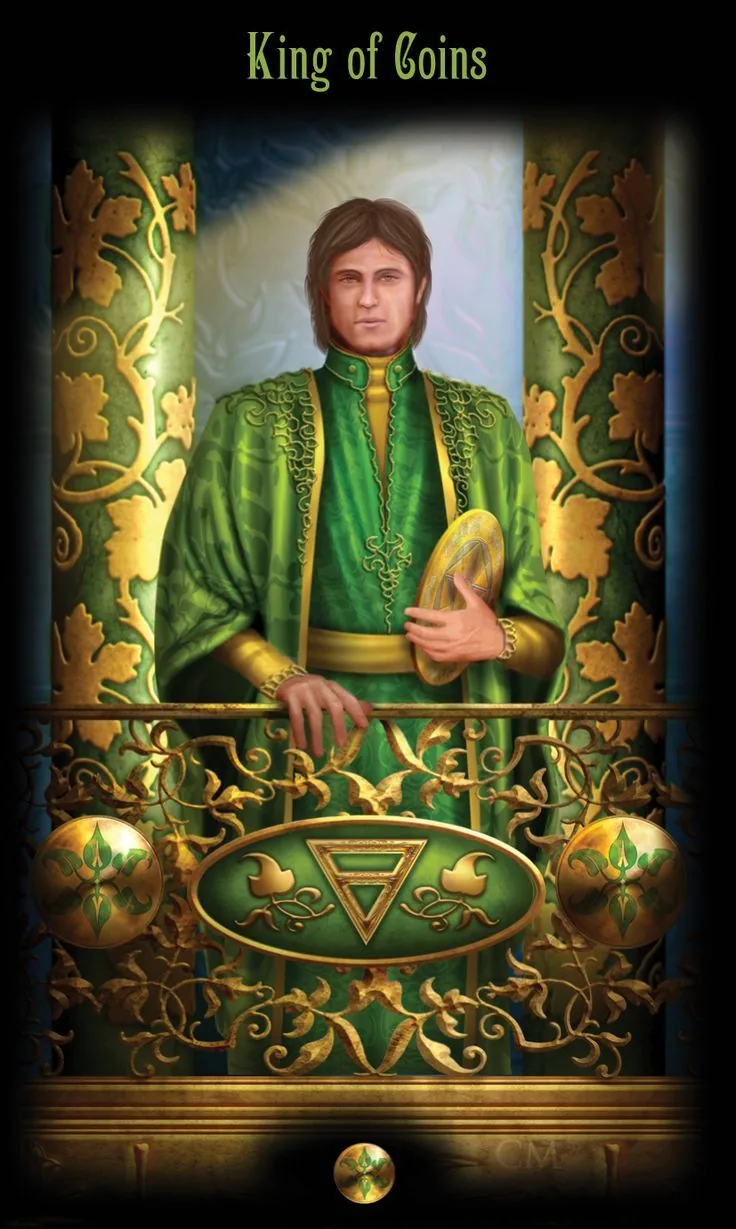
The Coins suit feels lush and grounded here. It is useful for practical questions about value, generosity, independence, and long-term stability.
TarotFans Reading Rule
With Legacy of the Divine Tarot, read the light source before you read the keyword. Ask: where is the glow, what is hidden, and what is the figure moving toward? This deck speaks through atmosphere. The meaning often arrives when you notice what the card illuminates and what it leaves in shadow.
Final Thoughts
Legacy of the Divine Tarot is a lush, memorable, emotionally rich deck for readers who want tarot to feel like a mythic story. It respects the traditional system while dressing it in a world of glowing symbols, ruins, machines, and sacred drama.
I recommend it most for intermediate readers, visual readers, Ciro Marchetti fans, and beginners who are happy to learn with a guidebook beside them. It is not the quietest deck on the shelf, but when you want a reading to feel alive, it has a powerful voice.
Legacy of the Divine Tarot FAQ
Who created the Legacy of the Divine Tarot?
Legacy of the Divine Tarot was created by Ciro Marchetti, the artist also known for decks such as the Gilded Tarot and Tarot of Dreams. His style is polished, cinematic, colorful, and strongly fantasy-inspired.
Is Legacy of the Divine Tarot based on Rider-Waite-Smith?
Yes. The deck follows a Rider-Waite-Smith style structure closely enough that traditional meanings still work, but many scenes are reimagined with Ciro Marchetti’s own mythic world and visual language.
Is this deck good for beginners?
It can be good for beginners who enjoy rich fantasy art and are willing to use the guidebook. Absolute beginners may find a simpler RWS clone easier at first, but this deck is very learnable if you read mood and story as well as keywords.
Why is The Hierophant called Faith in this deck?
The deck uses Faith to give the traditional Hierophant idea a broader spiritual feeling. Instead of only pointing to institutions or formal teaching, it can ask what belief, practice, or sacred structure is guiding the situation.
What kinds of readings suit Legacy of the Divine Tarot best?
It suits deep personal readings, creative questions, spiritual reflection, relationship patterns, and readings where emotional atmosphere matters. It is especially strong when you want to understand the story beneath the surface.
How many cards are shown in the TarotFans gallery?
The TarotFans visual gallery on this page currently shows 77 Legacy of the Divine Tarot card fronts. It is a broad visual browse of the deck’s art and reading style without claiming that every card image is shown here.