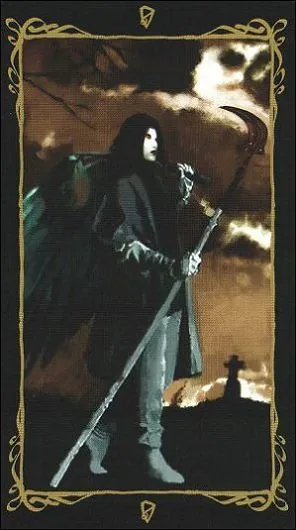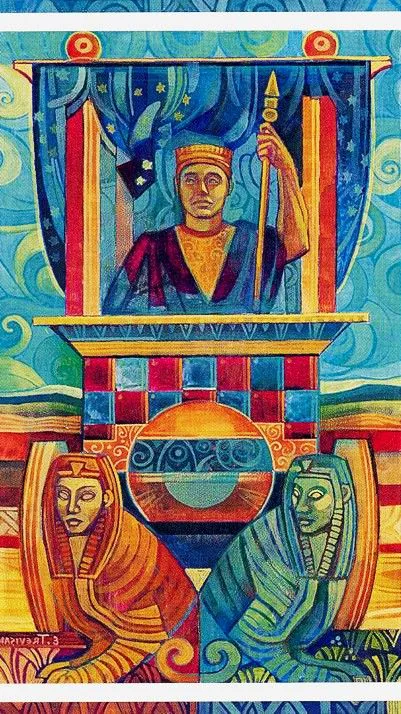
Ancestral Path Tarot Cards
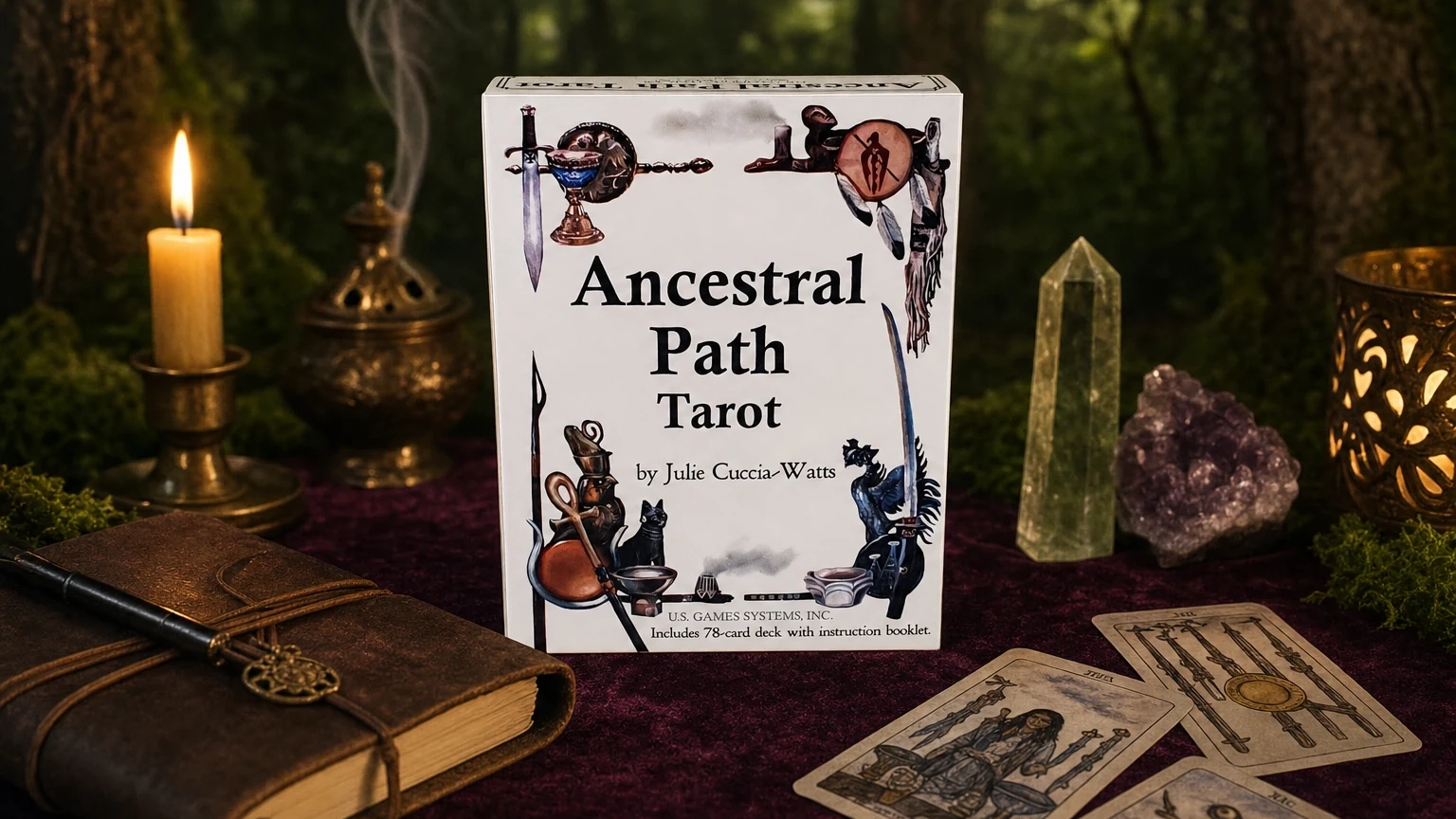
Explore the verified partial Ancestral Path Tarot card archive. Choose an official deck family, then open any card for a larger carousel view.
A note from Aurica
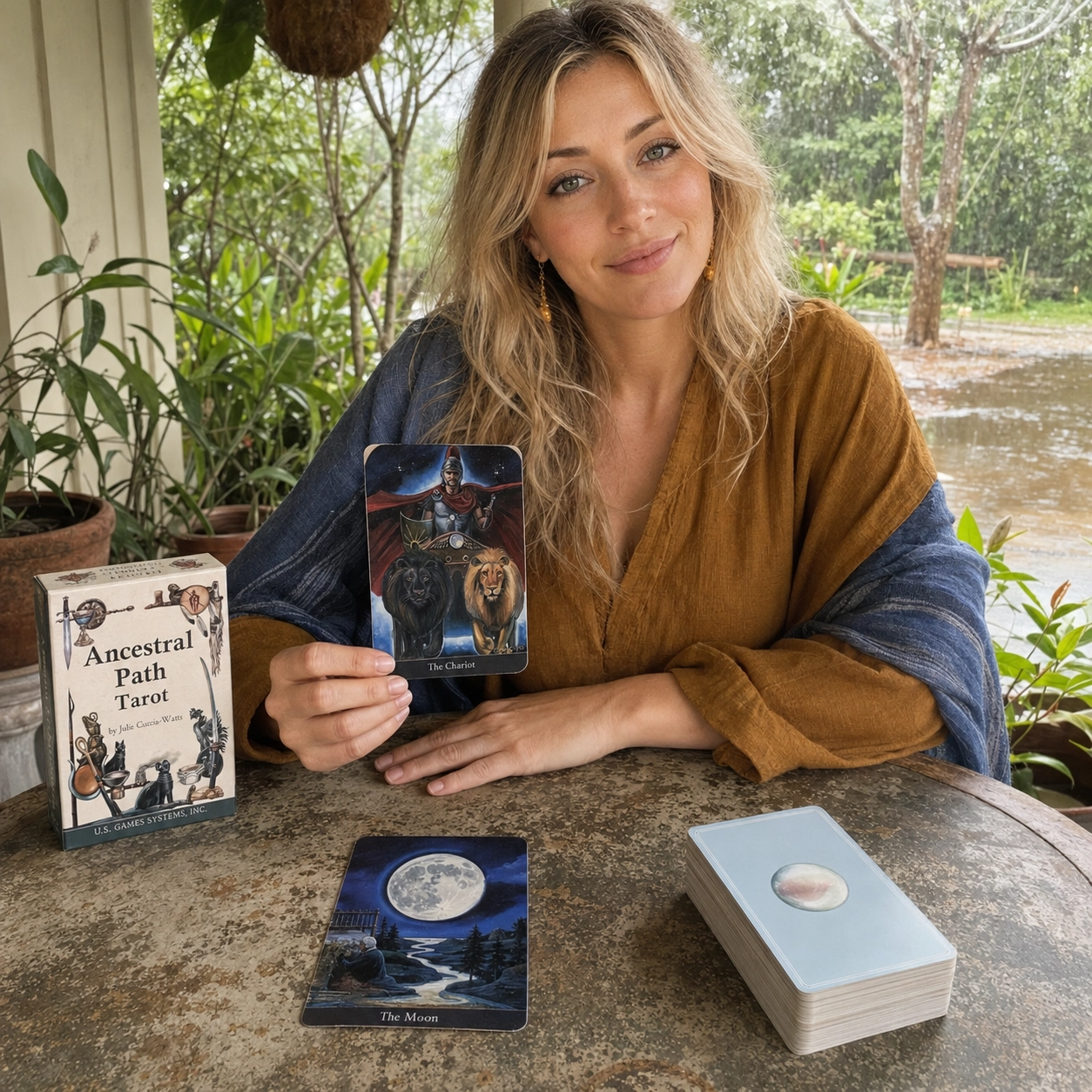
Ancestral Path Tarot feels like opening four windows onto human memory. Its scenes carry the hush of places where stories have been told for generations, yet the people inside them never feel sealed behind glass. I notice their hands, their distances from one another, and the small moments of courage or tenderness that make an old archetype feel immediate.
The Chariot draws me in through its watchful stillness. The two lions hold different shades of power, while the red cloak lifts the whole image with resolve. When this card appears, I ask where confidence and instinct are learning to move together. Direction matters here, but so does the relationship between the forces carrying us forward.
The Moon changes the pace completely. Its enormous silver face turns the winding water into a path that can only be followed a little at a time. I read it as permission to pause, notice what the body already knows, and let uncertainty reveal its shape. Beside a bolder card, that quiet can become wise timing rather than fear.
In a spread, I first follow the gaze and movement from card to card, then test that feeling against each card’s familiar tarot role. The deck’s distinct cultural pathways add atmosphere without replacing the reading itself. A repeated colour, guarded posture, or open horizon often shows me whether a question is asking for patience, honest conversation, or a brave next step.
I especially love this deck for questions about belonging, inherited patterns, and the future we are choosing to build from what came before. Its imagery reminds me that ancestry is not a script we must obey, but a living conversation we can meet with respect and imagination. May these cards help you carry forward the wisdom that strengthens you and gently set down whatever no longer needs to travel beside you.
Ancestral Tarot review: what this deck is really good for
I read Ancestral Tarot as a grounded deck for looking at the stories we carry in our bones, our families, and our daily habits. It is not a deck I would use to make huge claims about spirit contact or to tell someone what their ancestors must want. I like it much more as a respectful mirror: what did I inherit, what helped me survive, what pattern is ready to soften, and what kind of future can I choose on purpose?
The recovered TarotFans gallery source points to the Ancestral Path Tarot artwork, and the current live gallery keeps the count honest at 76 available card images. Because several recovered cards still have source-order labels rather than reliably visible printed names, I am not pretending the gallery is a clean 78-card named set yet. The useful thing for a reader is still very clear: the deck speaks through history, place, ritual, family roles, work, grief, protection, migration, and memory.
The art has a human, lived-in feeling. I see elders, ceremonial scenes, family groups, sacred objects, landscapes, boats, tents, court rooms, gardens, and people doing real work with their hands. That gives the deck a practical voice. It does not feel like ancestry as a vague aesthetic. It feels like food, land, skills, prayer, protection, inherited fear, and the small choices that become a family story over time.
What makes Ancestral Tarot different
The biggest strength of this deck is the way it turns tarot into a conversation with roots. In many decks, a Pentacles card is simply about money or material life. Here, the Sacred Circles can feel like the resources a family gathers across generations: food, craft, land, wisdom, body memory, and the security we try to build. The Staves feel like work, will, movement, and community effort. The Cups carry memory and feeling. The Swords show the thoughts, rules, and old fears that can either protect us or trap us.
That makes this deck useful for questions like: What pattern am I repeating? What strength did I learn from my people? Where do I need better boundaries with family? What helps me feel rooted? I would keep the questions personal and practical. Instead of asking, “What do my ancestors demand?”, I would ask, “What inherited lesson is active in me right now, and how can I respond wisely?” That keeps the reading kind, responsible, and useful.

Four of Sacred Circles: the house of memory
This card feels like a lesson about holding what matters without gripping it too tightly. In a money or home question, I would read it as stability, saving, and careful stewardship. In an ancestry question, I would ask: what do I protect because it is truly precious, and what do I protect only because I was taught to be afraid?
How it reads in real life
In practice, Ancestral Tarot reads slowly but clearly. It is not a flashy quick-answer deck for every tiny question. It works best when you are willing to sit with the image, notice the people in the scene, and ask what part of the picture feels familiar. A card with a craftsperson may point to patience and skill. A tense group may point to conflict that did not begin with you. A road, boat, or open landscape may ask where your life is moving now, and whether you are carrying too much old luggage.
I also like that the deck can be gentle without being soft-focus. Family healing is not always pretty. Sometimes the most healing message is, “This was handed to you, but it is not your whole identity.” Sometimes it is, “Take the useful gift and leave the harmful rule.” This deck is good for that kind of reading because the art shows both beauty and weight. It respects the past, but it does not ask you to be trapped by it.
Four-card moment: inherited pattern check-in
Ask: what am I protecting, what grief sits underneath it, what belief keeps it locked, and what new root can I plant now?


The first four-card moment shows where protection has become a habit. Before asking what should change, I would sit with the feeling underneath it: grief often needs a little warmth and witness before it can loosen its grip.
Five of Cups: grief that deserves a place
The Five of Cups is one of the most important cards for this deck’s emotional style. It does not say, “Just move on.” It says grief becomes easier to carry when it is witnessed honestly. In a family reading, this card may point to sadness that was never named, a disappointment passed down through silence, or a personal loss that needs ritual, journaling, or a safe conversation.
Once that sadness has a name, the reading can turn gently toward boundaries. The next four cards trace the movement from pressure and conflict into language that is honest enough to make room for peace.
Four-card moment: family boundary reset
Read this as conflict, burden, honest words, and peace. It is a useful spread before a difficult but respectful conversation.


Who will love this deck
This deck is a strong match for readers who enjoy journaling, family-pattern work, shadow work, inner-child work, and reflective spreads about identity. It may also speak to people who love decks with historical texture and real human scenes rather than bright fantasy art. The cards feel lived-in, which helps when the topic is lived experience.
I would not choose it for someone who wants only fast, light, predictive readings. It asks for maturity and care. If a family topic is raw, I would pair the deck with normal support: a trusted friend, a therapist, a journal, a walk, or a real-world boundary. Tarot can help us notice patterns, but we still need practical choices outside the cards.
Eight of Swords: an inherited rule in the mind
The Eight of Swords is powerful here because it looks like a mental fence. In a normal reading, it can show fear, overthinking, or feeling stuck. In an ancestral reading, I would ask what belief became a cage: “People like us do not ask for help,” “I must stay small to be safe,” or “Love always costs freedom.” The card’s gift is recognition. Once you can name the rule, you can begin to step around it.
The Eight of Swords reveals the inherited rule; this next group brings the question back into everyday life. Growth becomes less abstract when it has a skill to practise, a body to care for, and a community willing to help.
Four-card moment: rooted work and daily support
Ask what is ready to grow, what skill needs practice, where you need stamina, and what kind of care will keep you nourished.

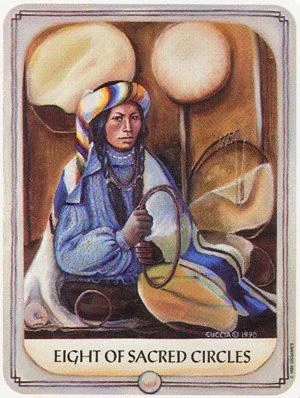

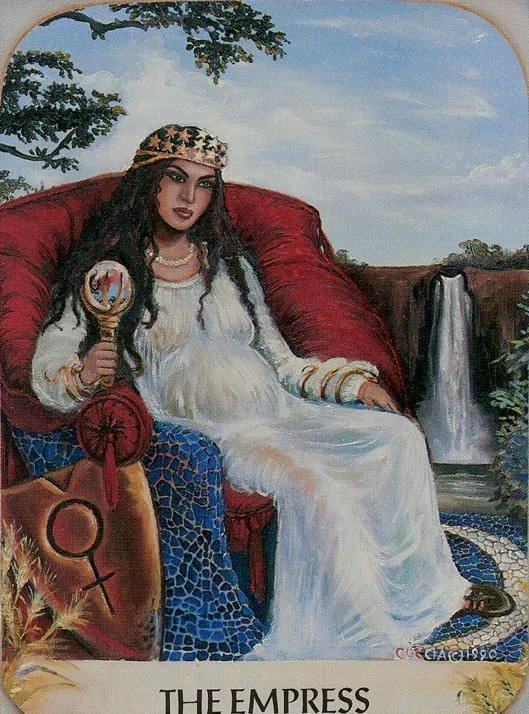
For me, the best way to use Ancestral Tarot is to pull one card, write three sentences, and then choose one small action. If the card shows grief, the action might be lighting a candle or naming what hurt. If it shows a skill, the action might be practicing for twenty minutes. If it shows a boundary, the action might be writing the sentence you need to say. That is where the deck becomes healing in a simple, everyday way.
Four-card moment: choosing the next chapter
Use this for movement, courage, wise counsel, and hope. It is a lovely spread when you want to honor the past but still step forward.
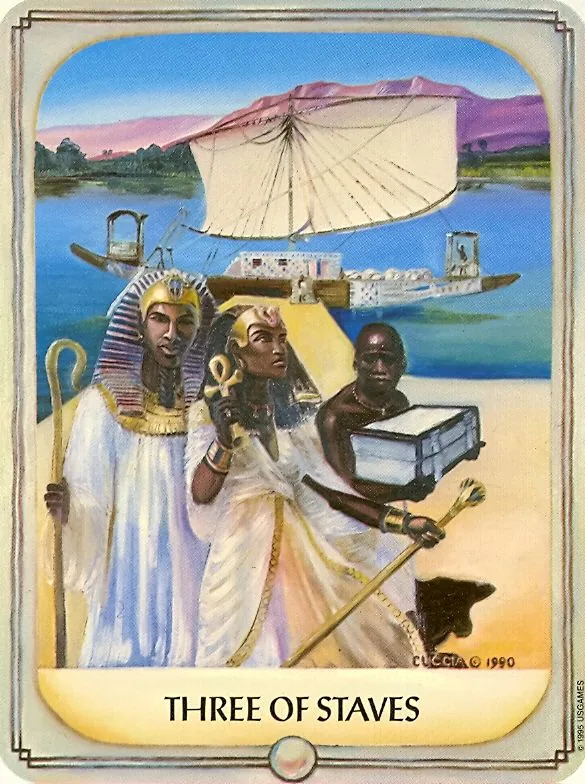


Ancestral Path Tarot FAQ
Bottom line: Ancestral Tarot is a thoughtful, grounded deck for readers who want to explore memory, lineage, family patterns, and inner roots with care. It is not about making dramatic claims. It is about noticing what you carry, honoring what helped you, and choosing what does not need to continue through you.
Is Ancestral Path Tarot good for beginners?
It can work for thoughtful beginners, especially if you like journaling and reflective questions. I would still keep a basic tarot keyword guide nearby because the deck’s deeper ancestral theme can make some cards feel more layered than usual.
Does this deck claim to contact ancestors directly?
I would not use it that way. I read Ancestral Path Tarot as a respectful tool for memory, lineage, inherited patterns, family healing, and inner roots. It can help you reflect, but it should not replace your own judgment or real-world support.
What kinds of questions suit Ancestral Path Tarot best?
It is best for questions about family patterns, belonging, personal history, boundaries, grief, gifts you inherited, and the kind of future you want to build from your roots.
Can I use it for daily pulls?
Yes, but I would keep the prompt gentle. Ask, “What pattern should I notice today?” or “What support can I draw from my roots?” Then choose one practical action instead of over-reading the card.
Is the artwork easy to read?
The images are detailed and human, with many scenes of work, ritual, travel, family, and emotion. If you enjoy looking closely at body language and setting, the deck gives you a lot to read from.
Are all 78 Ancestral Path Tarot card images shown in the TarotFans gallery?
No. The current TarotFans native gallery shows 76 available card images for this deck. I keep that count honest here and avoid claiming the live gallery displays every card.