Legacy Black Tarot Image Archive
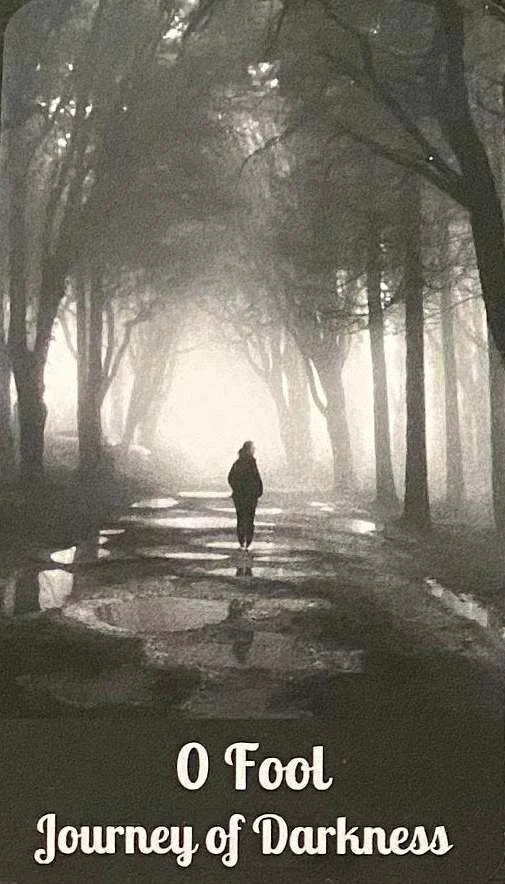
Explore the verified available card fronts from a different Black Tarot edition, then open any card for a larger carousel view. These images are preserved as an archive and are not presented as artwork from the Nyasha Williams edition reviewed here.
A note from Aurica
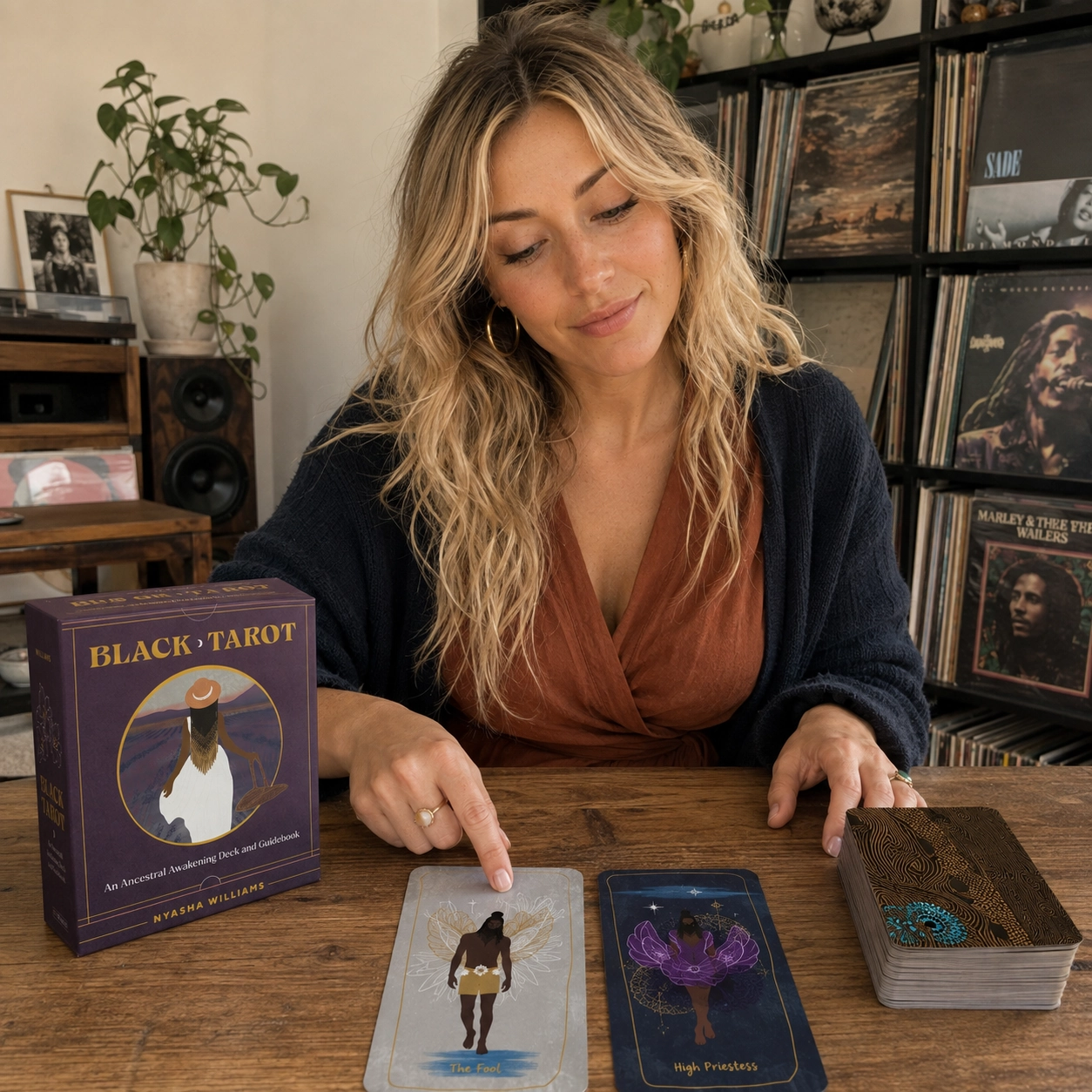
Black Tarot feels to me like gathering around a table where old stories are finally allowed to breathe. Nyasha Williams and Kimishka Naidoo fill the deck with Black figures, warm earth colours, moonlit purples, and flashes of gold, so its ancestral theme arrives through living people and tender details rather than distant symbolism.
I am especially drawn to The Fool, whose dark figure steps forward against pale wing-like flowers and blue water. Before I reach for the familiar idea of a beginning, I notice the contrast: a grounded body held inside something light and opening. In a reading, I would ask which inherited expectation is ready to loosen so a more honest path can begin.
The High Priestess brings a quieter kind of strength. Her purple floral form, deep blue field, and small crescent moons make intuition feel rooted rather than vague. I would pause over the first detail that catches my eye, test that feeling against the question and neighbouring cards, then name the truth in plain words.
This is the deck I would reach for when identity, belonging, family memory, or spiritual inheritance sits close to the heart of a reading. Its imagery invites reflection without asking every answer to be gentle; even so, I find warmth in the way each figure is given presence, beauty, and room to be fully seen.
Black Tarot’s loveliest gift is the reminder that your story can honour where you come from while still opening a bright, self-chosen road ahead.
Black Tarot by Nyasha Williams: ancestry, identity, and belonging
Black Tarot by Nyasha Williams, with artwork by Kimishka Naidoo, centres Black representation, ancestry, identity, and spiritual inheritance in a traditional tarot framework. Its warm earth colours, deep purples, and gold details create a deck that feels rooted, intimate, and alive.
The separate archive Gallery above contains 18 named images from another Black Tarot edition. I keep that mismatch explicit rather than blending two products together; the official product evidence, Aurica module, and shopping link on this page all refer to the Nyasha Williams edition.
For a reading, I would approach this deck by noticing whose story is being centred, what inherited pattern is asking to be named, and where the cards make room for a more self-chosen future.
Legacy edition card study
The opening image: atmosphere before certainty
The first recovered card sets the tone: this is a deck where mood matters. Rather than forcing a fixed meaning onto an unsafe partial source, I would read the image through contrast, posture, and the emotional pressure it creates.
In practice, this is how Black Tarot wants to be approached: notice what feels heavy, what feels protected, and what part of the image refuses to become simple.
How Black Tarot reads in practice
The publisher describes a complete 78-card tarot with exclusively Black representations of classic figures and iconography. The accompanying 144-page illustrated guidebook adds card traits, descriptions, action steps, flowers, elements, chakras, and affirmations, so a reader has several gentle doorways into each message.
I would begin with the detail that feels most alive, then compare it with the card’s traditional role and the surrounding spread. The deck’s emphasis on ancestry, the moon, and water can make a question about belonging feel both personal and connected to a wider story.
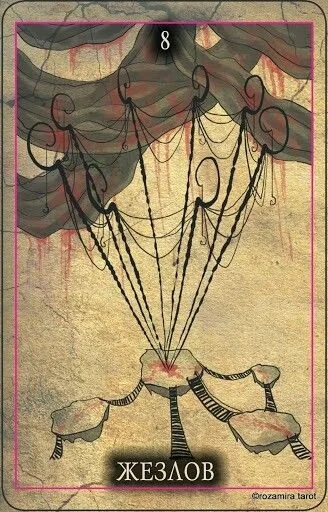
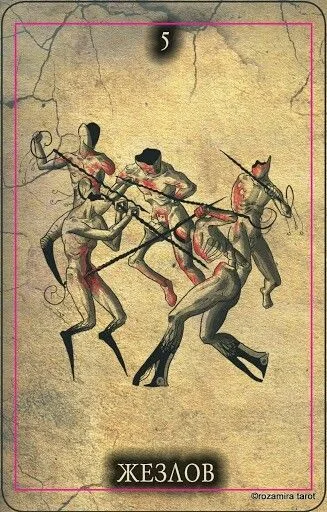
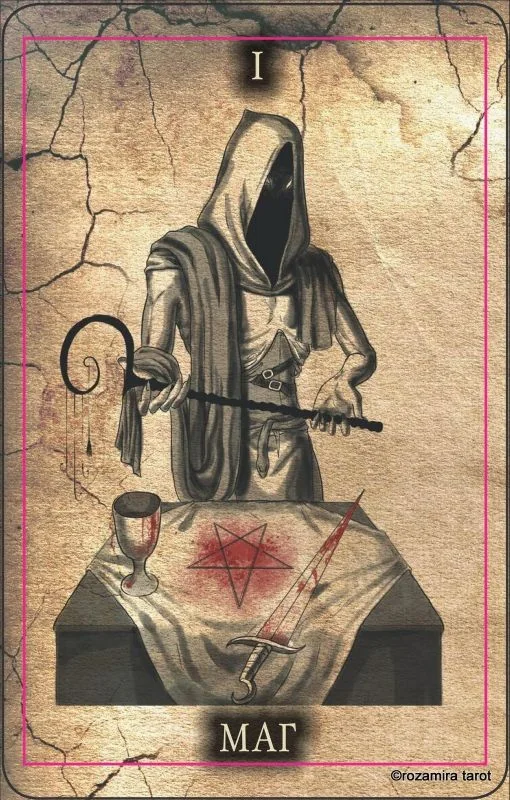
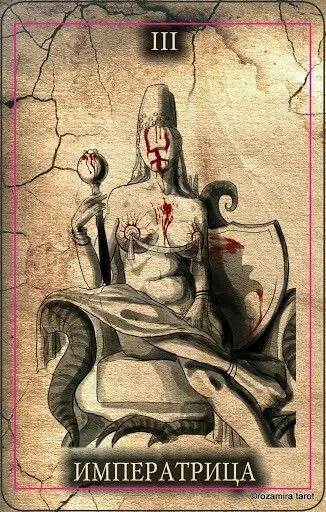
A four-card shadow check
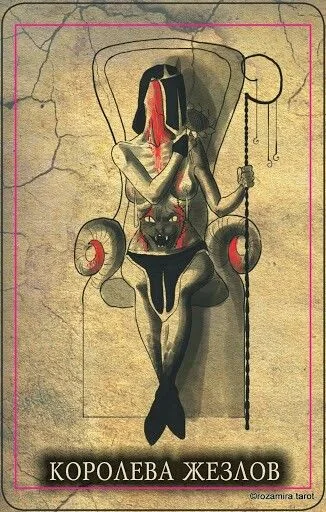
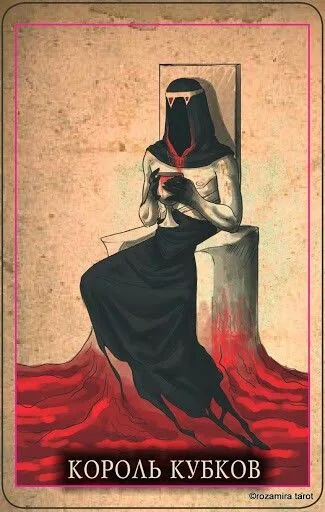
These legacy-edition archive cards work as an atmosphere strip: first reaction, emotional weight, hidden motive, and the practical thing to face next.
Who will like this deck?
This edition is a thoughtful fit for readers seeking Black representation throughout a traditional 78-card structure, or for anyone drawn to ancestral reflection, community, identity, and spiritual connection. The official set includes a full-colour guidebook and a keepsake magnetic-closure box.
Choose carefully when shopping because several unrelated decks share a similar title. The linked edition is by Nyasha Williams, illustrated by Kimishka Naidoo, and identified by ISBN 9780762479696; the legacy Gallery on this page is visibly different and is not product evidence.
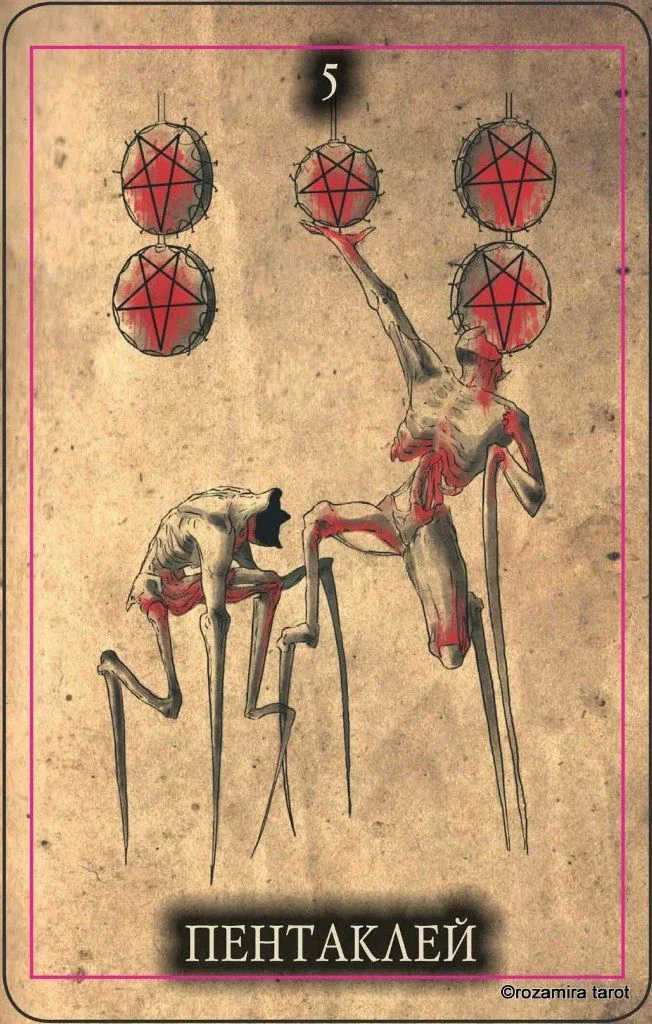
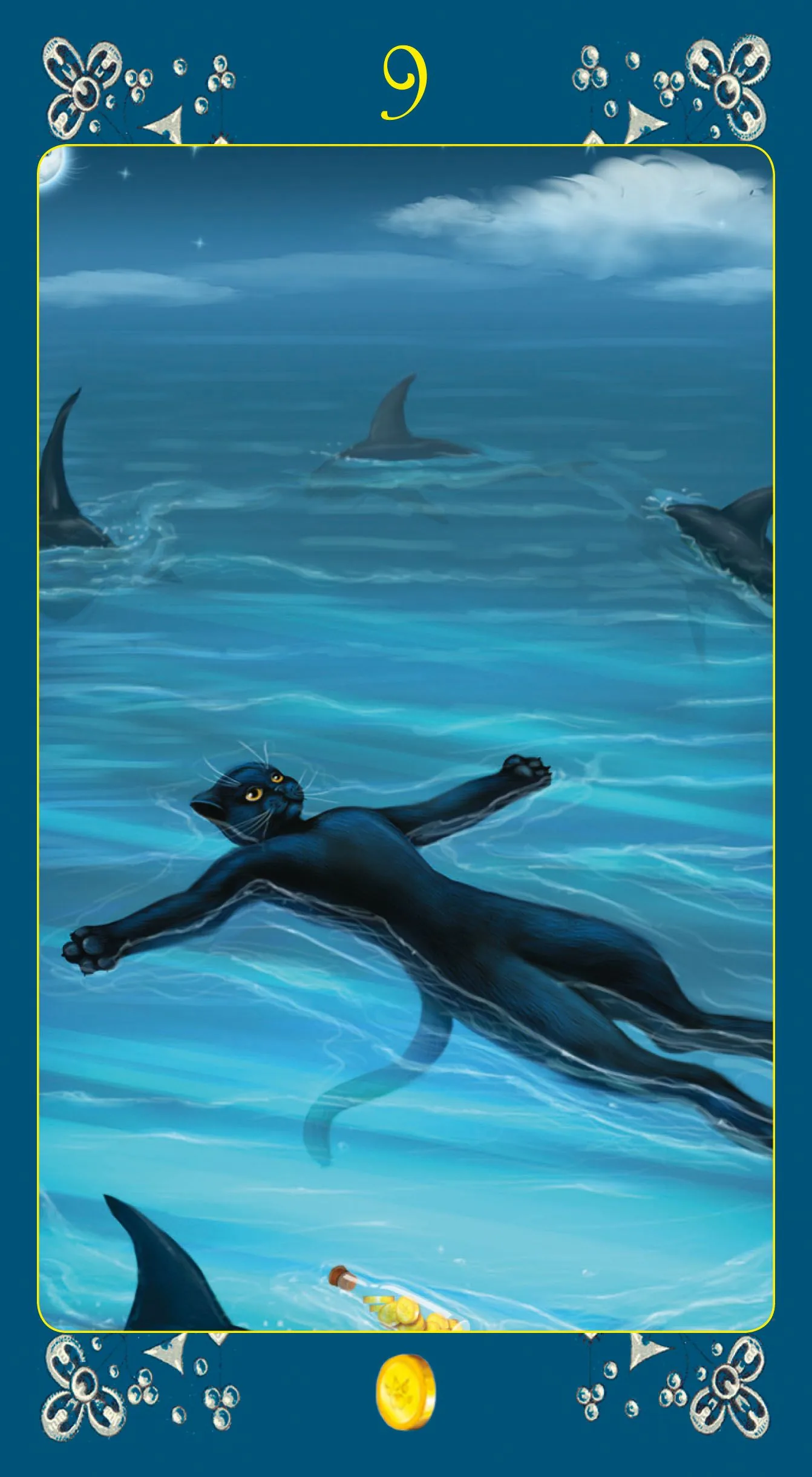
Legacy edition card study
A card for threat, threshold, and decision
This image has the kind of threshold feeling that suits Black Tarot: something is changing, but the card does not soften that change for the reader.
For a reading, I would ask what boundary is being crossed, what fear is protecting something real, and where the querent needs one concrete next step rather than a dramatic prediction.
Separate the archive from the deck in your hands
The dark card studies on this page belong to the legacy archive, so I read them only as visual examples rather than evidence for Nyasha Williams’s edition. That distinction keeps the product story clear and lets each artwork speak in its own room.
When I return to the reviewed deck, I come back to ancestry, belonging, and the possibility of choosing what to carry forward.
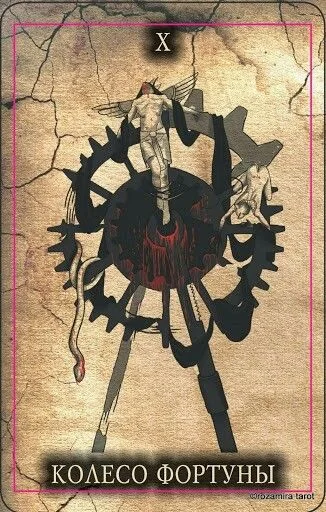
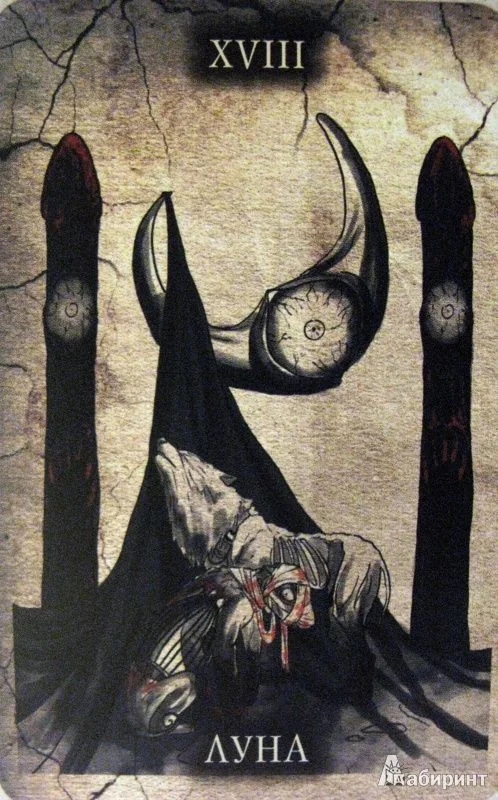
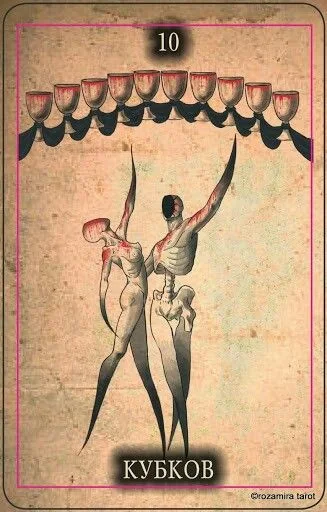
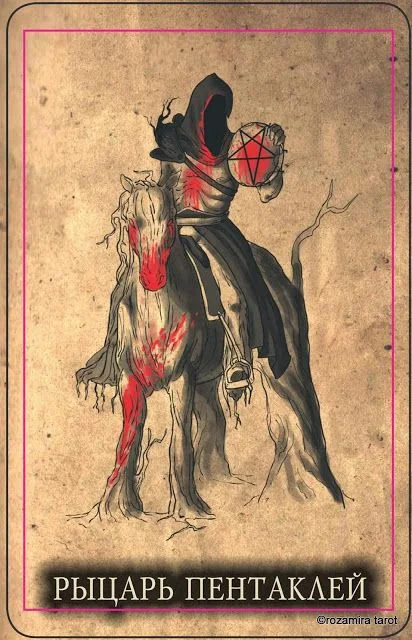
A transformation sequence
Within this separate legacy archive, use the strip for questions about endings, pressure, self-protection, and the first sign of movement after a difficult realization.
Best reading uses
I would reach for the reviewed edition when a question touches ancestry, identity, belonging, community care, or the pattern a family story has carried forward. The publisher also foregrounds moon cycles and water, which can support readings about emotion, intuition, timing, and change.
Let the imagery open the conversation, then bring the reading back to one clear action step. That keeps reflection grounded while still honouring the deep, generous current running through the deck.
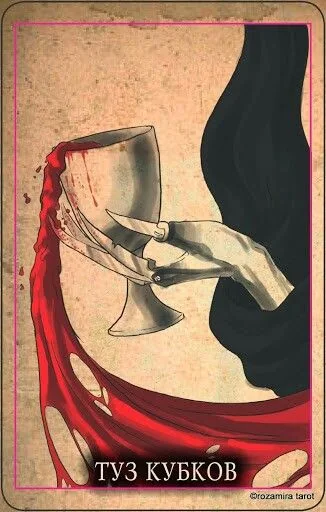
Legacy edition card study
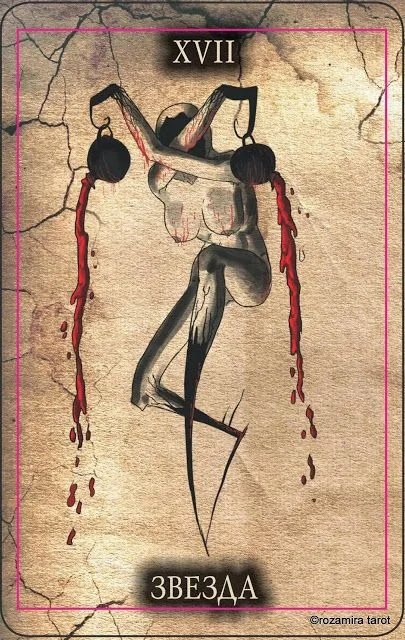
The final recovered image: closure without pretending completion
The eighteenth recovered card is also a reminder about this page itself: the deck is compelling, but the available local gallery is incomplete.
That honesty matters. A partial gallery can still help you understand a deck’s atmosphere, but it should not claim a full card-by-card archive when the remaining images are not safely recovered.
Let hope have the final word
After the archive’s heavier imagery, I pause before the next group and ask what remains steady. A reading can name fear without handing fear the whole future.
That small shift makes room for courage, tenderness, and one practical next step.
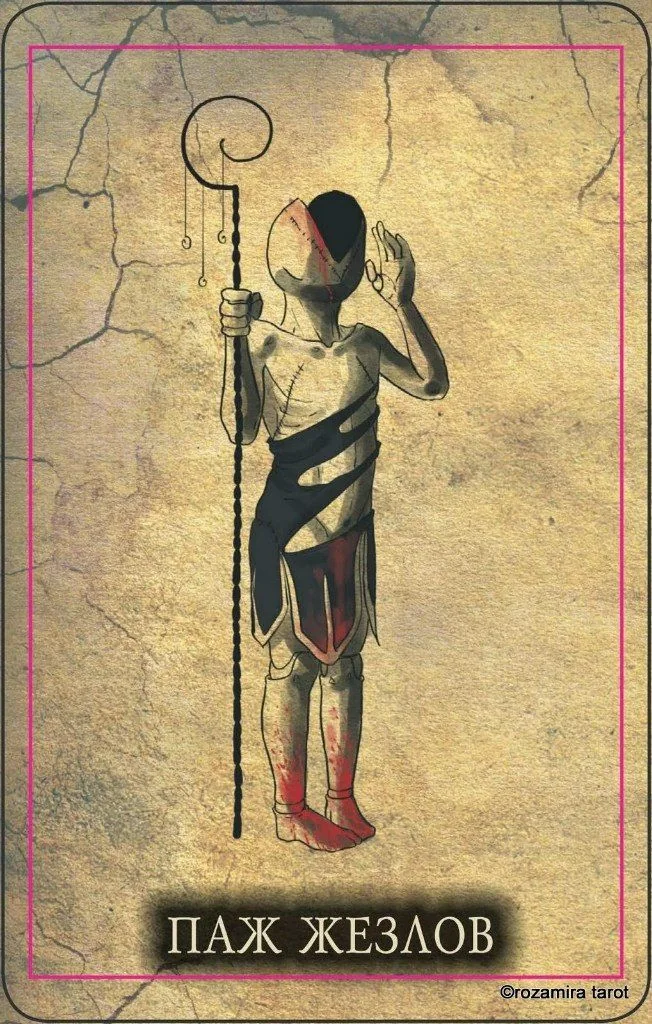
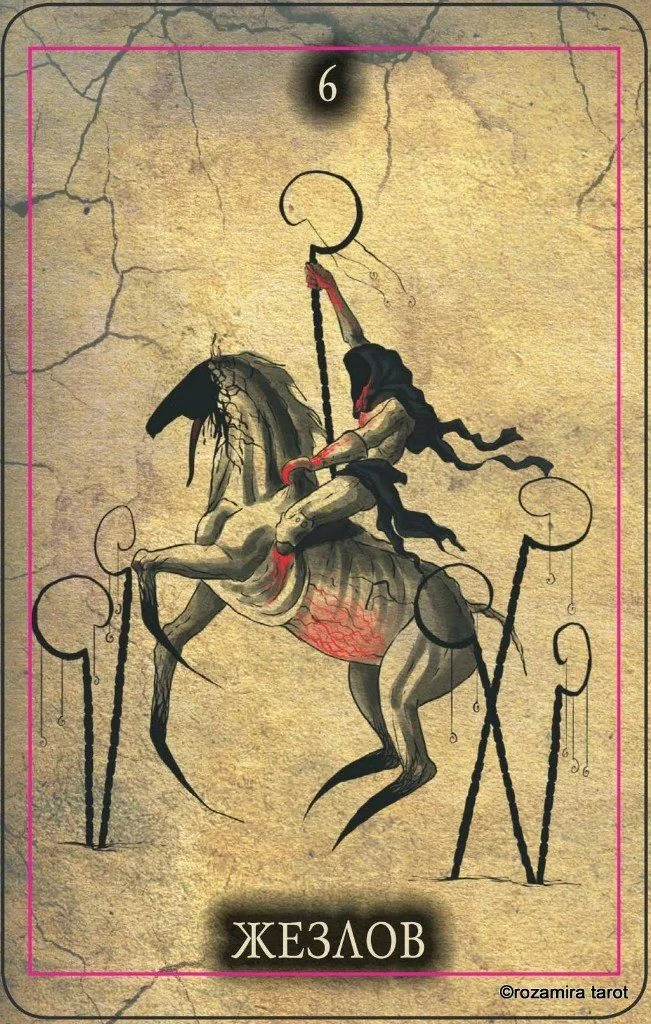
A final mood spread
Within the separate legacy archive, this four-card strip is useful for a simple question: what is visible, what is hidden, what is changing, and what should I not ignore?
Final thoughts
Black Tarot by Nyasha Williams is especially meaningful for readers who want Black figures, ancestral themes, and questions of belonging to stand at the heart of the deck rather than at its margins. Kimishka Naidoo’s artwork gives that invitation warmth, presence, and a clear visual identity.
Before buying, check that the listing names Nyasha Williams and shows ISBN 9780762479696 so you do not confuse it with the different edition preserved in the archive Gallery. If this is the edition you want, the direct product link below keeps the choice clear.

Black Tarot FAQ
Who created this edition of Black Tarot?
Black Tarot: An Ancestral Awakening Deck and Guidebook is by Nyasha Williams, with artwork by Kimishka Naidoo. The edition linked here carries ISBN 9780762479696.
What is the focus of Black Tarot?
The deck centres Black representation, ancestry, identity, belonging, and spiritual inheritance within a tarot reading practice.
Does the Gallery show the Nyasha Williams edition?
No. The Gallery is an honestly labelled partial archive from a visibly different Black Tarot edition. It is preserved for reference and is not used as evidence for the product reviewed or linked on this page.
Is this a complete card Gallery?
No. It is a partial legacy archive, so the page deliberately uses nonnumeric Gallery headings and never claims that every card from the reviewed edition is shown.
How can I identify the linked edition before buying?
Check that the listing names Nyasha Williams and shows ISBN 9780762479696. That helps distinguish the reviewed deck from other products with a similar title.