Adrian Tarot Cards

A note from Aurica
Adrian Tarot feels like stepping into a dream just before it explains itself. The figures float through mist and colour while those fine white lines cross them like half-remembered maps. I find myself slowing down, noticing where a body turns, where a hand reaches, and where the geometry seems to hold someone close or gently push them away.
I especially love placing The Fool beside The Lovers. The Fool’s green figure seems caught between surrender and motion, while The Lovers gather desire, choice, and vulnerability into one charged space. Together they ask me whether a new beginning is truly free, or whether an old bond is quietly shaping the direction of the leap.
In a reading, I begin with the atmosphere before I reach for a familiar keyword. I notice the first colour, posture, or line that catches my eye, compare it with the card’s traditional role, and then test that feeling against the question and the cards nearby. That keeps the deck’s dream language intuitive without letting it drift away from practical meaning.
I reach for Adrian Tarot when a relationship, creative block, or private fear feels difficult to name. Its numbered suit cards can be spare, so I let repetition do some of the speaking: several red fields may reveal pressure, while cool blue and open grey can suggest distance, reflection, or room to breathe.
This is not the deck I would hand to someone who wants every answer illustrated literally. It rewards patience, visual curiosity, and a willingness to sit with uncertainty for a moment.
Give its misty figures a little quiet, and they can help you find the brave, clear next step already waiting inside you.
Adrian Tarot Review
Adrian Tarot is a rare, modern art tarot deck created by Swiss painter and designer Adrian Bernhard Koehli. It was published by AGM Müller in 1997, with booklet text by Miki Krefting. The deck is best known for its photo-based images, misty digital layering, and thin white line drawings that sit over the cards like diagrams, windows, or pieces of sacred geometry.
This is not a loud, storybook-style tarot deck. Adrian Tarot feels quiet, cool, and psychological. Many cards show floating bodies, pale color fields, abstract backgrounds, and symbolic shapes that do not explain everything right away. That makes the deck slower than a beginner Rider-Waite-Smith deck, but also more mysterious. If you enjoy dream symbols, modern photography, and cards that feel like inner theatre, Adrian Tarot has a very memorable voice.
The TarotFans gallery now shows the restored full 78-card set in native gallery format. The cards are organized by tarot structure, so the Major Arcana stay together, followed by the suits. That makes the deck much easier to browse than a random image feed.
Quick Take: Who Is Adrian Tarot Best For?
Adrian Tarot is best for readers who like intuitive, visual, and reflective readings. It suits people who are comfortable asking, “What atmosphere is this card creating?” instead of only asking, “What textbook meaning does this card have?” The deck is especially good for journaling, dreamwork, relationship questions, creative blocks, and shadow work because the images often feel emotional without being obvious.
I would not choose it as the easiest first tarot deck for memorizing card meanings. The numbered suit cards are closer to pip cards than fully illustrated scenes, and the overall mood is subtle. But if you already know basic tarot structure, Adrian Tarot can become a strong second or third deck. It gives familiar cards a more grown-up, cinematic, and sometimes unsettling feeling.
Art Style: Photography, Geometry, and Dream Space
The Adrian Tarot look is very distinctive. The cards combine computer-manipulated photography, soft abstract color, human figures, and fine white line work. Some images feel sensual, some feel lonely, and some feel almost architectural. The borderless design helps the figures float in open space, so the card feels less like a fixed scene and more like a memory or vision.
The white line overlays are one of the deck’s signatures. They can look like a technical drawing, a ritual diagram, or a map of hidden movement. This is important because Adrian Tarot often reads through shape and posture. A figure leaning, floating, turning away, or being crossed by a line may tell you as much as the traditional symbol on the card.

Deck-specific card study
The Fool feels like a body entering a new shape
In Adrian Tarot, The Fool is not simply a cheerful traveler. The figure feels suspended inside a pale symbolic space, as if life is asking the body to step into a new pattern before the mind fully understands it.
In a reading, this can make The Fool feel less silly and more vulnerable. It asks where you are crossing a threshold, what part of you is still undefined, and what kind of courage is needed before the road becomes clear.
The Major Arcana Secret
One of the most fascinating things about Adrian Tarot is the hidden arrangement in the Major Arcana. Several sources describe how the Major cards can be laid out to form larger figures connected to the man and woman from The Lovers. The first ten cards can be arranged in a Tree of Life pattern to form the male figure. Cards 11 through 19 can be arranged in a related pattern to form the female figure, linked with the Tree of Knowledge. The remaining Majors help bridge the two symbolic bodies.
This design idea changes how the Majors feel. Instead of seeing each trump card as only a separate lesson, Adrian Tarot invites you to imagine the Majors as parts of one living inner body. The Magician, High Priestess, Emperor, Lovers, Hermit, Star, Moon, and World all become pieces of a larger human mystery. It is a clever concept, and it fits the deck’s style perfectly: body, symbol, and structure all layered together.
The majors read like pieces of one inner body



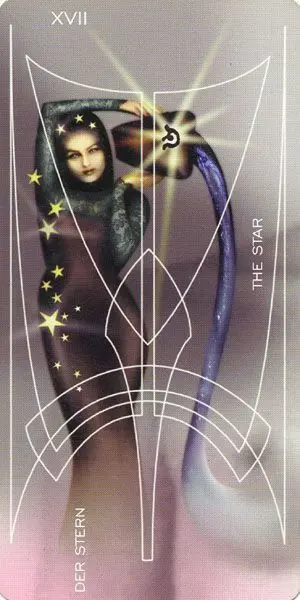
These cards show the deck’s strange elegance: human presence, symbolic line work, and emotional distance all working together.
How Adrian Tarot Reads in Practice
In practice, Adrian Tarot rewards slow looking. Start with the traditional meaning of the card, then ask what the image changes. Does the figure seem open, trapped, hidden, exposed, or distant? Does the white line work protect the figure or cut across it? Does the color feel calm, cold, romantic, or uneasy? These visual questions make the deck come alive.
The deck can be excellent for relationship readings because it notices space between people. It can also work well for questions about identity, desire, creative pressure, and private fears. It is less helpful when you need a blunt yes/no answer or a very literal scene. Adrian Tarot wants nuance. It wants you to sit with the image until the answer becomes felt rather than forced.
Beginner Friendliness
Beginners can use Adrian Tarot, but it is kinder if you keep a classic tarot guide nearby. The Major Arcana are easier to connect with because their themes are larger and more symbolic. The Minor Arcana need more patience, especially because the numbered suits can feel more like pip cards. That is not a flaw, but it does mean you may need to bring more tarot knowledge into the reading.
If you are learning, try pulling one Adrian Tarot card beside the same card from a clearer deck. Compare the two. The clear deck can give you the basic meaning, while Adrian Tarot shows the mood, emotional temperature, and hidden layer.
Best Uses for Adrian Tarot
Adrian Tarot is strongest for reflective spreads. Use it for dream notes, shadow journaling, creative blocks, relationship patterns, and questions about personal change. It is also a good deck for readers who like to write from images. A single card can suggest a scene, a body feeling, or a poem-like phrase.
For daily draws, keep the question gentle. Instead of “What will happen today?” ask “What pattern should I notice today?” or “Where am I being asked to see beneath the surface?” That softer style matches the deck’s quiet, layered personality.
The suits feel atmospheric, not noisy


The suit cards are not busy little stories. They work more like emotional weather, which is why grouping them properly in the gallery helps so much.
What to Know Before Buying
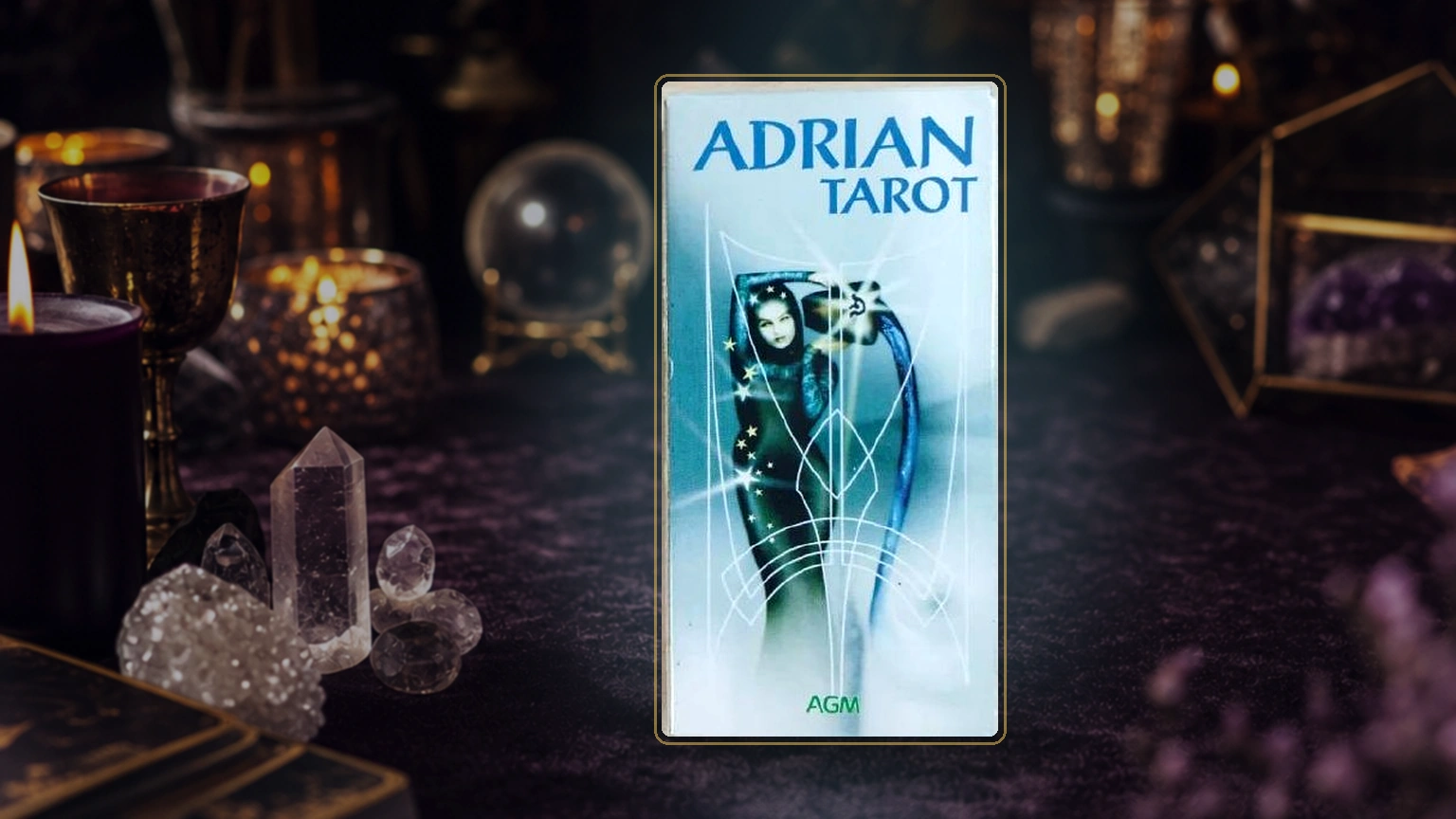
Because Adrian Tarot is an older AGM Müller deck, check the edition, condition, language, and booklet carefully when shopping. Some listings describe it as vintage or out of print. The deck has 78 cards, English and German titles, and a small instruction booklet. Older listings may vary in box condition, so look closely at photos of the cards, guidebook, and packaging before buying.
The style is also very specific. If you love bright, friendly, fully illustrated scenes, Adrian Tarot may feel too distant. If you love unusual art decks, early digital design, and psychological symbolism, it may feel like a hidden gem.
Orica’s Golden Rule
Do not force Adrian Tarot to explain itself too quickly. Read it through layers: traditional tarot meaning first, then body language, then color, then the white line work. The answer often appears when those layers start speaking together.
Final Thoughts
Adrian Tarot is a beautiful oddity: part tarot deck, part design project, part dream anatomy. It is not the easiest deck on the shelf, but it has a real point of view. For readers who enjoy slow, symbolic, and visually intelligent decks, it can become a quiet favorite.
The restored 78-card TarotFans gallery makes the deck easier to study because you can now see the Majors and suits in a cleaner order. That matters with Adrian Tarot. This is a deck where pattern, sequence, and atmosphere are part of the reading.
FAQ
If you are comparing deck moods, keep exploring the TarotFans deck reviews for more Orica-style deck notes.
Is Adrian Tarot good for beginners?
It can be used by beginners, especially artistic or intuitive readers, but it is easier if you already know basic tarot structure or keep a classic guide nearby.
Who created Adrian Tarot?
Adrian Tarot was created by Swiss painter and designer Adrian Bernhard Koehli. The deck was published by AGM Müller, with instruction booklet text by Miki Krefting.
How many cards are in Adrian Tarot?
Adrian Tarot is a 78-card tarot deck with 22 Major Arcana and 56 Minor Arcana. The restored TarotFans native gallery now shows all 78 cards.
What style is Adrian Tarot?
It is a modern, photo-based, computer-manipulated art deck with pale colors, floating figures, and thin white geometric line overlays.
Does Adrian Tarot follow Rider-Waite-Smith meanings?
It keeps the tarot structure, but the imagery is more abstract and psychological than a straightforward Rider-Waite-Smith clone. It reads best with intuition and basic tarot knowledge together.
What kinds of readings suit Adrian Tarot best?
It suits dreamwork, shadow questions, creative reflection, relationship nuance, and slow personal readings where symbolic atmosphere matters.