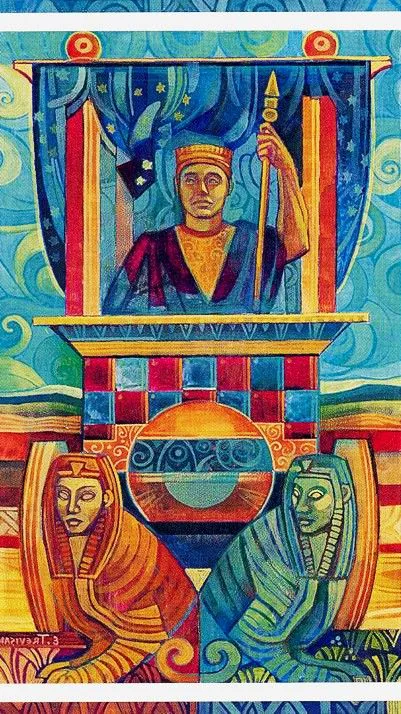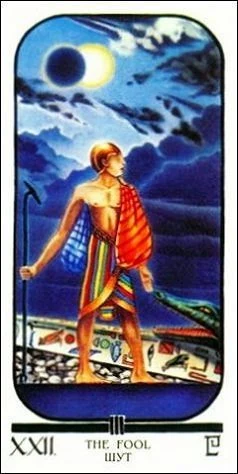
The Medieval Europe Tarot is a manuscript-inspired deck for readers who love old libraries, painted margins, courtly drama, and symbolic details that feel pulled from another century. It is not a soft pastel beginner deck. It asks you to slow down, notice posture and setting, and read the cards like little illuminated scenes.
Medieval Europe Tarot Cards
Browse an honest partial gallery of individually verified Medieval Europe Tarot card fronts. Choose a group, then open any card for a larger carousel view.
Aurica’s Quick Take
If you are drawn to medieval manuscripts, this deck has a wonderful old-world mood. The images feel formal, sometimes strange, and often serious in the best way. You get castles, robes, coins, cups, saints, rulers, and storybook figures rather than modern lifestyle scenes.
My quick take: the Medieval Europe Tarot is best for reflective readers who enjoy historic art and symbolic reading. It can be a little harder for total beginners because some cards do not shout their meaning at first glance. But if you like decks that make you pause and ask, “What is this scene showing me about power, loyalty, desire, fear, or duty?” it becomes very rewarding.
TarotFans currently has an honest partial recovered gallery for this page, so treat these verified card fronts as a visual sample rather than a promise that every printing or edition looks identical.
Let these jewel-like manuscript scenes remind you that patient looking can turn uncertainty into a clear, hopeful next step.
What the Medieval Europe Tarot Feels Like in the Hands of a Reader
This deck has a museum-window feeling. The art does not try to be casual. It feels arranged, ceremonial, and slightly distant, like you are looking at a page from an old book and trying to understand the lesson hidden in the picture.
That distance is part of its charm. A modern deck might show someone crying on a bed and tell you immediately, “This is anxiety.” The Medieval Europe Tarot often asks you to read through costume, rank, gesture, tools, and environment. A cup can become a question about devotion. A coin can become a question about work, exchange, inheritance, or what a family expects from you. A ruler can be a guide, a gatekeeper, or the part of you that wants order.
First look: manuscript atmosphere
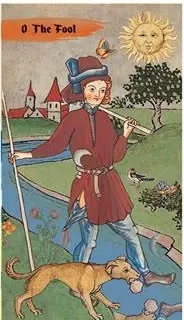


These opening cards show the deck’s main language: old-world figures, formal poses, and a feeling that every choice belongs inside a larger spiritual and social order.
Art Style: Illuminated, Formal, and Full of Courtly Tension
The strongest reason to choose this deck is the artwork. It suits readers who love medieval and Renaissance source material: manuscripts, court scenes, religious imagery, and figures who look as if they have stepped out of a painted page. The deck is not trying to be realistic in a modern photographic way. It is symbolic and theatrical.
That means the cards often read through relationships of status. Who is above or below? Who offers, who receives, who watches, who turns away? In this deck, a tiny shift in posture can matter. A reader may notice whether a person looks protected, trapped, blessed, judged, or invited into a larger story.
Deck-specific card study
The Mage asks, “What skill are you actually using?”
The Mage in this deck feels less like a stage magician and more like a learned figure working inside a sacred or scholarly tradition. That changes the reading. Instead of only saying “manifest your will,” the card asks about training, timing, and the tools you have earned through practice.
In a career reading, I would read this Mage as craft rather than quick luck. What do you know how to do? Which tool is already on your table? Which skill needs discipline before it becomes power?
How This Deck Reads in Practice
The Medieval Europe Tarot reads best when you give it patient questions. It is good for “What pattern am I caught in?” or “What role am I playing here?” It is less ideal for rushed yes-or-no pulls. The deck likes context.
In a relationship reading, it may show the structure around the feeling: family pressure, old promises, pride, loyalty, reputation, or the need to behave with honor. In a work reading, it may talk about hierarchy, apprenticeship, money, duty, and whether you are being treated as a skilled person or just a useful pair of hands.
For daily draws, I would keep a small journal. Write the card, the first figure or object your eye notices, and one sentence about the “role” the card gives you for the day. Are you the apprentice, the ruler, the messenger, the witness, the seeker, or the person guarding the door?
Beginner Friendliness
This is not the easiest first tarot deck, but it is not impossible for beginners. If you already know the basic meanings, it can deepen your reading quickly. If you are brand new, pair it with a clear guidebook or a simple Rider-Waite-Smith meaning source while you learn the visual language.
The challenge is that the deck’s medieval mood can make some cards feel less instantly obvious. The gift is that it teaches you to read slowly. A beginner who enjoys history, fantasy, old books, or symbolic art may actually connect with it faster than with a very modern deck.
Reading human pressure and choice


For practical readings, these cards are useful because they show choice, movement, law, and burden as lived social experiences — not just abstract keywords.
Easy, Medium, and Hard Reading Examples
Easy example: “What energy helps me today?”
If you pull the Ace of Cups, keep the reading simple: start with sincerity. Offer kindness before strategy. Let one honest feeling be enough. A beginner can read this as an emotional opening or a small blessing.
Medium example: “Why does this situation feel heavy?”
If you pull the 10 of Wands, a skilled reader notices duty. The question is not only “Am I tired?” It is “Which burden have I accepted because the role demanded it?” This deck is very good at showing obligations that once looked noble but now need to be shared.
Hard example: “What am I not seeing about this conflict?”
If Justice appears with the 5 of Coins, the reading may point to fairness, exclusion, and material consequence. Someone may be following the rules while another person carries the cost. The mature message is not revenge. It is to ask what a just repair would actually look like.

Deck-specific card study
The Two of Cups feels like an agreement, not just attraction
In many decks, the Two of Cups is sweet and romantic. Here, I would also look for pledge, respect, and the terms of connection. The medieval setting makes the card feel like two people are meeting inside a world of custom and consequence.
That is helpful in real readings. If someone asks about love, this card may still say “there is mutual feeling.” But it also asks: are both people honoring the same agreement? Is this connection private emotion only, or is it ready to be treated with care in the visible world?
Best Uses for the Medieval Europe Tarot
- Shadow work with structure: especially around duty, shame, hierarchy, and old family stories.
- Career and craft readings: apprenticeship, mastery, authority, payment, and reputation are natural themes here.
- Relationship readings: not only romance, but loyalty, vows, shared values, and social pressure.
- Historical or fantasy-flavored readings: it creates a strong atmosphere for themed spreads.
- Slow study: it rewards card-by-card journaling and close looking.
Coins, care, and material life


The Coins cards are especially useful in this deck because they make money and work feel social: who builds, who receives, who distributes, and who must keep the household steady.
What Stands Out Most
I like that this deck does not flatten tarot into quick mood words. It brings back the feeling that every card belongs to a larger human drama. The kings and queens feel like people with responsibility. The coins feel connected to labor and survival. The cups feel devotional as much as emotional.
It also gives tarot readers a different way to talk about power. Power is not only confidence. Sometimes it is rank. Sometimes it is access. Sometimes it is the burden of being watched. This deck can make those hidden structures visible.
Deck-specific card study
The Queen of Coins reads as stewardship
The Queen of Coins is one of the deck’s best practical teachers. She does not feel like “treat yourself” energy. She feels like stewardship: keep the house warm, the resources counted, the body fed, and the promises realistic.
In a money reading, I would read her as calm competence. In a family reading, she can be the person who quietly holds everything together. Her caution is simple: care becomes heavy when nobody else learns the work.
What to Know Before Buying
Buy this deck because you love the visual world. If you want bright, modern, instantly readable scenes, this may feel too formal. If you want a deck that looks like an old manuscript started whispering tarot meanings, it may be exactly your kind of strange beauty.
Check the edition, card count, and guidebook details before ordering, because listings for older or imported decks can vary. Also look at sample images closely. Some recovered online images are small, and a printed deck will feel different from a web gallery.
View Medieval Europe Tarot on Etsy
Golden Rule
With the Medieval Europe Tarot, do not rush to keywords. First ask: What role is each figure playing, and what duty comes with that role? Once you answer that, the card meaning usually opens.
Practice Exercise
Pull one card and write three lines:
- Who seems to hold power in this image?
- Who or what seems to be asking for loyalty?
- What would wise action look like if this scene were happening in your life today?
This simple exercise fits the deck beautifully because it turns the old-world art into practical guidance.
Final Thoughts
The Medieval Europe Tarot is a beautiful choice for readers who want tarot to feel like a doorway into an old illuminated book. It is thoughtful, formal, and a little mysterious. I would not choose it for every quick reading, but I would absolutely choose it when the question needs patience, history, and a deeper look at the roles people are playing.
If you enjoy this kind of symbolic, old-world deck, you may also like exploring the Mary-El Tarot Review, the Arcanum Tarot Review, and the Anne Stokes Legends Tarot Review.
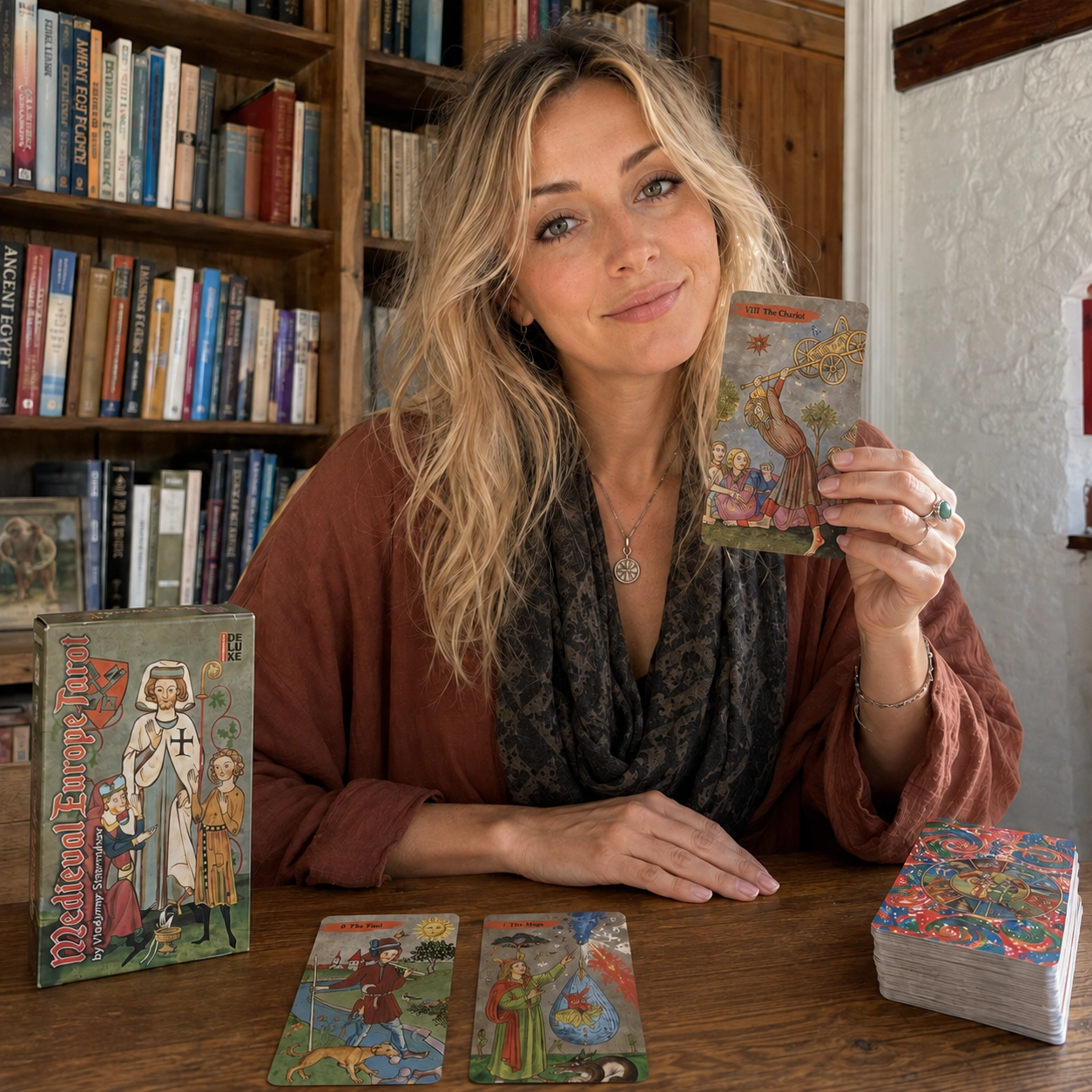
Real deck photos
Medieval Europe Tarot in real life
A closer look at the box, illustrated cards, and tabletop feel before you decide if this historically styled tarot deck belongs in your collection.


Photos sourced from Angelorum.

Frequently Asked Questions About the Medieval Europe Tarot
Is the Medieval Europe Tarot based on real medieval manuscript art?
The deck is inspired by medieval and Renaissance manuscript style, with imagery connected to the fourteenth and fifteenth centuries and artwork associated with Vladimir Strannikov. It is not a plain historical reproduction deck; it uses that visual world as a tarot language.
How many cards are in the Medieval Europe Tarot?
Many listings describe the Medieval Europe Tarot as an 86-card deck, so check the exact edition before buying. TarotFans currently shows a recovered sample gallery for the review page, not a guarantee that every edition or listing has identical contents.
Is this deck good for complete beginners?
It can work for beginners who love historical art, but it is better as a second deck or a study deck. The scenes are symbolic and sometimes formal, so new readers may want a clear tarot meanings book beside it.
Why does this deck use Coins instead of Pentacles?
Coins is a traditional suit name and fits the deck’s older European atmosphere. Read Coins the way you would usually read Pentacles: money, work, body, resources, craft, and the practical world.
What readings suit the Medieval Europe Tarot best?
It shines for questions about duty, power, family patterns, work, tradition, vows, and long-term consequences. It is especially good when you want a slower symbolic reading rather than a fast emotional snapshot.