Comparative Tarot Cards
Browse the verified recovered Comparative Tarot cards and open any card for a larger carousel view. This is an honest partial gallery.

A note from Aurica
I love the way Comparative Tarot turns one familiar card into a small room full of voices. My eye can settle on a colour, a posture, or a strange little detail, then wander across the other versions and notice how the feeling changes. It is less like being handed one answer and more like opening several windows onto the same question.
When I read with it, I begin with the image that catches me first. I ask what made it feel loud, tender, guarded, or restless, then compare that impression with the card’s traditional role and the cards beside it. That gentle back-and-forth keeps intuition grounded without flattening the pictures into a list of meanings.
The four-image design rewards patience. The Fool can make risk feel airy in one corner and more deliberate in another; The Star can move from private hope to something ancient and spacious. Those contrasts are especially useful when a reading feels stuck, because they offer another emotional doorway without asking me to abandon the card I pulled.
I would choose this deck for study, journaling, or a thoughtful reading shared with another tarot lover. It asks for a little more time than a quick daily draw, but the time feels generous rather than heavy—like lingering over a map until a route begins to glow.
If you let curiosity lead and give each image a fair hearing, Comparative Tarot can help you trust not only what a card means, but why it speaks to you that way—and that is a beautiful confidence to carry into every future reading.
Comparative Tarot is a study deck for readers who like seeing tarot as a living language. Instead of pulling you into one fantasy world, it invites comparison: symbol against symbol, tradition against reinterpretation, and familiar card meanings against fresh visual choices.
The recovered TarotFans gallery is honest rather than inflated. It shows 74 available cards from the embedded video recovery, with four missing cards still not claimed: Justice, Page of Swords, Nine of Pentacles, and Ten of Pentacles.
What Comparative Tarot is best for
This is a deck for learning, teaching, and slow observation. It works especially well when you want to compare a familiar card meaning with how a specific image handles mood, emphasis, and composition.
For fast daily pulls, it may feel more analytical than cozy. For tarot study, symbolism practice, and discussion groups, that comparative quality is exactly the point.

Card study
The Fool as a comparison exercise
The Fool is a useful opener because it shows how quickly a deck reveals its teaching style. Instead of asking only “what does The Fool mean,” compare what this image emphasizes: motion, innocence, risk, surprise, or the moment before commitment.
That shift makes the deck useful for students. It turns a familiar card into a question about how art changes interpretation.
Four-card moment
Major arcana as a study row

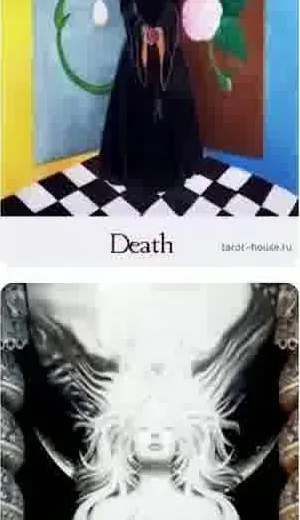

This opening sequence reads like a compact lesson in tarot structure: impulse, will, inner knowing, and embodiment. Comparative Tarot rewards lining cards up and noticing how each archetype changes the next.
Artwork and first impression
The first impression is not simply decorative. The cards are best approached as comparison prompts. Look at posture, color, tools, landscape, and the amount of tension in the picture. Then ask how those choices support or complicate the traditional meaning.
This makes the deck less about passive admiration and more about active looking. If you enjoy asking why a card was drawn this way, Comparative Tarot has plenty to offer.
Card study
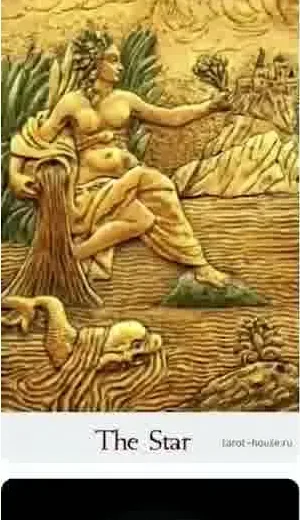
The Star as visual contrast
The Star is a good test for the deck’s emotional range. Some decks make this card soft and devotional; others make it strange, exposed, or cosmic. Comparative Tarot encourages you to name the difference instead of smoothing it over.
That is useful in readings too. A card can keep its core meaning while changing its temperature, urgency, and texture.
Four-card moment
A wand sequence for creative pressure
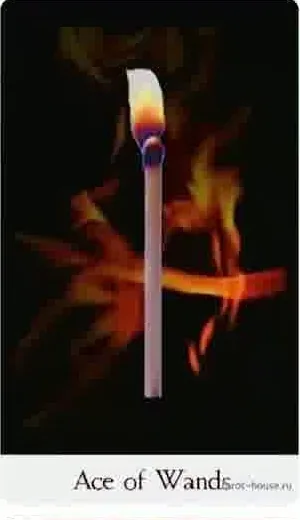

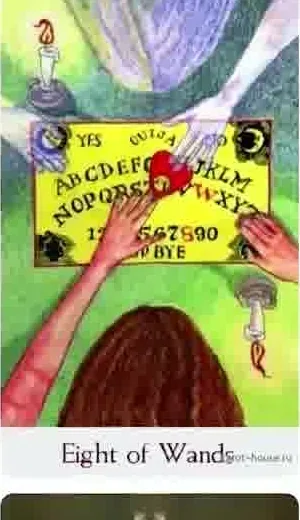

These Wands cards show how an idea can become friction, motion, and command. The sequence is helpful for creative work, leadership questions, and projects that need momentum.
How it reads in practice
In practice, Comparative Tarot works best when the question is clear and the reader is willing to spend a little time with the image. Pull one card, name the traditional meaning, then name the visual emphasis. The gap between those two notes is often where the useful reading appears.
For multi-card spreads, compare repeated symbols and visual direction. Which card feels louder? Which card feels quieter? Which image changes your first interpretation?
Card study
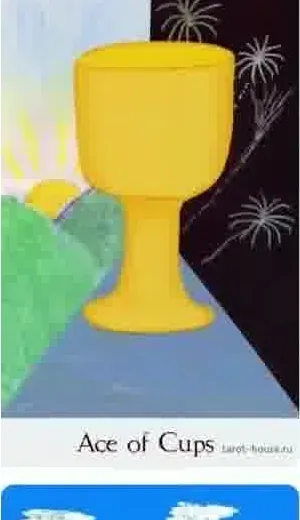
Ace of Cups as emotional language
Ace of Cups is a strong study card because emotional beginnings can be drawn as blessing, overflow, receptivity, or vulnerability. Comparative Tarot asks you to decide which of those tones is actually present in the image.
That helps keep readings grounded. Rather than repeating a keyword, you can explain what kind of emotional opening the card seems to describe.
Four-card moment
Water cards for emotional patterning
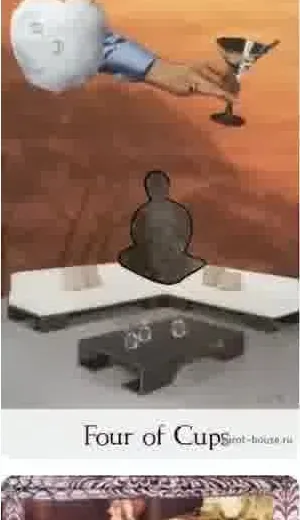

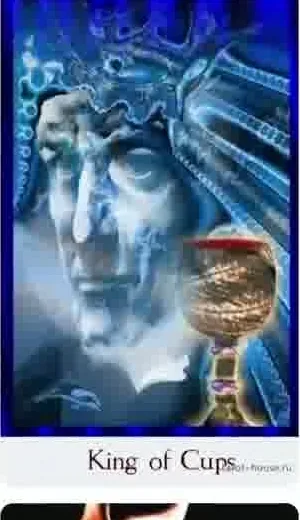
This group moves from emotional opening to hesitation, imagination, and maturity. It is a good spread for distinguishing feeling from fantasy and reaction from steadiness.
Beginner friendliness
Beginners can use Comparative Tarot, but it is more helpful if they already know basic tarot structure. The deck’s main gift is comparison, so it shines when you can recognize the traditional card and then notice what the image changes.
A good practice is to study one suit at a time. Write down what stays consistent, what surprises you, and which cards feel easiest or hardest to read.
Buying and edition notes
Comparative Tarot was created to illustrate Valerie Sim’s comparative method and published by Lo Scarabeo. The verified ISBN is 9780738702810. This page’s 74-card partial gallery is still missing Justice, Page of Swords, Nine of Pentacles, and Ten of Pentacles, so I use the gallery and walkthrough for close visual study while keeping that incomplete coverage clear.
Four-card moment
Swords and Pentacles for practical analysis

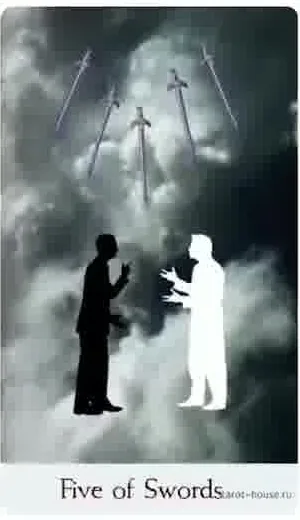
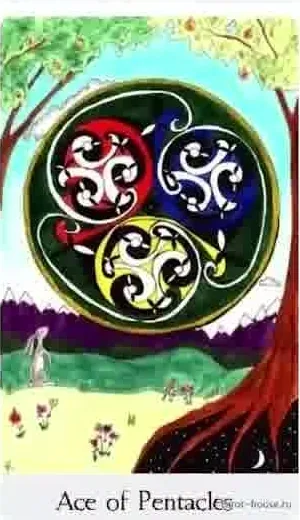

This final group shows the deck’s practical side: clear thought, conflict, opportunity, and mastery. It is a useful combination for work, decisions, and study questions.
My verdict
Comparative Tarot is worth exploring if you like tarot as a study practice. It is not the most immersive deck for escapist mood reading, but it is strong for comparing meanings, teaching card structure, and learning how imagery changes interpretation.
The 74-card gallery gives enough of the deck’s personality to make that judgment honestly. Keep the missing cards in mind, use the walkthrough as context, and let the images show you whether this deck matches the way you learn.

Comparative Tarot FAQ
How many Comparative Tarot cards are shown here?
The current TarotFans native gallery shows 74 available Comparative Tarot cards. Four cards are still missing from the recovered gallery: Justice, Page of Swords, Nine of Pentacles, and Ten of Pentacles.
Is Comparative Tarot good for beginners?
It can work for beginners who enjoy study, but it is strongest once you know basic tarot structure and want to compare visual interpretations.
What is Comparative Tarot best for?
It is best for tarot study, teaching, symbolism practice, journaling, and readings where you want to compare traditional meanings with the artwork.
Does Comparative Tarot follow standard card names?
Yes, the visible cards use standard tarot names and the gallery keeps them in canonical order where recovered.
Who created Comparative Tarot?
Valerie Sim created the comparative method, helped design the deck, and wrote its booklet. Lo Scarabeo published the 78-card deck; its ISBN is 9780738702810.


