Celestial Tarot Card Gallery
Choose a group or tap any card to open the larger Lightbox. The card names follow the titles printed on this edition.
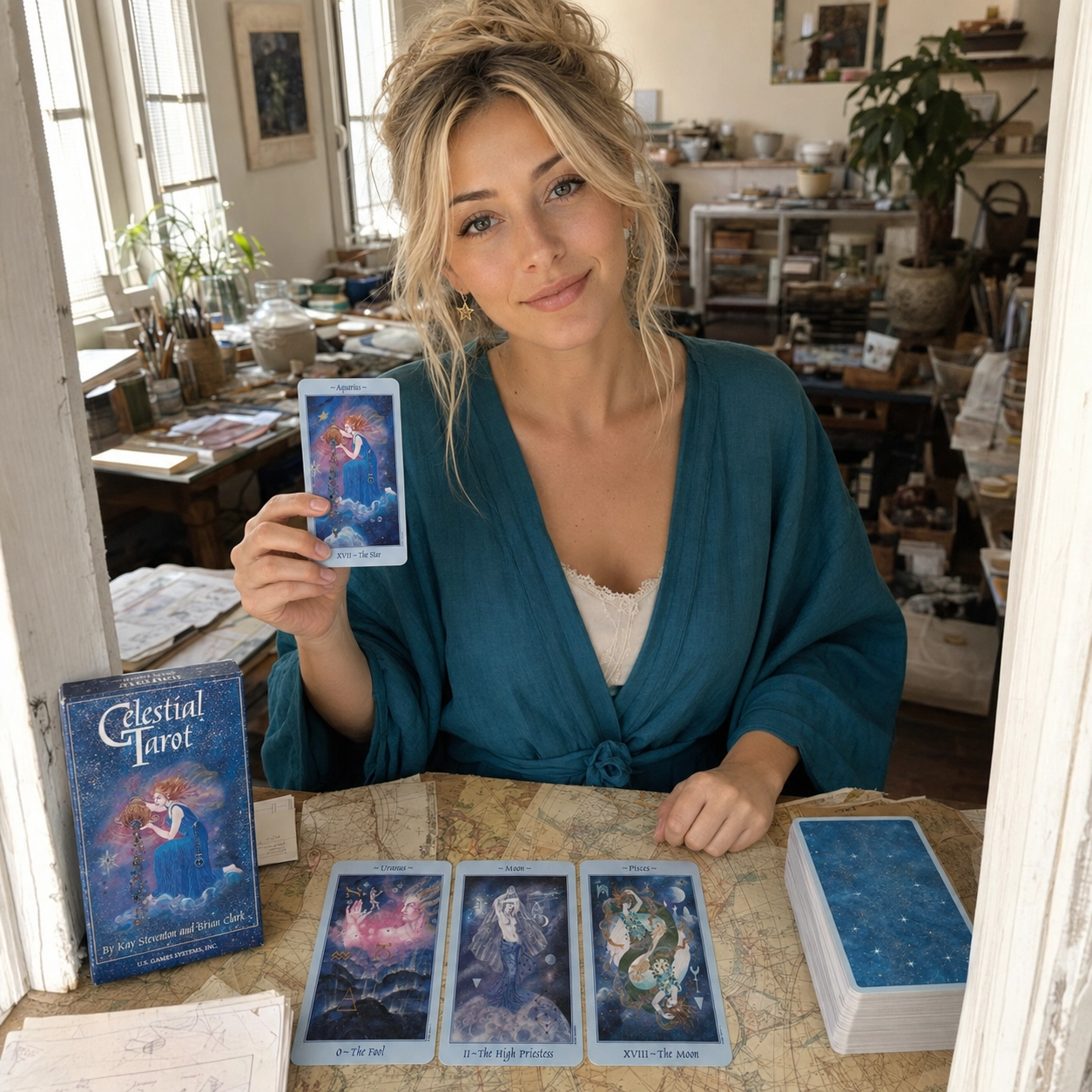
Celestial Tarot Review: Quick Take
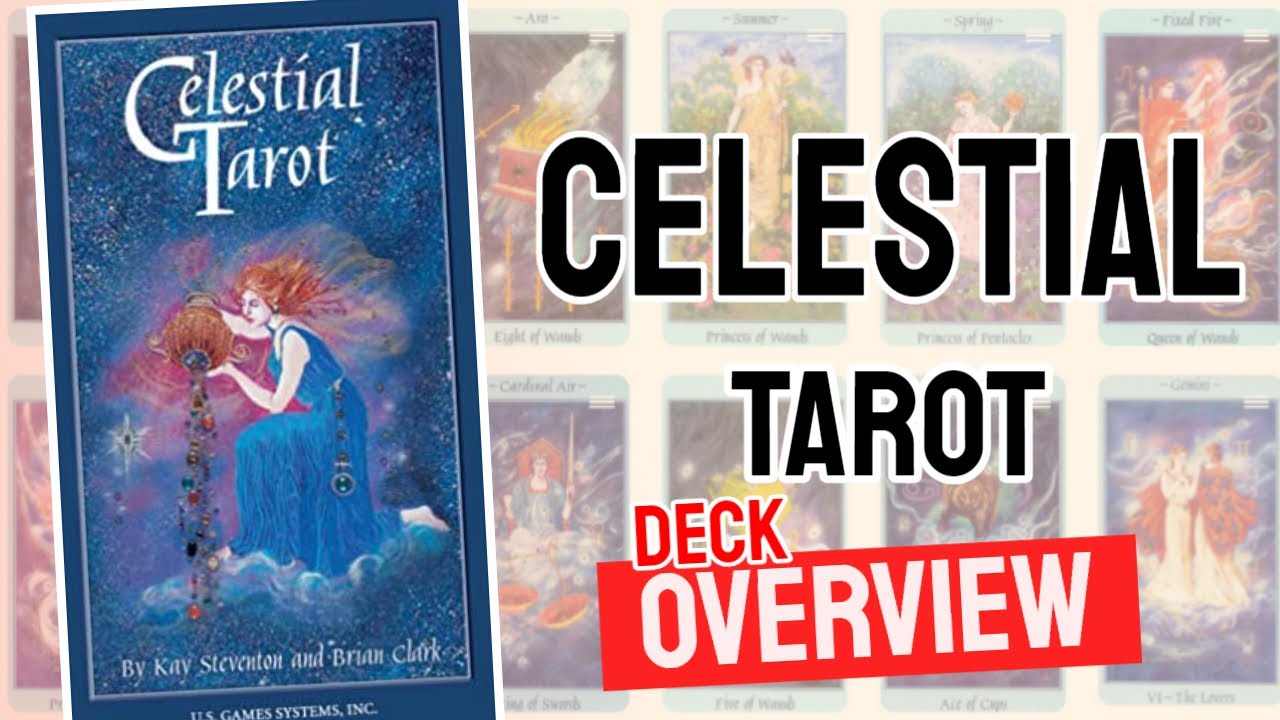
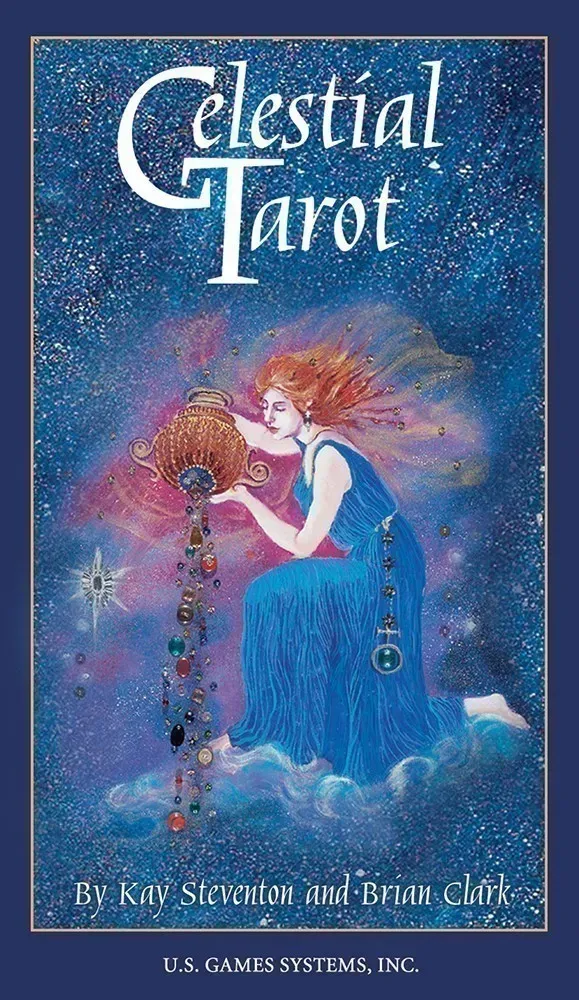
Celestial Tarot by Kay Steventon and Brian Clark is a starry, astrology-rich tarot deck from U.S. Games Systems. It pairs the 78-card tarot structure with constellations, myth, zodiac signs, planets, and classical symbolism, so every card feels like a small sky map.
Best fit: readers who love astrology, mythology, layered symbols, and study decks that reward slow looking. It is less ideal if you want a very plain beginner deck, photo-real scenes, or cards that explain themselves at a glance.
I notice the sky before I notice the answer. In The Star, Aquarius pours possibility through a blue field, while The Moon feels softer and less certain, as though the path is being drawn in mist. I let that atmosphere settle first, then bring it back to the card’s familiar tarot role so the astrology adds depth without swallowing the reading.
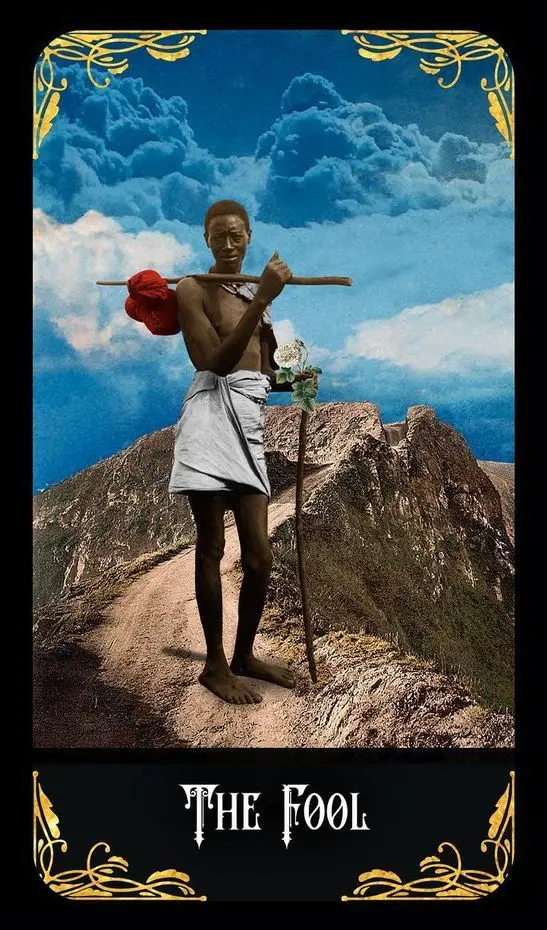
This deck rewards a quiet three-card spread. I might ask what is opening, what is hidden, and what can guide me home; then I compare the constellation, the figure’s gesture, and the colour that keeps catching my eye. The High Priestess often asks me to wait for the inner pattern, while The Fool gives that pattern somewhere brave to begin.
I reach for Celestial Tarot when a question feels larger than the room—creative direction, emotional cycles, or the sense that several influences are moving at once. Its symbolism can feel dense, but a single visible detail usually becomes the thread. Celestial Tarot reminds me that even the widest night sky can offer one clear star to follow, and that gentle light is enough for the next brave step.
What is the Celestial Tarot?
The Celestial Tarot is not trying to be a simple Rider-Waite clone. It keeps the tarot bones, but it dresses them in stars, gods, zodiac stories, and planetary mood. That makes the deck feel scholarly and dreamy at the same time.
For a beginner, the deck can feel a little dense at first. For an astrology lover, that density is the fun part. A single card can invite questions about element, sign, myth, season, and traditional tarot meaning, which makes it excellent for journaling and deeper study.
Deck details at a glance
- Deck: Celestial Tarot
- Creators: Kay Steventon and Brian Clark
- Publisher: U.S. Games Systems
- Structure: 78 tarot cards, shown in the native gallery above
- Style: star fields, zodiac links, planets, mythic figures, and cosmic color
- Best for: astrology readings, symbolic study, shadow work, journaling, and collectors who enjoy layered correspondences
- Not ideal for: readers who want plain daily-life scenes or instant keyword-style imagery
Artwork and first impression
The first thing you notice is the dark celestial palette. Many cards feel like they are lit by starlight rather than sunlight. Blues, violets, golds, and deep night tones make the deck feel serious, mythic, and slightly theatrical.
The art often asks you to read symbolically. A figure, constellation, vessel, animal, or planet may matter as much as the card title. That gives the deck a beautiful study quality, but it also means you should not rush it. Let your eye find the brightest symbol first, then ask what that symbol changes about the card.
Card study
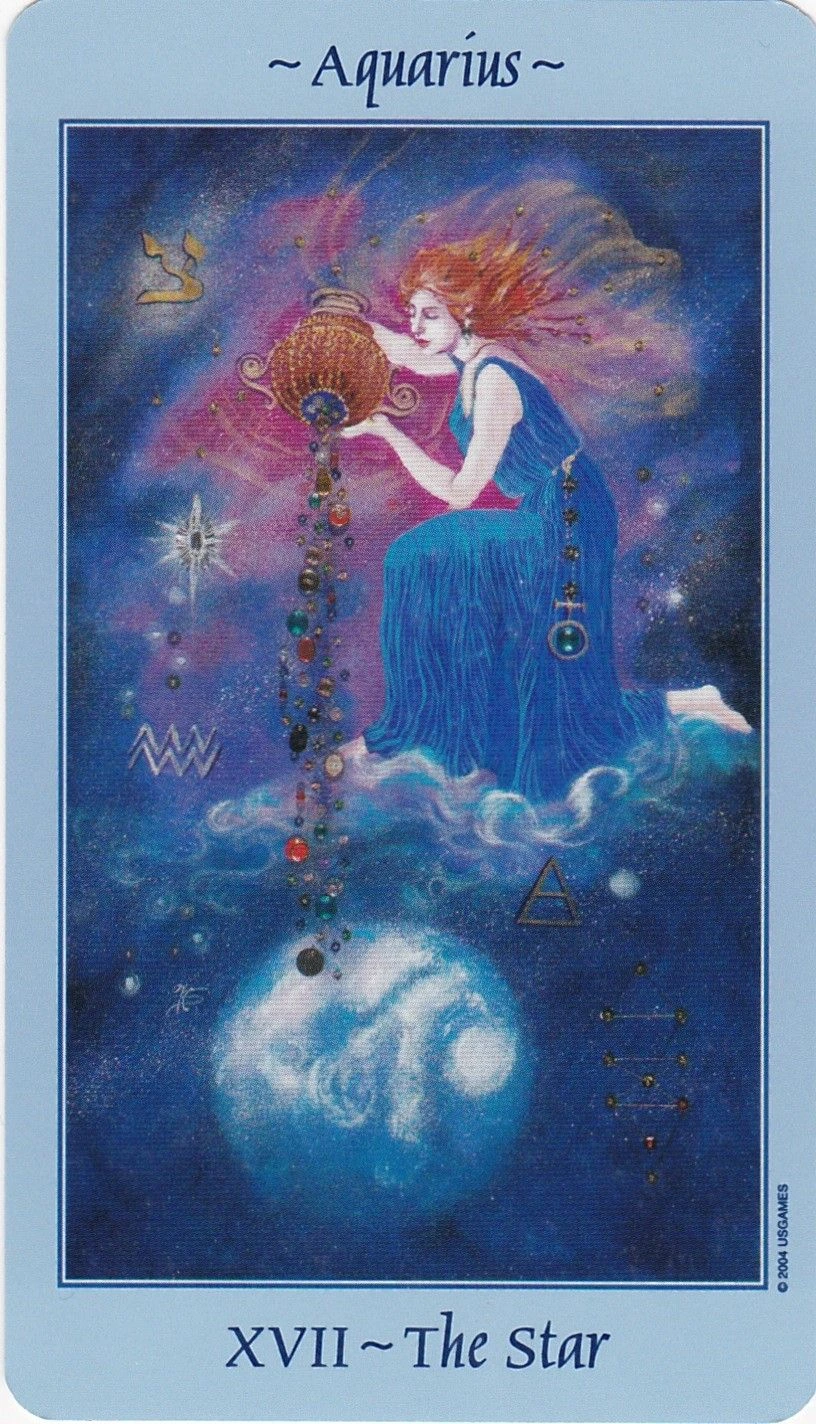
The Star: hope as cosmic orientation
The Star is one of the easiest places to feel the deck’s voice. Instead of treating hope as a generic wish, Celestial Tarot makes it feel like navigation: you are looking for the point of light that helps you keep moving.
In readings, this card works well for healing questions, creative recovery, and moments when someone needs a reminder that progress can be quiet. Ask: what star am I using to steer by?
How the Celestial Tarot reads in practice
This deck is strongest when you read in layers. Start with the traditional tarot meaning, then add the image, then add any astrology or myth clue you recognize. You do not need to decode every symbol before the reading can be useful.
A simple method works well: name the card, name the mood, then name one practical next step. For example, a card may point to patience, but the image may show whether that patience is restful, strategic, grieving, or brave.
Try this spread
A four-card star map for a confusing week
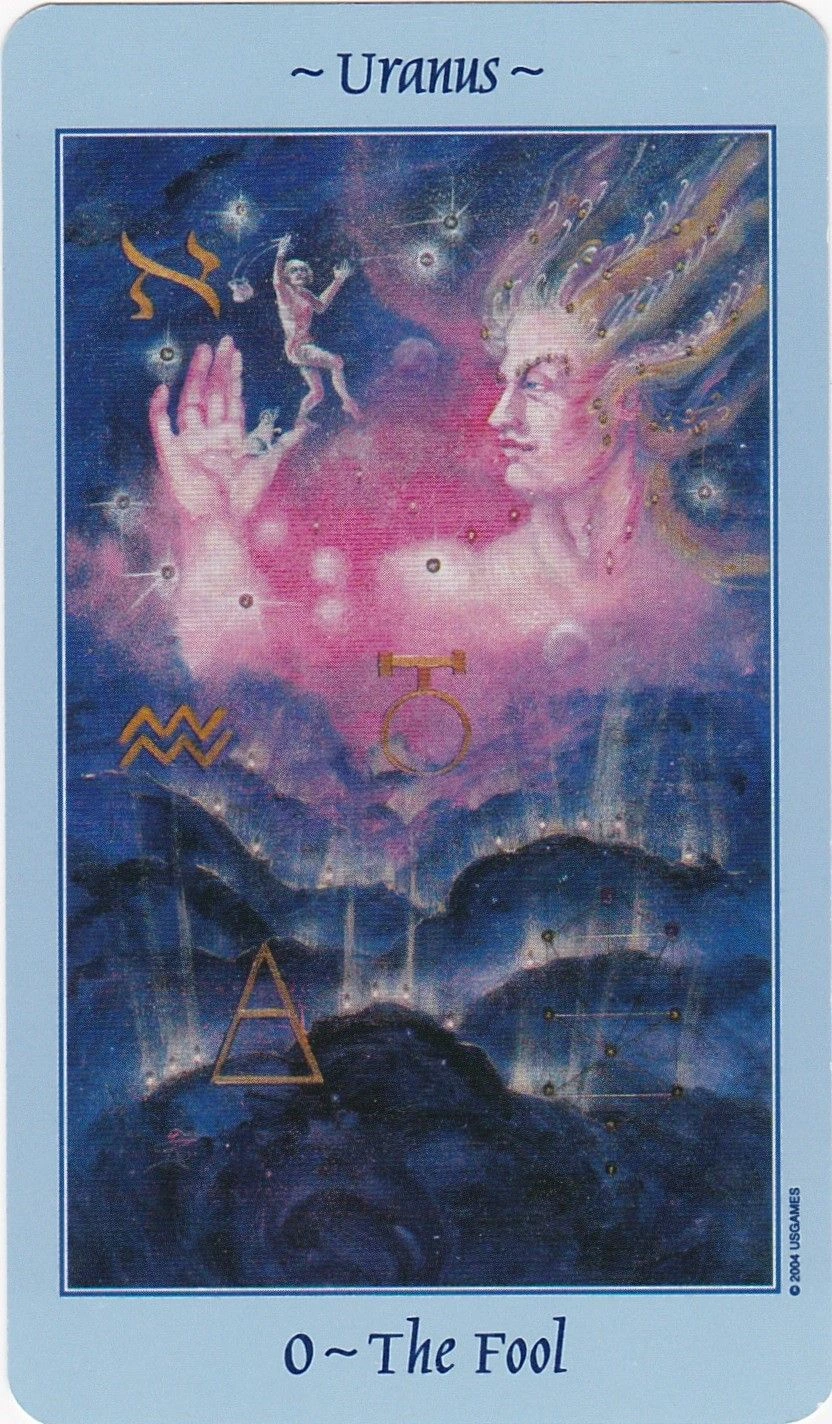


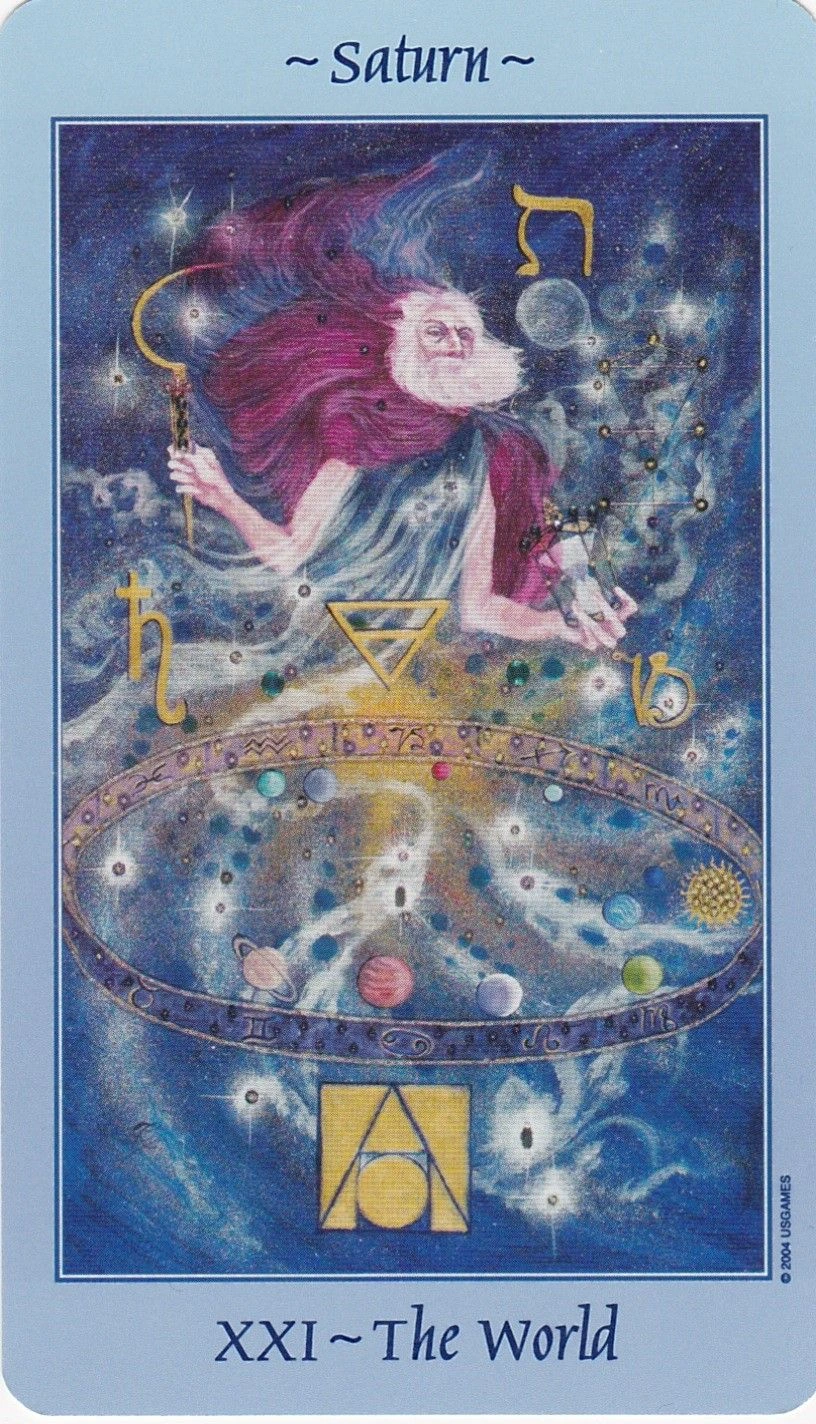
Read left to right: where you are beginning, what tool you can use, what your intuition already knows, and what kind of completion you are moving toward. Keep the answer practical, even when the art feels cosmic.
Beginner friendliness
Celestial Tarot can work for a beginner who is curious and patient, but it is not the easiest first deck for everyone. If you are brand new, keep a keyword list nearby and do one-card pulls before attempting large spreads.
Its gift is that it teaches you to look closely. Instead of giving a single obvious scene, many cards invite you to compare meaning, planet, myth, and mood. That can be powerful for a learner who enjoys research, but frustrating for someone who wants fast answers.
Card study
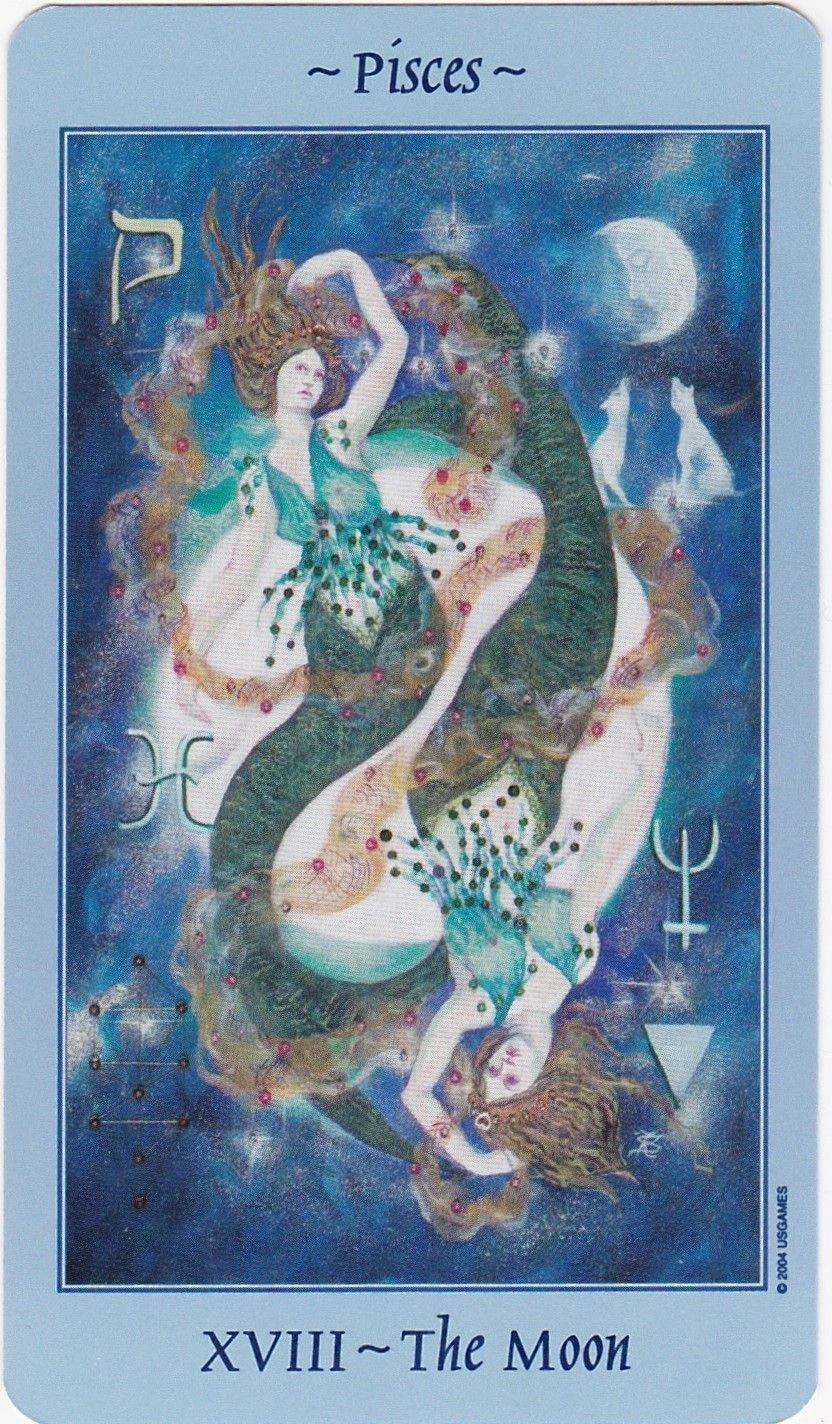
The Moon: reading uncertainty without panic
The Moon is a strong example of why this deck suits reflective readers. It does not flatten confusion into fear; it shows uncertainty as a night path where symbols can still guide you.
Use this card for dreams, unclear motives, emotional projection, and situations where the truth is not ready to be fully named. The helpful question is: what can I safely verify, and what should wait?
Love, friendship, and emotional readings
For love readings, the Celestial Tarot is best when the question is about emotional pattern rather than simple prediction. It can speak beautifully about attraction, longing, repair, boundaries, and the stories people bring into relationships.
Because the deck is symbolic, avoid forcing yes-or-no answers from it. Ask questions like, “What pattern is repeating?” or “What does this connection need in order to feel honest?” Those questions let the deck’s mythic language become useful instead of vague.
Career, money, and creative readings
For career or money, this deck is more reflective than blunt. It may not shout “take the job” or “quit now.” Instead, it often shows where your energy is focused, what story you are living inside, and which timing feels supportive.
Creative readers may love it. Pull a card before writing, painting, planning content, or starting a project. The imagery can suggest a mood, character, scene, color palette, or symbolic problem to explore.
Try this spread
A relationship-pattern check-in
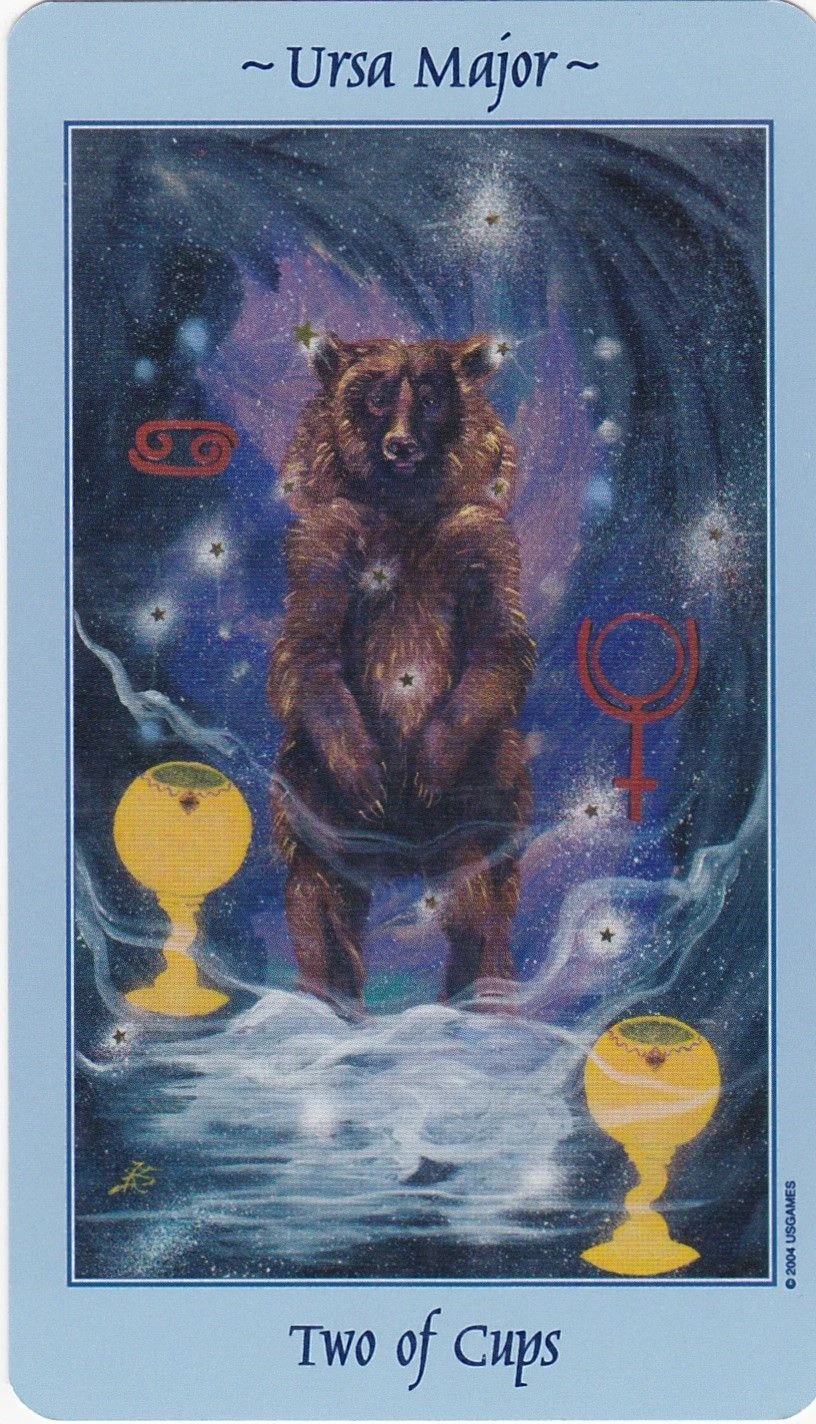
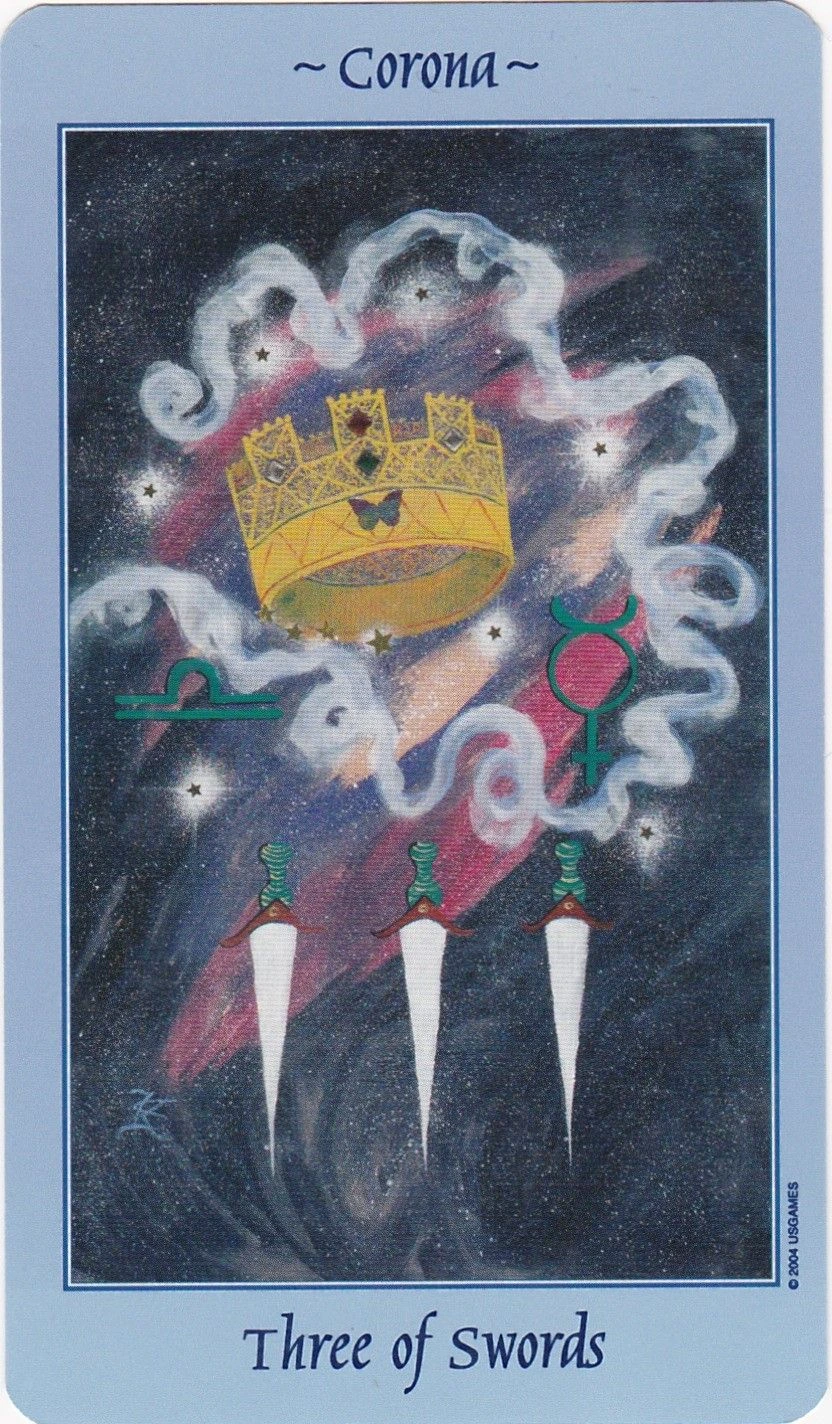
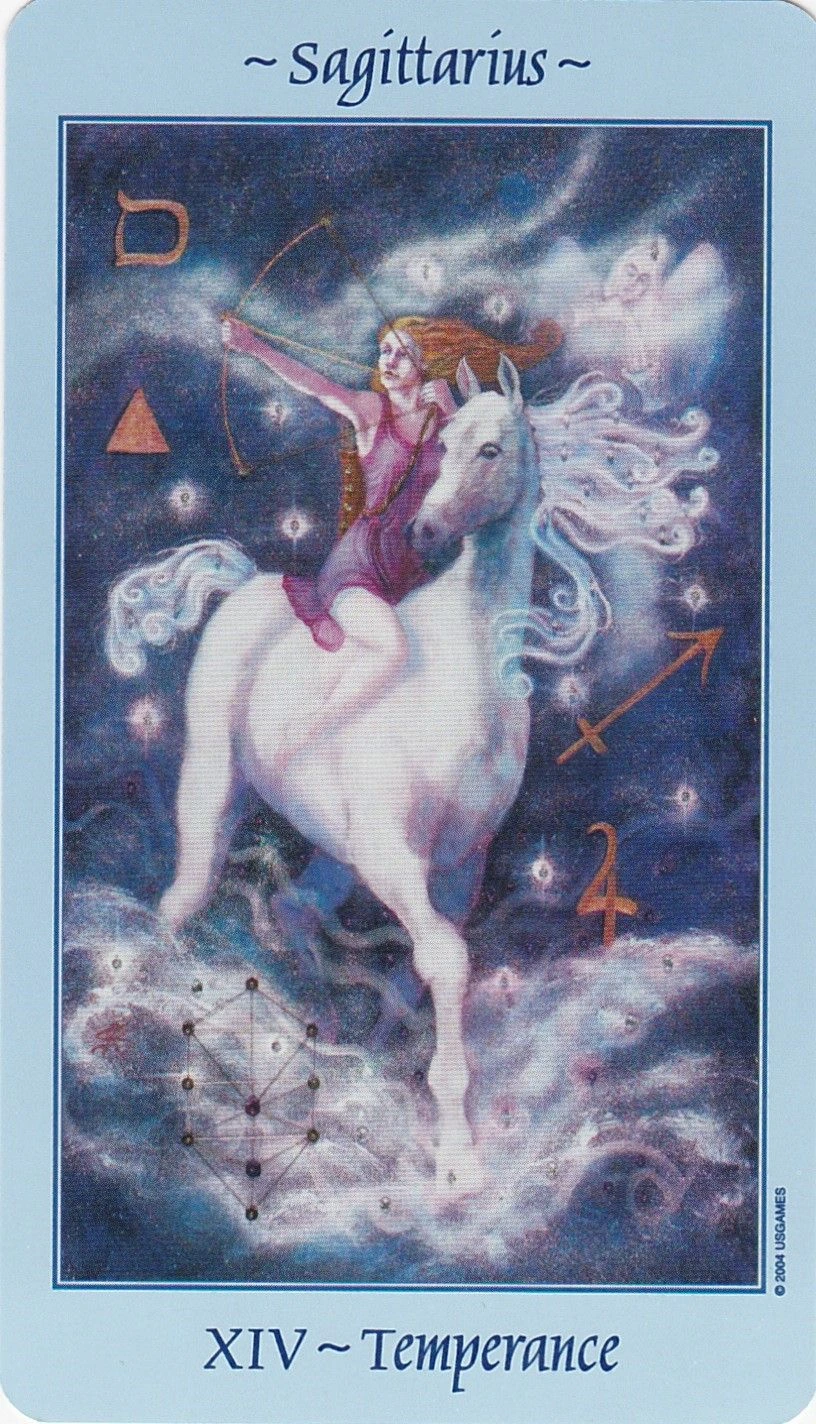
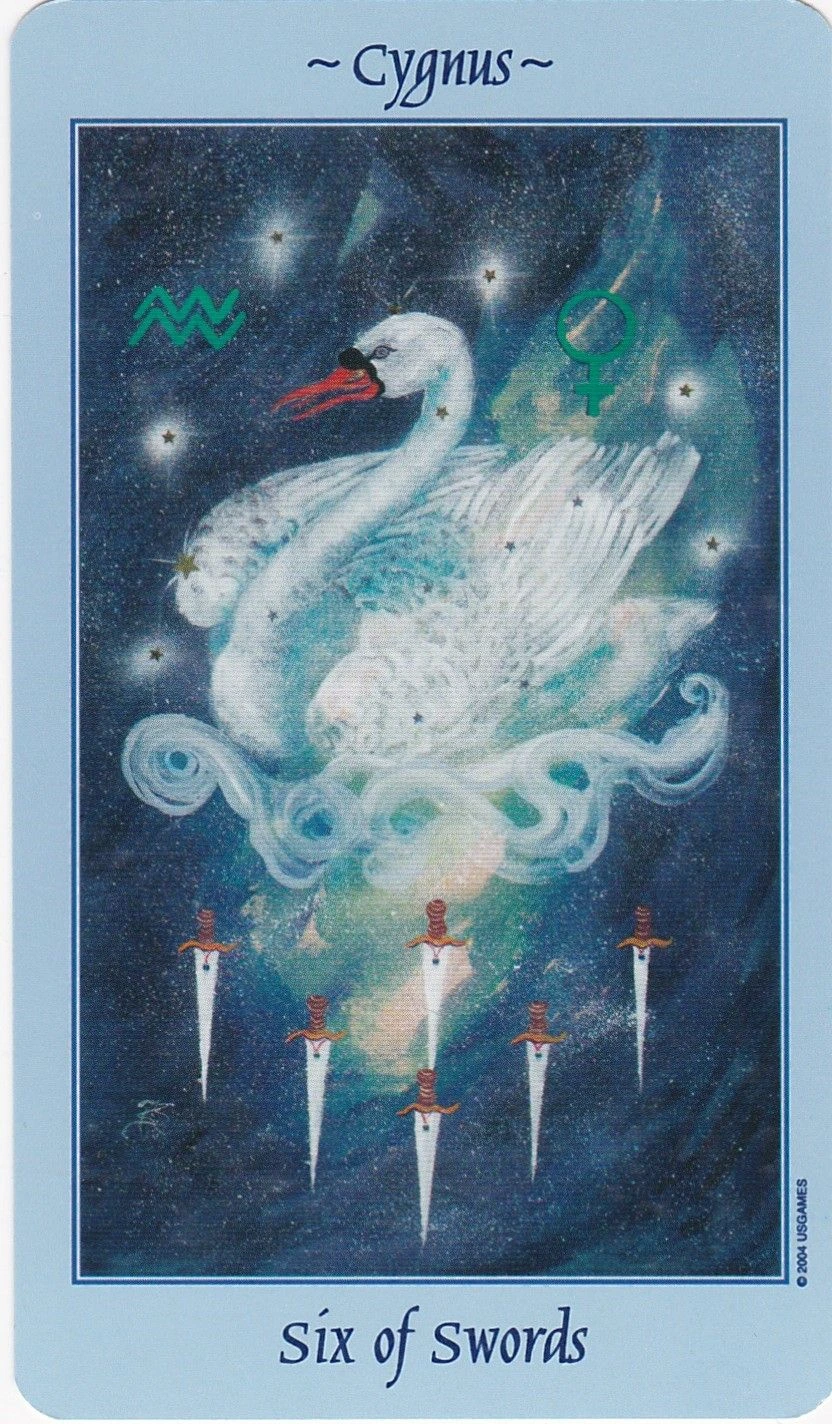
This spread is not for spying on someone else. Use it to ask what is mutual, what hurts, what needs balancing, and what gentle movement would help next.
Pros and cons
| Pros | Cons |
|---|---|
| Beautiful starry identity for astrology lovers. | Can feel dense if you dislike layered symbolism. |
| Strong for journaling, myth study, and slow intuitive readings. | Not the most literal beginner deck for quick daily meanings. |
| Full 78-card system gives plenty to compare across suits and majors. | Some cards may need the guidebook or an astrology reference. |
| Great collector deck if you want something cosmic and thoughtful. | Readers who prefer bright modern scenes may want another deck. |
Who will love this deck?
You will probably enjoy Celestial Tarot if you like tarot decks that feel like a course of study. It rewards people who enjoy correspondences, star lore, and the feeling that each card has a hidden doorway.
You may want to skip it if your favorite decks are simple, conversational, and instantly readable without a guidebook. This deck wants time. Give it time, and it becomes much warmer.
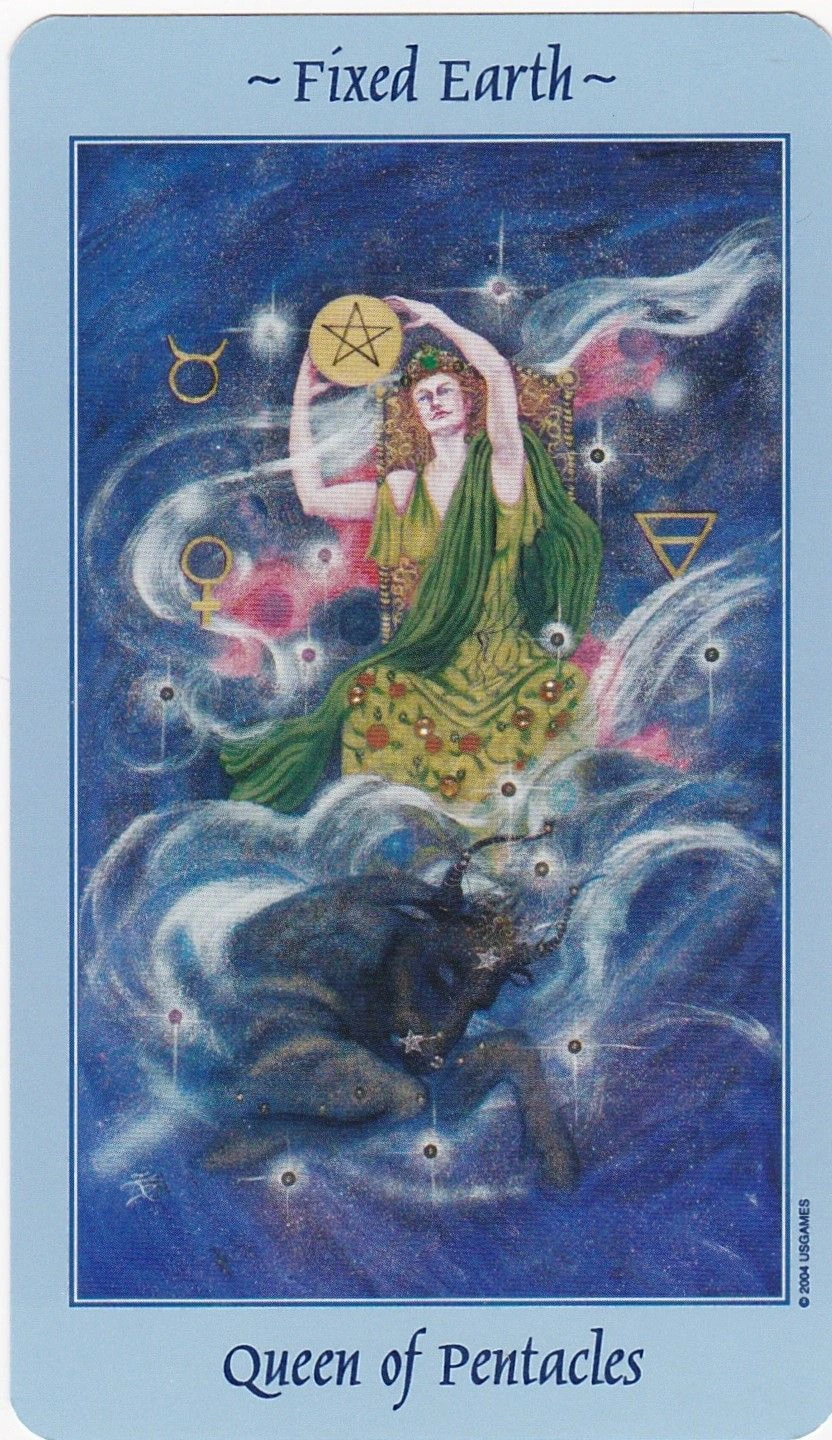
Card study
Queen of Pentacles: grounded magic
The Queen of Pentacles is a useful card for testing whether a cosmic deck can still feel practical. Here, earth energy does not have to be boring. It can be protective, sensual, and steady.
In a daily reading, this card asks for one grounded action: care for the body, protect resources, finish the useful task, or make beauty part of stability.
Try this spread
A practical magic spread for goals

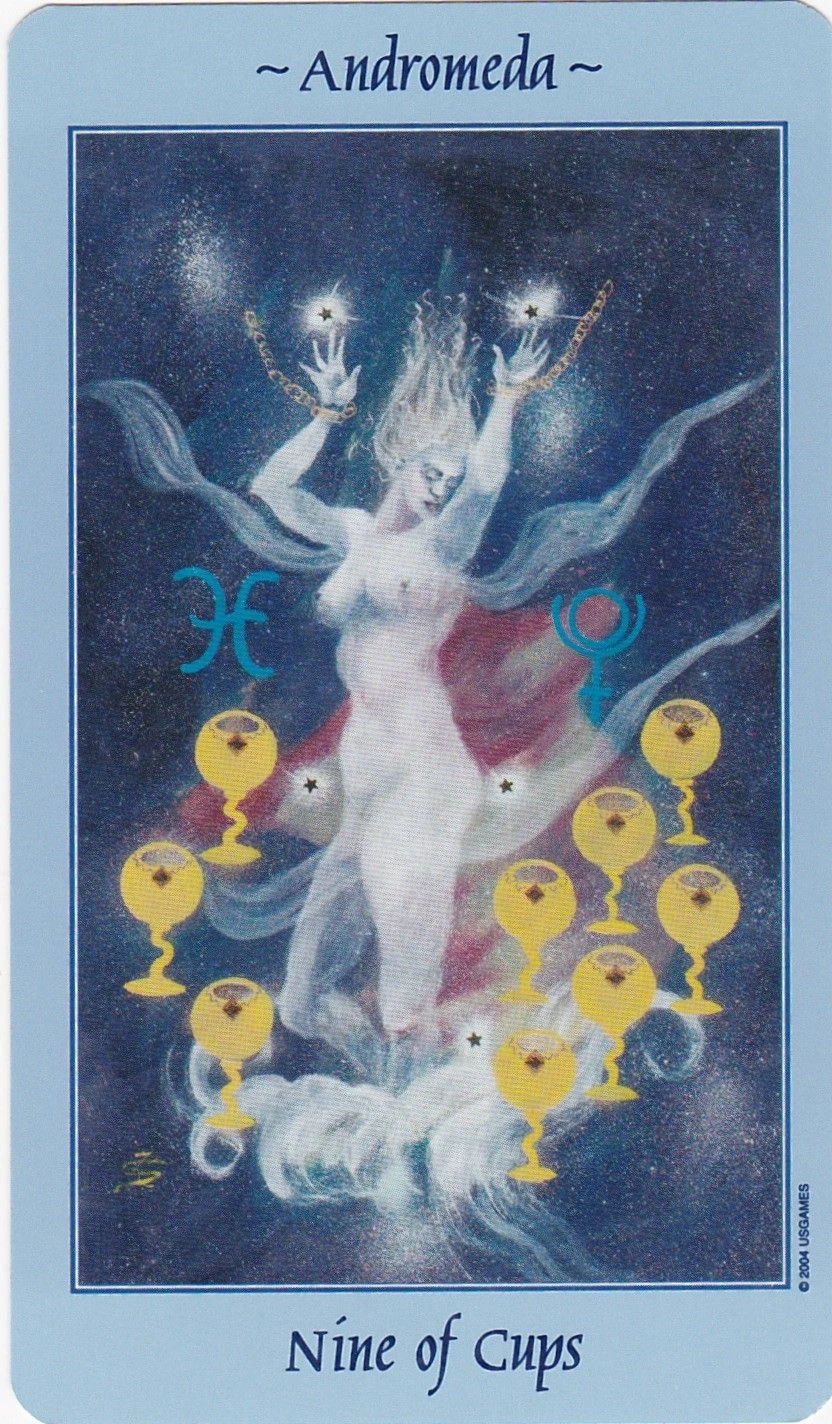
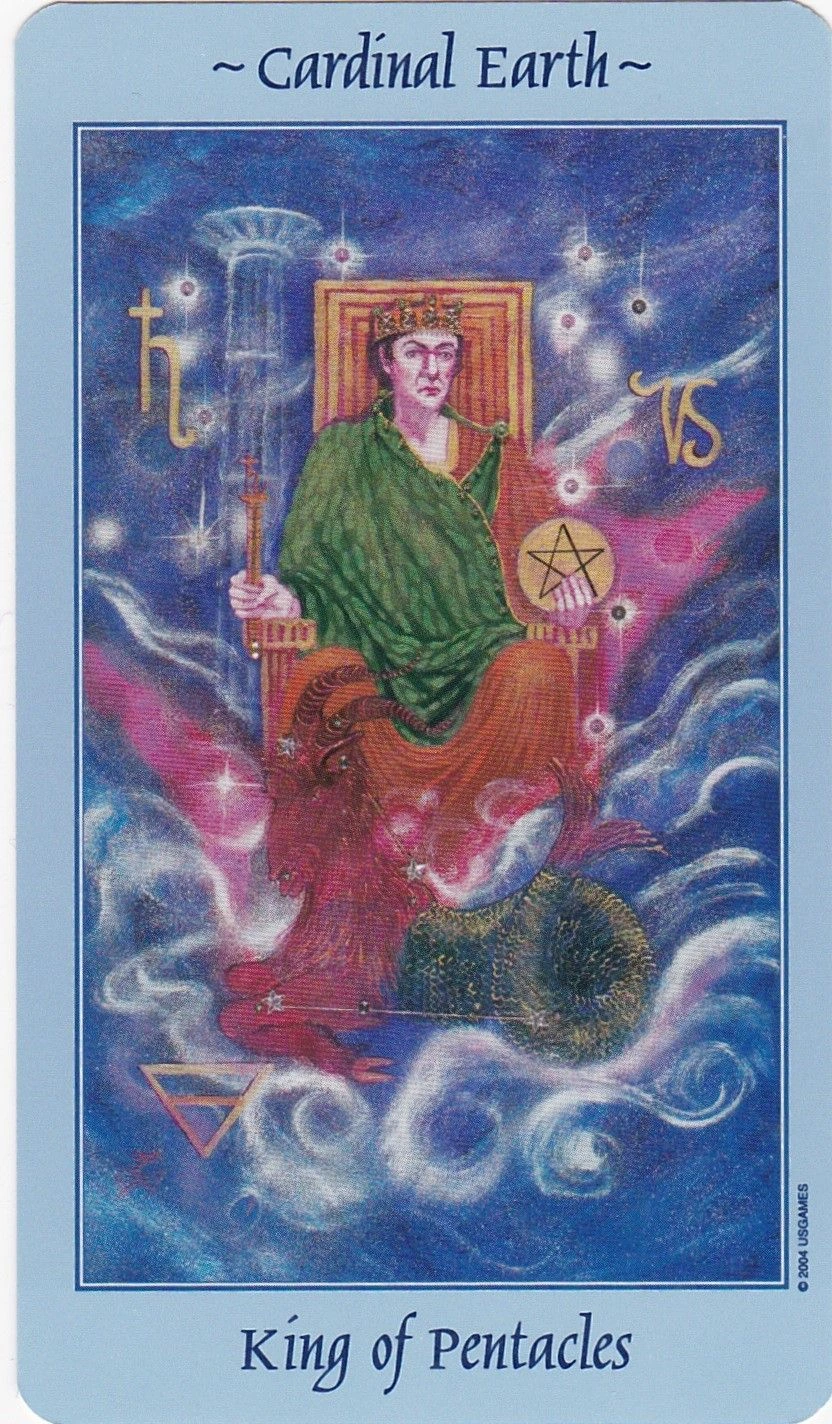

Use these positions for spark, desire, resources, and wise structure. The deck works best when cosmic inspiration ends in one real-world next step.
Final thoughts on Celestial Tarot
Celestial Tarot is a strong choice for readers who want a deck with study value. The native gallery above is the best test: browse several cards, not just the box art. If the symbols make you curious instead of tired, this deck may be a beautiful match.
It is especially good for astrology-minded tarot readers, journalers, and collectors who like a deck with a distinct voice. Keep it near your notebook, take your time with the imagery, and let the stars become part of the reading rather than decoration.

Frequently Asked Questions
Is Celestial Tarot good for beginners?
It can be, especially for beginners who already enjoy astrology or mythology. Total beginners may want to use the guidebook and start with one-card pulls.
Does Celestial Tarot include all 78 cards?
Yes. The review page includes a native TarotFans gallery with all 78 Celestial Tarot card images so you can compare the majors, minors, and courts before choosing the deck.
Who created the Celestial Tarot?
Celestial Tarot was created by Kay Steventon and Brian Clark and published by U.S. Games Systems.
What kind of readings is Celestial Tarot best for?
It shines in astrology readings, symbolic journaling, creative prompts, emotional pattern work, and slower study-based tarot sessions.
Who should skip Celestial Tarot?
Skip it if you want very plain scenes, minimal symbolism, or a deck that gives instant everyday meanings without guidebook support.
Is the Celestial Tarot art dark or bright?
The deck leans dark, starry, and cosmic, with deep blues, purples, gold accents, mythic figures, and celestial imagery.