Explore the 78 Tarot Carnival Cards
Browse the recovered 78 Tarot Carnival artwork in a continuous gallery. Choose a group below, then select any card for a larger carousel view.
Aurica’s Quick Take
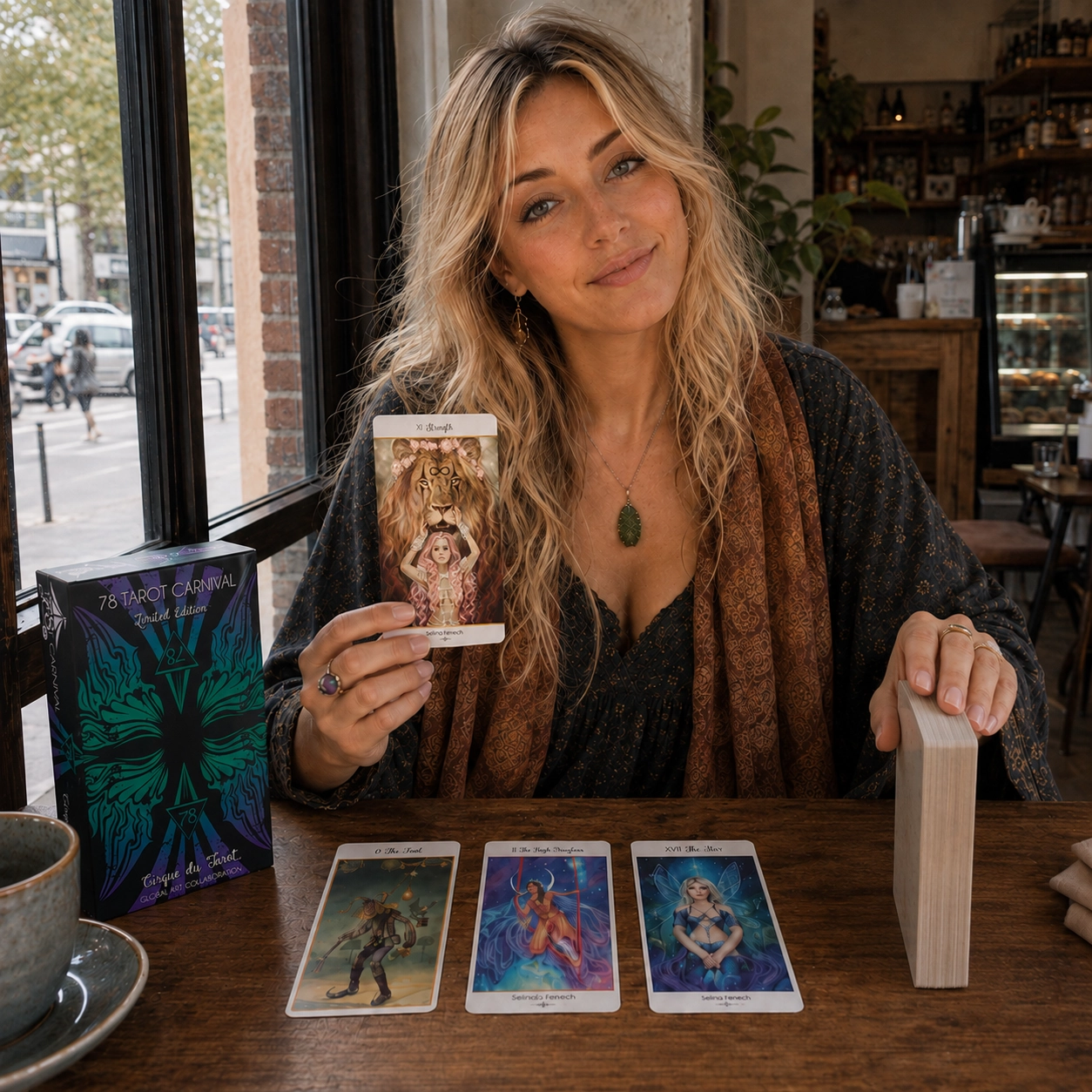
78 Tarot Carnival: Cirque du Tarot is the third collaborative deck from the 78 Tarot Project, and it feels exactly like its name promises: a strange, bright, slightly theatrical walk through a mystical carnival. Instead of one artist giving you one visual world, each card becomes a small performance from a different creative voice.
My honest take: this deck is best for readers who enjoy variety, fantasy, and dramatic symbolism. It is not the smoothest first deck for memorizing tarot because the art style changes from card to card. But if you already know the basic meanings, or if you love decks that make every pull feel like entering a new tent at the fair, 78 Tarot Carnival can be exciting and surprisingly rich.
The mood is circus, Venetian Carnivale, old magic, painted masks, spotlight moments, and backstage shadows. That makes it especially good for questions about identity, performance, desire, confidence, temptation, and the parts of ourselves we reveal only when the music starts.
Every card feels like another tent glowing along the midway, and I love how that variety asks me to stay awake to wonder. Let this deck remind you that your own voice can be vivid, brave, and beautifully different—and that the next honest step is always worth taking.
What Makes 78 Tarot Carnival Different?
The big difference is collaboration. Many tarot decks have one visual language. You learn the artist’s rhythm, and the whole deck begins to feel like one storybook. 78 Tarot Carnival is more like a festival of artists. Some cards feel sweet. Some feel eerie. Some feel bold, ornate, funny, or shadowy.
Carnival masks and magic

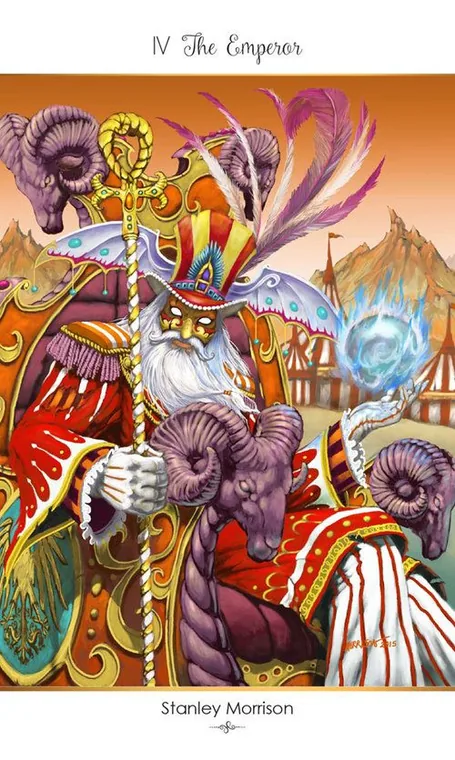


These cards show why the deck feels theatrical right away: the self is costumed, magical, watched, and always stepping into a larger stage.
That can be a gift and a challenge. The gift is freshness. You do not get bored. A reading can feel alive because each card has its own stage presence. The challenge is consistency. If you want every card to use the same color palette and symbolic system, this deck may feel busy. A skilled reader learns to let that variety become part of the message.
I like to read this deck as a carnival of inner roles. Which part of you is performing? Which part is hiding behind a mask? Which part is selling tickets to an old story that no longer deserves your money?
Art Style: Masks, Motion, and Magical Theatre
78 Tarot Carnival is not quiet minimalist tarot. It wants attention. The theme gives artists permission to use costume, spectacle, strange creatures, dramatic faces, old-world circus charm, and a little dark sparkle. The result is a deck that feels playful on the surface but not shallow underneath.
The carnival theme is useful because tarot itself often asks us to look behind appearances. A mask can protect, deceive, celebrate, or reveal. A performer may be brave, trapped, adored, or exhausted. A stage light can show truth, but it can also make us act for approval. This deck turns those ideas into a visual language.
Deck-specific reading note
The carnival theme changes how you read identity
In a normal reading, a court card might simply point to a person, attitude, or skill. In 78 Tarot Carnival, I would also ask: what role is being performed here? Is someone acting confident because they truly are, or because the crowd expects it?
That makes the deck powerful for questions about social media, public image, creative work, romance, and family roles. It does not only ask, “Who are you?” It asks, “Who do you become when someone is watching?”
How It Reads in Practice
This deck reads best when you let the image speak before you force a keyword onto it. Start with the card meaning, then ask what the carnival layer adds. Is the card louder, stranger, more humorous, more seductive, or more uneasy than usual?
Love, choice, and mixed signals


For confusing relationship questions, these images keep the romance and the uncertainty in the same room, which is exactly where Carnival reads well.
For love readings, 78 Tarot Carnival can show attraction, performance, mixed signals, and the glamour that makes a situation feel bigger than it is. For career readings, it can be excellent for creative visibility, audience pressure, impostor syndrome, and the question of whether your work still feels like art or has become only a show.
For personal growth, this deck is wonderful when you want to explore masks. Not every mask is fake. Some masks help us survive until we are safe enough to be seen. The reading skill is noticing whether the mask is protecting your truth or replacing it.
Beginner Friendliness
I would not choose 78 Tarot Carnival as the easiest very first tarot deck. Because it is collaborative, the symbolism can shift strongly between cards. A brand-new reader may spend extra energy learning the art before the basic tarot structure feels steady.
That said, beginners who love fantasy art, carnival imagery, and intuitive storytelling may enjoy it a lot. If you are new, keep a simple meanings guide beside you. Pull one card, write the traditional meaning, then write one carnival question: “Where is the mask, the stage, the invitation, the risk, or the applause in this card?”
Close-reading prompt
The deck is strongest when a card feels like a scene
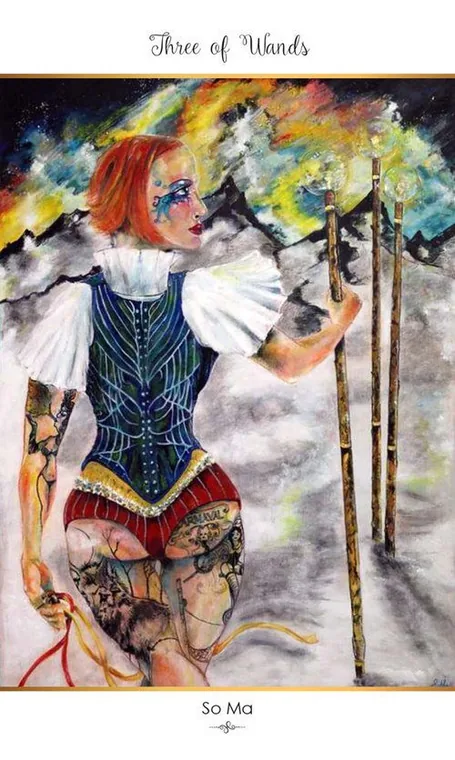
With this deck, I would treat each card like a little theatre set. Notice who seems central, who is watching, what is being offered, and whether the mood feels celebratory or uneasy. Those details matter more than trying to make every card look like a standard Rider-Waite-Smith clone.
If a card feels joyful, ask what is being celebrated. If it feels creepy, ask what truth is hiding under the glitter. The carnival setting gives both answers room to exist at once.
Easy, Medium, and Hard Reading Examples
Easy example: “What energy helps me today?”
If you pull a bright, open card, the message may be simple: show up. Wear the color. Share the idea. Let yourself be seen in a small safe way. In this deck, confidence often has movement and costume, so the advice may be to step into the day with a little more creative presence.
Medium example: “Why does this connection feel confusing?”
A Cups card in this deck may ask whether emotion is being expressed honestly or performed beautifully. A skilled reader notices the difference between real intimacy and a charming show. The question becomes: what is felt when the applause stops?
Hard example: “What shadow am I avoiding?”
If a darker card appears, the deck may point to the fear of being exposed. The hard message is not “you are fake.” It is kinder and deeper: a role that once protected you may now be too small. You may need to remove one mask slowly, with care, in front of people who can handle the truth.
Work, worth, and applause
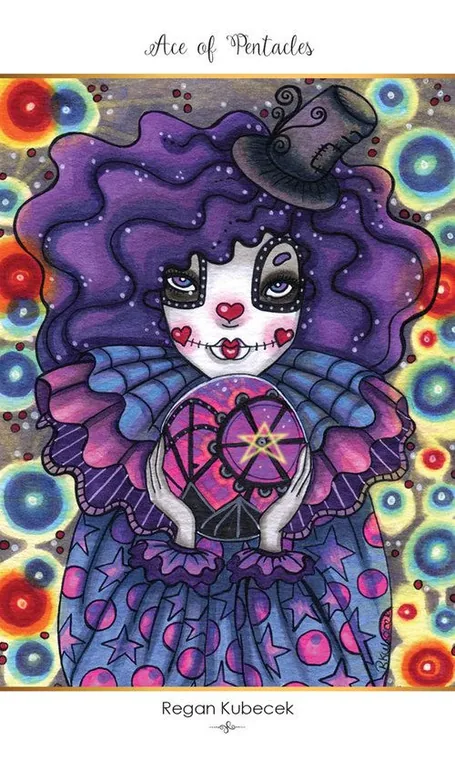
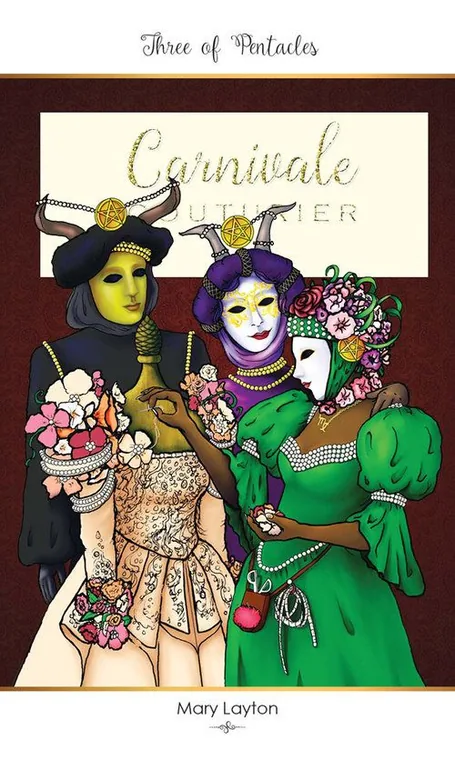

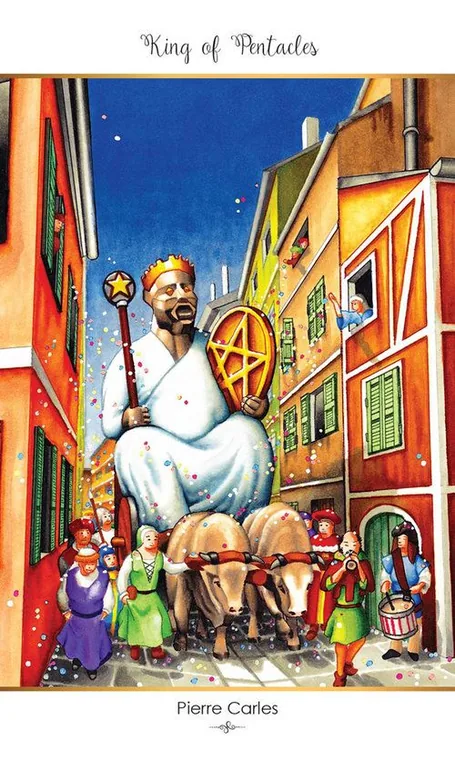
The practical cards still feel like a show, but the message stays grounded: effort, exchange, skill, and knowing what your work is worth.
Best Uses for 78 Tarot Carnival
- Creative readings: art, performance, writing, visibility, audience, and confidence.
- Identity work: roles, masks, self-expression, and the difference between privacy and hiding.
- Relationship readings: attraction, glamour, projection, mixed signals, and playful chemistry.
- Shadow work: especially when a situation looks shiny but feels strange underneath.
- Deck study: comparing how different artists interpret the same tarot system.
What Stands Out Most
I like that this deck refuses to be flat. Even when a card is playful, it can still carry weight. Carnival imagery naturally holds opposites: joy and danger, beauty and illusion, freedom and performance. That gives the deck emotional range.
I also like that it can wake up a reader who has become too automatic. If you have read tarot for a while, you may sometimes see a card and jump too quickly to a memorized meaning. 78 Tarot Carnival makes you look again. The art says, “Yes, you know this card — but do you know this version of it?”
A reader’s note
Do not smooth out the deck’s weirdness
The little weirdness is part of the medicine here. If a card feels exaggerated, theatrical, or uncomfortable, I would not rush to make it neat. I would ask what the exaggeration is showing.
Sometimes tarot needs a calm voice. Sometimes it needs a ringmaster with a lantern saying, “Look over here. This is the part of the story you keep pretending not to see.”
What to Know Before Ordering
Choose this deck because you enjoy the theme and the collaborative art style. If you want one artist, one palette, and very consistent card-to-card symbolism, you may prefer a more unified deck. If you want surprise, spectacle, and many artistic voices, that variety is the point.
Shadow under the spotlight


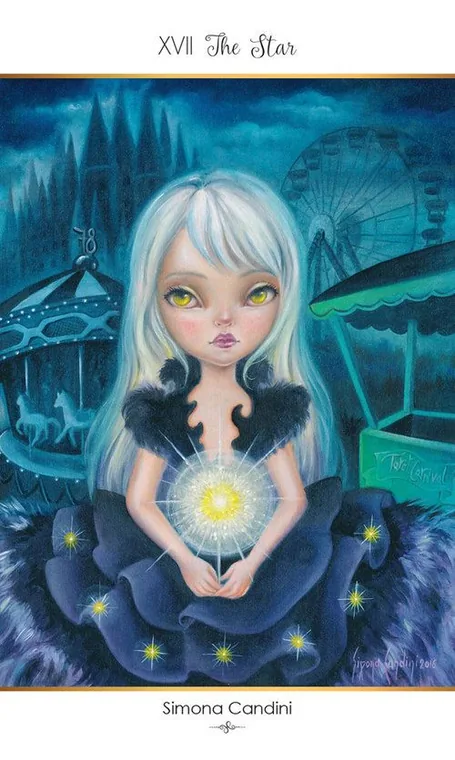
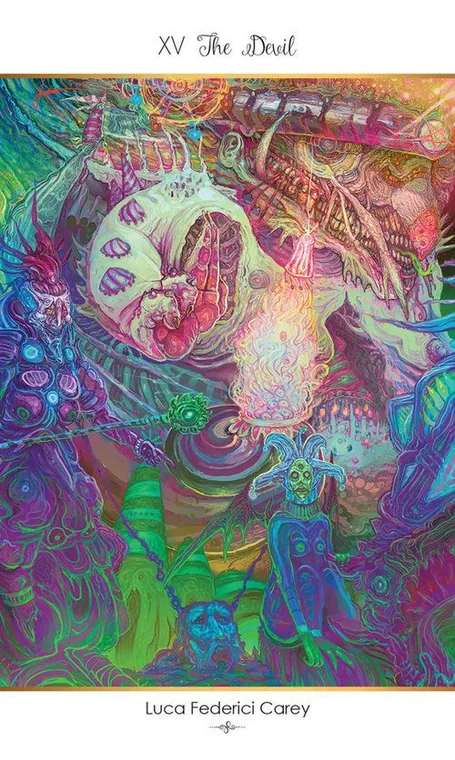
Carnival does not make shadow neat. These cards move from pressure and endings toward rupture, relief, and the small light that remains afterward.
Listings may describe it as 78 Tarot Carnival or Cirque du Tarot. Check the product photos, edition details, and guidebook information before ordering so you know exactly which printing or package is being offered.
Golden Reading Rule
With 78 Tarot Carnival, read the mask and the mood before you read the keyword. Ask: What is being performed, what is being protected, and what truth is waiting behind the curtain?
Practice Exercise
Pull one card and write three quick lines:
- What part of this image feels like a performance?
- What part feels emotionally true?
- What would change if the character stepped off the stage?
This turns the carnival theme into a practical reading tool instead of just decoration.
Final Thoughts
78 Tarot Carnival is a deck for readers who like tarot with color, movement, and a little danger under the sparkle. It is not trying to be tidy. It is trying to be alive. If you enjoy collaborative art and you want a deck that asks what is real behind the mask, this one has a memorable voice.
If this theatrical style appeals to you, you may also enjoy the Anne Stokes Legends Tarot Review, the Arcanum Tarot Review, and the Madhouse Tarot Review.

Frequently Asked Questions About 78 Tarot Carnival
Is 78 Tarot Carnival the same as Cirque du Tarot?
Yes. The deck is commonly known as 78 Tarot Carnival, with the subtitle Cirque du Tarot. If you see either name in a listing, check the cover and ISBN/product details to confirm it is the carnival-themed 78 Tarot Project deck.
Who created 78 Tarot Carnival?
It comes from the 78 Tarot Project, a collaborative tarot project where different artists create cards around a shared theme. This carnival edition includes work from many artists, with names often noted around the deck such as Jasmine Beckett-Griffith, Larry Elmore, and Paulina Cassidy.
Is 78 Tarot Carnival good for beginners?
It can work for intuitive beginners who love fantasy and circus imagery, but it is easier if you already know basic tarot meanings. The changing art styles are inspiring, yet they can make early study less straightforward than a single-artist beginner deck.
Why does the deck feel different from card to card?
That is part of the collaborative design. Each artist brings a different voice to the carnival theme. Instead of fighting that variety, read it as part of the message: some cards arrive like spotlight moments, some like masks, and some like quiet scenes behind the tent.
What kinds of readings suit 78 Tarot Carnival best?
It shines for creative questions, identity work, relationship chemistry, public image, confidence, and shadow work around masks or performance. It is less ideal when you want a very plain, quick, keyword-only reading.


