Victorian Romantic Tarot Cards
Explore the available Victorian Romantic Tarot cards by Alex Ukolov and Karen Mahony. Use the filters to browse verified groups, then open any card for a larger carousel view.

A note from Aurica
Victorian Romantic Tarot feels like opening a silk-lined drawer of letters no one quite dared to send. Every face seems caught between what society expects and what the heart is trying to confess. I begin with the familiar tarot meaning, then linger over a turned shoulder, a guarded hand, or the small distance between two figures.
The Queen of Cups draws me in with her jewel-bright dress and faraway gaze. She is surrounded by beauty, yet her attention reaches beyond it. In a reading, I ask what feeling has become too large to hide, and whether tenderness needs expression, protection, or simply a quiet place to be understood.
Beside her, The Fool turns a public scene into a leap of daring, while The High Priestess keeps her mystery close and The Lovers hold an intimate choice beneath watchful Victorian manners. I notice who performs, who waits, and who risks being seen. Then I compare that emotional gesture with the card’s traditional role and the question on the table.
I reach for this deck when relationships, longing, pride, or creative desire have more than one honest layer. Its pictures are wonderfully dramatic, but I do not let the drama decide everything. I follow the direction of each gaze, test the feeling against neighbouring cards, and translate the story into one clear next step.
My gentle rule is to let the scene speak before naming the verdict. When you meet these characters with curiosity rather than judgement, Victorian Romantic Tarot can help even a tangled heart discover a brave and graceful way forward.
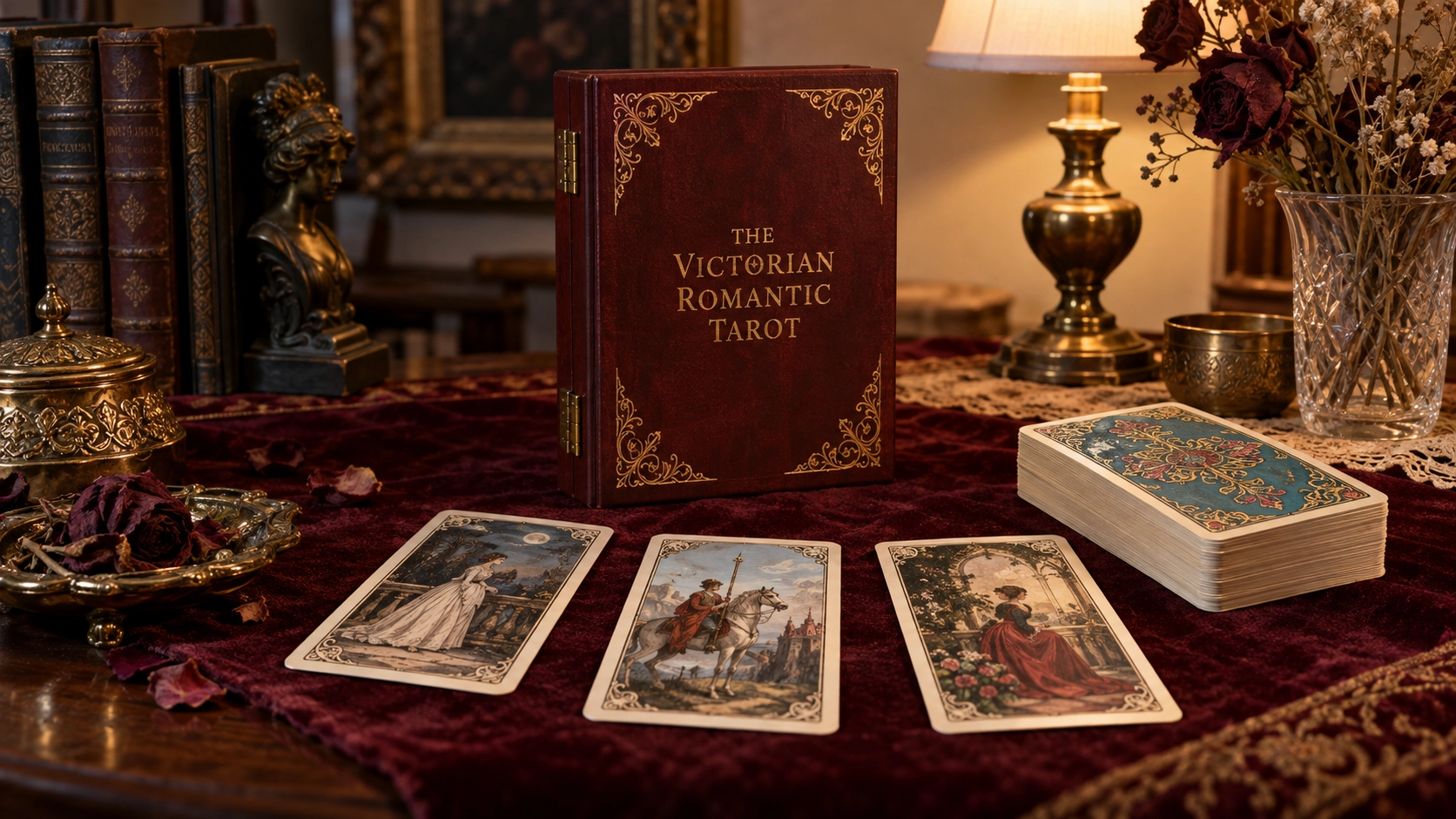
The Victorian Romantic Tarot is a lush, theatrical deck by Alex Ukolov and Karen Mahony. It feels like opening a drawer full of old letters, velvet gloves, candle smoke, secret glances, and carefully hidden feelings. The mood is romantic, but not soft in a simple way. These cards can be tender, dramatic, proud, wounded, witty, and surprisingly sharp.
This review uses an honest 64-card partial native gallery. That means the available TarotFans gallery is not being padded with uncertain cards. The verified card fronts are sorted into tarot order so you can browse the deck more naturally, starting with the Major Arcana and then moving through the suits.
What the Victorian Romantic Tarot feels like
The deck’s world is full of old-world romance: drawing rooms, gardens, letters, salons, ruins, formal clothes, and scenes that look peaceful until you notice the emotional tension inside them. It is a strong fit for readers who like tarot art that tells a story rather than simply showing a symbol.
Compared with a plain teaching deck, Victorian Romantic Tarot asks you to slow down. A face turned away, a hand placed on a letter, or a figure standing at a window can become the heart of the reading. The deck rewards readers who enjoy atmosphere and emotional nuance.
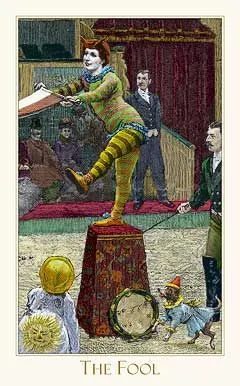
The Fool: innocence with a costume-drama edge
The Fool in this deck does not feel empty-headed. The image carries a sense of possibility, performance, and social risk. It asks what part of you is ready to step into a new role, even if the room is watching.
For daily pulls, this card can be a useful reminder that beginnings are rarely neat. Sometimes the first step is awkward, theatrical, or misunderstood before it becomes brave.
Art style and symbolism
The artwork leans into Victorian-era visual language: grand clothing, guarded expressions, formal settings, and romantic tension. The cards often feel like scenes from a novel. You are not only reading what is happening, but what has just been said, what cannot be said, and what everyone in the image is pretending not to know.
This makes the deck especially good for relationship readings, creative blocks, identity questions, social dynamics, grief, longing, and choices where the “right” answer is tangled with pride or vulnerability.
Reading moment
Four cards for social tension
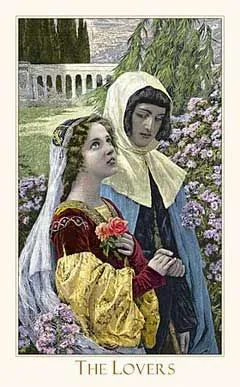
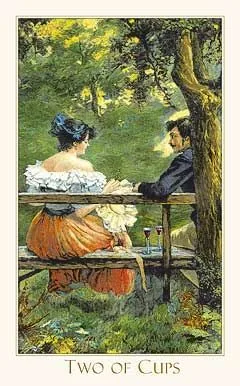
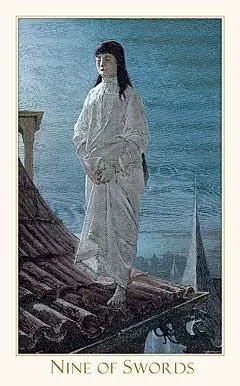
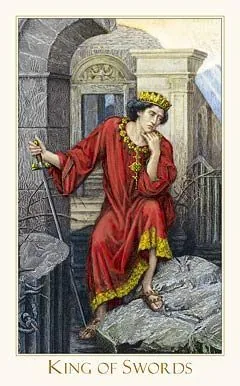
Use this kind of pull when the question involves mixed signals, reputation, attraction, or the pressure to behave correctly while feeling something messy underneath.
How easy is it to read?
If you already know basic tarot structure, the deck is readable, but it is not the fastest beginner deck. The scenes are rich and sometimes indirect. A newer reader may need to pair the image with a keyword list at first. An intuitive reader, though, may find the deck immediately talkative.
The best way to use it is to ask: Who has power in this scene? What is hidden? What emotion is being performed, and what emotion is actually present? Those questions unlock a lot of the deck’s personality.
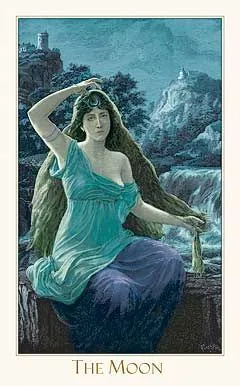
The Moon: uncertainty in candlelit clothing
The Moon suits this deck beautifully because the Victorian setting already understands secrets, masks, and atmosphere. Here, uncertainty does not feel abstract. It feels like a hallway at night, a message not answered, or a feeling you cannot prove yet.
In a reading, this card is a signal to move carefully. Not everything is false, but not everything is ready to be named.
Best uses for this deck
I like Victorian Romantic Tarot most for reflective readings where the emotional story matters as much as the practical answer. It is excellent for journaling, relationship patterns, creative questions, shadow work, and readings about desire, memory, and self-presentation.
It can also work well for writers and artists. Pulling a few cards from this deck can feel like receiving character studies: someone is waiting, someone is hiding something, someone wants to be chosen, and someone is pretending not to care.
Reading moment
Four cards for emotional storytelling
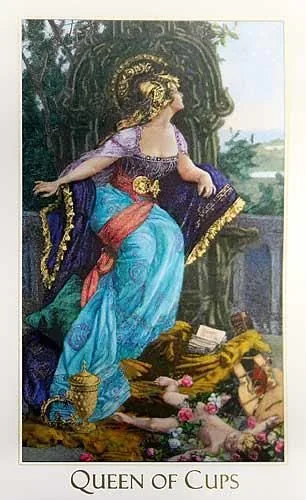
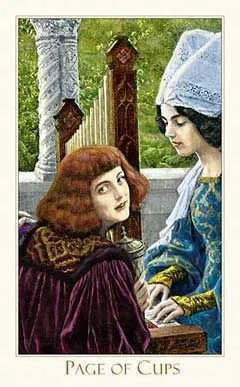
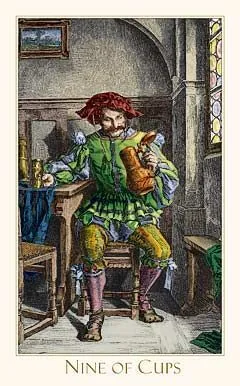
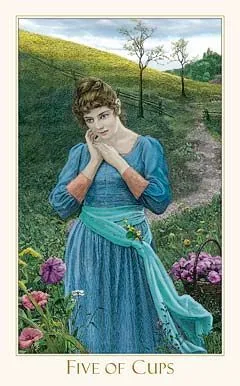
This set works well for journaling. Read the cards as a scene: what is being wanted, what is being hidden, what has already happened, and what choice will change the tone.
Pros and cons
| Pros | Cons |
|---|---|
| Rich Victorian atmosphere with strong emotional storytelling. | Not the simplest first deck for absolute beginners. |
| Excellent for relationship, journaling, creative, and shadow-work readings. | Some scenes may need slow looking before the meaning clicks. |
| Beautiful for readers who like narrative art and subtle facial/body-language cues. | The romantic period style may feel too dramatic for quick practical readings. |
| Native gallery is sorted for easier browsing and study. | The current verified gallery is partial rather than all 78 cards. |
Who will love it?
This deck is for readers who want tarot to feel literary, romantic, and psychologically layered. If you enjoy costume drama, old portraiture, antique rooms, and art that suggests a whole story in one glance, Victorian Romantic Tarot has a strong pull.
It is less ideal if you want bright modern minimalism or very obvious keyword imagery. The deck’s beauty is in its mood, and mood needs time.
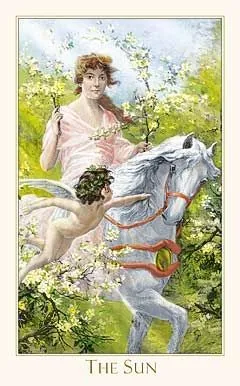
The Sun: warmth after the drama
The Sun gives the deck a needed breath of light. After so many cards full of secrets, roles, longing, and tension, this kind of image can feel like a window opening.
In a reading, it can point to clarity, honest pleasure, or the relief of no longer needing to perform a feeling you do not have.
Questions to ask this deck
Victorian Romantic Tarot is especially useful when the question has emotional layers. Try questions such as: What am I not admitting? What role am I playing? What does this relationship ask me to see clearly? Where am I confusing romance with rescue?
The deck can be gentle, but it is not shallow. It often points straight at the performance around a feeling, which can be more revealing than the feeling itself.
Reading moment
Four cards for pressure and choice
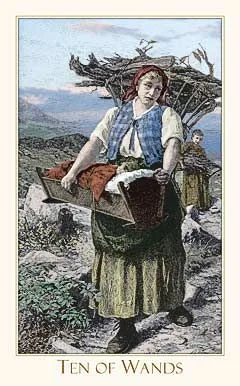
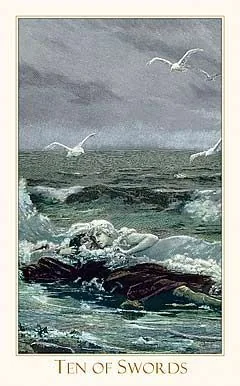
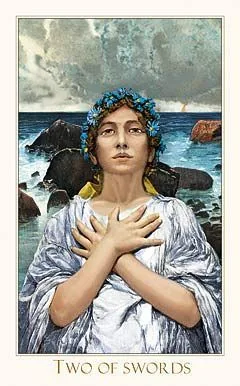
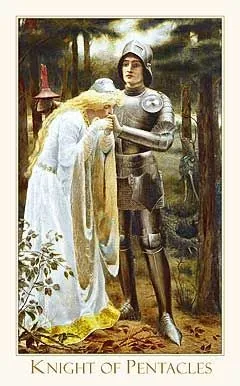
Use this pull when the issue involves duty, conflict, waiting, or deciding whether to speak plainly.
Final thoughts
Victorian Romantic Tarot is a beautiful deck for slow, image-led readings. It is emotional without being sugary, elegant without being cold, and dramatic without losing its usefulness. The deck works best when you let the scenes breathe and read the gestures as carefully as the card titles.
If you want a tarot deck with antique romance, human tension, and a strong sense of story, this one is easy to remember. It may not be the fastest deck on your shelf, but it can become one of the most atmospheric.
Victorian Romantic Tarot FAQ
Is Victorian Romantic Tarot beginner-friendly?
It can work for beginners who enjoy detailed art, but it is easier if you already know basic tarot meanings or keep a keyword guide nearby.
Does the TarotFans gallery show all 78 cards?
No. The current native gallery shows 64 verified Victorian Romantic Tarot card fronts. It is an honest partial gallery rather than a padded full deck.
What readings suit Victorian Romantic Tarot best?
It is best for relationships, journaling, creative blocks, social dynamics, shadow work, and emotionally layered questions.
Who created Victorian Romantic Tarot?
The deck was created by Alex Ukolov and Karen Mahony, known for richly illustrated, historically styled tarot and oracle projects.
Is the artwork traditional Rider-Waite-Smith?
It keeps enough tarot structure to be readable, but the imagery feels more like Victorian narrative scenes than a plain RWS clone.
Who might not enjoy this deck?
Readers who prefer minimal, modern, or very direct symbolism may find it too ornate or mood-heavy. It is strongest for readers who enjoy story-rich images.