The Muse Tarot Cards
Browse the complete verified Muse Tarot in canonical order. Choose one of its named tarot families, then open any card for a larger carousel view.

Aurica’s Quick Take
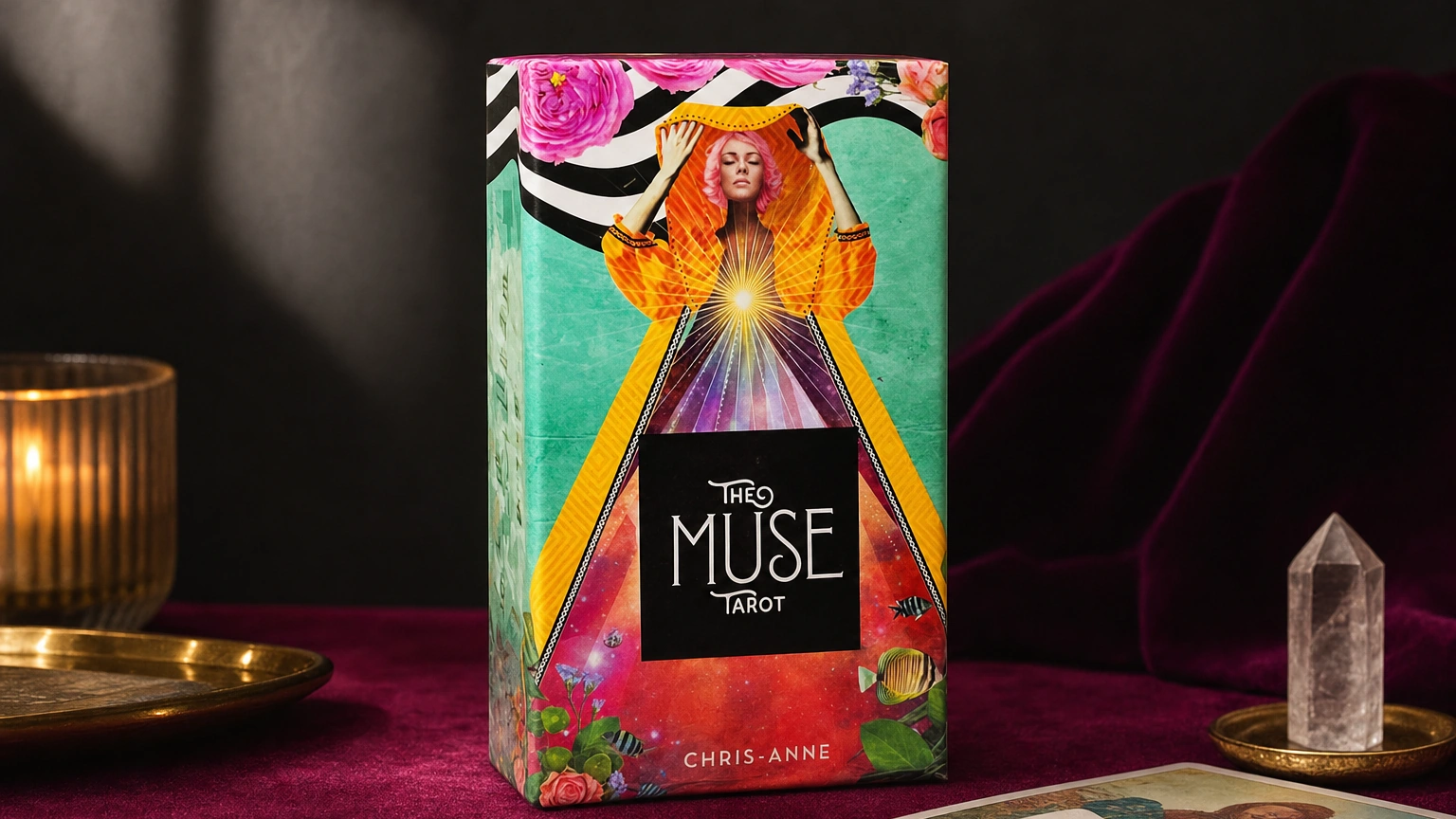
The Muse Tarot by Chris-Anne is a bright, poetic, feminine tarot deck for readers who want their cards to feel creative, intuitive, and emotionally alive. It keeps the 78-card tarot structure, but it changes the language so the suits feel more like inner voices than old classroom labels: Emotions for Cups, Inspiration for Wands, Voices for Swords, and Materials for Pentacles.
My short answer: this is a beautiful deck for creative people, journal lovers, intuitive readers, and anyone who likes tarot to feel like art, poetry, and self-discovery at the same time. It is less traditional than a Rider-Waite-Smith clone, so total beginners may need a little patience. But if you learn through color, mood, story, and feeling, The Muse Tarot can be deeply encouraging.
I love the way this deck lets feeling arrive before explanation. The Fool walks toward a bright horizon as if courage were a colour she could step into, The Magician gathers movement around the body, and The Star feels like a quiet beam finding its way through creative doubt. Even before I name a traditional meaning, the collage gives me a mood I can hold.
When I read with it, I notice where the image pulls my eye, then compare that spark with the card’s familiar role and its neighbours. Emotions ask what moves through the heart, Inspiration asks what wants to be made, Voices reveal the story being repeated, and Materials bring the message back into daily life. I finish with a practical choice, boundary, conversation, or next step, trusting this radiant deck to turn creative feeling into a brave and hopeful way forward.
What The Muse Tarot is like
This deck feels like walking into a studio where every wall is covered with color, symbols, feathers, flowers, stars, faces, and half-finished dreams. The artwork is expressive and layered, with a strong divine-feminine current. It does not try to look antique or ceremonial. It feels modern, emotional, and very personal.
The deck’s biggest change is language. Instead of Wands, Cups, Swords, and Pentacles, you meet Inspiration, Emotions, Voices, and Materials. That can feel strange for a few readings, but the idea is simple: each suit points to a part of your life. Inspiration is your spark. Emotions are your heart. Voices are your thoughts and inner dialogue. Materials are your body, work, money, and daily world.
Art style and deck feel
The Muse Tarot is bold, feminine, and dreamy without being sleepy. The colors are vivid and the compositions feel like vision boards. Some cards are instantly clear; others ask you to sit with them for a moment. That is part of the deck’s personality. It wants you to notice what an image wakes up inside you, not only what a textbook meaning says.
If you love clean, minimal tarot art, this may feel busy. If you love layered symbolism, expressive faces, and cards that invite journaling, it can feel magical. I would call it an intuitive reader’s deck more than a strict study deck.
Muse visual language

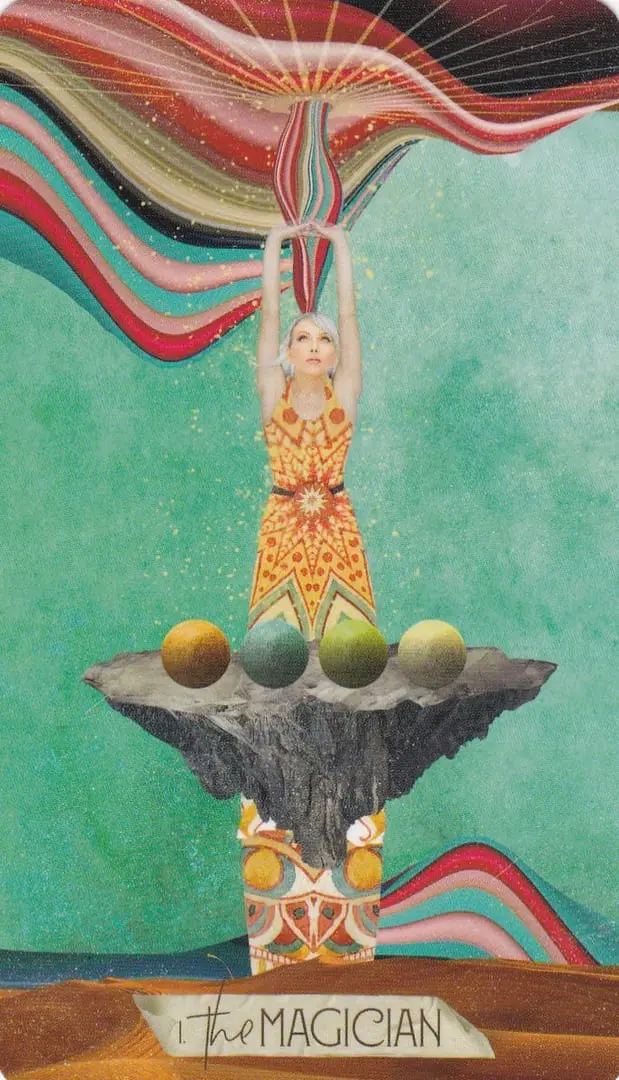


These early Major Arcana cards show the deck at its best: bright, expressive, intuitive, and more like a creative mirror than a strict classroom chart.

Deck-specific reading note
Why Inspiration feels like creative fire
The Inspiration suit replaces Wands, which makes the fiery tarot cards feel more personal and creative. Instead of only asking, “What action should I take?” these cards often ask, “What idea wants to move through me?”
In a reading, this suit is wonderful for projects, confidence, motivation, and spiritual excitement. If an Inspiration card appears when you feel stuck, I would look for the tiny spark first: the one step that makes your body say yes.
How it reads in practice
The Muse Tarot reads best when the question has room for reflection. It is lovely for questions like, “What am I creating?”, “What does my intuition want me to notice?”, “Where am I out of alignment?”, or “What would make this path feel more alive?”
It can still answer practical questions, but it tends to answer them through feeling and imagery. For example, a work question may turn into a message about confidence, creative permission, or the story you are telling yourself. That is not a weakness; it is the deck’s voice. It wants the inner pattern, not just the outer event.
Beginner friendliness: easy, medium, and hard examples
Easy: ask, “What energy should I bring into today?” and pull from the Emotions suit. A beginner can read it as a heart check: what feeling needs care, expression, or honesty?
Medium: ask, “What is blocking my next creative step?” and pull from the Voices suit. This often points toward thoughts, self-talk, comparison, or fear of being seen.
Creative spark spread
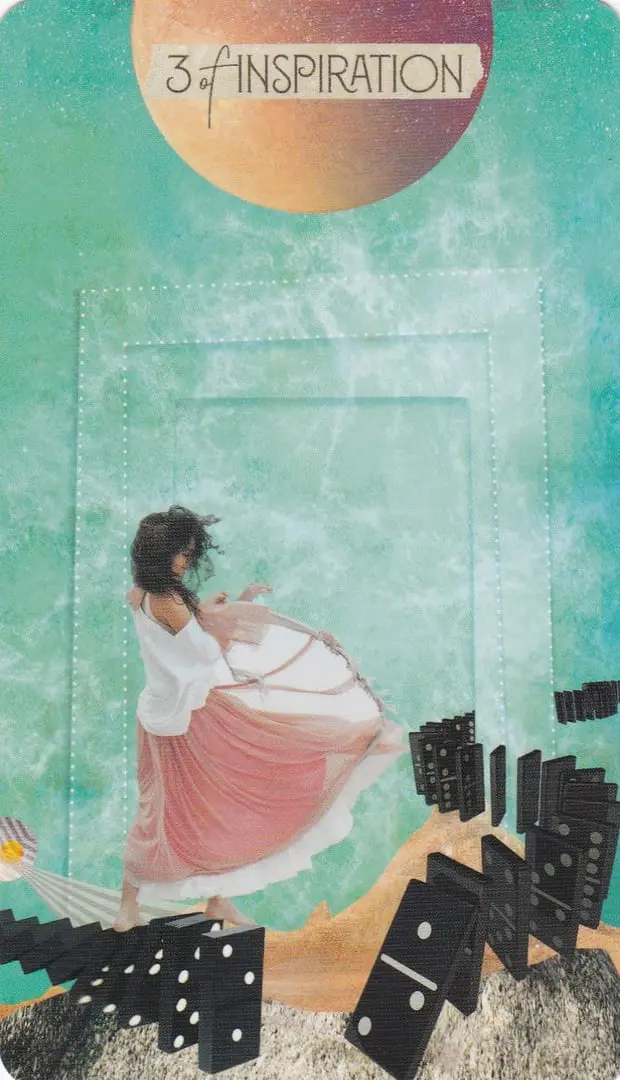


Use this kind of four-card mood check when you want the deck to show desire, imagination, confidence, and the next hopeful thread to follow.
Hard: ask, “What am I ready to change?” and pull a major card. The Muse Tarot can make big inner shifts feel beautiful, but still intense. Give yourself time to journal before forcing a fast answer.
Deck-specific reading note
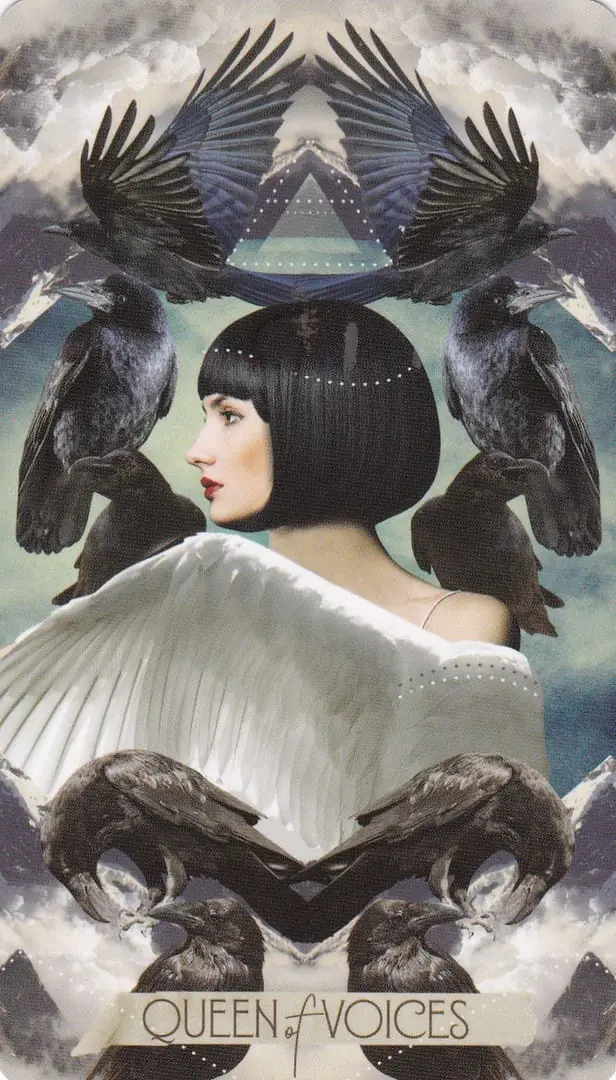
Why Voices can be gentle but honest
The Voices suit replaces Swords, so the mental cards feel less like cold conflict and more like a conversation with your own mind. This is helpful for anxiety, decision-making, self-expression, and truth-telling.
When Voices cards appear, I would ask: “Which thought is helping me, and which thought is only repeating an old fear?” That simple question fits this deck beautifully.
Best questions to ask this deck
- What wants to be created through me right now?
- Where is my intuition louder than my fear?
- What emotion needs more space or kindness?
- What story am I ready to rewrite?
- How can I make this choice feel more aligned with my real self?
This is a gorgeous deck for morning pulls, creative journaling, moon rituals, self-discovery spreads, and readings where the querent wants encouragement without losing honesty.
What I like most
I love that The Muse Tarot gives tarot a more creative vocabulary. The suit names are easy to remember once you use them, and they can make readings feel less intimidating for people who do not connect with older occult language.
I also like the guidebook approach. Hay House describes the guidebook as including card meanings, poetry, and word prompts, and that fits the deck’s whole personality. This is not only a “tell me what will happen” deck. It is a “help me understand what is moving inside me” deck.
What to know before buying
If you want a very traditional Rider-Waite-Smith training deck, The Muse Tarot may not be your first choice. The renamed suits are beautiful, but they do add one extra learning step. You will need to remember that Inspiration means Wands, Emotions means Cups, Voices means Swords, and Materials means Pentacles.
The art is also visually rich. Some readers will find that inspiring; others may find it a little overwhelming. If your favorite decks are simple, spare, or heavily medieval, this one may feel too modern and expressive.
Mind and heart cards


The Muse Tarot softens the mental cards with color and story, while the emotional cards keep the reading warm, relational, and easy to journal with.
Deck-specific reading note
Why Materials keeps the magic grounded
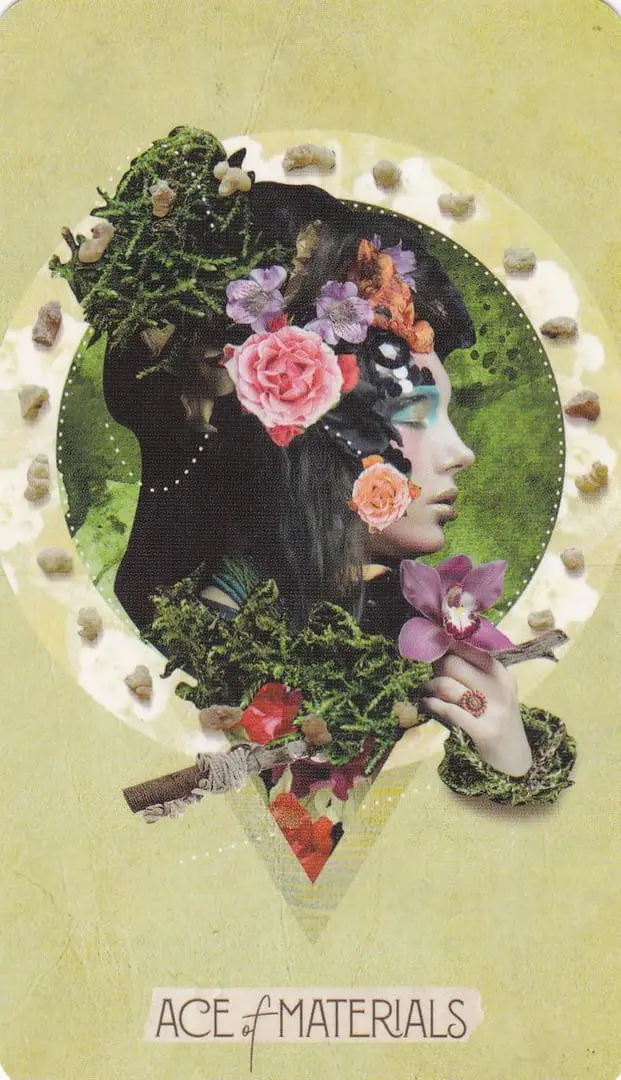
The Materials suit replaces Pentacles, which is a lovely choice because it makes earth energy feel tangible. It is not only money. It is your body, resources, habits, space, work, and the real-world form your dreams take.
In readings, Materials cards can ask: “What support does this idea need in daily life?” That makes the deck especially useful for creative people who need to turn inspiration into structure.
Who will love this deck
- Creative readers, artists, writers, and journal lovers.
- People drawn to divine-feminine, colorful, expressive tarot art.
- Readers who like intuitive prompts as much as fixed meanings.
- Anyone who wants tarot to feel like self-discovery and creative magic.
Who may not love it
- Absolute beginners who want standard suit names on every card.
- Readers who prefer simple, minimal, or antique-looking decks.
- People who want very direct yes/no style readings.
Golden rule for reading The Muse Tarot
Do not rush this deck. Pull the card, notice the color, name the first feeling, then read the guidebook. The Muse Tarot works best when you let image, emotion, and meaning meet each other slowly.
Grounding the vision



When a reading gets dreamy, the Materials cards bring the message back to the body: habits, resources, patience, and the real-world shape of the dream.
Final thoughts
The Muse Tarot is a radiant, expressive deck for people who want tarot to feel creative and alive. It is not the most traditional learning deck, but it is a beautiful companion once you understand the suit names and let the imagery speak. For personal readings, creative blocks, emotional clarity, and intuition practice, it has a very special voice.
Frequently Asked Questions
Is The Muse Tarot good for beginners?
It can be, especially for intuitive or creative beginners. The only challenge is that the suits are renamed, so you need to learn Inspiration as Wands, Emotions as Cups, Voices as Swords, and Materials as Pentacles.
Who created The Muse Tarot?
The Muse Tarot was created by Chris-Anne and published as a 78-card deck and guidebook.
What are the renamed suits in The Muse Tarot?
The suits are Emotions for Cups, Inspiration for Wands, Voices for Swords, and Materials for Pentacles.
What kind of readings is this deck best for?
It is excellent for creative questions, emotional clarity, journaling, intuition practice, self-discovery, and readings where you want inspiration with honest reflection.
Is The Muse Tarot a Rider-Waite-Smith style deck?
It keeps the 78-card tarot structure, but it uses its own modern, poetic language and artwork. It is connected to tarot tradition, but it does not feel like a strict clone.
What is the overall vibe of The Muse Tarot?
The vibe is colorful, feminine, expressive, creative, and intuitive. It feels more like a personal muse or art-journal companion than a formal ceremonial deck.


