Mermaid Tarot Cards
Explore Mermaid Tarot in verified tarot order. Choose a group below, then tap any card for a larger carousel view.

Aurica’s Quick Take
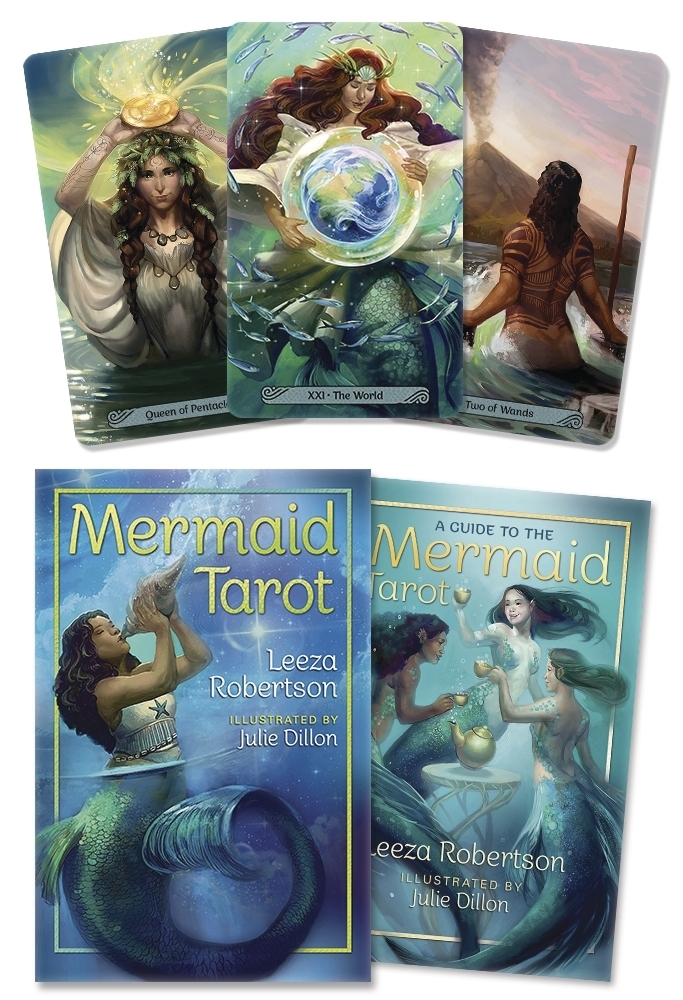
I love how Mermaid Tarot feels like opening a window beneath the tide. Leeza Robertson’s emotional storytelling and Julie Dillon’s sea-bright artwork give familiar tarot ideas a dreamier current while keeping their message clear.
For love, intuition, creativity, or feelings that are hard to name, I begin with the detail that catches my eye—a guarded face, a bright shell, a shift in the water—then connect that mood with the card’s traditional role and the surrounding spread.
Mermaid Tarot asks us to listen without drifting away from what is real. Take one image at a time, let its mood settle, and trust that even deep emotional water can carry you gently toward clearer shores.
Deck details at a glance
| Deck | Mermaid Tarot |
|---|---|
| Author | Leeza Robertson |
| Illustrator | Julie Dillon |
| Style | Watery, mythic, intuitive, emotionally expressive |
| Best for | Love readings, dreamwork, creative questions, shadow work, self-trust |
| Gallery status | 78 card fronts verified live in tarot order on TarotFans |
What Mermaid Tarot feels like in a reading
Reading with Mermaid Tarot feels like asking the ocean to answer. The messages often come through mood first: a shimmer of hope, a warning current, a hidden desire, or a feeling that has been circling under the surface. That makes the deck especially useful when someone knows something is going on emotionally but cannot quite name it yet.
The deck still gives enough structure to read practically. Majors like The High Priestess, The Moon, The Star, and The Tower are easy to connect with. The suits also keep their core personalities: Cups feel natural and flowing, Swords can feel stormy and sharp, Wands bring movement and heat, and Pentacles become treasure, pearls, care, and the body’s real needs.

Card study: The High Priestess
The High Priestess is the perfect gateway into this deck. She feels like the quiet current under the reading: private knowing, dream messages, and the truth you sense before you can explain it. In relationship spreads, I would read her as a sign to listen carefully before asking for proof from someone else.
Artwork, symbols, and readability
Julie Dillon’s artwork gives the deck a rich fantasy-ocean feeling without losing the human expression that makes tarot readable. The faces, gestures, and color choices matter. Some cards feel calm and luminous; others feel tense, seductive, or stormy. That contrast is part of the deck’s power.
Because mermaids live between worlds, the theme works well for tarot. The cards keep asking: what is conscious, what is hidden, what belongs to the heart, and what is pulling from below? I would not use Mermaid Tarot when I want a blunt checklist answer. I would use it when I want the truth behind the reaction.
Four-card reading moment
The deck’s deep-water mood
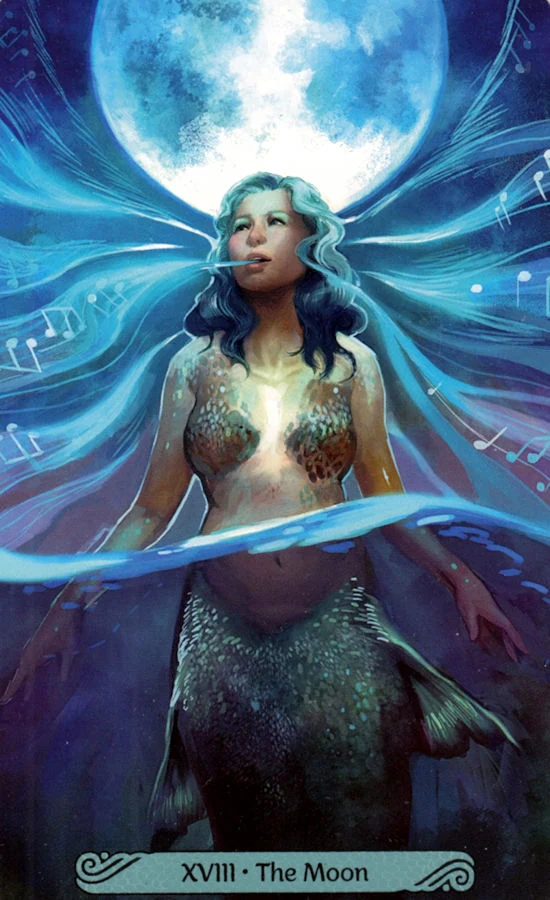
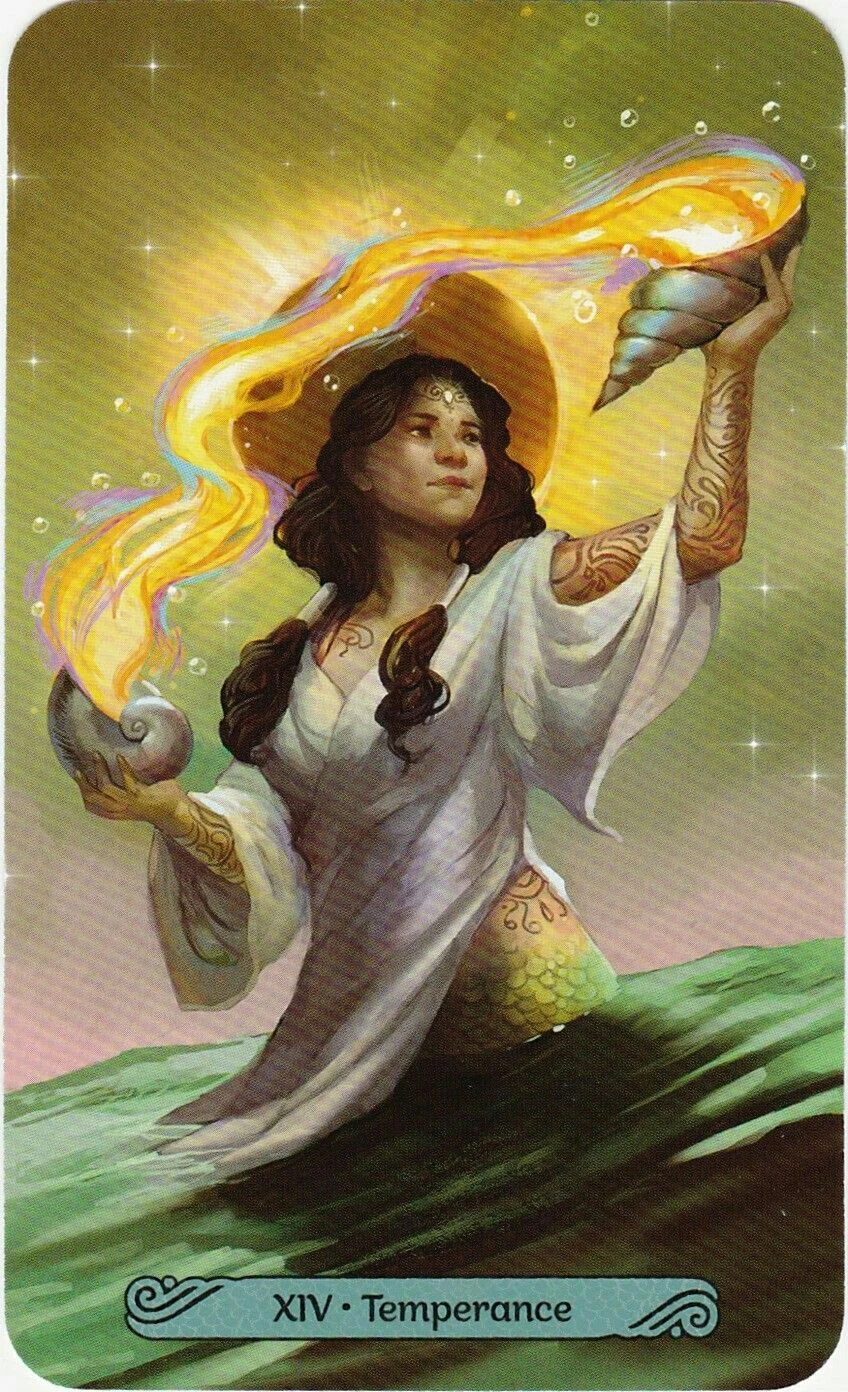
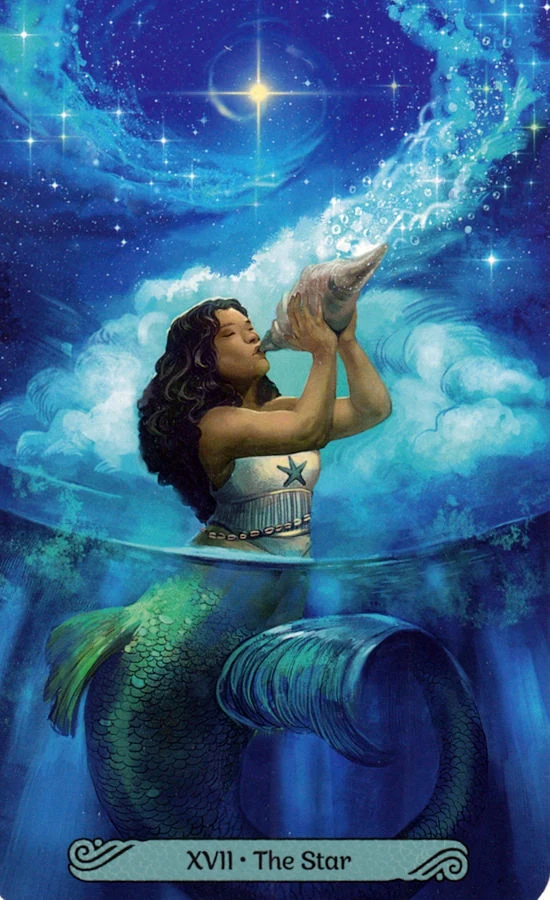
This group is perfect for self-trust work: listen inward, admit what is unclear, balance the feeling, and let hope return slowly instead of forcing a quick answer.
Love, relationships, and emotional questions
Mermaid Tarot is very strong for love and emotional readings because it does not flatten feelings into simple labels. It can show attraction, confusion, longing, jealousy, tenderness, fear, and healing in a way that feels honest. That makes it helpful for “What am I really feeling?” or “What pattern am I repeating?” questions.
I would use gentle boundaries with this deck. It is tempting to dive into another person’s private emotions, but the healthiest readings focus on your own choices, needs, and patterns. Mermaid Tarot is at its best when it helps you come back to your own inner tide.
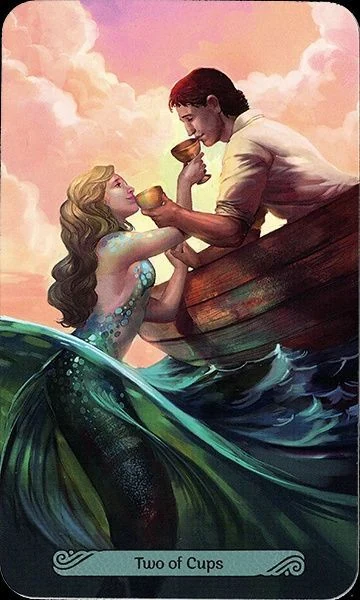
Card study: Two of Cups
Two of Cups is naturally important in a watery deck. Here it reads less like a perfect fairy-tale promise and more like emotional meeting: two beings recognizing a current between them. In a spread, I would ask whether the connection is mutual, nourishing, and honest enough to stay above water.
Career, money, and creative readings
For career and money, Mermaid Tarot works best when the question has a creative or emotional layer. It is less about spreadsheets and more about motivation, confidence, timing, and the hidden feelings that affect practical choices. If a job decision feels confusing, this deck can show whether the pressure is fear, intuition, boredom, or real opportunity.
Creative readers may love it. Pulling a Mermaid Tarot card before writing, painting, recording, or planning can help reveal the mood of the work. The ocean setting makes it easier to ask, “What wants to surface?” rather than “What should I force?”
Four-card reading moment
Moving through heartbreak without freezing
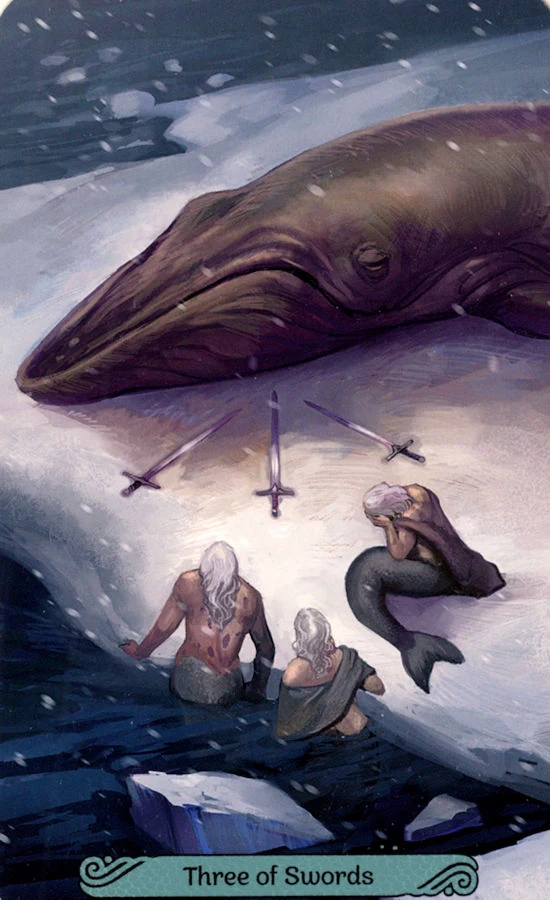
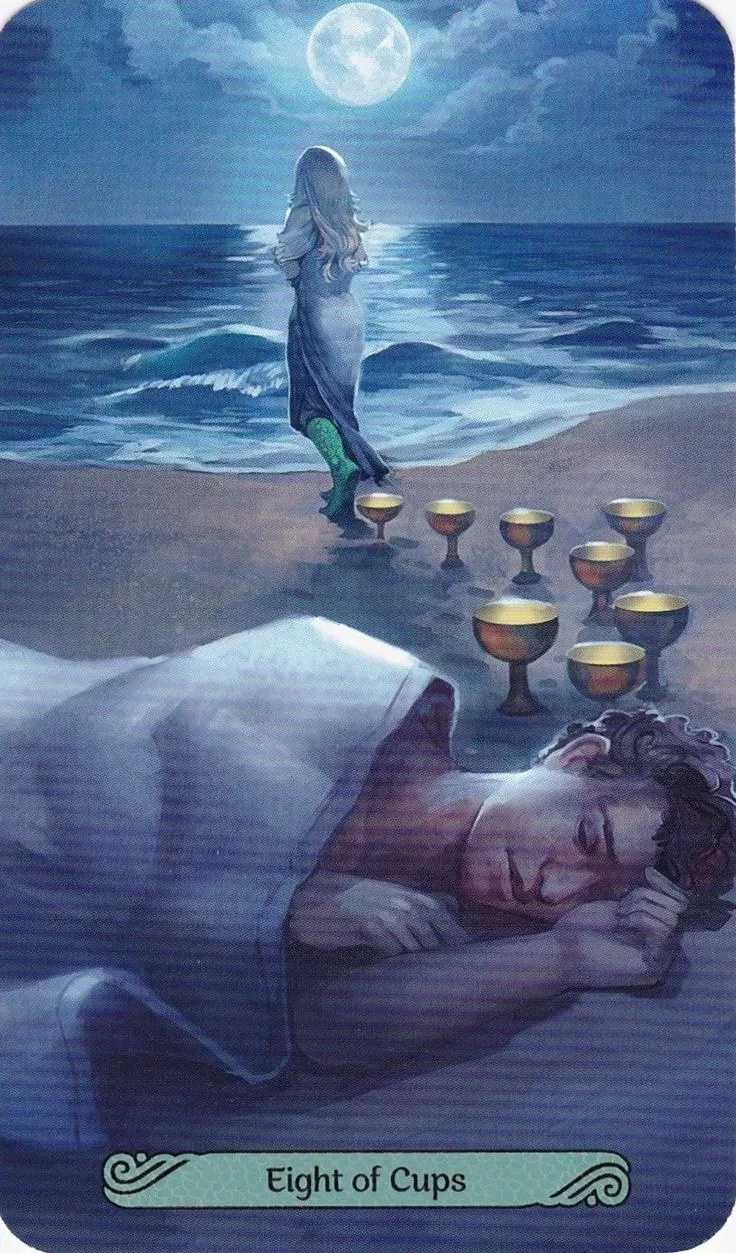

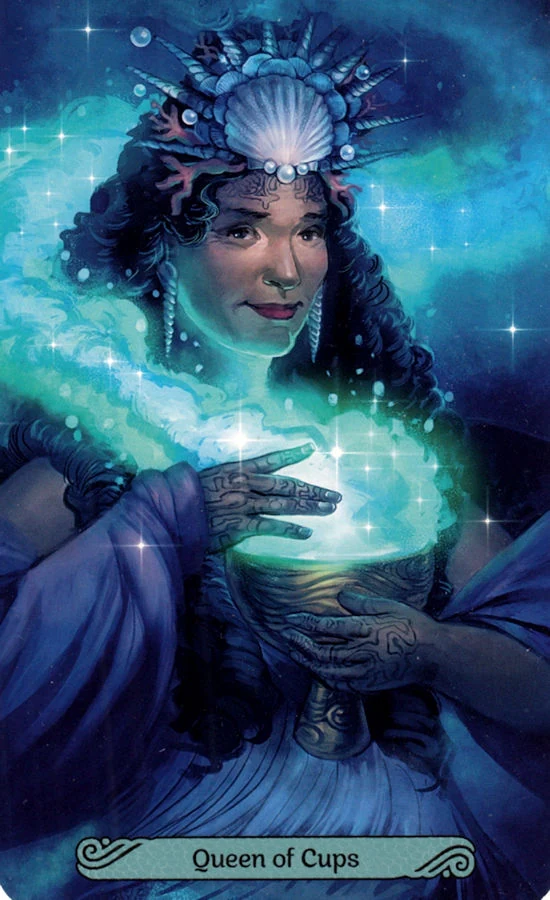
This sequence names pain, leaves a draining pattern, moves toward calmer water, and returns compassion to the body. It is one of the deck’s clearest emotional-healing stories.
Who I think Mermaid Tarot is for
I would recommend Mermaid Tarot to readers who like atmosphere, symbolism, and emotional nuance. If you want a clean minimalist deck, this probably is not your best match. If you like mythic water imagery, feminine power, dream language, and cards that invite slow looking, it has a lot to offer.
Beginners can use it, especially if they are intuitive and visual, but I would keep a Rider-Waite-Smith guide nearby at first. The deck is readable, yet it asks you to blend traditional meanings with the water-world story in each image.
Card study: The Star
The Star is a gentle test card for Mermaid Tarot. It keeps the classic hope-and-renewal meaning, but the water imagery makes that hope feel embodied. This is not instant positivity; it is the first breath after a hard swim, the moment when healing becomes possible again.
Mermaid Tarot pros and cons
| Pros | Cons |
|---|---|
| Beautiful ocean-fantasy art with a strong emotional mood. | Not the fastest deck for blunt, practical answers. |
| Great for love, intuition, dreamwork, creativity, and healing spreads. | Some images may feel intense, sensual, or shadowy for very young readers. |
| Readable enough if you know the basic tarot structure. | The complete 78-card TarotFans gallery makes it easy to study the full deck before buying. |
| Strong visual storytelling for journaling and self-reflection. | Beginners may need a guidebook while learning the deck’s sea-symbol language. |
Four-card reading moment
Creative fire under the sea
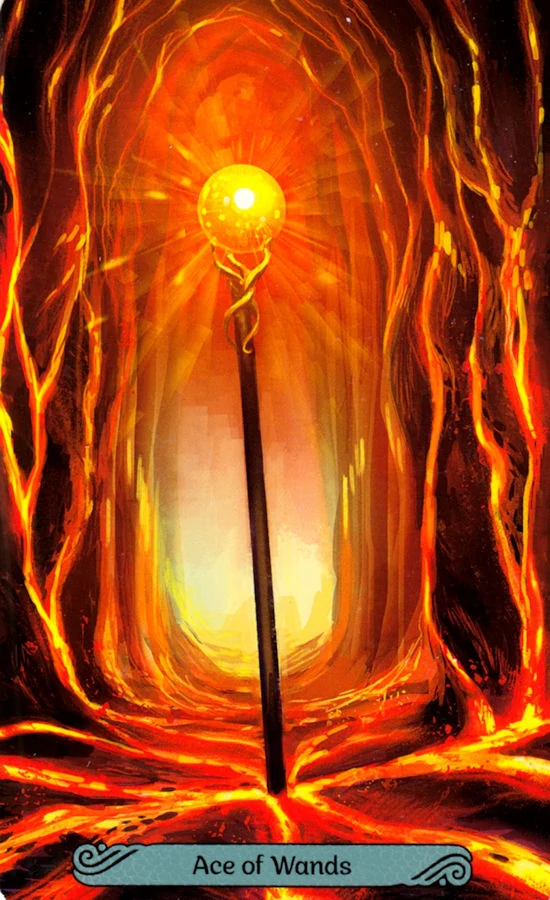
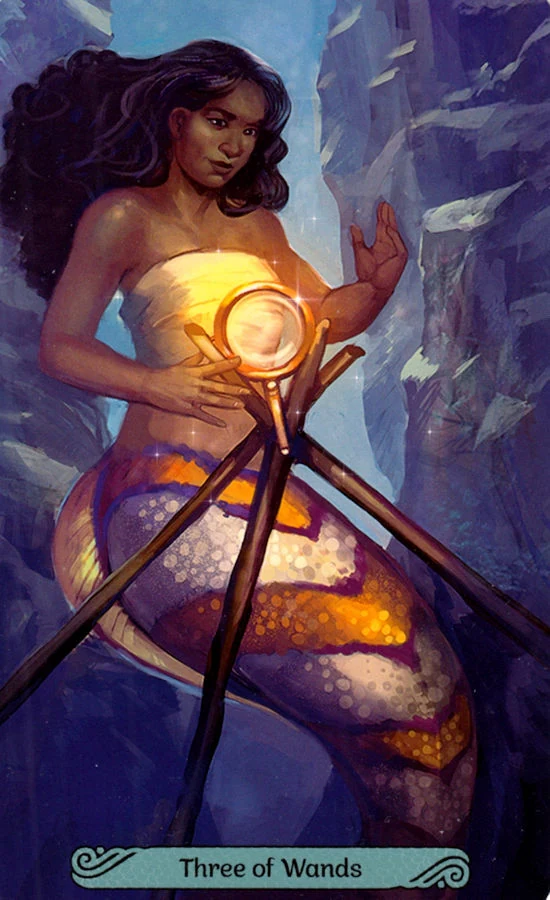
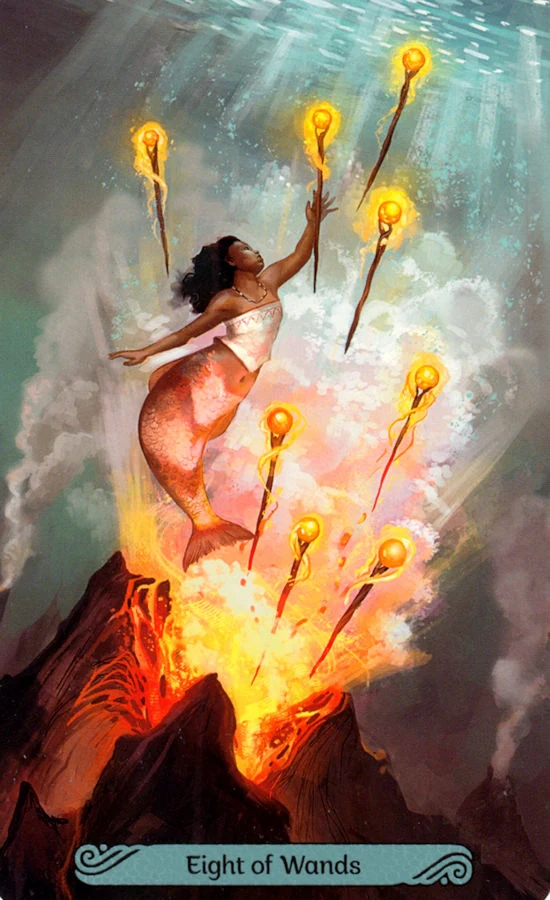

This is a strong creative launch: a spark appears, the vision looks outward, the message starts moving, and confidence returns without needing to become loud.
Best spreads to try with Mermaid Tarot
Small spreads work beautifully with this deck. Try a three-card tide reading: what is visible, what is hidden, and what wants to move. For emotional clarity, try: what I feel, what I need, and what would help me respond with care.
For a deeper journal session, use four cards: the wave, the undertow, the pearl, and the shore. In simple language, that means the obvious issue, the hidden feeling, the gift inside the situation, and the next grounded step.
Four-card reading moment
Grounding after an emotional wave
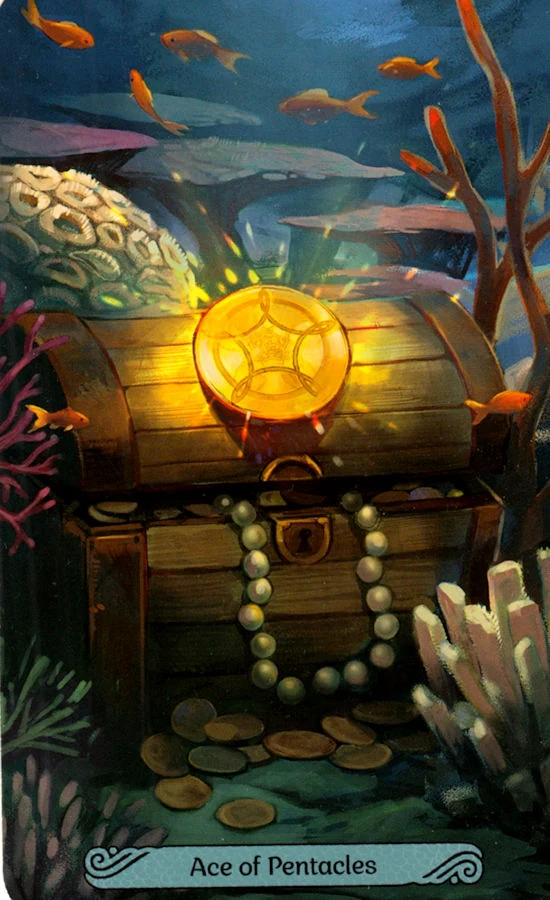
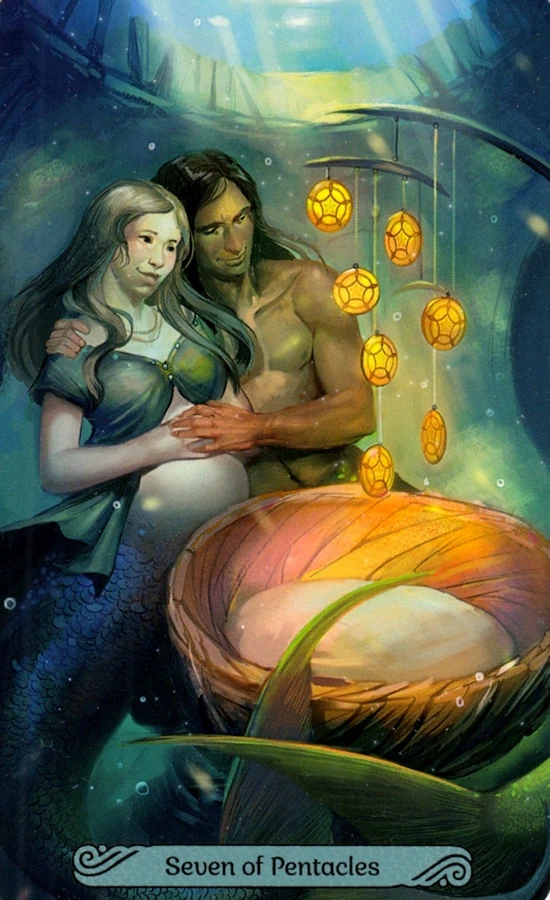

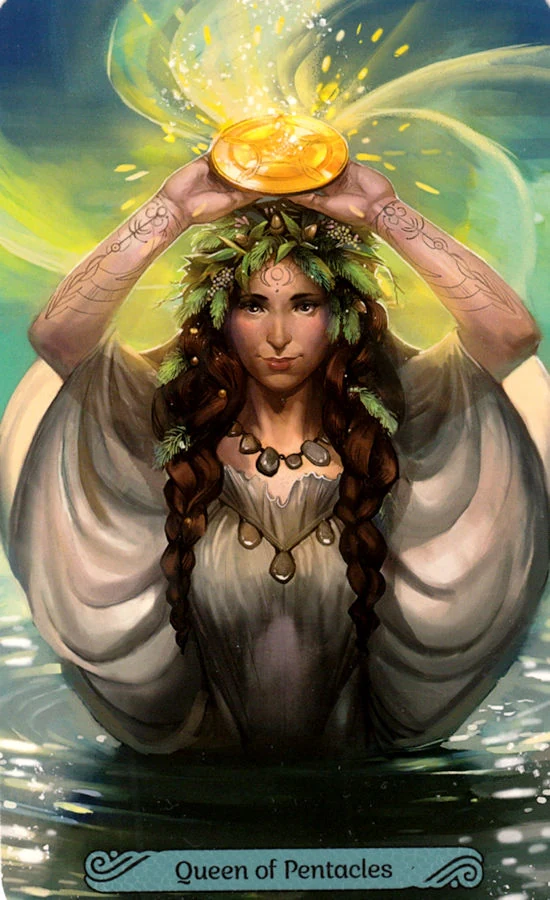
After a big emotional reading, this group brings the answer back to real life: take one step, give it time, practice steadily, and let care become practical.
Final thoughts on Mermaid Tarot
Mermaid Tarot is worth exploring if you want a deck that feels emotional, intuitive, and beautifully sea-soaked. It is not trying to be plain or perfectly tidy. It is a tide-pool deck: reflective, strange, pretty, mysterious, and full of small details that ask for a second look.
If you connect with mermaid myth, water magic, dream language, or tarot that feels like it speaks from the unconscious, this deck can become a powerful reading companion. I would keep it near a journal, pull slowly, and let the image speak before rushing to the guidebook.
Mermaid Tarot FAQ
Who created Mermaid Tarot?
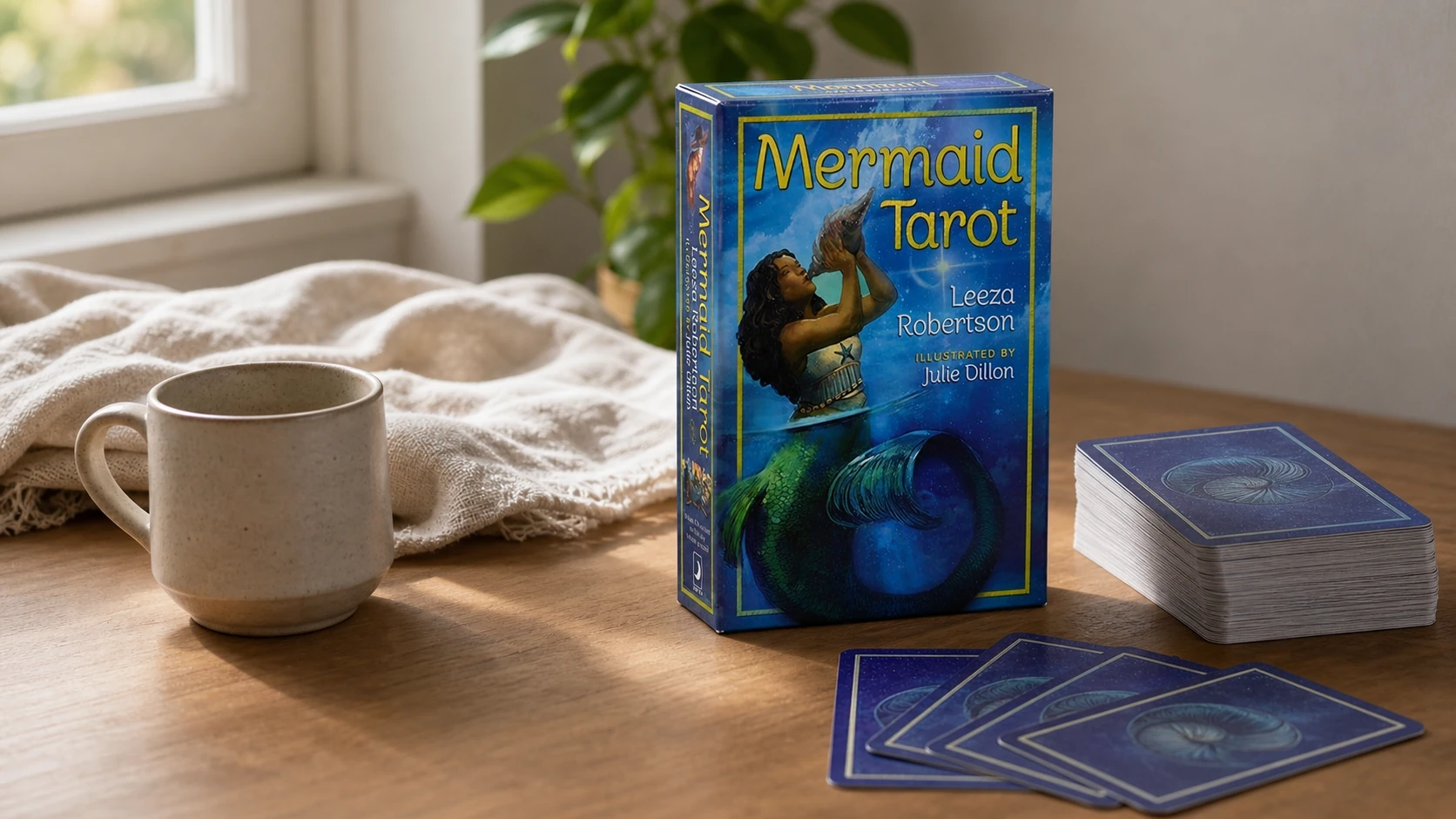
Mermaid Tarot was written by Leeza Robertson and illustrated by Julie Dillon. The deck is known for its blue ocean palette, mermaid imagery, and emotionally intuitive reading style.
Is Mermaid Tarot beginner-friendly?
It can work for beginners, especially visual or intuitive beginners, but I would pair it with a basic tarot guide while learning. The deck follows familiar tarot structure while adding its own sea-symbol language.
What kinds of readings suit Mermaid Tarot best?
I like it most for love questions, emotional clarity, dreamwork, creative blocks, self-trust, healing, and questions about desire, fear, or hidden feelings.
Does Mermaid Tarot follow Rider-Waite-Smith meanings?
Mostly, yes. Many cards connect clearly with traditional tarot meanings, but the art translates them through mermaids, shells, tides, stars, treasure, and underwater scenes.
Is the artwork light and cute?
Not exactly. The deck is beautiful, but the mood is more mythic, watery, emotional, and sometimes intense than beachy or cartoon-cute.
What does the TarotFans Mermaid Tarot Gallery show?
The Gallery presents the verified Mermaid Tarot card fronts in tarot order, with group filters and a larger carousel view for closer study.