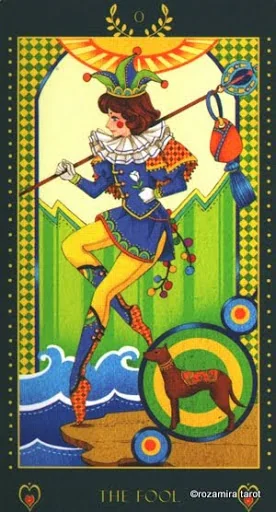
Smith-Waite Tarot Card Gallery
Explore this verified partial Gallery in tarot order. Choose a group below, then select any card to open its larger Lightbox view.

A note from Aurica
Smith-Waite Centennial Tarot feels like finding an old storybook whose pages have softened without losing their truth. The olives, dusty blues, faded golds, and warm paper tones quieten the familiar scenes, so I notice the emotional weather before I reach for a memorised meaning.
The High Priestess always makes me slow down. Her black-and-white pillars hold a doorway between what can be named and what can only be felt, while the pomegranates behind her suggest a hidden richness waiting for patience. In a reading, I ask what the questioner already knows in their body, even if their mind is still asking for proof.
Beside her, the Two of Cups turns that inward knowing toward a meeting: two people lifting their cups with equal attention. The Sun brings warmth, honesty, and room to breathe. I follow the gaze and gesture first, then test that feeling against each card’s traditional role and the neighbours around it.
I reach for this deck when a reading needs clarity without harshness. Its Rider-Waite-Smith landmarks make it welcoming for beginners, yet the muted Centennial palette gives experienced readers fresh pauses: a shadow feels more tender, a yellow sky less loud, and a small symbol can suddenly become the heart of the message.
My gentle rule is to let the first detail that catches your eye open the door, then walk through it with the whole spread beside you. These well-loved pictures still have new light to offer, and they can help you trust the wisdom that has been quietly growing in you all along.
Smith-Waite Tarot is a warm way to study the classic Rider-Waite-Smith visual language while giving Pamela Colman Smith’s art the attention it deserves. The Centennial Edition tin has a softer antique feel than many bright modern RWS decks, but the meanings stay direct, teachable, and easy to connect with.
This review looks at the deck as a reader’s tool, a study deck, and a piece of tarot history. The TarotFans native gallery currently shows 72 available Smith-Waite Tarot card images. I am keeping that count honest: The Lovers, The Devil, The Star, The World, Ace of Cups, and 10 of Wands are not in the verified local gallery set, so this page does not pretend to show a full 78-card gallery.
Why this deck still teaches so clearly
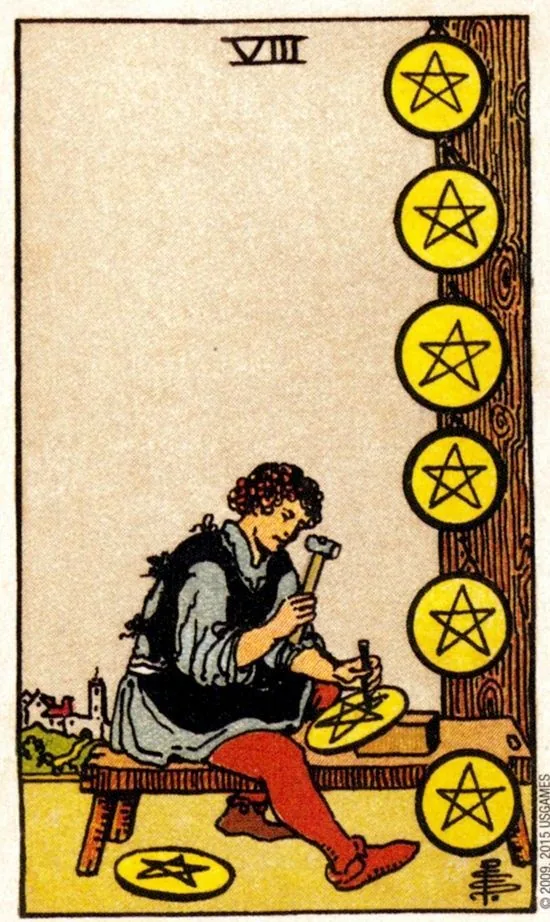
What makes Smith-Waite Tarot useful is how quickly the scenes speak. The Fool stands at the edge. The 5 of Cups grieves over spilled cups while two remain behind. The 8 of Pentacles repeats careful work at the bench. These are not only keywords; they are tiny visual stories.
That makes the deck especially friendly for beginners and teachers. Instead of memorizing meanings in a vacuum, you can read posture, weather, objects, direction, and color. Pamela Colman Smith built those clues into the artwork, which is why this system became such a shared tarot language.

Card study
The Fool: the clear beginning before certainty
The Fool is simple but alive: a traveler, a small dog, a flower, a bundle, and a cliff edge. The card shows trust, risk, freedom, and the strange bravery of starting before every detail is known.
In a reading, it asks where curiosity is stronger than fear. The image is easy to explain, but it still leaves room for the reader to decide whether the cliff is warning, invitation, or both.
Classic RWS roots without feeling dusty
Some classic decks can feel stiff, but Smith-Waite still feels usable because the scenes are clean. Modern decks often add more drama, lighting, bodies, and fantasy detail. Those can be beautiful, but Smith-Waite shows the root pattern underneath the newer versions.
If you read a modern Queen of Wands, Smith-Waite helps you remember the original symbolic pieces: sunflower, black cat, throne, warmth, confidence, and quiet command. If you read the 6 of Swords in a newer deck, Smith-Waite reminds you of the quiet boat, the carried swords, and the feeling of moving forward with baggage still present.
Beginning, tools, vision, and movement
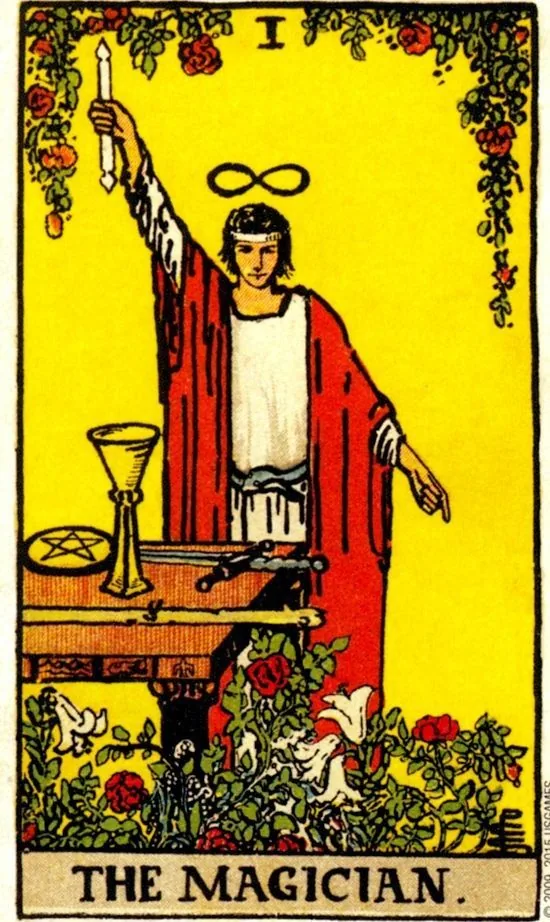
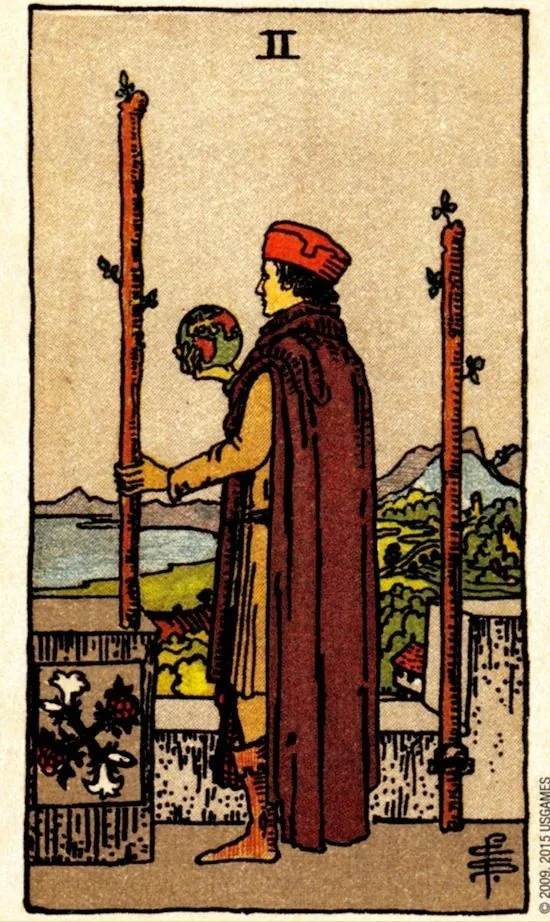
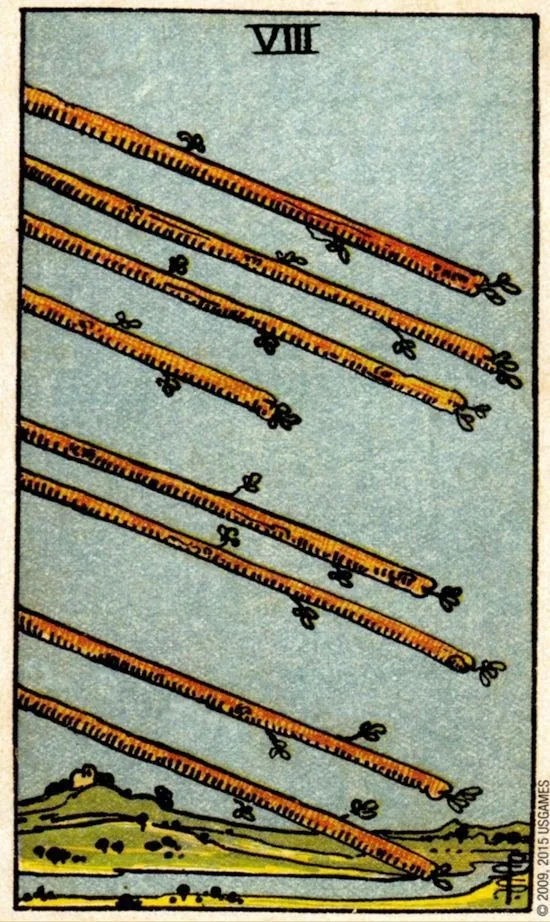
This moment reads like a project waking up: begin, gather your tools, choose a direction, then let momentum carry the message forward.
Emotional clarity in the minor arcana
The illustrated minors are where Pamela Colman Smith’s contribution becomes impossible to ignore. A plain suit card can give a number and an element. These scenes give a human moment. The Cups especially show grief, memory, choice, disappointment, and satisfaction in ways that young readers can understand quickly.
That emotional plainness is a gift. The deck does not need to be trendy to be kind. It shows loss, waiting, boredom, fear, effort, success, and hope with enough detail to guide a reading without overwhelming it.
Emotional study
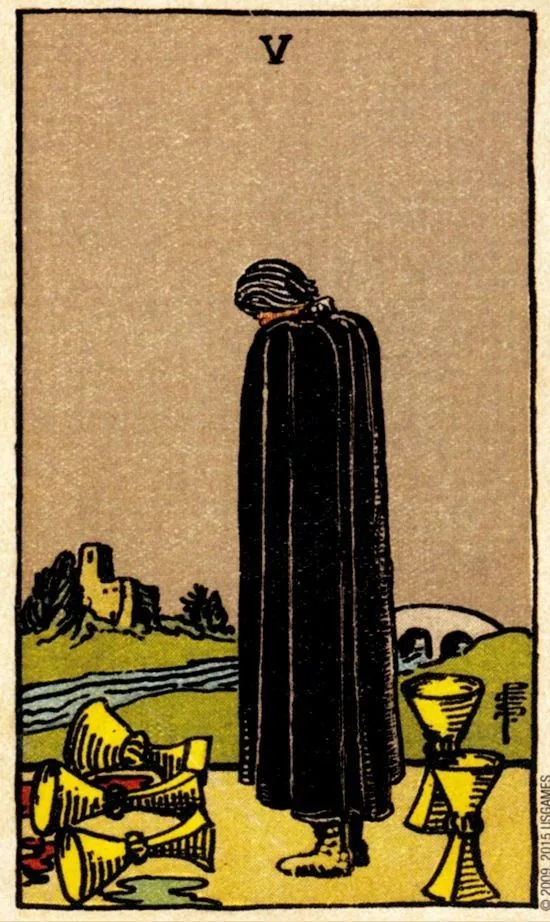
5 of Cups: grief with something still standing
The 5 of Cups is one of the clearest teaching cards in tarot. The figure faces the spilled cups while two cups remain behind. A bridge and building wait in the distance, but the person cannot see the route yet.
I read this as grief, regret, and emotional tunnel vision. The card does not scold sadness. It simply says that loss is real, and something may still be available when the heart is ready to turn.
What Remains After the First Wave of Grief
The 5 of Cups asks for an honest pause before the reading widens. I name the disappointment without letting it fill the whole horizon, then look toward what is still standing and what the next cards suggest can be carried forward.
Grief, memory, leaving, and a healthier wish
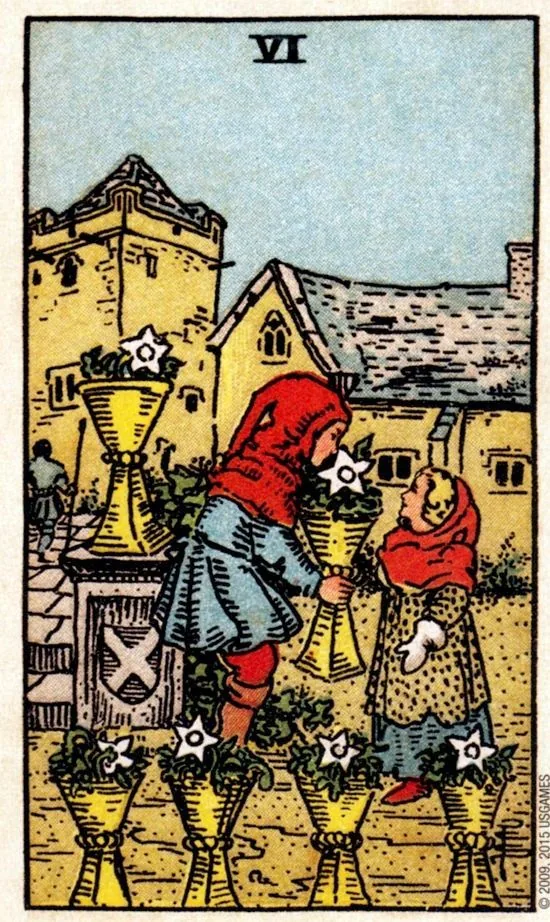
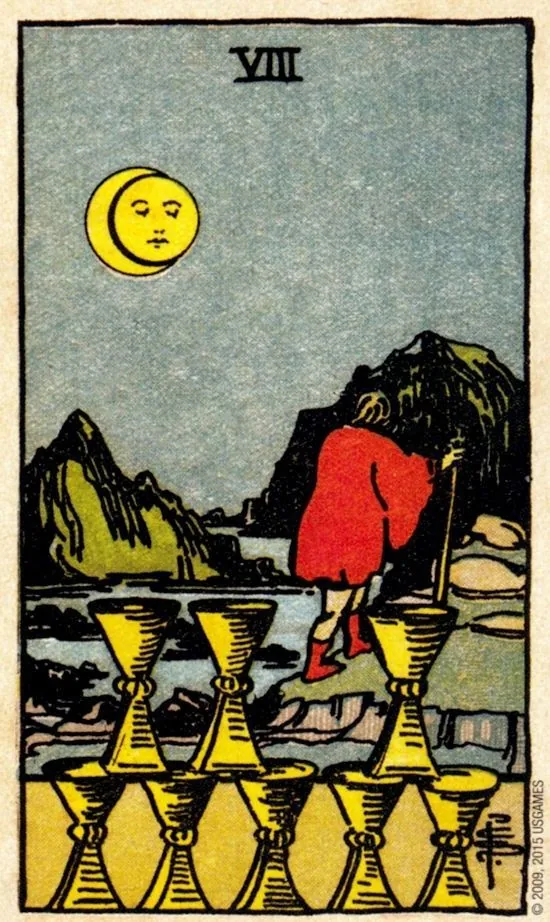
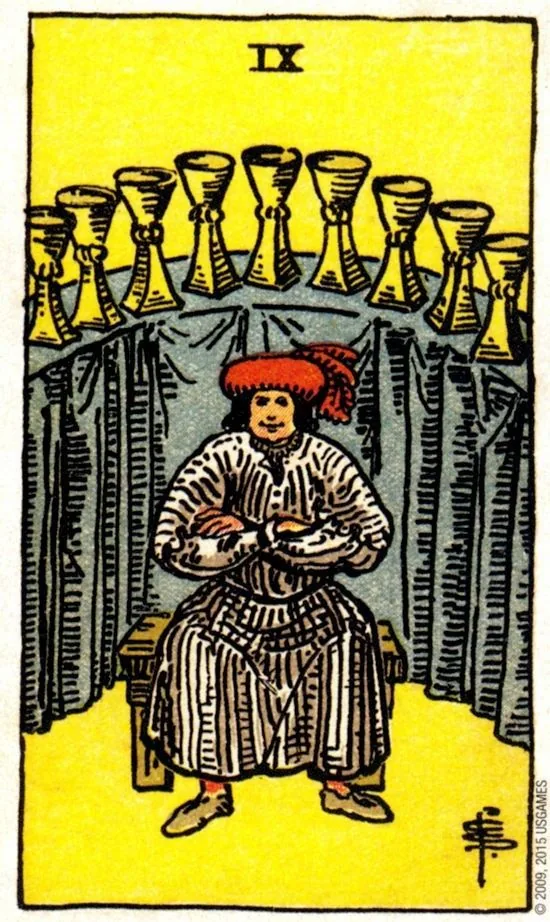
This small Cups story is easy to follow: feel the loss, remember what was sweet, walk away from what is empty, and let a truer wish return.
Practical readings and study work
Smith-Waite Tarot is also strong for practical questions because the suit stories are so grounded. Wands move through pressure, effort, and confidence. Swords show mental conflict and boundaries. Pentacles show money, work, craft, and long-term security.
For tarot study, I would read the image before checking a guidebook. Ask what the person is doing, where the attention goes, and what object carries the message. That simple habit makes the deck feel less like a list of keywords and more like a living visual language.
Practice study
8 of Pentacles: repetition that becomes skill
The 8 of Pentacles is a beautiful study card because it makes discipline visible. A person repeats the craft carefully, one piece at a time. The town is behind them, but the lesson is right in front of them.
In daily readings, this points to school, work, art, tarot practice, budgeting, training, and any goal that grows through focused repetition. The advice is simple: do the next careful piece.
When Practice Begins to Feel Like Trust
After the 8 of Pentacles, I let the question move from repetition into discernment. Skill grows through steady hands, but wisdom also knows which boundary, conversation, or next step deserves that careful effort.
Boundaries, conflict, distance, and clean truth
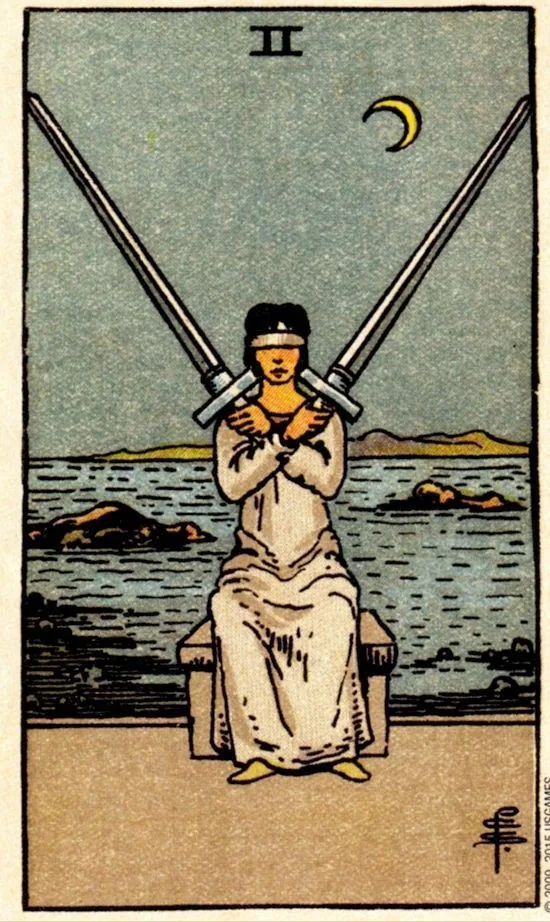
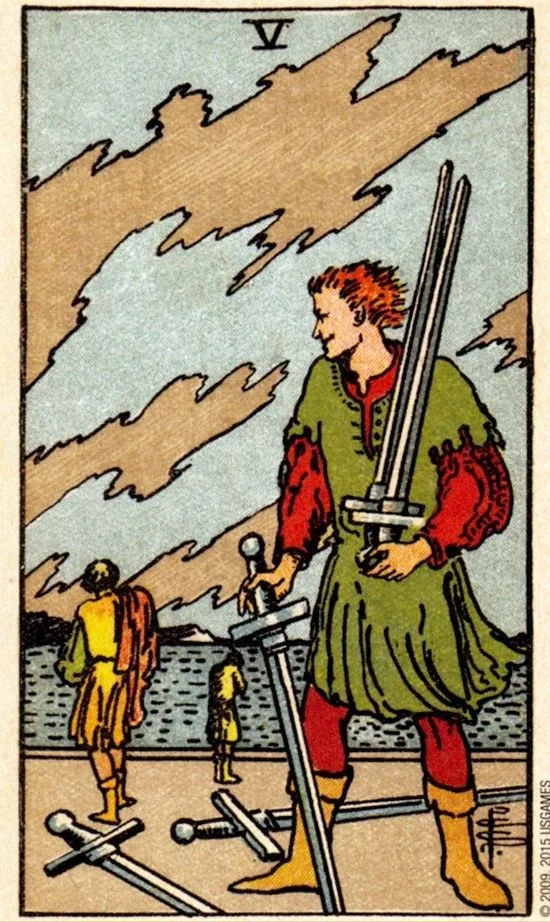
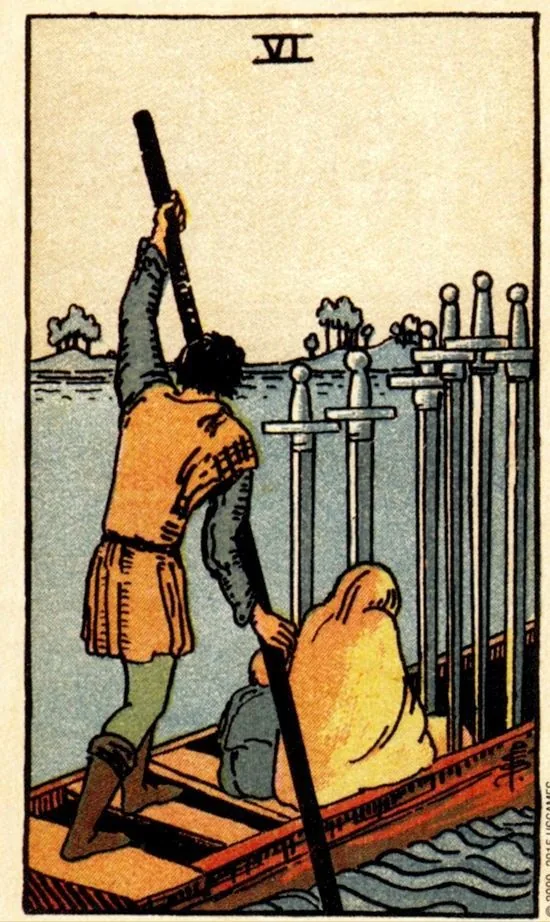
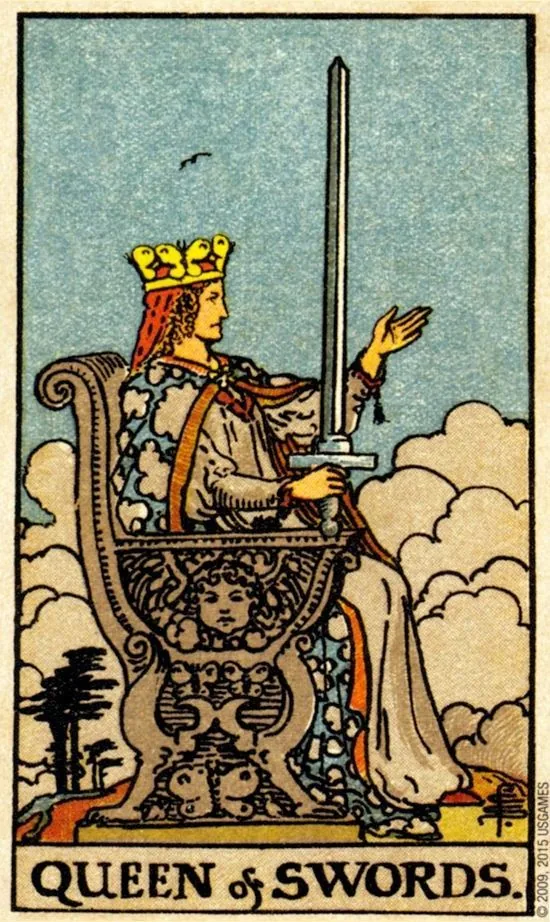
This moment is about choosing calm before conflict grows. Pause, notice the cost of winning, move toward quieter water, then speak from clean truth.
Who will love Smith-Waite Tarot?
- Beginners learning the Rider-Waite-Smith system from books, videos, or classes.
- Readers who want Pamela Colman Smith’s visual storytelling in a classic, study-friendly form.
- Teachers and study groups that need a shared tarot image language.
- Collectors who like the Centennial Edition tin format and historic feel.
- Modern deck fans who want to understand the roots behind many RWS-inspired decks.
Opportunity, teamwork, craft, and long-term stability
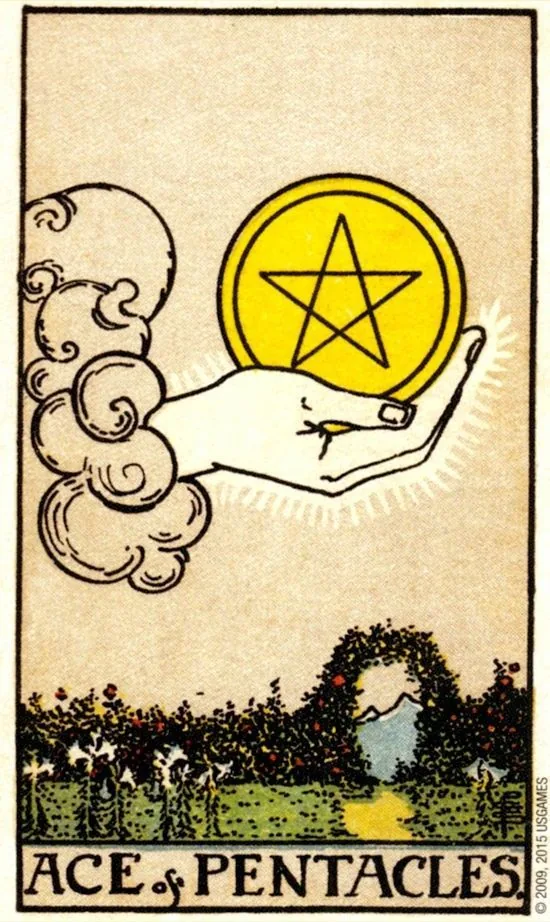
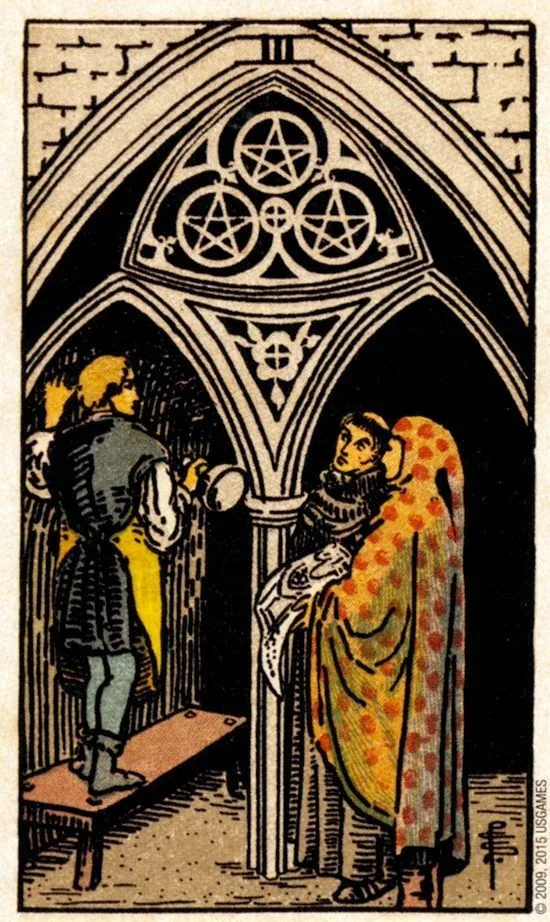
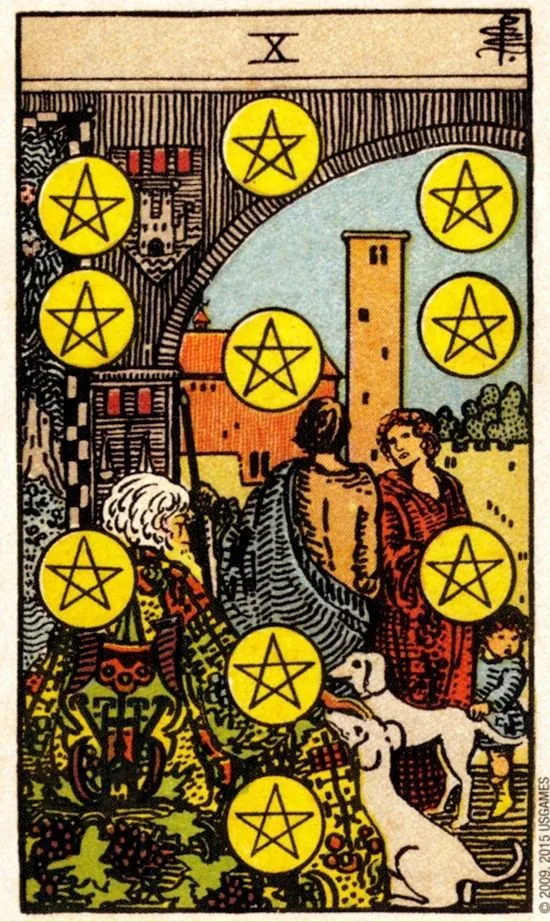
This grounded moment moves from a new chance to collaboration, practice, and lasting security. It is practical, steady, and reassuring.
Pros and Cons
| Pros | Cons |
|---|---|
| Clear classic scenes make the deck excellent for learning and teaching tarot. | The style can feel old-fashioned if you want highly modern representation or fantasy art. |
| Pamela Colman Smith’s visual storytelling makes many meanings easy to remember. | The current TarotFans gallery is an honest 72-card partial set, not a complete 78-card gallery. |
| Great foundation for understanding many modern RWS-inspired decks. | Readers who want a totally new system may find it too familiar. |
| The Centennial Edition tin has a charming collector feel. | Some card colors and details are softer than glossy contemporary decks. |
Final Thoughts
Smith-Waite Tarot remains useful because it works. Its scenes are memorable, its symbols are clear, and its classic look leaves room for intuition. It may not have the flash of a modern fantasy deck, but it has a visual grammar that thousands of readers can share.
If you are new to tarot, this deck can help you build a strong foundation. If you already love modern RWS-inspired decks, it can show you the roots behind their choices. And if you care about tarot history, it is a warm reminder that Pamela Colman Smith’s art still speaks with quiet power.

Smith-Waite Tarot FAQ
Is Smith-Waite Tarot good for beginners?
Yes. It is one of the best beginner-friendly tarot foundations because the scenes are clear and match the Rider-Waite-Smith system used by many books, courses, and teachers.
Why is Pamela Colman Smith important to this deck?
Pamela Colman Smith created the artwork that made the deck so readable, especially the illustrated minor arcana. Her images turned tarot meanings into memorable scenes that readers still use today.
Does the TarotFans Gallery show every card?
No. This is a verified partial Gallery. Missing cards remain unclaimed rather than being guessed or presented as a complete deck.
How is Smith-Waite different from modern RWS-inspired decks?
Modern RWS-inspired decks often add new settings, identities, and moods. Smith-Waite stays close to the classic symbolic scenes, so it is excellent for learning the root visual language.
Does Smith-Waite Tarot feel outdated?
It can look old-fashioned compared with glossy modern decks, but the simple linework and soft colors make the symbolism easy to read, which is exactly why the deck still works.
Who should choose a different deck?
Choose a different deck if you strongly prefer modern representation, borderless fantasy art, or a very specific spiritual theme. Choose Smith-Waite if you want a clear classic foundation for tarot study.