Explore the New Wave Tarot Cards
Browse the 71 highest-resolution, exact-edition card images recovered for Amanda Lee Stilwell’s Version 2 deck. Seven identities remain unavailable from the exhausted verified sources, so this Gallery does not pretend that unseen cards are present.
Showing all 71 recovered cards.
Verified source gap: The Lovers, The Devil, Ten and Page of Wands, Two of Cups, and Two and Eight of Swords are not shown because no defensible exact-edition isolated images were recovered.

Aurica’s Quick Take
This deck feels like opening a black record sleeve and finding a private signal inside. The rose, thin white lines and monochrome portraits create a cool first impression, yet the human expressions keep the reading close to the heart.
I begin with the traditional meaning, then watch the photograph. Who faces the next card? Where does the white frame feel open, and where does it seem to close around someone? Those small details show whether a reading is moving toward honesty or hiding inside a stylish pose.
I would choose The New Wave Tarot for creative questions, relationship patterns and moments when you need to separate your real feeling from the image you have learned to perform.
The New Wave Tarot V2 at a glance
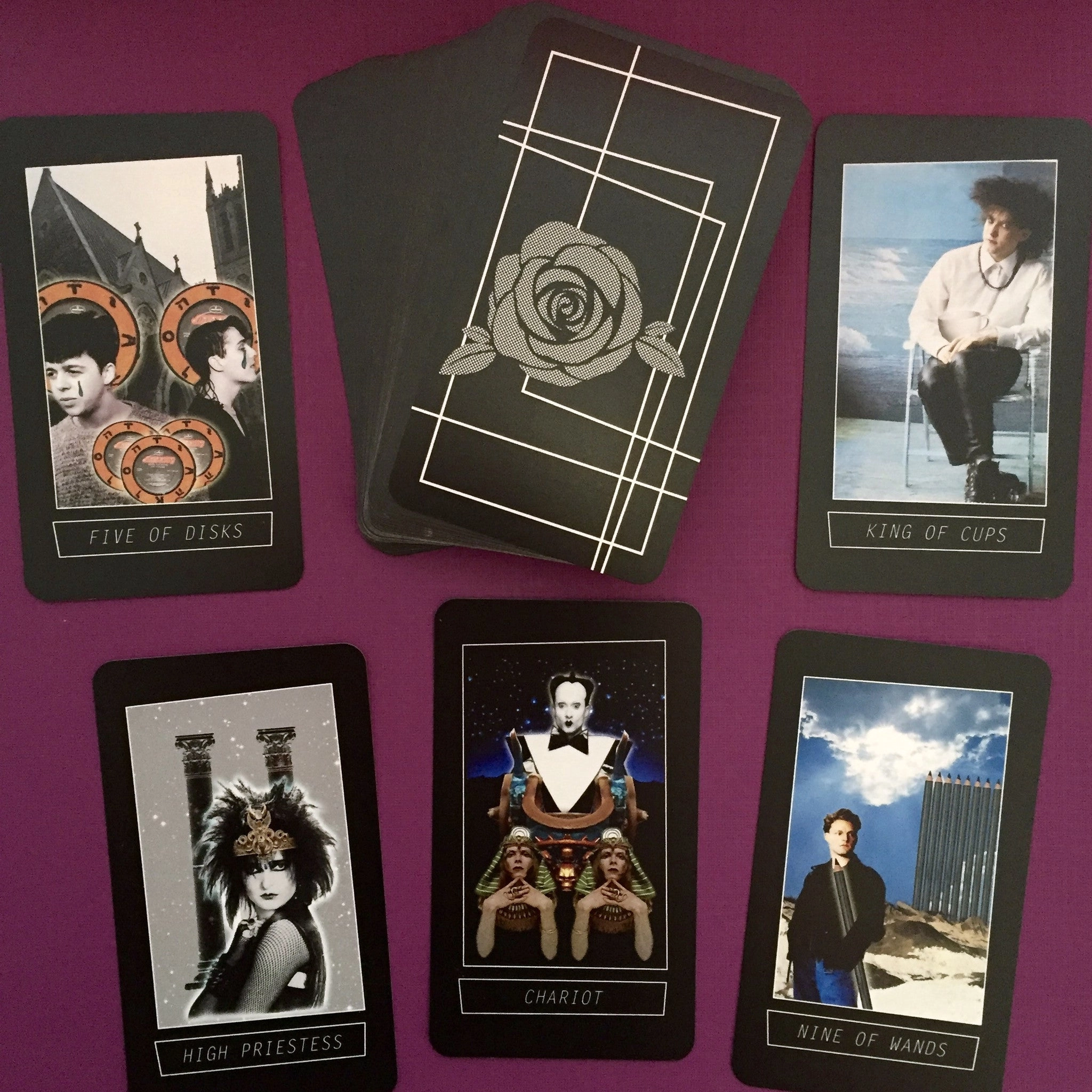
Amanda Lee Stilwell created this 78-card, self-published tarot as a digital-collage tribute to late-1970s and 1980s new wave and post-punk music. Version 2 pairs familiar tarot structure with musicians, stage imagery and visual references that carry the emotional temperature of each card.
- Creator and artistAmanda Lee Stilwell
- Full deck78 cards
- Minor suitsWands, Cups, Swords, Disks
- EditionVersion 2 / final printing
The official final printing is sold out and the shop is no longer publicly open. Etsy buttons therefore run an exact-name marketplace search rather than claiming that a specific live listing is the correct edition. Compare any seller photos with the black rose-and-geometric V2 box and card back shown here.
What makes this music-themed tarot work?
The clever part is not simply recognising a musician. Each portrait, lyric-like title and collage choice is placed inside a traditional tarot role. The image gives the card a voice, while the spread decides whether that voice is sincere, defensive, seductive or ready to change.
Version 2 uses a broad black border, a thin white frame and a separate title panel. Across a spread, those frames look like album sleeves laid side by side. They make direction, gaze and repeated shapes easy to compare without sanding away the deck’s sharp character.

The High Priestess: silence with a pulse
The central portrait meets us through contrast: black hair, pale skin and a frame that feels almost like a backstage doorway. The image is controlled, but not empty.
Traditionally, the High Priestess asks for inward listening. Here, she can show knowledge that is being protected until the moment is right. Beside Wands, slow the impulse to act. Beside Cups, notice the feeling that has not yet found words.
Her shadow is performance mistaken for intuition. If the surrounding cards are tense, ask whether mystery is genuine or simply a way to avoid an answer.
How the artwork changes a reading
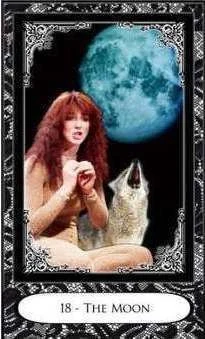
The monochrome collage gives small bursts of colour unusual weight. A bright sky, a red accent or a white face can become the visual hinge of a whole spread. Read those details alongside the card’s established meaning rather than replacing it.
You do not need encyclopedic music knowledge. Start with posture, distance, gaze and atmosphere. If two figures turn away from one another, the reading may be showing disconnection. If a clean white line cuts through a crowded scene, it may be the boundary the question needs.
Signal, rupture and the way forward
These cards move from intention through disruption into hope and uncertain reflection.

Reading the suits
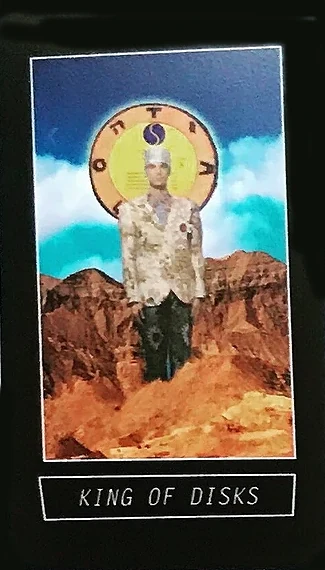
Wands carry desire, courage and creative momentum. Cups show emotion, attachment and memory. Swords sharpen words, conflict and thought. Disks return the reading to the body, work, money and what can be sustained.
For a simple four-card spread, ask for the mood, the signal, the tension and the next beat. Look at the four images as one sequence before reaching for a reference. The deck is especially clear when you let neighbouring cards decide whether a dramatic pose is strength, fear or self-protection.
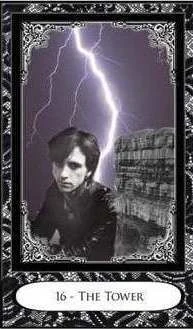
The Tower: the lightning has already arrived
The bright strike divides a dark photographic world. It feels sudden, yet the composition suggests a pressure that has been building outside the frame.
Upright, the Tower removes a structure that can no longer carry the truth. In shadow, it can show someone trying to preserve the image of stability after stability has already gone.
Beside the Star, rupture clears space for renewal. Beside a Disks card, the practical question is immediate: what support, money or routine needs attention first?
Is it beginner-friendly?
The deck follows a complete tarot structure, so a beginner can learn with it. Its music references add another layer rather than a replacement system. The main challenge is that some minors speak through portrait and atmosphere instead of familiar scenic symbolism.
Easy
What mood is shaping today, and what action would meet it kindly?
Medium
What am I showing the world, and what feeling lives underneath?
Deep
Which old rhythm still directs my choices, and what becomes possible when it stops?
A four-card reading for love without the static
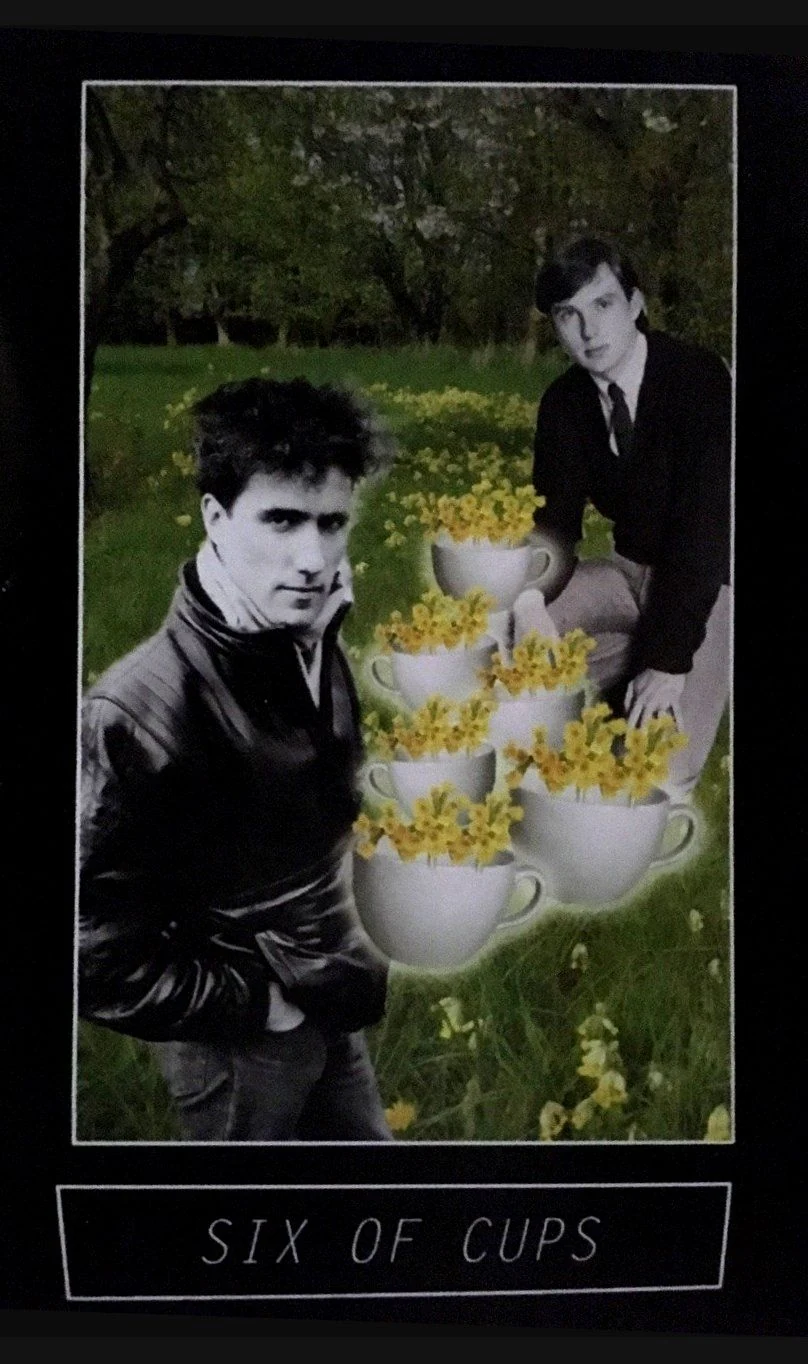
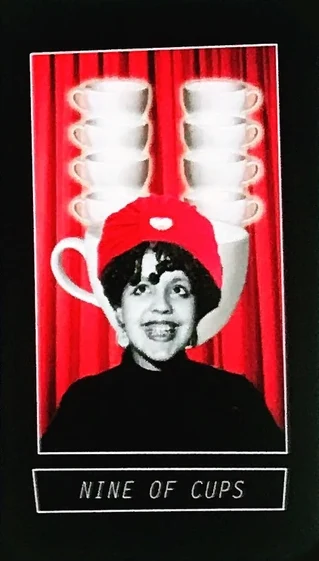
Read this sequence as memory, wish, the painful sentence and the warmth still available.

Relationships, work and creative questions
In relationship readings, The New Wave Tarot is good at revealing chemistry and performance in the same breath. Compare the expressions with the traditional meanings. A glamorous image may still describe distance, while a severe portrait may carry loyalty and relief.
For work and creative questions, Wands and Swords speak quickly: the idea, the pitch, the conflict and the rush. Disks asks the useful follow-up—what can be funded, scheduled and finished after the excitement fades?
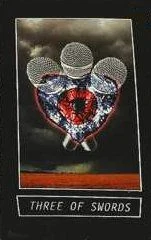
Three of Swords: the line that cannot stay muted
The image holds hurt inside a disciplined black frame. That restraint makes the emotional cut feel clearer rather than louder.
Upright, the card is painful recognition: the honest sentence that ends the blur. In shadow, it can become rehearsed pain, where an old line is repeated until it begins to sound like identity.
Near the Sun, clarity can be freeing. Near the Moon, verify the facts before believing the darkest version of the story.
Who will connect with this deck?
It suits readers who love collage, post-punk and new wave history, monochrome photography and decks with a strong visual point of view. It is particularly good for journaling, identity, creative blocks and questions about the distance between appearance and feeling.
It may be less comfortable for readers who want scenic Rider–Waite–Smith symbolism on every minor card. Before buying a second-hand copy, look beyond the famous Majors. If the quieter Cups and Disks still give you something to notice, the deck is likely to remain useful.
Pros & Cons
| Pros | Considerations |
|---|---|
|
|
Turn up the idea, then ground the answer
This final sequence moves from spark to speed, mental overload and steady embodiment.


Buying and edition guidance
This review covers Amanda Lee Stilwell’s Version 2: the black tuck box and card backs use a white halftone rose with intersecting geometric lines, and the minors are Wands, Cups, Swords and Disks. Version 2 replaced the first edition’s black-lace back and revised several card artworks.
The creator described the later stock as the final printing, and the original shop now redirects to a closed storefront. Treat marketplace copies as second-hand finds. Compare the seller’s photographs with the exact V2 box, back and border treatment shown here before ordering.
Final thoughts
The New Wave Tarot does more than dress traditional meanings in 1980s style. It uses the tension between pose and feeling as part of the reading.
Notice the musician or reference if you know it, but do not stop there. Return to the card’s traditional role, then look at the cards beside it. Used that way, the deck becomes less like a trivia game and more like a record that reveals a different line each time you listen.

The New Wave Tarot FAQ
Who created The New Wave Tarot V2?
Amanda Lee Stilwell created and illustrated the deck through digital collage under her LastCraft Designs studio.
How many cards are in the complete deck?
The physical deck has 78 cards: 22 Major Arcana and 56 minors arranged as Wands, Cups, Swords and Disks.
Why does this Gallery show 71 cards?
Seventy-one exact-edition isolated images were recovered at defensible resolutions. Seven card identities remained unavailable, so the Gallery states the gap instead of substituting another edition.
Is Version 2 different from the first edition?
Yes. Version 2 revised several artworks and replaced the first edition’s black-lace back with the white rose-and-geometric design shown in the product photographs.
Is this deck still in print?
The creator’s archived listing described its later stock as the final printing, and the original shop is no longer publicly open. Exact copies now need careful second-hand verification.
Is this Chris Leech’s similarly named deck?
No. Chris Leech’s deck uses a different grey product design and Fire, Water, Air and Earth suits. This review covers Amanda Lee Stilwell’s black rose Version 2 deck.