Margarete Petersen Tarot Card Gallery
Explore the verified card fronts in official sequence. Choose a group below, then select any card for a larger carousel view.
Aurica’s Quick Take
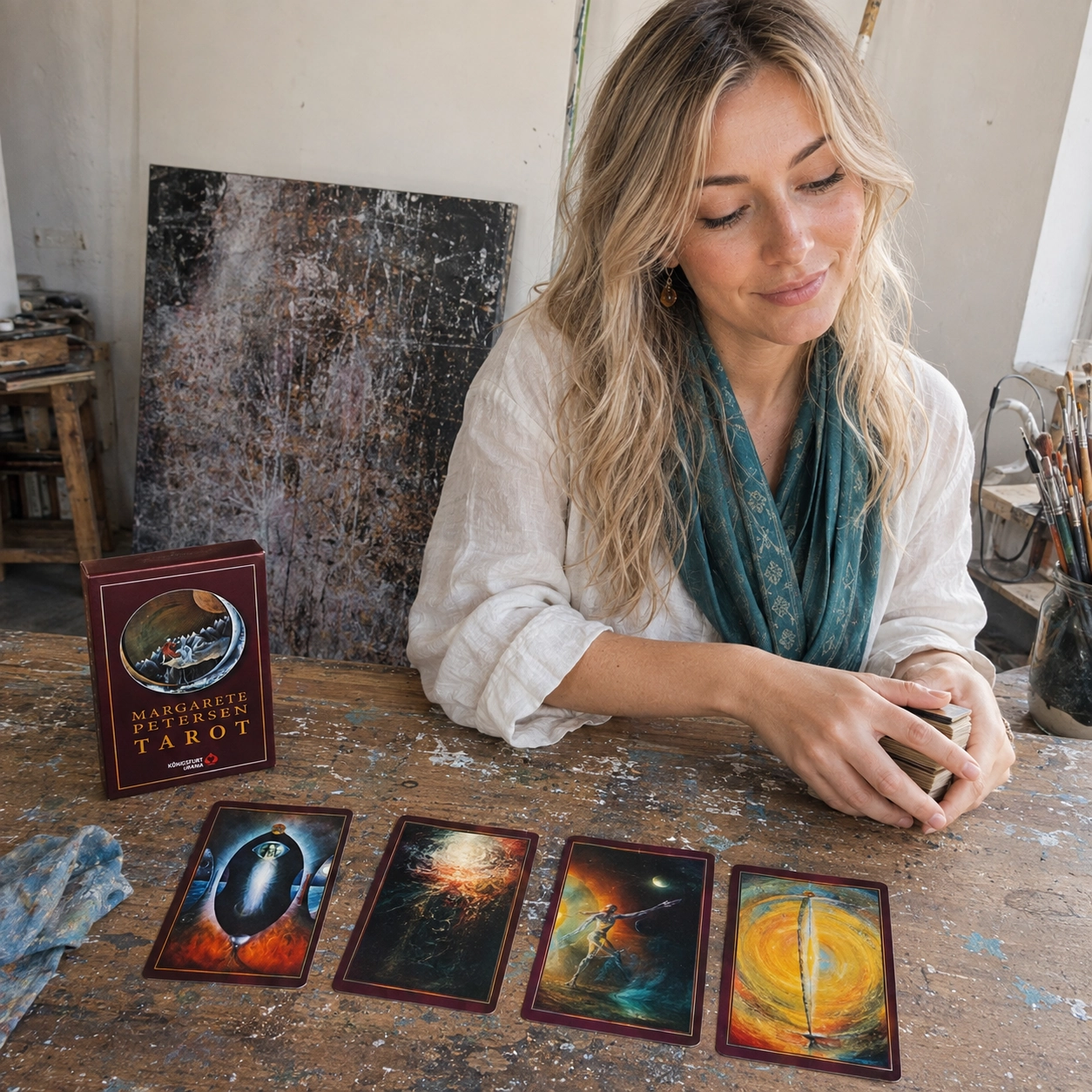
Margarete Petersen Tarot feels less like a set of illustrated definitions and more like entering a private mythology. Its figures emerge from smoke, water, fire, animals, and fields of color. I would choose it for reflective readings, creative work, shadow questions, and moments when a literal answer would be less useful than an honest image.
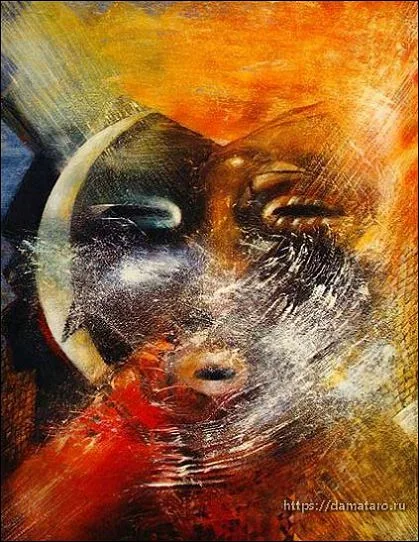
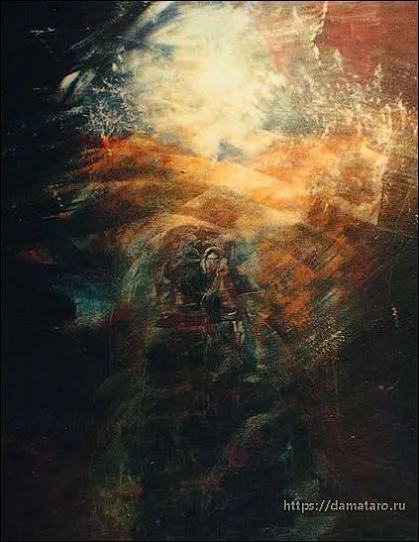
I love the moment when one bright shape seems to swim out of the paint before the rest of the card has fully introduced itself. The High Priestess glows like a doorway between worlds, while The Crone asks me to stay with the darker ground and listen for the wisdom that does not need to perform. I begin with that first pull of colour or movement, then test it against the card’s traditional place and the question in front of me.
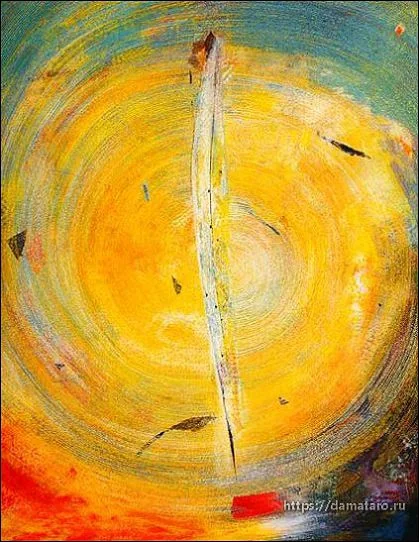
The renamed majors make the deck feel especially alive in a spread. The Border Crosser is not simply a calm pause; she feels poised on the living edge of change. Renewal turns Judgement’s call into a bright spiral of becoming. When these cards appear together, I look for what is dissolving, what is gathering courage, and which part of the story is ready to move.
The elemental minors reward the same patient gaze. Rather than forcing a quick keyword onto them, I notice heat, direction, texture and the relationship between neighbouring cards. Give this deck a little quiet, and its painted world can help you meet change with imagination, tenderness and a brave new sense of possibility.
Margarete Petersen Tarot review: dream, instinct, and elemental color
This anniversary edition contains 78 cards and an extensive bilingual booklet. The artist developed the deck over 21 years, and that long gestation shows: the imagery has a coherent inner weather rather than a borrowed decorative theme.

Card study
The Border Crosser: transformation at the threshold
This renamed archetype occupies Temperance’s place in the sequence, but its title changes the emphasis. Rather than asking only for moderation, it asks what must be carried across a boundary and what cannot come with you.
In a reading, its useful expression is adaptation: combining what belongs together while accepting that transition changes both ingredients. Its shadow is permanent limbo—remaining between identities because choosing a new form feels too final.
What makes this deck feel so different?
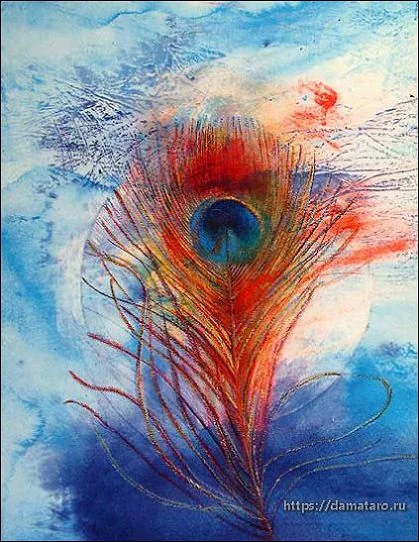
The deck’s visual language is elemental and bodily. Flames are not neat suit emblems; they feel alive. Feathers create movement, thought, and breath. Cups hold emotional states, while Coins feel rooted in material cycles and the living earth. Human forms often seem to be forming, dissolving, or merging with their environment.
That makes the deck especially responsive to questions about identity, creativity, grief, desire, and spiritual change. Start with the dominant color and movement. Then notice where the image feels open, compressed, warm, cold, protected, or exposed.
Four-card moment
The majors rewrite the journey in a feminine, lived voice
These renamed and reimagined archetypes turn the Major Arcana into a journey through embodiment, age, transition, and renewal.
How Margarete Petersen Tarot reads in practice
This is an image-led deck, but it is not structureless. The Major Arcana keeps a recognizable tarot sequence while renaming several archetypes; the minors become Flames, Cups, Feathers, and Coins. Courts are Daughter, Son, Mother, and Father. Keeping that map nearby gives intuition something solid to push against.
For a daily pull, name three things before interpreting: the card’s temperature, its direction of movement, and the part of the image that feels most alive. Those observations often reveal how the traditional meaning is behaving today.
Beginner friendliness
A complete beginner can learn with this deck, but it is better for someone who enjoys symbolism and is willing to use the booklet. Readers seeking close Rider–Waite–Smith scene matching may find it demanding. Readers who learn through color, atmosphere, and recurring motifs may find it unusually memorable.
Easy prompt: What quality wants my attention today? Medium prompt: What pattern is changing shape? Hard prompt: Which identity has already ended even though I still perform it?
Card study
The Crone: wisdom without performance
The Crone replaces the Hermit’s familiar title and shifts solitude away from withdrawal toward seasoned perception. She suggests knowledge earned through cycles, losses, observation, and the refusal to hurry an answer.
Upright, she can be the authority of lived experience and a necessary quiet. In shadow, she can become isolation or the belief that nobody else could understand. Ask whether solitude is feeding wisdom—or protecting an old wound from contact.
Art style and deck personality
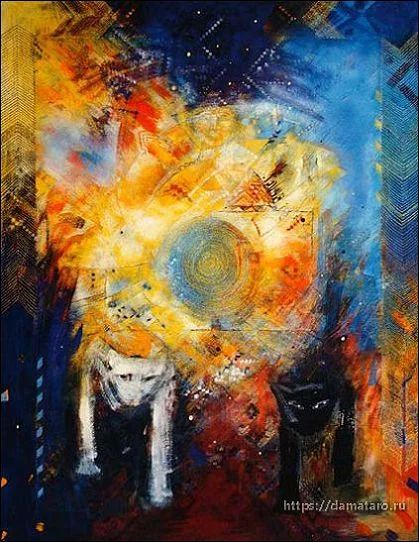
The paintings move between abstraction and recognizable figures. Edges dissolve. Bodies become landscapes. Rich reds, earthen golds, oceanic blues, and smoky neutrals create a deck that can feel ancient and immediate at once.
The personality is serious without being severe, mystical without becoming ornamental, and deeply expressive without spelling everything out. It rewards slow looking.
Four-card moment
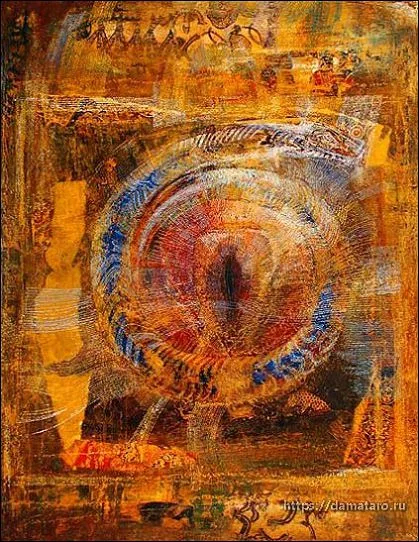
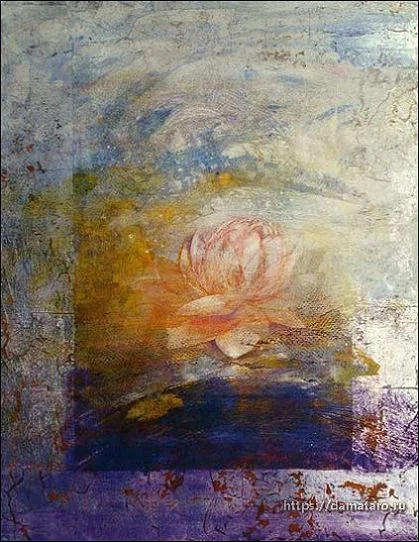
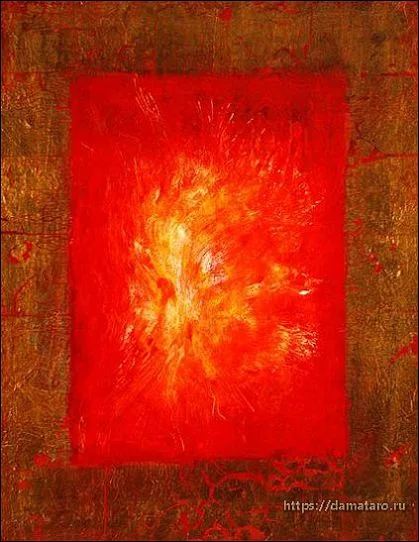
Four elements, four ways energy moves
One Ace from each suit shows how clearly the deck distinguishes ignition, feeling, thought, and embodiment.
Who will love this deck?
It is a strong match for intuitive readers, artists, journalers, therapists and coaches who use tarot reflectively, and collectors drawn to visionary painting. It also suits readers who want a deck created from one artist’s sustained spiritual and creative practice.
Skip it if you need crisp scenic narratives on every minor card, instant keyword readability, or a light and playful tone. This deck asks for participation.
What Orica likes most
I like that the deck does not confuse mystery with vagueness. Its images are open, but they have weight. A color field, animal, face, or elemental motion gives you a real place to begin.
I also appreciate the renamed archetypes. The Chariotess, The Crone, The Border Crosser, and Renewal do not merely modernize labels; they change the question each card asks.
Card study
Renewal: answering the call with your whole life
Renewal takes Judgement’s place and removes some of the courtroom weight from the archetype. The emphasis becomes regeneration: recognizing what is ready to live again in a changed form.
In practice, it can mark forgiveness, re-entry, recovered purpose, or a second attempt made with greater consciousness. Its shadow is trying to revive what should remain complete. Ask whether the returning energy has actually transformed.
What to know before buying
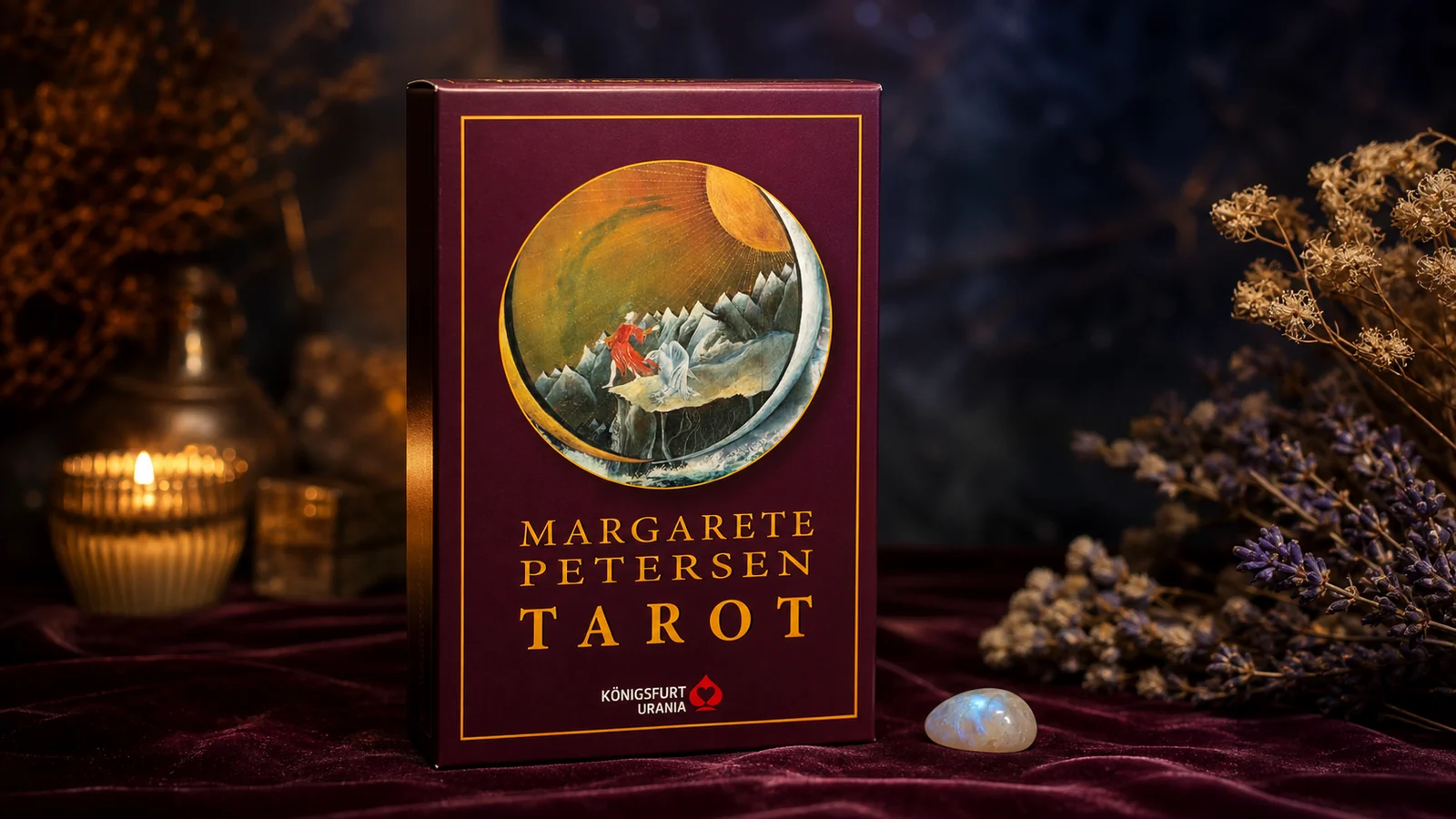
The anniversary edition includes 78 cards and an approximately 88-page bilingual German and English booklet. Because the imagery is nonliteral, the guidebook matters more than it would with a conventional clone deck.
The official publisher shop is the clearest product reference for the current edition. Check language, dimensions, and delivery region before ordering.
Four-card moment
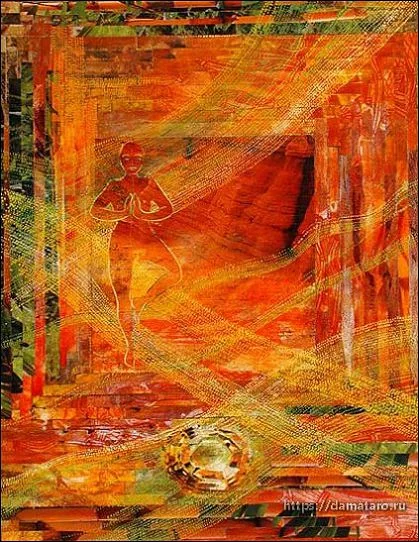
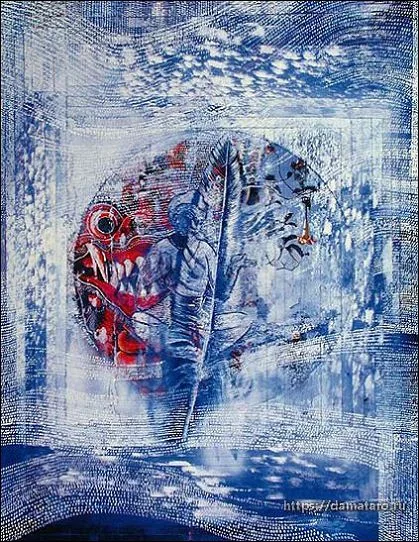
A court family built around growth rather than rank
Daughter, Son, Mother, and Father make the courts feel like evolving relationships to an element instead of a rigid social hierarchy.

Orica’s golden rule for reading with Margarete Petersen Tarot
Describe the transformation before naming the meaning. Notice what is emerging, dissolving, crossing, burning, floating, or taking root. The action inside the image will usually tell you how the archetype is moving through the reading.
Final Thoughts
Margarete Petersen Tarot is a mature, visionary deck that trusts the reader’s imagination while preserving a dependable tarot skeleton. It is not designed for speed. It is designed for relationship.
If the gallery makes you want to return to the same card and see something different tomorrow, that is the best reason to consider this deck.
Margarete Petersen Tarot FAQ
Is Margarete Petersen Tarot beginner-friendly?
Yes for visually intuitive beginners who are willing to use the booklet. Readers who need close Rider–Waite–Smith scene matching may prefer it as a second deck.
How many cards are in the current edition?
The anniversary edition contains 78 tarot cards and an approximately 88-page bilingual German and English booklet.
What are the suits called?
The four suits are Flames, Cups, Feathers, and Coins. The court ranks are Daughter, Son, Mother, and Father.
Does the deck follow traditional tarot structure?
It keeps a recognizable 78-card tarot structure but renames and reinterprets several archetypes, making the supplied guidebook especially useful.
Where can I buy Margarete Petersen Tarot?
The current anniversary edition is listed by publisher Königsfurt-Urania. Check the product page for language and delivery details.