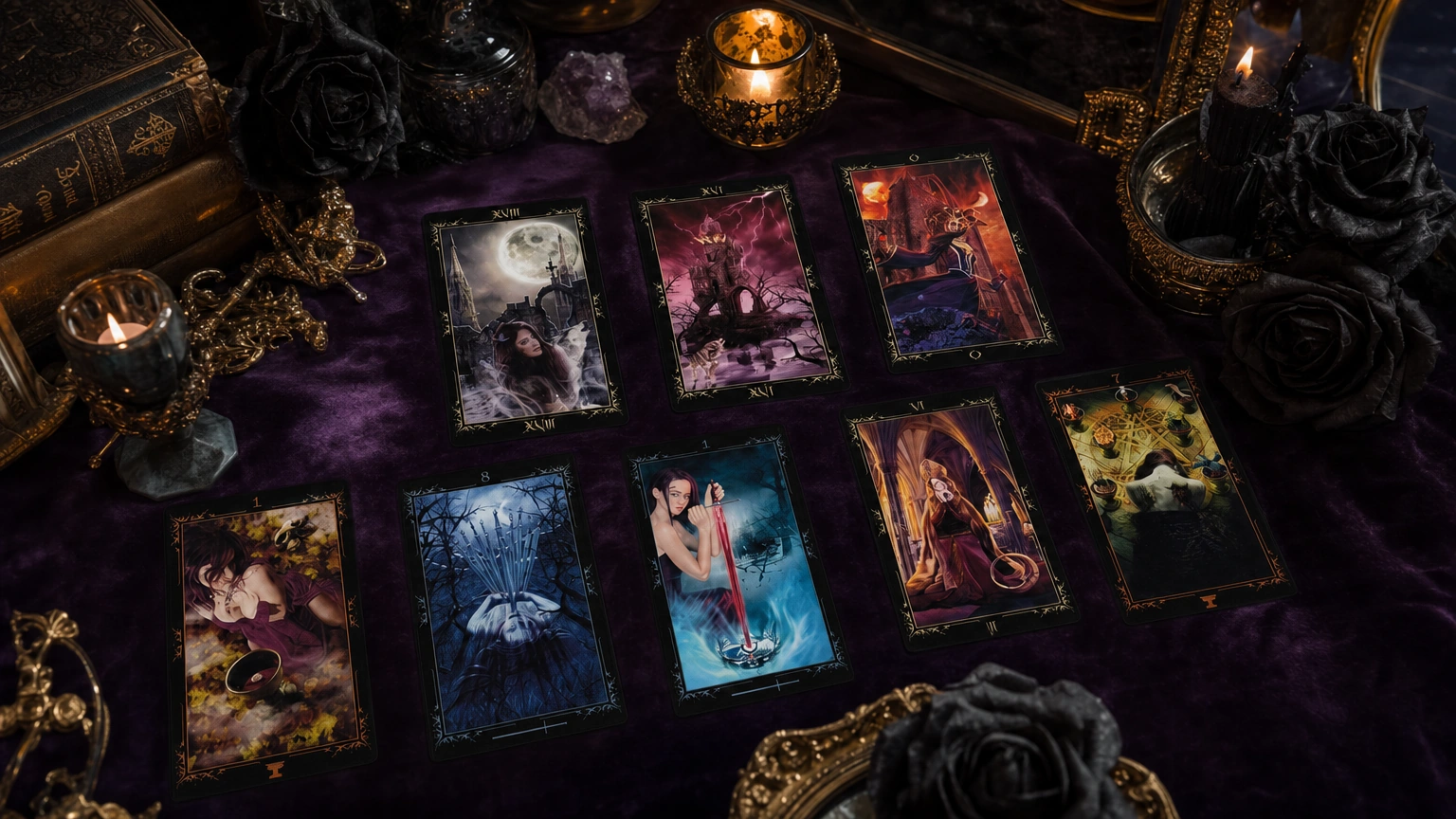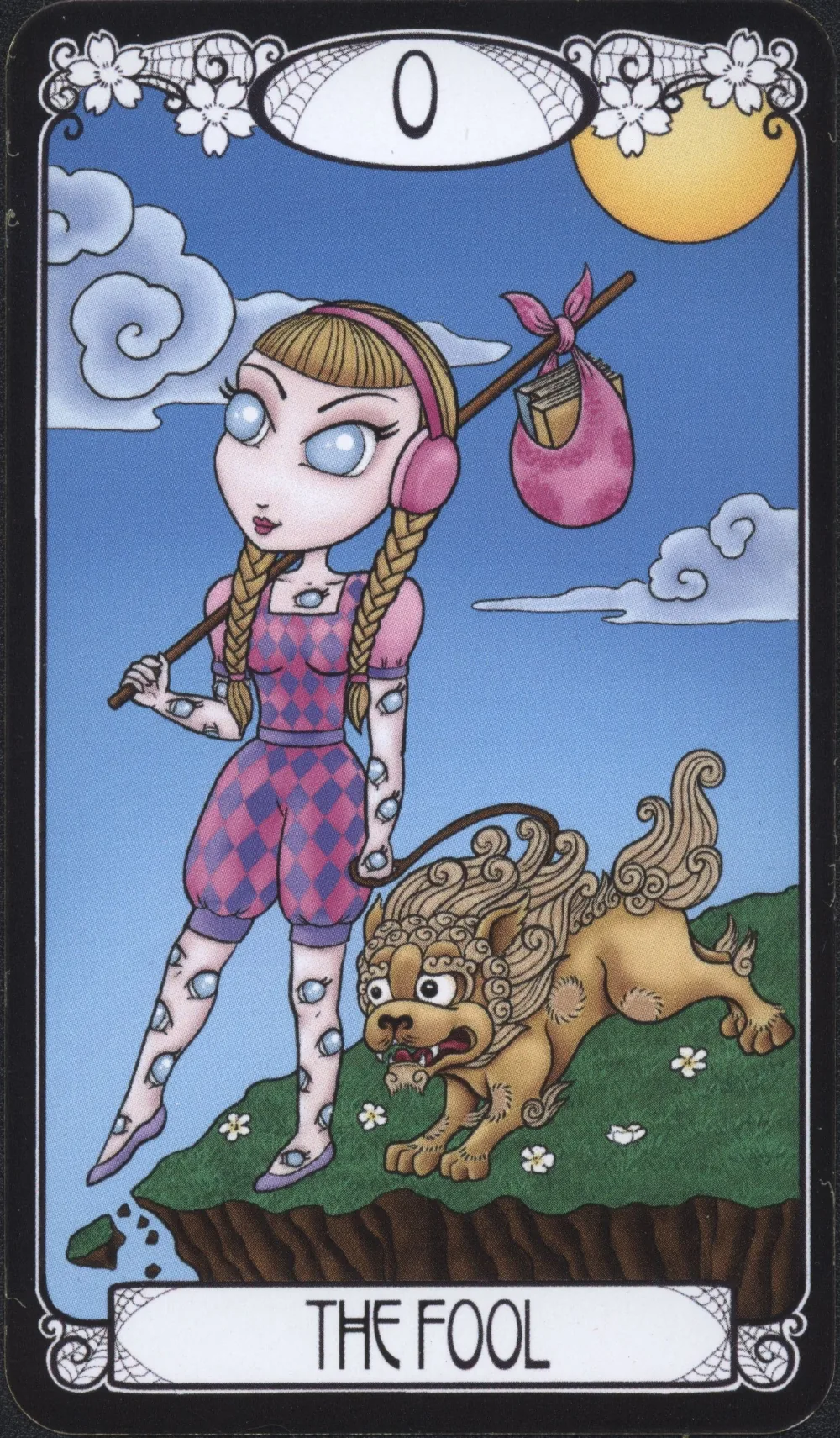
John Bauer Tarot Card Gallery
This is a verified partial Gallery; unavailable card fronts are not substituted. Choose an official tarot family below, then select any card to open its larger Lightbox view.

A note from Aurica
John Bauer Tarot feels like opening a storybook in a quiet room and finding the forest still breathing between its pages. I notice the hush first: moonlit clearings, watchful figures, old trees, and small gestures that seem to carry a whole tale. The images do not hurry to explain themselves, so I let my eye settle on the detail that feels most alive before I reach for a familiar tarot meaning.
That slower rhythm is where this deck becomes wonderfully expressive. The Fool brings a tender sense of beginning rather than a loud leap; The Lovers gathers intimacy and choice into one close, wintry scene; and The Moon turns uncertainty into a lonely path beneath a thin crescent. In a reading, I ask what story each figure appears to be entering, avoiding, or longing to finish, then test that feeling against the question and the cards beside it.
I would reach for this deck when a situation has emotional history, when a dream keeps returning, or when the obvious answer feels too shallow. Its muted colours and folklore atmosphere invite patience, but they are not vague: a turned shoulder, a guarded doorway, or a small light in the distance can become the practical clue. Describe what is happening before naming what it means, and the reading usually finds its own clear thread.
What I love most is the sense that even the darkest wood contains a path, a companion, or a glimmer worth following. Let these cards remind you that your story is still moving, and that one honest step can carry you toward a brighter clearing.
John Bauer Tarot is a storybook-style tarot experience built around the misty, fairy-tale atmosphere associated with Swedish illustrator John Bauer. It reads best when you let the images speak through mood first: forest light, hidden figures, posture, distance, and the small symbolic details that make a scene feel enchanted or uneasy.
This upgrade keeps the evidence honest. The native gallery uses same-deck card fronts and names each available image only where its visible numeral, rank, and suit marker supports the identification.
John Bauer Tarot review: quick take
I would choose John Bauer Tarot for reflective readings, creative journaling, and questions that benefit from visual atmosphere. It is not a loud keyword deck. It feels more like opening a folktale and asking which figure, path, shadow, or gesture belongs to the question.
The deck asks the reader to slow down. If you want a card to give an instant textbook answer, it may feel indirect. If you enjoy interpreting scene, mood, color, and story, it becomes more generous with every look.
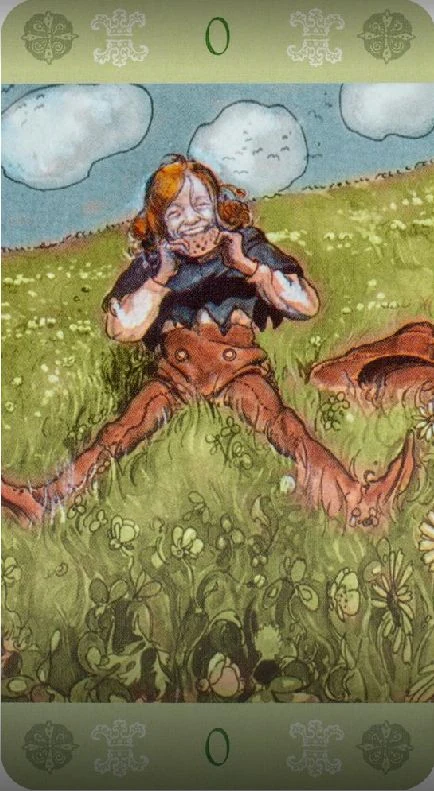
Card study
Card 01: entering the forest before naming the card
This opening source-order card is a good reminder not to rush the recovered gallery into false certainty. I would begin by describing what the image feels like before assigning a tarot keyword: open or hidden, gentle or tense, inviting or cautionary.
That habit makes the deck useful for intuitive readers. The answer often begins in the atmosphere, then becomes practical once you connect the image back to the spread position.
Artwork, mood, and symbolism
The visual personality here is old-world and story-driven: fairy-tale stillness, folklore tension, soft strangeness, and the feeling that something just outside the frame matters. That makes the deck especially appealing for readers who like mythic art without needing every card to look modern or literal.
Look for thresholds, small figures, watching presences, paths, guarded spaces, and the contrast between innocence and the unknown. Those cues can show whether a situation asks for trust, caution, patience, protection, or a more imaginative way forward.
A four-card doorway spread
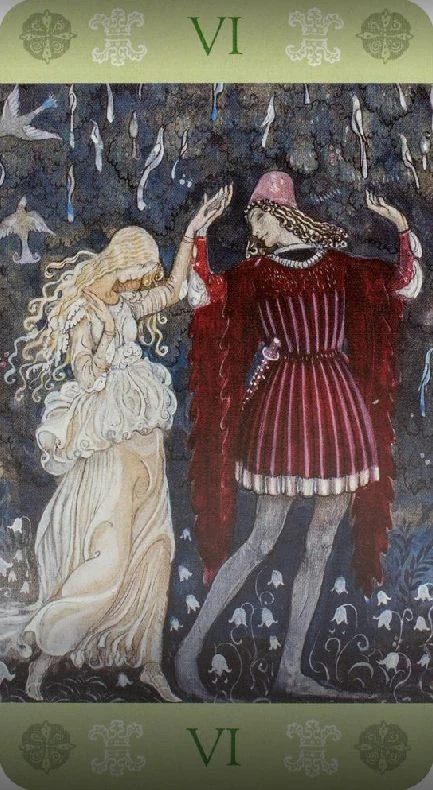
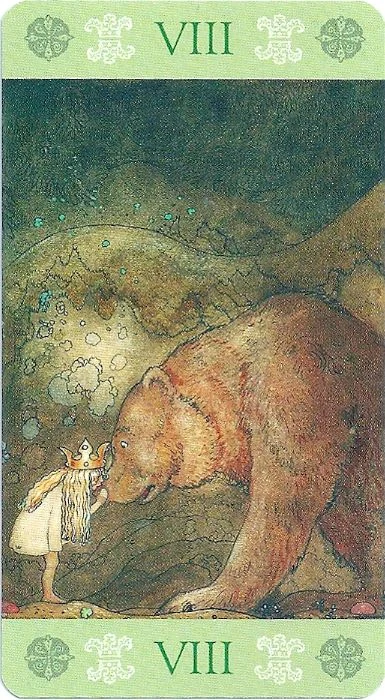
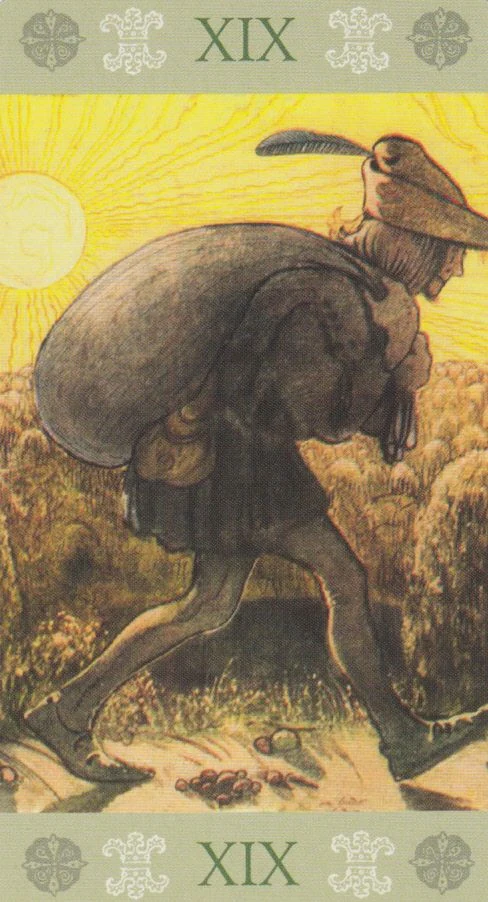
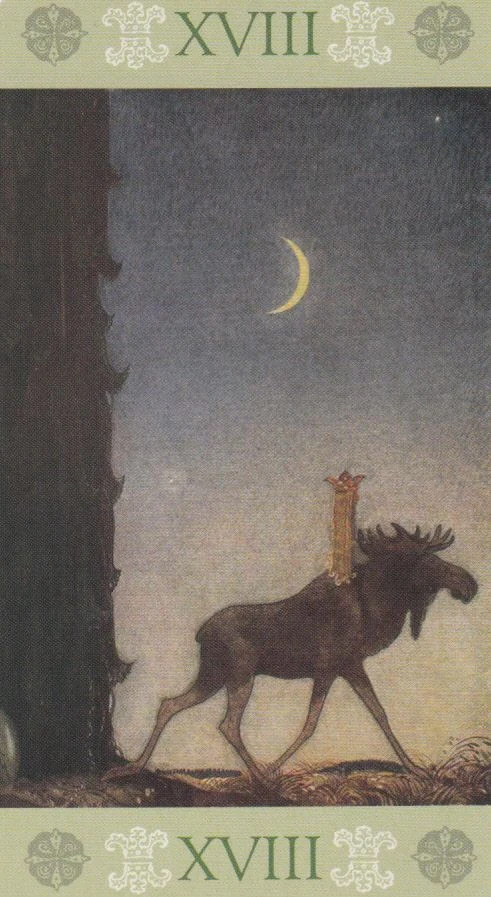
Use these four recovered images as positions: the doorway, the hidden feeling, the helpful guide, and the step that keeps the story moving.
How it reads in practice
John Bauer Tarot is strongest with questions that have emotional texture. It can help with creative blocks, relationship patterns, inner-child themes, dream work, and decisions where the facts are visible but the meaning still feels misty.
For practical readings, I would keep the spread small. One to five cards are enough. Ask a clear question, describe each image out loud, then translate the mood into one grounded action. That keeps the reading magical without making it vague.
Card study
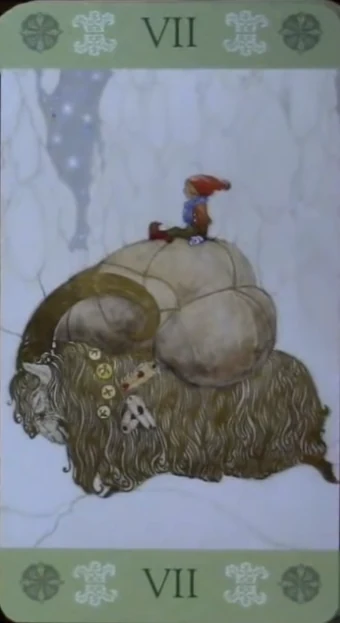
Card 16: reading posture, distance, and tone
This source-order card works as a study in visual patience. Instead of forcing a traditional title, notice the composition: what feels near, what feels far away, and where the card creates tension or relief.
In a spread, that kind of image can describe the emotional posture of the querent. It may show hesitation, protection, longing, curiosity, or the need to approach a situation more softly.
Beginner friendliness
Beginners can use John Bauer Tarot if the artwork makes them curious. The safest method is to pair it with a standard tarot guide and treat the image as the second layer: first learn the classic meaning, then ask what this particular scene changes.
The neutral gallery labels are also a reminder that tarot study should be honest. When a source does not prove a title, it is better to say so clearly. Readers can still learn from the art without pretending the evidence is stronger than it is.
A reflective daily pull
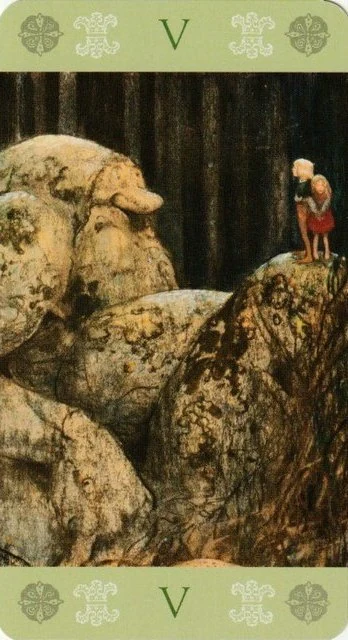
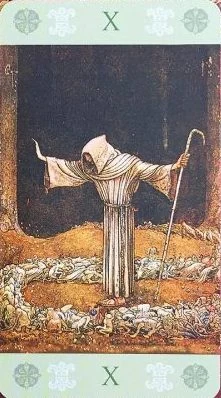
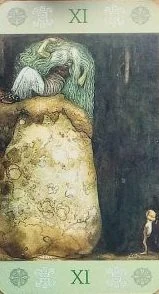
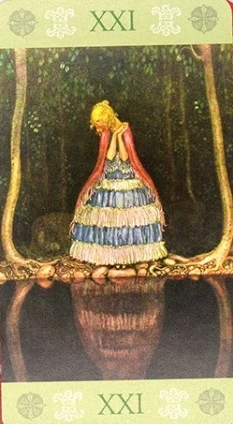
Try these positions for journaling: what I am carrying, what I am not seeing, what can soften, and what practical choice belongs to today.
Love, friendship, and family readings
For love readings, I would use this deck to explore emotional atmosphere rather than simple yes-or-no answers. It is good for asking what feels protected, what feels unspoken, where trust is growing, and what old story may be coloring the present.
For family or friendship questions, notice distance and gaze. Who is turned toward whom? Does the scene feel welcoming, guarded, lonely, or full of possibility? Those visual details can make the reading plain and human.
Card study
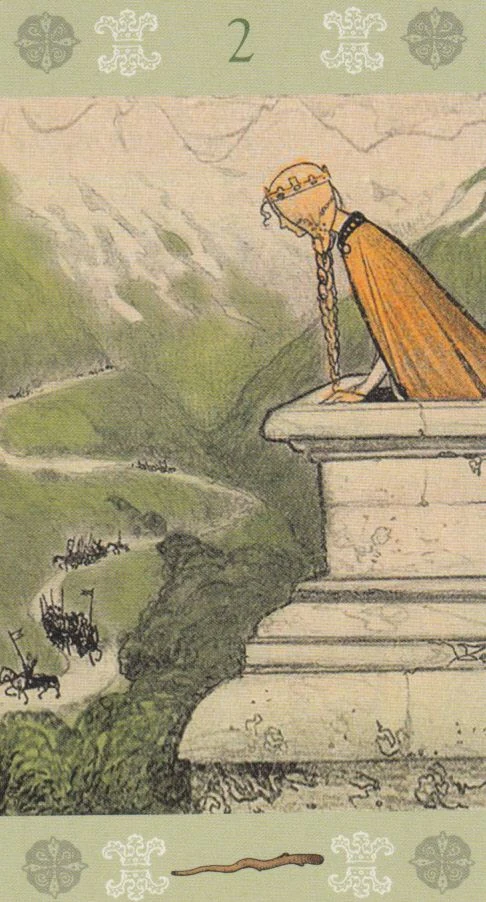
Card 32: letting the scene set the question
This card is useful for practicing a gentle reading style. Start with three concrete observations, then ask what those observations would mean if the card were speaking about a real relationship, choice, or fear.
That keeps interpretation grounded. The image does not have to be named perfectly to be read responsibly.
Creative, career, and money questions
For creative work, John Bauer Tarot feels especially natural. It can help you ask what the story wants, where the imagination is blocked, and what symbol or scene wants to become the next draft, sketch, or decision.
For career and money, I would frame questions practically: what needs protection, what is worth patience, what resource is being overlooked, and what small next action would make the path less foggy. The deck can be poetic, but the answer still needs a real-world step.
A creative-story check-in
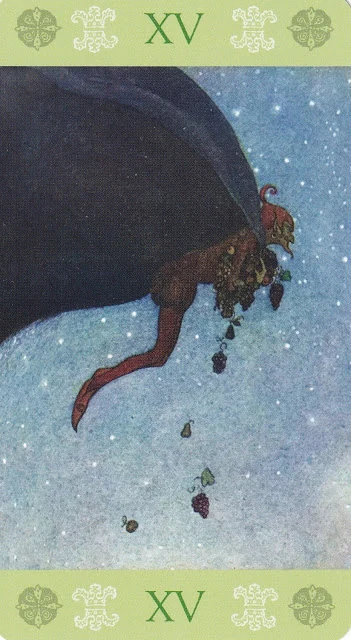
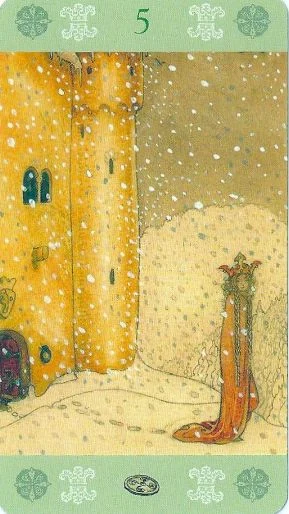
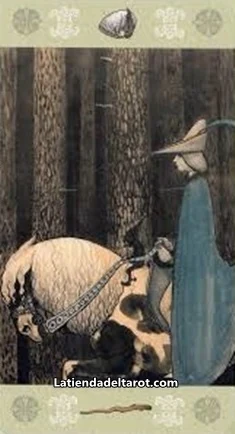
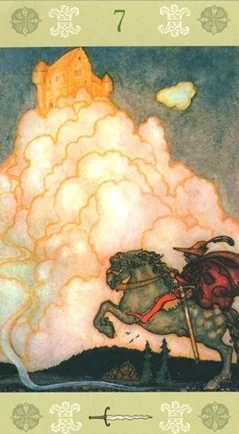
This line can be read as inspiration, obstacle, hidden resource, and next scene. It is especially useful for artists and journalers.
Pros and cons
| What works beautifully | What to know first |
|---|---|
| Distinctive folklore atmosphere makes the deck memorable for intuitive and reflective readings. | The gallery includes only card fronts that could be safely recovered and matched. |
| Strong fit for journaling, dream work, creative questions, relationship atmosphere, and mythic storytelling. | Gallery names follow the visible numeral, rank, and suit markers on the available card fronts. |
| The art encourages careful looking instead of rushed keyword reading. | Absolute beginners may want a standard Rider-Waite-Smith reference nearby while learning. |
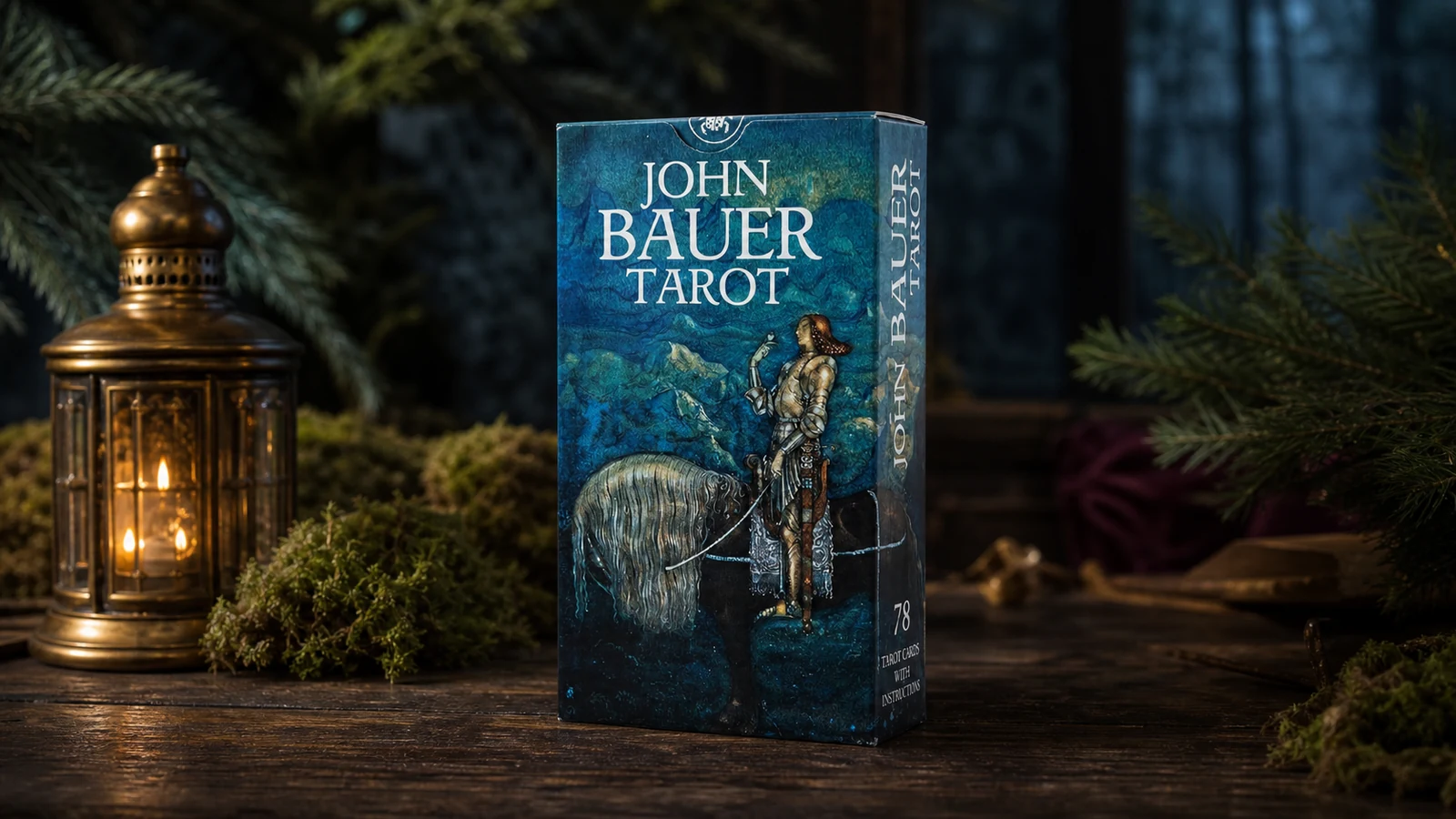
| The native gallery lets readers compare many same-deck images without relying on a third-party feed. | The product CTA uses a generated lifestyle setting based on the supplied verified John Bauer Tarot box reference. |
A shadow-and-guidance spread
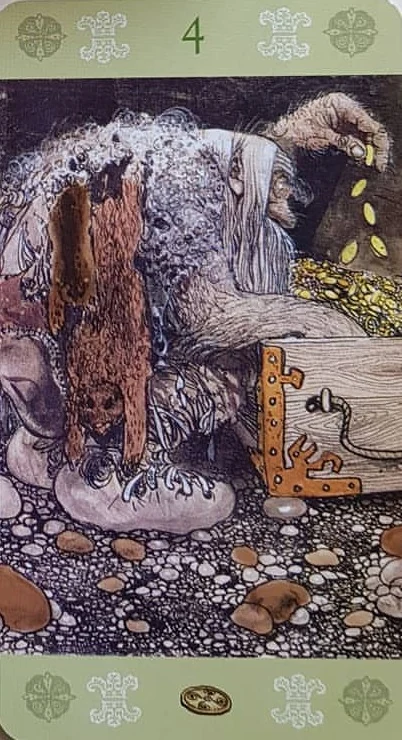
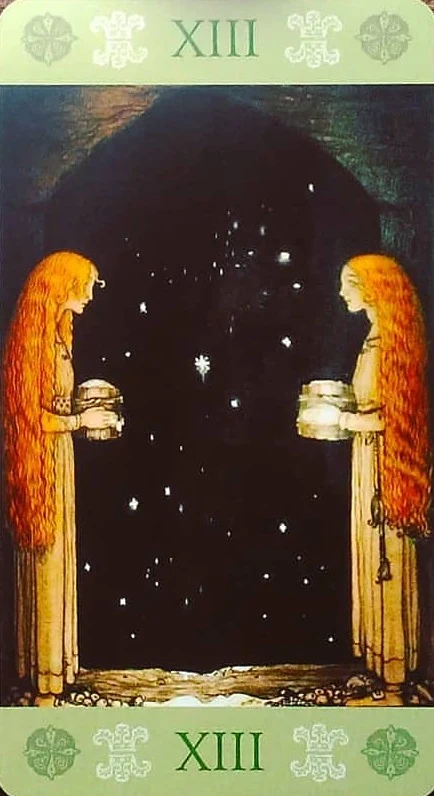
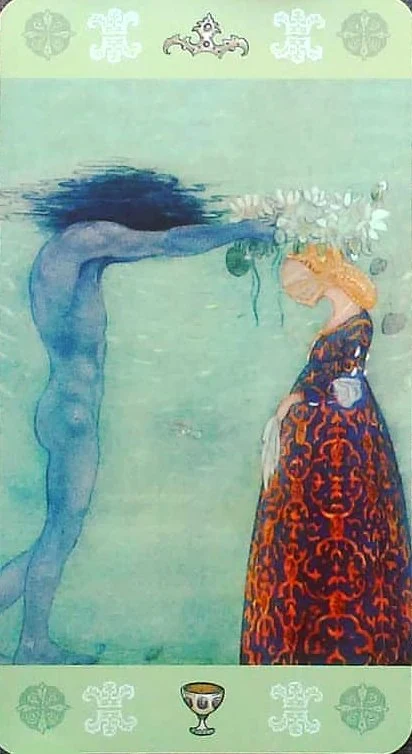
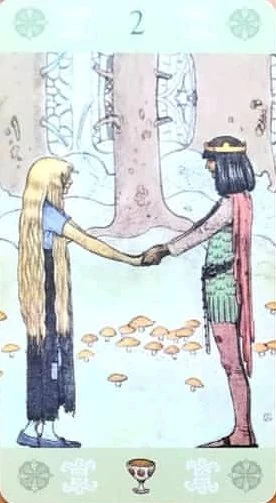
Use this sequence for inner work: the shadow in the story, the feeling that needs language, the guide or resource, and the grounded action.
Final Thoughts
John Bauer Tarot is worth exploring if you like decks with folklore mood, old-story atmosphere, and images that reward a slower reader. It is not the deck I would pick for a blunt, ultra-literal answer. It is the deck I would pick when the question has a story behind it.
The carefully matched gallery gives a strong feel for the deck while keeping unsupported cards out. If several cards make you pause, describe, and wonder what is happening in the scene, that is the sign this deck may have a useful voice for your readings.
John Bauer Tarot FAQ
Is John Bauer Tarot beginner-friendly?
It can be beginner-friendly if you enjoy storybook, image-led tarot. Keep a simple tarot reference nearby, then describe what the picture shows before choosing a keyword.
Is the John Bauer Tarot Gallery complete?
No. This is a truthful partial Gallery with 72 verified card fronts from the 78-card deck; six unavailable cards are not replaced or invented.
How are the Gallery filters organised?
They follow the deck’s official tarot families: Major Arcana, Wands, Cups, Swords, and Pentacles. Each filter shows only the verified available cards in that family.
What readings suit John Bauer Tarot best?
It works well for reflective readings, dream journaling, creative questions, fairy-tale symbolism, emotional pattern work, and spreads where atmosphere matters.
Where can I find John Bauer Tarot?
The page links to the exact John Bauer Tarot product listing on Amazon and preserves the TarotFans affiliate tag.
What does the final product image show?
It presents the John Bauer Tarot Deck in a Nordic storybook reading setting, generated from the verified exact-edition product reference supplied for this review.