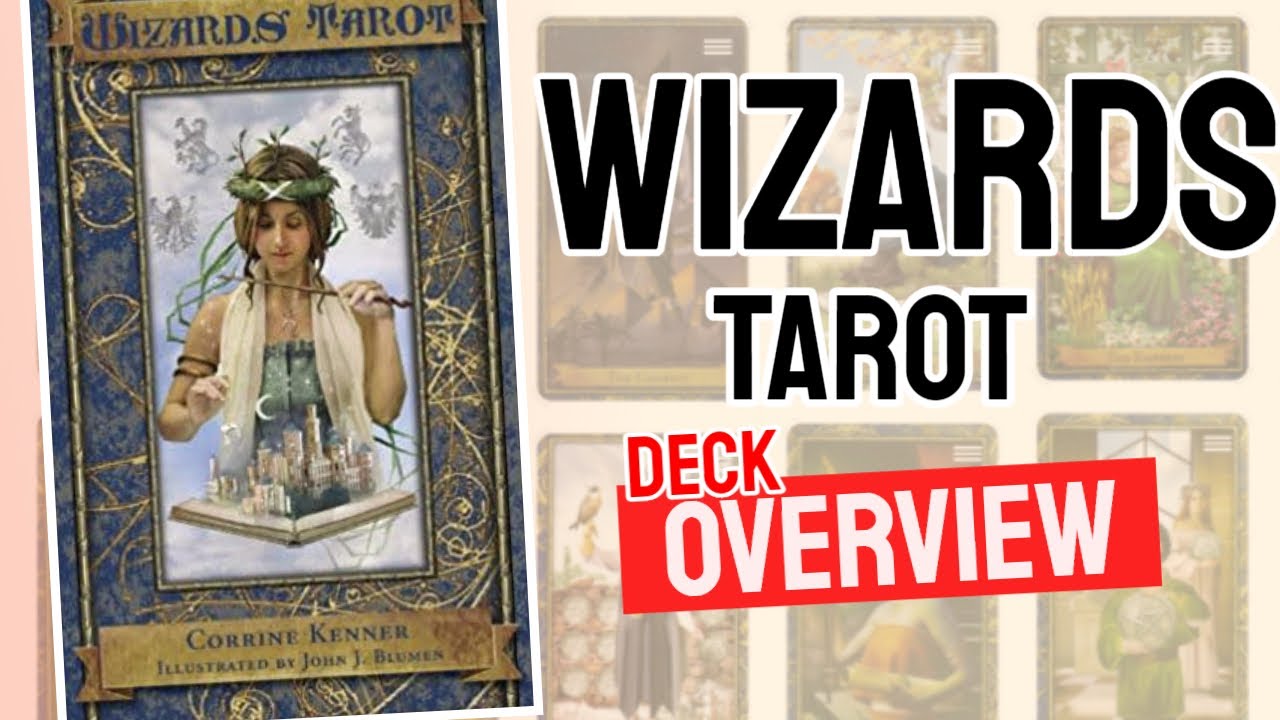
Tarot Deck By Corrine Kenner
TAROT CARDS REVEALED9 MIN READ
Explore Corrine Kenner’s magical-academy deck in its traditional sequence. Choose a group or open any card for a larger carousel view.Wizards Tarot Cards

A note from Aurica
I love the way this deck makes a reading feel like the first morning at a strange, beautiful school. Every book seems ready to whisper and every doorway suggests a lesson, yet the questions beneath the fantasy are wonderfully human: where am I still a beginner, what deserves practice, and what power am I ready to handle with care?
The Initiate opens that door for me. Her white dress glows beneath the crescent moon, but she does not look finished or all-knowing; she looks willing. Beside The Magician, that willingness becomes focused action. Beside The Dark Lord, it becomes a test of motive. I read the change as a reminder that talent matters less than the spirit in which we use it.
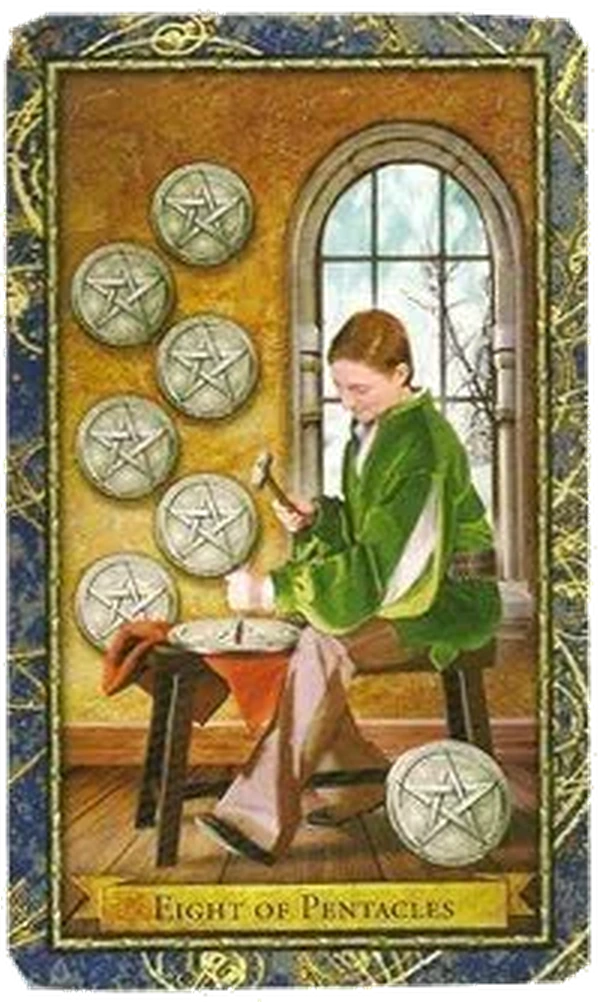
When a spread feels dramatic, I look for its quiet lesson. The Eight of Pentacles leads me back to the table, the notebook, and the humble repetition that turns instinct into skill. The Wizards Tarot reminds me that every wise magician begins as a willing student, and your next small act of practice may be the spark that lights the whole path ahead.
Wizards Tarot Review: learning tarot like a magical curriculum
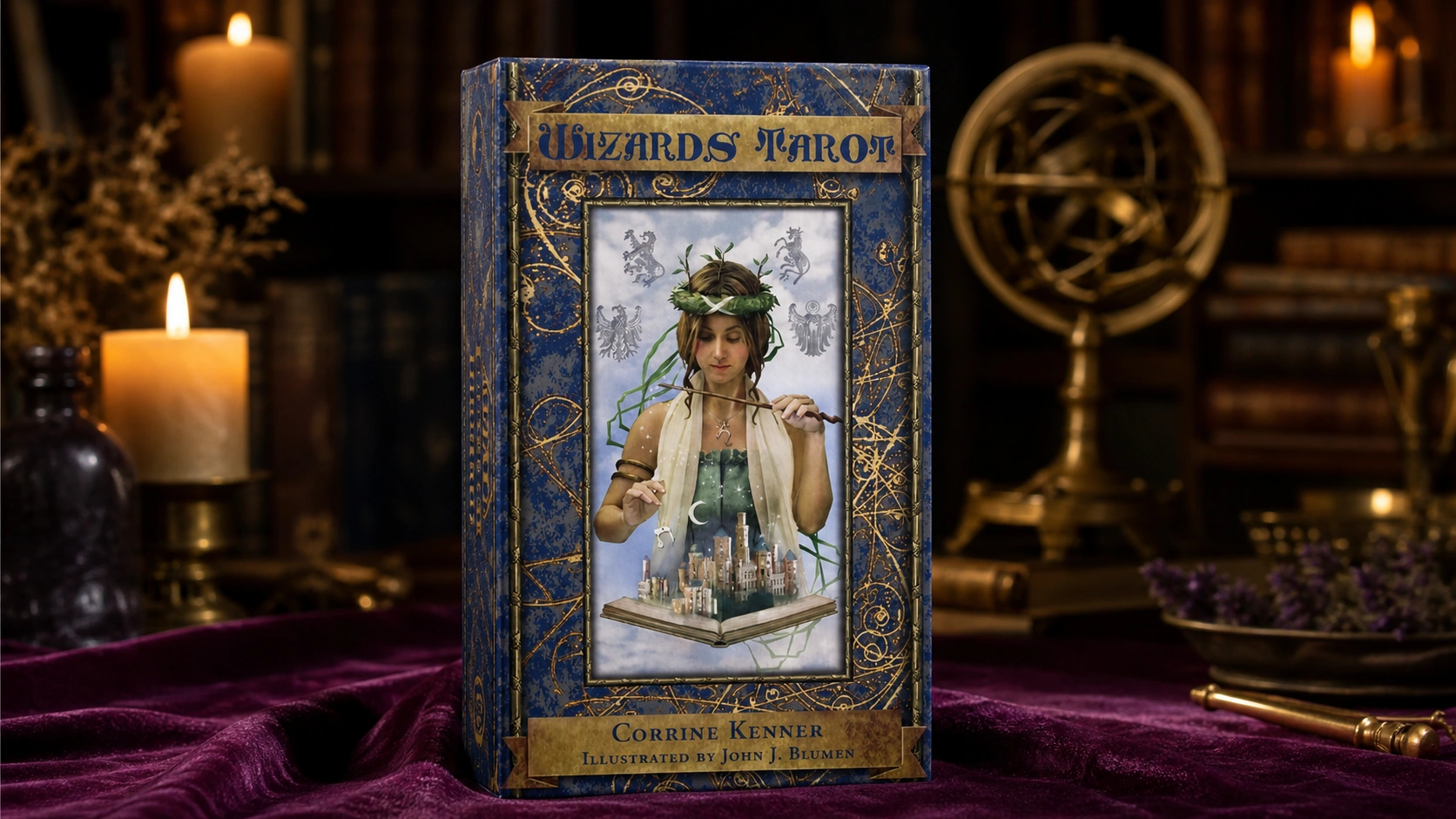
The Wizards Tarot by Corrine Kenner is one of those decks that makes tarot feel like a real course of magical study. I do not read it as “just a fantasy deck.” I read it as a wizard-training story, where every card becomes a lesson in focus, courage, intuition, spellcraft, friendship, shadow work, and personal power.
The big idea is simple and very charming: you are entering a magical academy. The majors feel like teachers, thresholds, tests, and transformations. The minors feel like daily lessons in the four elements. Wands bring fire, practice, and action. Cups bring water, feeling, and connection. Swords bring air, thought, and truth. Pentacles bring earth, craft, money, and real-world skill.
The verified partial Gallery keeps its limits honest instead of pretending every card is pictured here. Even with partial coverage, the deck’s voice is very clear: this is tarot as apprenticeship, not tarot as random decoration.

CARD STUDY
The Initiate: courage at the school gates
The Initiate is the perfect opening card for this deck because it reframes the Fool as a student. I read it as curiosity, bravery, and the willingness to be new at something. It does not say you already know the spell. It says you are ready to enter the school and learn.
In a reading, this card asks where you need a beginner’s mind. It can point to a new path, a new craft, a new relationship pattern, or a new way of trusting yourself. The advice is gentle but direct: pack your bag, ask better questions, and do not shame yourself for starting at lesson one.
First impressions: a school of magic with tarot bones
What I like first is how quickly the deck gives a reading a setting. A normal tarot question can feel extra alive because the cards seem to ask, “What class are you in right now?” A hard choice becomes a test. A new idea becomes a spell to practice. A fear becomes a shadow creature to name. That makes the deck warm, visual, and easy to talk about, even with someone who is new to tarot.
The artwork has a candlelit, storybook-academy feeling: robes, tools, books, teachers, halls, elemental symbols, and students learning how to use power well. It is magical without being cold. It is theatrical without losing the human feeling. The best readings with this deck are not only about prediction. They are about training your attention and asking what your life is trying to teach you.
If you need a totally plain Rider-Waite-Smith clone, this is not the most neutral deck. Some cards have renamed or re-themed energy, like The Initiate for the beginner’s leap and Transfiguration for deep change. But if you enjoy fantasy worlds and you remember meanings through story, those choices can make the deck easier, not harder.
FOUR-CARD READING
Entering the academy
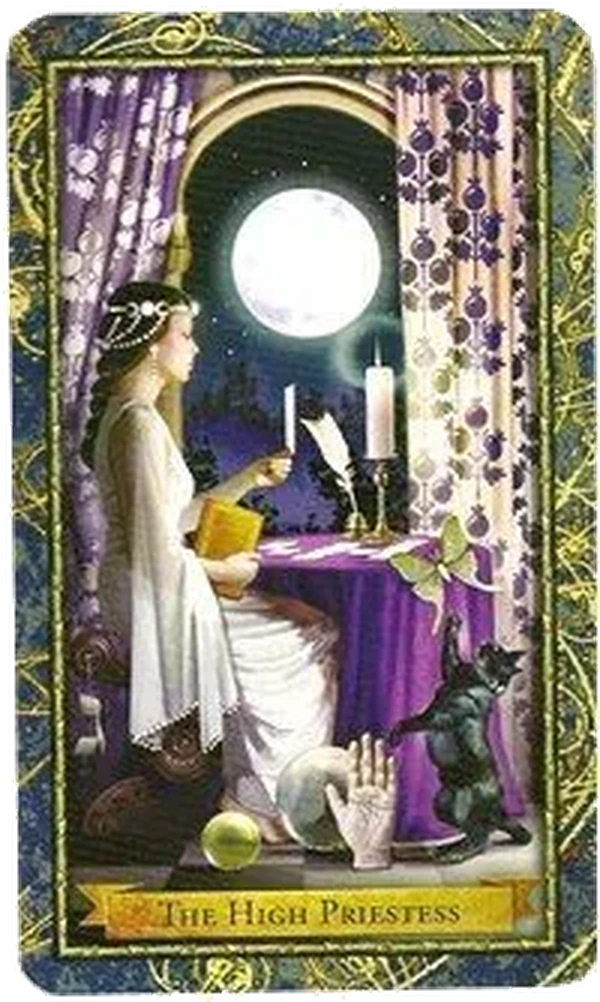
This feels like the first semester of magical study: begin, gather your tools, trust your inner knowing, and learn from tradition. I would use this moment for a question about starting a new practice or finding the right teacher.
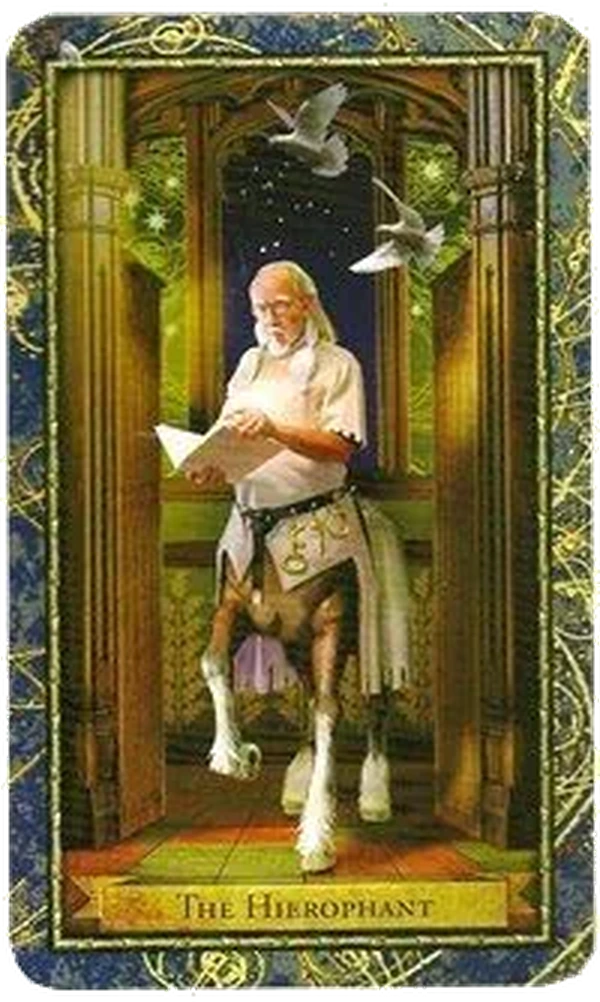
How the Wizards Tarot reads in daily practice
The deck is strongest when I ask questions about learning, identity, self-discipline, creativity, and spiritual growth. It is especially good for spreads like “What lesson am I in?” “What skill wants practice?” “What shadow is blocking my magic?” and “Which element do I need to balance?” That is where the school structure becomes more than theme. It becomes a reading method.
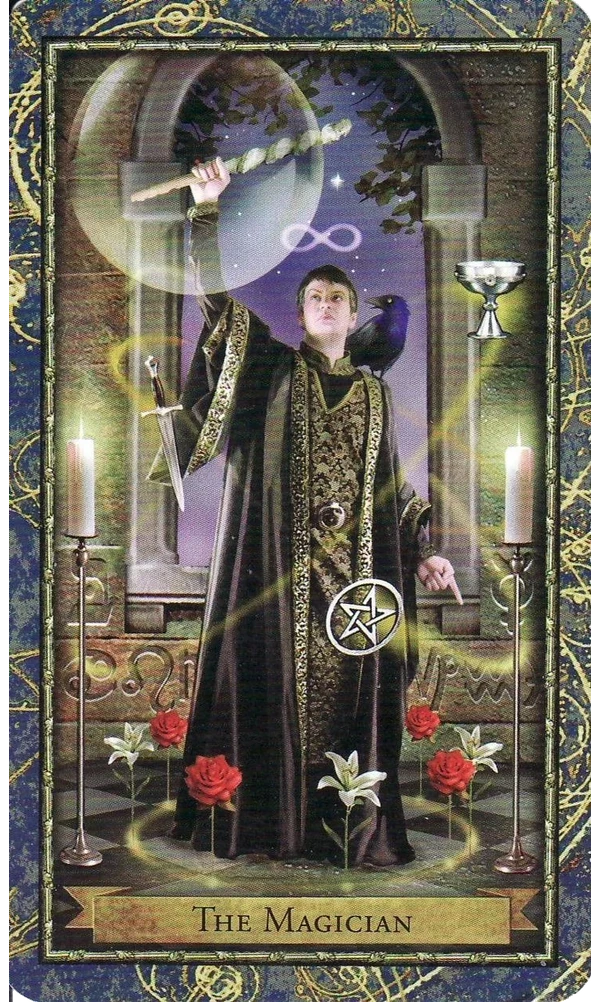
I also like it for journaling because the cards invite prompts. The Initiate can ask what you are willing to learn. The Magician can ask which tools are already on your table. The Dark Lord can ask what has power over you. The 8 of Pentacles can ask what practice would actually change the outcome.
For client-style readings, I would keep the language simple. Instead of saying “this is a wizard card,” I would say, “this card is showing a lesson about practice,” or “this looks like a test of self-trust.” The fantasy imagery becomes a friendly doorway into very normal life topics.

CARD STUDY
The Dark Lord: when power starts to possess you
The Dark Lord gives the Devil theme a fantasy face, which makes the message easier to discuss without sounding abstract. This is the card I look at when a person is wrestling with obsession, control, fear, secrecy, or the kind of power that starts using them instead of helping them.
In the Wizards Tarot, shadow work feels like a real lesson in magical ethics. The card asks: what desire has become a chain? What fear is pretending to be wisdom? What spell are you casting over yourself every time you repeat the same story?
Who will love this deck
- Fantasy readers who want tarot to feel like a magical school.
- Beginners who learn through story and remember meanings through scenes.
- Intermediate readers who want a themed deck that still has strong tarot structure.
- Journalers and creatives who like prompts, characters, and world-building energy.
- Spiritual students who enjoy elemental lessons, spellcraft language, and archetypal apprenticeship.
FOUR-CARD READING
Fire lessons and confident action
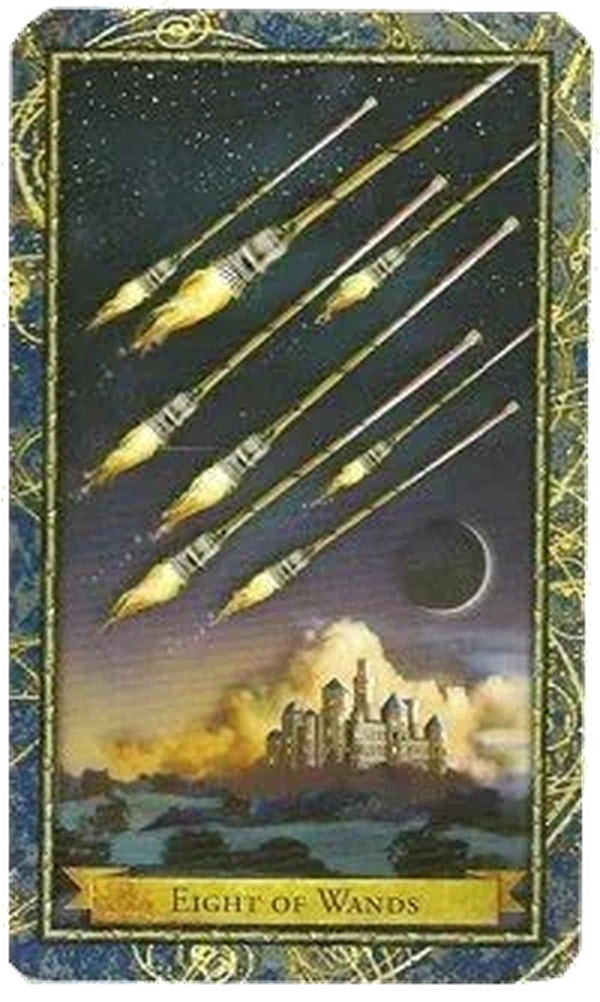
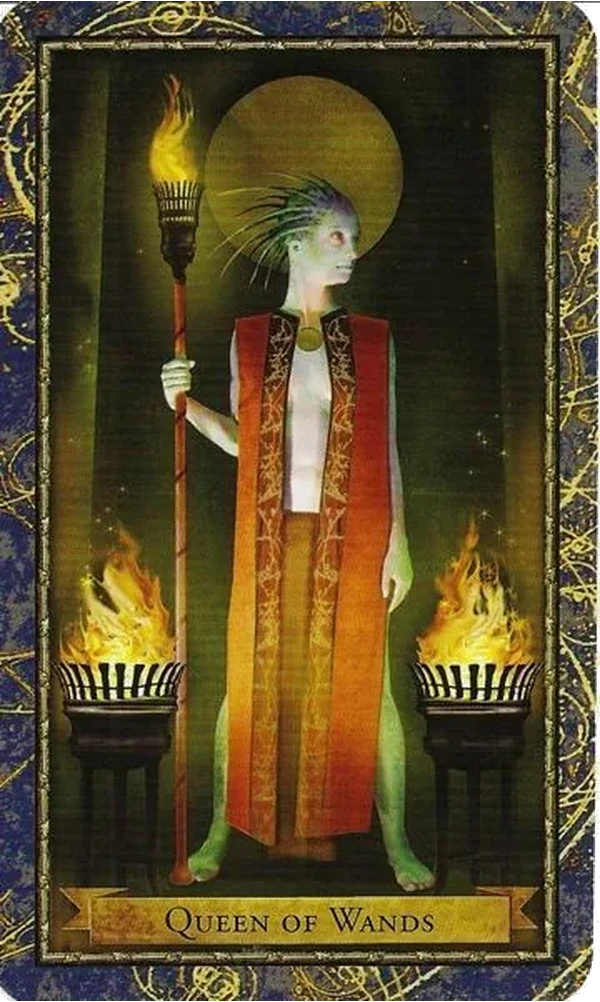
This strip reads like a creative spell catching fire. The spark appears, the horizon opens, the message moves quickly, and the Queen of Wands says confidence must be embodied, not only imagined.


What to know before buying
The Wizards Tarot is not the bluntest, plainest training deck. Its magic-school lens is the point. If that theme annoys you, the deck may feel too dressed up. If that theme excites you, the deck can make tarot much easier to approach because it gives every reading a clear world.
I would not buy it only because it is pretty. I would buy it because you want a deck that teaches. The best thing about it is the feeling of progression: first lessons, harder tests, elemental practice, shadow work, and finally a stronger sense of personal mastery.
CARD STUDY
Eight of Pentacles: practice makes the magic real
The 8 of Pentacles is where the deck becomes wonderfully practical. Magic is not only moonlight and drama. It is repetition, care, notes, tools, and trying again. This card feels like the apprentice who gets better because they keep showing up.
When I see it in a spread, I read it as skill-building. The answer may not be glamorous. It may be practice the spell again, save the money slowly, finish the assignment, or learn the basics before trying to master the advanced charm. That grounded lesson is why this deck can be more useful than it first appears.
TarotFans Golden Rule
Read this deck as a lesson before you read it as a prediction. The Wizards Tarot becomes clearer when you ask what the card is training in you. Is it teaching courage, focus, patience, emotional honesty, ethical power, or practical craft? Once you name the lesson, the advice usually lands fast.
FOUR-CARD READING
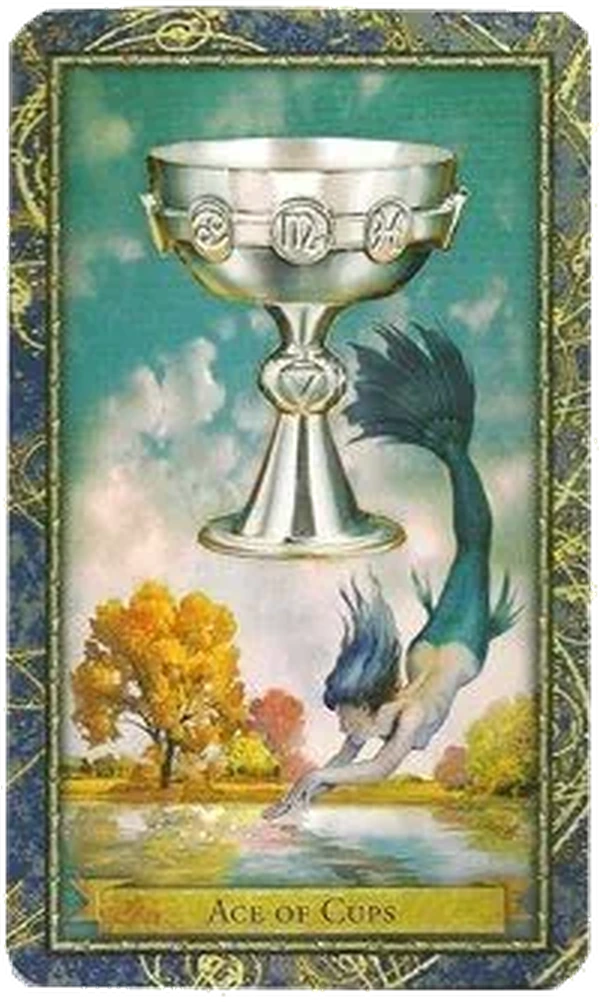
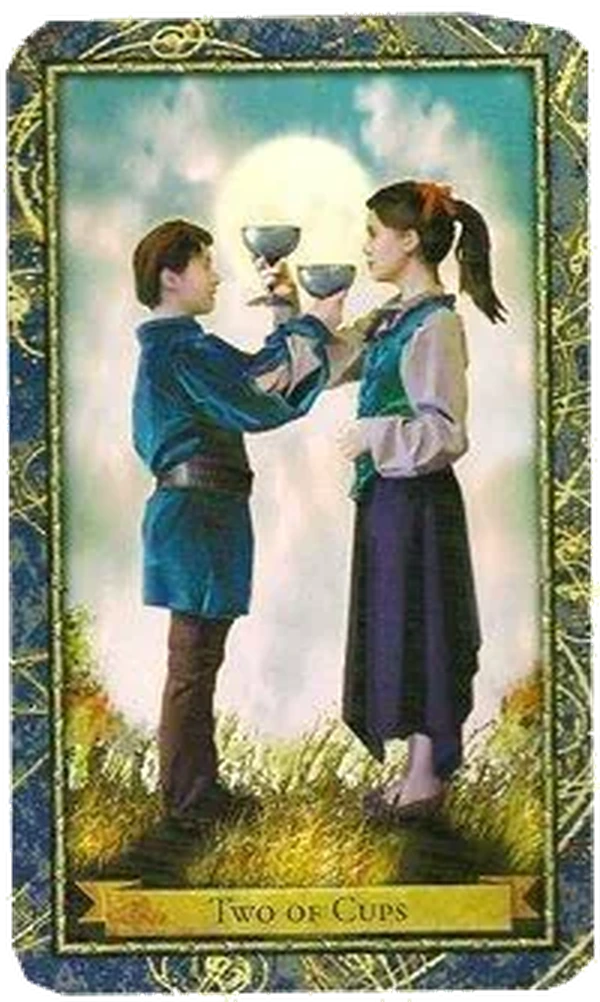
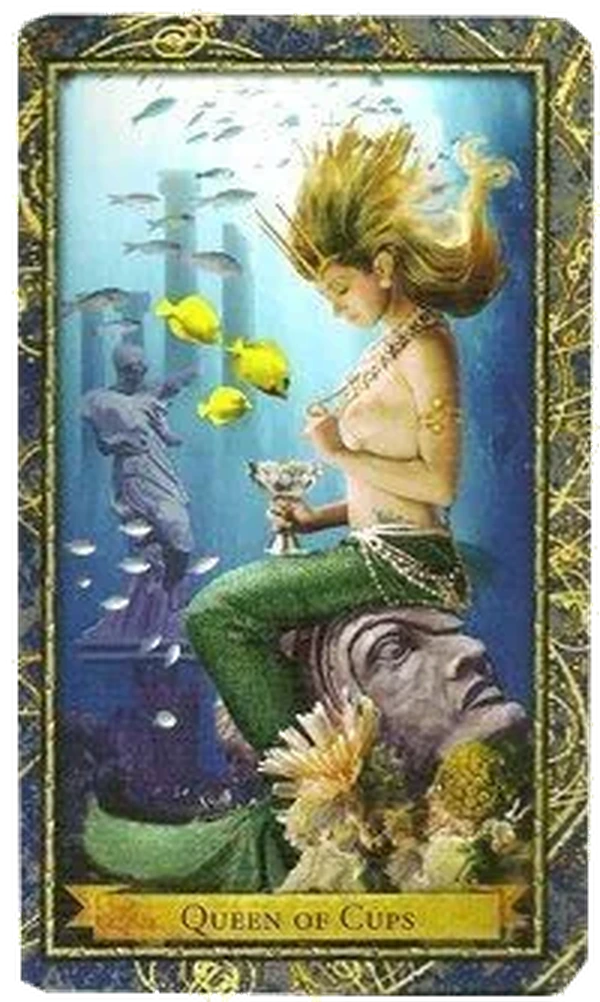
Water lessons and emotional choice
This moment begins with open feeling, moves into connection, then tests the heart with too many visions. The Queen of Cups brings the lesson back to emotional wisdom: choose with your whole self, not with fantasy alone.

Final thoughts
The Wizards Tarot has a strong identity, and that is its charm. Corrine Kenner’s magical-school concept gives the deck a real inner structure: not just fantasy art, but a full-feeling path of study. It turns tarot into a curriculum for intuition, where every card can be a classroom, a mentor, a test, or a spell you are still learning to cast.
If you want a deck that feels warm, imaginative, and useful for self-growth, I think this one is worth a look. If your intuition wakes up around books, candles, apprentices, teachers, and elemental magic, the Wizards Tarot may feel like a school you are happy to return to.
FOUR-CARD READING
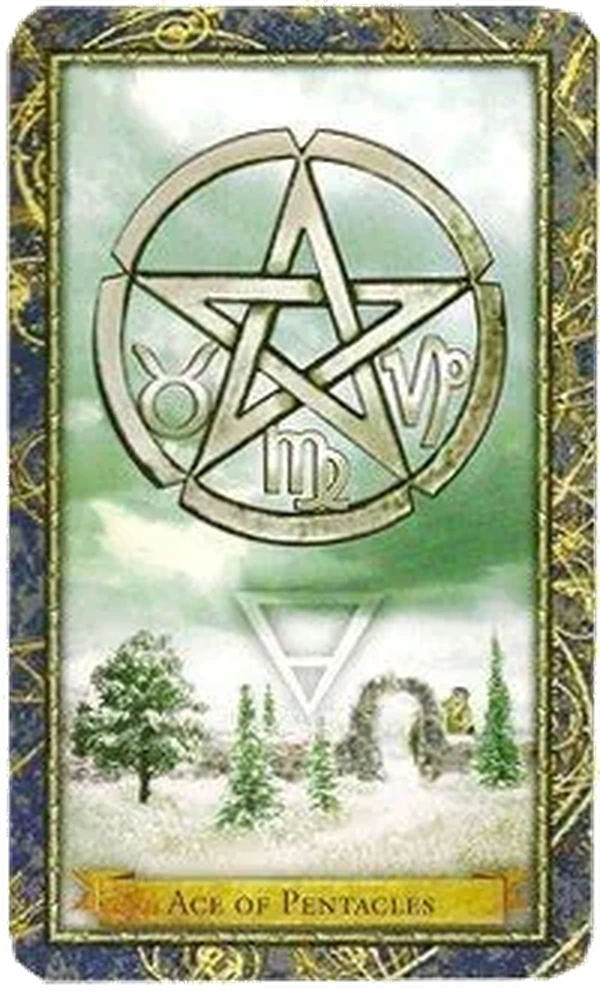
Air and earth lessons for real life
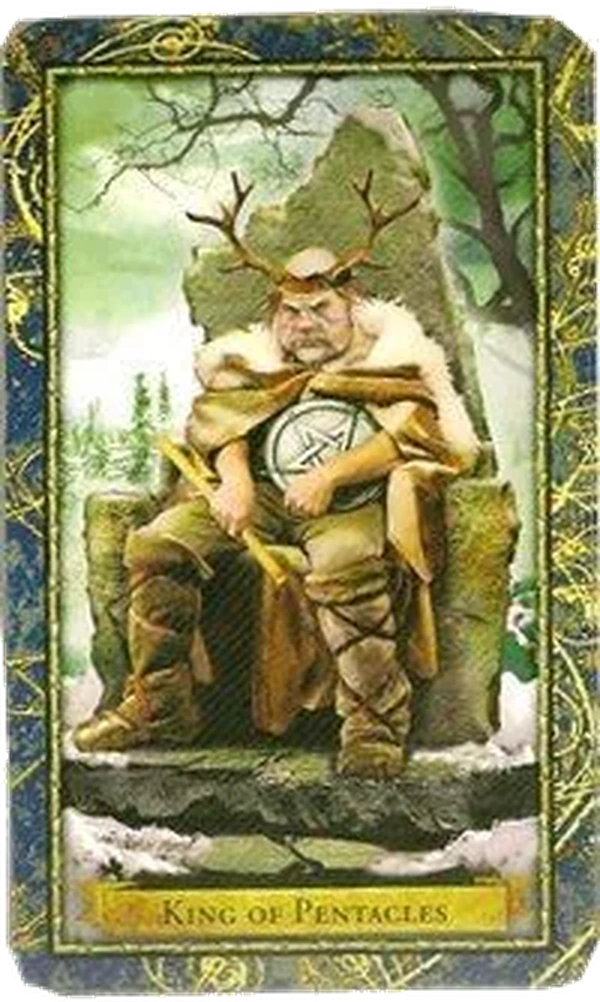
This strip feels like anxious thought becoming a grounded plan. The Ace of Swords names the truth, the 9 of Swords shows the mental spiral, and the pentacles cards answer with something practical: make one real move and build steady mastery.


Wizards Tarot FAQ
Is the Wizards Tarot good for beginners?
Yes, especially for beginners who enjoy fantasy stories and visual learning. The magical-school theme makes the card lessons memorable, but a classic Rider-Waite-Smith guide can still help if you want traditional comparison meanings.
What makes the Wizards Tarot different from a normal fantasy deck?
It feels like a curriculum. The cards are not only decorated with magic; they show training, teachers, elemental lessons, tools, choices, ethics, and personal growth. That makes it useful for readings about practice and self-development.
Is the Wizards Tarot Gallery complete?
No. This is a verified partial Gallery, and the review uses only cards supported by the available exact-edition evidence for its visual examples.
What readings is the Wizards Tarot best for?
It is best for personal growth, magical study, journaling, creative questions, spiritual lessons, and spreads about what you are learning now. It is especially strong when you ask what skill, element, or inner lesson needs attention.
Is the Wizards Tarot based on Rider-Waite-Smith meanings?
It keeps many familiar tarot structures, but it filters them through a wizard-training world. Some cards feel reimagined, so readers who want exact classic scenes may want a more traditional deck beside it.
Who should skip the Wizards Tarot?
Skip it if you dislike themed decks, magical-school imagery, or fantasy symbolism. This deck is strongest for readers who want tarot to feel story-rich, educational, and enchanted.