Blood, Bread & Roses Tarot Cards
Explore the verified available card fronts in their deck order, then open any card for a larger carousel view.
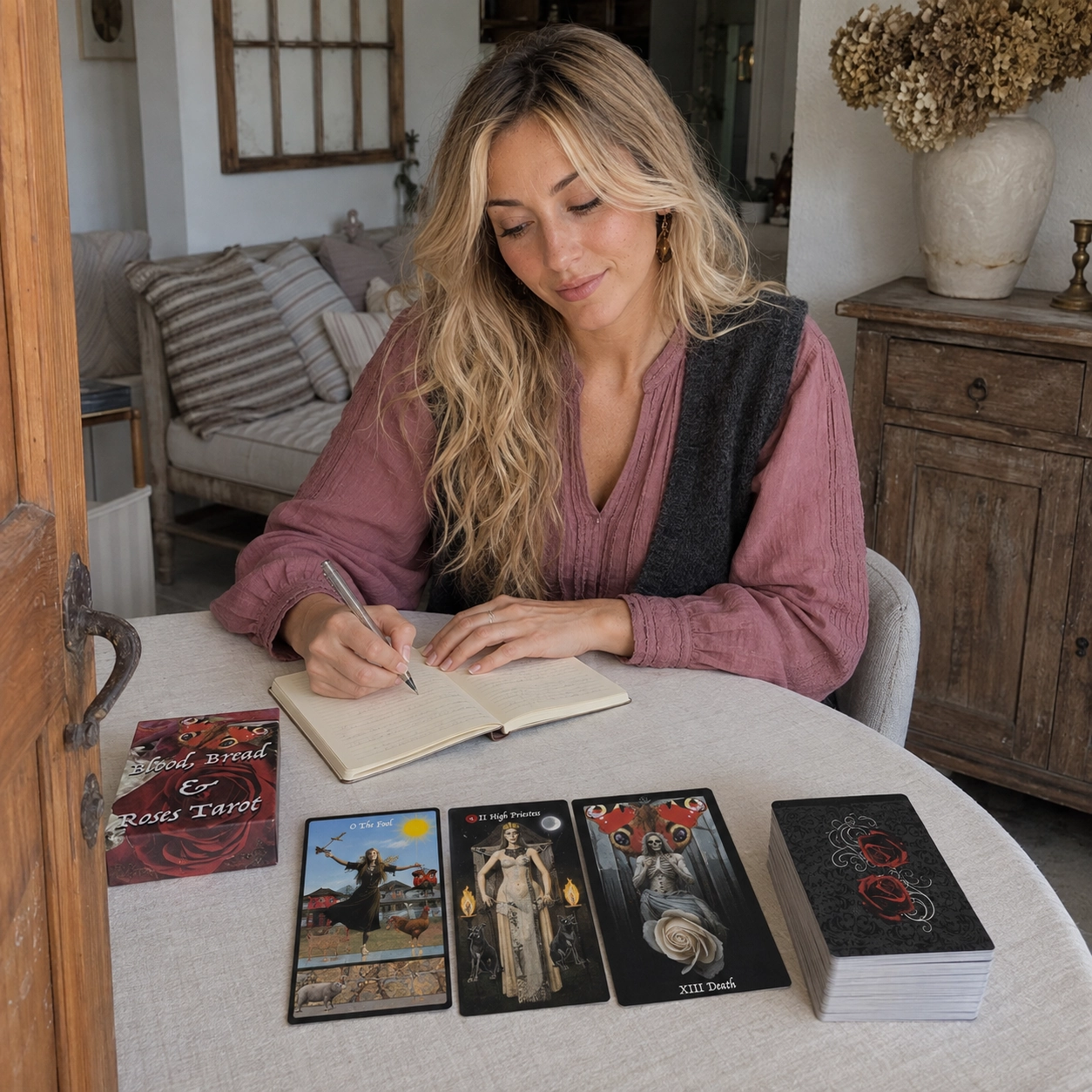
A note from Aurica
Blood, Bread & Roses Tarot feels like opening a keepsake drawer where tenderness and trouble have been stored together. Its collage world is full of red petals, old photographs, watchful animals, bare trees, flame, and food. I love that the beauty is never too polished; each card seems willing to sit beside the parts of life that are bruised, hungry, funny, or fiercely alive.
The Fool makes that honesty feel buoyant. A black-and-white woman balances in bright daylight while a chicken and a little pig bring the grand leap of faith back to earth. When she appears, I would ask where courage can be playful rather than perfect. The card does not promise a spotless beginning; it invites a beginning with muddy shoes, open arms, and enough trust to take the next step.
The High Priestess changes the room. Her pale, poised figure stands before a moonlit temple with two black dogs, flames, a rose, a pomegranate, and a small golden key. I read that key as an invitation to notice what the body already knows. Beside Death, where a white rose rises beneath a skull and a vivid butterfly, intuition becomes less about prediction and more about naming what is ready to change.
I would give this deck spacious questions rather than quick yes-or-no demands: what am I protecting, what truth needs nourishment, and what can be released without losing its lesson? I start with the detail that catches my breath, connect it to the card’s traditional role, then listen for the story formed by its neighbours. That keeps the striking imagery grounded in a reading someone can actually use.
Wilma Van Den Boomen’s cards can feel intense, but their roses keep reminding me that softness is not the opposite of strength. Let this deck help you meet an honest moment with compassion, and trust that even the thornier chapters can still grow a brave and beautiful next page.
Blood, Bread & Roses Tarot feels like a candlelit table after a long day: warm bread, red petals, honest bodies, old grief, and a little fire in the room. I read it as a lush collage deck for people who want tarot to feel physical and devotional, not polished into something too clean. It has roses, food, skin, ritual objects, vehicles, angels, cups, blades, and faces that look like they have lived through something.
This is not a fluffy love-and-light deck. It can be tender, but it is also direct about desire, loss, justice, scarcity, sacrifice, and self-worth. That is why I like it for readings where the question is not “What should I pretend?” but “What is my body, my history, and my heart actually asking for?”
The TarotFans native gallery for this review currently preserves 75 available card-front images, so I keep the visual count honest and do not describe it as a complete 78-card archive. The visible cards are named from the card titles visible in the source gallery, with Two of Pentacles, Six of Pentacles, Ten of Swords still missing from the recovered visual set.
First impressions: roses with teeth, bread with memory
The title tells you how to hold the deck. Blood is life, family, pain, and inheritance. Bread is the daily body: hunger, labor, care, and sharing. Roses bring beauty, devotion, romance, and thorns. Together, the symbols make a tarot deck that reads beautifully for love, healing, ancestor work, money shame, body questions, and the kind of self-worth readings where the answer needs to land in the bones.
The collage style gives many cards a layered feeling. A card may show a traditional tarot symbol, but it often adds a modern object or human face that changes the emotional temperature. Roses beside sharp objects make heartbreak feel sacred without making it pretty.
Who will enjoy this deck?
- Readers who like earthy, sensual, emotionally honest tarot decks.
- Love readers who want more than sweet romance: choice, grief, desire, repair, and boundaries.
- Healing and ancestor readers who work with memory, family patterns, nourishment, and the body.
- People who enjoy collage decks with old-world devotional energy and modern symbolic flashes.
- Confident beginners and intermediate readers who know basic tarot structure and want more shadow and texture.
Card study: The Lovers as devotion with a real choice
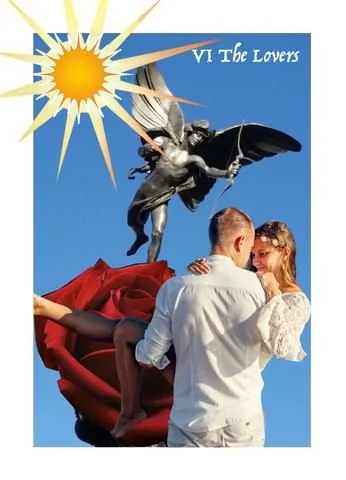
The Lovers does not feel like a greeting card here. The couple, sunlight, and living symbols make the card feel warm, but the image still asks for a choice. In a relationship reading, I would read this as love needing an embodied yes, not only fantasy. What are both people willing to feed, protect, and change for?
For love readings, I like how the deck can move from attraction into the practical question of care. It is good for asking: What do we nourish? Where are we hungry? What old wound is choosing for me?
Four-card pack: relationship as a living altar
Attraction, exchange, shelter, home
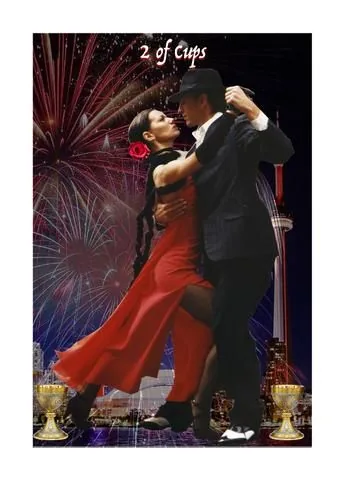


This four-card pack feels like attraction becoming partnership, then commitment, then emotional home. In this deck, I would not read it as a perfect fairy tale. I would read it as a shared table: two people choosing to keep feeding the bond.
How Blood, Bread & Roses Tarot reads in real questions
Blood, Bread & Roses Tarot is strongest when the question needs emotional courage. It can read softly, but it rarely reads shallowly. When I use decks like this, I keep the question simple and grounded: What needs care? Where am I giving from depletion? What does my body already know? What pattern did I inherit, and what can I stop passing on?
The deck also works nicely for ritual readings. A candle, a glass of water, a small piece of bread, or a rose on the table would all match its language. It is the kind of deck that wants a quiet moment rather than a rushed pull between notifications.
Card study: Five of Cups as grief that still deserves an offering
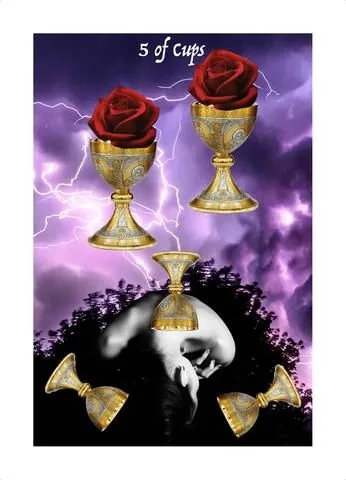
The Five of Cups is one of the places where the rose language matters most. The card can speak about disappointment, regret, and emotional loss, but the floral symbolism keeps it devotional. It says: yes, something spilled; yes, you are allowed to mourn it; no, grief does not make you broken.
The Cups suit is especially expressive in this deck. It moves through romance, memory, fantasy, departure, and emotional maturity with a human tone. The cards feel less like abstract meanings and more like rooms I have been in.
Four-card pack: grief, memory, hope, satisfaction
Let the hurt breathe, then let pleasure return
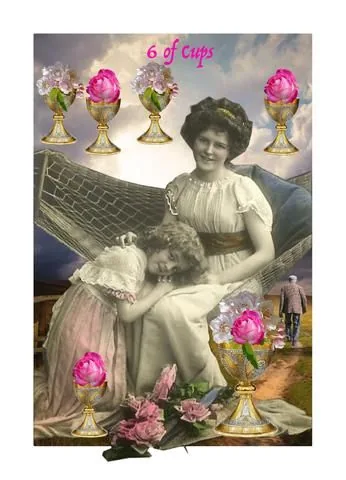

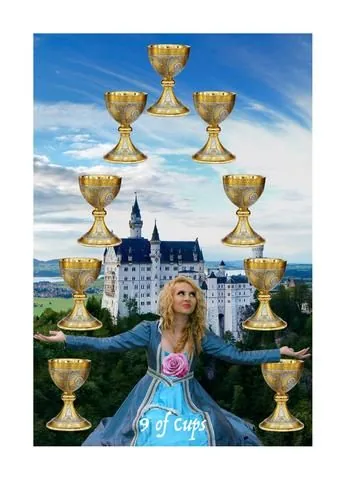
This is a gentle recovery pack. The Five of Cups lets the hurt be real. The Six of Cups brings memory and tenderness. The Star opens a clean place to breathe. The Nine of Cups reminds the reader that pleasure and peace can return without erasing the past.
Artwork, symbolism, and structure
The deck keeps a familiar tarot skeleton, with recognizable majors, cups, wands, pentacles, swords, and court cards. The court titles in the visible gallery use a Princess/Knight/Queen/King style, which gives the deck a slightly ceremonial feel. If you already know classic tarot, you will not feel lost, but you may need to slow down and let the collage details speak.
The wands are fiery and physical, great for desire, art, conflict, and courage. The pentacles make money and security feel emotional, not just practical. The swords are sharp and dramatic, with roses and blades working together. The majors feel devotional: Death, The Tower, Judgment, and The Sun all have strong ritual presence.
Four-card pack: crisis into rebirth
Ending, collapse, calling, warmth

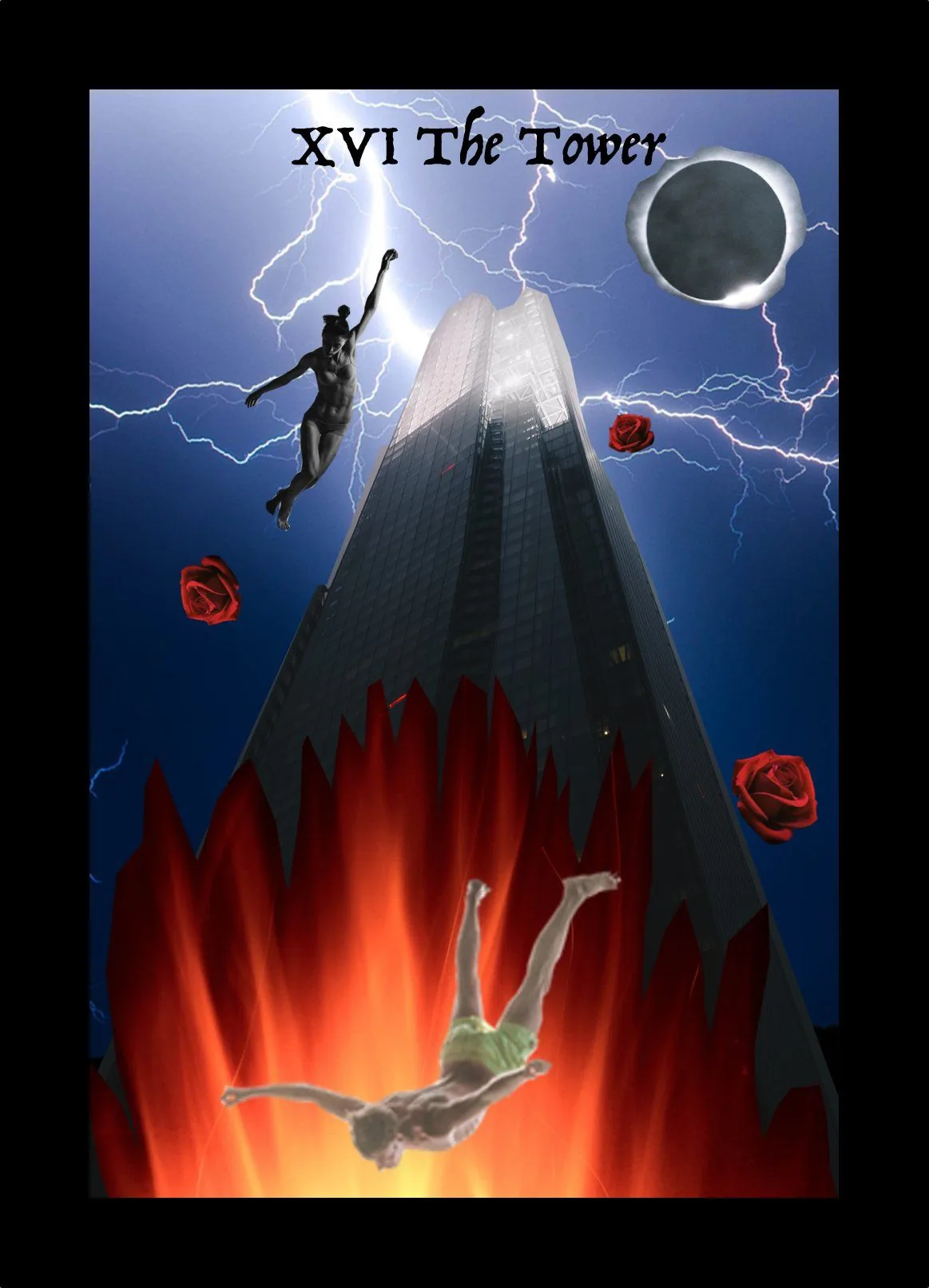

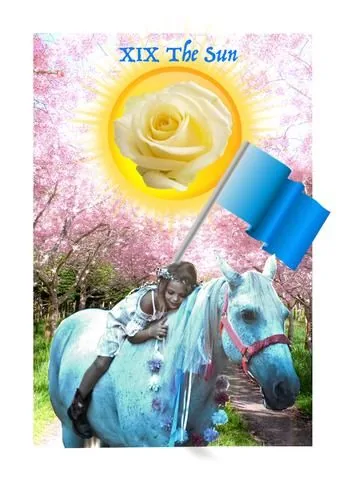
This pack shows why the deck is good for shadow work when used kindly. It does not rush from crisis to brightness. It lets the ending happen, lets the false structure fall, lets the call arrive, and only then lets the Sun warm the body again.
Card study: Ace of Pentacles as bread, body, and self-worth

The Ace of Pentacles is a perfect doorway into this deck’s earthy side. It is not only “money is coming.” It is a seed you can hold. It asks what kind of care can become real: a meal plan, a savings jar, a safe room, a new job application, a doctor appointment, or a promise to stop treating your body like an enemy.
That practical magic is one of the deck’s best qualities. It can talk about the sacred without floating away from the kitchen table. It knows that healing often begins with sleep, food, money clarity, touch, and a safe place to tell the truth.
Four-card pack: creative fire and public courage
Spark, plan, horizon, being seen

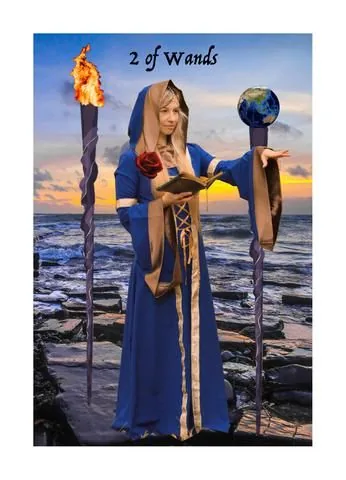
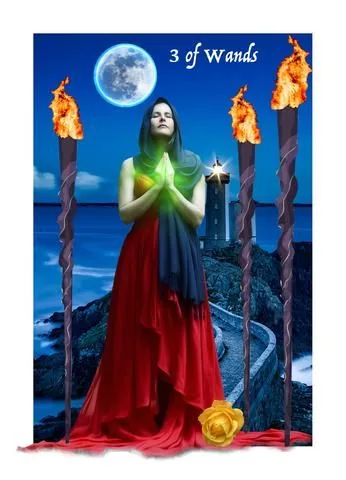
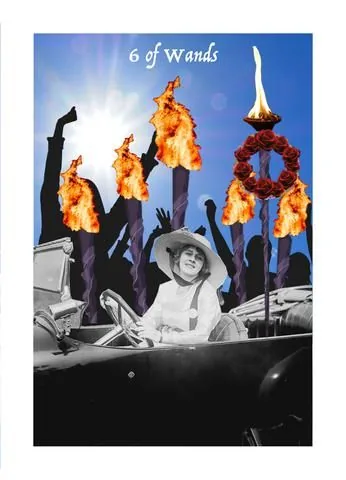
This wands pack is excellent for artists, creators, and anyone trying to bring a private spark into public life. The deck frames success as heat plus devotion: the idea, the plan, the waiting, and finally the moment of being seen.
Guidebook and edition notes
Because Blood, Bread & Roses Tarot has a distinct collage language, I would want the guidebook nearby at first, especially for any renamed or alternative edition details. The visible cards are readable through standard tarot meanings, but the deck’s personality comes from the extra symbols: roses, bodies, performance, vehicles, wings, food, and old devotional imagery.
If you are buying a copy, check the seller photos and edition details carefully. Independent and small-press decks can have different print runs, boxes, guidebook formats, or card-stock notes. This review focuses on the deck as represented by the visible TarotFans gallery and the available product listing.
Final thoughts
Blood, Bread & Roses Tarot is a beautiful choice if you want tarot that feels alive, messy, sensual, and spiritually grounded. It is tender, but not soft in a weak way. It can hold grief, justice, love, hunger, old family stories, and the daily rituals that help a person come back to themselves.
I would reach for it when a reading needs a body, not just a brain. It is not the deck I would use for a quick yes/no at a loud cafe. It is the deck I would use when someone says, “I am ready to tell the truth, but please tell it with care.”

Blood, Bread & Roses Tarot FAQ
Is Blood, Bread & Roses Tarot beginner-friendly?
It can work for beginners who already know basic tarot meanings, but I think it is best for confident beginners and intermediate readers. The familiar structure helps, while the collage art adds emotional layers that ask for slower interpretation.
Does the deck follow a familiar tarot system?
Yes. The visible gallery shows familiar major arcana, suits, and court cards. The court cards use Princess, Knight, Queen, and King language, so readers who know traditional tarot basics will recognize much of the structure.
What readings suit this deck best?
I like it for love, healing, ancestor patterns, body image, self-worth, grief, money shame, and ritual journaling. It is especially good when a question needs tenderness and truth at the same time.
Is the artwork intense?
Sometimes, yes. The deck includes shadowy, sensual, devotional, and emotionally charged collage imagery. It is not a scary deck to me, but it is not bland. Sensitive readers may want to preview the art before buying.
Does Blood, Bread & Roses Tarot come with a guidebook?
Listings and editions can vary, so check seller details before ordering. With a symbolic deck like this, a guidebook is helpful because it can explain choices that are not obvious from standard tarot keywords alone.
Does this TarotFans page show all 78 cards?
No. The current native TarotFans gallery shows 75 available Blood, Bread & Roses Tarot card images. The missing recovered visuals are Two of Pentacles, Six of Pentacles, and Ten of Swords.