Forest of Enchantment Tarot Cards
Wander through this verified selection of Lunaea Weatherstone’s Forest of Enchantment Tarot in deck order. Choose a forest family, then open any card for a larger carousel view.
Aurica’s Quick Take
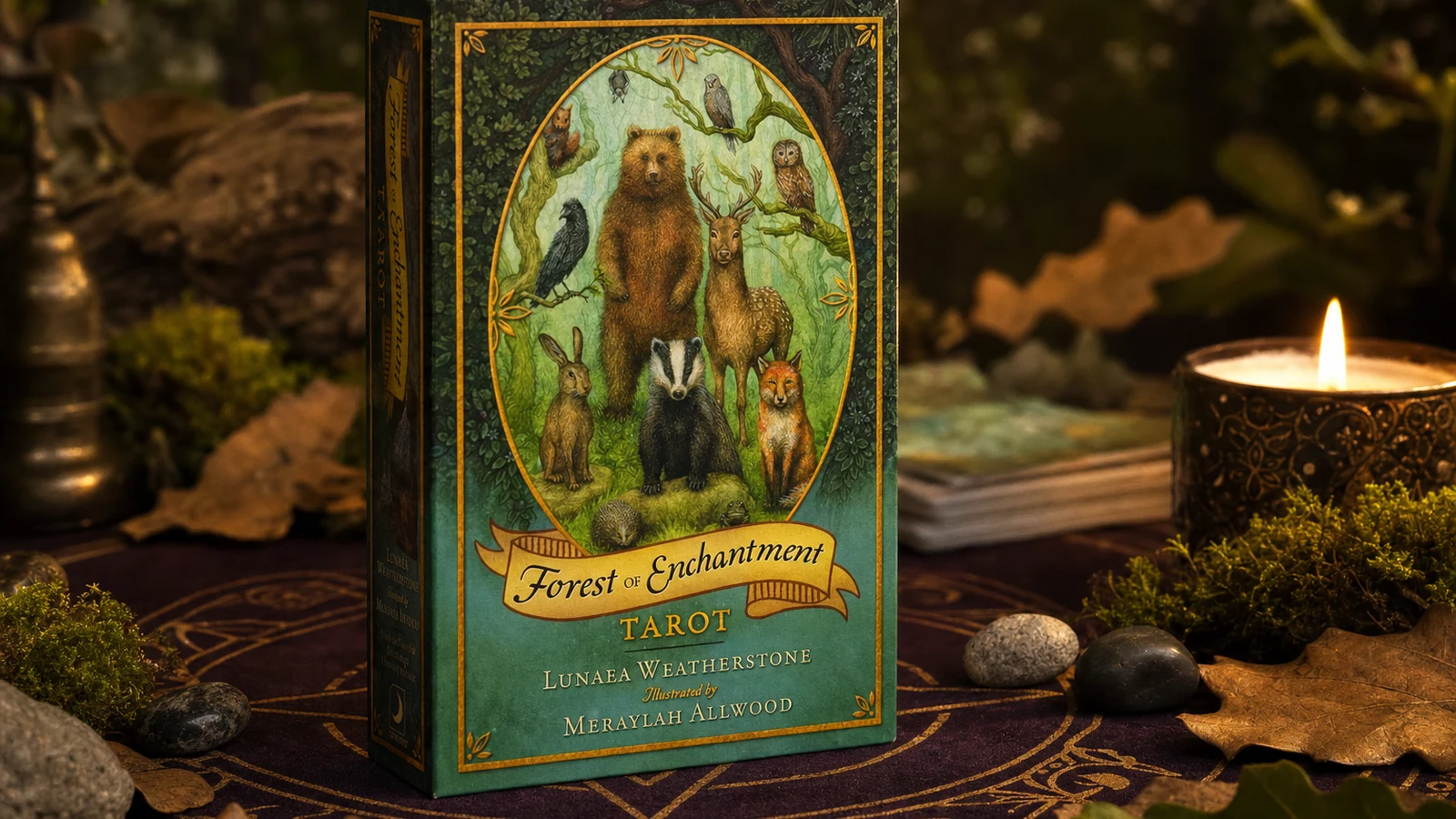
Forest of Enchantment Tarot is a fairy-tale tarot deck by Lunaea Weatherstone, illustrated by Meraylah Allwood. It follows the classic tarot structure, but it walks through that structure by way of enchanted woods, animal guides, old stories, and renamed suits.
This is not a plain Rider-Waite-Smith clone. The deck has its own forest language. The Fool becomes The White Hart, The Magician becomes The Enchanter, Wands become Spells, Cups become Visions, Swords become Challenges, and Pentacles become Boons. Those changes make the deck feel like a storybook path rather than a textbook.
My quick take: this deck is best for readers who love folklore, shadowy woods, animal symbolism, and emotionally layered readings. It is beautiful, wise, and immersive. Beginners can use it, but it asks you to slow down and learn its world.
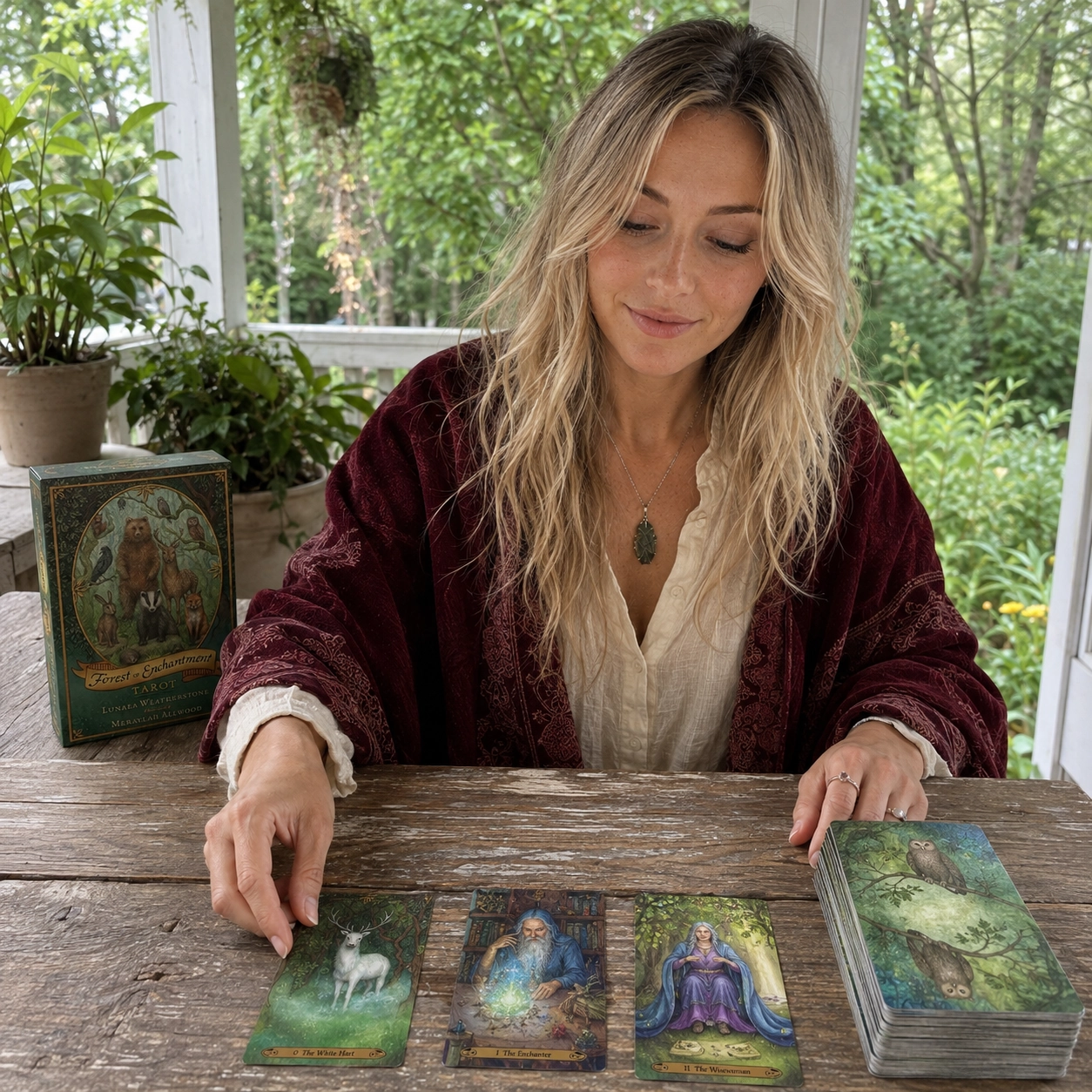
I love how tenderness and danger share one path here. The White Hart glows like an invitation; The Enchanter gathers bright possibility, while The Wisewoman feels rooted enough to hear what noise has hidden. In a spread, I follow the creature, colour, or gesture that catches me, then test that feeling against the card’s familiar tarot role and its neighbours. This forest is especially helpful when a question feels tangled rather than tidy.
May this enchanted path remind you that even in the deepest wood, your own wise next step is already beginning to glow.
What Makes Forest of Enchantment Tarot Different?
The strongest thing about this deck is its atmosphere. Every card feels like a scene from a story you almost remember: a creature at the edge of the path, a hidden cottage, a test, a gift, a warning, or a guide.
Instead of simply showing tarot meanings in standard form, Forest of Enchantment Tarot translates them into fairy-tale logic. That means a card may feel less like a definition and more like a message from the woods. You still get the tarot structure underneath, but the deck speaks through mood, setting, character, and mythic pattern.
This makes readings feel deep and intuitive. The deck is especially good when the question is emotional, spiritual, creative, or uncertain. It helps you ask: What is the real test here? What helper has appeared? What do I need to leave behind before the path opens?
CARD CASE STUDY
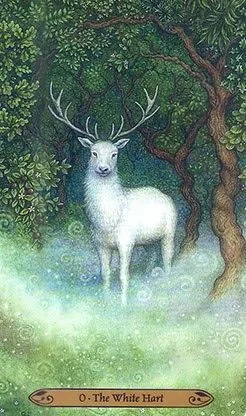
The White Hart: the call into the forest
The White Hart replaces The Fool, and that choice says a lot about the deck. Instead of a person stepping off a cliff, we meet a magical animal that pulls us toward mystery. The meaning is still beginning, trust, and risk, but it feels more like being summoned.
In a reading, this card asks: What path is calling even if I do not know where it ends? It is gentle, but it is not passive. The forest has noticed you.
Artwork and First Impression
The artwork is soft, green, earthy, and story-rich. It has a woodland fairy-tale feeling without becoming childish. Animals, trees, cottages, candles, moonlight, and old-world clothing all help the deck feel like a magical forest with rules of its own.
The colors are gentle, but the meanings are not always light. Some cards feel comforting; others feel like warnings. That contrast is part of the deck’s charm. It can be cozy and serious at the same time.
If you love decks that feel like folklore, illustrated storybooks, or nature-based magic, the artwork will probably pull you in quickly.
FIRST WALK INTO THE WOOD
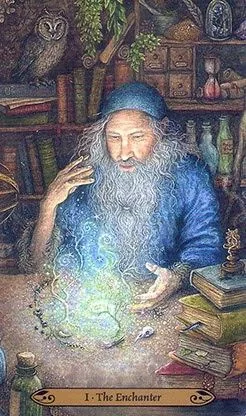
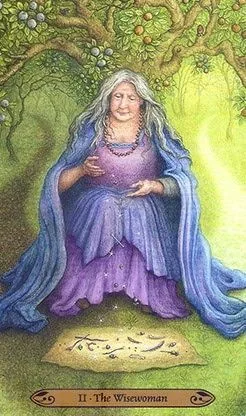
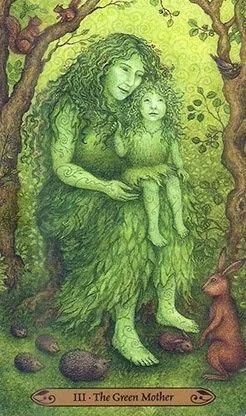
The opening cards show the deck’s tone right away: invitation, magic, intuition, and the living abundance of the forest.
How the Renamed System Works
Forest of Enchantment Tarot renames several major arcana and all four suits. This can feel confusing at first, but the names are helpful once you understand the pattern.
- Spells are Wands: action, energy, desire, creativity, and will.
- Visions are Cups: feelings, relationships, dreams, memory, and intuition.
- Challenges are Swords: thought, conflict, truth, fear, and decisions.
- Boons are Pentacles: body, home, money, work, gifts, and the material world.
The court cards also feel more story-based: Child, Seeker, Weaver, and Keeper. This makes them easier to read as stages of growth rather than fixed personality types.
How It Reads in Practice
In readings, this deck is reflective, symbolic, and emotionally wise. It is not the fastest deck for a quick yes-or-no answer. It works better when you let the image speak and follow the story.
The deck is excellent for inner work, creative blocks, seasonal readings, dream journaling, shadow work, and questions about transition. It can also be strong for relationship readings, especially when the real issue is trust, fear, boundaries, or old patterns.
Because the deck is so atmospheric, it may take a few readings before you feel fluent with it. But once you learn its language, it becomes very personal.
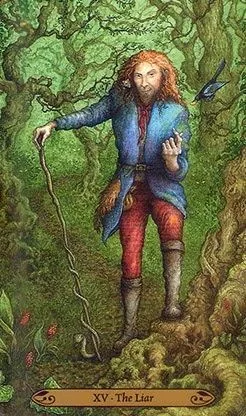
CARD CASE STUDY
The Liar: temptation, glamour, and false bargains
The Liar replaces The Devil, and the name makes the message very clear. This card is about the story that traps you: the excuse, the illusion, the fear, the craving, or the bargain that costs too much.
In a reading, it asks you to name what is not honest. The card is not here to shame you. It is here to break the spell.
Beginner Friendliness
Forest of Enchantment Tarot is beginner-friendly in a slower way. The images are clear and meaningful, but the renamed system means you may need the guidebook at first. If you want a deck that teaches traditional card names exactly, this is not the simplest first deck.
But if you learn through stories, symbols, and emotional atmosphere, it can be wonderful. The deck gives you strong visual clues. You can often sense the meaning before you remember the formal keyword.
For beginners, I would recommend keeping a small translation note nearby: Spells = Wands, Visions = Cups, Challenges = Swords, Boons = Pentacles.
Best Questions to Ask This Deck
- What part of the story am I in right now?
- What helper, warning, or lesson is appearing?
- What old pattern is asking to be released?
- What does my intuition already know?
- What gift is hidden inside this challenge?
- What is the next right step on my path?
FOREST TESTS AND TURNING POINTS
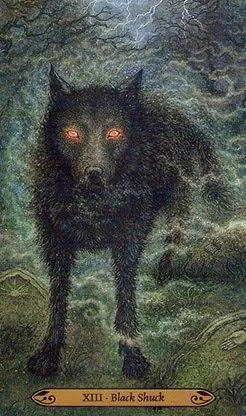
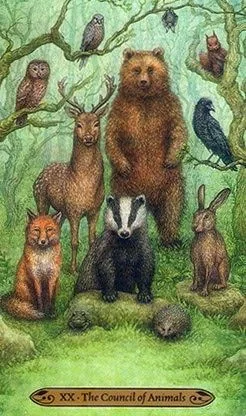
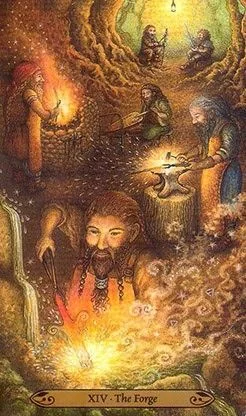
The harder cards feel like fairy-tale tests: crossroads where truth, courage, and self-honesty matter.
Love, Shadow Work, and Creative Readings
For love readings, this deck is best when the question has emotional depth. It can show longing, trust, fantasy, avoidance, loyalty, and the difference between true guidance and wishful thinking.
For shadow work, the forest setting is very useful. It gives difficult topics a symbolic container, so you can explore fear, grief, anger, or uncertainty without the reading feeling too harsh.
For creative readings, the deck is excellent. It helps with story ideas, blocked imagination, seasonal planning, and reconnecting with a sense of wonder.
CARD CASE STUDY
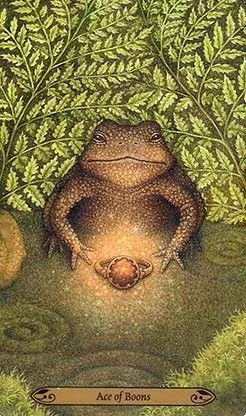
Ace of Boons: the forest gives a real gift
The Ace of Boons is the Pentacles ace in forest language. It is about a seed, a gift, an opportunity, or something solid enough to hold. In this deck, the card feels like the moment the path offers you something practical.
In a reading, I would connect it to money, health, home, craft, land, work, or a small beginning that can become real if you tend it.
Pros and Cons
| Pros | Cons |
|---|---|
| Beautiful woodland fairy-tale atmosphere. | The renamed cards may slow down beginners at first. |
| Strong guidebook-friendly system with meaningful renamed suits. | It is not ideal if you want a very fast, direct, modern-style deck. |
| Excellent for intuitive, reflective, emotional, and creative readings. | The mood is immersive and woodsy, so it may not fit every reading style. |
| Animal and nature symbolism gives the deck a rich magical language. | |
| The artwork feels gentle, but the readings can still be honest and deep. |
THE FOUR SUITS OF THE FOREST
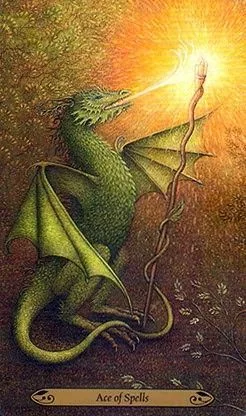
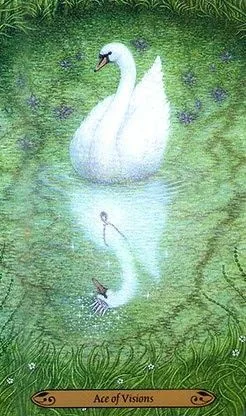
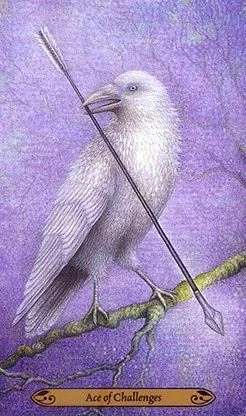
Spells, Visions, Challenges, and Boons turn the minor arcana into a forest map of action, feeling, truth, and earthly gifts.
Who Will Love Forest of Enchantment Tarot?
You may love this deck if you enjoy fairy tales, folklore, nature magic, animal guides, soft illustration, and decks with a strong inner world. It is especially good for readers who like to journal, reflect, and read slowly.
It is also a wonderful seasonal deck for autumn, winter, forest walks, dream work, and candlelit readings.
Who May Not Connect With It?
You may not connect with this deck if you want very modern imagery, traditional card names, or quick literal scenes. The deck asks you to enter its world. If you do not enjoy that level of atmosphere, it may feel indirect.
Final Thoughts
Forest of Enchantment Tarot is a beautiful and thoughtful deck for readers who want tarot to feel like a mythic journey. It is not only pretty; it has a strong system and a clear emotional voice.
If you are willing to learn its renamed cards and follow its fairy-tale language, this deck can become a powerful companion for intuition, self-discovery, creativity, and deep personal readings.
Forest of Enchantment Tarot FAQ
Is Forest of Enchantment Tarot good for beginners?
Yes, but it is a slower beginner deck. The images are rich and clear, but the renamed cards and suits mean new readers may want to use the guidebook while learning.
What tarot system does Forest of Enchantment Tarot use?
It is based on the classic tarot structure, but it renames some major arcana and all four suits into a fairy-tale forest language: Spells, Visions, Challenges, and Boons.
What are Spells, Visions, Challenges, and Boons?
Spells are Wands, Visions are Cups, Challenges are Swords, and Boons are Pentacles. The renamed suits help the deck feel more like a folklore journey.
What kinds of readings is this deck best for?
It is best for intuitive readings, self-discovery, shadow work, dream journaling, creative questions, emotional crossroads, and nature-based spiritual reflection.
Is the deck dark?
It is not horror-dark, but it does include serious fairy-tale themes. The mood is woodland, magical, and sometimes shadowy, with both comfort and consequences.
Who created Forest of Enchantment Tarot?
The deck was written by Lunaea Weatherstone and illustrated by Meraylah Allwood. It is known for its enchanted forest setting and story-rich tarot system.