Antique Anatomy Tarot Cards
Browse the verified Antique Anatomy Tarot archive. Use the filters to explore the Major Arcana and the deck’s renamed suits, then open any card for a larger carousel view.

A note from Aurica
Antique Anatomy Tarot feels like opening a botanist’s cabinet and finding that every specimen still has a pulse. I love the meeting of old anatomical drawings with flowers, moths, bottles, and bones: the pictures are delicate, but they never feel timid. They make change look natural, as though loss and renewal belong to the same pressed page.
The Magician catches me first. An ear, nerves, muscle, and blossoms rise together inside an oval of bone, turning attention itself into an instrument. Beside the dark flowering heart of Justice and the tender, butterfly-bright heart of The Lovers, the spread asks a beautiful question: what are you truly listening to before you choose?
When I read with this deck, I begin with the body part or botanical detail that pulls my eye. A guarded rib cage may speak of protection; exposed roots can show what feeds a decision; a bright flower against bone can reveal hope surviving an ending. Then I bring that first feeling back to the card’s familiar tarot role and test it against the neighboring cards.
The renamed suits—Rods, Elixirs, Coins, and Blades—give the deck the air of an old apothecary ledger. I find it especially helpful for questions about patterns that have become ingrained: habits, loyalties, fears, and desires we can feel before we can explain them. Its quiet strangeness slows the reading just enough for an honest answer to surface.
If a card seems curious rather than immediately clear, stay with the small detail that feels alive and let the rest of the image gather around it. Antique Anatomy Tarot reminds me that transformation is already written into every living thing, and you are allowed to meet your next chapter with both tenderness and courage.
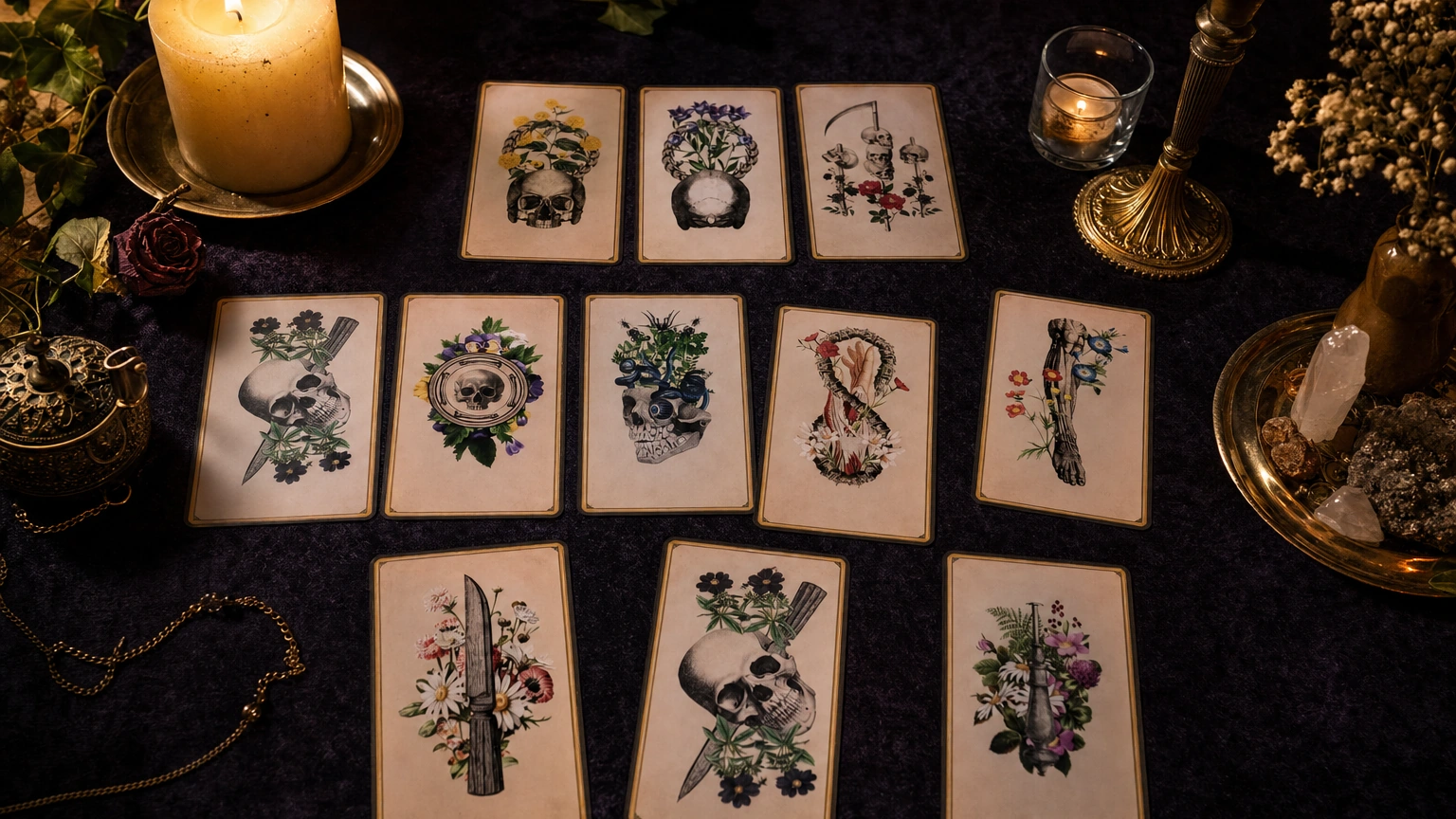
Antique Anatomy Tarot is a moody botanical-anatomy deck for readers who like bones, flowers, old diagrams, and quiet transformation. It feels like opening a cabinet of curiosities: part tarot, part specimen drawer, part spellbook margin.
This TarotFans version keeps the gallery honest at 71 verified source images. The gallery is now named from the printed card labels where visible, using the deck’s own suit words: Rods, Elixirs, Coins, and Blades.
What this deck feels like in a reading
Antique Anatomy Tarot reads best when you slow down. Its imagery asks you to notice roots, stems, bones, organs, vessels, and the quiet architecture underneath a situation.
The deck is especially useful when a reading needs both beauty and honesty. It can make grief, healing, change, and repair feel less dramatic and more natural.

Major Arcana study
The Hanged Man: held in the specimen frame
The Hanged Man turns suspension into study. The card feels like a preserved lesson, asking what can be understood only by pausing.
In readings, it can point to surrender, reversal, and the strange wisdom that appears when you stop trying to force motion.
Artwork and atmosphere
The artwork has a parchment-and-specimen feel. It is softer than horror, but stranger than a standard floral deck. Bones and blooms sit together, giving the cards a strong life-death-life rhythm.
That rhythm makes the deck good for questions about change. A card might feel like a diagnosis, a pressed flower, or a note from a field journal.
Four-card moment: major arcana cabinet
Pause, truth, balance, and shadow
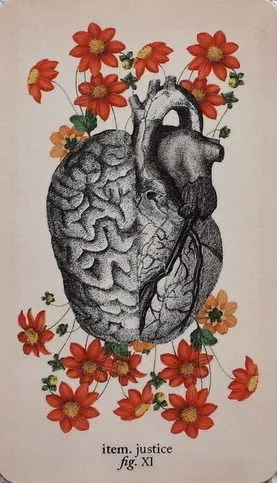


The Hanged Man, Justice, Temperance, and The Devil show the deck’s serious symbolic range: stillness, consequence, integration, and the hidden bind.
Who will enjoy Antique Anatomy Tarot?
This deck is a strong match for readers who love botanical art, anatomical drawings, vintage science illustrations, apothecary aesthetics, and symbolic shadow work.
It may not be ideal if you want traditional human scenes, bright colors, or instantly recognizable Rider-Waite storytelling. Antique Anatomy Tarot is more atmospheric.

Major Arcana study
The High Priestess: hidden knowledge in the skull garden
The High Priestess becomes a study of secrecy, instinct, and stored knowledge. The anatomy mood makes intuition feel embodied rather than airy.
In practice, this card asks what the body already knows, and what quiet evidence has been waiting to be read.
How to read with it
Try a simple three-question method: What is exposed? What is growing? What needs preservation or release? Those questions match the deck’s visual language and keep the reading practical.
Because the recovered gallery is partial, use the pictures themselves as the primary guide. Notice color, direction, density, emptiness, botanical motion, and the relationship between soft organic forms and hard skeletal structure.
Four-card moment: rods and elixirs
Will, medicine, feeling, and motion
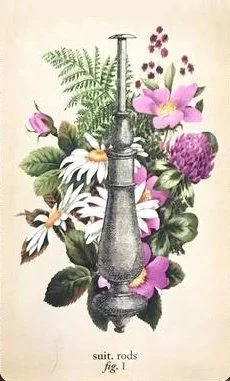


Ace of Rods, Seven of Rods, Ace of Elixirs, and Page of Elixirs make a useful reading row about energy, defense, emotional medicine, and new sensitivity.
Card studies from the gallery

Major Arcana study
The Sun: bright growth from a bare skull
The Sun is one of the clearest examples of the deck’s beauty. A skull can still become a vessel for yellow flowers and warmth.
In a reading, this card suggests vitality returning after a stripped-down season. It is joy with memory, not shallow cheer.
The named gallery now makes the source set easier to browse while staying honest about the partial 71-card count. The deck’s language is part of its charm: Rods feel like tools and stems, Elixirs feel medicinal, Coins feel like specimen plates, and Blades feel surgical.
Four-card moment: coins and blades
Matter, edge, resources, and thought
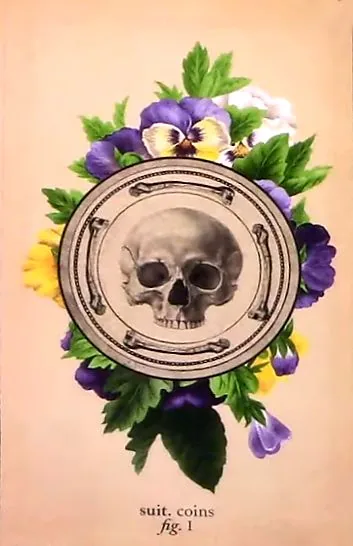


Ace of Coins, King of Coins, Ace of Blades, and King of Blades show the deck moving from physical substance to sharp clarity.
Pros and cons
| Pros | Cons |
|---|---|
| Beautiful botanical-anatomy atmosphere with a unique visual voice. | The current TarotFans gallery is partial at 71/78 verified source images. |
| Gallery labels now use best-effort card names from the printed card labels. | A few missing cards still prevent a full 78-card gallery claim. |
| Great for shadow work, healing questions, journaling, and transformation readings. | Less beginner-obvious than a deck with clear human story scenes. |
Final thoughts
Antique Anatomy Tarot is a memorable deck for readers who like quiet depth. It invites you to study the hidden structure of a question and notice where new life is already beginning.
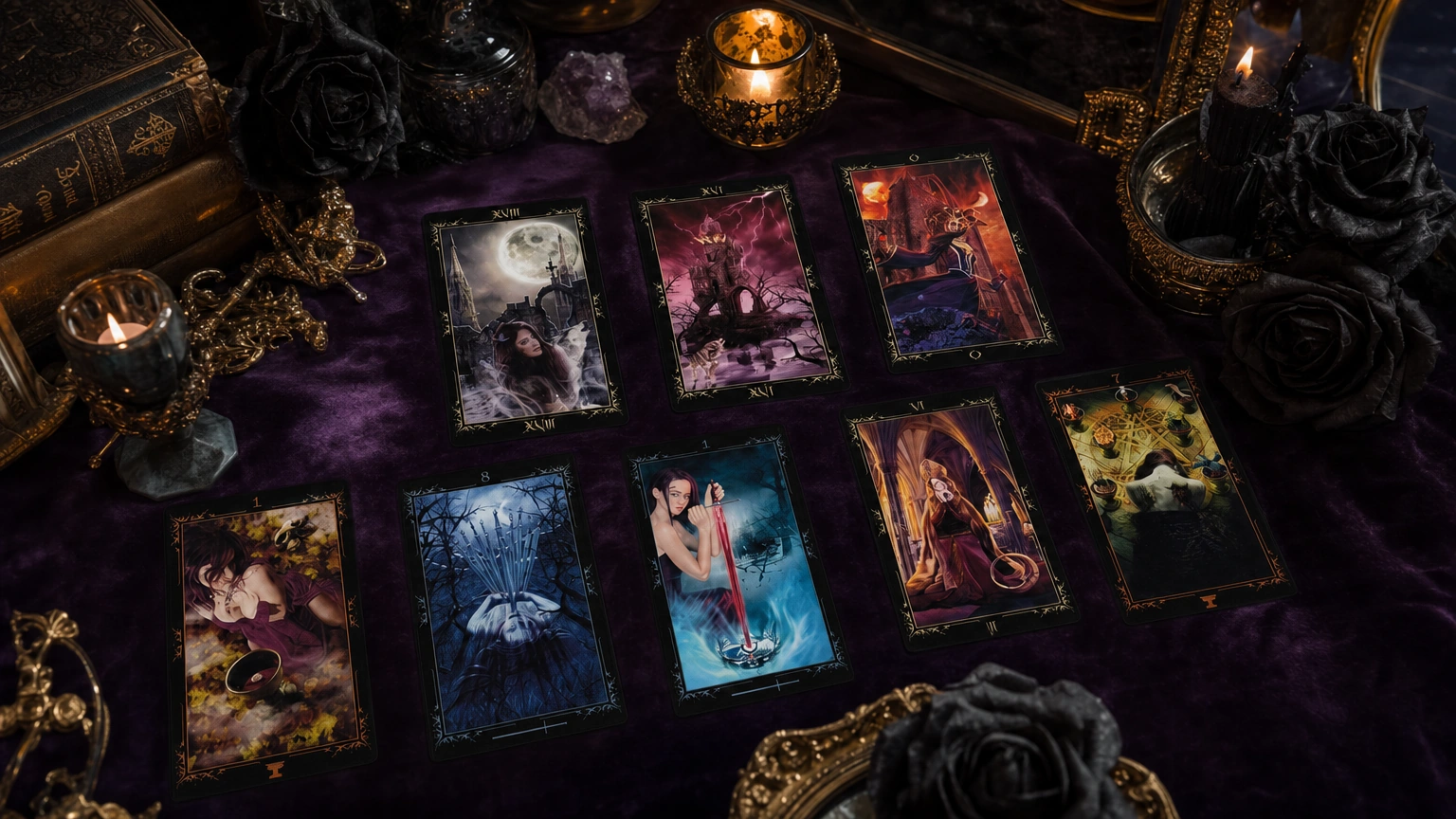
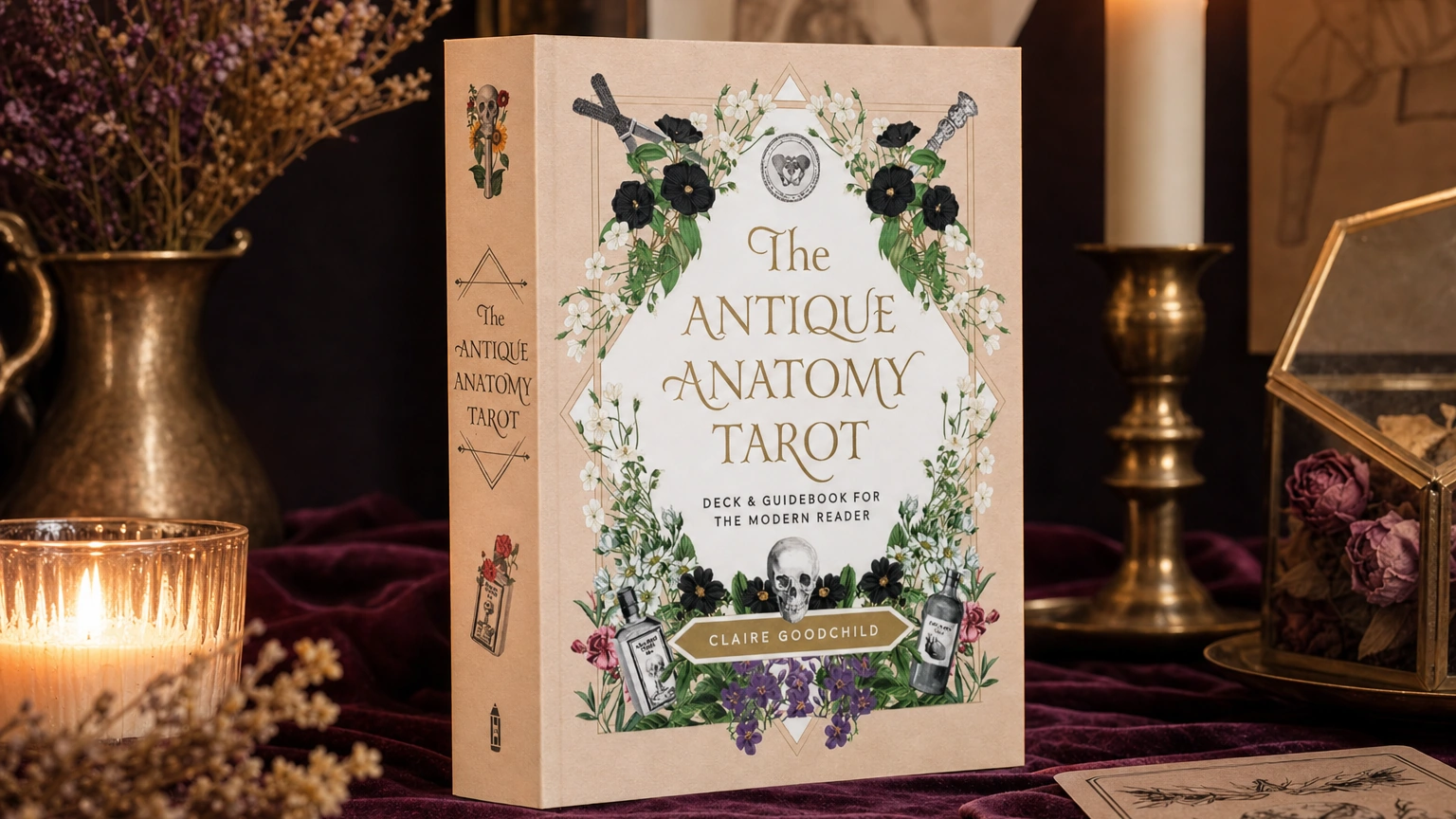
The table-spread image is a GPT Image 2 render based on the verified gallery cards, and the final product image now shows the Antique Anatomy Tarot box in a warm plum-and-gold lifestyle scene.
Four-card moment: roots and remains
A last look before the final CTA


Death, The Moon, Wheel of Fortune, and Knight of Blades close the reading with change, mystery, cycles, and a sharp messenger moving through the dark.
Antique Anatomy Tarot FAQ
Is Antique Anatomy Tarot a full 78-card deck?
The deck itself is a tarot deck, but this TarotFans gallery currently has 71 verified source images. The recovered source is partial, so the page keeps the count honest instead of padding uncertain cards.
Are the gallery cards named now?
Yes. The visible gallery labels now use best-effort card names read from the printed card labels and contact-sheet inspection, using this deck’s suit language: Rods, Elixirs, Coins, and Blades.
What is the mood of Antique Anatomy Tarot?
It blends old medical-illustration texture, botanical details, bones, roots, and specimen-table atmosphere. The result feels quiet, strange, and beautifully archival.
Is this deck beginner-friendly?
It can work for beginners who enjoy visual symbolism, but very new readers may want a traditional guide nearby because the antique anatomy style can feel more symbolic than literal.
What readings suit it best?
It is excellent for shadow work, body intuition, healing questions, endings, renewal, creative blocks, and readings where you want to examine what sits beneath the surface.
Is the final product image generated?
Yes. The final CTA image uses GPT Image 2 with the supplied Antique Anatomy Tarot box reference, then it is placed above the bottom Amazon CTA.