The Age of Aquarius Tarot Cards
Browse the recovered Age of Aquarius Tarot card images in a native TarotFans gallery. Tap any card to open a larger carousel view.
Aurica’s Quick Take
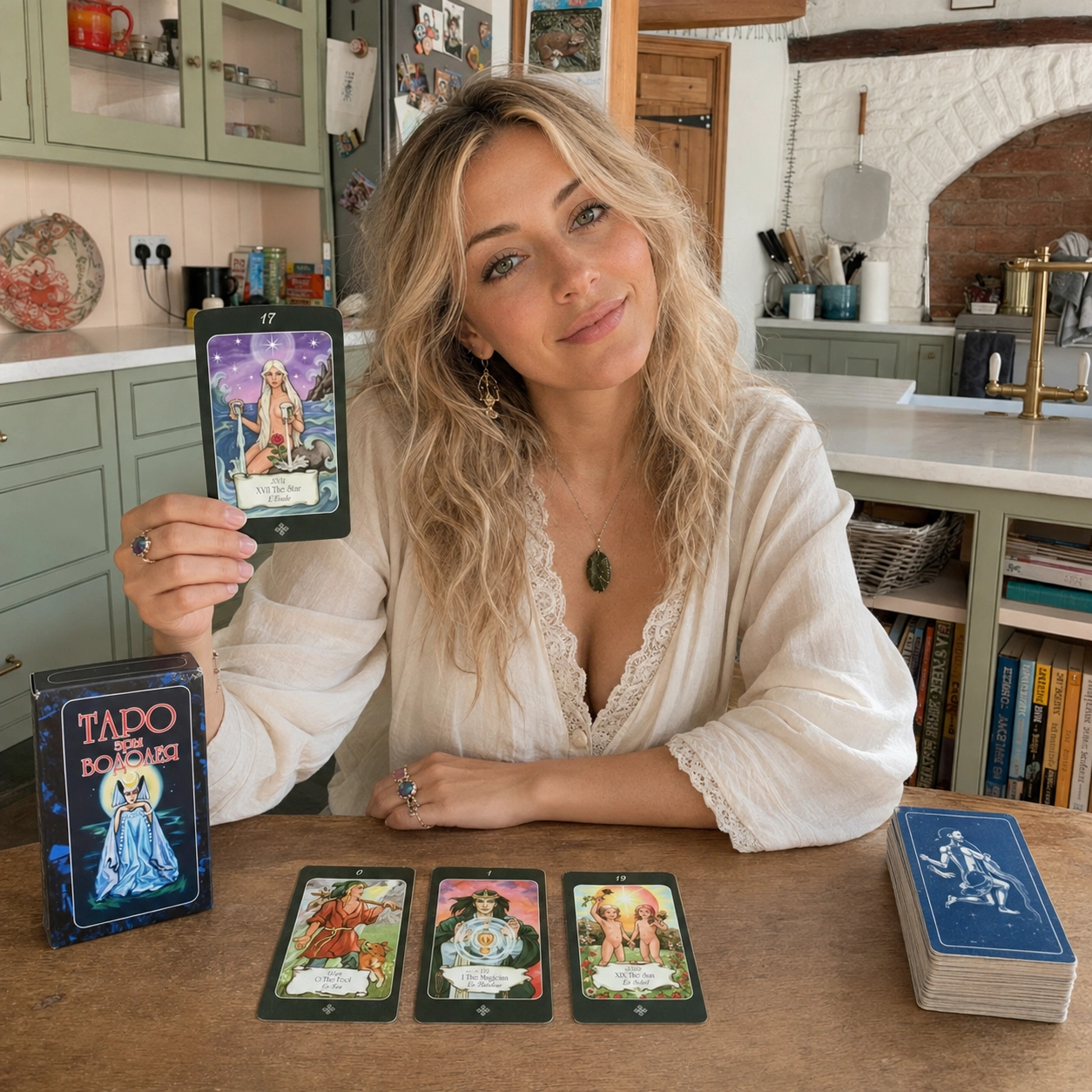
I have a soft spot for a deck that feels as though it has travelled from a particular time and place. The Age of Aquarius Tarot carries an old storybook atmosphere: black-framed cards, expressive figures, jewel-like colour, and small human dramas that ask me to pause before I reach for a familiar keyword.
When The Fool, The Magician, The Star, and The Sun meet on my table, I first notice posture, gaze, and where the colour warms or cools. Then I bring that feeling back to each card’s traditional work and to the question in front of me. The deck becomes clearest when I let the scene speak first and use the classic meaning as a steady lantern rather than a script.
I would not rush this deck or hand it to every brand-new reader. It rewards one-card pulls, small spreads, and patient journaling, especially for questions about relationships, old patterns, and the role we keep playing in a situation.
Its gift is the courage to look again: stay curious, follow the detail that glows for you, and trust that a thoughtful reading can open a bright new doorway.
My First Impression
When I first look through the Age of Aquarius Tarot, I do not get an instant “easy beginner deck” feeling. I get more of a “sit with me for a while” feeling. Some cards are clear right away, while others ask you to study what is happening. That can be beautiful if you enjoy a deck that makes you work a little.
The colors are rich without feeling overly bright. The scenes are busy enough to give your intuition something to chew on, but not so crowded that they become impossible to read. What I like most is that the cards feel human. They are full of people doing human things: waiting, arguing, choosing, carrying, watching, reaching, protecting, losing, hoping.
There is a lived-in feeling here. The deck does not always look “pretty” in a smooth modern way, but it feels alive. I would rather have a deck with a real voice than one that looks perfect but says very little.
The Art Style: Medieval, Theatrical, and Unusual
The Age of Aquarius Tarot has an old-world mood. It reminds me of stage scenes, illuminated storybooks, and folk-tale paintings. The figures often look like they are caught in the middle of a small drama. Someone is turning away. Someone is offering something. Someone is watching. Someone is waiting for the next move.
That theatrical quality gives the deck emotional texture. It does not always hand you the meaning in a simple modern symbol. Instead, it shows you a scene and asks, “What is the human story here?” This makes the deck especially interesting for readers who like interpreting body language, setting, mood, and relationship dynamics.
If you are used to very clean modern decks, this one may feel odd at first. But odd is not bad. Odd can be useful. Odd makes you pay attention. The Age of Aquarius Tarot has enough personality that you cannot read it on autopilot.
Card moment
Old-world atmosphere

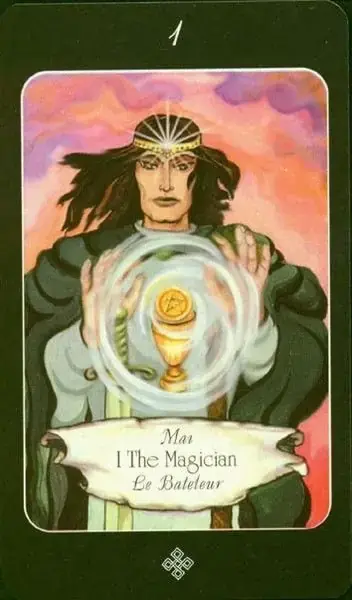
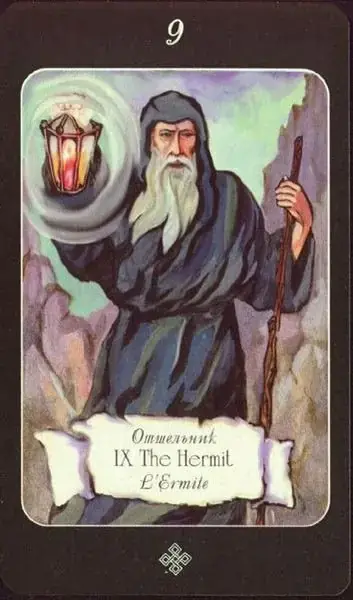
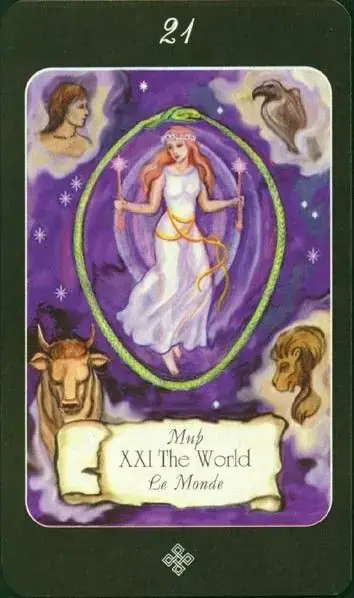
These four cards show why the deck feels so theatrical to me: a seeker, a maker, a quiet teacher, and a completed world. They set the tone before the article moves into how the deck actually reads.
When the Pictures Speak Before the Keywords
The figures in this deck often seem caught halfway through a choice: a hand reaches out, a face turns aside, or a bright garment pulls the eye toward the person with the most emotional weight. I let that first impression name the tension in the question, then compare it with the card’s established tarot role and the cards nearby. This keeps the reading grounded while still leaving room for the artwork’s strange, tender voice.
Deck-specific card study
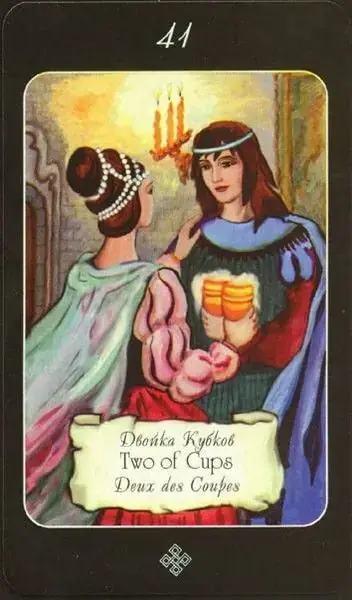
Why this Two of Cups feels like a vintage spiritual meeting
Traditional Rider-Waite-Smith shows two people exchanging cups in a clear ritual of attraction and trust. This deck keeps the human meeting, but gives it a softer vintage-mystical atmosphere: rounded figures, warm colors, a parchment-like title area, and an almost storybook Egyptian/bohemian feeling.
Instead of making the card only about romance, the art makes the exchange feel like an old soul conversation. The cups are present, but the clothing, profile poses, and nostalgic palette make the moment feel ceremonial — as if connection is also memory, style, and shared myth.
How the Age of Aquarius Tarot Reads
This is where the deck gets interesting. Even though the pip cards include scenes, I would not read it exactly like a Rider-Waite-Smith clone. Some images feel closer to an older European tarot mood, where the card is not always trying to explain itself in one obvious picture. You may need to combine the scene, the suit, the number, and your own reading style.
For example, a beginner might look at a card and think, “I am not sure what this means yet.” A more experienced reader may notice the posture of the figures, the direction they are facing, the mood of the colors, and the way the suit symbols are placed. The deck rewards that slower kind of attention.
I would use it for readings where the question has layers: relationship patterns, repeating family stories, inner conflict, old choices coming back around, or a situation where someone’s public role is different from their private feeling. This deck is very good at “what is really happening in the scene?” questions.
Deck-specific card study
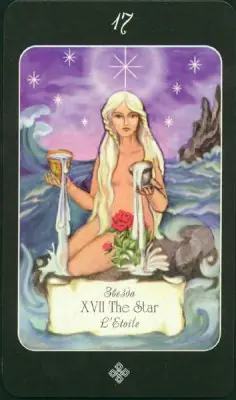
Why this Star turns hope into cosmic softness
The RWS Star is usually a nude figure pouring water under a bright sky. In Age of Aquarius, the card feels more like a pastel vision: a pale central figure, soft purple sky, large stars, and dreamy water create a gentler, more psychedelic form of renewal.
The mood is less about physical purification and more about cosmic reassurance. This Star feels like a message from the era the deck is named for: hope as openness, sensitivity, and trust in a larger spiritual pattern.
Beginner Friendly or Not?
I would call this deck medium difficulty. It is not impossible for beginners, but I would not make it someone’s very first tarot deck unless they already love the artwork. If you are learning tarot from scratch, a more direct deck may be easier at first. If you already know the basic card meanings, the Age of Aquarius Tarot becomes much more enjoyable.
The nice thing is that many cards are illustrated, so you are not left with plain suit symbols only. But the illustrations do not always teach the meaning in the most obvious modern way. You have to build a relationship with the deck. I actually like that. It makes the deck feel less disposable.
For a newer reader, I would suggest pulling one card at a time. First write the traditional meaning. Then write what you see in the scene. Who has power? Who looks tired? Who is moving? Who is still? What part of the picture makes you uncomfortable? That is how this deck begins to open.
Easy, Medium, and Hard Reading Examples
Easy reading: “What should I notice today?”
If you pull the Page of Cups, the simple message may be emotional openness, curiosity, or a small invitation from the heart. With this deck, I would also ask: does the figure seem innocent, dramatic, shy, or sincere? The answer might be about letting a small feeling speak before the mind edits it away.
Medium reading: “What is happening in this family pattern?”
If the 10 of Pentacles appears with the 5 of Swords, I would look at inheritance, status, old arguments, and the way family stories can become family rules. The Age of Aquarius Tarot is good for this because its old-world scenes naturally make you think about tradition, roles, duty, and social expectation.
Hard reading: “Why do I feel stuck in this choice?”
If The Hanged Man, 2 of Swords, and 8 of Cups appear together, I would not rush the person toward action. I would say: “Something in you knows a chapter is complete, but another part of you is still trying to understand the cost of leaving.” This deck can hold that kind of old, complicated emotion very well.
Card moment
Reading the human scene
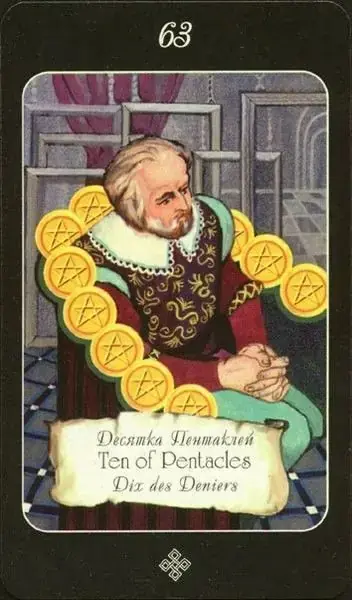
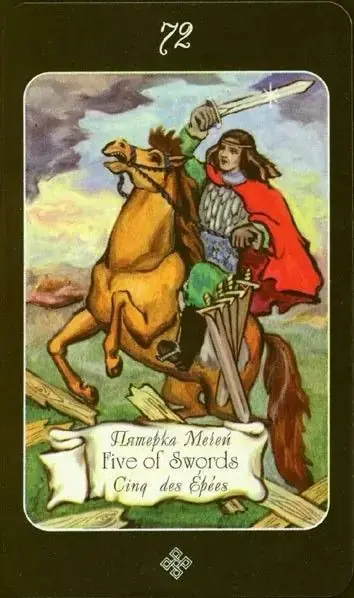
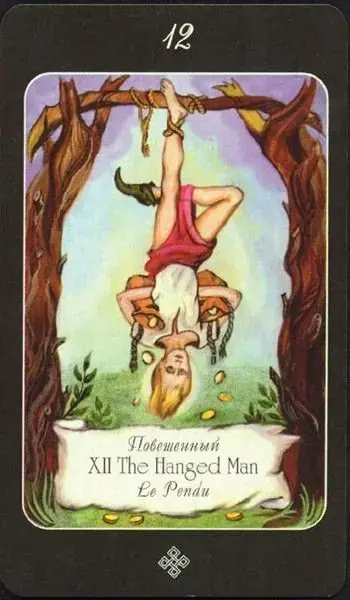
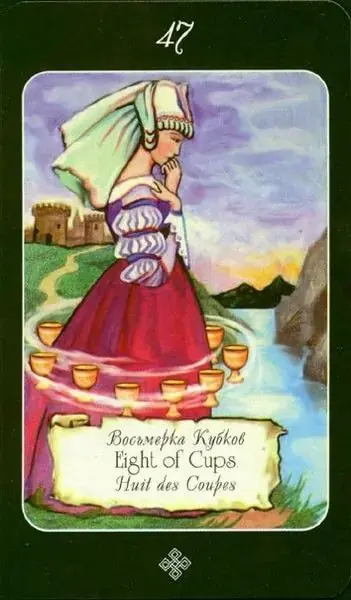
This group fits the part of the review about family patterns, old choices, and emotional tension. Notice how the figures and suit energy make you ask who has power, who is defending, and who is ready to walk away.
Best Questions to Ask This Deck
- What story am I repeating?
- What role am I playing in this situation?
- What old belief is shaping my choice?
- What is hidden inside this conflict?
- What would a wiser, slower reading of this situation show me?
- What lesson is trying to mature me?
I especially like the Age of Aquarius Tarot for readings about history: personal history, family history, relationship history, and the history of a choice. It is not always my first pick for a quick one-card pep talk, but it is strong when the question needs depth.
What I Like Most
What I like most is the atmosphere. This deck has a world. It feels like you are opening a small stage curtain and watching people act out symbolic scenes. The cards do not feel glossy or empty. They feel a little mysterious, sometimes awkward, sometimes elegant, and very alive.
I also like that it is different from the decks most people already know. If your collection is full of soft pastel decks or very faithful Rider-Waite-inspired decks, this one brings a different voice to the table. It has an old-world flavor that can make familiar cards feel fresh again.
As a reader, I value decks that make me listen differently. The Age of Aquarius Tarot does that. It slows me down. It makes me look at people, rooms, gestures, and small symbolic choices. It reminds me that tarot is not only keywords. Tarot is observation.
What to Know Before Buying
- It has a strong vintage mood. If you want sleek modern art, this may not be your style.
- It is better for slow readings. The images reward study and patience.
- It is not the simplest beginner deck. Beginners can use it, but it may work better as a second or third deck.
- The deck has a distinct historical personality. That is the point, not a flaw.
- It suits readers who enjoy story and character. If you like reading scenes, you may enjoy it a lot.
Who Will Love The Age of Aquarius Tarot?
You may love this deck if you are drawn to medieval-style scenes, unusual tarot history, Russian tarot decks, and artwork that feels symbolic rather than trendy. It is also a good fit for readers who enjoy decks with a slightly strange personality.
You may not love it if you want a deck that feels instantly smooth, soft, and easy. Some cards need patience. Some scenes may feel old-fashioned. Some symbolism may not be obvious in the first five seconds. But if you enjoy that kind of slow unfolding, the deck becomes more rewarding over time.
Aurica’s Golden Rule for Reading This Deck
Read the scene before you reach for the keyword.
With the Age of Aquarius Tarot, I like to ask: Who is active? Who is passive? Who is looking at whom? What feels formal, tense, secretive, generous, or tired? Then I bring in the traditional card meaning. This keeps the reading alive and stops the deck from becoming a flat list of definitions.
For example, instead of saying “5 of Cups means sadness,” I might say, “This card shows a person emotionally caught in what has been lost, but the scene may also show what is still available if they turn toward it.” That is the difference between reciting tarot and reading tarot.
Card moment
Intuition and shadow
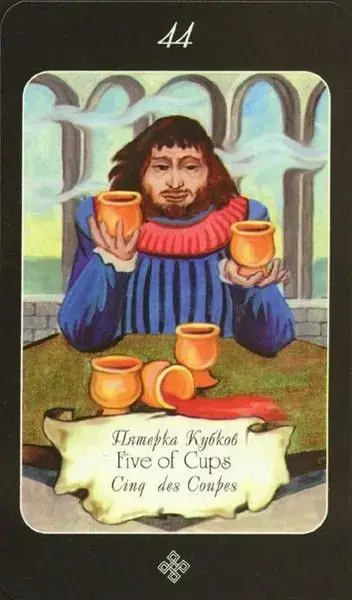
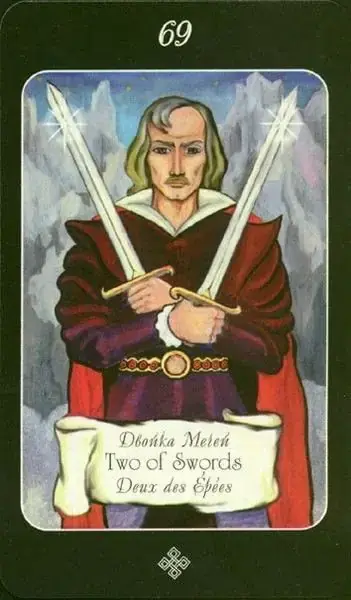
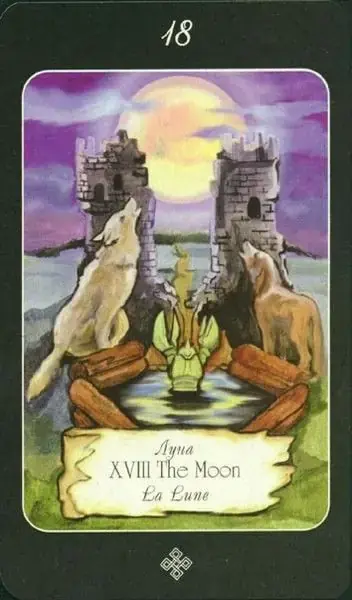

Near the end of the review, these cards echo the deck’s slower, more intuitive voice: grief, choice, mystery, and hope. They are the cards I would use when asking what the deeper story is really trying to reveal.
Final Thoughts
The Age of Aquarius Tarot is not a perfect deck for everyone, but it is a memorable one. It has a strong personality, a beautiful sense of history, and enough symbolic texture to keep a reader interested. I would recommend it most to tarot lovers who already know the basics and want a deck that feels more unusual, more European, and more story-driven than the average beginner deck.
For me, this deck works best when I stop expecting it to be simple and let it be itself. It is a little moody, a little old-fashioned, and very human. And sometimes, that is exactly the kind of tarot voice a reading needs.
The Age of Aquarius Tarot FAQ
Is The Age of Aquarius Tarot a complete 78-card tarot deck?
Yes. This edition follows the familiar 78-card tarot structure: 22 Major Arcana and 56 Minor Arcana cards across Wands, Cups, Swords, and Pentacles.
Who created The Age of Aquarius Tarot?
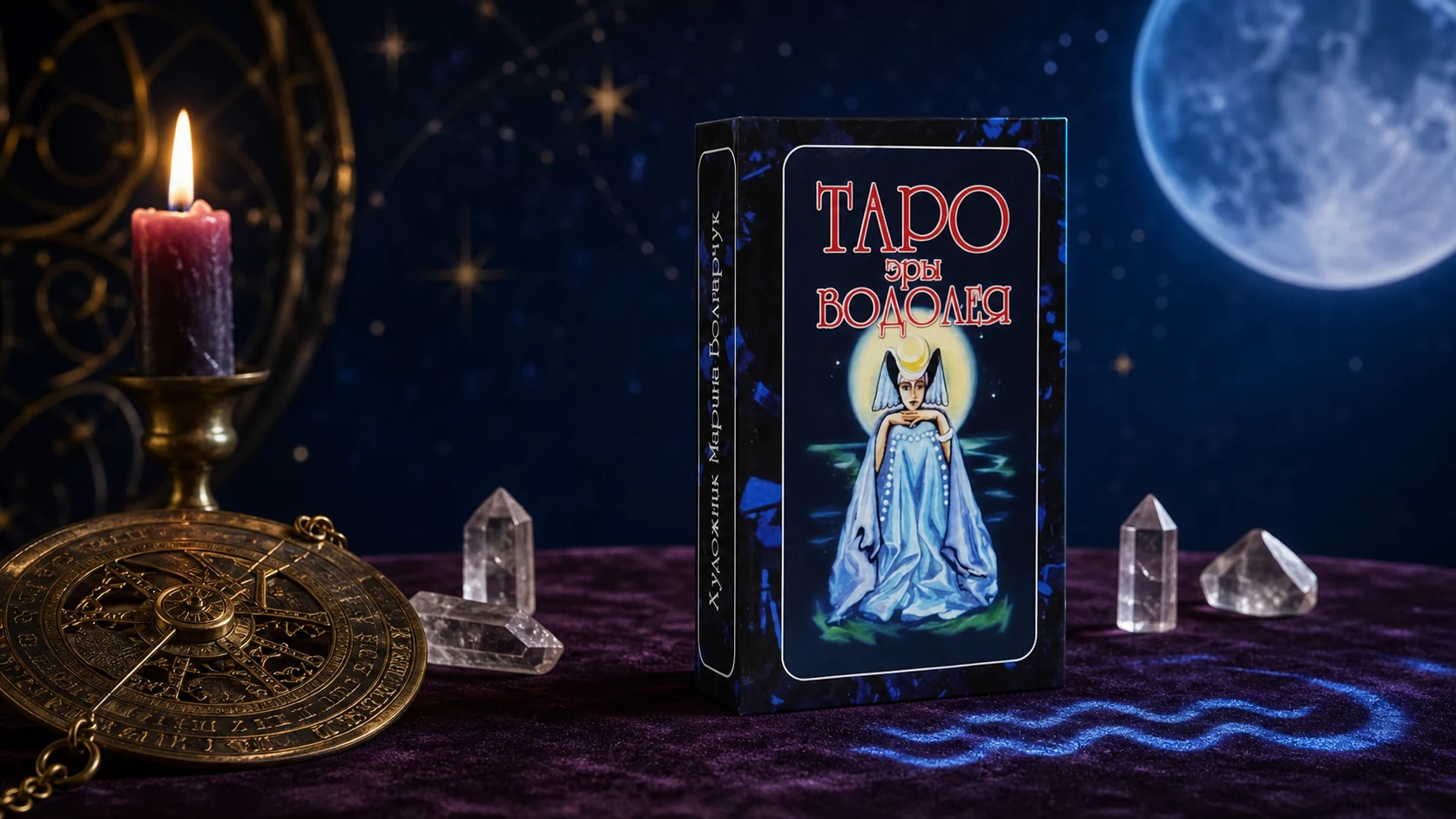
The deck artwork is credited to Marina Bolgarchuk. Its distinctive Russian presentation, black borders, and old-world scenes give the edition a strong visual identity.
Is The Age of Aquarius Tarot suitable for beginners?
It is usable for a patient beginner, but it is easier as a second deck once the basic tarot structure feels familiar. The scenes reward slow observation rather than quick keyword reading.
What kinds of readings suit this deck?
It is especially expressive for questions about relationships, repeating patterns, family stories, roles, and choices with an emotional history. Small spreads make its details easier to follow.
Does it read exactly like Rider-Waite-Smith?
Its 78-card structure is familiar, but the artwork has its own theatrical, European storybook mood. Read the visible scene first, then use the traditional card function and surrounding cards to test the interpretation.