
Explore The Beatles Tarot Cards
Browse the visually verified card fronts in the deck’s official Major Arcana, Sticks, Cups, Swords, and Pennies order. Choose a group to filter the continuous gallery, or select a card for the full-size Lightbox.
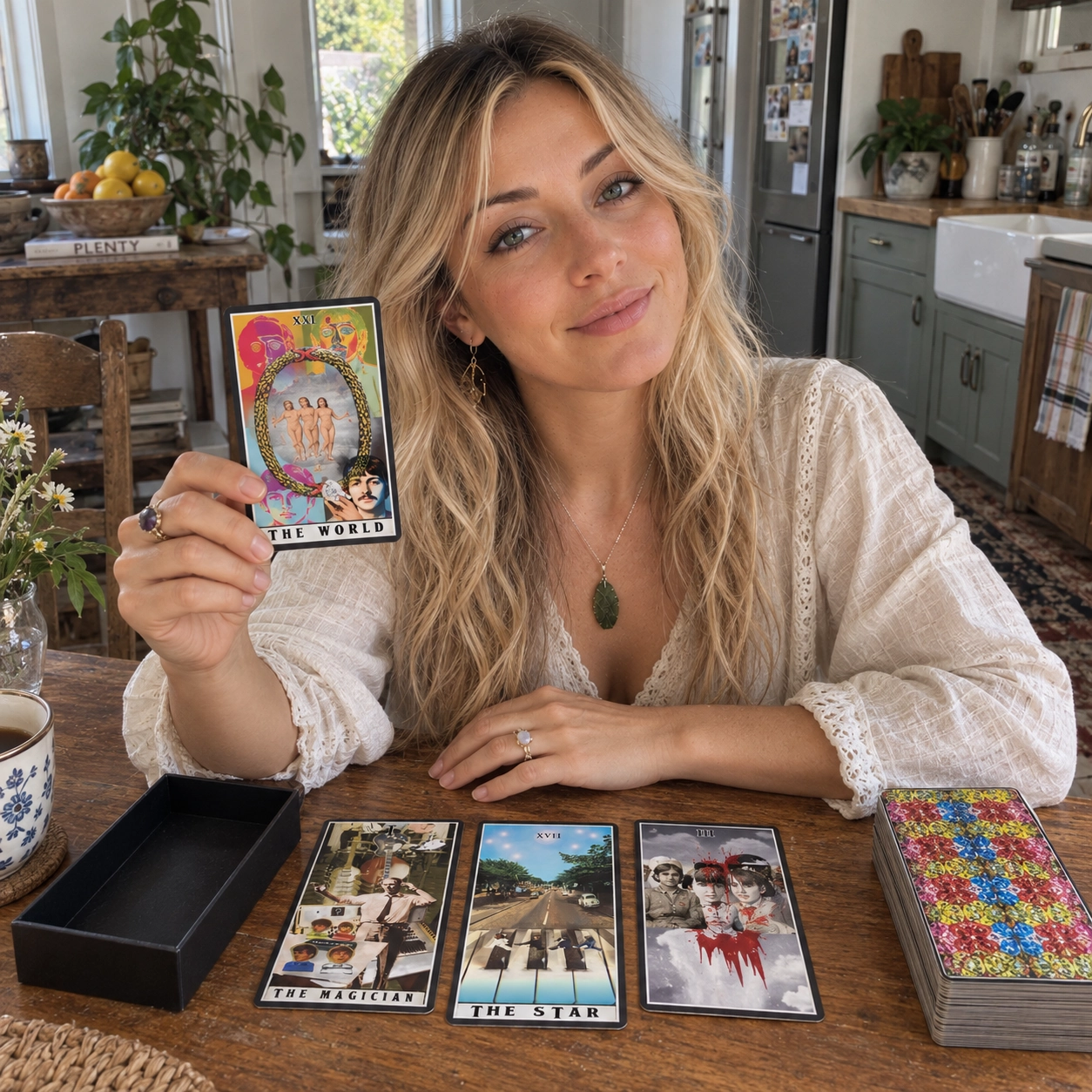
Aurica’s Quick Take
I reach for this deck when a familiar story has become too rehearsed. Its roads, records, instruments, family photographs, and sudden pockets of space interrupt expected tarot shorthand and make me look twice.
You do not need to recognise every reference. Notice who turns away, what object swells in importance, where colour breaks, and whether the collage feels crowded or open. Those details are enough to begin an honest reading.
If you love pop culture and stay curious when an image refuses to behave like a textbook, this is a lively reading partner. Let the first visible detail speak before the song in your memory does; your own clear seeing can carry the reading home.
A FAMILIAR SONGBOOK, REARRANGED IN 78 IMAGES
What makes The Beatles Tarot different?
This is a complete 78-card tarot whose collages draw on music, photographs, records, instruments, roads, buildings, family scenes, costumes, and surreal juxtapositions. The structure remains readable—22 Major Arcana followed by Sticks, Cups, Swords, and Pennies—yet the image on each card often takes an indirect route to its traditional role.
The creator’s current purchase page calls the available offer “The revised Beatles Tarot & Companion Book.” This review focuses only on what can be checked in the verified gallery and direct creator sources. It does not claim hands-on experience with card stock, finish, packaging, or guidebook contents.
THE DECK AT A GLANCE
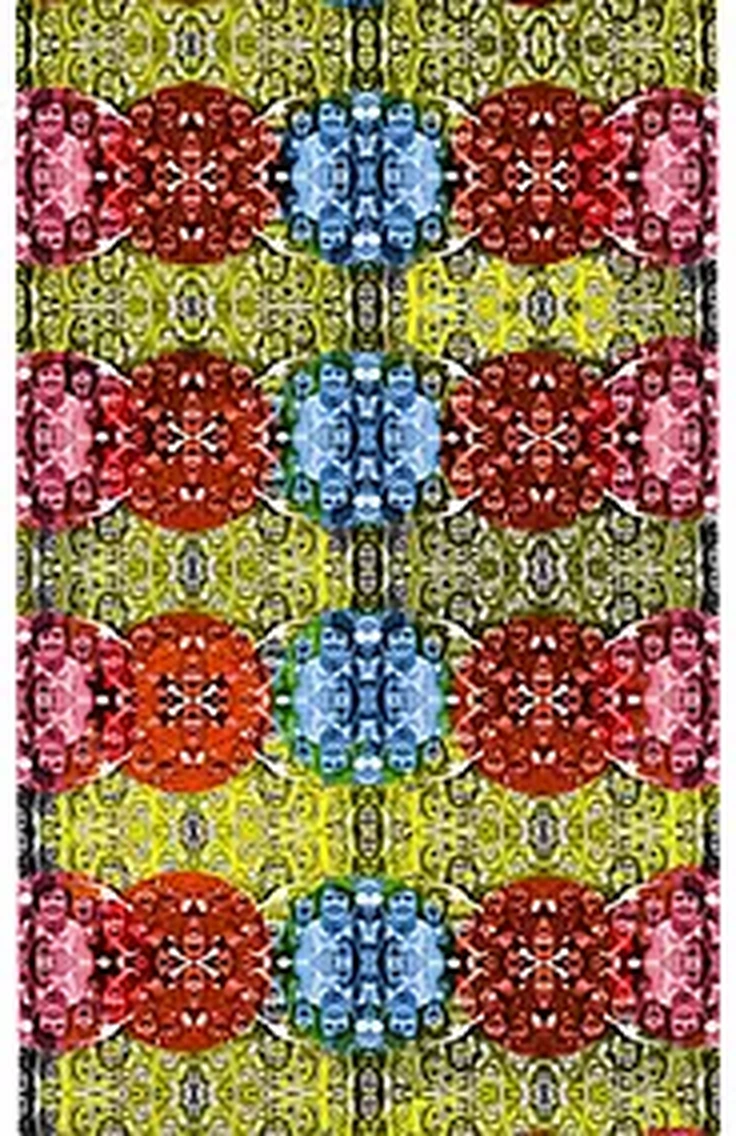
A back designed like a repeating chorus
The verified back is a tightly mirrored all-over pattern. Red, pink, orange, yellow, green, and blue portrait-like motifs repeat across both axes, so no single upright direction dominates. The dense symmetry suits a deck built from rhythm, repetition, and visual remix.
This image is included as edition evidence, not as a claim about card stock, finish, or handling—those physical qualities cannot be judged from photographs.
CARD STUDY
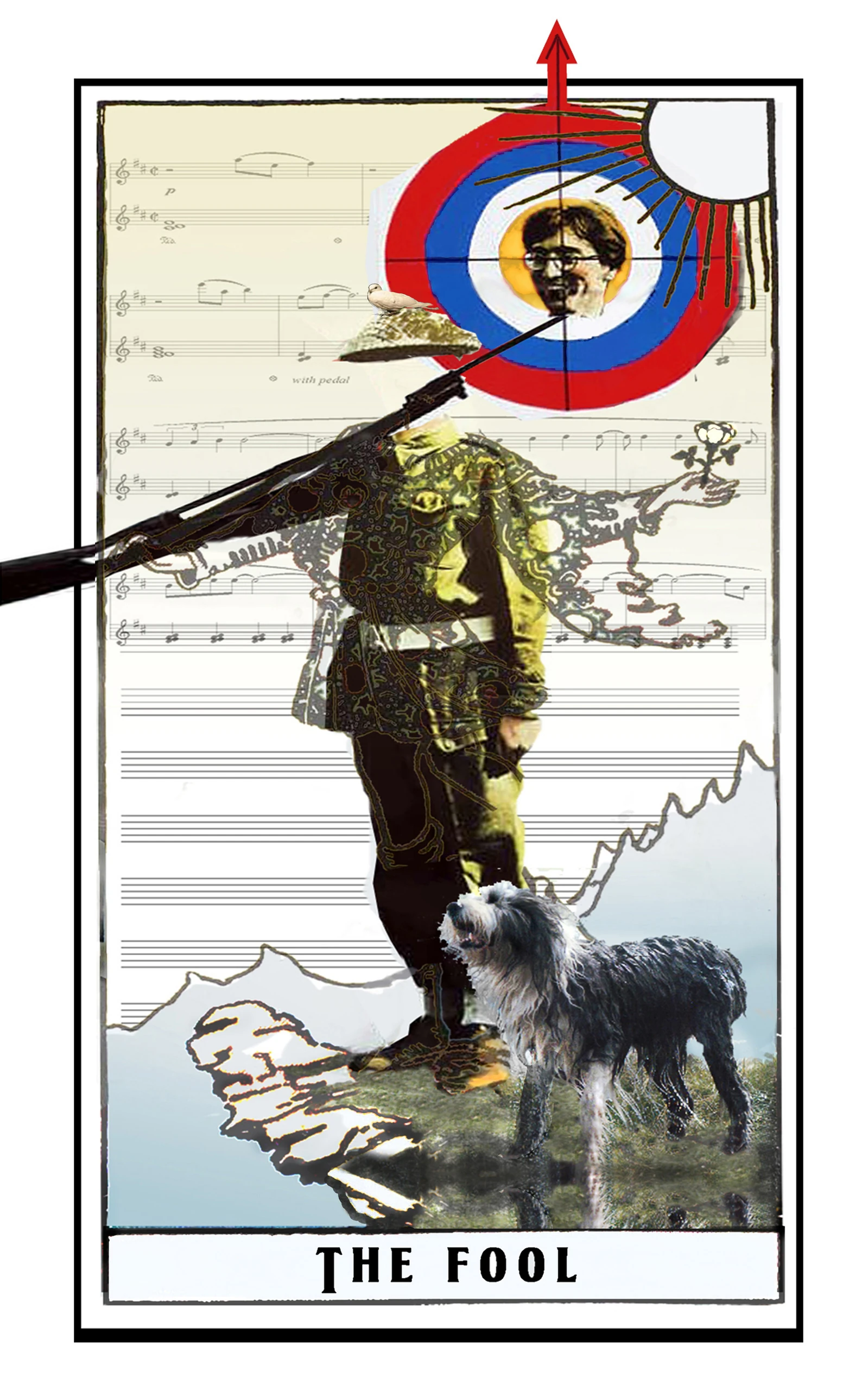
The Fool
A lone figure stands on a rough ledge with a shaggy dog at their feet. Behind them, printed music turns into the pale ground, while a red, white, and blue target circles a portrait overhead; an arrow rises cleanly through its centre. The collage is busy, but the body is already moving forward.
I read this as a beginning that asks for attention as well as nerve. The dog and cliff keep the risk visible; the musical notation suggests a pattern already sounding beneath the step. Name what is exciting, then name the practical edge you must not ignore.
How to read a collage before you read the reference
Begin by naming three things you can see without interpretation: a body position, a dominant colour, and an object or line. Then ask what those details do together. A road can invite movement; a repeated face can create pressure; a gap can make absence louder than a crowd.
Only after that first pass should you bring in a remembered lyric, photograph, or cultural association. This order matters because it keeps recognition from swallowing the reading. The image gets to answer your question before nostalgia answers it for you.
FOUR-CARD PACK
Four Major Arcana turning points
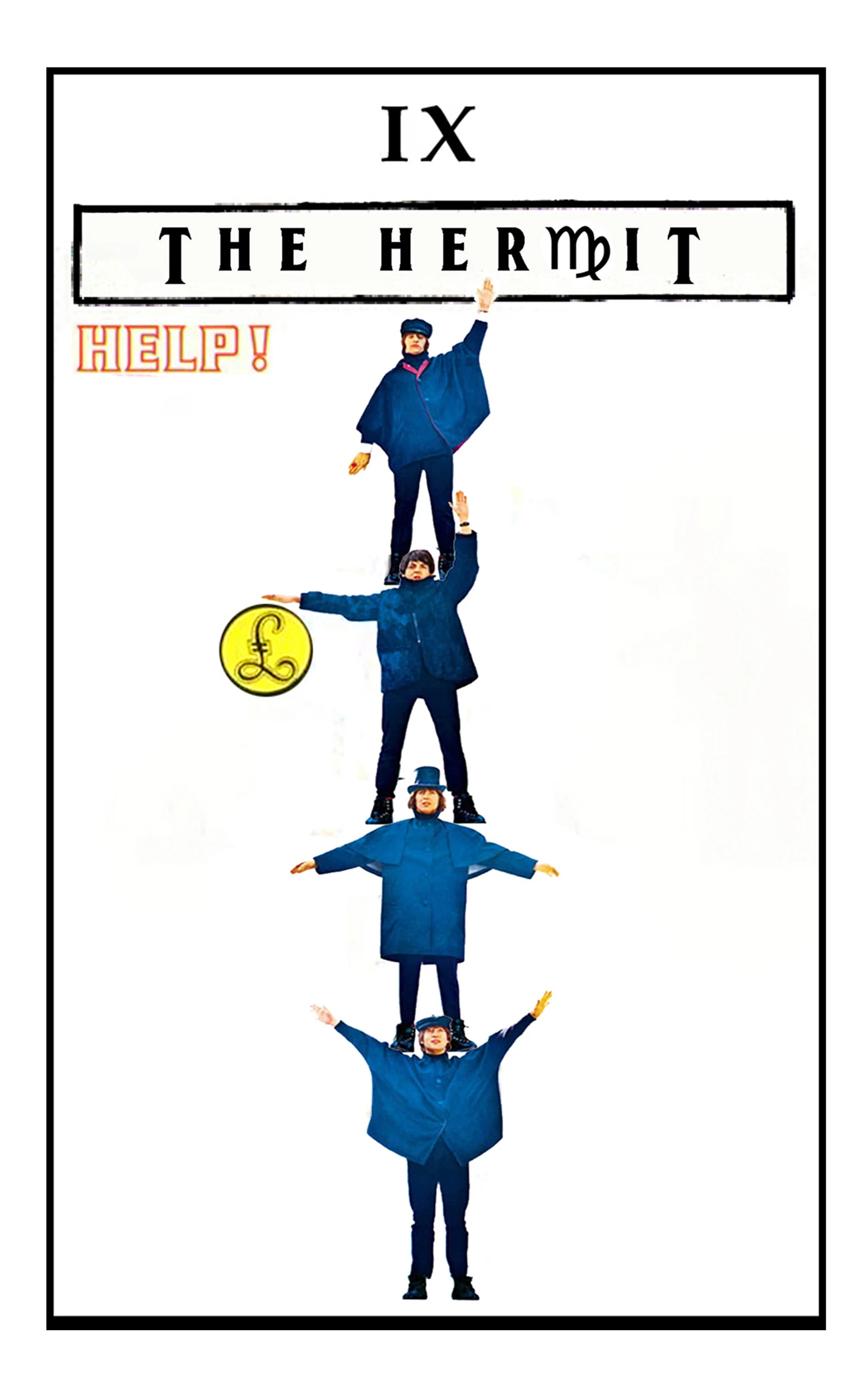
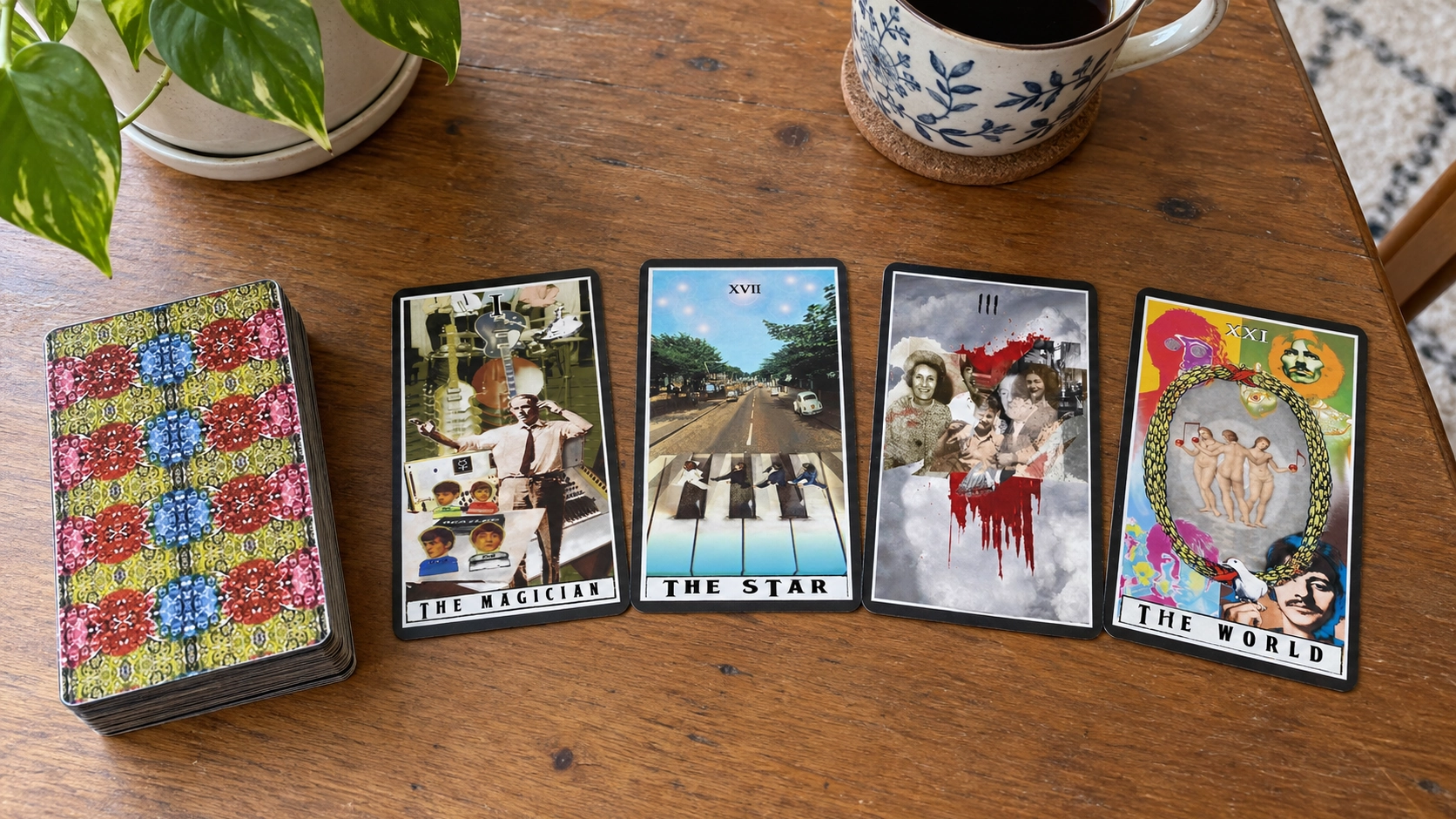
The Magician, The Lovers, The Hermit, and The World move from making, to choosing, to standing apart, to rejoining a larger whole. Read them as a compact story about how private intention becomes relationship and then perspective.



Major Arcana: from studio control to a larger world
The Major Arcana moves through sharply different visual registers. The Magician layers guitars, studio equipment, small portraits, and a standing figure who gestures with both hands. The Lovers sets two white-clad figures before a large rock and places photographs in their hands. The Hermit is mostly white space, with blue-clad figures stacked vertically beneath the word “HELP!” The World encloses three classical figures inside a braided oval, surrounded by bright portraits, birds, and an eye.
Rather than force these cards into one visual style, let the change of register become information. Ask whether your situation needs control, contact, distance, or integration. The card that feels least comfortable may be naming the missing movement.

CARD STUDY
The Star
A long tree-lined road leads away beneath a clear blue sky. Bright points float above it, while four figures cross a black-and-white striped path in the foreground and parked cars hold the ordinary street in place. Hope here is not remote: it is a road you can enter.
For a reading, follow the strongest line in the image. What would it mean to cross deliberately rather than wait for certainty? This card can restore direction after confusion, but it also asks you to place your feet on the next visible stripe.
Reading for relationships, work, and creative life
For relationships, look at distance and exchange before deciding who a figure represents. Are people leaning toward each other, crossing paths, holding matching objects, or occupying separate layers? Ask what is mutual and what is only being projected.
For work and creative questions, Sticks often make effort, performance, and equipment visible; Cups bring feeling and connection into view; Swords sharpen memory, conflict, and mental atmosphere; Pennies place value in bodies, homes, tools, and material scenes. These are reading prompts, not fixed promises.
Daily pull
Which visible detail deserves my full attention today?
Creative block
What am I arranging carefully, and what needs play?
Relationship check-in
Where is the exchange balanced, and where is someone carrying the whole scene?
FOUR-CARD PACK
Four beginnings, four materials
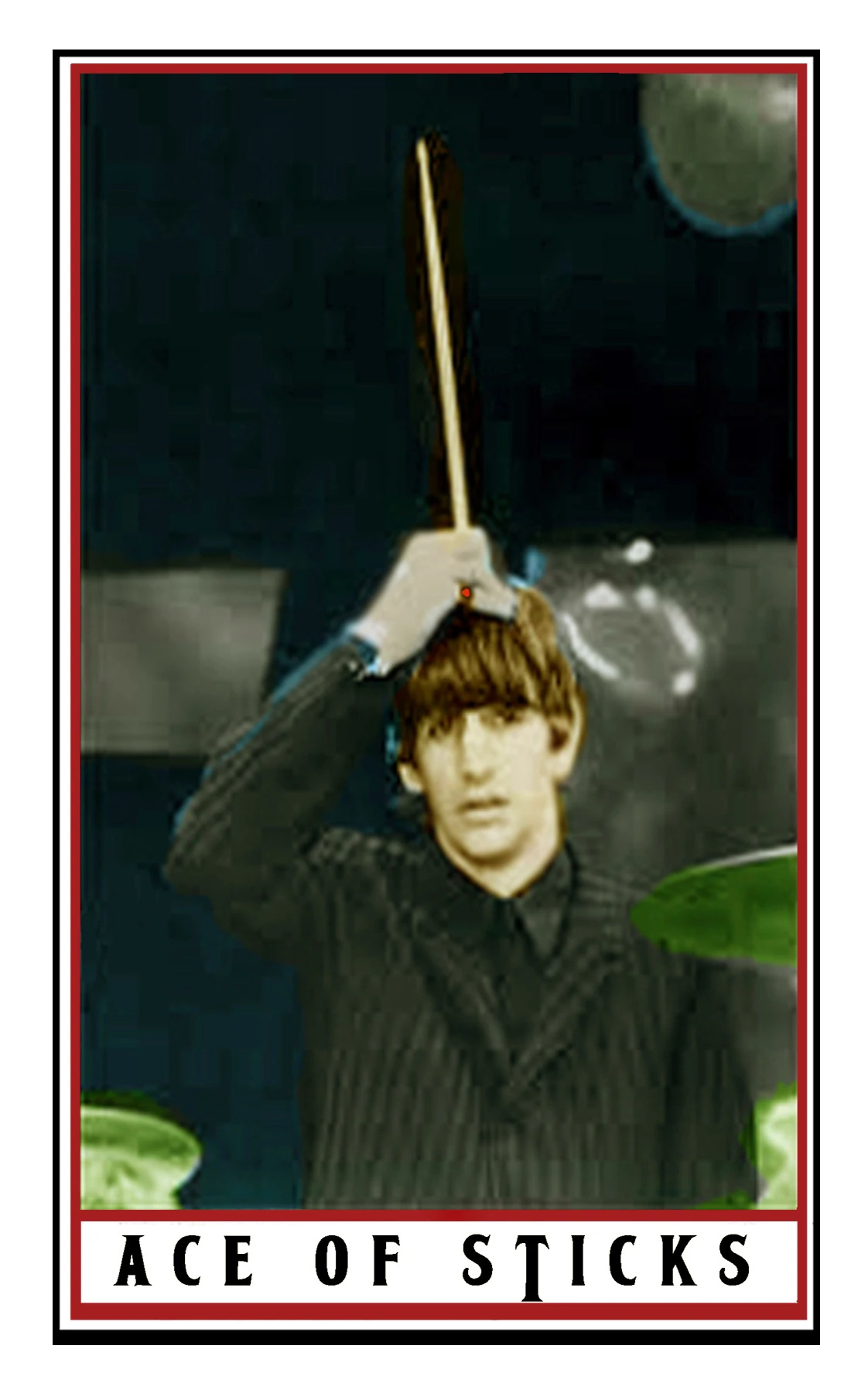
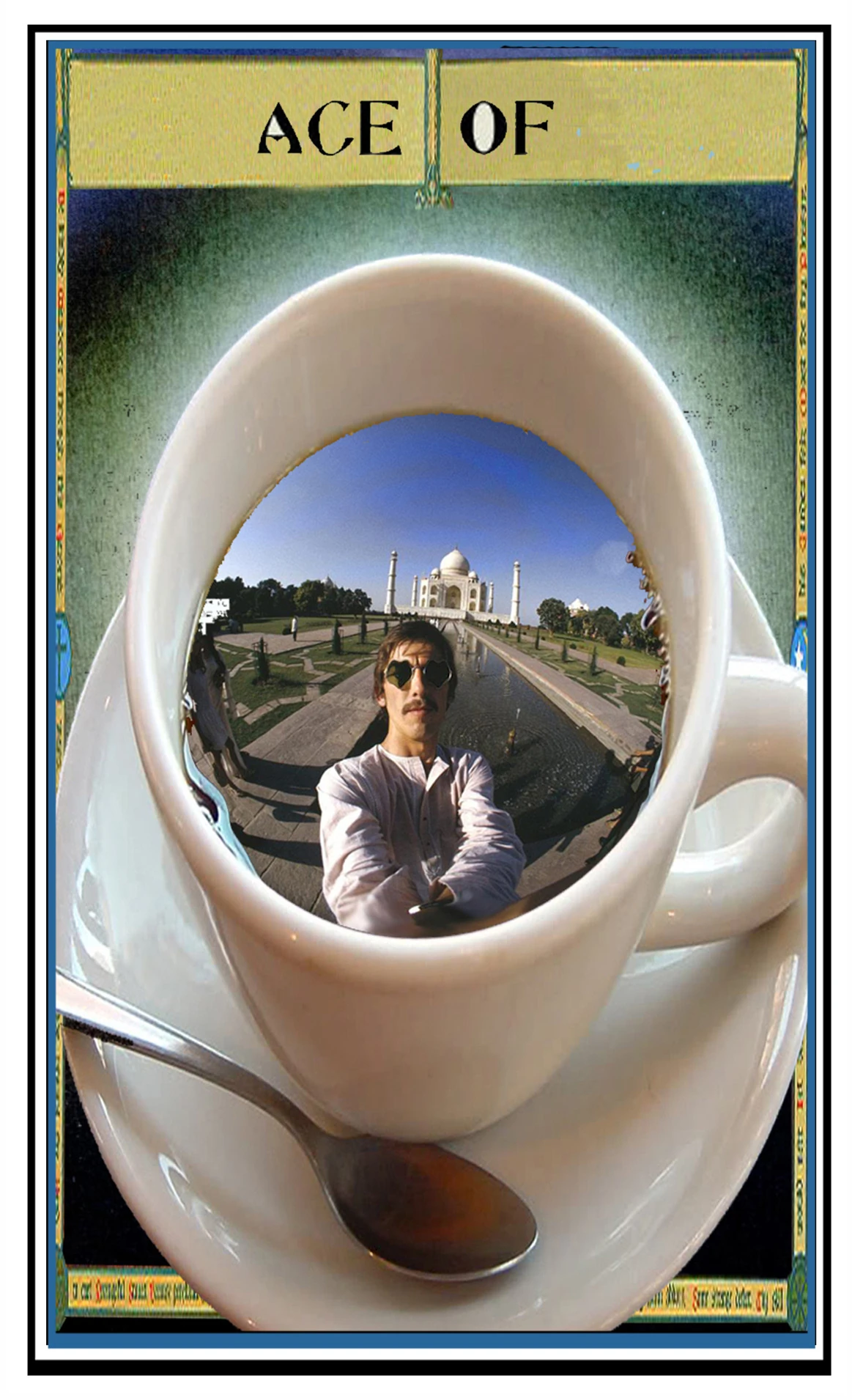
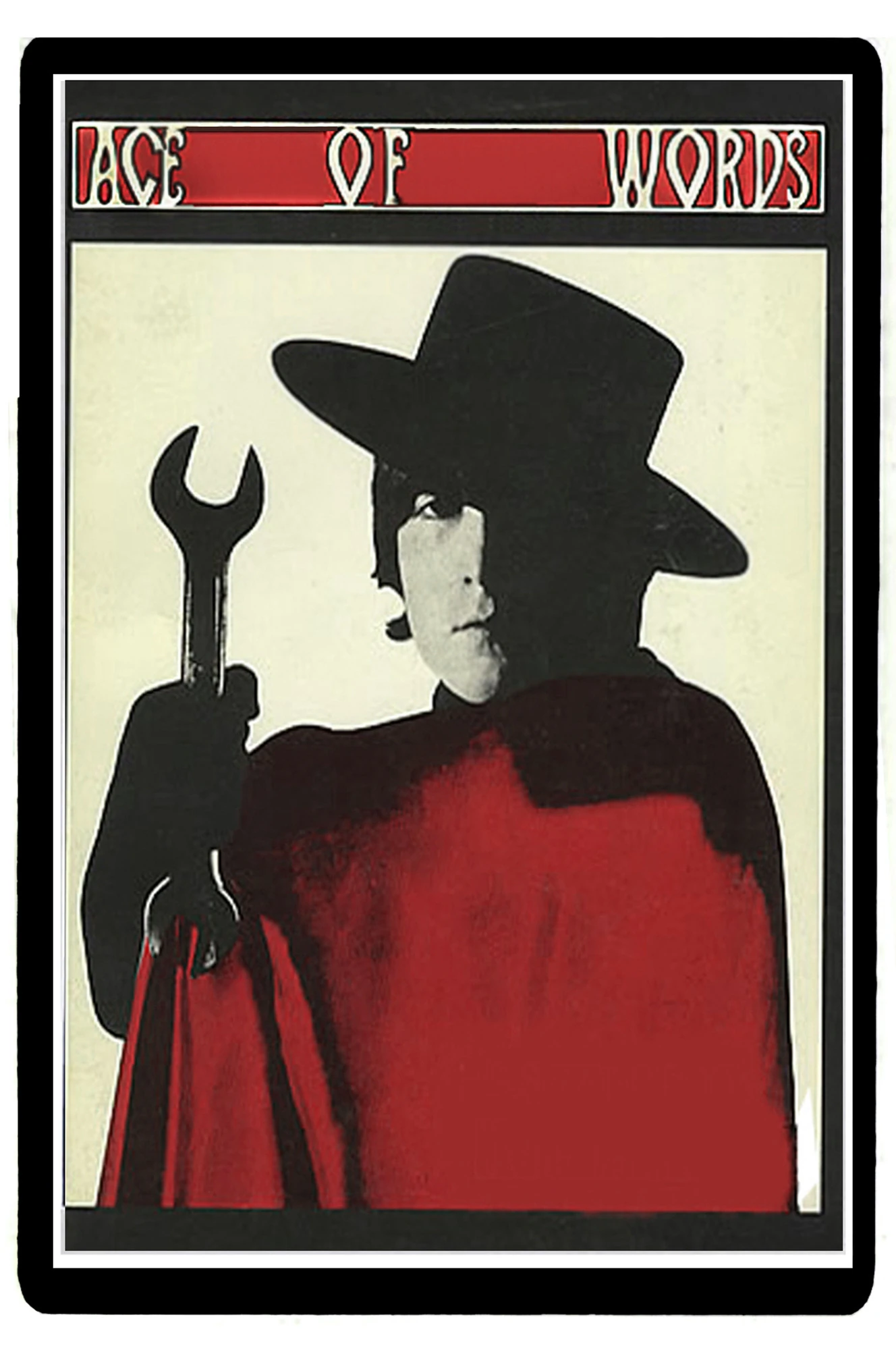
The Ace of Sticks places a single stick upright beside a dark-clad figure; the Ace of Cups turns a white cup into a frame for a distant building and a sunglassed figure; the Ace of Swords centres a black-hatted silhouette with a wrench-like shape; the Ace of Pennies holds a violin-shaped bass upright against a pale portrait. Together they make “begin” concrete.

The suits in their first clear note
The four Aces are useful orientation points because each enlarges a different material. The Sticks card is dark and spare; the Cups card makes a huge white cup its visual frame; the Swords card reduces the scene to a bold poster-like silhouette; the Pennies card places a bass and its holder front and centre. If the deck feels visually loud, revisit these four anchors.
In a mixed spread, notice which material is repeated. Instruments and sticks may point toward action or craft; cups and shared drinks toward emotional exchange; hard edges and monochrome scenes toward conflict or clarity; household and working images toward what must be maintained.
CARD STUDY
Three of Swords
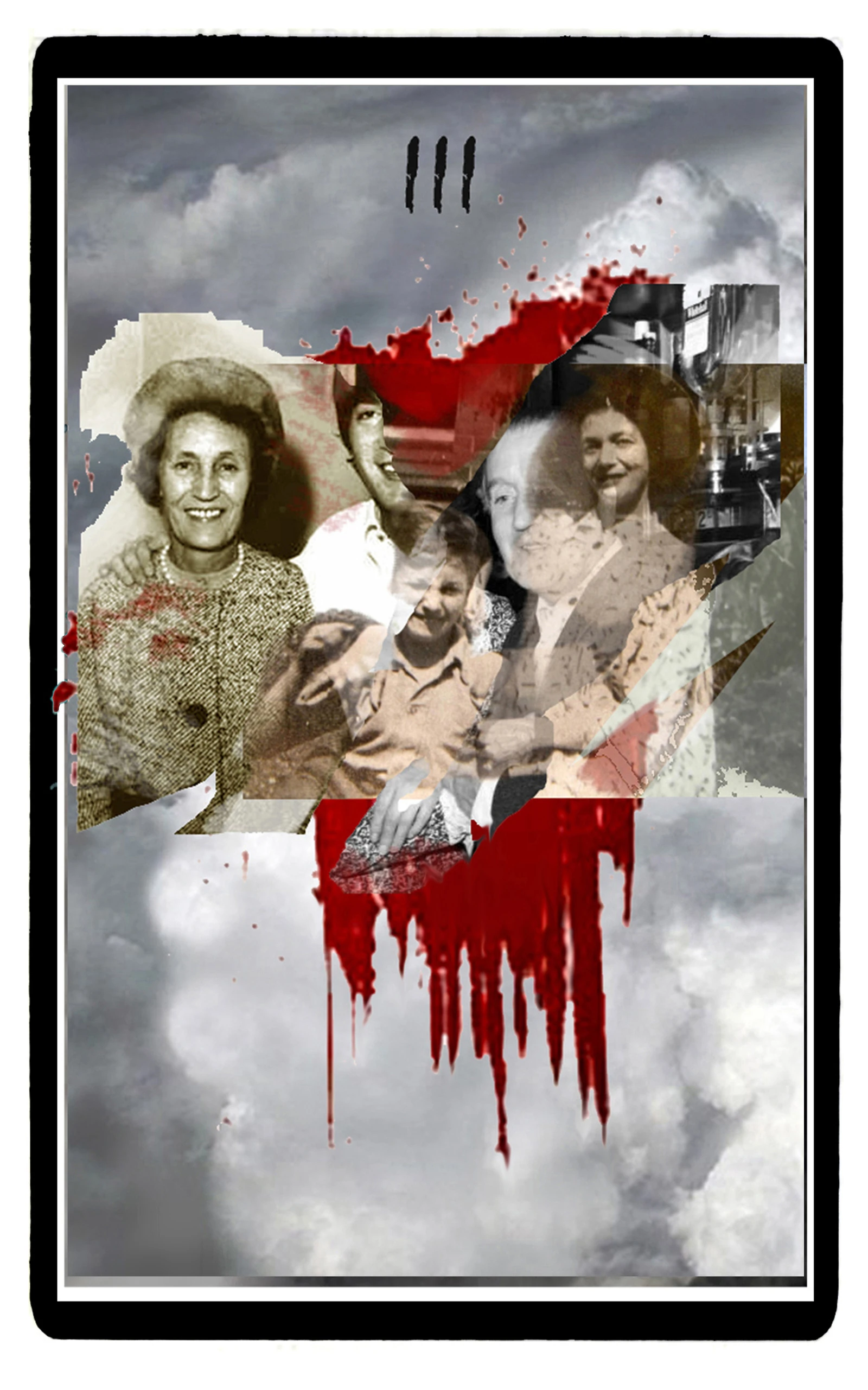
Black-and-white family photographs overlap beneath a storm-grey sky. A vivid red tear cuts through the centre and drips downward, the only forceful colour in the card. The scene does not need a literal heart pierced by blades; fracture, memory, and pain are already visible.
When this appears, I would not rush to brighten it. Ask which memory is speaking and what part of the story still feels split. The useful movement is honest naming first, then one act of care that does not pretend the hurt was smaller than it was.
When the picture carries grief
The Three of Swords shows why this deck can read powerfully without reproducing a familiar tarot scene. The red tear through layered family images communicates rupture immediately. Still, avoid assigning a biography to the people in the photograph. The safe reading stays with what the collage makes visible: overlap, separation, memory, weather, and a wound-coloured break.
This is a helpful rule throughout the deck. A recognised person or cultural moment may add resonance, but it does not licence certainty about someone else’s life. Keep the reading close to the image and to the question actually asked.
FOUR-CARD PACK
Four ways a cycle fills
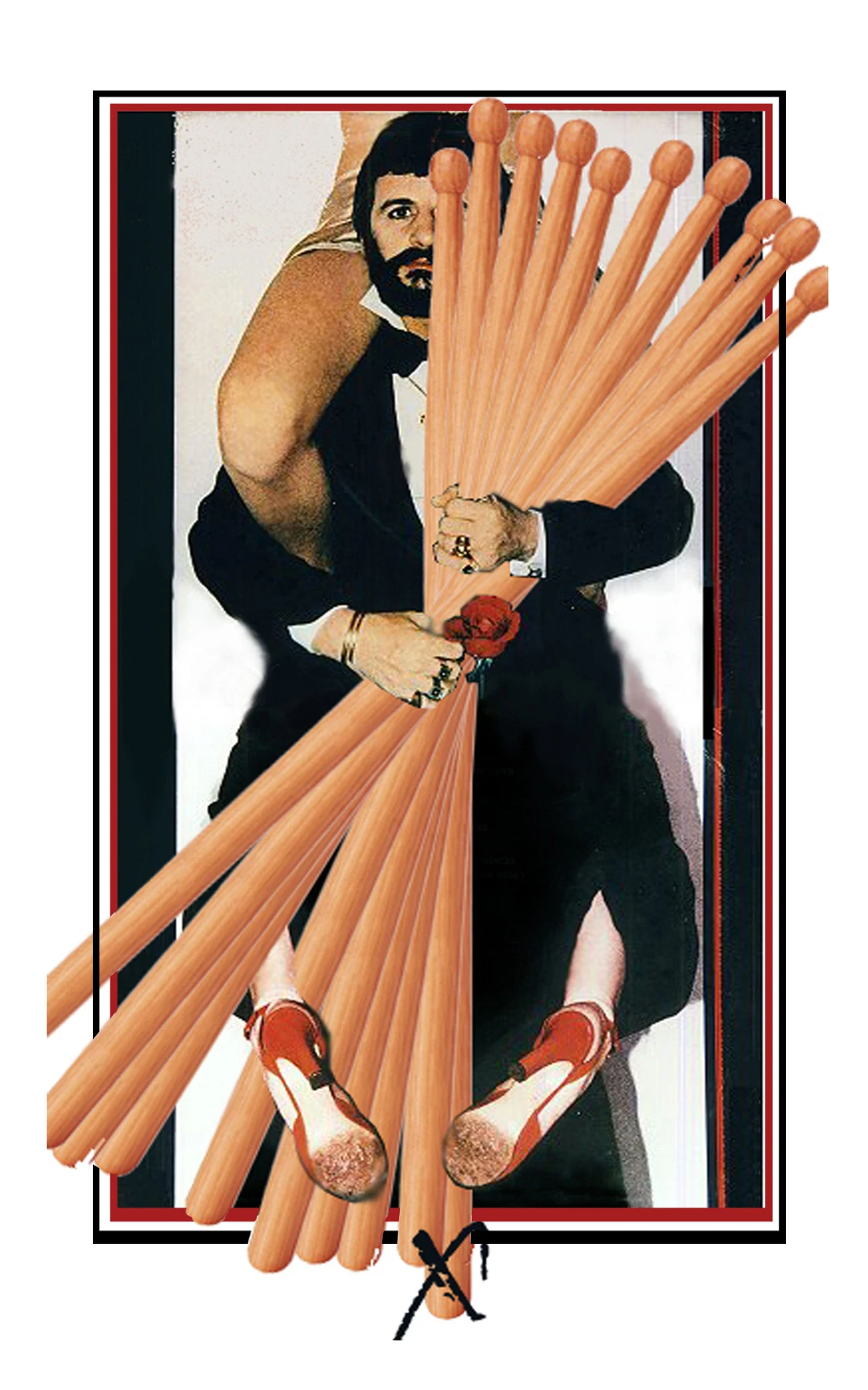
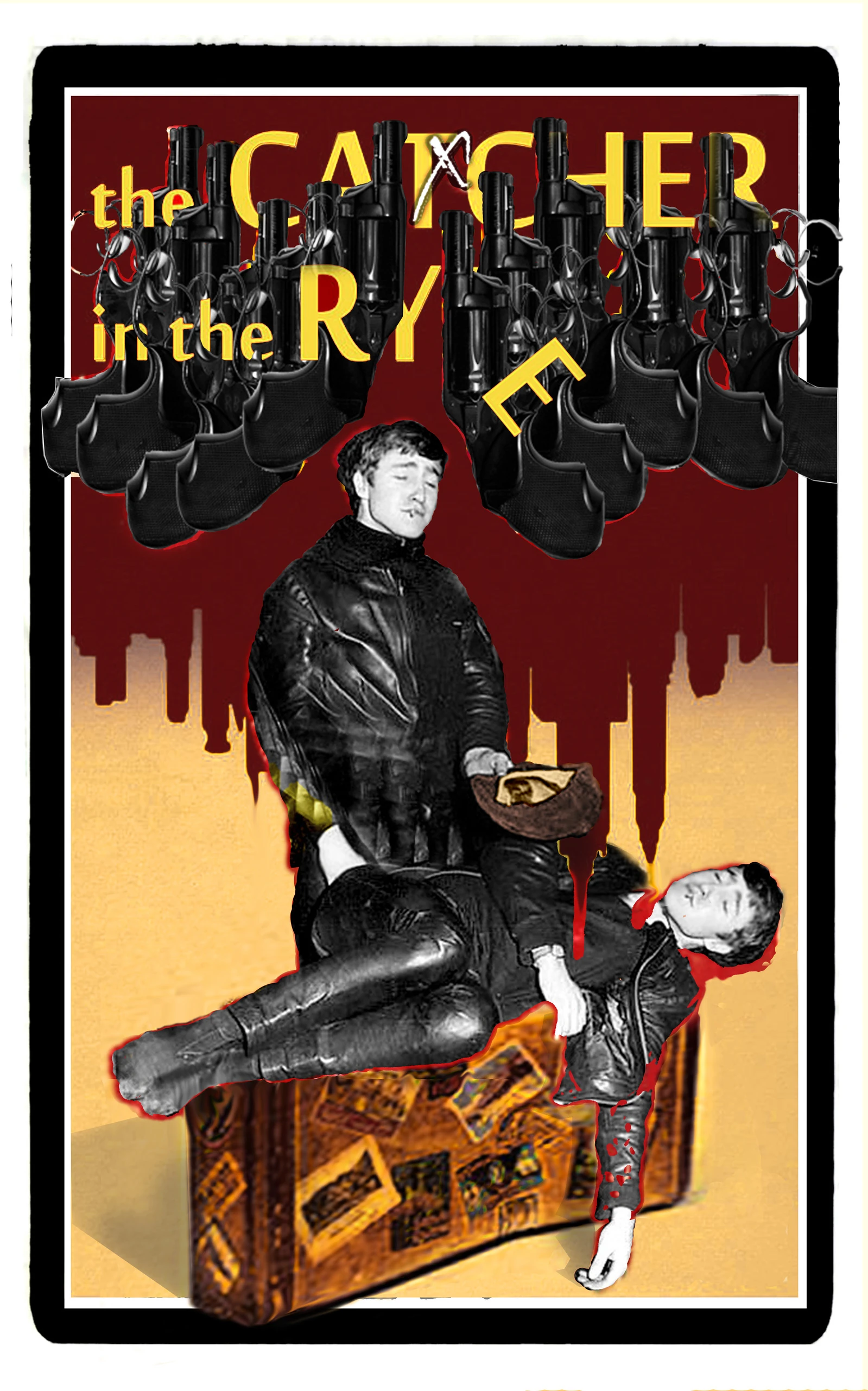
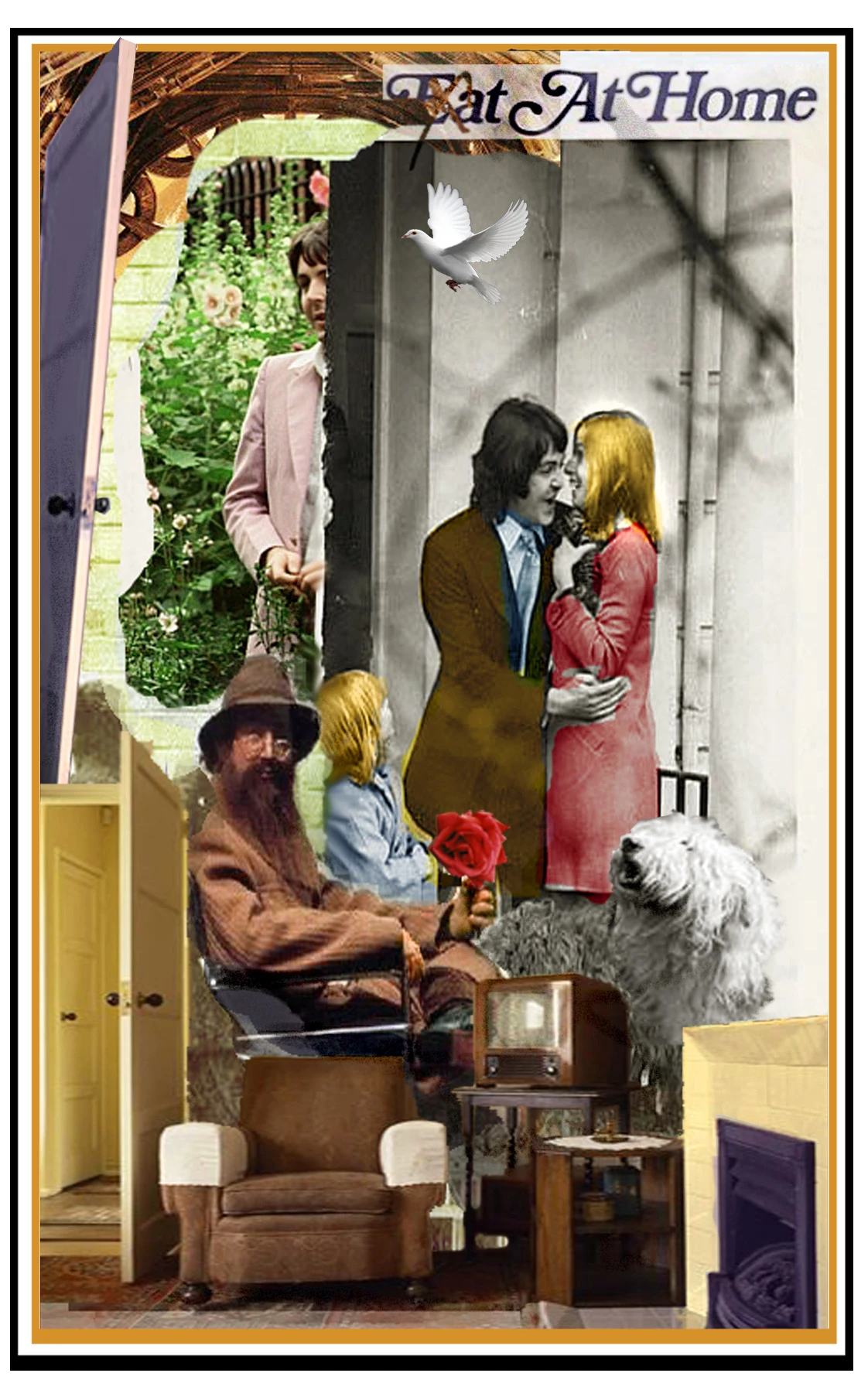
The Ten of Sticks crowds one figure with bundled sticks; the Ten of Cups gathers four cup-holding figures against a distant building; the Ten of Swords places a seated figure beneath repeated chair-like forms and bold title lettering; the Ten of Pennies assembles several domestic rooms under “Bat At Home.” The cards make completion look very different depending on what has accumulated.

Who will connect with this deck?
It may suit Beatles fans, collage lovers, visual journalers, and experienced readers who enjoy translating a familiar tarot structure through pop culture. It can also work for a beginner who is happy to learn slowly and use the companion material rather than expecting every scene to mirror a standard guide.
You may prefer another deck if celebrity imagery pulls you away from your own question, if dense collage feels distracting, or if you want a visually uniform system. Browse the full gallery first. Attraction is useful, but so is noticing where your attention becomes tired.
Buying guidance and Aurica’s golden rule
The creator’s current page distinguishes a revised Beatles Tarot and Companion Book from a separate Beatles Lenormand offer. Compare the title, card faces, and multicolour repeating card back with the evidence shown here, especially when shopping second-hand. Do not use Lenormand packaging as proof of the tarot edition.
Golden rule: recognise the reference, then return to the detail.
This keeps a reading from becoming trivia. The useful message should still make sense when grounded in a gesture, object, colour, distance, or practical next step.
Final Thoughts
The Beatles Tarot is most compelling when its familiar source world becomes strange again. A road turns into a Star card, family photographs carry the Three of Swords, and a studio becomes the Magician’s table. Those transformations reward looking rather than guessing.
Approach it as a visual conversation, not a test of fandom. Browse widely, choose the card that interrupts your expectations, and let one observable detail lead the reading home.
The Beatles Tarot FAQ
Who created The Beatles Tarot?
The creator’s current site identifies the project as a WELKIN Creation and is hosted under Chris Leech’s name. This review uses “Tarot Deck By WELKIN” to match that direct source without adding an unverified personal credit.
How is The Beatles Tarot structured?
The deck follows a complete Major Arcana plus four suits—Sticks, Cups, Swords, and Pennies—with Page, Knight, Queen, and King as the court sequence.
Does the deck use traditional suit names?
Not exactly. Sticks and Pennies take the places often occupied by Wands and Pentacles, while Cups and Swords retain familiar names. The court sequence is Page, Knight, Queen, and King.
Is it beginner friendly?
It can be, if you enjoy reading from visual details and are willing to compare the collages with a guide. A beginner seeking close copies of familiar Rider–Waite–Smith scenes may need more time with it.
What questions suit it best?
It is especially useful for questions about creativity, collaboration, identity, memory, performance, and transitions. Keep prompts open—“What am I repeating?” or “Which part of this story wants a new arrangement?”—then answer from visible details.
Where can I find the current edition?
The creator’s purchase page currently lists “The revised Beatles Tarot & Companion Book.” Prices and shipping vary by region, so verify the current offer on that page before ordering.
More Tarot Decks to Discover
Follow another familiar world into a different symbolic language.


