Tarot of Ceremonial Magick Cards
Explore the verified Tarot of Ceremonial Magick card fronts in deck order. Choose an official group below, then open any card for a larger carousel view.
Aurica’s Quick Take
Tarot of Ceremonial Magick by Lon Milo DuQuette is not a soft, beginner-cute tarot deck. It is a bold esoteric study deck built for readers who want tarot to connect with astrology, Kabbalah, Hebrew letters, Golden Dawn-style correspondences, Enochian ideas, and Crowley/Thoth-inspired magical structure.
That sounds intense, and honestly, it is. But it can also be exciting. If you enjoy learning why a card works, not just what a card means, this deck gives you a whole temple of symbols to walk through. If you want quick cozy readings with very plain pictures, it may feel too busy at first.
Quick answer: choose this deck if you want a tarot deck that rewards study, ritual thinking, and layered symbolic reading. Skip it if you need gentle beginner imagery with very little extra system knowledge.
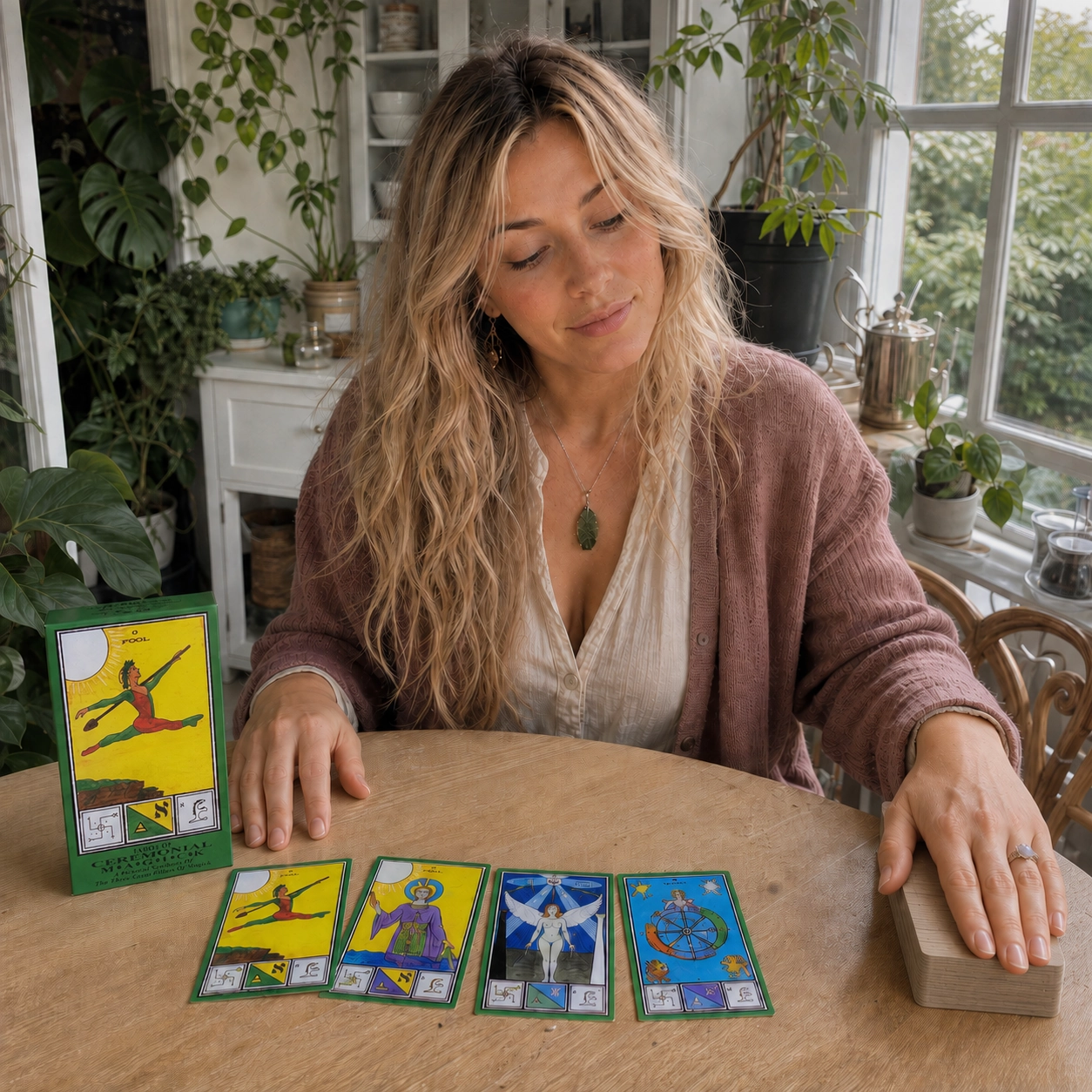
I love the moment when these bright, almost childlike paintings open into something much older and stranger. A yellow sky, a sharp green border, or one tiny correspondence panel can feel like a door in a temple wall. I begin with the figure and colour that tug at me, then let one astrological or magical link deepen the message rather than crowd it.
In a spread, I listen for the difference between knowledge and noise. The Magus may ask where my will is actually moving; Fortune can make the room feel as if its hidden gears have started to turn. I compare that first feeling with the card’s traditional role and the neighbouring cards, then bring the reading back to one clear choice the querent can make.
This deck may arrive dressed for ceremony, yet its kindest gift is wonderfully simple: trust the symbol that lights up first, follow it with care, and let one brave, clear step open the next door.
Art Style and First Impressions
The art in Tarot of Ceremonial Magick feels electric, ritualistic, and coded. The cards do not simply show a scene; they show a magical diagram in picture form. Colors are strong. Titles lean toward Thoth-style language, with cards such as Magus, Lust, Fortune, and Universe. The suits also follow the esoteric tone, including Disks instead of Pentacles.
Many cards include symbols that point to astrology, elemental forces, Hebrew correspondences, and ceremonial-magick frameworks. This makes the deck visually dense, but not random. The more you learn, the more the deck opens.
For a reader, that means the art can work on two levels. On day one, you may read from the color, mood, and card title. After study, you can read from the planetary tone, the tree-of-life path, the elemental dignity, and the magical current underneath the card.
Symbol system at a glance

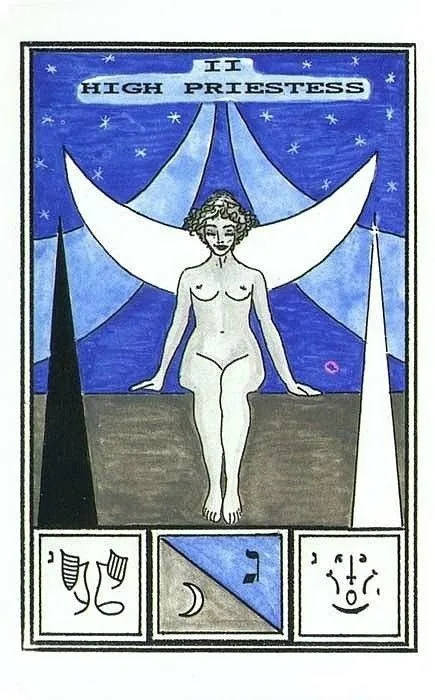
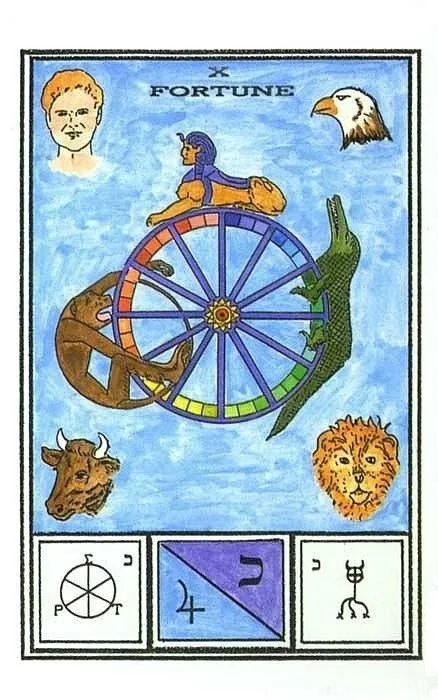

These cards show the deck’s main personality: tarot as a magical map, not just a picture book. Notice how the names and designs ask you to read energy, pattern, and correspondence together.
How Tarot of Ceremonial Magick Reads
This deck reads best when you slow down. It is not the kind of deck I would rush through with one-word meanings. A simple three-card spread can become a layered reading because each card carries visual mood, tarot meaning, planetary or zodiac tone, and a more formal magical structure.
For example, a relationship question may not only say “communication is blocked.” It may show which force is blocked: desire, discipline, fear, habit, projection, or spiritual timing. A career question may not only say “take action.” It may ask whether the action is Mars-like courage, Mercury-like planning, Saturn-like structure, or Sun-like visibility.
The deck is especially strong for readers who like to ask better questions: What pattern am I repeating? What power am I misusing? What inner temple am I building? What part of the ritual is missing?
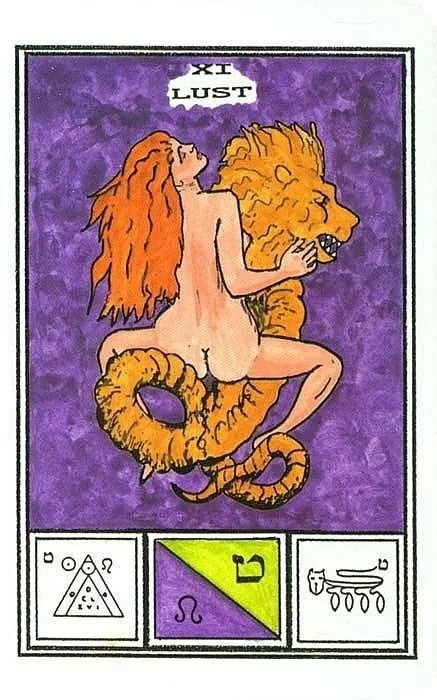
Card case study
Lust: courage with heat, not chaos
In many decks this card is Strength. Here, Lust makes the reading more fiery and honest. It can speak about appetite, creative force, desire, charisma, and the need to ride strong energy instead of pretending it is not there.
In a practical reading, I would not flatten this card into “be confident.” I would ask: Where is your life force trying to go? Are you leading that power, or is it leading you? The card is brilliant for questions about creative work, attraction, performance, and personal magnetism.
Beginner Friendliness
Tarot of Ceremonial Magick is beginner-friendly only if the beginner is curious and patient. If you are brand new and want soft, clear scenes that match the Rider-Waite-Smith system closely, this deck may feel like being handed a magical textbook before you know the alphabet.
But if you are the kind of beginner who loves astrology charts, ritual tools, occult history, or the Thoth tarot tradition, this can be a wonderful learning deck. You do not have to understand every symbol immediately. Start with the card title, the color, the suit, and one strong feeling. Then add one correspondence at a time.
My advice: do not try to master the whole system in one weekend. Use the deck like a study companion. Pull one card, write what you notice, then look up only one or two symbols. That keeps the mystery alive without turning the reading into homework.
Cards that teach through contrast
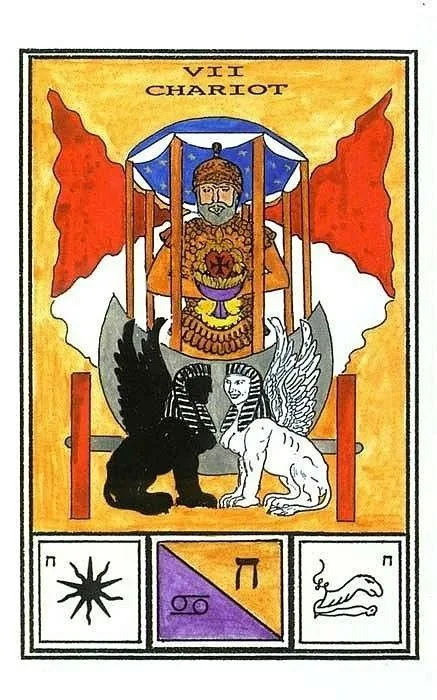


These majors make the deck easier to understand when read as forces: motion, change, attachment, and spiritual renewal. Beginners can start here before diving into deeper correspondences.
Easy, Medium, and Hard Reading Examples
Easy example: “What energy helps me today?”
If you pull The Star, keep the reading simple. The message may be: return to hope, give yourself space, and let your nervous system soften. With this deck, you can also notice the ceremonial feel of the card and ask, “What small daily ritual would help me feel guided again?” That could be lighting a candle, journaling, or taking a quiet walk.
Medium example: “What is blocking this relationship?”
If 9 of Swords appears, the reading may point to anxiety, mental loops, or private fear. In this deck, the card can feel sharp and magical, as if thought itself has become a ritual you keep repeating. The practical question becomes: which thought pattern is being fed every day, and what new pattern needs to replace it?
Hard example: “What is my deeper spiritual lesson right now?”
If The Devil appears, avoid fear-based reading. In this deck, The Devil can show instinct, attachment, material pressure, shadow desire, and the parts of life that feel binding. The hard but helpful message may be: name the force honestly, then choose how to work with it. Ceremonial magick language is useful here because it treats shadow as energy to understand, not a monster to panic about.

Card case study
9 of Swords: when the mind becomes the altar
The 9 of Swords is one of the best cards in this deck for shadow work. It can show worry, harsh self-talk, sleepless thoughts, or a spell of fear that has been repeated until it feels true.
In a reading, I would ask the client to separate fact from mental ritual. What is actually happening? What story is being repeated? What would happen if the same focus was given to protection, repair, or clear communication?
Best Uses for Tarot of Ceremonial Magick
- Esoteric tarot study: especially if you are learning Golden Dawn, Thoth, astrology, Kabbalah, or Hebrew-letter correspondences.
- Ritual planning: the cards are useful for choosing themes, timing, elemental focus, and inner preparation.
- Shadow work: the deck is direct without being cheap or dramatic. It can help you name patterns clearly.
- Advanced journaling: one card can give you several pages of reflection because the symbolism is so layered.
- Magical self-inquiry: questions about will, desire, discipline, and spiritual practice suit this deck beautifully.
Minor cards with magical weather


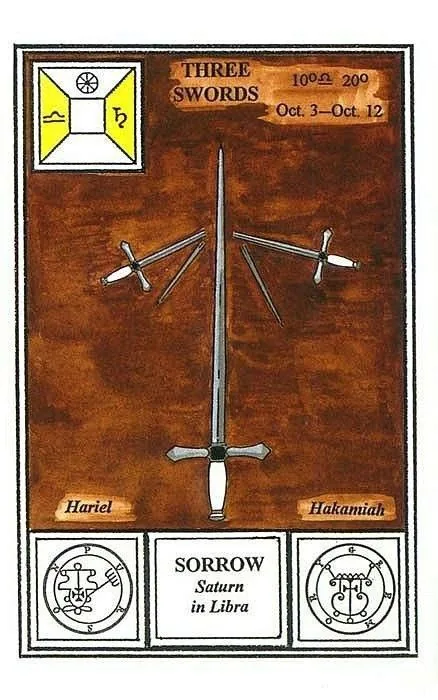

The minors are not plain scene cards. They feel like magical weather reports: fire starting, water settling, thought cutting, earth adjusting.
Pros and Cons
| Pros | Cons |
|---|---|
| Rich esoteric structure for readers who love astrology, Kabbalah, Hebrew letters, elemental dignity, and ceremonial-magick correspondences. | The same symbolic density can feel overwhelming if you want simple, quick, picture-led readings. |
| Excellent study deck for intermediate readers, Thoth-curious students, ritual journaling, and deeper spiritual questions. | Beginners may need the guidebook and a slower learning pace before the deck feels friendly. |
| Distinct card titles and imagery make readings feel precise, intense, and magically focused. | Not the softest choice for cozy everyday readings or readers who prefer traditional Rider-Waite-Smith scenes. |
If you enjoy systems, this deck can feel like a whole occult library in your hands. If you want a gentle first deck, it may be better as a later study companion.
What to Know Before Buying
This deck is usually best for readers who already know they enjoy esoteric tarot. If you dislike dense symbolism, it may feel overwhelming. If you love systems, it may become one of those decks you keep returning to because there is always one more layer to notice.
Also pay attention to editions and availability. Older or specialty tarot decks can move in and out of stock, and listings may vary by seller. Check that you are buying the version you actually want, especially if you care about guidebook details, card size, box condition, or publisher notes.
The guidebook or companion material matters more here than it does with a simple visual deck. Tarot of Ceremonial Magick is readable without memorizing every correspondence, but the book can help you understand why the symbols are arranged the way they are.
Card case study
Universe: completion as alignment
The Universe is this deck’s version of The World, and the title matters. It does not only suggest finishing a chapter. It suggests a whole pattern clicking into place.
In a reading, I would use this card for questions about integration: What has finally become embodied? What system is complete enough to use? What part of your magical or creative life is ready to move from theory into lived practice?
A Gentle Golden Rule for Reading This Deck
With Tarot of Ceremonial Magick, do not let the symbols bully your intuition. The correspondences are there to deepen the reading, not to make you feel small.
Start with the card’s obvious voice. Then add one layer: maybe the astrology, maybe the Hebrew letter, maybe the elemental feeling. If that layer makes the message clearer, keep it. If it turns the reading into fog, return to the question and the image. A good esoteric reading should feel more precise, not more confusing.
Court cards and embodied forces
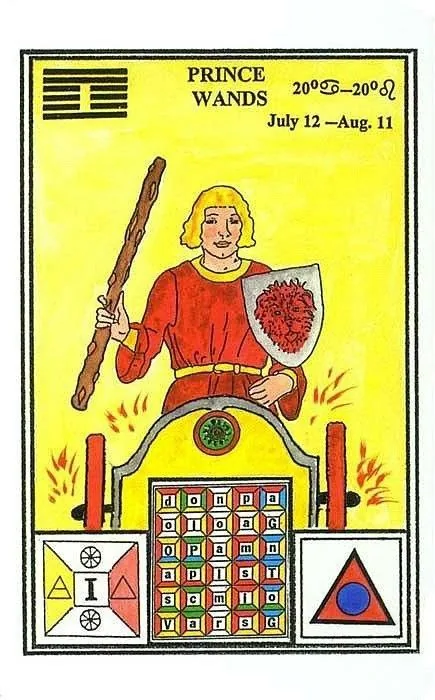

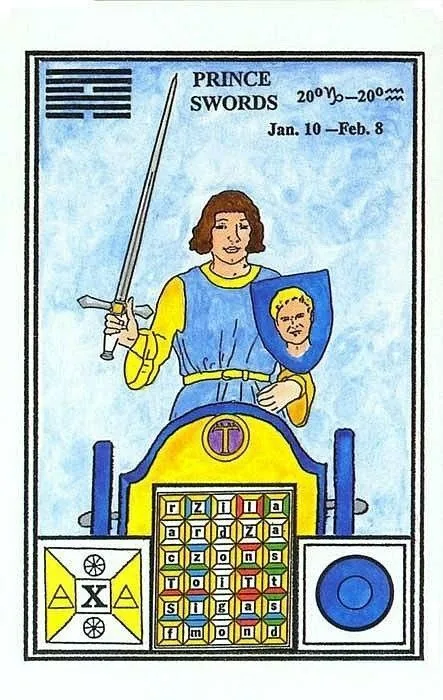

The court cards are useful when you read them as modes of power: fiery action, watery receptivity, sharp thought, and grounded embodiment.
Final Thoughts
Tarot of Ceremonial Magick is a serious deck, but it does not have to be approached with stiffness. It is best treated like a magical library: enter slowly, choose one shelf, and let the symbols teach you over time.
I would recommend it most to intermediate and advanced readers, Thoth-curious students, ceremonial-magick practitioners, astrology lovers, and tarot readers who enjoy correspondences. I would not choose it as the easiest first deck for a total beginner, but I would absolutely choose it as a study deck for someone who wants tarot to feel bigger, stranger, and more precise.
If your readings are ready for more structure, more fire, and more occult architecture, this deck has plenty to offer.

Tarot of Ceremonial Magick FAQ
Is Tarot of Ceremonial Magick based on the Thoth or Golden Dawn system?
It is strongly connected to ceremonial-magick and Thoth-style esoteric tarot language. You will see titles such as Magus, Lust, Fortune, and Universe, plus layered correspondences that feel closer to Golden Dawn and Crowley-influenced study than to a plain Rider-Waite-Smith picture deck.
Does this deck include astrology, Kabbalah, and Hebrew correspondences?
Yes. Those correspondences are a major part of the deck’s identity. The cards are built for readers who want to connect tarot meanings with astrology, Hebrew letters, Kabbalistic paths, elemental forces, and ceremonial-magick symbolism.
Is Tarot of Ceremonial Magick good for beginners?
It can be, but only for a beginner who enjoys study. If you want simple storybook images, start with an easier deck. If you already love occult systems, astrology, ritual, or Thoth tarot, this deck can teach you a lot as long as you take it slowly.
What kind of readings does Tarot of Ceremonial Magick do best?
It is excellent for spiritual study, ritual planning, shadow work, magical journaling, and questions about will, desire, discipline, timing, and inner pattern. It is less ideal for very quick readings where you want one simple visual answer.
Do I need the guidebook to use this deck well?
The guidebook or companion material is very helpful because the deck contains so many layered symbols. You can still read from the images and titles, but the book helps you understand why the astrology, Kabbalah, and magical correspondences matter.
Why does this deck use names like Magus, Lust, Fortune, and Universe?
Those names come from a more esoteric tarot tradition, especially the Thoth-style stream of tarot. They shift the feeling of the cards: Magus emphasizes magical will, Lust emphasizes life force, Fortune emphasizes turning cycles, and Universe emphasizes completion as a whole cosmic pattern.