Explore the Sixth World Tarot Cards
Follow Echo Chernik’s exact Arcanist Edition artwork in deck order: its renamed Major Arcana, then Batons, Cups, Blades and Coins. Select a group or open any card in the full-size Lightbox.
Showing 78 cards

Aurica’s Quick Take
I meet this deck as a city of glass, spell-light and old archetypes wearing new clothes. Its cards rarely whisper. They flash warnings across a screen, turn a cup into a whole ravine of feeling, or place a human face beneath an eclipse so the question suddenly feels enormous.
What I enjoy most is the friction between familiar tarot bones and Shadowrun’s crowded future. I would not read it by mood alone: I start with the card’s traditional job, notice what Echo Chernik has changed, then ask how that change sharpens the question on the table.
I love how the art can be fierce without losing its human pulse: a guarded gaze, a hand on a blade, a child standing calmly beneath impossible light. Those details help me move from spectacle to meaning, then from meaning to one honest next step.
If you like tarot that feels alert, dramatic and a little dangerous, this deck can make an ordinary spread feel newly awake—and remind you that even in a noisy world, your own clear signal is still there.
What the Arcanist Edition actually is
This is Catalyst Game Labs’ Shadowrun Sixth World Tarot: Arcanist Edition, with artwork by Echo Chernik. The complete structure is 22 Major Arcana followed by Batons, Cups, Blades and Coins. Each suit runs Ace through Ten, then Page, Knight, Queen and King.
The renaming is purposeful rather than random. The Fool becomes The Bastard, the Magician becomes The Matrix, Death becomes …404…, and the Sun becomes The Eclipse. Those names carry the deck into Shadowrun’s cyberpunk-fantasy setting while leaving a bridge back to tarot tradition.
A note on context matters here: this is a commercial fictional-world deck, not a source for Indigenous spiritual teaching. Shadowrun uses terms and ideas drawn from many cultures; I treat the printed imagery as franchise storytelling and avoid turning it into claims about living Indigenous traditions.

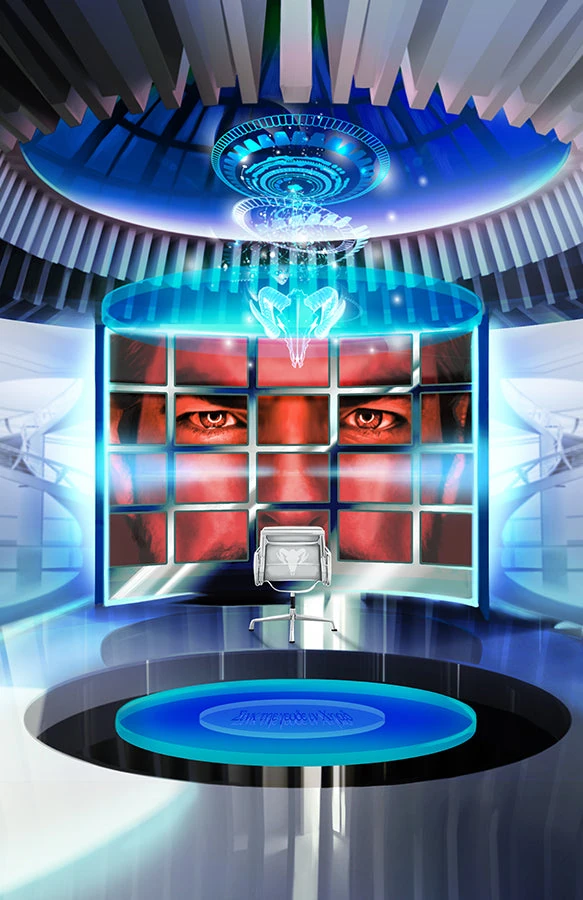
The Matrix: power becomes an interface
A white-haired man stands inside a blue field of grids and luminous circuitry. Fish-like forms swim through the data around him, while a glowing blade and holographic shapes gather near his hands. He looks composed rather than surprised, as though the strange current already answers to him.
That makes the Magician’s familiar message feel technological: tools, will and skill are still present, but the “table” is now a system. Upright, I read focused agency and the ability to connect scattered resources. In shadow, the same fluency can become manipulation or dazzling display without substance.
In a reading I ask: What system are you already inside, and are you shaping it or merely reacting to it? Nearby Coins can ground the plan; nearby Cups can show whether human feeling has been left behind.
How the deck reads in practice
Sixth World Tarot is quick at creating atmosphere. Neon green often feels like active code or magic; hard black edges bring danger; sudden white space can feel clinical or exposed. I let that first emotional weather arrive, then I slow down and name what is literally visible.
For a three-card reading, try signal, interference, response. The first card shows what is trying to reach you, the second what distorts it, and the third the action that brings you back into choice. This deck rewards specific questions more than vague fortune-telling.
Archetypes rewritten by the Sixth World
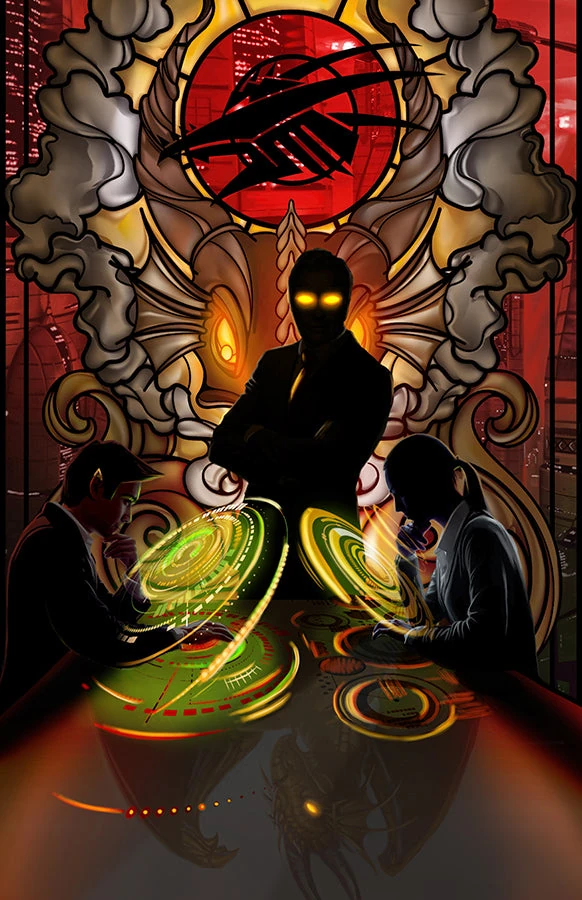
The deck’s renamed Majors make power, endings and rebellion feel immediate without erasing their traditional roots.

Beginner guidance: keep one hand on tradition
A brand-new reader can learn with this deck, but the visual density and renamed Majors add a second language. Keep a Rider–Waite–Smith reference beside you for the first month. Write the traditional function first, the visible change second, and your practical sentence third.
An easy prompt is, What deserves my attention today? A medium prompt is, Where am I mistaking access for control? A harder prompt is, Which story about power am I ready to rewrite? Keep the answer tied to choices you can actually make.
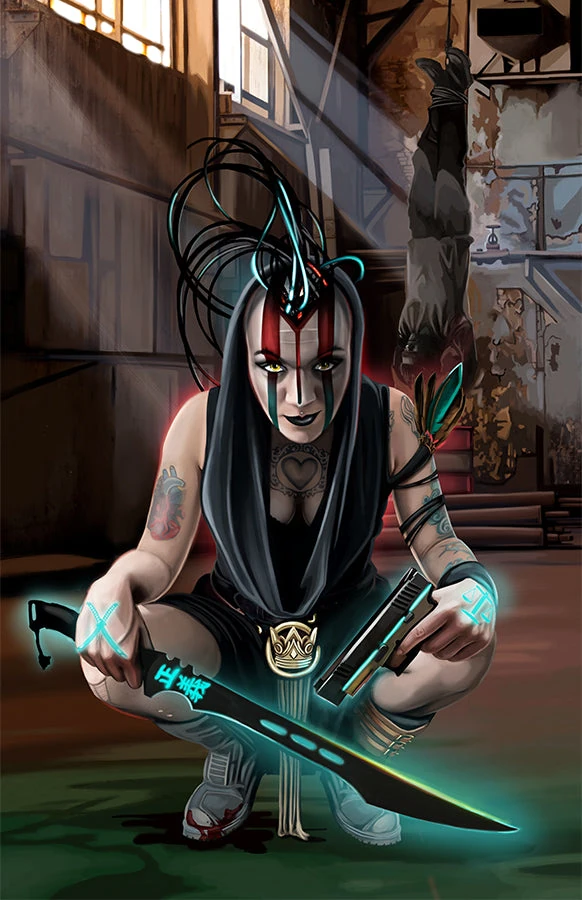
Vigilante: justice at street level
A pale, black-clad figure crouches in a worn industrial interior, gripping a broad glowing blade. Cables arch behind her head like a harsh halo, while broken walls and scattered technology make the scene feel improvised rather than ceremonial.
Justice usually asks for truth, consequence and proportion. Here, the title Vigilante introduces tension: who has authority, who has been failed, and when does personal certainty become dangerous? Upright, the card may demand accountable action. In shadow, it can warn against punishment chosen before the whole story is known.
When it appears, I separate evidence from anger. With Blades nearby, examine the argument; with Cups, examine hurt; with Coins, ask who carries the real cost.
Reading the four suits
Batons carry spark, risk and momentum. Cups hold intimacy, memory and emotional consequence. Blades cut through strategy, conflict and perception. Coins bring the question back to resources, bodies, work and the material world.
The suit names make the deck accessible, but the imagery is rarely plain. Court cards can feel like fully formed characters from a novel. Rather than guessing their identity, I read gaze, posture, tool and setting, then ask what role that person or energy plays in the spread.
Four Aces, four doors
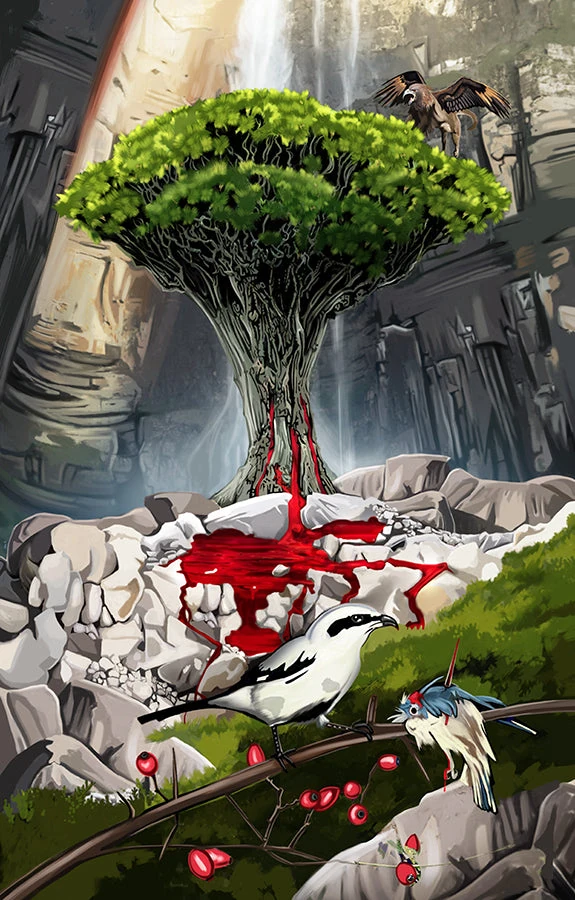
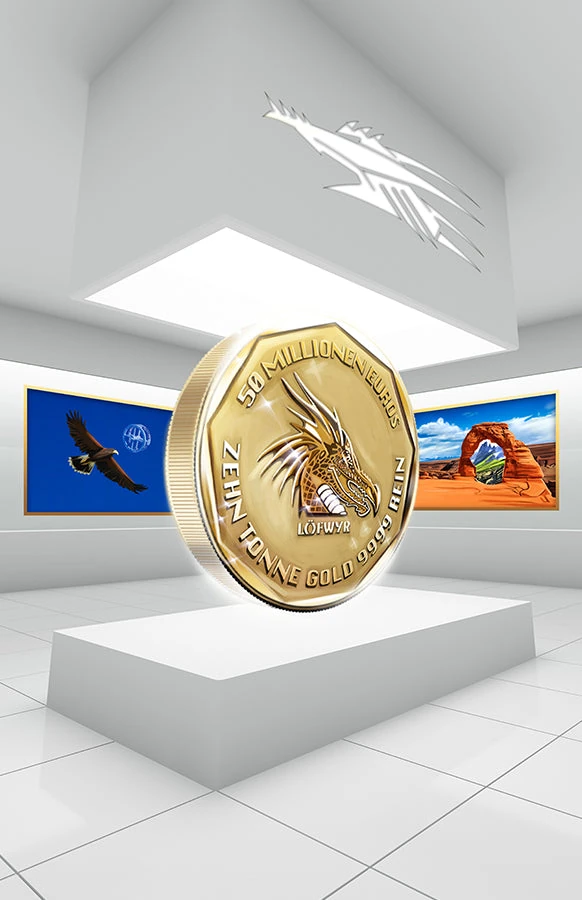
Each Ace offers raw possibility, but these images show how differently a beginning can enter the room.


Love, work and creative readings
For relationships, this deck is strongest when the question concerns trust, boundaries or hidden power. Ask what is being protected, what is being performed and what needs to be said without disguise. The imagery can intensify fear, so check a dramatic first impression against the actual card function.
For work, its city systems and corporate shadows make it natural for questions about hierarchy, technology and compromise. For creative practice, pull one card for the world you are building and one for the rule that world needs you to break.
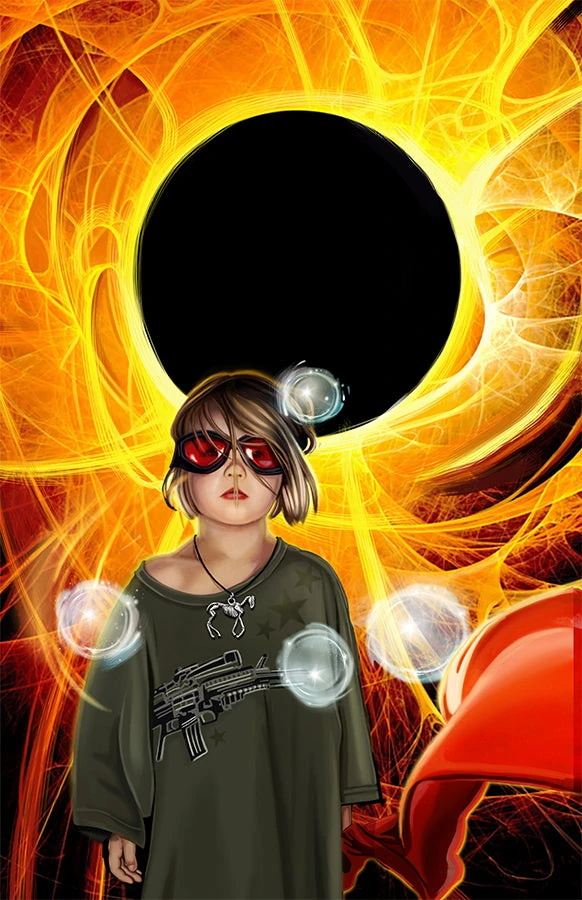
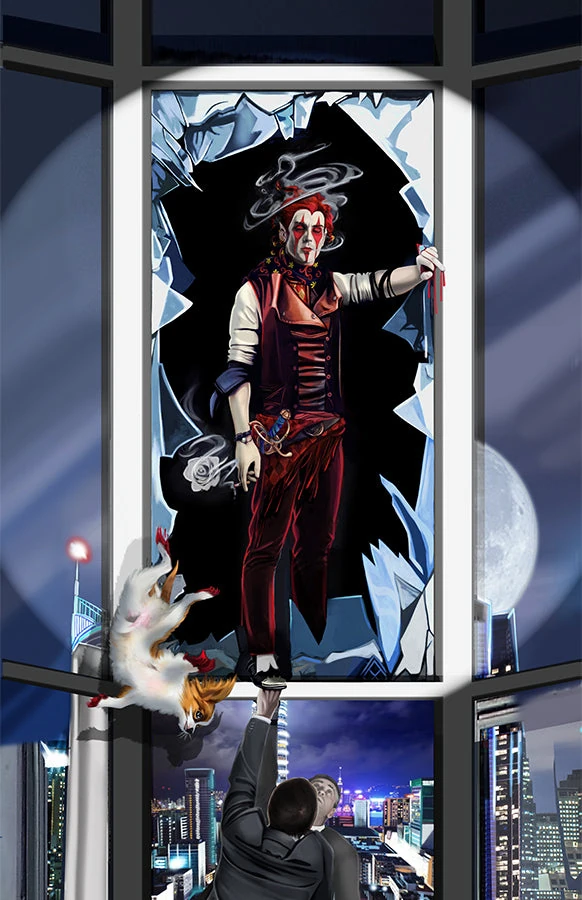
The Eclipse: light with an edge
A child in red goggles stands before a vast black solar disc ringed by fierce orange light. Small translucent spheres hover around the figure, while the scale of the eclipse makes the child seem both vulnerable and astonishingly calm.
The Sun usually brings clarity, warmth and confidence. An eclipse does not erase light; it makes us notice light by interruption. Upright, this can be a breakthrough whose full meaning is still arriving. In shadow, temporary uncertainty may be mistaken for permanent loss.
In a reading I ask what is genuinely hidden and what is simply passing through shade. The card encourages patience without passivity: keep looking, because the corona is already visible.
Who will love it—and who may not
This deck is a strong fit for Shadowrun players, cyberpunk and urban-fantasy readers, collectors of Echo Chernik’s work, and experienced tarot readers who enjoy renamed archetypes. It can also suit visual storytellers who want every card to suggest a wider world.
It may frustrate readers who want quiet pastoral scenes, sparse symbolism or a close clone of classic Rider–Waite–Smith composition. If you do not know the franchise, give yourself time with the booklet instead of forcing every detail into a traditional symbol.
Queens who hold the room
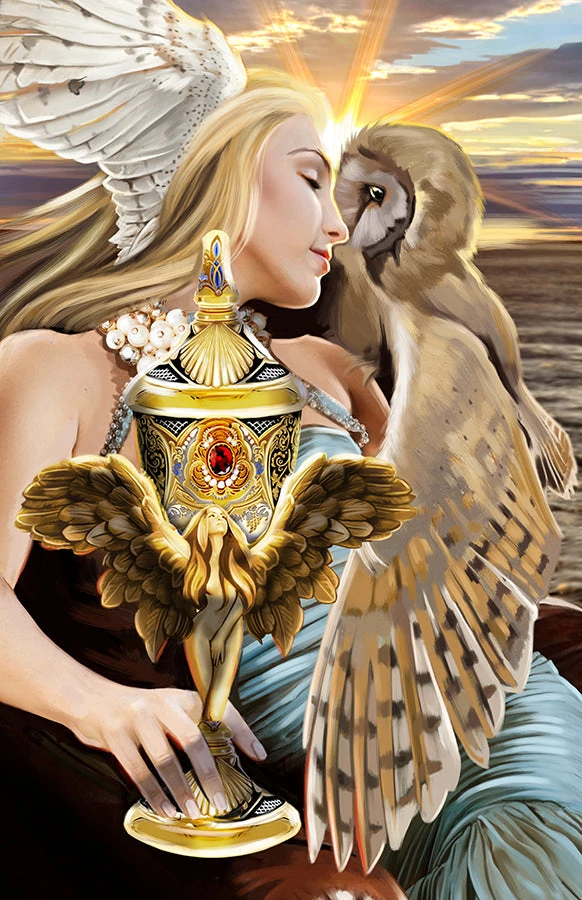
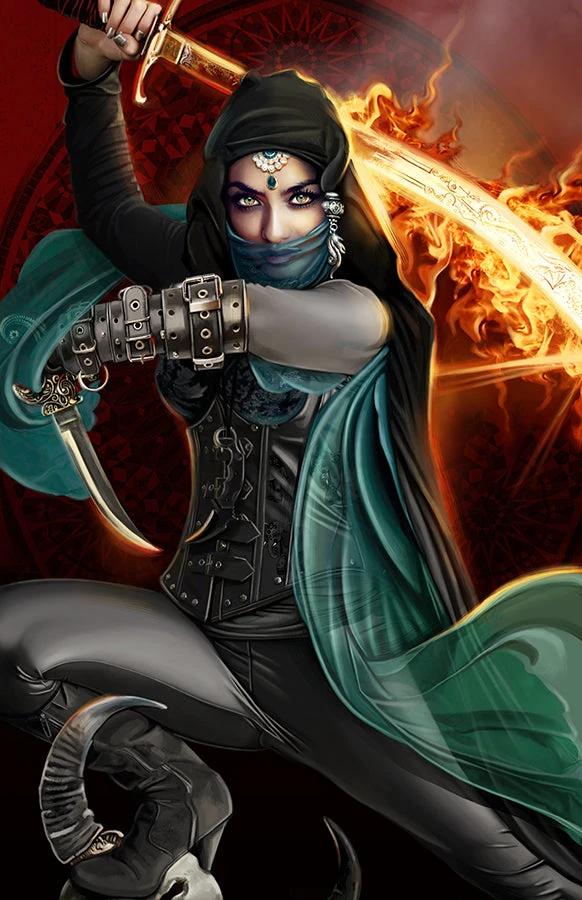
These four courts show authority through presence rather than a single repeated pose: elemental confidence changes with every suit.


Buying guidance and Aurica’s golden rule
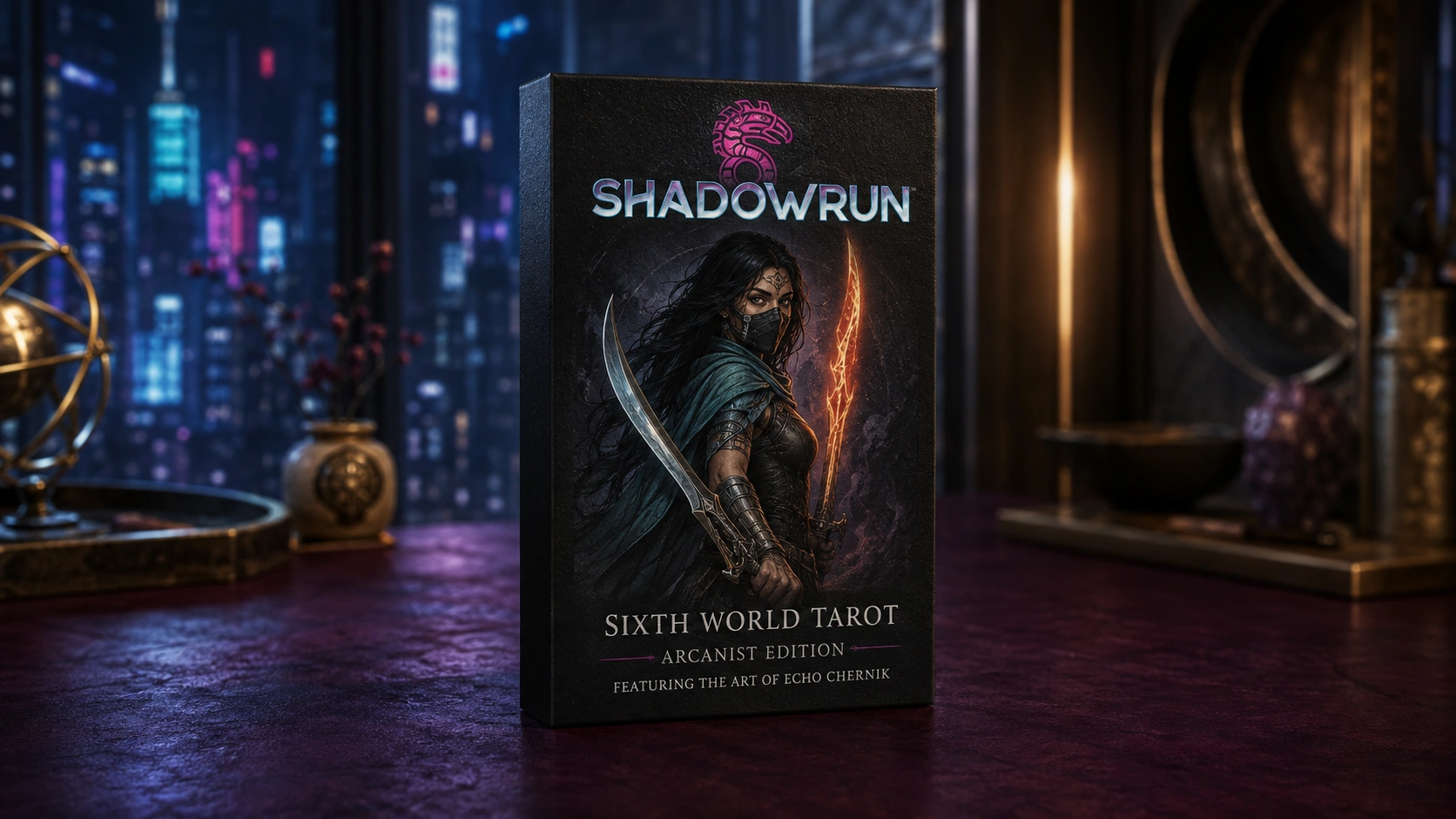
The verified listing identifies the boxed Arcanist Edition by Catalyst Game Labs and says it includes a booklet. Match the black box, Shadowrun wordmark and “Featuring the Art of Echo Chernik” line before ordering. Stock, seller and price can change, so inspect the live listing rather than relying on a copied claim.
That one habit keeps readings vivid and responsible. It also lets the deck’s drama serve the question instead of swallowing it.
Final thoughts
Sixth World Tarot is not trying to be neutral. It arrives with sirens, circuitry, hard choices and moments of startling tenderness. Beneath that spectacle sits a usable tarot structure, and the best readings happen when both layers are allowed to speak.
I would choose it for focused spreads about agency, systems, consequence and reinvention. If its images keep pulling your eye back for one more look, that is a good sign: curiosity is often where a lasting deck relationship begins.
Questions before you choose
Sixth World Tarot FAQ
Is Sixth World Tarot a complete 78-card deck?
Yes. The Arcanist Edition follows a 78-card structure: 22 renamed Major Arcana and four 14-card suits called Batons, Cups, Blades and Coins.
Who created and published Sixth World Tarot?
The card artwork is by Echo Chernik. The verified retail edition is the Shadowrun Sixth World Tarot, Arcanist Edition from Catalyst Game Labs.
Does it follow Rider–Waite–Smith meanings?
Its structure is recognisable, but many names and scenes are translated into Shadowrun’s cyberpunk-fantasy world. Readers can use familiar tarot functions as an anchor while letting the printed title and image change the tone.
Is Sixth World Tarot suitable for beginners?
It suits a committed beginner who is happy to keep a traditional reference nearby. The renamed Majors and dense franchise imagery make it less immediate than a close Rider–Waite–Smith clone.
Do I need to know Shadowrun to use it?
No, but knowing the setting helps. Without that background, begin with posture, colour, direction and the familiar number or court role, then check the booklet for the deck-specific layer.
What should I know before buying?
Check that the listing is the Arcanist Edition and matches the black Shadowrun box shown here. Marketplace price and availability can change, so confirm the seller, edition and included booklet on the product page.