THE CARD GALLERY
Explore Wonderland Tarot
Browse this verified partial Gallery in the deck’s storybook order. Choose an official group, then select any card to open the larger Lightbox.
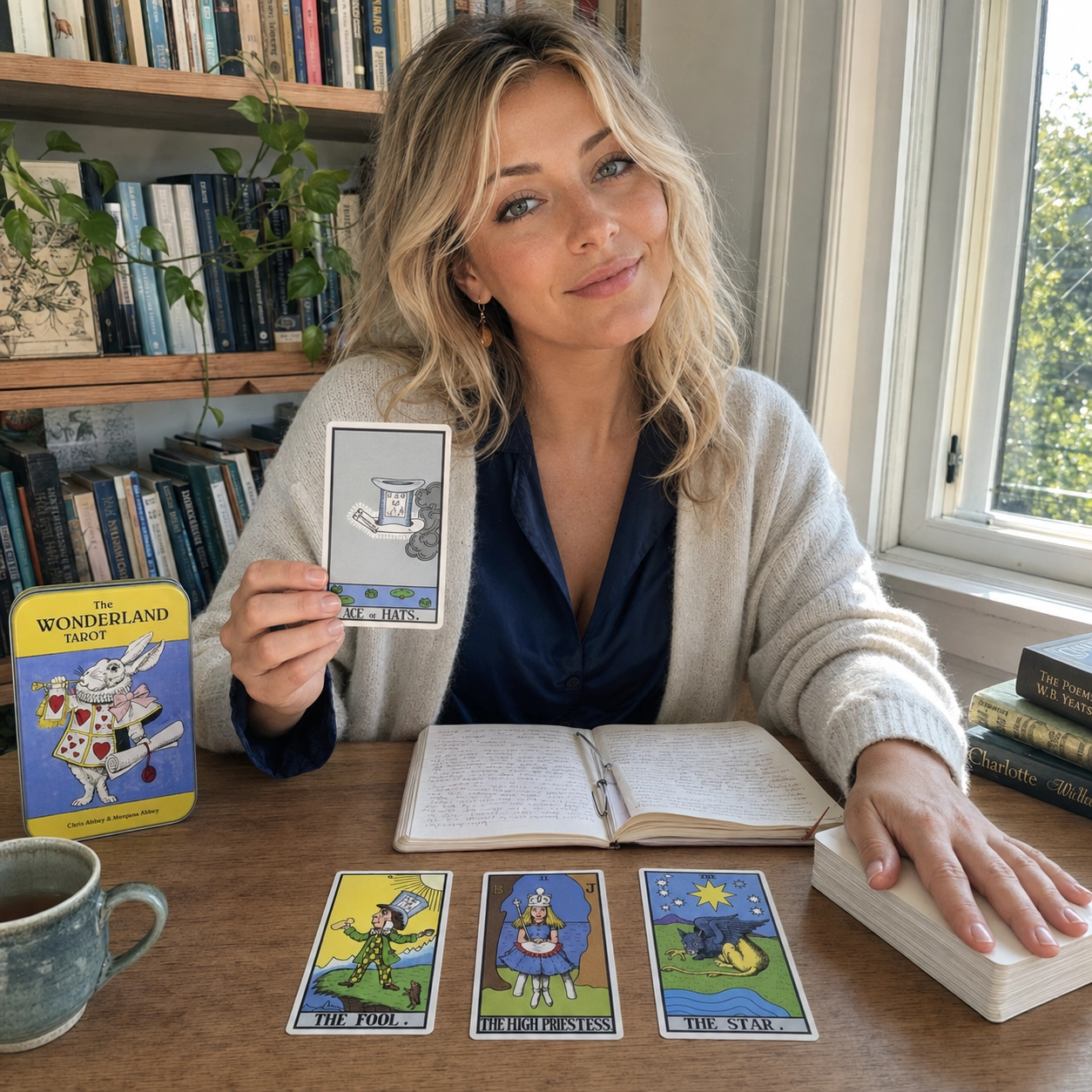
Wonderland Tarot Review: Quick Take
Wonderland Tarot is a deck for readers who want tarot to feel like a visual world, not just a stack of keywords. Its strongest readings come from noticing posture, colour, framing, repeated symbols and mood, then connecting those details back to the question.
Quick answer: choose Wonderland Tarot if you want storybook chaos, humour and Alice-inspired symbolism with enough classic tarot structure to stay readable. Skip it if you want a plain modern deck with standard suit names and very literal Rider-Waite-Smith scenes.
I love how this deck makes an ordinary question feel as though a small door has opened in the wallpaper. The Fool steps into bright uncertainty, The High Priestess waits with a secret in her lap, and The Star turns hope into something strange enough to notice again. I begin with the detail that makes me smile or hesitate, then test that feeling against the card’s familiar role and the story formed by its neighbours.
The renamed suits give the reading its own playful weather: Hats hold feeling, Flamingos sharpen conflict, Oysters make value tactile, and Peppermills wake up desire and action. I do not force every Wonderland reference into the answer; I let the picture catch my attention, then bring it back to one clear choice, conversation or next step.
Wonderland can loosen a stuck thought beautifully, and I love how the most helpful reading still returns us to the real path beneath our feet. Follow the curious detail that calls to you, and trust yourself to bring one kind, clear step home from the adventure.
What is Wonderland Tarot?
Wonderland Tarot is a themed tarot deck with a recognizable major and minor arcana structure. The TarotFans native Gallery above shows the available verified card images, so you can scan the actual visual language before deciding whether the deck belongs on your reading table.
Gallery note: This is a transparent partial gallery from the recovered source set, so the subtitle and FAQ say the real available count instead of claiming all 78 cards.
The deck identity for this repair was checked against the live YouTube row, the legacy source/gallery evidence, and the card filenames in the theme-owned gallery. The gallery folder used here is wonderland-tarot-cards, so the in-article studies and four-card moments use the same verified asset set as the carousel.
Artwork and first impression
The first thing to notice is the mood: small theatrical scenes, playful suits like Hats, Flamingos, Oysters, and Peppermills, and a vintage Wonderland feeling that rewards slow looking. That matters because tarot is partly a visual conversation. If the picture gives you something specific to notice, the reading becomes easier to explain in plain language.
For teen readers and newer readers, this is helpful. You do not have to sound mysterious to read well. Start with one detail, name what it suggests, and then connect it to the card title. That small habit keeps the reading warm, clear, and grounded.
Card study
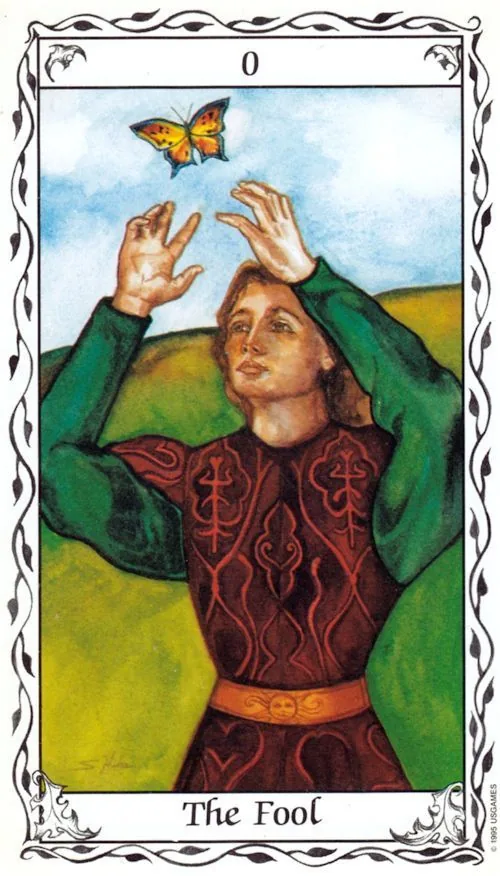
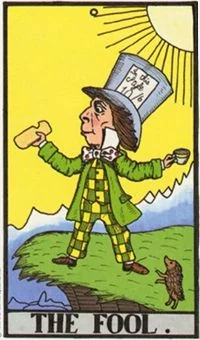
The Fool: curiosity before certainty
Wonderland Tarot begins with a very useful reading lesson: curiosity can be wiser than pretending you already know the answer. The Fool asks you to notice what feels playful, risky, and open before you rush to a conclusion.
How it reads in practice
In practice, Wonderland Tarot is best when you let the picture slow you down. Ask: what is moving, what is still, what feels protected, and what feels exposed? Those questions work for love, school, career, money, friendships, and creative choices.
The deck is not trying to be invisible. It has a personality. That is a strength when you want a reading with atmosphere, but it also means you should check whether the style fits your question. A dramatic deck can make a small issue feel bigger if you do not stay grounded.
Try this spread
Through the looking-glass choice

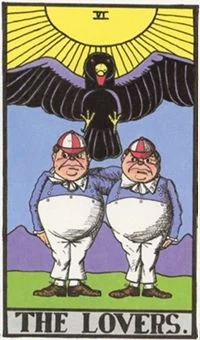
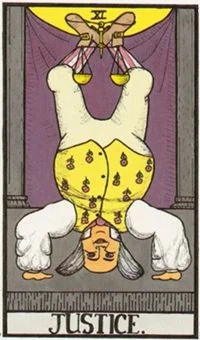
Use this spread when a decision feels weird but important: where you are beginning, what tools you have, what your heart wants, and what would be fair.
Beginner friendliness
Wonderland Tarot can be beginner-friendly if you enjoy the artwork enough to study it. The best beginner deck is not always the plainest deck; it is the one that makes you come back, compare cards, and write down what you noticed.
Try this simple method: pull one card, write three visible details, then look up the traditional meaning. If your details and the meaning point in the same direction, you are learning the deck’s language. If they disagree, write both down and keep watching the pattern.

Card study
The Star: hope after the oddest detour
The Star keeps the deck from becoming only strange or silly. In this storybook world, hope is the quiet place you return to after confusing rules, mixed messages, or a day that feels upside down.
Love, friendship, and emotional readings
For relationship questions, Wonderland Tarot is most useful when the question is about behavior, timing, boundaries, or emotional pattern. Instead of asking whether someone likes you, ask what is healthy, what is confusing, and what action protects your peace.
Look for distance between figures, repeated colors, guarded body language, open gestures, and cards that seem to point toward or away from each other. Those visual clues make the reading easier to explain without overpromising.
Try this spread
Tea-party feelings check


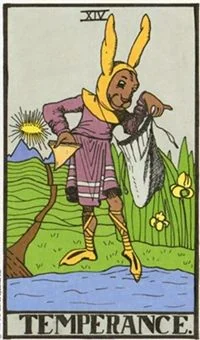
A gentle emotional spread for mixed signals: the new feeling, what would satisfy you, where hope lives, and how to keep the whole situation balanced.
Career, money, and creative readings
For career and money readings, keep the questions practical. Ask what needs focus, where energy is being wasted, and what step would make the situation more stable. The deck’s atmosphere can add motivation, but the answer still needs to become a real-world next step.
For creative work, Wonderland Tarot is especially useful as a prompt deck. Pull a card for the mood of a project, one for the obstacle, and one for the next draft or next study session. The goal is not to predict your whole future; it is to help you move with more honesty.
Card study
Ace of Hats: a fresh feeling with personality
The Hat suit gives emotion a theatrical, playful face. Ace of Hats is good for asking what new feeling wants attention, especially when a crush, friendship, or creative idea feels exciting but not fully clear yet.
Turning a spark into a steady plan
The Ace of Hats catches the first bright feeling, but Wonderland asks what happens after the excitement settles. I look for the part of the idea that can be named, shared and practised, because a good reading should leave more than glitter in the air.
Before this four-card plan, choose one real aim for the coming week. Let each card move it from invitation to cooperation, steady craft and calm leadership, so the storybook spark becomes something your hands can genuinely carry forward.
Try this spread
Practical Wonderland plan


For school, work, money, or routines, this spread moves from first step to teamwork, then practice, then steady leadership.
Pros and cons
| Pros | Cons |
|---|---|
| Memorable artwork with a clear deck personality. | The strong style may not suit readers who want neutral images. |
| Good for intuitive reading, journaling, and creative prompts. | Some cards may need extra study if the theme pulls your attention away from classic meanings. |
| Native TarotFans gallery lets you preview the card art locally. | Collectors who need every product detail should still compare the physical listing before buying. |
Final thoughts on Wonderland Tarot
Wonderland Tarot is worth exploring if its world makes you want to look twice. A tarot deck does not have to be perfect for everyone. It has to be readable for you: clear enough to use, interesting enough to return to, and honest enough to support real questions.
If several cards make you pause, wonder, or start a journal note, that is a good sign. Use the gallery, watch the video, and let your own reaction decide whether this deck feels like a useful reading companion.

Frequently Asked Questions
Is Wonderland Tarot good for beginners?
It can work for beginners if the artwork makes you curious, but it is best paired with a simple keyword guide and slow one-card practice.
Is the TarotFans Gallery complete?
No. This is a verified partial Gallery and does not claim to reveal every card in the official 78-card deck. Each displayed image belongs to the reviewed edition.
What readings does Wonderland Tarot handle best?
It works especially well for daily pulls, creative prompts, relationship reflection, and readings where mood and visual detail help you understand the question.
Does Wonderland Tarot follow classic tarot structure?
Yes, but its style may rename, reframe, or visually reinterpret the familiar tarot pattern. Read the title first, then let the art add tone.
Who should skip Wonderland Tarot?
Skip it if you want a plain modern deck with standard suit names and very literal Rider-Waite-Smith scenes, or if the art style distracts you from the question instead of helping you focus.
Can I use Wonderland Tarot for serious readings?
Yes. A beautiful or themed deck can still support serious readings when the question is clear, the spread is simple, and the reader stays honest about what the cards do and do not say.