Rumi Tarot Card Gallery
Browse this carefully verified partial collection from the Rumi Tarot deck. The gallery keeps only evidence-backed card art and never pads missing cards with uncertain images. Choose a group below, then select any card for a larger carousel view.
Aurica’s Quick Take
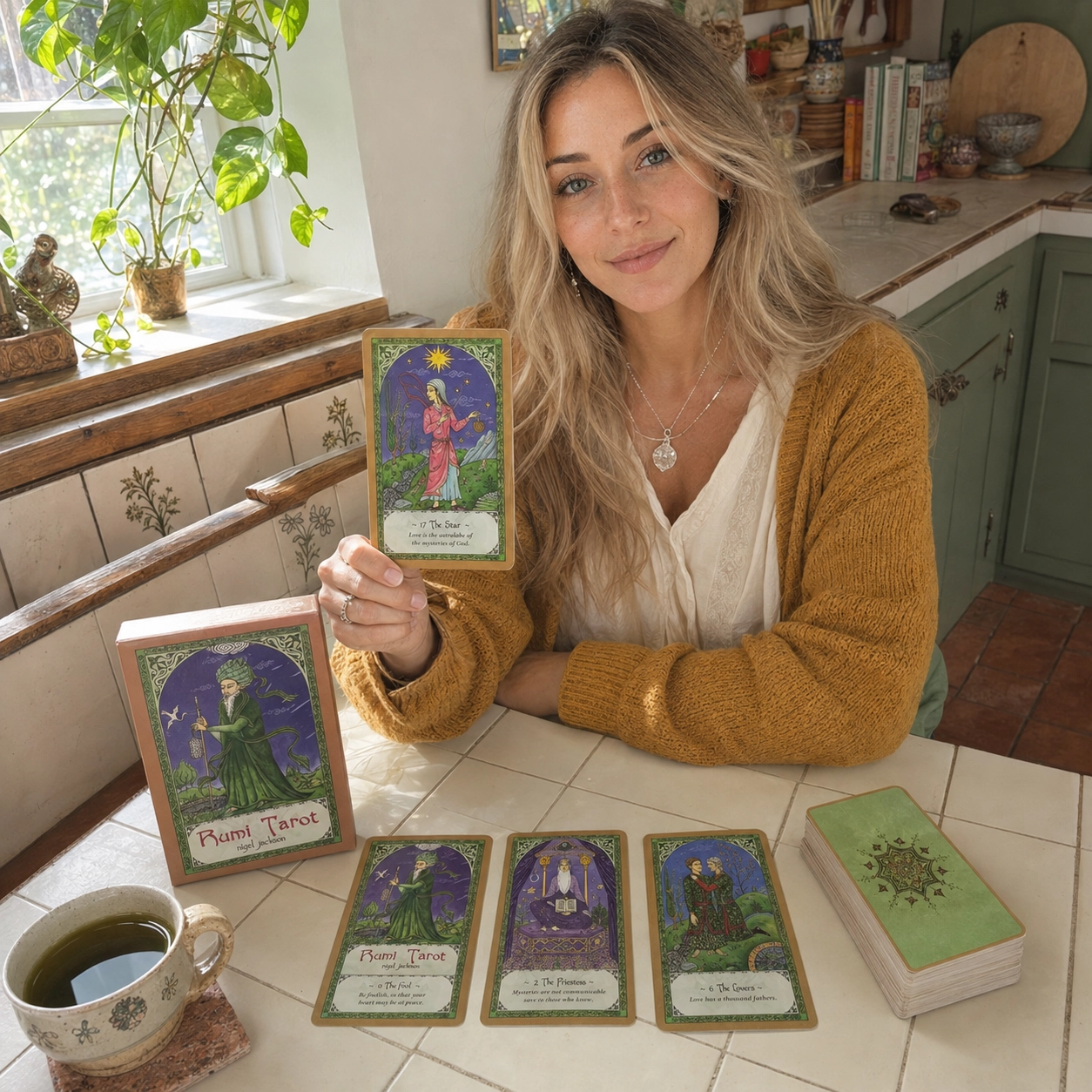
I love how Rumi Tarot seems to begin in the heart before it reaches the mind. Its green borders feel like a garden wall around each scene, while the figures lean, wait, reach and turn away with such tenderness that even a familiar card can feel like a half-remembered dream.
I read this deck by noticing the gesture that tugs at me first, then setting that feeling beside the card’s traditional role and the rest of the spread. The Star opens like a quiet promise, The Priestess asks me not to hurry, and The Lovers makes me look closely at what two people are truly choosing rather than what they hope love will hide.
Rumi Tarot is especially lovely for questions about love, grief, creative longing, reconciliation or the next small act of courage. I keep the spread short so its poetry has room to breathe, then finish with one clear step I can carry into the day.
If these cards meet you at a tender crossroads, let their beauty remind you that honest feeling can become brave, gentle movement forward.
What is Rumi Tarot?
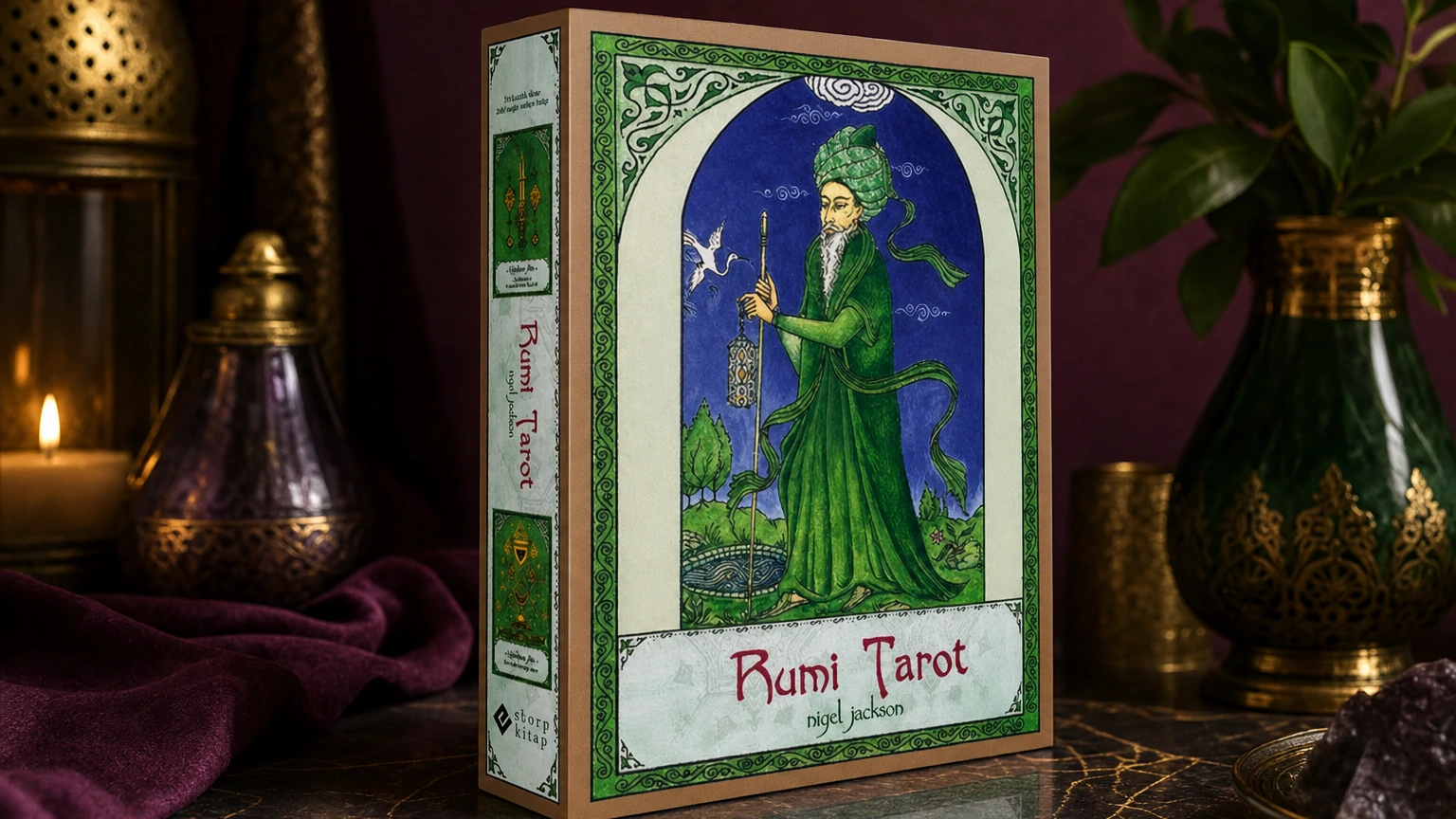
Rumi Tarot is a themed tarot deck with a strong emotional identity. The TarotFans native gallery above shows the 75 verified available card images, so you can preview the actual art style through a clean local gallery instead of a broken legacy card feed.
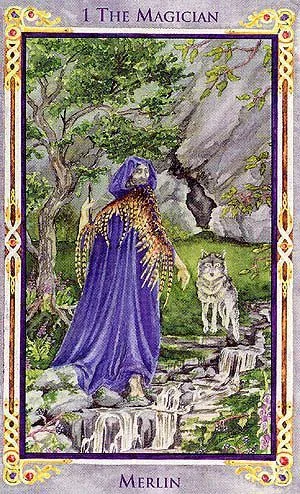
Gallery note: this repair keeps the card count honest. The recovered same-deck source set currently verifies 75 cards, while The Magician, 3 of Staves, and 7 of Cups still remain missing after QA.
Deck identity for this repair was checked against the live YouTube row, the legacy TarotFans source evidence, and the agent-B recovery manifest. The gallery folder used here is rumi-tarot-cards, and the in-article studies and moments use the same verified local assets as the carousel.
Artwork and first impression
Rumi Tarot feels warm, intimate, and visually charged. Instead of aiming for plain flashcard clarity, it asks you to read expression, posture, color, distance, and emotional tension together. That makes it memorable for love readings, journaling, and questions that need emotional honesty.
For newer readers, that can actually help. You do not need to sound mystical to read well. Start with one visible detail, say what it suggests, then connect it to the card title and the question in front of you.

Card study
The Fool: desire with no script
The Fool in Rumi Tarot feels less like reckless chaos and more like emotional bravery. It is the card for stepping toward a feeling before you have perfect certainty, which makes it useful for relationship questions, creative risks, and honest conversations.
How it reads in practice
In practice, Rumi Tarot works best when you slow down and let the image answer first. Ask what is being offered, what is withheld, what feels mutual, and what feels one-sided. Those questions keep the reading grounded even when the artwork is intense.
This is why the deck works so well for relationship and self-reflection spreads. It is emotional without forcing a prediction. The useful part is not guessing the entire future. It is naming the pattern clearly enough that you know what to do next.
Try this spread
Heart before history spread


Read these as the first spark, the boundary check, the soft message underneath it, and the connection that is actually possible.
Beginner friendliness
Rumi Tarot can work for beginners if they like emotional imagery and are willing to read slowly. Pull one card, write three visible details, then compare those details with the traditional meaning. If the same message appears in both places, the deck is teaching you its language.
If the card feels too dramatic at first, simplify the question. Ask what the card wants you to notice right now, not what it says about your whole life. That small shift makes the deck much easier to trust.
Card study
Justice: boundaries are part of love
Because this deck leans into intimacy and longing, Justice matters even more. It reminds you that attraction is not enough on its own. A reading becomes healthier when you ask what is fair, what is mutual, and what keeps your peace intact.
Love, friendship, and emotional readings
This is where Rumi Tarot shines. It handles attraction, longing, tenderness, emotional honesty, and relationship boundaries especially well. The best questions are not “do they like me?” but “what is healthy here?”, “what is being avoided?”, and “what protects my peace?”
Watch how figures face each other, how much space separates them, which colors repeat, and whether the energy feels open or guarded. Those image details help you explain the reading in plain language without overpromising.
Try this spread
Longing versus reality check

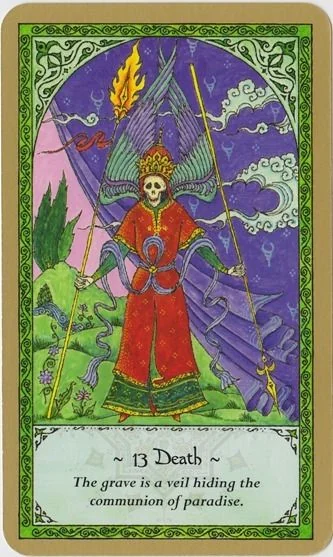
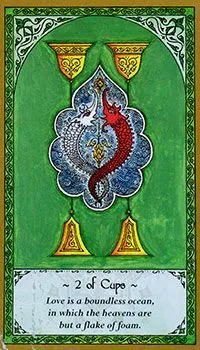
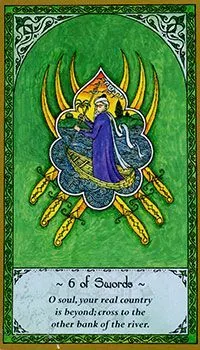
Use this when feelings are strong but confusing: what is imagined, what must end, what is genuinely mutual, and what helps you move toward peace.
Creativity, healing, and grounded next steps
Rumi Tarot is also strong for journaling, personal healing, and creative work. A romantic or poetic deck is not only for crushes and relationship spreads. It can also help you name what feels alive, what feels blocked, and what part of your life needs more care or devotion.
For school, work, or money questions, keep the spread practical. Ask where energy is being spent, what support is available, and what one real action would make things steadier. The deck can be dreamy, but your next step should stay concrete.
Card study
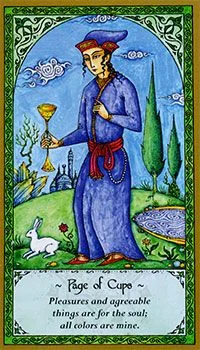
Page of Cups: tenderness needs language
Page of Cups is where Rumi Tarot becomes especially readable for younger or newer readers. It shows emotion as a message that still needs shape. The card asks what you feel, what you hope, and how to say it without turning a quiet feeling into drama.
Try this spread
Creative devotion spread
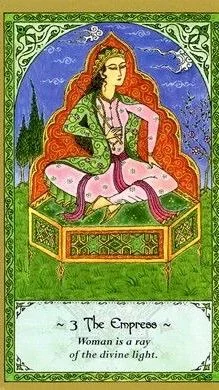
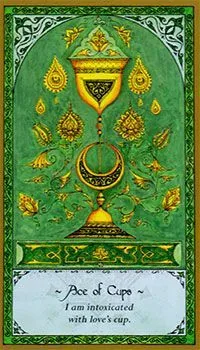
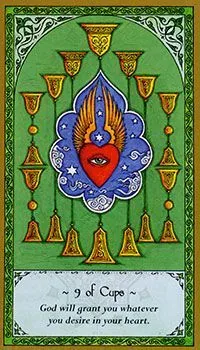

For art, school, or journal work, these cards help you name the spark, the feeling behind it, the wish you are chasing, and the structure that can make it real.
Pros and cons
| Pros | Cons |
|---|---|
| Emotionally vivid artwork that supports intuitive and relationship readings. | The style may feel too intense for readers who want very neutral cards. |
| Strong for journaling, self-reflection, love spreads, and visual interpretation. | Some cards need slower study before they feel easy to read. |
| TarotFans now has a verified local 75-card native gallery near the top. | The local gallery is still partial, so the page stays honest instead of claiming all 78 cards. |
Final thoughts on Rumi Tarot
Rumi Tarot is worth exploring if you want tarot to feel intimate, poetic, and emotionally direct. A good deck does not need to be perfect for everyone. It needs to be readable for you: clear enough to use, honest enough to trust, and interesting enough that you keep coming back.
If the artwork makes you pause, feel something, and ask better questions, that is a strong sign. Use the gallery, watch the video, and let your own reaction decide whether this deck belongs on your reading table.
Frequently Asked Questions
Is Rumi Tarot good for beginners?
Yes, if the artwork makes you want to slow down and look closely. It is easier for beginners who like mood-rich imagery and keep their spreads simple at first.
Is the Rumi Tarot gallery complete?
No. This is an evidence-checked partial gallery, and TarotFans has deliberately left out cards that could not be verified from the recovered same-deck source set.
What kind of readings suit Rumi Tarot best?
It is especially strong for love readings, self-reflection, journaling, emotional pattern work, and any reading where atmosphere helps you explain the message.
Does Rumi Tarot follow classic tarot structure?
Yes, but it presents that structure through a more romantic and intimate visual language. Read the title first, then let the artwork add tone.
Why would someone skip Rumi Tarot?
Skip it if you prefer very plain study cards, cool detached symbolism, or a deck that keeps emotional intensity far in the background.
Can I use Rumi Tarot for serious readings?
Yes. The deck can be tender and dramatic at the same time, but the reading stays serious when the question is clear and the advice turns into one practical next step.