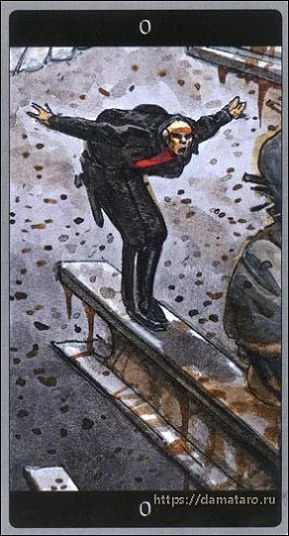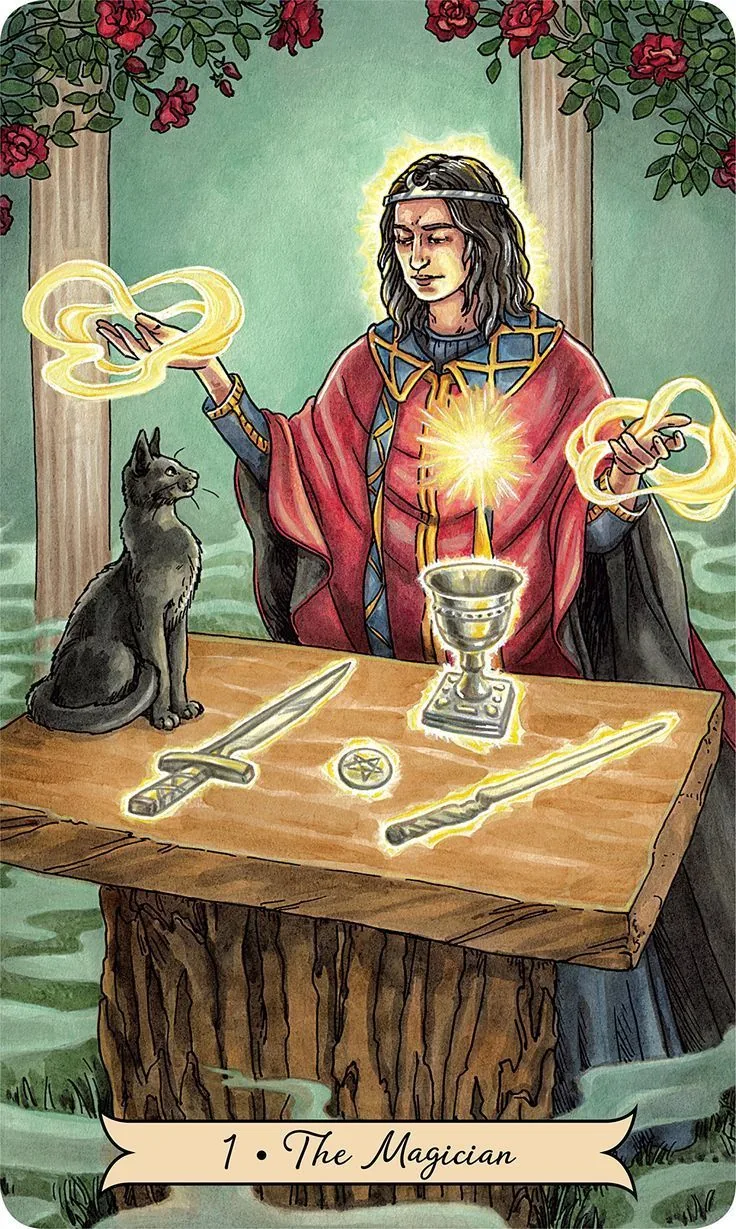
Tarot of the Journey To the Orient Cards
Explore available Tarot of the Journey To the Orient card images in a native TarotFans gallery. Tap any card to open a larger carousel view.
Showing all available cards.
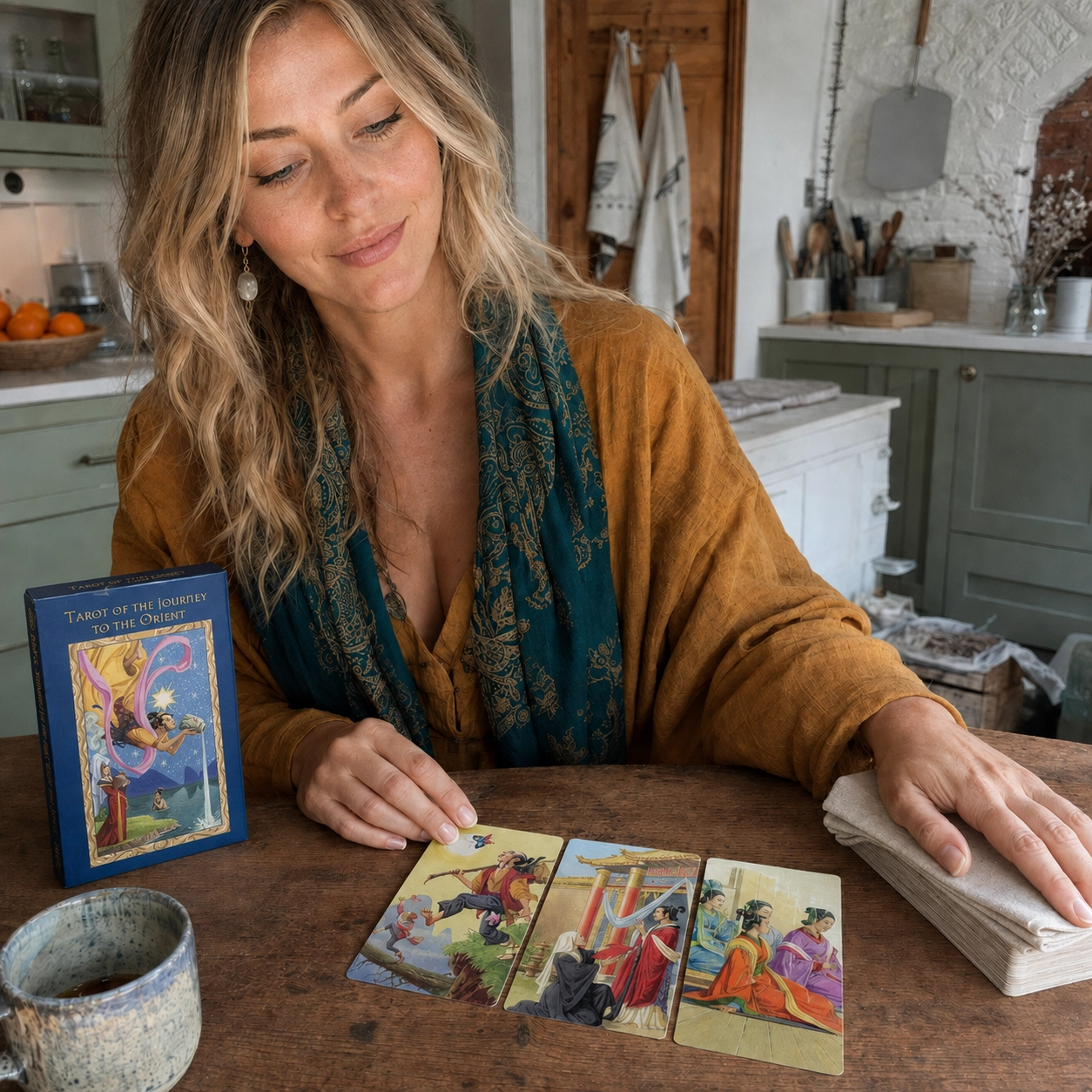
A note from Aurica
This deck feels like opening an old travel journal and finding that every painted road still remembers the feet that crossed it. Its palaces, mountain paths, bright silks, ships, and quiet rooms give familiar tarot ideas a sense of distance and discovery. I do not read that distance as something exotic to collect; I read it as an invitation to slow down, look respectfully, and notice how every journey changes the person making it.
The Fool catches me first. He moves with such lively trust that the edge beneath him seems almost to sing, while the butterfly above suggests a thought too free to be pinned down. In a reading, I let that energy name the brave beginning, then check the neighbouring cards for what the traveller still needs to learn. Hope matters here, but attention keeps hope from becoming carelessness.
The High Priestess creates a very different hush. Seated among the measured lines of the palace, she feels composed without feeling closed. When she appears, I ask what wisdom is already present but has not yet been given enough quiet. Beside a restless card, she can be a gentle pause; beside a fearful one, she can remind us that patience is also a form of movement.
Then the Three of Cups brings people close again. The three figures gather in rich colour, and I feel the warmth of knowledge becoming shared rather than guarded. I like this deck for questions about crossing thresholds, learning from unfamiliar situations, and returning home with a wider heart. Its scenes make me follow gesture, direction, and atmosphere before I settle on a practical meaning.
My gentle rule is to ask where the card is travelling and what it carries forward. Tarot of the Journey To the Orient reminds me that wisdom is not found by rushing to the farthest horizon, but by meeting each step with curiosity, humility, and enough courage to let the road make us kinder.
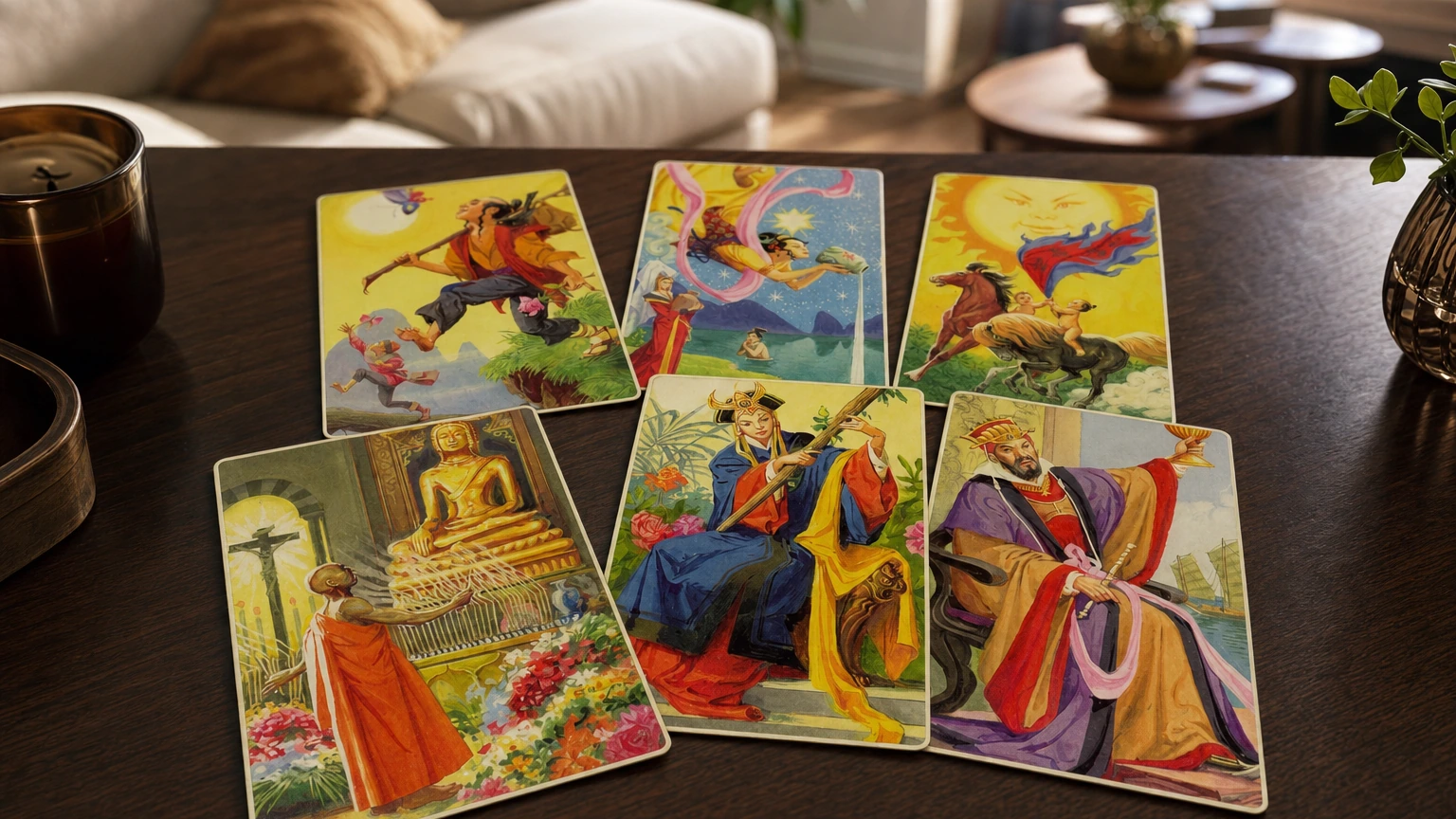
Tarot of the Journey To the Orient reads like a deck about movement before it reads like a deck about answers. It belongs to the Marco Polo story world, so many cards feel like painted stops along a long road: ports, courts, temples, horses, markets, quiet rooms, weather, and travelers meeting people whose customs are not their own. The deck asks what changes when a person crosses a border, enters a new place, or begins to see life from another side.
The art has an illustrated-adventure feeling, with strong color and busy storytelling. Some cards keep familiar tarot bones, but the atmosphere is different from a plain Rider-Waite-Smith clone. I see the deck as a reflective path. It works best when I slow down and let the scenery matter: the direction of a horse, a doorway, a boat leaving shore, a teacher in a sacred space, or a person pausing before a choice.
The native TarotFans gallery on this page shows 77 available Tarot of the Journey To the Orient card images. I am keeping that count honest instead of claiming a complete 78-card visual archive. The gallery is still useful because it gives a very full sense of the deck’s story-world, color, movement, and travel symbolism.
What makes this deck different?
The main personality of this deck is movement. Even still scenes feel like they belong to a route. A palace room may feel like a lesson in protocol. A ship may feel like risk, trade, or leaving home. A mountain road may feel like patience. Because of that, I do not read this deck as a simple costume version of standard tarot. I read it as a deck about perspective, distance, exchange, curiosity, and the way experience changes a person.
I also try to be careful with the language around this deck. The title uses the older word “Orient,” and the art is inspired by a European travel imagination of Asia rather than a modern documentary view. So I do not treat it as a factual cultural guide. I treat it as symbolic, storybook travel tarot. Used respectfully, it can open good questions about listening, humility, learning, and seeing beyond the small world we already know.

The Hierophant: learning with respect
The Hierophant is one of the most important cards for understanding this deck. The image centers sacred space, ritual attention, and a meeting of spiritual symbols. I read it less as “follow every rule” and more as “enter the room with respect.”
In a reading, this card can point to a teacher, a tradition, a school, or a belief system that deserves careful listening. It can also ask whether I am learning from another culture with humility, or only collecting symbols because they look beautiful.
Who will enjoy this deck?
This deck is best for readers who enjoy narrative art, historical fantasy, travel symbolism, and readings that feel like a story unfolding. If you like to ask where a person has been, what threshold they are crossing, and what lesson the road is teaching, this deck gives you plenty to work with. It is especially good for journaling because many cards invite a full scene: who is moving, who is waiting, who has power, who is learning, and what is just outside the frame?
For total beginners, I would pair it with a basic tarot book or a more traditional deck. Some images are clear right away, while others ask for more interpretation. But if you already know the basic tarot structure, this deck can make familiar meanings feel fresh because the setting changes the emotional weather.
Four-card moment
Starting the road


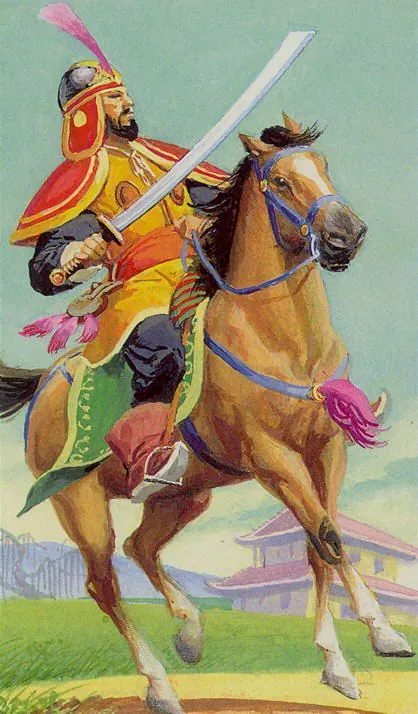
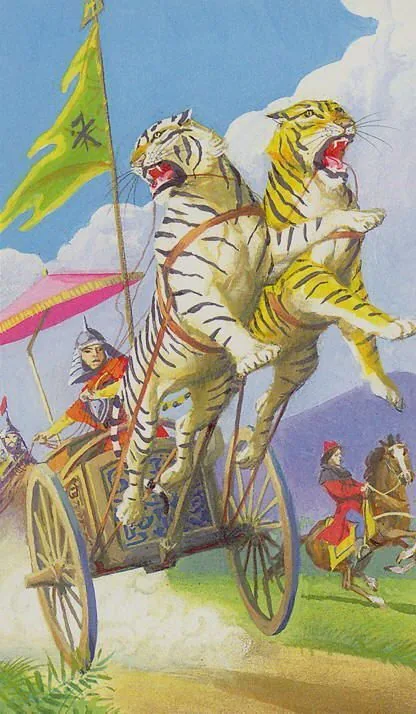
This group feels like departure. A new path opens, movement begins, and the bright card at the end suggests confidence returning through action. I would read it as: stop waiting for a perfect map, gather your courage, and let the first honest step teach you the next one.
How I like to read with it
My favorite way to read Tarot of the Journey To the Orient is to name the movement first. Is the card entering, leaving, waiting, teaching, bargaining, sailing, fighting, or resting? That one verb gives the reading a strong base. Then I add the normal tarot meaning. This keeps the deck grounded while still honoring its visual personality.
I also like using it for questions about change. It is good for moments when someone is leaving a familiar identity, starting a new study path, traveling, moving, meeting people from different backgrounds, or trying to understand a situation from a wider view. The deck often reminds me that growth is not always dramatic. Sometimes it is a long road, a strange room, or a small conversation that changes how I see everything.
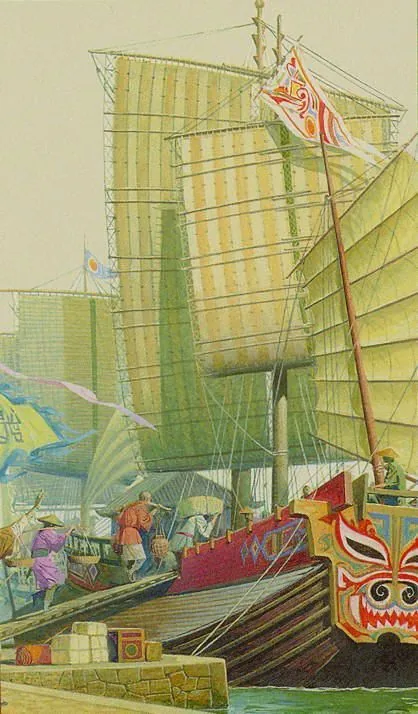
The ship leaving harbor: the decision to depart
This ship scene is a perfect example of how the deck speaks through travel. Boats in this deck are not only transport. They are choices. They carry goods, memories, promises, and fear.
When I use this image in a practical reading, I ask: what am I ready to send out, and what am I afraid to leave behind? It can describe a move, a new project, a message sent across distance, or the first real step after planning for too long.
Pros and gentle cautions
| Pros | Cons |
|---|---|
| Strong narrative artwork that makes readings feel like a journey. | The older “Orient” framing needs a thoughtful, critical reading lens. |
| Excellent for questions about travel, study, thresholds, distance, and perspective. | Not the simplest first deck for memorizing plain card meanings. |
| Large 77-card native gallery gives a strong visual sense of the deck. | The visual gallery is still one card short of a full 78-card archive. |
| Works beautifully for journaling and smaller story-based spreads. | Detailed scenes can be too slow for quick yes/no-style readings. |
Four-card moment
Crossing water
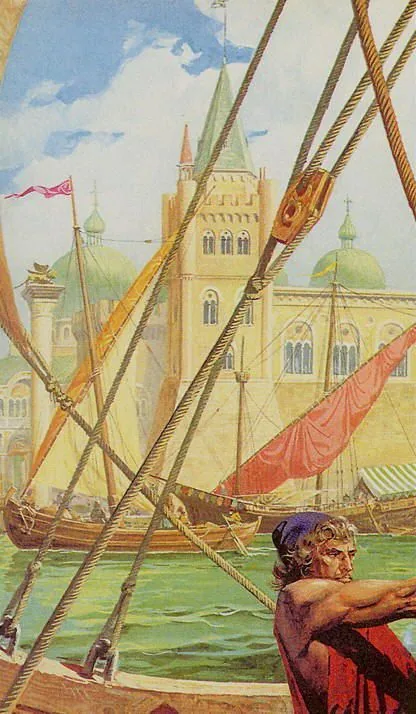
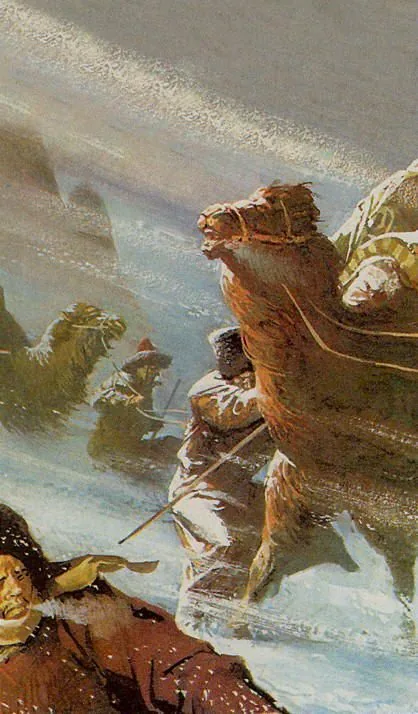

This moment is about transition. The cards show the practical side of travel: preparation, risk, weather, and momentum. In a reading, I would ask what emotional crossing is happening. Are you ready to leave the old shore, or are you still trying to control the wind?
Best questions to ask this deck
This is a strong deck for questions that involve movement, learning, or a change in worldview. I would ask: what threshold am I crossing? What lesson is this road trying to teach me? What do I need to learn before I judge? Where am I carrying old assumptions into a new landscape? What am I ready to send ahead, and what must stay behind?
Because the images can be detailed, I would not rush big spreads with this deck. Four cards are usually enough. Let the scenes talk to each other. A horse beside a ship can say “movement is possible, but choose your route.” A teacher beside a storm can say “get guidance before the hard crossing.” This is where the deck becomes more than pretty art. It becomes a map of inner travel.
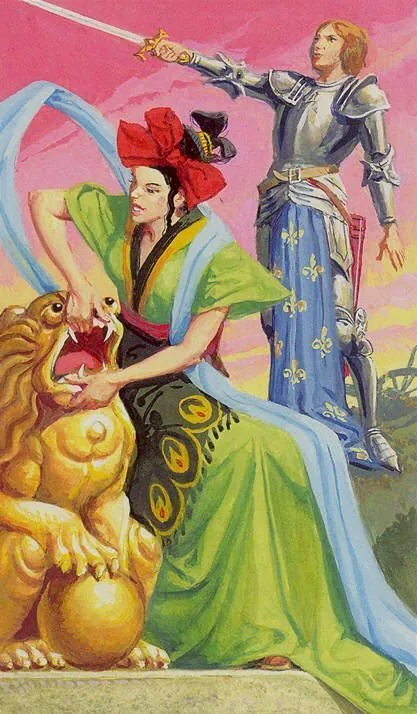
A self-possession card: beauty, skill, and earned grace
This card gives me the feeling of earned grace. The figure, rich colors, and round golden forms create a mood of care, taste, and personal accomplishment.
I read it as a card about enjoying what has been built without rushing into the next chase. In this deck, that message feels tied to refinement: not showing off, but knowing the value of skill, patience, and a life arranged with intention.
Four-card moment
Seeking counsel


This group asks for patience and guidance. It is good for questions about school, family advice, spiritual learning, or any situation where pride makes it hard to listen. The message is not to hand your power away. It is to learn before you decide.
Four-card moment
Returning with wisdom
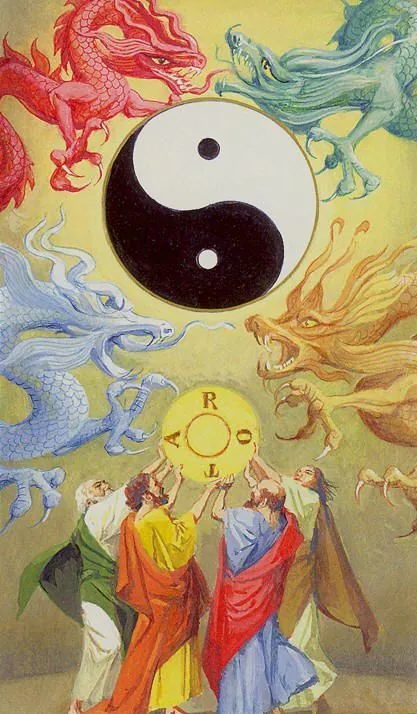
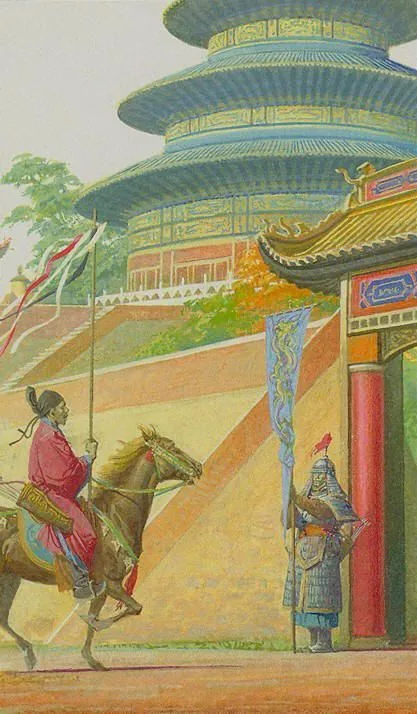
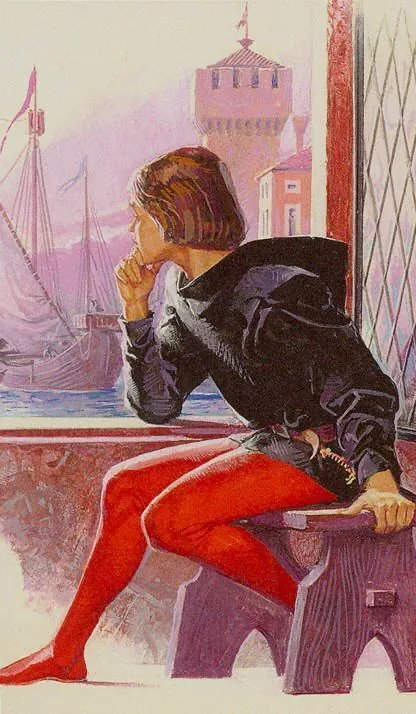

This moment feels like integration. After the journey, the traveler has to turn experience into wisdom. I would read it as: what did the trip teach you, what story are you telling now, and how can you share it without turning it into ego?
Final thoughts
Tarot of the Journey To the Orient is a thoughtful deck when I want a reading to feel like a road. It is colorful, dramatic, and sometimes old-fashioned, but it has a clear voice. It asks me to pay attention to where I am going, what I am learning, and how I behave when I meet something unfamiliar.
If you enjoy tarot as visual storytelling, this deck has a lot to offer. I would not treat it as a simple RWS copy or as a cultural textbook. I would treat it as reflective travel tarot: a deck for thresholds, study, movement, and the slow wisdom that comes from seeing life beyond your usual horizon.
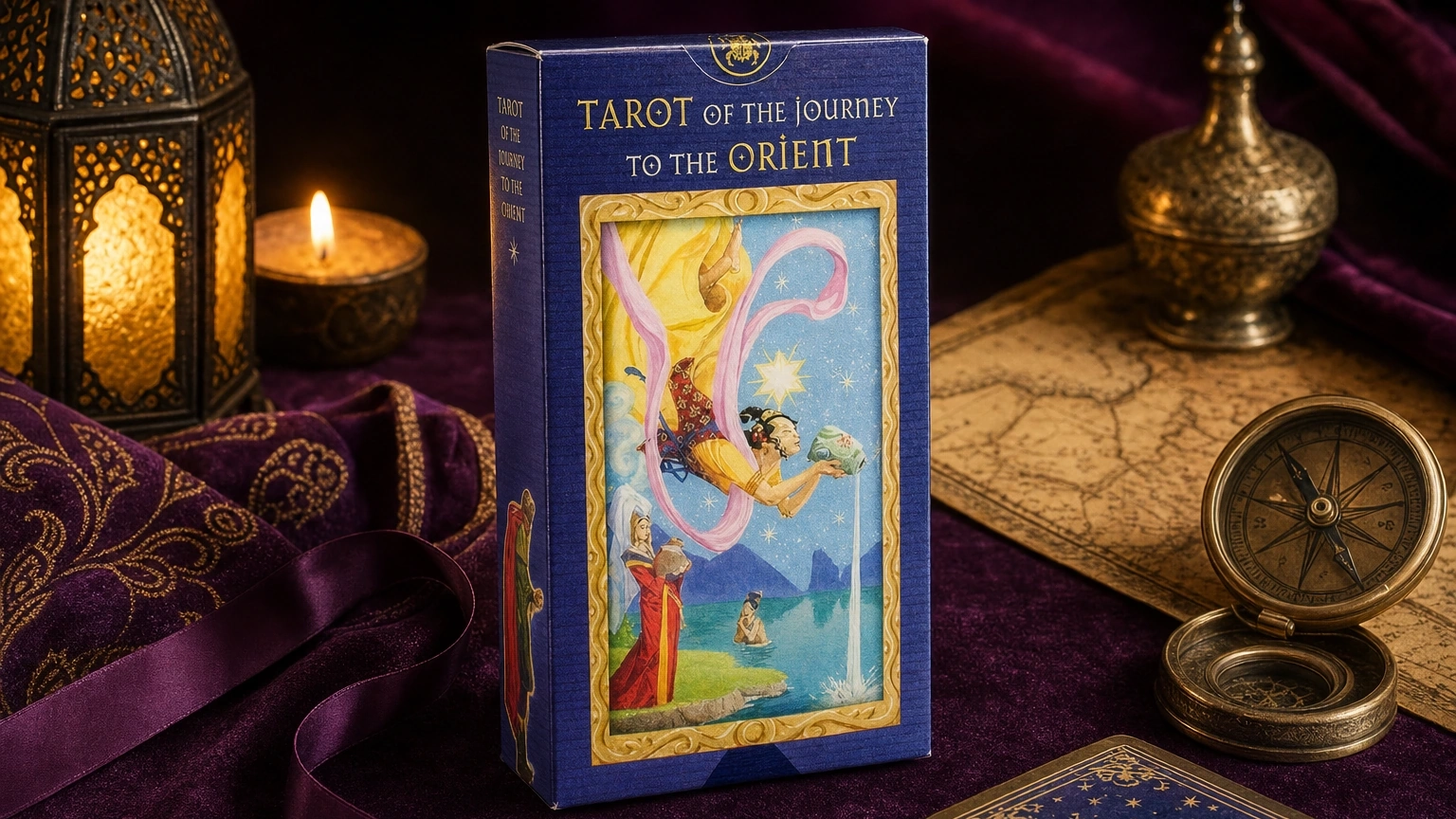
Tarot of the Journey To the Orient FAQ
Is Tarot of the Journey To the Orient good for beginners?
It can work for beginners who love story art, but I think it is easier if you already know basic tarot meanings. Some cards read clearly through the scene, while others need more background knowledge.
Does this deck follow standard tarot meanings?
Yes, it keeps a recognizable tarot structure, but the images add a travel-story layer. I use normal tarot meanings as the base, then read the setting, movement, and mood of each scene.
What kind of questions fit this deck best?
It is strong for questions about journeys, change, study, cultural perspective, personal growth, distance, and moving from one life stage into another. It is also good for reflective journaling.
Why does the TarotFans gallery show 77 cards?
The current native gallery has 77 available card images for Tarot of the Journey To the Orient. I keep that number honest instead of saying the visual gallery shows all 78 cards.
How should I read the older “Orient” theme respectfully?
I would read it as symbolic historical travel-fantasy, not as a complete or factual guide to living cultures. Let it inspire questions about humility, learning, and perspective rather than treating every image as literal truth.
Is it better for daily pulls or larger spreads?
I like it best for daily pulls, three-card readings, and four-card story moments. The images are detailed, so a smaller spread gives each scene enough room to speak.