Hardy Tarot Card Gallery
Explore the verified Hardy Tarot card fronts in their official sequence. Use the deck-family filters, then select any card to open the accessible larger view.

A note from Aurica
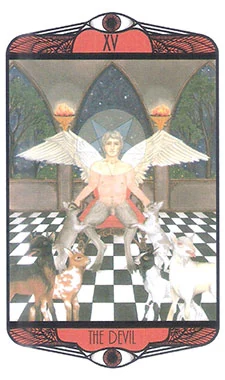
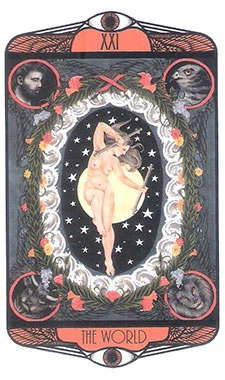
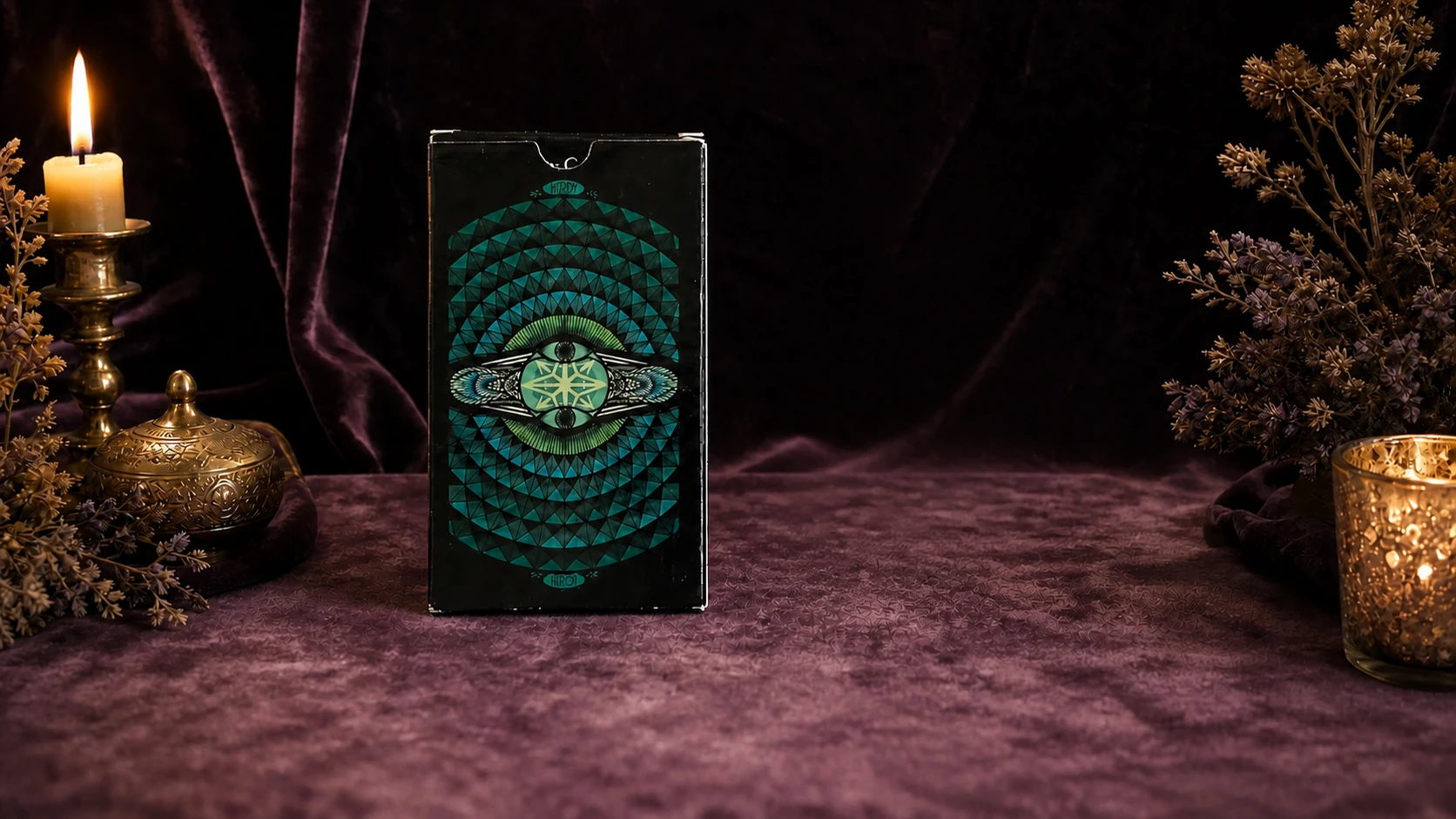
I love the way Hardy Tarot feels handmade without feeling hesitant. Its black fields hold flashes of coral, violet, pale blue, and green like scraps of a vivid dream pinned carefully into place. The shaped borders make every card feel like a little doorway, while the watchful eyes along the edges give me the lovely sense that the deck is looking back and asking whether I am ready to be honest.
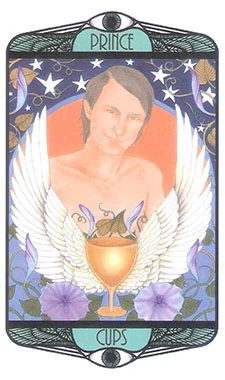
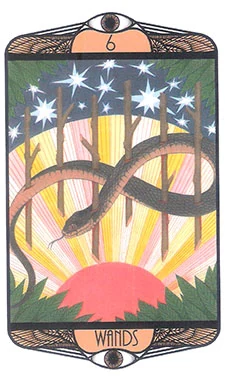
The Lovers catches me first. Its circling moons gather around two skeletons inside a bright floral halo, so the card speaks not only of romance but of what remains when appearances fall away. Beside it, the Six of Wands twists upward with living momentum, the Prince of Cups carries tenderness in an open vessel, and The Star glows like a pale spirit moving through a midnight sky. Together they turn connection into something brave, tender, and transforming.
When I read with this deck, I begin with the image that pulls hardest at my attention: a gaze, a repeated curve, a sudden patch of colour, or the direction a figure seems to move. Then I return to the card’s familiar tarot role and listen for how its neighbours change the mood. Hardy’s collage language is expressive enough to spark intuition, yet clear enough to help me turn that first feeling into practical words.
I would reach for Hardy Tarot when a question feels emotionally tangled or when someone needs permission to see an old story from a more imaginative angle. Let these fearless little worlds remind you that your heart can hold complexity without losing its direction—and that the truest choice is often the one that brings you closer to your own bright, living centre.
Hardy Tarot is the kind of deck that feels drawn from a private sketchbook: tender, eerie, symbolic, and very human. Colleen Hardy’s images are not trying to look polished in a sterile way. They feel handmade, haunted, and emotionally close, which is why the deck works so well for slow readings.
This updated TarotFans review follows the current Light Seers-style format: the YouTube walkthrough appears first, a clean source CTA follows it, the native card gallery is owned by the theme, and the review moves through focused card studies, four-card reading moments, a final image CTA, and a compact FAQ.
Hardy Tarot quick take
The first thing to know is that Hardy Tarot is readable, but not plain. The deck keeps enough familiar tarot structure to make the cards usable in practical readings, yet its atmosphere is more personal than textbook. You see bodies, animals, masks, flowers, trees, moons, bones, and little symbolic gestures that make each card feel like a spell or a memory.
I would reach for this deck when a question needs honesty rather than speed. It is excellent for journaling, creative blocks, relationship reflection, recovery from burnout, and spiritual questions where the answer may be layered. It is less ideal when someone wants bright, cheerful, literal imagery that explains itself immediately.
Card study
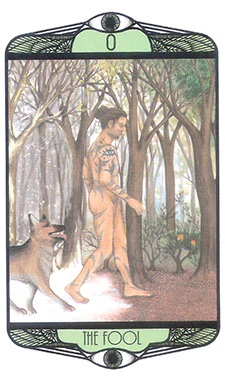
The Fool as instinctive beginning
The Fool sets the tone for the whole deck. This is not a glossy leap into a postcard landscape. It feels more like stepping into the wild part of yourself before you have language for the journey.
In readings, I would treat this Fool as permission to begin before the plan is perfect. It says the first step may feel strange, vulnerable, or underprepared, but the path is still alive enough to follow.
Artwork, mood, and symbolism
Hardy Tarot’s art has a twilight quality. The colors are soft but not sleepy: reds, greens, bruised blues, pale yellows, and dark outlines create a world that feels both fragile and tough. The deck is not horror, but it understands unease. It can sit with grief, desire, fear, tenderness, and recovery without turning those feelings into slogans.
The minors are especially useful because they give the reader scenes to enter. Wands carry pressure and movement, Cups hold emotional weather, Swords show mental patterning and pain, and Disks bring the reading back into body, work, money, craft, and care. The court cards have a slightly unconventional rhythm, but that actually suits the deck’s indie voice.
Four-card reading
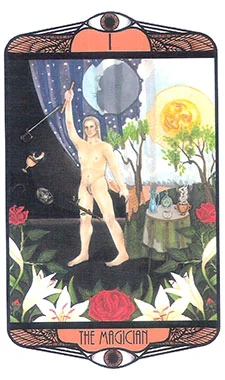
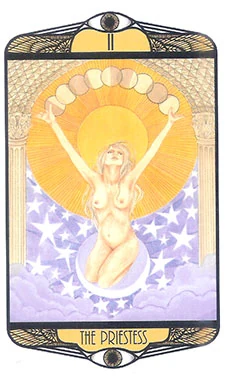
A first walk through the handmade world
Read this line as a creative beginning: enter the woods, gather tools, listen to the hidden voice, then give the idea a living form.

How Hardy Tarot reads in practice
In practice, Hardy Tarot is intuitive and emotionally direct. It does not shout. It waits for you to look closer. A card may begin as a simple keyword, then open into posture, color, gaze, background, and the relationship between figure and symbol. That makes it rewarding for readers who like to describe what they see before reaching for memorized meanings.
For client readings, I would use it with people who are comfortable with art that feels intimate. It can be beautiful for questions about identity, endings, creative pressure, and complicated love. For a very anxious beginner, I might pair it with a plainer deck at first, then bring Hardy Tarot in when the person is ready for richer visual language.
Card study
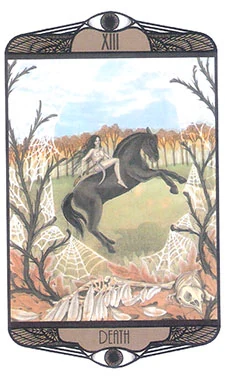
Death as an honest threshold
Death is one of the deck’s best examples of beauty without denial. The card keeps the seriousness of ending and transition, but it does not feel like a cheap scare. It feels like a threshold that must be crossed slowly.
That makes the card useful in readings about burnout, grief, and identity change. The message is not “everything is fine.” It is: something is finished, and your task is to honor the ending enough to move honestly.
Four-card reading
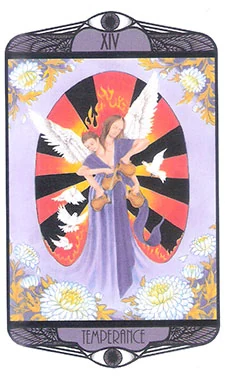
Grief, repair, and steadier emotion
This line works for relationship reflection: name the hurt, notice the mental bind, offer one vulnerable gesture, then blend the situation carefully instead of forcing instant repair.


Best uses for the deck
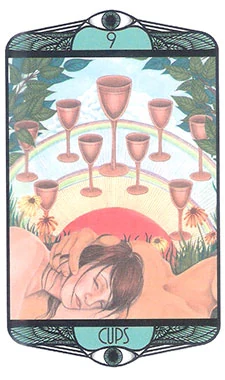
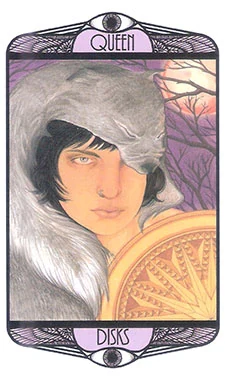
Hardy Tarot is strongest when the reader wants atmosphere and depth. It is a natural choice for shadow work, moon journaling, grief rituals, creative planning, and spreads about what a person is avoiding. The deck can also be surprisingly grounded because the Disks suit keeps returning to body, material care, and the practical side of healing.
A good spread for this deck is: what is calling from the dark, what symbol am I misunderstanding, what feeling needs care, and what practical step brings the reading back to the table. That structure lets the deck be mystical without becoming vague.
Four-card reading
Creative pressure into embodied care
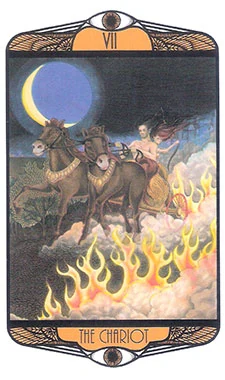
Use this sequence for creative work: let recognition arrive, keep pleasure in the process, protect the body and schedule, then steer the project with intention.
Pros and cons
| Pros | Cons |
|---|---|
| Distinct handmade artwork with a strong emotional and symbolic voice. | Dreamlike images may feel less literal than a classic beginner deck. |
| Excellent for journaling, shadow work, creative readings, and slow personal spreads. | The intimate gothic tone will not fit every party, quick-answer, or ultra-bright reading style. |
| Fully illustrated scenes make the available card gallery worth studying before purchase. | Indie-style availability and pricing can vary, so buyers should check the current listing carefully. |
Card study
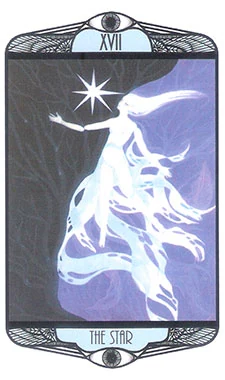
The Star as strange, quiet recovery
The Star in this deck does not feel like forced optimism. It feels like the first pale light after an emotionally demanding passage. That makes it one of the best healing cards in the deck.
In a reading, I would not read it as instant happiness. I would read it as evidence that the soul can still respond to beauty, and that a small returning hope is worth protecting.
Four-card reading
A complete Hardy Tarot arc
This closing line shows the deck at full strength: attachment, disruption, quiet repair, and integration. The art is gentle in places, but the reading is not afraid of change.

Final Thoughts
Hardy Tarot is a beautiful choice for readers who want a deck with emotional texture. It has enough tarot structure to be practical, enough handmade strangeness to stay memorable, and enough softness to make hard cards feel approachable without making them shallow.
If you want crisp digital polish or extremely literal Rider-Waite-Smith scenes, this may not be the deck you reach for first. If you want a handmade, folk-gothic tarot that can handle grief, art, desire, healing, and spiritual uncertainty, Hardy Tarot is easy to recommend.
Hardy Tarot FAQ
Is the Hardy Tarot a full tarot deck?
Yes. Hardy Tarot is presented here as a complete 78-card tarot deck with illustrated Majors, Minors, and deck-specific court cards.
Who created the Hardy Tarot?
Hardy Tarot was created by Colleen Hardy. The art has a handmade, intimate, folk-gothic feeling rather than a glossy mass-market look.
Is Hardy Tarot good for beginners?
It can work for beginners who love symbolic art, but it is strongest for readers who already know basic tarot structure. The images are intuitive, emotional, and sometimes dreamlike.
Does Hardy Tarot follow Rider-Waite-Smith meanings?
Mostly, yes. The deck is Rider-Waite-Smith friendly in structure, while the mood, color, and court personality give it a more personal handmade voice.
What readings suit Hardy Tarot best?
It is especially good for shadow work, creative questions, relationship reflection, spiritual journaling, and readings where emotional texture matters more than quick literal answers.


