Guided Hand Tarot Cards
Explore the verified Guided Hand Tarot card artwork in canonical tarot order. Select any card to open the larger carousel view; alternate source images are labeled clearly.
Showing all cards
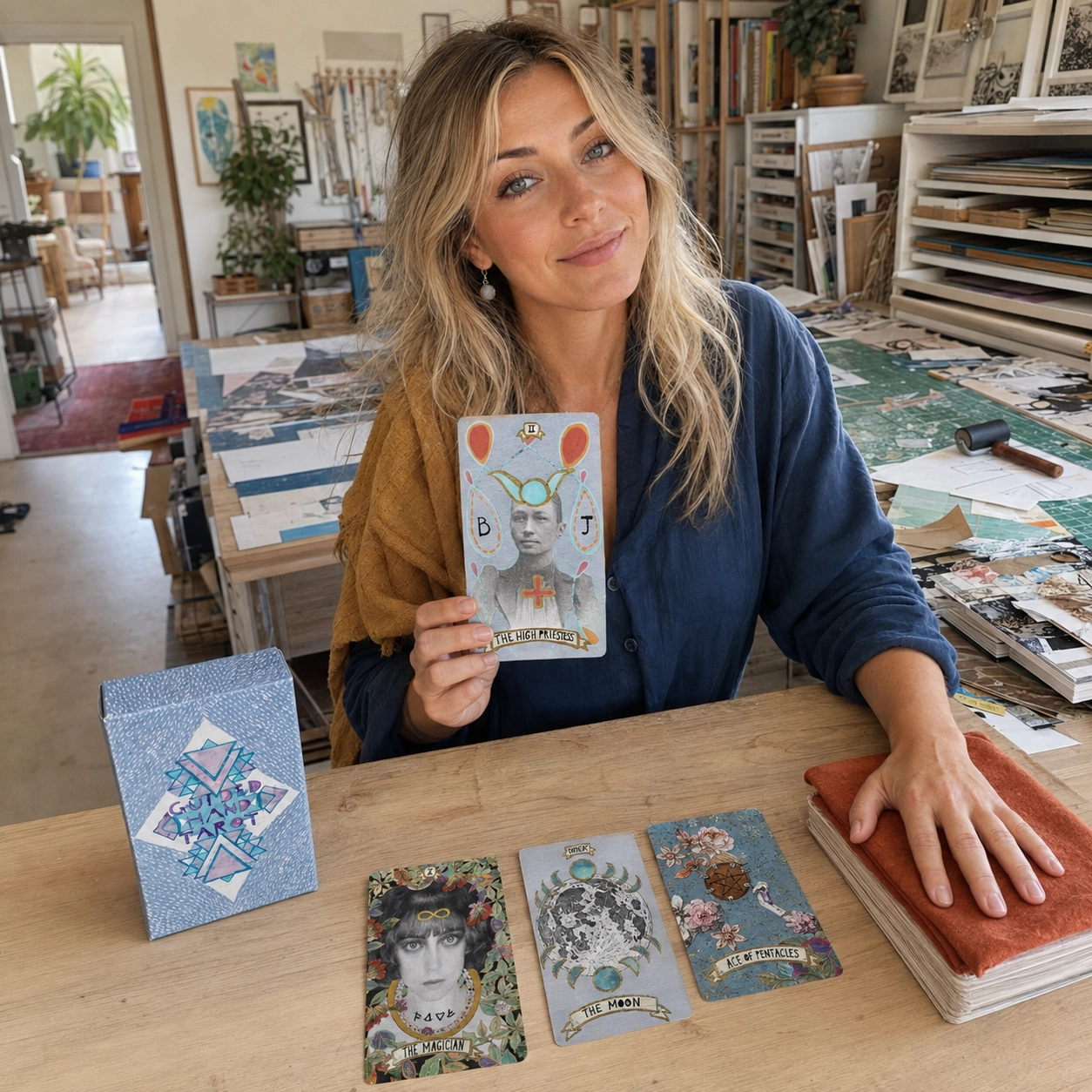
A note from Aurica
I love how Guided Hand Tarot feels like opening a well-used artist’s drawer: scraps of memory, odd little symbols, old photographs, flowers, and handwritten banners all waiting to become a new story. Nothing is too polished. The rough edges give my intuition somewhere to catch, and one bright detail can quietly pull an entire reading into focus.
The High Priestess is the card I keep looking back to. Her calm grey face sits beneath turquoise and gold crescents, while the letters B and J stand like two quiet doorposts. I read that contrast as an invitation to pause between what is known and what is only felt. When she appears, I notice the symbol my eye returns to, compare it with the question and nearby cards, and let that small visual tug name what has been waiting below the surface.
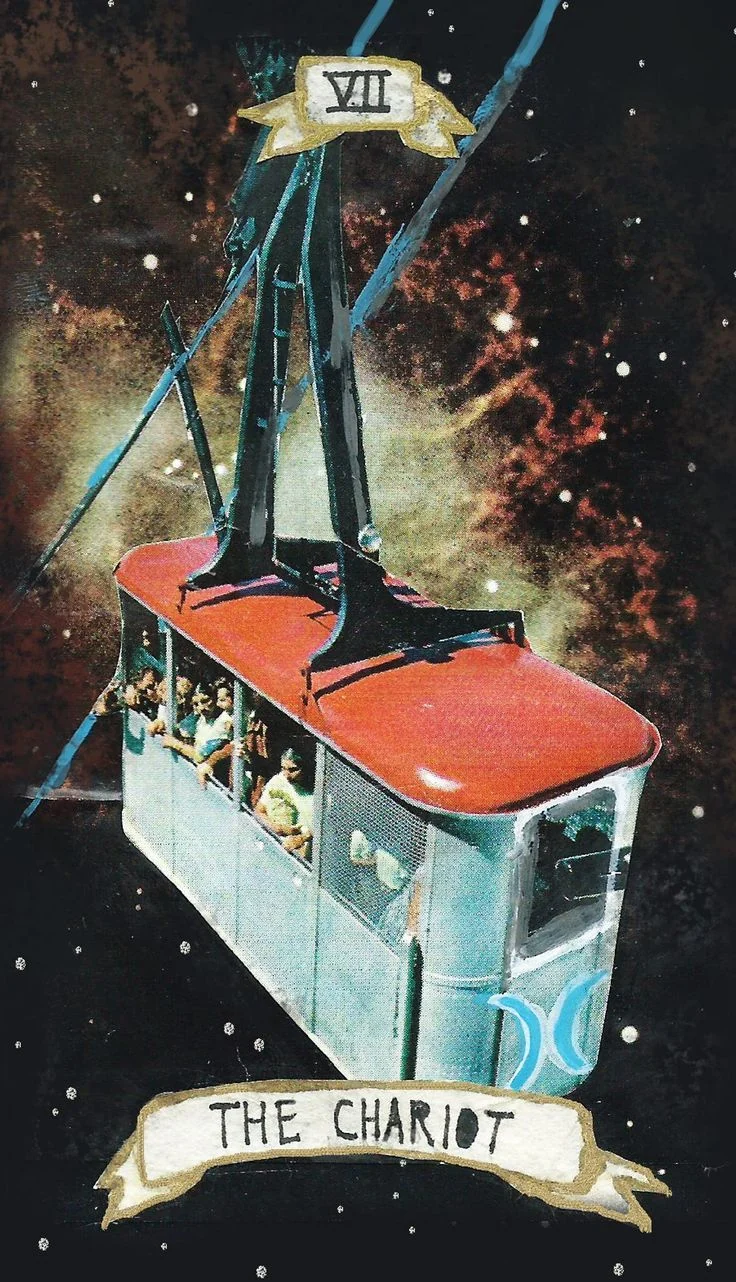
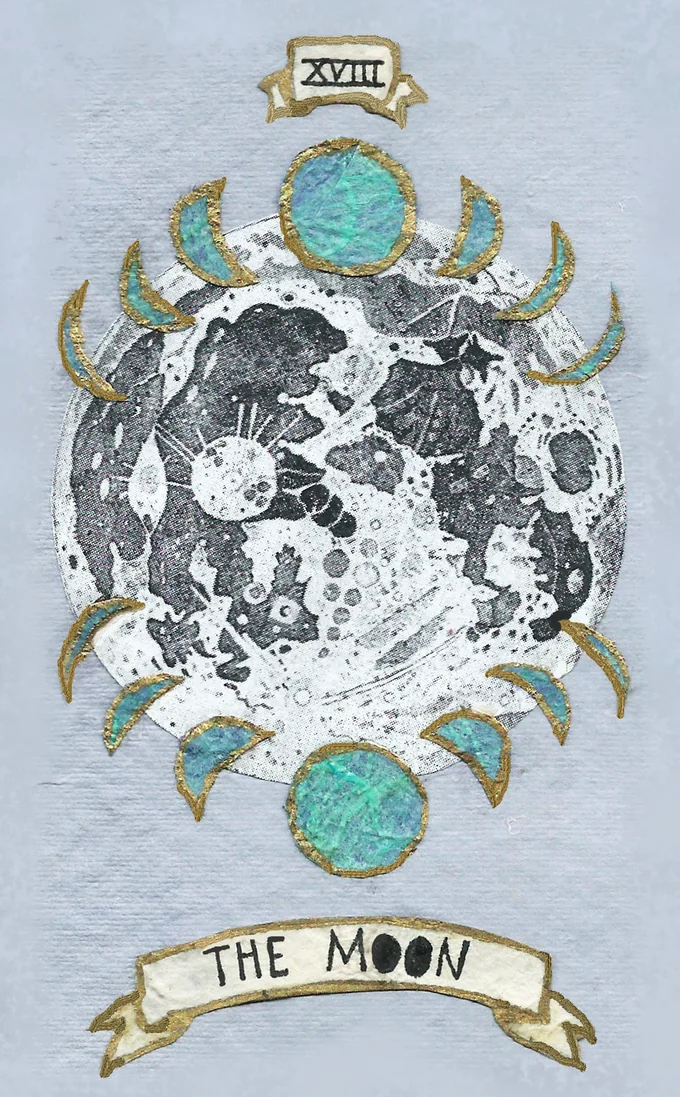
The Magician, The Moon, and Ace of Pentacles make a wonderfully strange conversation together. The Magician brings the spark to shape an idea, The Moon lets uncertainty breathe, and the flower-framed pentacle asks what can be made real with our own hands. In a practical spread, I would use them as a gentle sequence: name the possibility, sit honestly with the feeling around it, then choose one grounded action that gives it a body.
I would reach for Guided Hand Tarot when a question feels too layered for tidy keywords, or when creativity itself is part of the answer. Its collage language reminds me that meaning does not have to arrive in a perfect straight line; it can gather from fragments until the heart recognises the pattern. Trust the image that keeps tapping at your attention—your own wise hand may already be guiding the pieces into place.
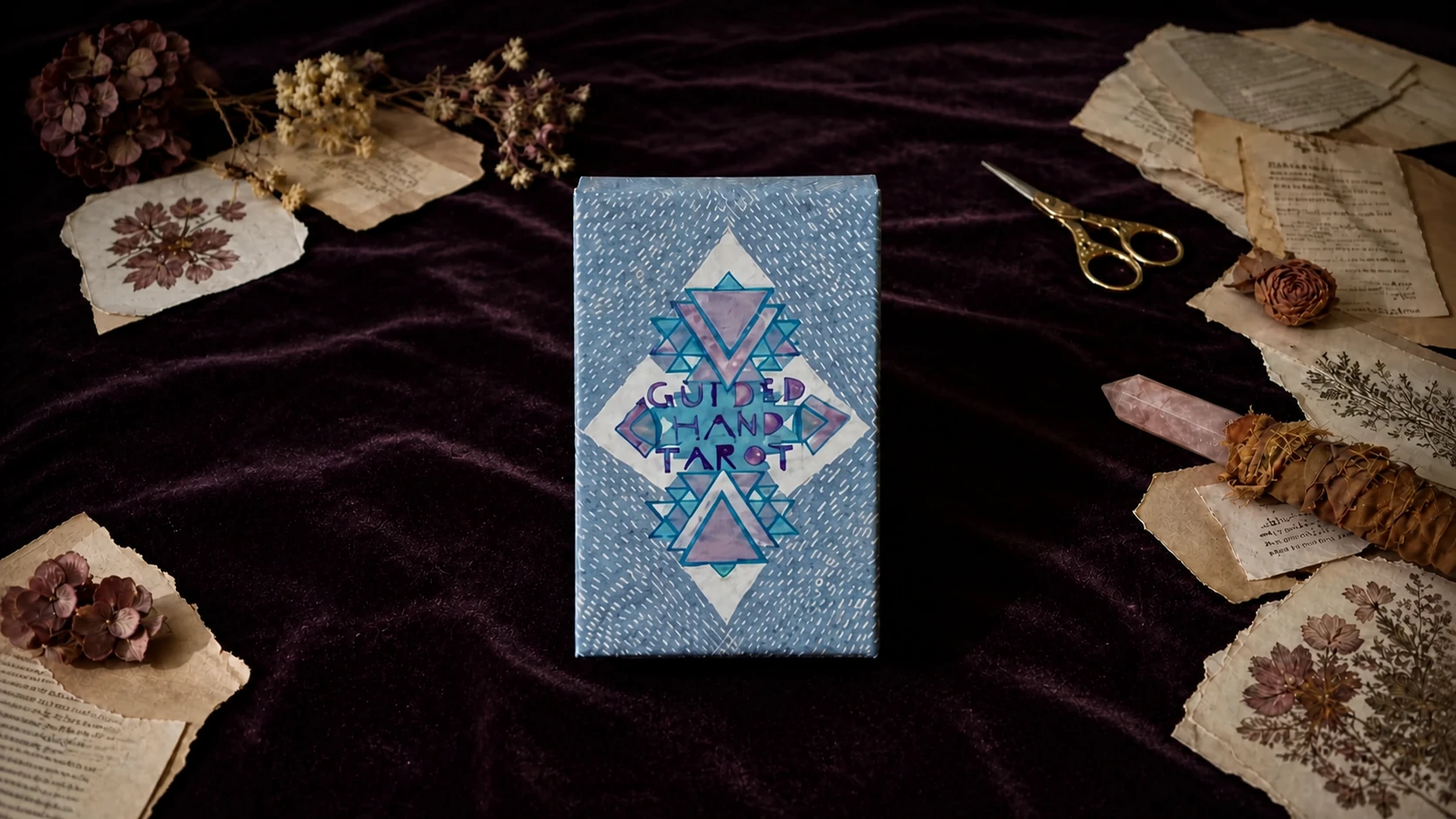
Guided Hand Tarot is a handmade-feeling collage tarot deck for readers who like symbols, fragments, and intuitive leaps. Instead of presenting a perfectly sealed fantasy world, it feels like a table of found messages: figures, flowers, hands, suit icons, planets, masks, architecture, color blocks, and small visual clues that invite you to notice what your eye keeps choosing.
This TarotFans review now places the walkthrough video, clean buying/source CTAs, native card gallery, card studies, four-card visual moments, final image CTA, and FAQ into the current Light Seers-style structure. The gallery is kept honest: the available same-deck card fronts are shown clearly, while uncertain missing images are not invented.
Guided Hand Tarot quick take
Choose this deck if you enjoy art-journal tarot, dream logic, mixed media, and readings where one strange detail can become the key. It is not a deck I would use when someone wants every card to look like a direct classroom diagram. It is better when the question needs atmosphere, texture, and a symbol that can keep unfolding after the reading ends.
The deck still respects tarot structure, but it often answers through association first. A cup may feel like an offering, a sword may feel like a sharp thought, and a figure may carry the emotional weather of the card before the keyword arrives. That makes it especially satisfying for readers who already trust visual language.
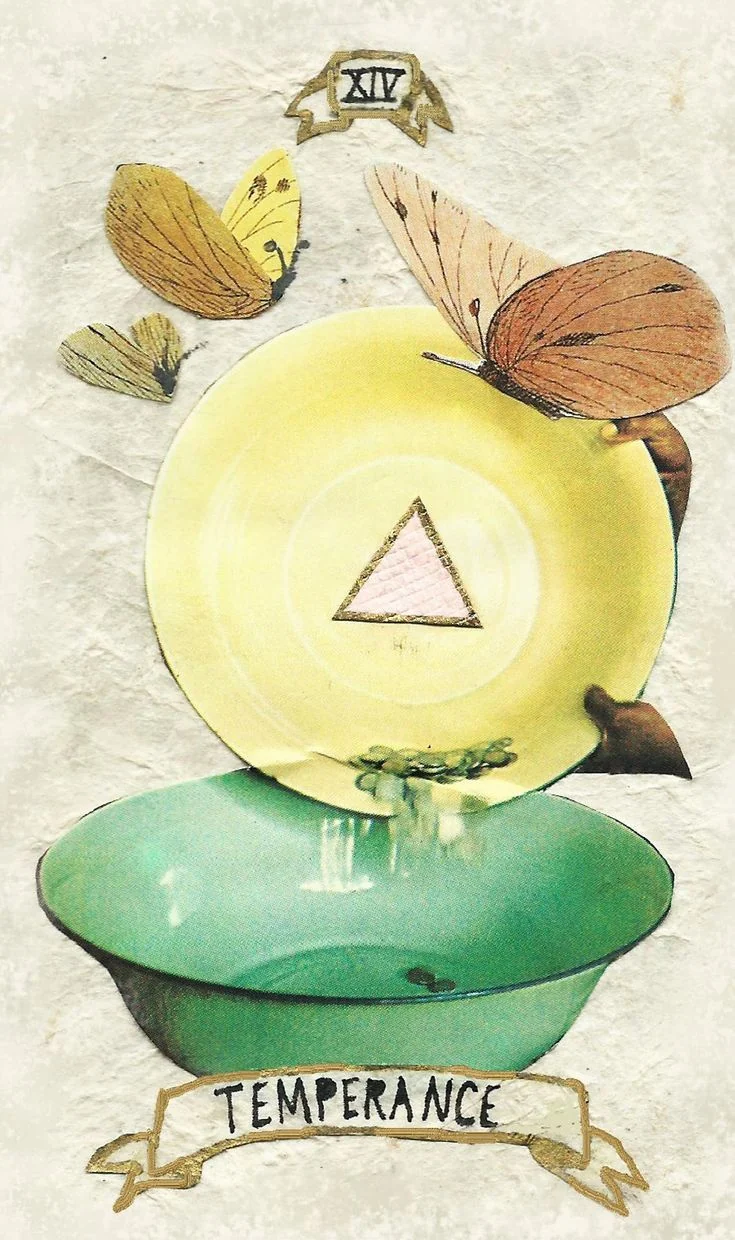
First impression
Reading the first signal
The opening recovered card is a good doorway into the deck because it immediately asks you to look slowly. The effect is less “memorize this meaning” and more “what is this picture trying to point toward?”
In a real reading, I would begin with the first three details the eye catches: color, gesture, and symbol. Guided Hand Tarot often reveals its advice through that sequence before the mind has time to over-explain.
Artwork and symbolism
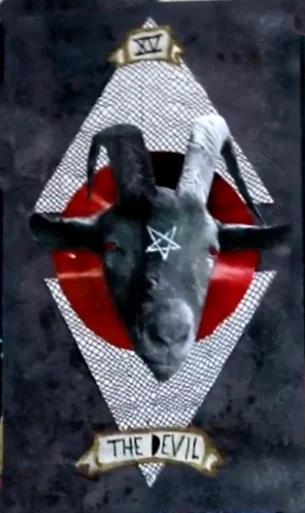
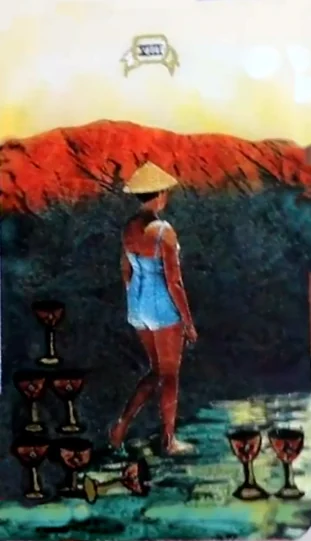
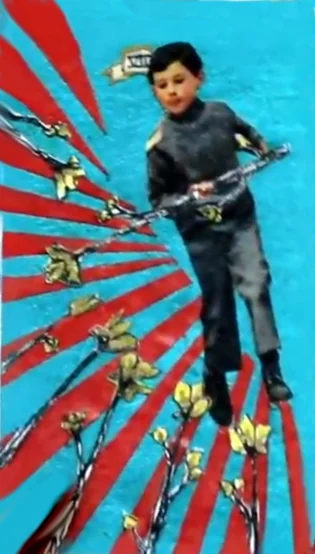
The collage style is the point. Some tarot decks use art to make meanings tidy; Guided Hand Tarot uses art to make them alive again. The cards feel assembled from emotional evidence. A face may be half formal and half theatrical. A flower may soften a hard card. A suit symbol may anchor an otherwise dreamy scene.
That makes the deck useful when a querent is stuck in rigid language. If someone keeps saying the same thing about a problem, this deck can interrupt the loop by giving them a fresh image. The image does not solve the situation by itself, but it changes the angle of attention.
Four-card reading
Signals, softness, pressure, and choice
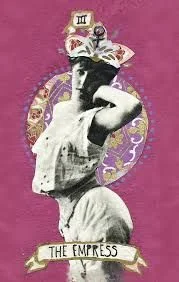
Use this line when a question feels emotionally mixed. Let each image name one layer: the sign you noticed first, the softer truth underneath it, the pressure making the situation feel urgent, and the choice that would return agency.
How Guided Hand Tarot reads in practice
In practical readings, Guided Hand Tarot works best with open prompts. “What sign am I missing?” “What needs a gentler hand?” “What image tells the truth?” “What is asking to be made visible?” Those questions match the deck’s way of speaking. They also stop a reading from becoming only a hunt for fixed meanings.
For daily pulls, I would not rush to the guidebook immediately. Write down the first object, body language, color, or shape you notice. Then ask how that detail behaves in the card. Is it hidden, offered, framed, trapped, moving, blooming, or cut away? That behavior often becomes the message for the day.
Card study
Creative direction without melodrama
Guided Hand Tarot is excellent for creative questions because it treats a reading like a mood board. Instead of pushing a dramatic yes or no, the images can show what wants a container, what needs revision, and what still feels alive.
If this card appeared for a blocked artist, I would ask what small visual clue wants to become a schedule, draft, outline, or ritual. The deck’s romance works best when it turns into one clear next step.
From one image to a conversation
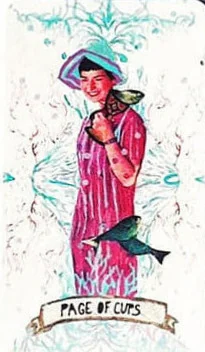
One collage can name the feeling, but the next cards show where it wants to move. After a vivid card such as the Page of Cups catches my eye, I pause before widening the spread. Then I look for a repeated colour, gesture, or object across the surrounding cards and ask whether it softens, challenges, or completes that first impression.
This keeps the deck’s dreamlike language connected to the question. The symbols are free to surprise us, yet each one still earns its place by changing the practical advice of the reading.
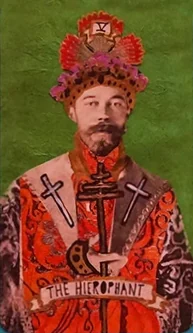
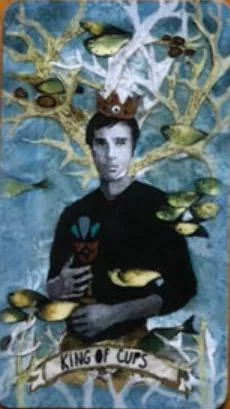
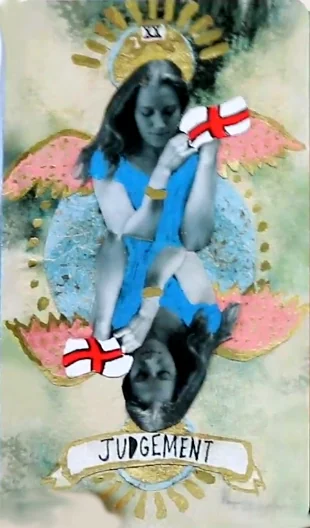
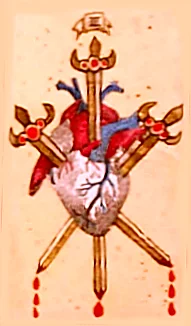
Four-card reading
Memory, mask, feeling, and plain speech
This four-card moment suits relationship readings. It separates the remembered story, the mask or performance, the genuine feeling, and the sentence that needs to be said directly instead of interpreted through hints.
Best uses for Guided Hand Tarot
My favorite uses are creative blocks, symbolic journaling, shadow-friendly self-inquiry, and nuanced relationship questions. The deck is less interested in giving a polished performance and more interested in making the hidden detail visible. That is why it can be so useful when the same old tarot explanation feels stale.
A simple five-card spread works well: the sign, the hand, the obstacle, the image to trust, and the next gentle action. Keep the language concrete. Let one detail from each card become a note in the reading rather than trying to decode everything at once.
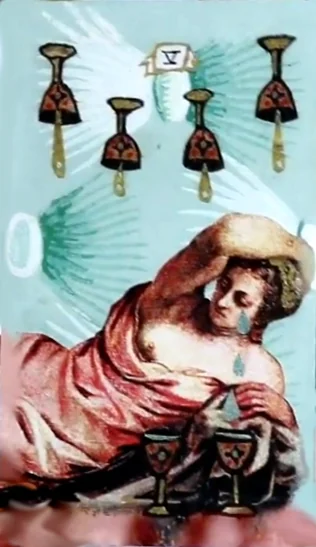
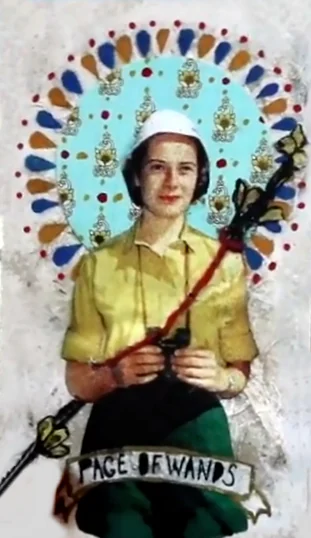
Four-card reading
A collage path for the next step
Use this spread when the querent knows something is changing but cannot name it yet. The cards can be read as a movement from raw material to emotional evidence, then to structure, then to a visible next step.


Pros and cons
| Pros | Cons |
|---|---|
| Distinctive collage voice that feels personal, handmade, and rich in symbols. | Not ideal for readers who want every scene to be a literal beginner keyword illustration. |
| Excellent for creative readings, journaling, dream symbols, and intuitive check-ins. | Some cards need slower visual interpretation before the message becomes clear. |
| The available-card gallery makes the deck easier to judge before buying or hunting for a copy. | The recovered TarotFans image set is honest rather than complete, so not every card front is shown here. |
Card study
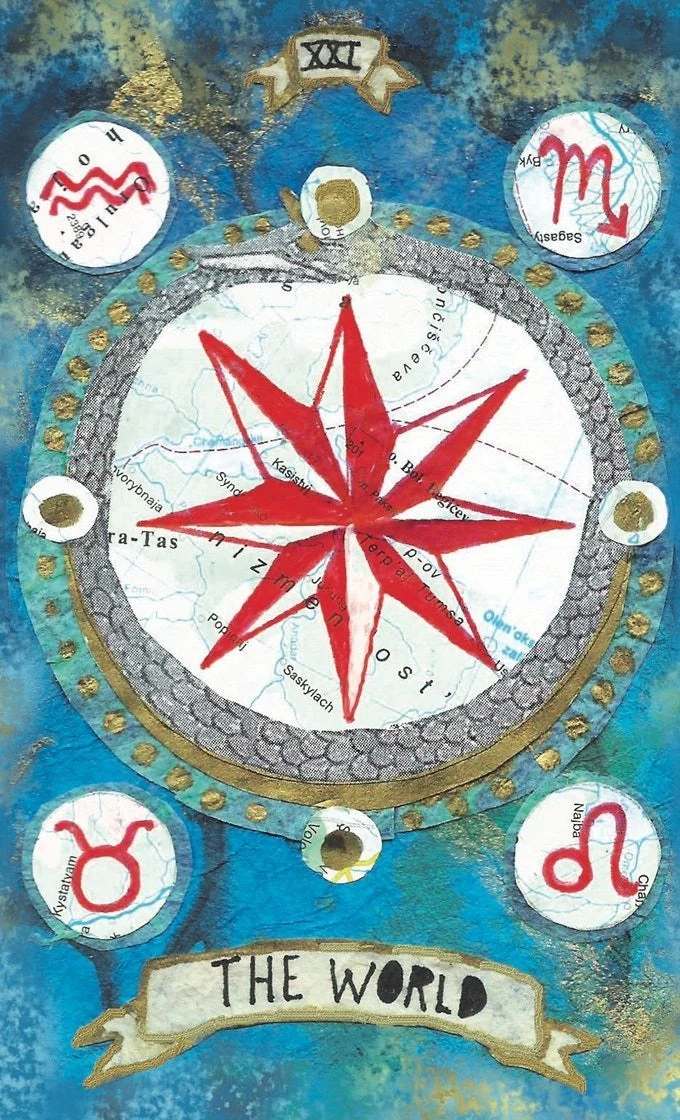
The closing card as a found message
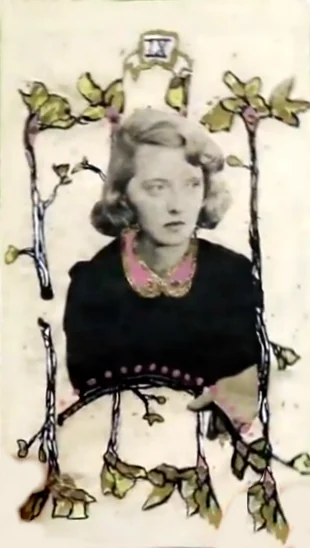
The final recovered card reminds me why this deck works: it feels less like a finished instruction and more like an object found at the exact moment you needed it. That can be frustrating if you want certainty, but powerful if you want resonance.
For readings, I would treat the card as a prompt to name the thing you already sensed but had not made visible. Guided Hand Tarot is very good at giving that kind of private recognition a shape.
Let the collage breathe
Near the end of a reading, I give the images a little more room instead of pressing them into a quick conclusion. The Nine of Wands may hold the tension, while the cards beside it reveal whether that tension needs patience, protection, honesty, or one brave adjustment.
That small pause is where Guided Hand Tarot feels most generous: scattered fragments begin to answer one another, and the reading becomes a path the reader can actually follow.
Four-card reading
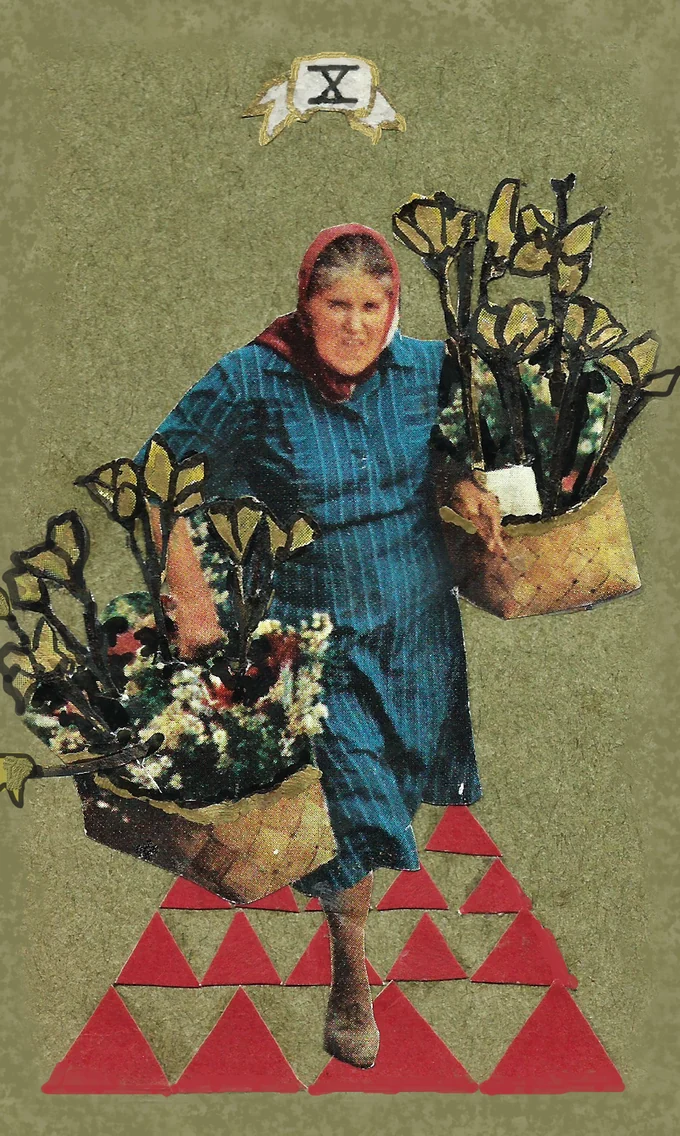
The handmade answer
This closing line is for questions that need both mystery and practicality. Read it as an invitation to notice the symbol, name the feeling, choose one practical container, and let the answer become visible through action.
Final Thoughts
Guided Hand Tarot is a soulful indie collage deck for readers who like mystery, art, and personal symbolism. It is not the neatest beginner deck, and that is part of its appeal. It gives you images that keep talking after the spread is over.
If the gallery makes you pause on a strange face, a flower, a hand, a suit mark, or a small symbolic collision, that is a good sign. This is a deck for readers who want tarot to feel like found magic: imperfect, intimate, visual, and quietly insistent.
Guided Hand Tarot FAQ
Is Guided Hand Tarot beginner-friendly?
It can work for beginners who enjoy intuitive art, but it is easier if you already know the basic tarot structure. The cards use collage, mood, and symbolic detail, so the deck asks for slower looking than a very literal Rider-Waite-Smith clone.
What kind of art does Guided Hand Tarot use?
Guided Hand Tarot uses collage-style imagery: vintage-feeling figures, flowers, symbols, hands, suit marks, architecture, fashion fragments, color fields, and surreal stage-like arrangements. It feels handmade and art-journal driven rather than glossy or fantasy-polished.
What readings suit Guided Hand Tarot best?
It shines in creative blocks, intuitive check-ins, relationship nuance, shadow work, dream journaling, daily pulls, and questions where the answer may arrive through an image or repeated symbol rather than a single textbook keyword.
Does the TarotFans gallery show every card?
The TarotFans gallery shows the available same-deck Guided Hand Tarot card-front images recovered from the original linked source. Uncertain or missing cards are not filled in with lookalikes, so the gallery stays useful without pretending the archive is complete.
Who will enjoy Guided Hand Tarot most?
Readers who like indie decks, collage, art journaling, dream symbols, and flexible image-led interpretation will probably enjoy it most. Readers who need very literal beginner illustrations may prefer to pair it with a more traditional study deck.


