Gendron Tarot Card Gallery
Explore the verified Gendron Tarot card gallery. Tap any card to open a larger carousel view.
A note from Aurica
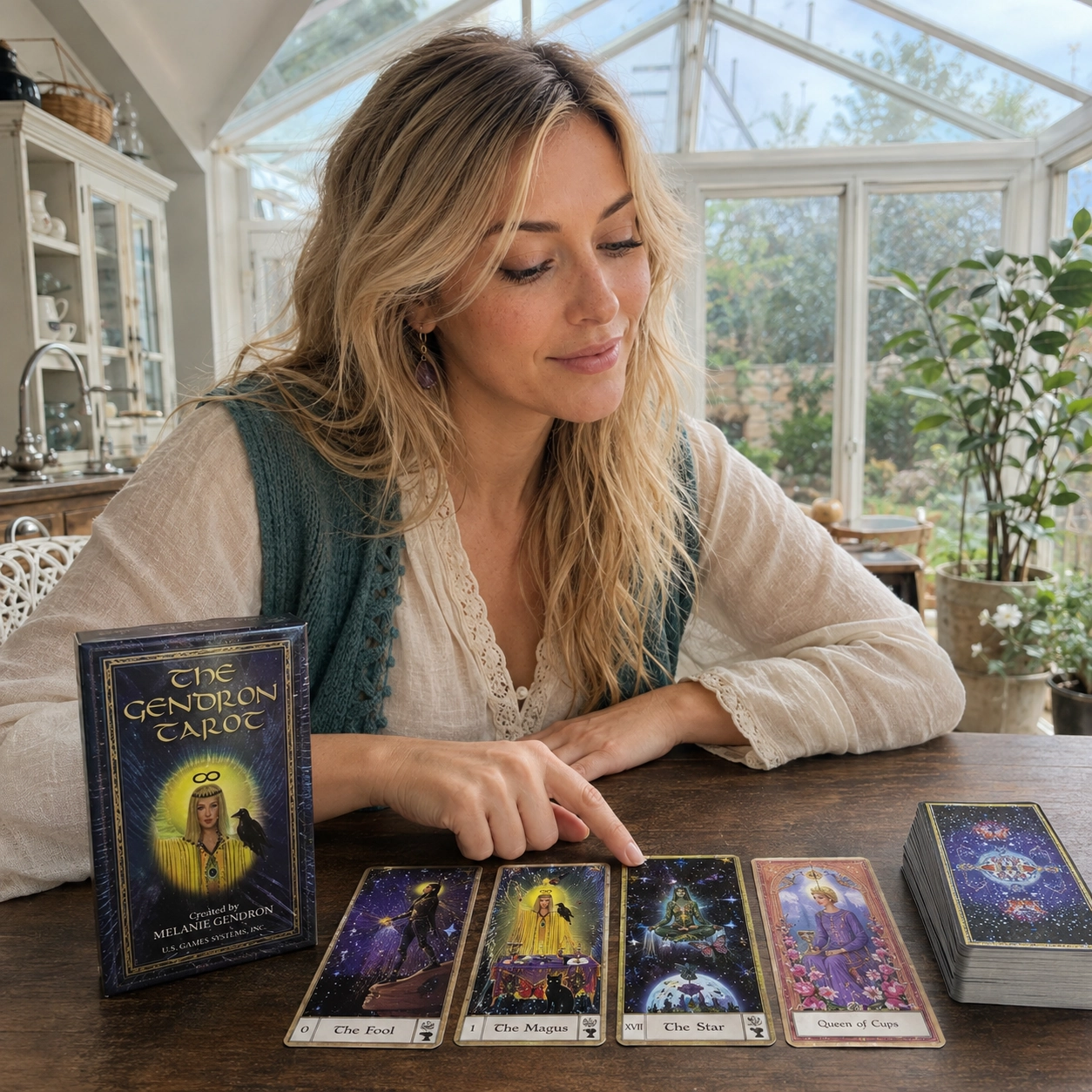
I feel as though Gendron Tarot opens a jewel box of dreams and lets every colour speak at once. The Fool steps through violet starlight, The Magus glows like a candle at the centre of a secret garden, and the courts arrive dressed in flowers, birds, halos, and watchful eyes. Beneath all that beauty there is a strong pulse of sacred feminine wisdom: tender, fierce, earthy, and never afraid of mystery.
When I read with it, I begin with the detail that catches my breath. A raven beside The Magus may make me ask what message is waiting to be voiced; the stillness around The Star may show where healing needs quiet rather than another burst of effort. I then return to the card’s familiar tarot role and test that first impression against the question and its neighbours, so the picture becomes a useful answer instead of a lovely daydream.
The Star and Queen of Cups make a beautiful pair for emotional readings. One pours calm light into the dark; the other holds feeling with grace instead of letting it spill everywhere. Together they can say, “Hope is here, but give it a vessel.” In a relationship, creative, or family spread, I would look for the gentle boundary or daily ritual that helps a bright possibility become something the heart can actually live with.
I would reach for Gendron Tarot when a question needs imagination, compassion, and enough symbolic richness to reveal what plain words keep missing. Its imagery rewards slow looking, yet the structure remains familiar enough to bring intuition back to solid ground. May these luminous cards help you trust the colour in your own inner world and carry one clear, hopeful truth from the reading into your day.
Gendron Tarot is a bright, mystical, art-forward tarot deck by Melanie Gendron, built for readers who like layered symbolism, sacred-feminine imagery, and dreamlike color. It does not try to be a plain Rider-Waite clone. It feels more like a visionary journal: faces, animals, temples, halos, stars, and saturated color all become part of the reading.
This upgraded TarotFans review keeps the gallery honest by using verified same-deck card fronts from the original deck-specific source and leaving out any image that could not be safely matched.
Gendron Tarot Review: my quick take
I read Gendron Tarot as a deck for intuitive readers, artists, journalers, and people who like symbolism that opens slowly. The images are vivid and sometimes strange in a generous way. A card might speak through a face, an animal, a color field, a gesture, or a tiny object rather than through a literal everyday scene.
The deck is easiest when you let the title and the artwork work together. Start with the standard tarot meaning, then ask what the picture changes. Does it soften the message, sharpen it, make it more spiritual, or turn it inward? That extra question is where this deck starts to feel alive.

The Fool: luminous beginning energy
The Fool feels open, cosmic, and unusually tender in this deck. Rather than reading it only as risk, I read it as the soul before the plan becomes too fixed. The image encourages curiosity, trust, and a willingness to begin without knowing the whole map.
In a practical reading, this card says to start small but sincerely. Do not force certainty before movement. Let the first step teach you what the second step should be.
Artwork, mood, and symbolism
The Gendron Tarot artwork has a distinctive visionary-collage mood. Many cards feel devotional, theatrical, or mythic, with saturated colors and spiritual symbols layered into the scene. It is not a minimalist deck. It wants the reader to look, pause, and let the details gather meaning.
That makes it wonderful for meditation and journaling. Pulling one card can easily become a page of notes: the first color you notice, the figure’s expression, the direction of movement, the symbol that feels out of place, and the emotion the image leaves behind.
A beginning-and-willpower line
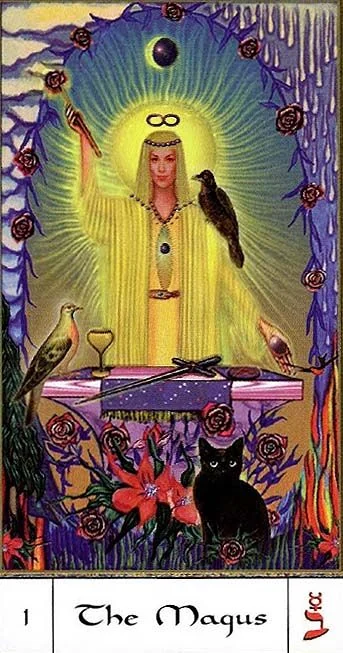


This row moves from openness into directed action. The Fool begins, The Magus chooses tools, Strength adds heart-centered courage, and The Chariot asks for disciplined forward motion.
How the deck reads in practice
In actual readings, Gendron Tarot works best with questions that invite reflection instead of yes-or-no certainty. It is good for asking what a situation feels like underneath the facts, what inner pattern is repeating, what creative energy wants attention, or what spiritual lesson is asking to be named.
I would not use it when I need the most literal, fast, keyword-style answer. I would use it when I want nuance. The deck can be gentle, intense, strange, and clarifying all at once, especially when the reader is willing to describe what they actually see before jumping to a memorized meaning.
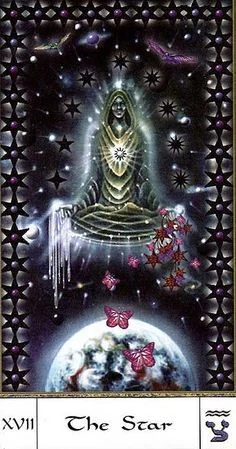
The Star: quiet restoration after intensity
The Star is one of the clearest examples of the deck’s healing voice. It does not feel like shallow optimism. It feels like the first real breath after a hard passage, when the body remembers that guidance can be soft and still be strong.
In a spread, I would read it as renewal, spiritual oxygen, and a reminder to return to practices that make hope feel embodied rather than abstract.
Beginner friendliness
Gendron Tarot can work for beginners who are drawn to the artwork, but it is not the simplest first deck for learning classic scene-based meanings. Some minors are more symbolic than literal, and the deck uses court titles like Princess and Prince. That is not a problem, but it does ask for a little patience.
If you are learning with it, keep a basic tarot reference nearby and write three notes for every pull: the traditional meaning, the first visual detail you noticed, and one real-world action. That keeps the reading grounded while still honoring the deck’s intuitive style.
A relationship-healing spread
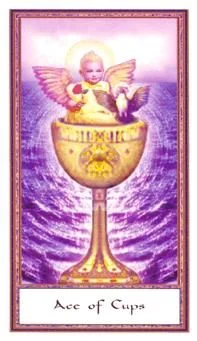


This four-card line is tender without being vague. Ace of Cups opens the feeling, Two of Cups asks for mutuality, Queen of Cups holds emotional maturity, and The Lovers asks whether the choice is aligned.
Love, relationship, and family readings
For love readings, Gendron Tarot is best when the question is emotional and reflective. It can show longing, connection, guardedness, healing, and the difference between fantasy and genuine closeness. The Cups cards in particular have a devotional quality that suits relationship work.
For family or friendship questions, I would watch the body language and atmosphere of the cards. Who is facing whom? Where is the light? Does the card feel open, protected, tense, or withdrawn? Those visual clues help the deck speak in plain human terms.
Queen of Cups: emotional depth with boundaries
The Queen of Cups carries the deck’s watery, intuitive strength beautifully. She is receptive, but not empty. She listens deeply while still holding her own center, which is exactly what many relationship readings need.
Her advice is to feel honestly without dissolving into someone else’s mood. Compassion is strongest when it has a container.
Career, money, and creative readings
For career readings, the deck is strongest around creative identity, confidence, timing, and the emotional meaning of work. It is less like a spreadsheet deck and more like a mirror for motivation, burnout, purpose, and visibility. The Wands and Pentacles cards are especially helpful for asking what wants to be built and what needs better support.
Money readings benefit from practical framing. Instead of asking whether money will magically appear, ask what resource is underused, what habit needs structure, or what choice would make the next month steadier. The imagery can then point toward grounded action.
A creative-work check-in


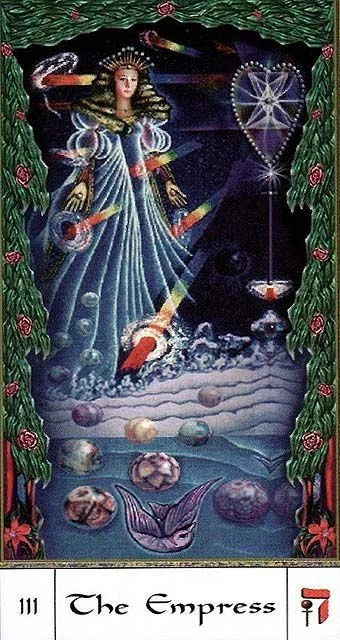

Ace of Wands brings the spark, Eight of Pentacles turns it into practice, The Empress keeps the work fertile and beautiful, and King of Pentacles asks how the idea can become sustainable.
Pros and cons
| What works beautifully | What to know first |
|---|---|
| Distinctive visionary artwork gives every reading a rich emotional and symbolic atmosphere. | The deck is not the easiest first choice if you want very literal Rider-Waite-Smith scenes. |
| Excellent for intuitive reading, journaling, meditation, relationship reflection, and creative questions. | The art can feel intense or unusual if you prefer clean, minimal, keyword-style cards. |
| The 76-card native gallery gives a generous same-deck visual sample with SEO-readable filenames and card labels. | The recovered gallery is partial: The Hanged Man and Three of Swords are not shown. |
| Majors such as The Fool, The Magus, The Star, The Universe, and Strength feel especially memorable. | Some readers may need a traditional reference deck beside it while learning the minors and court titles. |
A shadow-and-renewal pull

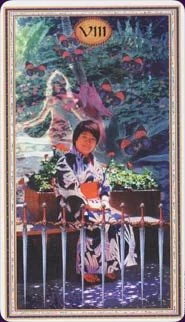

This is a strong sequence for inner work. The Deceiver names attachment or temptation, Eight of Swords shows the mental trap, Transition marks the necessary ending, and The Star brings the healing path back into view.
Final Thoughts
Gendron Tarot is worth exploring if you want a deck with a strong artistic voice. It is colorful, symbolic, mystical, and personal. The more you enjoy reading image details, the more it gives back. It is not neutral, and that is part of its appeal.
I would recommend it to intuitive readers, collectors of visionary tarot, creative journalers, and anyone who wants a deck that feels spiritual without being bland. If you want a purely textbook beginner deck, choose something simpler first. If you want cards that make you pause and look again, Gendron Tarot has that spark.
Gendron Tarot FAQ
Who created the Gendron Tarot?
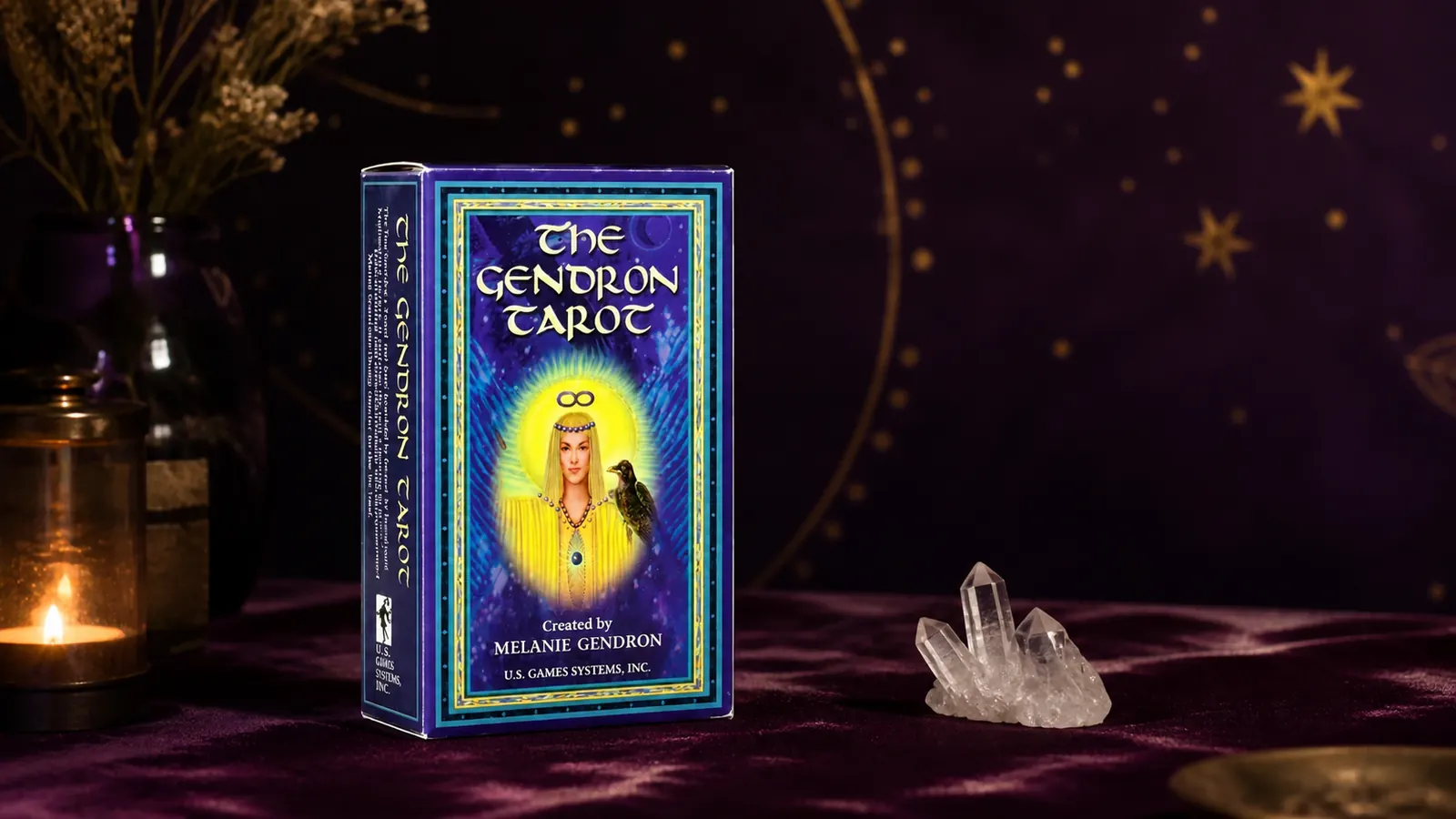
Gendron Tarot was created by Melanie Gendron. It is known for visionary, spiritual, sacred-feminine artwork with strong color and layered symbolism.
Is Gendron Tarot good for beginners?
It can work for beginners who love intuitive art, but it is not the easiest first deck for learning traditional scene-based tarot. A basic tarot guide or a more neutral companion deck can help.
Does the gallery use verified Gendron Tarot artwork?
Yes. The gallery uses deck-specific card fronts that were safely matched to the Gendron Tarot rather than filling gaps with uncertain images.
What kind of readings suit this deck best?
I like it for intuitive readings, journaling, meditation, creative questions, relationship reflection, emotional pattern work, and spiritual self-inquiry.
Does the deck follow Rider-Waite-Smith meanings?
It follows a recognizable tarot structure, but the artwork has its own symbolic language. Read the card title first, then let the image refine the message.
Can I use Gendron Tarot for daily card pulls?
Yes. Its vivid symbols work well for a focused daily pull: note the first figure, color, or gesture that catches your attention, then connect that detail with the card title and your question.


